
REVIEW · KATHMANDU
From Kathmandu: Guided Everest Base Camp Trek
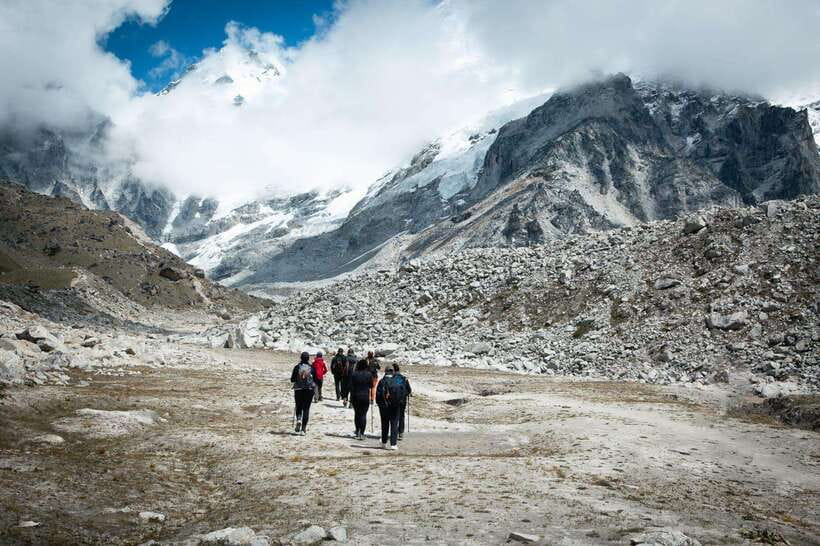
Everest Base Camp is less about simply reaching a famous signpost and more about the long climb through Sherpa country to get there. You pass suspension bridges, Buddhist monasteries, rhododendron forests, glacial valleys, and high settlements before reaching Everest Base Camp at 5,365 meters. I like the carefully placed rest days in Namche and Dingboche, and I like that guides such as Saran and Prayas have earned praise for patient support, clear English, and help when trekkers become ill or exhausted.
The main consideration is the altitude. This is a demanding trek, not a casual mountain walk. The schedule includes acclimatization, but the high point reaches 5,545 meters at Kala Patthar, and the route includes steep climbs, rocky ground, and long walking days.
Key points at a glance
- Kala Patthar reaches 5,545 meters: The sunrise viewpoint gives you one of the closest broad views of Everest on the route.
- Namche Bazaar is the first major pause: You get an acclimatization day, mountain views, local shopping, and a useful introduction to Sherpa life.
- Tengboche combines scenery and spirituality: The monastery sits at about 3,867 meters with views toward the Everest range.
- The 12-day plan includes two rest days: Namche and Dingboche provide time for your body to adjust to thinner air.
- Guides are a major part of the value: Saran and Prayas have received praise for assistance, communication, and help during difficult stretches.
- The $408 price needs careful checking: Flights, food, and some services depend on the option you select.
Why this Everest route remains special
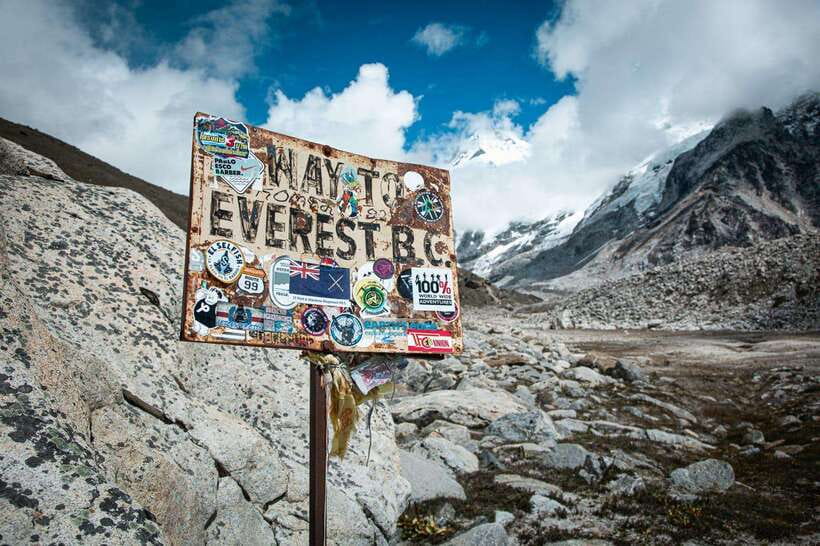
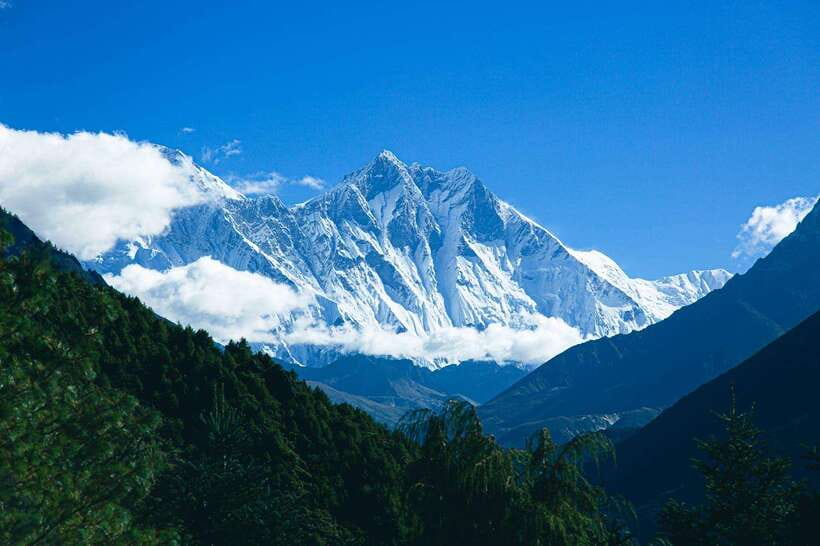
The Everest Base Camp route gives you a powerful mix of scenery and culture. The mountain views are the headline, with Everest, Lhotse, Nuptse, Ama Dablam, and other high peaks appearing along the way. Yet the villages and monasteries often make the walk feel more personal than the final arrival at base camp.
You travel through Sagarmatha National Park, a UNESCO World Heritage site. The park protects high Himalayan terrain and wildlife such as Himalayan tahrs, musk deer, and the rarely seen snow leopard. The route itself takes you through changing scenery, from forested lower valleys to rocky moraines and glacial surroundings.
I especially like the route’s cultural rhythm. You are not just walking from one mountain lodge to another. You pass through Sherpa villages, see Buddhist prayer sites, visit monasteries, and have chances to learn about local clothing, customs, and daily life.
The route is also a real physical test. You cross suspension bridges, climb steadily, descend into valleys, and then climb again. A guide can help you keep a sensible pace, spot signs of altitude trouble, and manage the practical details that become tiring after several days.
More Everest Base Camp Treks in Kathmandu
- Everest Base Camp Trek – 14 Days
★ 5.0 · 1,499 reviews - Everest Base Camp Trek
★ 5.0 · 842 reviews - Everest Base Camp Trekking
★ 5.0 · 485 reviews
Day 1: Lukla to Phakding at 2,610 meters
The trek begins with a flight from Kathmandu to Lukla if your selected option includes the round-trip domestic airfare. From Lukla, you walk to Phakding, a lower-altitude settlement at about 2,610 meters.
This first day is useful because it eases you into the route. You get your first views of the Khumbu region without immediately sleeping at a very high elevation. The walk also introduces the pattern of the trek: mountain paths, village stops, bridges, and gradual gains in height.
The flight is an important detail to confirm before paying. The listed price is $408 per person, but the airfare is described as included only if that option is selected. Food and drinks also depend on the full-board option, so the final price may vary according to your package.
Day 2: The climb to Namche Bazaar
The walk to Namche Bazaar brings the first major physical challenge. Namche sits at about 3,440 meters and is widely known as the gateway to the Everest region.
This is where the route begins to feel properly high-altitude. The climb includes suspension bridges and uphill sections, but the reward is Namche’s mountain setting and its role as a meeting point for people heading deeper into the Khumbu.
Namche is more than a sleeping stop. You can shop for local crafts, see Sherpa culture in daily life, and enjoy views of the surrounding peaks. It is also the right place to slow down. The itinerary gives you a full acclimatization day here rather than pushing directly onward.
Day 3: Acclimatization in Namche
An acclimatization day does not mean sitting indoors all day. The idea is to stay active at a manageable pace while spending another night at the same elevation.
You can use this pause to look around Namche, enjoy the views, and prepare for the higher sections ahead. Your guide can also help you judge how your body is responding. That matters because altitude affects people differently, and a strong first day does not guarantee an easy time later.
I consider this one of the most valuable parts of the schedule. A short 12-day itinerary has limited room for delays, so keeping both Namche and Dingboche as rest days gives the plan a sensible structure.
More guided trips in Kathmandu
- 12 Day Everest Base Camp Guided Trek
★ 5.0 · 40 reviews - Everest Base Camp Trek 15 days | Local Guide | Flexible Itinerary
★ 5.0 · 27 reviews - From Kathmandu: 12-Day Everest Base Camp Guided Trekking
★ 5.0 · 26 reviews - 5 Day Private Guided Trekking in Annapurna Base Camp
★ 5.0 · 25 reviews
Day 4: Tengboche and its Buddhist monastery
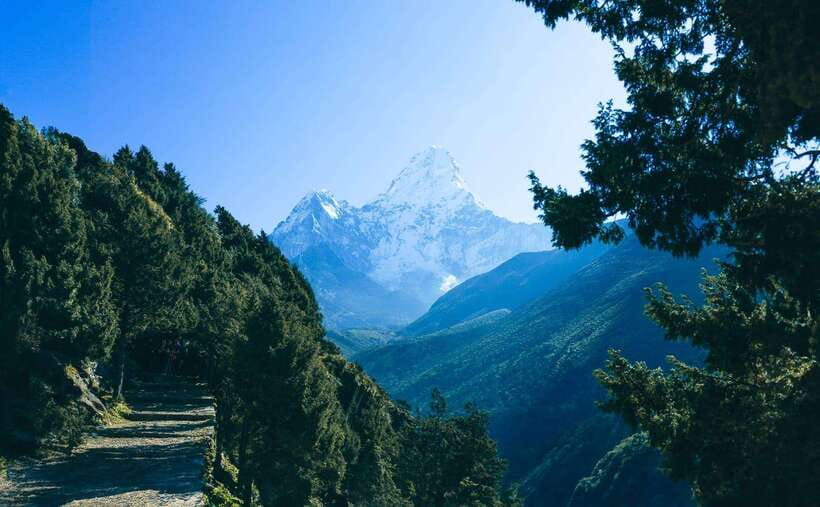
The route continues to Tengboche, listed at about 3,800 meters, with the monastery commonly associated with an elevation of roughly 3,867 meters. This is one of the most memorable cultural stops on the entire trek.
Tengboche Monastery offers wide views toward the Everest range. You may see daily Buddhist rituals and prayer activities, depending on timing. The setting makes the visit feel more meaningful than a quick photo stop. It is a place where the spiritual life of the region and the mountain environment come together.
The trail to Tengboche also gives you some of the route’s best scenery. You move through areas of forest and open mountain views, with Ama Dablam among the peaks that may draw your eye. Expect some descents and climbs, not a steady uphill path.
Day 5: Dingboche at 4,400 meters
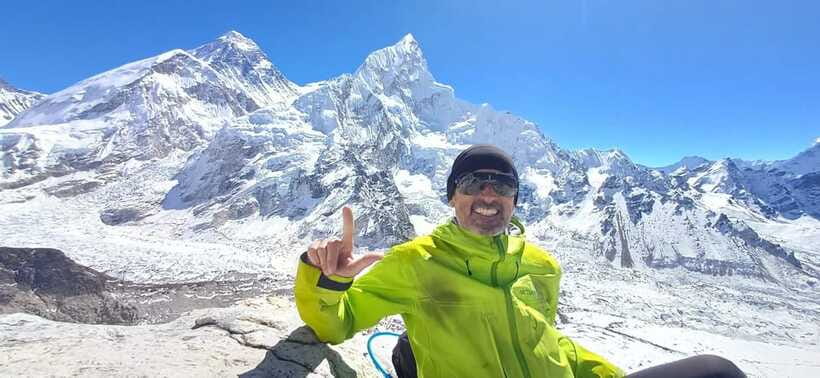
At Dingboche, the route reaches about 4,400 meters. This is a major altitude jump from the lower villages, and you will likely notice the thinner air during climbs.
Dingboche is important because it prepares you for the final high section. The itinerary gives you a rest day here, which I see as essential rather than optional. You can walk gently, rest, check your equipment, and keep your pace controlled.
This is also the point where a good guide becomes especially useful. Saran has been praised for checking on a trekker’s condition, carrying a heavy backpack when needed, and helping during steep climbs. That kind of support should not be treated as a guarantee, but it shows the sort of hands-on assistance you should expect to discuss with the company before departure.
Day 6: Rest and altitude adjustment in Dingboche
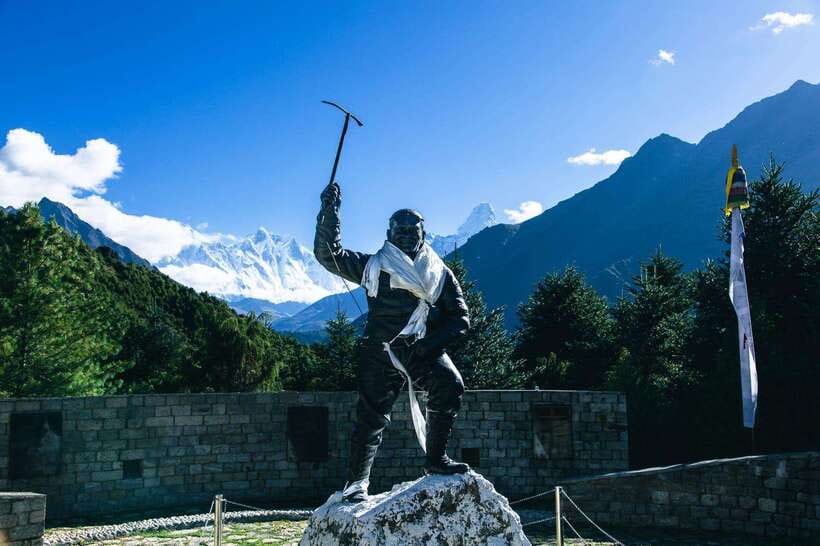
The second rest day is designed for adjustment before the route heads above 4,900 meters. You will want to use it wisely. Keep activity gentle, drink regularly, and tell your guide promptly if you feel unwell.
The schedule does not remove the risk of altitude sickness. It only gives your body more time to adapt. Travel insurance is not included, and it is specifically listed as your responsibility, so arrange appropriate coverage before leaving home.
Dingboche also gives you time to appreciate how quickly the scenery has changed. The lush lower sections are behind you, and the surroundings are more exposed, rocky, and severe. This contrast is part of what makes the route memorable, but it also makes the walking more demanding.
Day 7: Lobuche at 4,900 meters
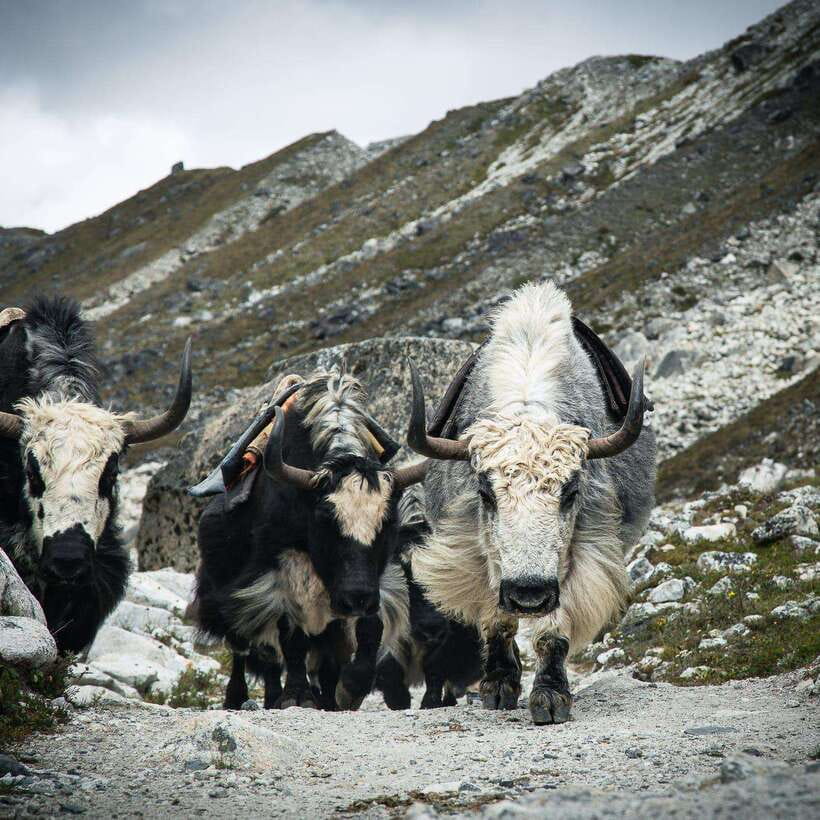
The trek to Lobuche takes you close to 5,000 meters. By this point, even ordinary uphill walking can feel slow, and the best approach is to follow the guide’s pace rather than compete with the clock.
Lobuche is a practical overnight stop before Gorak Shep. There is no need to expect extensive comfort at this stage. The point of the stop is to position you for the next day while limiting the amount of time spent climbing at once.
Your guide’s communication matters here. One solo trekker described Prayas as helpful and able to communicate well in English, while Saran has been praised for encouragement and good humor. For a long trek, a calm guide who checks in without making you feel rushed can make a real difference.
Day 8: Gorak Shep and Everest Base Camp
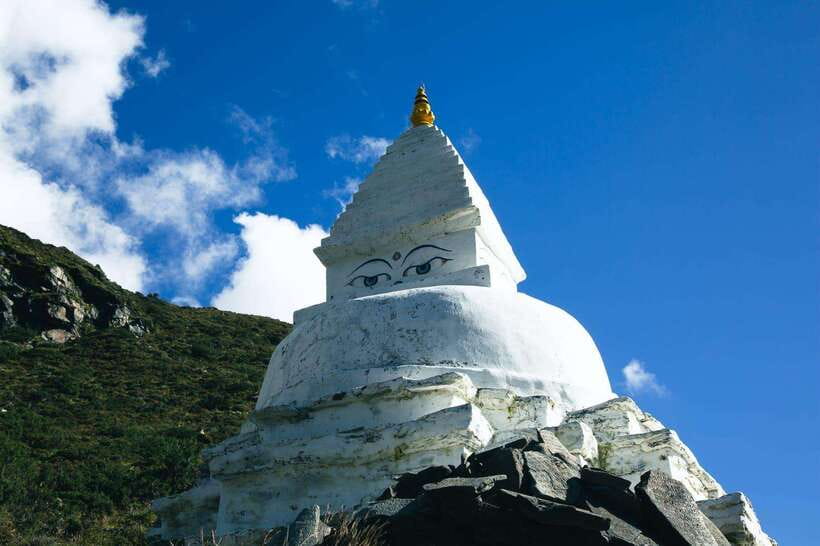
The route reaches Gorak Shep at about 5,150 meters, the last settlement before Everest Base Camp. From there, you continue toward base camp at approximately 5,365 meters.
This is the emotional high point of the trip. Everest Base Camp gives you a direct connection with the mountaineering route and the Khumbu Icefall, along with views of surrounding glaciers and high peaks. It is not a quiet viewpoint or a comfortable park. The ground is rugged, the air is thin, and the experience depends heavily on weather and energy levels.
The base camp itself does not provide the broadest view of Everest. That is why the following morning at Kala Patthar matters so much. Still, reaching base camp is a major achievement, and the long approach through villages and high valleys gives the destination its meaning.
Day 9: Kala Patthar at 5,545 meters, then Pheriche
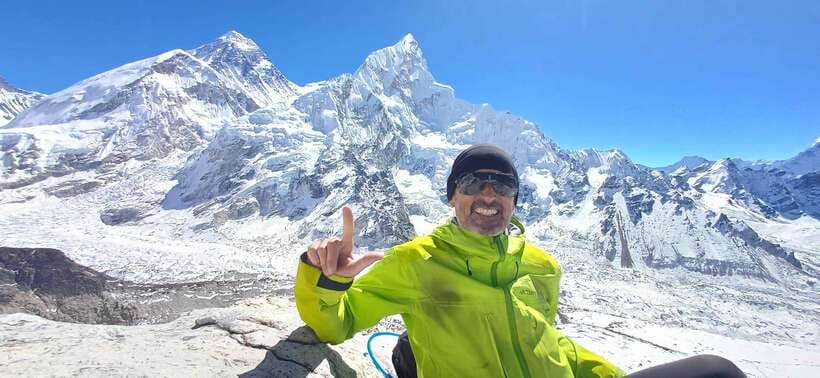
The early climb to Kala Patthar is the highest point of the trip, at around 5,545 meters. The reward is a close, broad view of Everest and the surrounding peaks, often sought for sunrise.
This is a hard morning. You may be tired from the previous day, and the altitude is extreme. Follow the guide’s instructions, allow plenty of time, and do not treat the viewpoint as more important than your health.
After Kala Patthar, you descend to Pheriche at approximately 4,200 meters. That drop in altitude can feel welcome. Pheriche also begins the return journey in a practical sense, giving your body a little relief before the longer walk back toward Lukla.
Days 10 and 11: Returning through Namche to Lukla
Day 10 takes you back to Namche at about 3,440 meters. The return route is not simply an easy walk downhill. You still face uneven paths, bridges, and repeated climbs as the trail crosses valleys.
Day 11 continues to Lukla at roughly 2,800 meters. By now, you will likely feel the satisfaction of having completed the highest sections, but fatigue can still build. One solo trekker became ill near the end and received medical assistance and a porter for the final day. That experience underlines a useful point: ask before departure how emergency support, porter help, and evacuation arrangements work.
The return days also let you notice details you may have missed on the way up. Villages look different when you are no longer focused on gaining altitude, and the lower air can make walking feel easier.
Day 12: Flying back to Kathmandu
The final day is the return flight from Lukla to Kathmandu. Round-trip domestic flights are included only with the relevant option, so check this carefully when comparing prices.
The flight closes a route that combines physical effort, high mountain views, Buddhist sites, and Sherpa communities. It also means the trip depends on transport arrangements that are outside your control, so leaving some flexibility around onward plans is sensible, even though no specific flight delay policy is provided here.
Guides, solo trekkers, and group size
The experience includes an English-speaking live guide, and a small group option is available. The company organizer, Rajesh, has been praised for answering questions through WhatsApp before departure and explaining what equipment and preparation were needed.
That pre-trip communication is useful if you are new to Himalayan trekking. You can ask exactly what your chosen package includes, including flights, meals, porter support, and accommodation.
Saran appears to be one of the guides used on this route. He has been praised for helping with heavy bags, taking photos and videos, checking health, and assisting a solo woman from Japan through the trek. Prayas has also been praised for helpful support and good English.
You should still confirm your assigned guide before departure. Personal chemistry matters on a 12-day trek, especially when you will be walking together through difficult sections.
What the $408 price represents
At $408 per person, the tour can offer strong value if your selected package includes the services you need. The listed inclusions cover hotel pickup and drop-off, trekking accommodation, a guide, guide accommodation and food, the Sagarmatha National Park permit, a trekking map, a first-aid kit, and welcome and farewell coffee.
The price is less straightforward if you assume it covers everything. Round-trip flights are included only if that option is selected, and full-board food and drinks are also tied to an option. Nepal visa fees and travel insurance are not included.
Before booking, ask for a clear breakdown of:
- Whether domestic flights are included
- Whether meals are included every day
- What kind of accommodation is provided
- Whether porter support is included
- What happens if illness stops you from continuing
- Which guide will lead your group
The six available ratings are all five-star ratings, with repeated praise for organization, communication, and guide support. That is encouraging, but the small number of ratings means you should still read the inclusions carefully rather than relying on the headline price alone.
Who should book this trek
I would recommend this trek to someone who wants the classic Everest route in a compact 12-day format and values direct guide support. It suits solo participants particularly well, based on the strong support described by solo women from Japan and Australia.
It is also a good fit if you want more than mountain photographs. Namche Bazaar, Tengboche Monastery, Sherpa villages, Buddhist prayer sites, and Sagarmatha National Park give the trek cultural and natural depth.
I would be cautious about booking it if you have no experience with long uphill walks or if you expect comfort and easy transport. The route reaches 5,545 meters, includes rough terrain, and demands steady effort for many days. Travel insurance is essential, and your fitness and altitude preparation deserve serious attention.
Cancellation is flexible up to 24 hours before departure for a full refund, and you can reserve now and pay later. Those policies make planning easier, but they do not replace medical preparation or careful checking of the selected package.
Should you book the Everest Base Camp trek?
Book it if you want a focused route to Everest Base Camp with two planned acclimatization days, an English-speaking guide, and a chance to walk through the heart of Sherpa country. The strongest reasons to choose it are the itinerary’s classic stops, the guide support associated with Saran and Prayas, and the company’s pre-trip communication through Rajesh.
Think twice if the $408 price is your only reason. Confirm the flight, meal, and porter options first. If the final package covers the services you need, this is a good-value way to take on one of the world’s great treks. If not, a cheaper starting price could become less attractive once essential extras are added.
FAQ
How long is the Everest Base Camp trek?
The experience lasts 12 days, including the flight from Kathmandu to Lukla, the trek to Everest Base Camp, the return to Lukla, and the flight back to Kathmandu.
Is the flight from Kathmandu to Lukla included?
Round-trip domestic flights are included if you select the option that includes them. Check the package details before booking.
What language does the guide speak?
The live tour guide speaks English.
Is this available as a small group tour?
Yes. A small group option is available.
What is the highest point on the itinerary?
Kala Patthar is the highest point, at approximately 5,545 meters.
How high is Everest Base Camp?
Everest Base Camp is listed at about 5,365 meters.
Are food and drinks included?
Food and drinks are included if you select the full-board option. Check which meal plan applies to your booking.
Is travel insurance included?
No. Travel insurance is not included.
Is the Sagarmatha National Park permit included?
Yes. The Sagarmatha National Park permit is included.
Can I cancel for a full refund?
You can cancel up to 24 hours in advance for a full refund.
Latest treks added in Kathmandu
- Ghorepani Poonhill Trek★ 5.0 · 5 reviews
- Ghorepani Poon Hill Trek★ 5.0 · 16 reviews
- Private Manaslu Circuit Trek at Himalayas★ 5.0 · 3 reviews
- Upper Mustang Trekking★ 3.0 · 2 reviews
- Amazing 1 Day Trekking Experience in Kathmandu Nepal★ 5.0 · 24 reviews
- Upper Mustang Trekking★ 5.0 · 2 reviews
- Upper Mustang Trek★ 5.0 · 5 reviews
- Upper Mustang Trekking★ 5.0 · 4 reviews
Everest Base Camp Treks, compared.






Browse the lists this tour appears in