
REVIEW · KATHMANDU
Everest Base Camp Trek 15 days | Local Guide | Flexible Itinerary
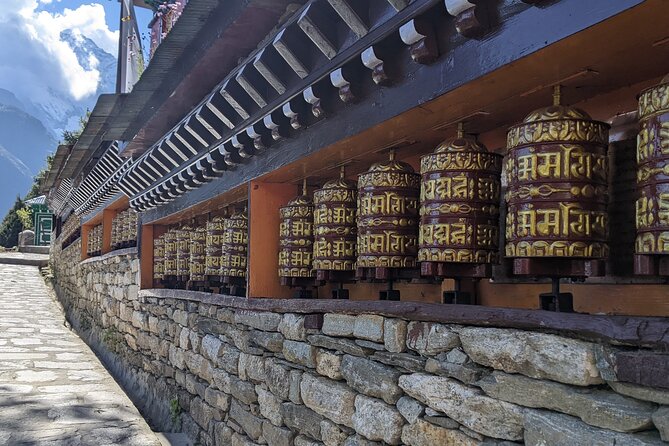
Everest Base Camp is the headline, but the real reward is the gradual walk through Sherpa country: stone villages, prayer walls, high bridges, monasteries, and ever-changing Himalayan scenery. This 15-day private trek uses a sensible uphill schedule, with rest days in Namche Bazaar and Dingboche to help your body adjust.
I like the inclusion of a local guide, porter, sleeping bag, down jacket, permits, meals, and flights, since these costs can quickly pile up in Nepal. I also like the return route through Phortse and Mong Danda, which gives you a quieter view of the Khumbu instead of simply retracing every step. The main caution is altitude: this is a demanding trek, not a sightseeing walk, and weather can delay the Lukla flights.
Key points to know before booking
- Two acclimatization days: You spend extra nights in Namche Bazaar and Dingboche, with short walks rather than full rest in bed.
- Everest Base Camp at 5,364 meters: The goal arrives on Day 9, after a gradual approach through Lobuche and the Khumbu glacier area.
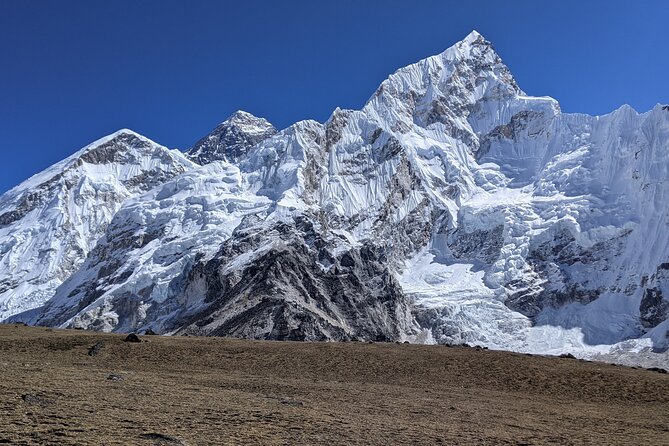
- Kala Patthar at 5,545 meters: The highest point comes early on Day 10, usually for the best close view of Everest, Lhotse, and Nuptse.
- A quieter return route: Phortse and Mong Danda add new scenery and reduce the feeling of simply walking back the same way.
- Useful gear included: Poles, sleeping bags, down jackets, permits, domestic flights, meals, a guide, and porter support are part of the price.
- Private group format: Only your own group participates, with an English-speaking, licensed local guide.
What the 15-day Everest trek is really like
This trip costs $1,890 per person and lasts about 15 days, including arrival and departure days. That price covers many of the expensive moving parts: Kathmandu transfers, flights to and from Lukla or Ramechhap, park and local permits, tea-house meals, porters, a guide, and basic cold-weather gear.
I see good value here, especially if you are comparing the trip with a self-organized trek. You still pay separately for international flights, Nepal’s visa, insurance, tips, Kathmandu lunches and dinners, snacks, drinks, hot showers, charging, and extra nights. Insurance must cover trekking up to 6,000 meters, and the stated estimate is $200 per person.
The pace is demanding but not recklessly fast. You walk for several hours on most trekking days, and the itinerary includes two acclimatization stops. The private format matters because your guide can respond to your walking speed and comfort more easily than on a large fixed group trip.
More Everest Base Camp Treks in Kathmandu
- Everest Base Camp Trek – 14 Days
★ 5.0 · 1,499 reviews - Everest Base Camp Trek
★ 5.0 · 842 reviews - Everest Base Camp Trekking
★ 5.0 · 485 reviews
Days 1 and 2: Kathmandu to Lukla
Your trip starts with airport pickup at Tribhuvan International Airport in Kathmandu. A representative from Life Himalaya Trekking meets you and takes you to your hotel. The first day is mainly for arrival, settling in, and preparing for the mountains.
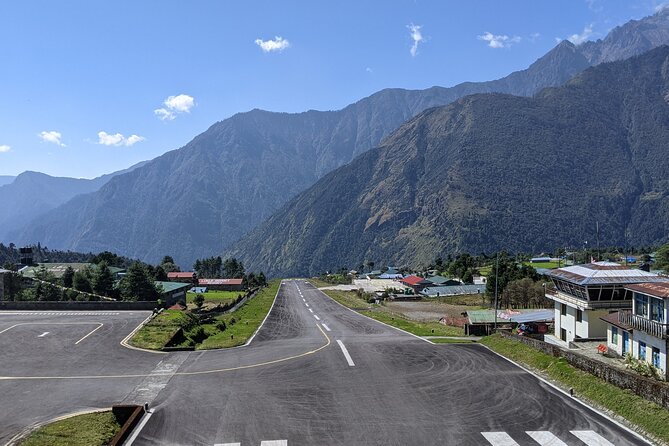
On Day 2, you take an early flight to Tenzing-Hillary Airport in Lukla, at about 2,810 meters. The flight itself is short, listed at roughly one hour, but mountain weather can affect departure times. If flights use Ramechhap instead of Kathmandu, ground transportation to that airport may be part of the arrangement, so it is worth confirming the exact departure point before you go.
Lukla is the gateway to the Everest region. Once you arrive, the character of the trip changes quickly. You are no longer moving by road or city transport. The trail begins, and the first night in the Khumbu gives you a clear sense that the walking, not the sightseeing, is the main event.
Day 3: The long walk to Namche Bazaar
The trail follows the Dudh Koshi valley toward Namche Bazaar, with a crossing of the Hillary Bridge along the way. The day involves about five hours of walking, and Namche sits at 3,440 meters.
Namche is not just a place to sleep. It is the main trading center of the Sherpa region, with shops, lodges, and a compact mountain-town feel. The route can feel busy compared with the villages ahead, but this is where the trek begins to show its social side.
You should take this day seriously. The altitude rises quickly from Lukla, and the first symptoms of headache or poor sleep can appear here. Your guide should help you watch your pace and condition. Drinking enough water and walking steadily are more useful than trying to prove how fast you can climb.
Day 4: Acclimatization around Hotel Everest View
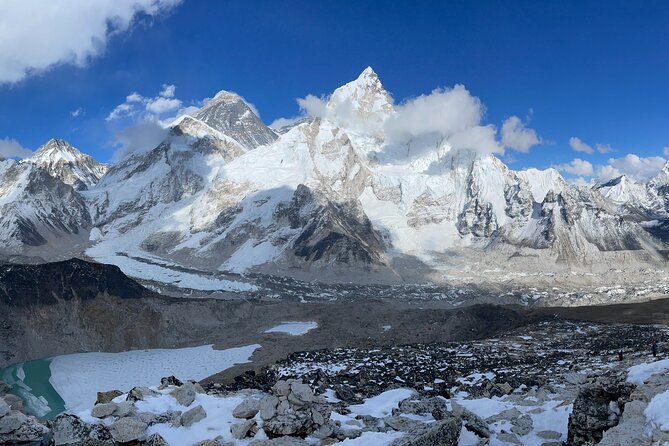
The extra day in Namche is one of the smartest parts of the plan. You do not simply stay indoors. Instead, you take a side walk toward Hotel Everest View, with time to see the surrounding peaks and return to Namche.
This active acclimatization day helps your body adjust while keeping your legs moving. It also gives you a useful test. If a short uphill walk feels unusually hard, you and your guide have time to discuss your condition before the trail goes much higher.
The hotel stop does not include an admission ticket, so confirm any purchase or entry costs with your guide. The important benefit is the altitude and the view, not the building itself.
More guided trips in Kathmandu
- 12 Day Everest Base Camp Guided Trek
★ 5.0 · 40 reviews - From Kathmandu: 12-Day Everest Base Camp Guided Trekking
★ 5.0 · 26 reviews - 5 Day Private Guided Trekking in Annapurna Base Camp
★ 5.0 · 25 reviews - Upper Mustang Classic Trek with Local guide
★ 5.0 · 15 reviews
Day 5: Tengboche and its monastery
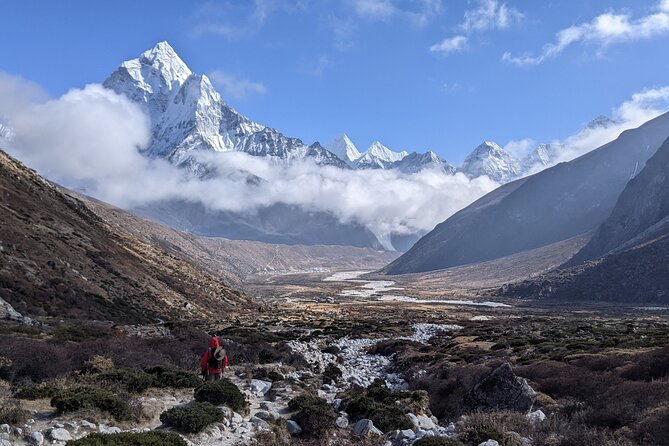
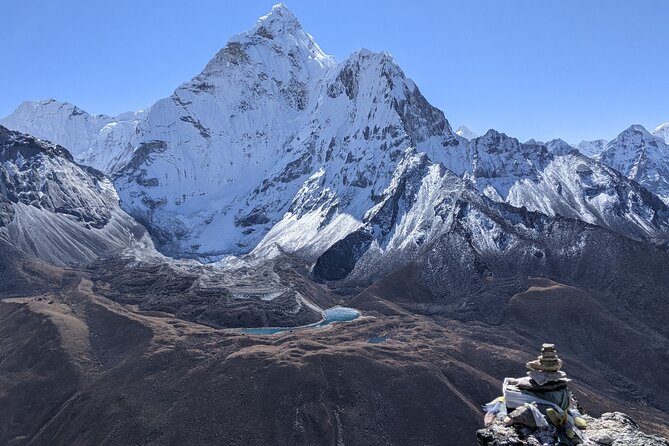
The trail climbs toward Tengboche, a walk of roughly five hours from Namche. The route passes through mountain scenery with views of peaks such as Ama Dablam and Thamserku.
Tengboche is best known for its monastery, one of the important spiritual centers in the Khumbu. The monastery gives the trek a sense of place that goes beyond mountain photography. You are walking through a living Sherpa region, where Buddhist customs remain part of daily life.
This is also a day when the uphill work begins to feel more serious. The distance may not look extreme on paper, but thinner air changes the effort. Keep your pace slow and let the guide set a rhythm that you can maintain.
Days 6 and 7: Dingboche and the second rest day
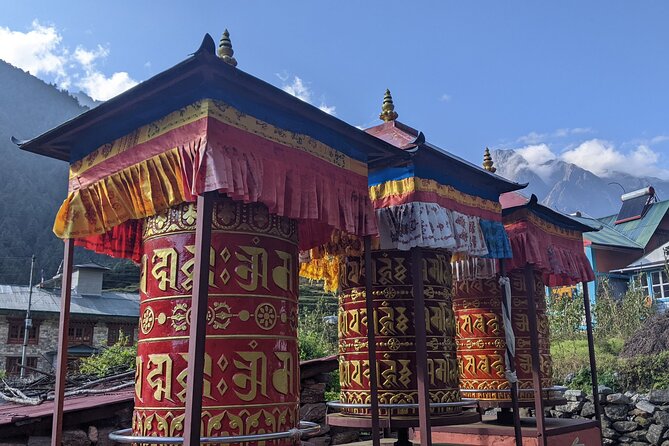
Day 6 follows the Imja Khola toward Dingboche, generally taking four to five hours. At Orsho, the trail separates toward Pheriche and Dingboche, and the path continues through the high valley.
Dingboche sits at about 4,410 meters. The village is exposed, spacious, and surrounded by large mountain views. It is also a key point in the altitude plan. You sleep here for a second acclimatization night rather than pushing straight toward Lobuche.
On Day 7, the goal is to stay active without going too far. Side walks from Dingboche let you gain some height and return to sleep lower. This approach is easier on your body than rushing upward, and it gives you time to judge how you are responding to the altitude.
A strong fitness level is required, but fitness alone does not prevent altitude problems. The schedule can reduce the risk, but it cannot remove it. If you feel seriously unwell, tell your guide at once.
Day 8: Toward Lobuche and the memorial area
After Dingboche, the trail heads toward Thukla and Lobuche. The route brings increasingly open views, colder air, and a more rugged feel. You are now close to the main Everest Base Camp approach.
The Thukla area is known for memorials to climbers and high-altitude workers who died in the Himalayas. It is a quiet, serious place on the trail. Take time to pause here. The walk is not only about reaching a famous point; it also shows the risks behind every expedition in the Everest region.
The itinerary does not give a fixed walking time for this day, so your guide will set the pace based on conditions and the group’s strength. Expect the cold and altitude to matter more than the number of hours on your feet.
Day 9: Everest Base Camp at 5,364 meters
This is the main target. From Lobuche, you walk toward Everest Base Camp, crossing rough high-altitude ground near the Khumbu glacier. The terrain is not a smooth path, and the altitude makes every rise feel bigger.
At 5,364 meters, Everest Base Camp is a powerful destination even when there is no climbing expedition in progress. You see the staging ground used by climbers and the surrounding glacier country. The views are dramatic, but the approach is also physically tiring, so do not expect a relaxed photo stop.
The route returns to a lower overnight point after the visit. Your guide and porter support matter most here. Keep your daypack light, carry water, and do not waste energy racing ahead for a few extra minutes at the base camp.
Day 10: Kala Patthar, the highest point
Kala Patthar reaches about 5,545 meters, making it the highest point of this trek. The day starts very early so you can climb for the mountain views, often with the first light on Everest and the surrounding peaks.
This is usually the best viewpoint for Everest itself. You can also see Lhotse and Nuptse, with the Khumbu region spread below. The ascent is short compared with the full trek, but it is steep and high. At this altitude, even a modest climb can feel slow.
The listed stop is about 20 minutes, but the total outing depends on the group’s pace and conditions. Do not treat the short stop time as a promise that the climb is easy. Kala Patthar is a serious effort, and you may enjoy it more if you focus on a steady rhythm instead of reaching the top quickly.
Days 11 and 12: Phortse and Mong Danda
The return route takes you down toward Pangboche, then along a less crowded trail to Phortse. This is one of the best design choices in the itinerary. You get new views of Ama Dablam, Thamserku, and Tengboche Monastery, rather than simply repeating the same trail.
Day 12 continues toward Phortse Thanga and then climbs to Mong Danda. The route connects with the trail toward Gokyo and follows a quieter section of the Everest region. It is a good reminder that the Khumbu is more than the famous base camp corridor.
This section may appeal to you if you value village life and quieter walking as much as the headline destination. The trade-off is that less busy trails can feel more demanding and less predictable underfoot. Your guide’s local route knowledge is useful here.
Day 13: Back to Lukla
The final walking day follows the route through Toktok, Phakding, Ghat, and Cheplung before the last uphill stretch into Lukla. The itinerary describes the final 200 meters as a climb, so do not expect the last day to be a painless stroll.
Reaching Lukla brings a strong sense of completion. You have crossed the main Everest trail on foot, reached Base Camp, climbed Kala Patthar, and returned under your own power. The evening is free for rest before the flight back to Kathmandu.
Porters carry up to 20 kilograms for two people, listed as 10 kilograms per guest. You are allowed 10 kilograms of main baggage and 5 kilograms of hand-carry luggage on the domestic flights. Pack carefully, because the limits are practical rather than generous.
Days 14 and 15: Flight back and departure
Day 14 begins with the earliest possible flight from Lukla toward Kathmandu or Ramechhap. Again, weather can affect mountain flights, so keep your final international departure plans realistic. An extra night in Kathmandu may be needed if a flight delay affects your schedule, and extra accommodation is not included.
Once back in Kathmandu, you have free time. Lunch and dinner in the city are also your responsibility, as are personal drinks and snacks. The trip ends on Day 15 with airport transfer according to your flight schedule.
What is included, and what still costs extra
The package includes a surprising amount of practical support:
- Private transportation and airport pickup
- Domestic flights to and from Lukla or Ramechhap
- Sagarmatha National Park, local area, and TIMS permits
- An English-speaking, experienced, licensed guide
- One porter for every two people
- Sleeping bag, down jacket, and hiking poles, returned after the trek
- Breakfast, lunch, and dinner during the trekking portion
- Tea-house accommodation
- A trail map, achievement certificate, and farewell dinner
You still need to budget for international airfare, visa fees, insurance, tips, Kathmandu meals, snacks, drinks, hot showers, battery charging, and extra nights. The package does not include luxury mountain lodging, and tea-house rooms can be basic. The phrase clean and comfortable is a fair expectation, but you should not read it as hotel-style comfort at 5,000 meters.
The operator’s past guide team includes people named Raj, Suren, Sonam, Sagar, Ram, Rabin, Prakash, Jal, and Birsha. Your own guide is not named in the supplied details, so ask for that information before departure. The important point is that the trip is built around local staff rather than a remote office-only arrangement.
Who should book this trek
I would recommend this trip to a fit person who wants the classic Everest route with a private group, two acclimatization days, and a return path that adds Phortse and Mong Danda. It is also a practical choice if you prefer to have permits, porters, gear, meals, and flights arranged together.
You should think twice if you dislike early starts, shared tea-house facilities, cold nights, changing flight plans, or several hours of uphill walking. This is not the right trip for someone looking for a soft adventure with guaranteed comfort.
The free cancellation rule is useful: you can cancel up to 24 hours before the start for a full refund. If bad weather cancels the experience, you are offered another date or a full refund. Last-minute changes and cancellations within 24 hours are not accepted.
Should you book it?
Book this Everest Base Camp trek if you want a well-paced private itinerary with genuine time for acclimatization and a little variety on the return. The strongest value comes from the bundled permits, domestic flights, porter, guide, meals, and loaned equipment.
Before paying, confirm the exact flight airport, your guide’s name, accommodation standards, insurance requirements, and the plan for weather delays. If you are ready for high altitude and basic mountain lodging, this is a thoughtfully structured way to reach Base Camp and Kala Patthar without managing every detail yourself.
FAQ
Where does the Everest Base Camp trek begin?
The trip begins with pickup at Tribhuvan International Airport in Kathmandu, Nepal.
How long does the experience last?
The full itinerary lasts 15 days, including arrival in Kathmandu, the trek, the return flight, and departure.
What is the highest point of the trek?
Kala Patthar is the highest point, at about 5,545 meters.
How high is Everest Base Camp?
Everest Base Camp is listed at 5,364 meters above sea level.
Are domestic flights included?
Yes. Flights between Kathmandu or Ramechhap and Lukla are included for all members and staff.
Is a guide included?
Yes. The trip includes an experienced, licensed, English-speaking local guide. Groups of five or more receive an assistant guide.
Are porters included?
Yes. One porter is provided for every two people, carrying up to 20 kilograms total, or 10 kilograms per guest.
What meals are included?
Breakfast, lunch, and dinner are included during the trekking portion. Lunch and dinner in Kathmandu are not included.
Is travel insurance included?
No. You must arrange your own travel insurance, and it needs to cover trekking up to 6,000 meters.
Latest treks added in Kathmandu
- Private Manaslu Circuit Trek at Himalayas★ 5.0 · 3 reviews
- Ghorepani Poonhill Trek★ 5.0 · 5 reviews
- Ghorepani Poon Hill Trek★ 5.0 · 16 reviews
- Upper Mustang Trekking★ 5.0 · 2 reviews
- Upper Mustang Trekking★ 3.0 · 2 reviews
- Amazing 1 Day Trekking Experience in Kathmandu Nepal★ 5.0 · 24 reviews
- Upper Mustang Trek★ 5.0 · 5 reviews
- Upper Mustang Trekking★ 5.0 · 4 reviews
Everest Base Camp Treks, compared.






Browse the lists this tour appears in