
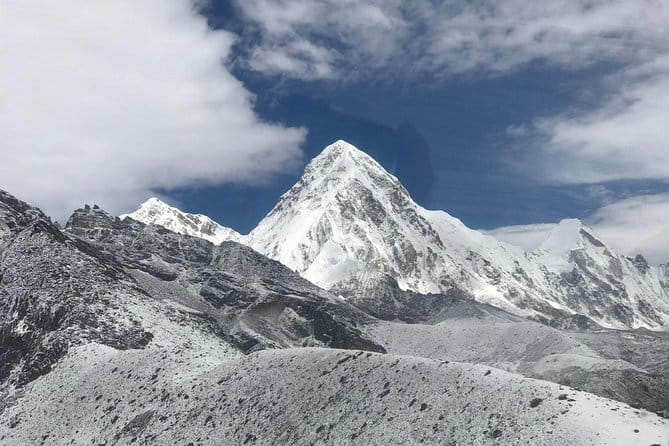
REVIEW · KATHMANDU
Everest Base Camp Trek -14 Days
The prize here is not simply reaching Everest Base Camp at 17,598 feet. It is the gradual walk into Sherpa country, from Lukla’s mountain airstrip through pine forests, high valleys, stone-walled villages, and the great Khumbu Glacier. The early flight, licensed guide, lodge stays, meals, permits, and return flight are bundled together, which removes much of the planning work.
I like the two planned acclimatization days, one around Namche Bazaar and another at Dingboche. I also like the small maximum group of 12, plus the personal care reported from guides such as Sujal, Nir, Laxman, Ram, and Saugat. The main caution is simple: this is a serious high-altitude trek, not a comfortable walking holiday. Drinks, bottled water, Wi-Fi, hot showers, porters, tips, and personal spending are extra.
Key points to know before you book
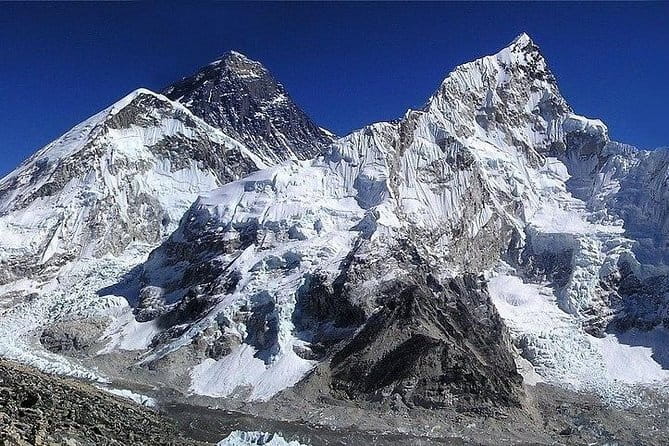
- Kala Patthar is part of the payoff: An early climb brings wide sunrise views of Everest, Nuptse, Lhotse, Pumori, and other Himalayan peaks.
- The route includes two acclimatization days: You pause at Namche Bazaar and Dingboche instead of climbing hard every day.
- The package covers the costly essentials: Return Kathmandu to Lukla flights, trekking lodges, meals, permits, taxes, and a licensed guide are included.
- You travel in a small group: The maximum is 12 people, a useful size for meeting others without losing all flexibility.
- Porter support is optional and extra: You need to confirm whether you want to carry your own luggage or hire local help.
- Lukla flights can shape the schedule: The itinerary depends on the short mountain flight in and out, so keep your plans around the trek flexible.
The real value of the $1,420 price
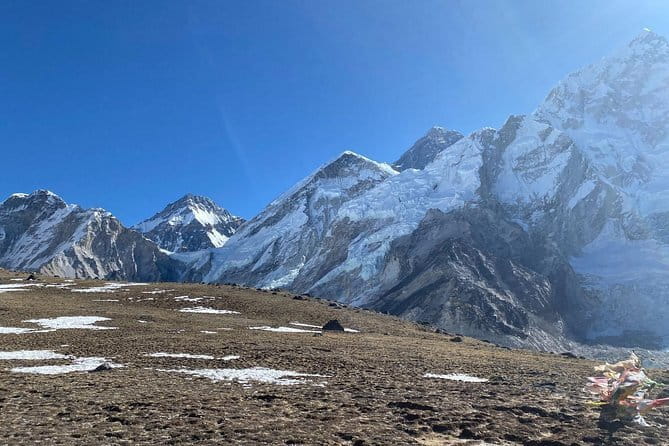
At $1,420 per person, this trek is priced as a practical package rather than a bare guiding service. You receive return flights between Kathmandu and Lukla, trekking accommodation, three meals a day during the walking portion, national park and TIMS documents, taxes, a licensed guide, and a first aid kit.
That matters because the route requires more than a guide and a map. Transport to Lukla, permits, food, and beds in the mountain lodges can be awkward to arrange separately. Having one company handle the paperwork and flights gives you more time to focus on fitness, packing, and altitude.
The value is less generous if you want comfort. The lodges are described as the best available trekking lodges, not luxury hotels. Hot showers, drinks, snacks, Wi-Fi, and water are extra, and the food can be repetitive. One account specifically notes that the menu stayed much the same during the trek and that the quality of accommodation varied, including a less satisfactory stay in Lukla.
The package also excludes a porter. That is important. You may carry your own bag unless you arrange and pay for local porter help. International flights, Nepal’s entry visa, accommodation and food before and after the trek, and tips are also outside the advertised price.
More Everest Base Camp Treks in Kathmandu
- Everest Base Camp Trek – 14 Days
★ 5.0 · 1,499 reviews - Everest Base Camp Trek
★ 5.0 · 842 reviews - Everest Base Camp Trekking
★ 5.0 · 485 reviews
Day 1: A soft landing in Kathmandu
Your arrival at Tribhuvan International Airport is followed by a staff welcome and transfer to your Kathmandu hotel. This first night is useful even if it feels quiet. You can settle in, sort your gear, and meet the team before the early start for Lukla.
The exact hotel is described as the best available accommodation, and a Kathmandu hotel night and dinner are part of the overall experience. Since the itinerary information is not fully clear about every pre- and post-trek meal, check the final inclusions before you arrive.
The meeting point is in Thamel, Kathmandu. That makes practical sense, since Thamel is the usual base for trekking arrangements and is near public transportation. Airport pickup is offered, so you do not have to navigate the first transfer alone.
Day 2: Flying to Lukla and entering Sherpa country
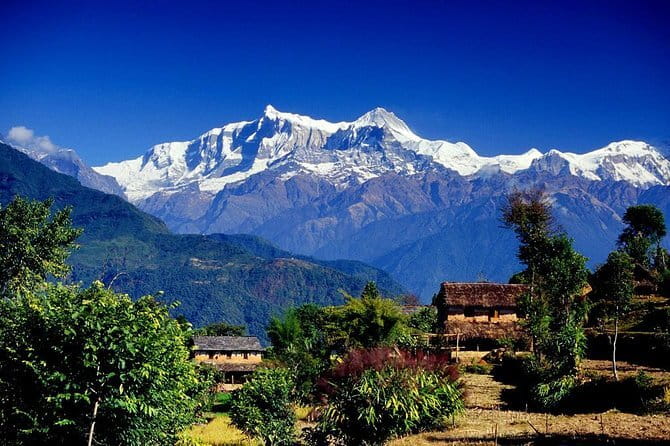
The morning flight to Lukla takes about 35 minutes. It is one of the most memorable transport legs in Nepal, but it also puts the whole route on a tight schedule. After landing, you meet the trekking crew and begin walking in the home region of the Sherpa people.
The first day includes roughly two hours of walking and an acclimatization period. That gentle start is welcome after an early flight. You will not be dropped straight into a punishing mountain day.
Lukla is more than a staging point. It marks the change from city travel to foot travel. From here onward, the rhythm is simple: walk, eat, sleep, and watch the mountains grow larger.
Day 3: Pine forests, the Dudh Koshi, and first mountain views
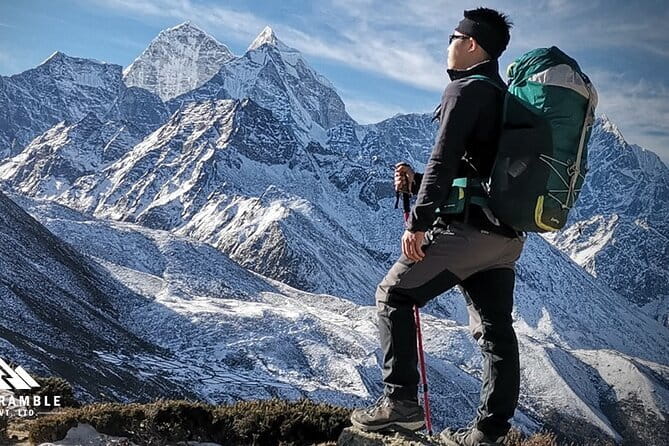
The trail follows the Dudh Koshi River through pine forest. This section offers a pleasant mix of moving water, woodland, suspension bridges, and village paths. You also get an early view of Everest, along with peaks such as Kusum Kanguru.
This is a good reminder that the Everest route is not only about snow and high passes. Lower sections have trees, farms, rivers, and working villages. You will see a more lived-in side of the region before the route becomes rockier and more exposed.
The walking is still manageable, but do not treat the first few days as a race. A slow pace helps you conserve energy for the high country.
More Trekking Tours in Kathmandu
- Annapurna Circuit Trek with Tilicho Lake
★ 5.0 · 368 reviews - Everest Base Camp Trekking – 13 Day
★ 5.0 · 365 reviews - Everest Base Camp Trek
★ 5.0 · 350 reviews - Manaslu Circuit Trek
★ 5.0 · 292 reviews
Day 4: Namche Bazaar and the first acclimatization pause
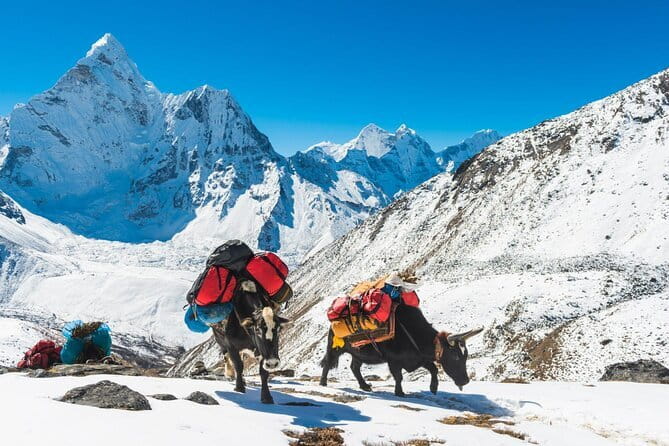
The rest day around Namche Bazaar is one of the smartest parts of the schedule. Namche is a major stop for trekkers heading toward Everest, and the surrounding lookout points give you views of Everest, Lhotse, Cholatse, Thamserku, Kwangde, and Ama Dablam.
You still walk on a rest day, but the purpose is to gain height and return to sleep at the same level. That approach gives your body time to adjust. For you, it may feel less exciting than pushing onward, but it is valuable protection against rushing upward.
Namche is also a social point on the route. With a group capped at 12, you have a fair chance to get to know the people around you without being swallowed by a large tour party.
Day 5: Rhododendron forest and the long climb toward Tengboche
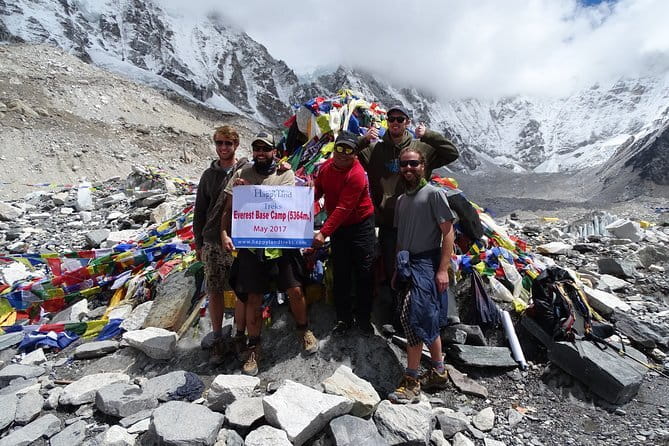
The route continues along the main Everest trail, with a descent toward the Dudh Koshi followed by a climb through rhododendron forest. This is one of the more varied walking days, with a clear sense of gaining height while still passing through woodland.
The descent can be deceptive. You may feel that losing height is easy, only to pay for it on the climb that follows. This is a day for steady footwork and patience.
Your destination is Tengboche, a famous stop with a monastery and strong mountain views. The surroundings are particularly striking in the early morning, when the peaks and monastery can look crisp and quiet before the route gets busy.
Day 6: Tengboche monastery and the approach to Dingboche
After breakfast, the route continues through forest and onward toward Dingboche. The changing vegetation tells you that you are moving into a higher, colder zone. The trail becomes less sheltered, and the mountains feel closer.
Tengboche is one of the cultural highlights of the trek. The monastery gives the route more meaning than a simple peak-viewing trip. You are passing through a region where Buddhist practice, farming, climbing, and tourism all meet.
The walk to Dingboche is not just another transfer day. The valley opens up, and Ama Dablam becomes an especially memorable presence. As you gain height, you will notice that even ordinary tasks, such as climbing a short slope, require more effort.
Day 7: Dingboche and the second acclimatization day
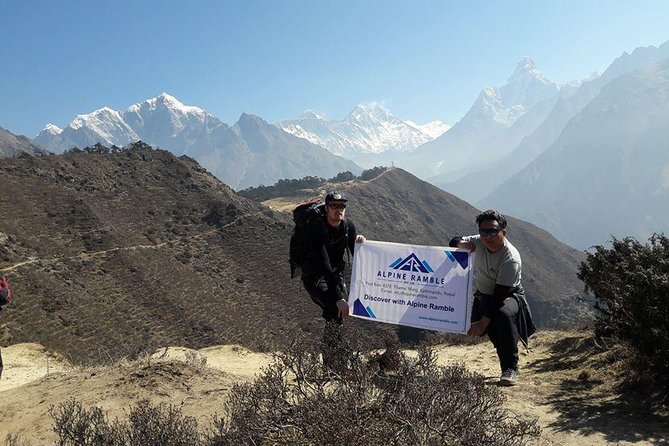
Dingboche is a popular base for people heading toward Everest, Ama Dablam, and Imja Tse. The village has fields enclosed by stone walls, built to protect crops such as barley and potatoes. Those walls show how much work is needed to farm at this altitude.
This is the second major pause in the schedule. You may take a higher walk and return to Dingboche, though the supplied plan does not specify a single required excursion. The key point is to gain height gradually and sleep at the same elevation.
By this stage, the group’s pace and guide support become especially important. The first days can feel like a normal hike. Dingboche is where the altitude becomes a daily concern, and you should tell your guide promptly if you feel unwell.
Day 8: Memorials above Duglha and the approach to Lobuche
The trail climbs gradually to Duglha, then rises more steeply toward the ridge at Chukpo Lari. Here, memorials honor climbers who died on Mount Everest. It is a quiet and serious part of the route.
The memorials add human weight to the journey. Everest is not just a distant white summit, and the trek is not without risk. You should take the altitude and changing conditions seriously even with a guide and first aid supplies.
From here, you continue toward Lobuche. The views become grander, but the walking becomes more demanding. Keep your day simple: move slowly, drink what you have budgeted for, and follow the guide’s advice.
Day 9: Everest Base Camp at the Khumbu Glacier
This is the day most people picture when they book the trek. Leaving Lobuche, you follow a relatively flat meadow before turning toward the Khumbu Glacier. The trail then climbs onto the glacier’s lateral moraine and continues toward Everest Base Camp.
At 17,598 feet, the altitude changes the experience. Even a modest incline can feel hard, and the route is not a smooth walk through a park. The moraine is uneven, and you will need to watch your footing.
Reaching Base Camp is a major achievement, but the view of Everest itself is not always the clearest from the camp. The mountain scenery around the glacier, including Nuptse and the surrounding peaks, is part of the reward. Your guide helps you manage the timing and return to Lobuche after the visit.
Day 10: Kala Patthar at sunrise
The early climb to Kala Patthar is one of the strongest reasons to choose this itinerary. It takes about two hours to reach the viewpoint near the base of Pumori, and the sunrise opens a wide Himalayan view.
From the top, you can see Everest, Nuptse, Lhotse, and other major peaks in a broad panorama. The viewpoint often gives a more satisfying view of Everest than Base Camp itself.
This is also one of the hardest mornings. You are climbing high after already reaching Base Camp, and the cold early start adds to the effort. The schedule is demanding, but the timing is well chosen for mountain light. Afterward, you return toward Lobuche and begin the journey down.
Days 11 and 12: Returning through Tengboche, Jorsalle, and Phakding
The return route retraces the Khumbu Valley through Sherpa villages and forests. You descend toward the Dudh Koshi, pass through the Dingboche area, and climb back toward Tengboche before continuing down.
The trail feels different in reverse. Downhill walking saves breath, but it can be tiring on your knees, especially after the high days. Suspension bridges and repeated rises keep the return from becoming effortless.
The next day continues through Jorsalle, Manjo, Benkar, Phakding, and smaller villages. You cross several bridges over the Dudh Koshi and gradually return to greener surroundings.
These days are less dramatic than Base Camp and Kala Patthar, but I like them for another reason. You have time to notice village life, forests, rivers, and the working side of the route without the same pressure to reach a major goal.
Day 13: Flying back to Kathmandu
The return flight from Lukla brings you back to Kathmandu, followed by free time in the city. The supplied schedule describes the experience as 14 days, while the detailed day-by-day plan lists Days 1 through 13. Confirm the final schedule with Alpine Ramble Treks before booking connecting flights.
The return flight is another reason to avoid a tight international connection. The itinerary includes the Lukla to Kathmandu flight, but mountain aviation can affect the day’s timing. The practical choice is to keep your next flight or major appointment separate from this return leg.
Guides, group size, and personal support
The maximum group size is 12, which is small enough for a guide to keep track of the group and large enough for a social atmosphere. The company provides a government-licensed guide, and the strongest personal praise has centered on attentive staff.
Guide names connected with past departures include Sujal, Nir, Laxman, Ram, Saugat, and Subash. Dil, the owner, is also described as quick to respond and involved in organizing trips. You should not assume you will receive a particular guide, but it is useful to know that the team has several named guides with experience on this route.
The guide is included. A porter is not. If you want to walk with a lighter daypack, arrange porter support and budget for it before departure.
Food, lodges, and extra costs
Breakfast, lunch, and dinner are included during the trek. Meals are local and practical rather than elaborate. You should expect simple lodge food, and the menu may feel repetitive during the 11 included dinners and lunches.
The trekking lodges are included, but comfort varies by location. You will pay separately for hot showers, tea and coffee, other drinks, snacks, water, Wi-Fi, and personal items. These small costs add up, so carry some spending money.
A basic first aid box and Diamox for high-altitude sickness are listed among the inclusions. That does not replace travel insurance or medical advice. Emergency rescue is funded by travel insurance, so suitable insurance is an essential part of the trip, not an optional extra.
Who should book this Everest trek?
I would choose this trip if you want the classic Everest route without arranging every permit, flight, lodge, and meal yourself. It suits people with moderate physical fitness who are willing to walk for many days, sleep in basic lodges, and accept changing comfort at high altitude.
It is less suitable if you want private rooms, a highly flexible schedule, guaranteed comfort, or a short mountain holiday. The group limit helps, but this remains a shared itinerary with fixed trekking stages.
The 100 percent recommendation figure and 5 out of 5 rating shown for the experience are encouraging, but your own preparation still matters more than the score. Train for sustained uphill and downhill walking, understand what is and is not included, and ask about porter arrangements before you pay.
Should you book it?
Book this Everest Base Camp trek if you value a well-organized route, included flights and permits, two acclimatization days, and personal support from a licensed guide. The package offers solid value at $1,420, especially for a first Himalayan trek.
I would hesitate only if you need predictable hotel comfort or cannot handle a demanding high-altitude schedule. For a prepared walker who wants Base Camp, Kala Patthar, Sherpa villages, and the Khumbu Glacier in one supported trip, this is a sensible package. Keep your schedule flexible around Lukla, budget for extras, and treat the altitude with respect.
FAQ
How long is the Everest Base Camp trek?
The experience is marketed as a 14-day trek, while the detailed schedule lists 13 days from arrival through the return to Kathmandu. Confirm the final number of nights and departure dates with Alpine Ramble Treks.
What is the highest point reached?
Everest Base Camp is listed at 17,598 feet, or 5,364 meters, above sea level. The route also includes an early climb to Kala Patthar.
Are flights between Kathmandu and Lukla included?
Yes. The package includes a return flight between Kathmandu and Lukla, including departure taxes.
Are meals included?
Breakfast, lunch, and dinner are included during the trek. The package lists 12 breakfasts, 11 lunches, and 11 dinners.
Is accommodation included?
Yes. Accommodation at trekking lodges during the trek is included, along with a Kathmandu hotel stay connected with the trip. The lodges are described as the best available trekking lodges.
Is a porter included?
No. A local porter is available only if you arrange and pay for one separately.
What personal expenses are extra?
You pay separately for hot showers, hot and cold drinks, coffee, tea, snacks, water, Wi-Fi, tips, and personal expenses. International flights, Nepal’s entry visa, and accommodation and food before and after the trek are also excluded.
How large is the group?
The maximum group size is 12 people.
What is the cancellation policy?
You can receive a full refund if you cancel at least 24 hours before the experience start time. Cancellations or changes made within 24 hours are not accepted for a refund.
Latest treks added in Kathmandu
- Private Manaslu Circuit Trek at Himalayas★ 5.0 · 3 reviews
- Ghorepani Poonhill Trek★ 5.0 · 5 reviews
- Ghorepani Poon Hill Trek★ 5.0 · 16 reviews
- Upper Mustang Trekking★ 3.0 · 2 reviews
- Amazing 1 Day Trekking Experience in Kathmandu Nepal★ 5.0 · 24 reviews
- Upper Mustang Trekking★ 5.0 · 2 reviews
- Upper Mustang Trek★ 5.0 · 5 reviews
- Upper Mustang Trekking★ 5.0 · 4 reviews
Everest Base Camp Treks, compared.






Browse the lists this tour appears in