
REVIEW · KATHMANDU
Private Manaslu Circuit Trek at Himalayas
The best part of this 13-day Manaslu Circuit Trek is the changing scenery. You start beside warm, green river country, pass through Tibetan-style villages and Buddhist walls, then climb toward ice, moraines, and the 5,160-meter Larkya La Pass. The trail brings you close to Mt. Manaslu, at 8,163 meters, without the crowds found on Nepal’s most famous routes.
I like the private format, since your group can walk with its own guide and adjust its pace within the planned route. I also like the useful inclusions: restricted-area permits, conservation permits, teahouse lodging, meals, buses, a licensed guide, and loaner equipment if needed. The catch is the altitude and the long days. A porter is not included, and you need at least two people to book.
Key points to know before you book
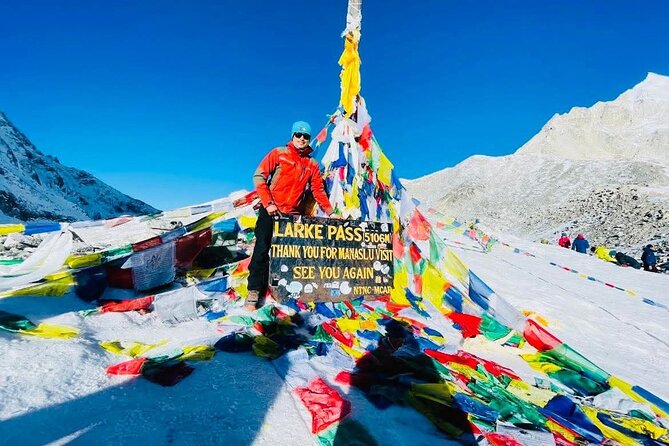
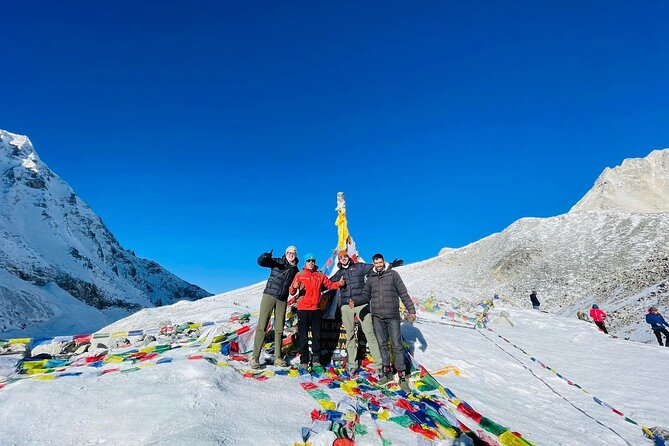
- Cross the 5,160-meter Larkya La Pass: This is the trek’s major physical test and its big reward.
- See Manaslu from several angles: The route passes through forests, high meadows, glacial country, and Manaslu Base Camp.
- Sleep in teahouses: Lodging is practical and local, but comfort becomes simpler at higher elevations.
- Use two acclimatization days: Sama Gaon and Samdo provide time to adjust before the pass.
- Pay $1,500 for a broad package: Meals, permits, buses, guide costs, and lodging are included, while insurance and a porter are extra.
- Travel with a private group: Only your party takes part, with a minimum booking size of two people.
Why the Manaslu Circuit feels different
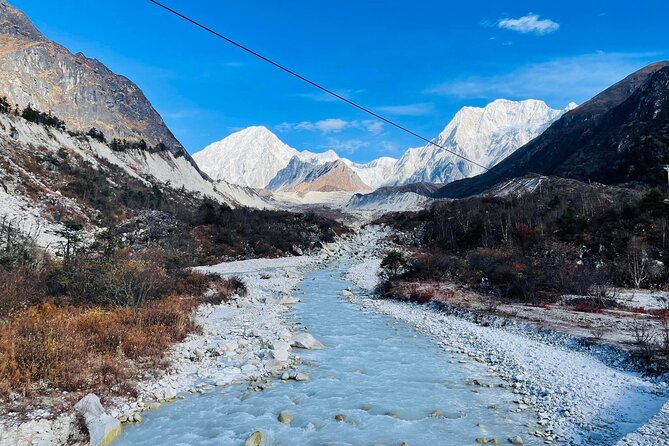
The Manaslu Circuit gives you a long, steady look at Nepal’s changing mountain country. You are not simply walking toward one famous viewpoint. The route begins in subtropical country, follows the Budhi Gandaki River, and gradually moves into terrain shaped by ice, rock, and snow.
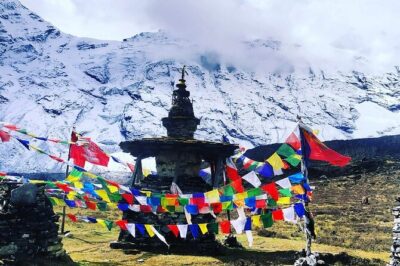
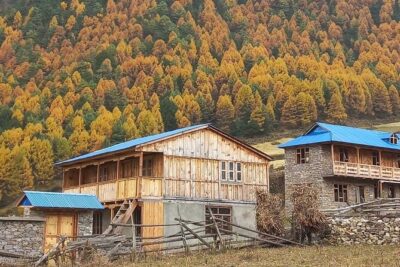
The cultural change is just as noticeable. Villages along the upper route have strong Tibetan influence, with monasteries, prayer wheels, mani walls, and Buddhist customs. Lho, Sama Gaon, and Samdo are not just overnight stops. They help you see how life changes as the trail climbs toward the border country near Tibet.
I like this gradual rhythm. You have time to move from low valleys to high country instead of arriving at altitude in one big jump. Still, do not confuse a private trip with an easy trip. The itinerary includes several long walking days, rough trail sections, and a high pass that demands steady footing and sensible pacing.
More Manaslu Treks in Kathmandu
- Manaslu Circuit Trek
★ 5.0 · 292 reviews - Manaslu Circuit Trek:
★ 5.0 · 106 reviews - Manaslu Circuit Trek (15 Days)
★ 5.0 · 50 reviews
What the $1,500 price really covers
At $1,500 per person, this is a useful package for a high-altitude trek, especially if you value having the main paperwork and transport arranged before you arrive. The price includes Kathmandu to Machha Khola by bus, Dharapani to Kathmandu by bus, a licensed trekking guide, teahouse or lodge accommodation, and the Manaslu Restricted Permit.
It also covers the Manaslu Conservation Area Permit and Annapurna Conservation Area Permit. The Annapurna permit matters because the route finishes through the Dharapani area, where the trek connects with the Annapurna region.
Food is covered during the trek: 13 breakfasts, 13 lunches, and 12 dinners. Drinks are not included, including soft drinks and alcoholic drinks. You also receive a sleeping bag, down jacket, and duffle bag if necessary, all returned after the trek. A first-aid kit and oximeter are carried as part of the support.
The price does not include a porter. You will need to carry your own bag unless you arrange porter service separately. Personal travel insurance is also required, and it should cover high-altitude trekking and emergency evacuation. A helicopter can be arranged in an emergency, but the cost is handled through your insurance, not absorbed by the tour price.
You will also pay for meals in Kathmandu, international flights, visa costs, tips, drinks, and any upgraded Kathmandu hotel. The final-night farewell dinner in Kathmandu is included.
Day 1: The long road to Machha Khola
The first day is mostly a road journey, listed at seven to eight hours. You leave Kathmandu by bus and head toward Machha Khola, the starting point of the walking route.
This day matters because it gets you into the Budhi Gandaki valley, but it is not a sightseeing day with a polished transfer. Road conditions in Nepal can make long bus rides tiring, and the schedule may feel slow after an international flight. Plan to begin rested and keep your expectations practical.
Machha Khola is the launch point for the trek. The listed maximum altitude for the day is 1,400 meters, though the main purpose is simply reaching the trailhead.
Day 2: Jagat, suspension bridges, and a hot spring
You walk for roughly six to seven hours toward Jagat, reaching about 1,410 meters. The route follows the Tharo Khola, passes Khorlabesi, and includes a hot spring along the way.
Expect a narrow trail and suspension bridge crossings. These early sections introduce the basic character of the trek: river views, steep valley walls, and a route that does not always feel flat or easy simply because the altitude is low.
Jagat is an important early stop. You are still in lower mountain country, so this is a good day to settle into your walking pace and learn how your guide manages breaks and meals.
More Trekking Tours in Kathmandu
- Everest Base Camp Trek – 14 Days
★ 5.0 · 1,499 reviews - Everest Base Camp Trek
★ 5.0 · 842 reviews - Everest Base Camp Trekking
★ 5.0 · 485 reviews - Annapurna Circuit Trek with Tilicho Lake
★ 5.0 · 368 reviews
Day 3: From Jagat toward Pewa
The route continues for about seven hours and climbs to approximately 1,860 meters at Pewa. You follow the Budhi Gandaki through changing forest and village scenery.
This is where the trek begins to feel like a true mountain journey rather than a road trip followed by a short walk. You gain altitude, but not so fast that the day is designed as an extreme push.
The supplied schedule gives the day a long duration, so be ready for a full walking day. Since a porter is not included, your pack weight will affect how comfortable this section feels. Pack carefully and use the duffle bag only if you arrange help carrying it.
Day 4: Namrung and the first major altitude gain
Day 4 takes around six hours and finishes at Namrung, at about 2,630 meters. The trail becomes more alpine in feel, with bigger mountain views and villages shaped by the upper Budhi Gandaki valley.
Namrung is a useful altitude checkpoint. You have gained a considerable amount since Machha Khola, so this is the point where hydration, rest, and a steady pace matter more than racing ahead.
I like this part of the route because the scenery begins to open while the villages still feel closely tied to the trail. You are moving toward the high Buddhist settlements, but you have not yet reached the most demanding elevations.
Day 5: A shorter walk to Lho
The walk to Lho is listed at around four hours, with a maximum altitude of 3,180 meters. After several longer days, this shorter stage gives you breathing room.
Lho is one of the most memorable cultural stops on the route. Its setting near the Manaslu range brings the mountain views closer, while its spiritual character gives the trek more substance than a simple point-to-point hike.
Use the shorter day wisely. You can eat slowly, look around the village, and allow your body to adjust. At this altitude, even a modest climb can feel harder than it would in Kathmandu.
Day 6: Sama Gaon, the upper valley, and bigger peaks
The route continues to Sama Gaon, reaching about 3,530 meters. The listed walking time is about seven hours, although the itinerary also describes this as a shorter day. In practical terms, expect a meaningful day on foot and prepare for the increasing altitude.
Sama Gaon is one of the major settlements on the Manaslu Circuit. Tibetan influence becomes stronger here, and the route feels more remote and open. This is a good place to pay attention to signs of altitude trouble and to follow your guide’s advice rather than treating the schedule as a race.
The mountain views are a major reward. Himalchuli, Ganesh Himal, and the Manaslu range become part of the surrounding view as you move farther from the lower river valleys.
Day 7: Acclimatization at Manaslu Base Camp
Day 7 is set aside for acclimatization, with Manaslu Base Camp listed at about 4,400 meters. This is not a throwaway rest day. It gives you a chance to gain height before sleeping lower again or continuing toward the pass.
The base camp outing is one of the trek’s special features. You get closer to the glacial side of Manaslu and see how quickly the terrain changes at altitude. The exact walking demands can vary, but the schedule clearly treats this as a day for adjustment rather than a simple transfer.
This is also a good point to use the supplied oximeter and first-aid support as needed. Those items do not remove the risks of altitude, but they show that the trip is organized around basic mountain safety.
Day 8: Moving toward Samdo
You walk roughly four to five hours to Samdo, at about 3,690 meters. The route descends toward the Budhi Gandaki and continues through the high valley, with the Larkya La route ahead.
Samdo is close to the Tibetan border area and has a strong sense of high mountain isolation. The village itself is a key part of the experience, not merely a bed for the night.
The itinerary refers to the Manaslu Base Camp direction during this stage, so your guide will be important in clarifying the exact day’s trail plan. Conditions, local trail choices, and group pace can affect how the route is arranged.
Day 9: A second acclimatization day in Samdo
You spend another day at around 3,690 meters. The plan includes exploring Samdo and possibly hiking up the valley toward one of the old trade passes leading toward Tibet.
This is smart scheduling. The next stages take you to Larkya Phedi and then above 5,000 meters, so an extra day at Samdo gives your body more time to adapt.
The possible valley hike also adds cultural meaning. You are near an old trading world, where routes through the mountains connected Nepal and Tibet. Keep this day moderate. The purpose is to prepare for the pass, not to exhaust yourself before it.
Day 10: Larkya Phedi at 4,460 meters
The walk to Larkya Phedi, also called Larkya Base Camp or Dharamshala in the itinerary, takes about four to five hours. You cross a wooden bridge over the Budhi Gandaki and pass two streams before reaching the high camp area.
At about 4,460 meters, this is a short but serious day. The air is thin, accommodation is likely to be basic, and the body may notice every uphill section. This is where the included sleeping bag and down jacket can become especially useful.
Try to keep this evening simple. Eat, drink, organize your pack, and sleep as much as possible. The following morning is the hardest and highest part of the route.
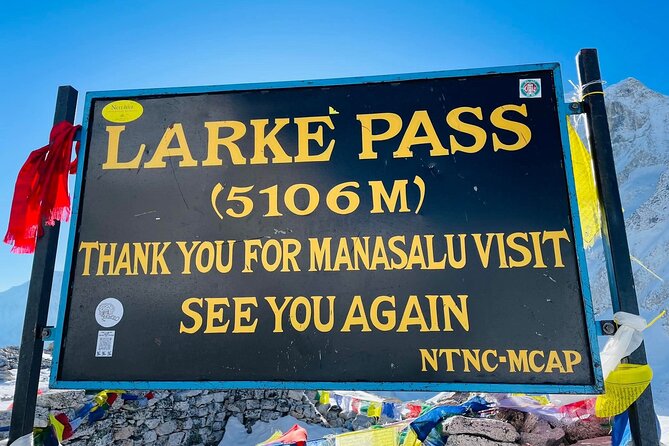
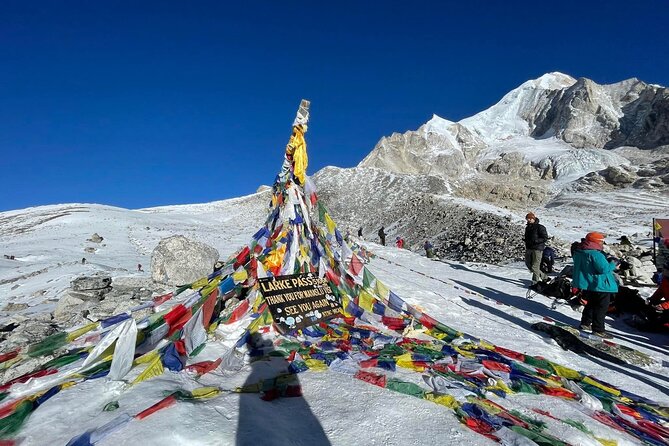
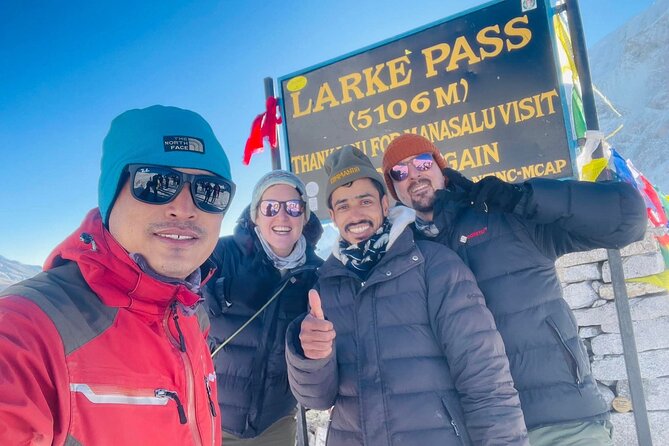
Day 11: Larkya La Pass at 5,160 meters
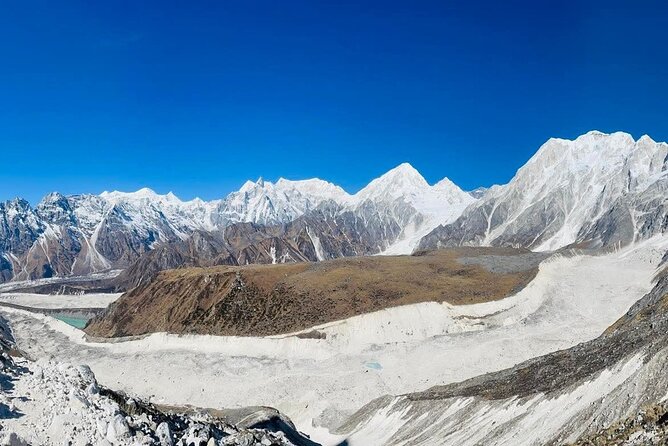
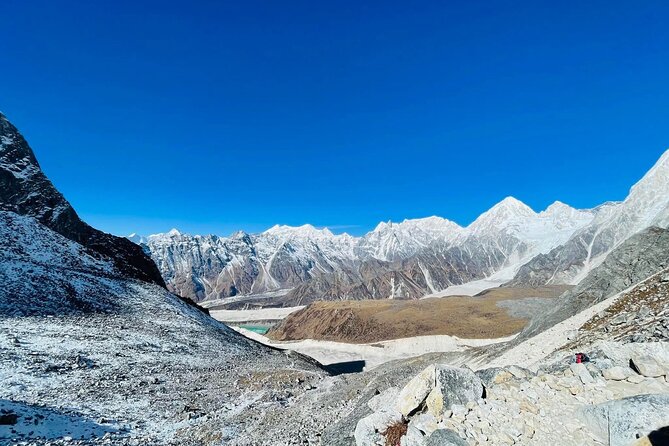
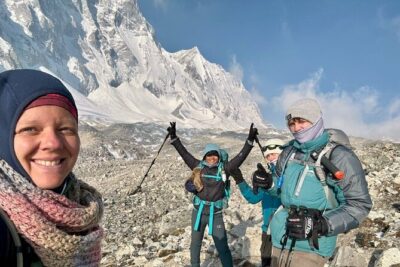
The pass day is the physical centerpiece of the trek. You start through a valley with views toward Cho Danda and Larkya Peak, then continue across glacial moraines toward Larkya La.
The walking time is listed at seven to eight hours, and the maximum altitude reaches 5,160 meters. This is a long day at high altitude, so your pace should be controlled. Your guide’s role matters here, especially in watching the group and helping you make sensible decisions if the weather or your condition changes.
The crossing rewards patience. From the pass, you get wide Himalayan views and a clear sense of having crossed from one major valley system to another. The descent after the pass is still demanding, but it usually feels good to be moving lower.
Day 12: Descending to Bimthang
The route continues for about nine hours toward Bimthang, at 3,720 meters. This is a long day, but the drop in elevation should bring some relief after the pass.
Bimthang marks a clear change in the trek. You have crossed the highest point, and the route begins to return toward greener country. Still, do not treat the descent as effortless. Tired legs, uneven trail, and a long walking day can create their own problems.
The listed admission cost is free on this day, but the important value is the transition from high glacial terrain back toward lower villages and roads.
Day 13: Dharapani and the return bus
The final route to Dharapani takes about eight to ten hours and reaches approximately 1,963 meters. You spend most of the day descending through changing mountain country before finishing the walking portion.
From Dharapani, the return journey to Kathmandu is by bus. That makes this a long finish, not a relaxed final morning. You may arrive tired, but the package includes the bus transfer and a farewell dinner in Kathmandu.
The route is described as a 13-day experience, yet the final return transport can make the last day feel especially full. Keep your schedule after the trek flexible if possible.
Guides, pace, and the private format
The guide can make a major difference on a trek with changing altitude and long days. Guides associated with this experience include Raj, Yaka, and Laxman. Raj has been noted for matching a fast walking pace while keeping the route comfortable and safe. Yaka has been praised for care and clear support, while Laxman has provided strong help with bags.
Those details matter because the trek is private. Your group is not folded into a large departure, and only your party takes part. A private guide can help your pace, but you should still discuss your preferred speed before starting. Fast walking is not automatically better at altitude.
The minimum booking size is two people because this is a restricted trekking area. You should also have moderate physical fitness. The route is not suitable for someone looking for a gentle holiday with occasional walks.
Who should book this Manaslu trek
I would choose this trek if you want a serious Himalayan route with strong cultural character, high mountain scenery, and fewer signs of mass tourism than Nepal’s busiest trails. It suits hikers who can handle repeated walking days, basic teahouse lodging, and a high pass.
It is a good match for a pair or small private group that wants guide support without joining a large tour. The inclusions also make budgeting easier, since permits, meals, lodging, buses, and guide costs are already grouped into the price.
I would think twice if you dislike long bus journeys, cannot carry your own bag, or have no insurance that covers high-altitude evacuation. Since the porter is extra, your luggage plan should be settled before departure.
Cancellation terms are worth noting. You receive a full refund if you cancel at least six full days before the start time. A cancellation two to six days ahead receives 50 percent, while cancellations less than two full days ahead are not refunded.
Should you book it?
Book this Manaslu Circuit Trek if you want the 5,160-meter Larkya La crossing, close views of Manaslu, and a private route through Buddhist mountain villages. The package covers the expensive practical pieces, and the two acclimatization days are a real strength.
Do not book it casually. You need moderate fitness, insurance, patience for long transport days, and a plan for carrying your luggage. For the right hiker, this is a demanding but well-structured way to see one of Nepal’s most rewarding high mountain circuits.
FAQ
How long is the Manaslu Circuit Trek?
The experience lasts approximately 13 days, including the journey from Kathmandu to Machha Khola and the return from Dharapani to Kathmandu.
What is the highest point on the trek?
The highest point is Larkya La Pass, at approximately 5,160 meters.
Is the Manaslu Base Camp included?
Yes. Manaslu Base Camp is included as part of the acclimatization schedule on Day 7, at a listed altitude of about 4,400 meters.
Is this a private trek?
Yes. Only your group participates in the private activity. At least two people are required to book because the route is in a restricted trekking area.
Are meals included?
Breakfast and lunch are included for all 13 days, along with 12 dinners. Meals in Kathmandu and all drinks during the trek are not included.
Is a porter included?
No. A porter for your bag is not included in the price. You should plan to carry your own luggage or arrange porter service separately.
Are permits included?
Yes. The price includes the Manaslu Restricted Permit, Manaslu Conservation Area Permit, and Annapurna Conservation Area Permit.
Is travel insurance included?
No. Personal travel insurance is not included. Emergency helicopter service can be arranged when needed, but payment is handled through your travel insurance.
Latest treks added in Kathmandu
- Ghorepani Poon Hill Trek★ 5.0 · 16 reviews
- Ghorepani Poonhill Trek★ 5.0 · 5 reviews
- Upper Mustang Trekking★ 3.0 · 2 reviews
- Amazing 1 Day Trekking Experience in Kathmandu Nepal★ 5.0 · 24 reviews
- Upper Mustang Trekking★ 5.0 · 2 reviews
- Upper Mustang Trek★ 5.0 · 5 reviews
- Upper Mustang Trekking★ 5.0 · 4 reviews
- Upper Mustang Trekking★ 5.0 · 4 reviews
Manaslu Circuit Treks, compared.
16 Day Private Manaslu Circuit Trek from Kathmandu
Read our review →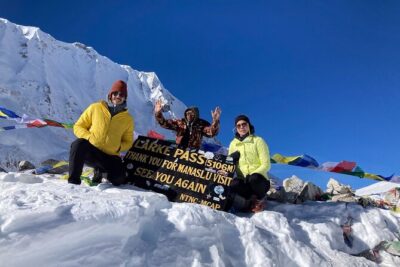
10 Days Manaslu Circuit Trek in Larke La Pass
Read our review →Browse the lists this tour appears in