
REVIEW · KATHMANDU
Manaslu Circuit Trek (15 Days)
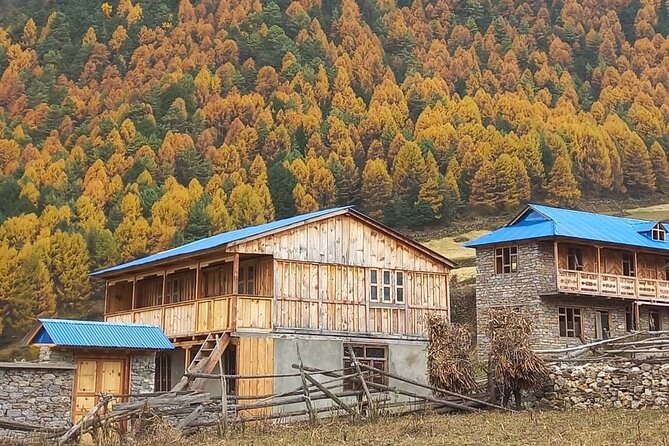
The best thing about the Manaslu Circuit Trek is how quickly it leaves ordinary Nepal behind. Within a few days, you are following the Budi Gandaki River through forest, stone villages, suspension bridges, and Tibetan-influenced settlements, with far fewer people than on the Everest or Annapurna routes. The reward is a real sense of distance and discovery, especially around Samagaon and Larkya La Pass.
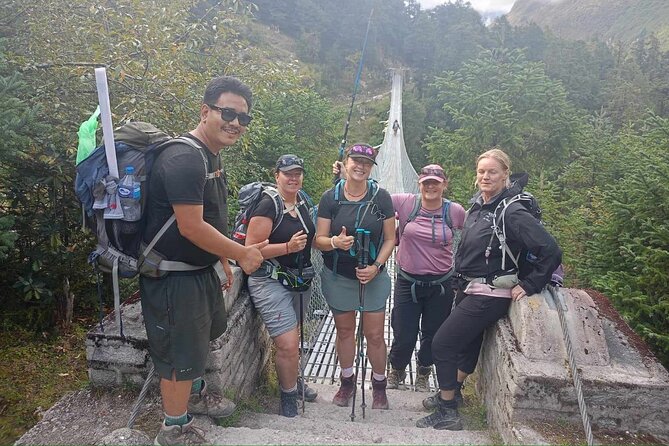
I like the careful acclimatization plan, including a full day at Samagaon and a shorter pre-pass walk from Samdo to Dharamsala. I also like the practical staffing: one porter for every two trekkers, plus one assistant guide for every five people. The main drawback is the long, rough road travel at the start and end, and the fact that food, drinking water, hot showers, charging, gear, and insurance are not included.
Key points to know before booking
- Larkya La Pass is the big test: The crossing begins before dawn and reaches about 5,200 meters, making this the hardest day of the trek.
- The route changes constantly: You move from subtropical forest and river gorges to dry yak pastures, high alpine ground, and glacier views.
- Samagaon provides a useful rest day: The Pungyen Gompa walk gives you exercise and altitude adjustment without changing lodgings.
- The group is capped at 15 people: That is small enough for personal support while still offering the social feel of a group departure.
- The price covers important logistics: Permits, guides, porters, Kathmandu hotels, transport, and teahouses are included, but daily trek meals are not.
- This is a proper mountain trek: You need moderate fitness, suitable insurance, and comfort with basic teahouse conditions.
Why the Manaslu Circuit feels different
At $1,657.50 per person, this is not a bargain-basement hike, but it covers several costs that can quickly add up in Nepal. The package includes Manaslu Conservation Area, Annapurna Conservation Area, and restricted-area permits, along with a licensed first-aid-trained guide, porters, assistant guides, crew insurance, Kathmandu lodging, and most major transfers.
I see real value in that arrangement. The Manaslu region requires more paperwork than many easier Nepal routes, and the permit work is handled while you prepare in Kathmandu. You also avoid arranging separate airport transfers, finding a jeep to Machha Khola, or organizing the return from Besisahar.
The tradeoff is that the advertised price does not cover everything you spend on the trail. Meals during the trek are extra, and you will also pay for bottled or treated water, showers, Wi-Fi, charging, tips, personal gear, and possible delays. At high altitude, small extras can become regular expenses, so carry a daily budget for them.
The company’s stated approach also matters. It uses local teahouses, pays and insures its mountain staff, and presents the trek as a community-based trip rather than a quick march through villages. That will appeal to you if local employment and lower waste matter as much as mountain views.
More Manaslu Treks in Kathmandu
- Manaslu Circuit Trek
★ 5.0 · 292 reviews - Manaslu Circuit Trek:
★ 5.0 · 106 reviews - 16 Day Private Manaslu Circuit Trek from Kathmandu
★ 5.0 · 42 reviews
Days 1 and 2: Kathmandu, permits, and preparation
Your first day begins with an airport pickup at Tribhuvan International Airport and a transfer to a three-star hotel in Thamel. The rest of the day is open, which is useful after an international flight. You can rest, walk through Thamel, or check that your boots and warm layers are ready.
Day two is not a sightseeing day. The staff collects your physical passport and two passport-sized photographs to process the required permits. This is an important practical point: you need to hand over your original passport for the immigration process, so keep a photocopy and digital image for your records.
This day is also used for gear guidance and a trek briefing. Ask direct questions about the pass day, porter baggage limits, meals, water treatment, and insurance before leaving Kathmandu. The company’s pre-arrival communication has been praised for being clear and attentive, with operations staff Prashant and Prem noted for helping people prepare.
You should not assume a particular guide will lead your group. Guides named in past feedback include Raj Rai, Tshering, Pemba Sherpa, and Dhan Bir Rai, but assignment depends on the departure. The useful thing to confirm is that your guide is government licensed, first-aid trained, and familiar with altitude procedures.
Day 3: The rough road to Machha Khola
The drive from Kathmandu to Machha Khola takes most of the day. You leave the capital, pass through Nepal’s lower hills, and follow roads beside rivers and steep slopes. The scenery improves as the traffic thins, but the ride is long and can be bumpy.
Private transport is included for this section, which is a worthwhile comfort. Machha Khola is the practical starting point for the walking route, but reaching it is not a polished transfer. Pack snacks, water, and anything you may need during the day where you can reach it, rather than burying it in your main bag.
This first road day also sets the tone. The Manaslu Circuit is remote partly because access is difficult. You gain quiet trails and fewer crowds, but you give up smooth roads and quick connections.
Days 4 and 5: River gorges, hot springs, and Gurung villages
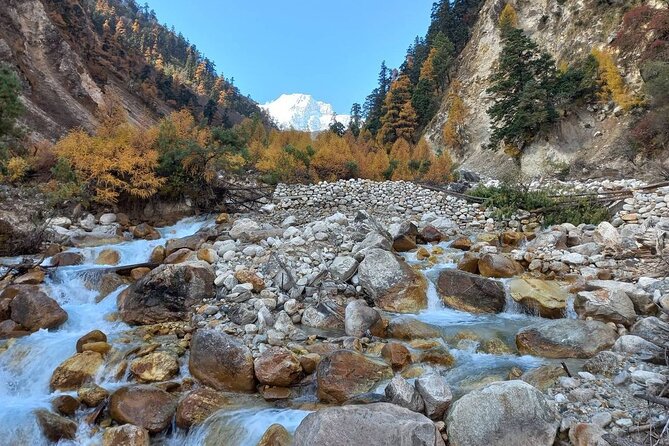
The first walking day to Jagat covers about 15 kilometers and takes six to seven hours. You gain roughly 600 meters and lose about 250 meters, following narrow paths beside the Budi Gandaki River and passing through forest, ridges, and small settlements.
You pass Tatopani, known for its natural hot spring, although this program does not include time to soak there. Later comes Dobhan, where the Shiar Khola meets the Budi Gandaki. The river junction creates dramatic gorge scenery, but the trail can feel exposed and rough in places.
Jagat has a more formal village feel than the scattered settlements before it. The next day to Deng is longer, about 18 kilometers and seven to eight hours, with roughly 1,050 meters of climbing. You pass Salleri and the large Gurung village of Phili, with stone houses, farmland, and forested slopes along the route.
These two days are a useful warning about the physical demands ahead. The distances are not extreme by themselves, but the uneven paths, repeated climbs, heat at lower elevations, and river crossings make them tiring. Start slowly and save energy. The aim is not to win the morning.
More Trekking Tours in Kathmandu
- Everest Base Camp Trek – 14 Days
★ 5.0 · 1,499 reviews - Everest Base Camp Trek
★ 5.0 · 842 reviews - Everest Base Camp Trekking
★ 5.0 · 485 reviews - Annapurna Circuit Trek with Tilicho Lake
★ 5.0 · 368 reviews
Days 6 and 7: Forest trails and the first Tibetan influence
From Deng to Namrung, the trail climbs through pine and rhododendron forest, passing settlements such as Bihi and Rana. Stone homes and carved details begin to show stronger Tibetan influence. The route covers about 19 kilometers and takes seven to eight hours, with around 1,100 meters of ascent.
The forest still provides shade, but you can feel the altitude gaining importance. From Ghap, the trail continues upward through wooded ground and winding paths before reaching Namrung. This is one of the days where a patient guide matters. A steady pace helps you notice early signs of altitude trouble instead of treating the day as a race.
Day seven follows a higher cultural and physical line toward Lihi. You climb about 700 meters and descend around 100 meters, passing terraces, forested switchbacks, yak pasture, and villages that feel more tied to the high valley economy. Lihi is a small stop, but the setting and village pattern are part of what makes this route different from a standard mountain viewpoint trip.
Day 8: Shyala and Samagaon beneath Manaslu
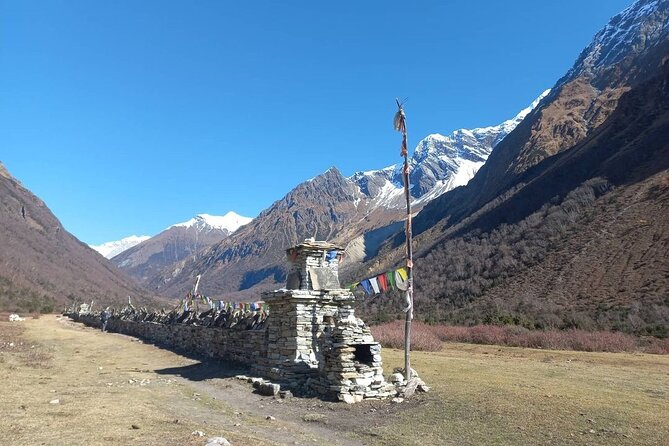
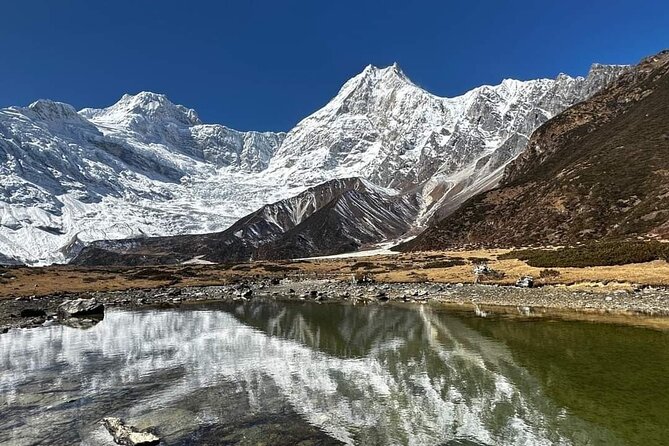
The approach to Shyala is one of the visual highlights. Pine and rhododendron forest gives way to more open ground, mani walls, yak pastures, and broad views toward Manaslu, Himalchuli, Peak 29, and Ngadi Chuli.
From Shyala, you continue toward Samagaon through scrub and pasture. The day covers about 17 kilometers and includes roughly 500 meters of climbing. Samagaon is the largest village in the Nubri Valley, and its location beneath Manaslu makes it an important base for acclimatization.
The village is not simply a place to sleep before the pass. It is a cultural center of the upper valley, and the slower pace gives you time to notice its homes, walls, fields, and mountain setting. Teahouse lodging remains basic, so bring realistic expectations about shared facilities and paid extras.
Day 9: Pungyen Gompa and a well-used acclimatization day
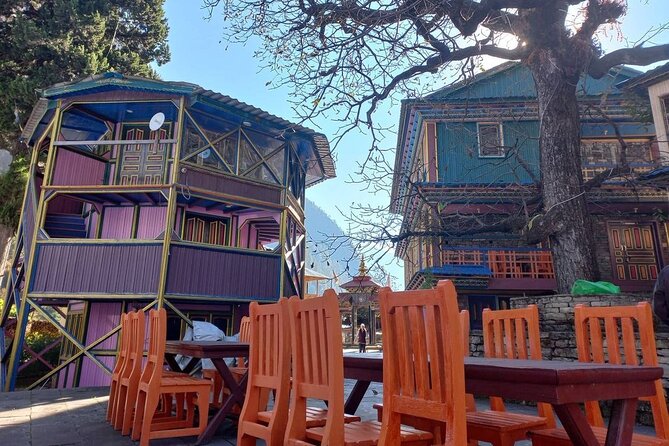
The day at Samagaon includes a three to four hour round-trip hike to Pungyen Gompa. The monastery sits on a ridgeline with broad views toward Manaslu and the surrounding peaks. The trail begins gradually through forest before becoming steeper.
This is exactly the sort of acclimatization day I like. You gain height, walk enough to keep your body working, and return to the same bed rather than moving higher for the night. The distance is manageable, but the altitude means you should still keep the pace easy.
You should tell the guide promptly about headaches, nausea, unusual tiredness, or poor sleep. The company describes altitude briefings and emergency protocols as part of its safety plan, but no guide can replace honest communication from you.
Days 10 and 11: Samdo, Manaslu views, and Dharamsala
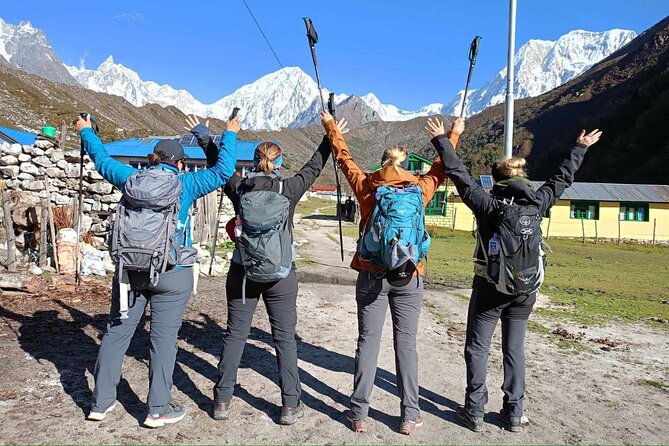
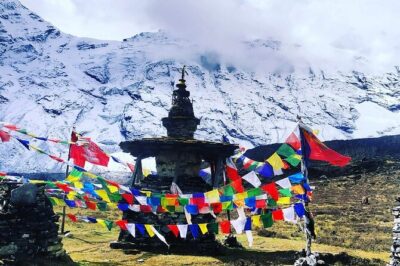
Leaving Samagaon, you descend gently to a wooden bridge over the Budhi Gandaki before climbing toward Samdo. The trail crosses dry yak pastures and passes mani walls that mark the change into more severe high-mountain terrain.
Samdo is close to the Tibetan border area and feels stark compared with the lower forest villages. Vegetation becomes sparse, the air is thinner, and wind and cold matter more. Keep your warm layer and gloves accessible during the day.
The next day takes you from Samdo to Dharamsala, also called Larke Phedi in many route descriptions. It is a shorter but important acclimatization walk before the pass. The path climbs through rocky ground with wide views, and the stop is deliberately positioned to prepare you for the early start ahead.
Dharamsala is not a place for comfort. Accommodation can be basic, and the altitude makes sleep uncertain. Eat what you can, organize your pack before bed, and keep your headlamp, water, layers, and snacks ready.
Day 12: Crossing Larkya La Pass to Bimthang
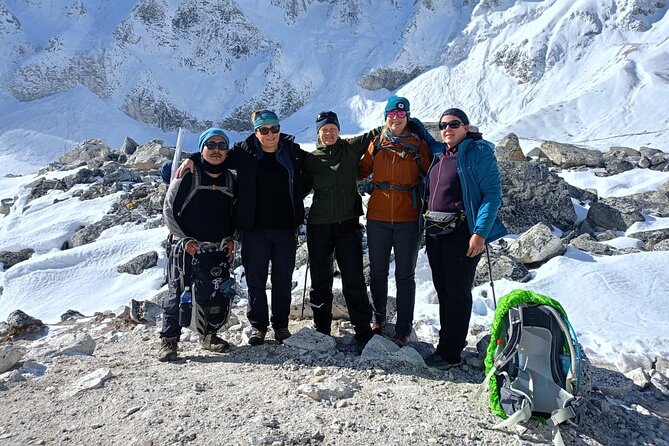
This is the hardest and most rewarding day. You start before dawn from Dharamsala and climb over rocky moraine and glacier-draped ground toward Larkya La Pass, at approximately 5,200 meters.
The ascent is slow and demanding. Cold, wind, snow, altitude, and uneven footing can all affect the pace, and the final approach may feel longer than expected. The mountain views are the payoff, but you should judge success by reaching the pass safely, not by forcing the schedule.
After the pass, the route descends toward Bimthang. The descent does not make the day easy. Tired legs and loose ground require attention, and the total effort is substantial. This is the point where a strong guide, sensible pacing, and porter support have real value.
You must carry travel insurance that covers medical care and helicopter evacuation up to 5,200 meters. Standard travel insurance may not include trekking at this height, so check the wording before departure.
Day 13: Forest descent to Dharapani
After the pass, the route changes again. You descend from alpine scrub into pine, rhododendron, and oak forest, passing Yak Kharka and seasonal grazing areas used by herders.
This day provides a welcome shift in air, color, and vegetation. It also reminds you that the Manaslu Circuit is not only about a summit-style crossing. The route links several ecological zones and village economies across a long mountain corridor.
Dharapani is where the character of the journey begins to change. The village connects with the Annapurna region, and road access becomes more evident. After several days of remote paths, the return to vehicles may feel convenient but less peaceful.
Day 14: Jeep to Besisahar and back to Kathmandu
The shared jeep from Dharapani to Besisahar follows the Marsyangdi River on narrow cliff-side roads. It passes Tal and waterfalls, but the ride is bumpy and can be tiring after the pass.
The program includes a shared jeep to Besisahar, followed by private transport back to Kathmandu. This is a full travel day rather than a sightseeing day. Road conditions, traffic, or weather can affect the timing, so do not plan an important international connection immediately afterward.
The return journey is included in the structure of the trip, but not every delay-related expense is covered. Keep funds available for an extra night or altered transport if weather or road conditions disrupt the schedule.
Day 15: A gentle finish in Thamel
After breakfast, you may have a few hours in Kathmandu before your flight. Thamel is handy for souvenirs, cafés, and last-minute errands, and the team arranges your departure transfer.
The Kathmandu hotel includes breakfast, while the package also includes a welcome dinner and a farewell dinner. Trek meals are not included, so budget separately for breakfast, lunch, and dinner in the mountain villages.
The cancellation terms are straightforward: you can cancel at least 24 hours before the start for a full refund. Last-minute changes are not accepted, and poor weather or an insufficient group can lead to a date change or refund.
Who should book this 15-day trek?
This trip suits you if you want a serious Himalayan route with strong scenery, traditional villages, and less crowded trails than Everest or Annapurna. You should have moderate fitness and be ready for repeated six to eight hour walking days, basic teahouses, a rough road journey, and a demanding 5,200-meter pass.
It is a good match for people who value local guides, porter support, and organized permits. The one-to-two porter ratio means you carry a daypack rather than your full overnight load, though you still need to respect the baggage limit set by the operator.
It is not the best choice if you want comfortable hotels, included meals, reliable Wi-Fi, or a flexible sightseeing schedule. The Manaslu Circuit asks you to accept discomfort in exchange for remote villages, changing terrain, and a strong sense of place.
Should you book the Manaslu Circuit Trek?
I would book this trek if you want a demanding but well-supported route and you are comfortable paying extra for meals, water, gear, and mountain services. The best features are the thoughtful acclimatization stops, the low maximum group size, the wide range of scenery, and the practical inclusion of permits, transport, guides, porters, and Kathmandu lodging.
Before paying, confirm the assigned guide, porter baggage allowance, daily meal costs, Kathmandu hotel dates, and the exact insurance wording. If you prepare for the rough roads and high pass instead of expecting a polished holiday, this 15-day route offers one of Nepal’s strongest combinations of mountain views, local culture, and quiet trails.
FAQ
How long is the Manaslu Circuit Trek?
The experience lasts approximately 15 days, including arrival and departure in Kathmandu, the road transfer to Machha Khola, the trek, and the return journey from Dharapani.
What is the highest point reached?
The route crosses Larkya La Pass at approximately 5,200 meters.
Is airport pickup included?
Yes. Private airport arrival and departure transport is included.
Are trekking meals included?
No. Meals during the trek are not included. Hotel breakfast in Kathmandu, a welcome dinner, and a farewell dinner are included.
What accommodation is provided?
You stay in a three-star hotel with breakfast in Thamel, Kathmandu, and standard teahouses during the trek.
Is travel insurance included?
No. You must arrange your own insurance covering accidents, medical care, and helicopter evacuation up to 5,200 meters.
How many people can join the group?
The activity has a maximum of 15 participants. The support plan includes one assistant guide for every five trekkers and one porter for every two trekkers.
Can I cancel for a full refund?
Yes. You can receive a full refund if you cancel at least 24 hours before the experience start time. Cancellation or changes made less than 24 hours before the start are not accepted.
Latest treks added in Kathmandu
- Private Manaslu Circuit Trek at Himalayas★ 5.0 · 3 reviews
- Ghorepani Poonhill Trek★ 5.0 · 5 reviews
- Ghorepani Poon Hill Trek★ 5.0 · 16 reviews
- Upper Mustang Trekking★ 3.0 · 2 reviews
- Amazing 1 Day Trekking Experience in Kathmandu Nepal★ 5.0 · 24 reviews
- Upper Mustang Trekking★ 5.0 · 2 reviews
- Upper Mustang Trek★ 5.0 · 5 reviews
- Upper Mustang Trekking★ 5.0 · 4 reviews
Manaslu Circuit Treks, compared.
16 Day Private Manaslu Circuit Trek from Kathmandu
Read our review →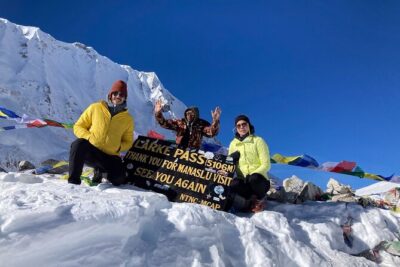
10 Days Manaslu Circuit Trek in Larke La Pass
Read our review →Browse the lists this tour appears in