REVIEW · KATHMANDU
Upper Mustang Trekking
Upper Mustang is one of Nepal’s most unusual treks: a restricted former kingdom where Tibetan Buddhist culture, old monasteries, cave temples, and a walled city give the journey a strong sense of place. The route centers on Lo Manthang, once part of the Tibetan Kingdom of Gungthang, and reaches a corner of Nepal that feels culturally closer to Tibet than to Kathmandu.
I like the way the price includes the costly Upper Mustang special permit, ACAP and TIMS permits, meals, lodging, and transport links. I also like the chance to time your visit with the Tiji Festival in Lo Manthang, a major Buddhist celebration connected with prayers for peace and protection from evil.
The main caution is that the description gives little day-by-day trekking detail, and the listed duration of about 14 hours does not explain the full schedule clearly. You should confirm the walking days, guide’s name, altitude plan, room arrangements, and flight details before paying.
Key points to know before booking
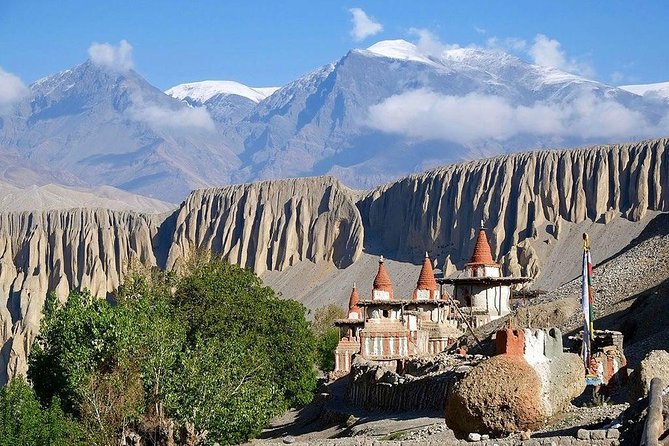
- Lo Manthang is the heart of the trip: You visit the walled city and the cultural center of Upper Mustang.
- Ancient Buddhist sites shape the experience: Expect monasteries, old cave temples, heritage sites, and links to Tibetan culture.
- The permit costs are built in: The Upper Mustang special permit, ACAP permit, and TIMS are included.
- Transport mixes flights and road travel: Kathmandu to Pokhara is by tourist bus, while Pokhara to Jomsom is listed as a flight.
- Meals and trekking lodging are included: Breakfast, lunch, dinner, tea or coffee, and accommodation are covered during the trek.
- The trip suits moderately fit walkers: It is a private activity, but the physical demands still deserve careful planning.
Why Upper Mustang feels different from most Nepal treks
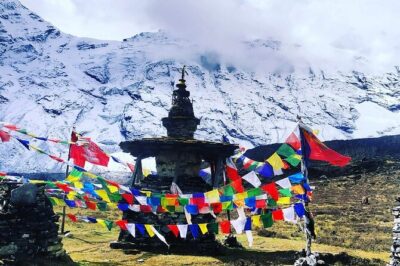
Upper Mustang was once known as a forbidden kingdom, and that old isolation still shapes its appeal. The area was closely tied to the Tibetan world and remained culturally distinct from much of Nepal. You are not simply walking through mountain scenery. You are looking at a place where language, religion, architecture, and old trade routes point north toward Tibet.
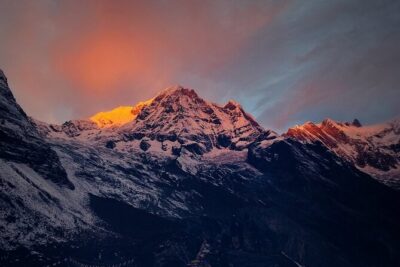
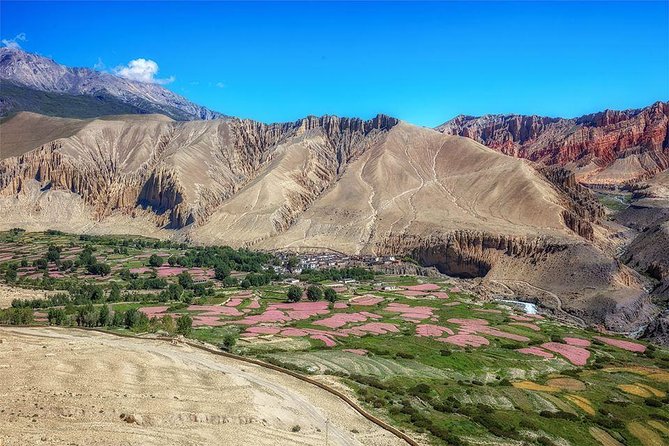
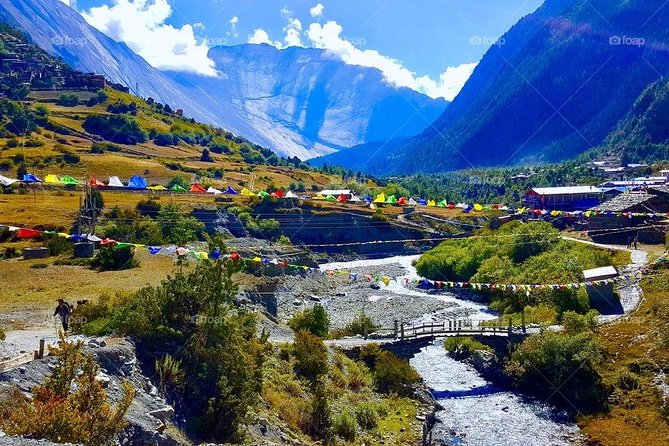
The scenery is described as similar to Tibetan villages, with dry mountain terrain and hidden valleys between Tibet and the Himalayas. That gives this trek a different mood from greener parts of Nepal. Expect open, stark views rather than lush forest and dense settlements.
The center of attention is Lo Manthang. Its walls and historic identity make it more than a convenient overnight stop. The town was part of the Tibetan Kingdom of Gungthang until the 1830s, and that political past helps explain why its buildings, Buddhist traditions, and cultural sites matter so much.
I would choose this trip for cultural interest as much as for walking. If your ideal Nepal holiday is only about big mountain views, this may not be the best match. If you want old religious sites, unusual regional culture, and a place that has remained apart from ordinary tourist routes, Upper Mustang makes a strong case.
More Trekking Tours in Kathmandu
- Everest Base Camp Trek – 14 Days
★ 5.0 · 1,499 reviews - Everest Base Camp Trek
★ 5.0 · 842 reviews - Everest Base Camp Trekking
★ 5.0 · 485 reviews
The route to Jomsom and Lo Manthang
The transport plan begins early, with a 6:15 am meeting at Tribhuvan International Airport in Kathmandu. Kathmandu to Pokhara is listed as a tourist bus journey. That means you should expect a road transfer rather than a quick domestic flight, so the early start matters.
Pokhara to Jomsom and back is listed as a flight. Jomsom is the gateway for the Upper Mustang section, and this flight link saves considerable road time. It also introduces a practical weakness: mountain flights depend on weather. The cancellation terms specifically allow a different date or a full refund if poor weather prevents the experience.
All ground transport is described as private, which is useful once you leave the larger cities. A private vehicle gives your group more control over stops and luggage than a shared transfer. The description does not give vehicle type, road conditions, or the exact driving schedule, so ask for those details before departure.
The listed itinerary names Lo Manthang as the main stop, but it does not provide a full sequence of villages or walking stages. That is the single biggest information gap. A trekking holiday needs more than a destination name. Ask how many nights are spent on the trail, where you sleep each night, how long you walk daily, and what happens if flights are delayed.
Lo Manthang and the old Kingdom of Lo
Lo Manthang gives the trip its strongest historical focus. The walled city was once linked to Gungthang, a Tibetan kingdom, and its location in the former Kingdom of Lo helps explain the area’s distinctive character.
You can expect the city to be presented through its cultural and heritage sites rather than as a modern sightseeing stop. The experience includes admission tickets, which removes one small but useful cost from your daily planning. The exact monuments covered are not listed, so ask whether your guide will take you through the main monasteries, palace areas, and other historic sites.
The appeal here is not just age. The city connects the living culture of Upper Mustang with its older political and religious past. You may find that the strongest moments come from seeing how the walled settlement, Buddhist practice, and Tibetan influence fit together.
The Tiji Festival can make the visit especially memorable. Held in Lo Manthang, it is celebrated with prayers for peace and protection from evil. If your dates match the festival, confirm the schedule and availability early. The festival may add cultural value, but the description does not say that festival tickets, special seating, or event-specific arrangements are included.
Monasteries, cave temples, and pre-historic clues
Upper Mustang is presented as one of the last parts of Nepal where Tibetan Buddhist culture remains central. The tour includes visits to Nepal’s oldest Buddhist monasteries and sites connected with pre-historic culture.
The cave temples are a major draw. These are described as thousands of years old monasteries carved into or associated with mysterious caves. That combination of religion, archaeology, and remote geography gives the trek a strong sense of discovery without needing a long list of attractions.
You should ask exactly which cave sites are included and how accessible they are. The information does not state whether every cave temple is visited, how much climbing is involved, or whether special entry rules apply. Those details matter if you have mobility limits or dislike confined spaces.
The same applies to the monasteries. Their importance is clear, but opening hours, local customs, photography rules, and guide arrangements are not explained. Your guide should help you enter respectfully and understand what you are seeing. Since no guide’s name is provided, I would request the guide’s identity and experience with Upper Mustang before booking.
Another trail to compare in Kathmandu:
- Annapurna Circuit Trek with Tilicho Lake
★ 5.0 · 368 reviews - Everest Base Camp Trekking – 13 Day
★ 5.0 · 365 reviews - Everest Base Camp Trek
★ 5.0 · 350 reviews - Everest Base Camp Trek -14 Days
★ 5.0 · 321 reviews
What the $1,760 price really covers
At $1,760 per person, this is not a budget day trip. The value depends on whether you use the included transport, permits, food, and lodging.
The most important inclusion is the Upper Mustang special permit. Restricted-area permits can make this region more expensive than ordinary Nepal trekking, and the permit is already included. ACAP and TIMS permits are also covered, so you do not need to arrange those separately.
Food is included throughout the trek: breakfast, lunch, dinner, and coffee or tea. That makes budgeting easier in a remote region. Bottled or mineral water is not included, and neither are snacks or alcoholic drinks. Carry extra money for drinking water and small purchases.
The package also includes two nights in a Kathmandu hotel with a bed-and-breakfast plan. Lunch and dinner in Kathmandu are excluded, which is normal enough, but you should allow for those meals in your budget. All accommodation during the trek is included, though the description does not specify whether rooms are shared, private, or single-gender.
A single supplement costs an additional $600. That is a substantial extra charge, so ask what it buys. It may relate to private rooms, but the supplied information does not state the exact arrangement.
Travel insurance, Nepal’s entry visa fee, tips for field staff, bottled water, snacks, and alcohol are all extra. These costs do not make the trip poor value, but they do mean the advertised price is not your final spend.
Private touring, group size, and guide concerns
This is a private activity, so only your group participates. That is a real advantage if you want a quieter pace or need to make decisions around your own group. It also means the quality of the guide matters greatly, because you are not sharing the experience with a larger team.
No Upper Mustang guide is named in the available information. I would ask for the guide’s name, Upper Mustang experience, language ability, and role in arranging permits and accommodation. Also ask whether the same person stays with you for the full trip.
The wider company feedback is mixed and limited. One account of an Annapurna itinerary described a serious guide problem, but that was a different trip and should not be treated as proof of what you will receive in Upper Mustang. The Upper Mustang account from April 2019 was positive, with the trek described as a striking experience in the restricted region.
That combination calls for sensible checking, not panic. Ask for a written itinerary, emergency contact details, and confirmation of what happens if a flight is canceled. A private trip gives you flexibility, but it also makes clear communication more important.
Fitness, weather, and practical planning
The activity requires a moderate level of physical fitness. The information does not provide distances, walking hours, elevation figures, or acclimatization days, so you should not assume the trek is easy just because the schedule is short on paper.
The listed duration is approximately 14 hours, but that figure is difficult to interpret alongside the included Kathmandu hotel nights, Pokhara and Jomsom flights, and trekking accommodation. It may refer to a particular activity segment rather than the complete holiday. Get the total number of days in writing.
Weather is a serious planning issue because the trip depends on mountain flights. If poor weather causes cancellation, you are offered another date or a full refund. That is helpful, but it does not answer every practical question. Ask who pays for extra hotel nights, meals, or transport if you are delayed.
Start time is early, at 6:15 am, and the meeting point is Tribhuvan International Airport. Public transportation is nearby, but airport timing and luggage handling deserve attention. Confirm whether pickup means hotel pickup or simply meeting at the airport, since the experience says pickup is offered but gives the airport as the start point.
Who should choose this Upper Mustang trek?
I would recommend it to you if you care about Tibetan Buddhist culture, historic settlements, old monasteries, cave temples, and a remote setting. It is particularly appealing if you have already seen more familiar parts of Nepal and want a region with a sharper cultural identity.
The trip also suits you if you prefer a private group and value having permits, food, lodging, and major transport arranged in one package. The Tiji Festival can add a special reason to choose particular dates.
I would hesitate if you need a precise, detailed itinerary before booking. The current description leaves too many questions about walking stages, daily distances, accommodation standards, guide assignment, and the meaning of the 14-hour duration.
I would also think twice if your budget is tight. The $1,760 price covers many important expenses, but water, snacks, visa, insurance, Kathmandu dinners, tips, and possible single-room costs remain outside the package.
Should you book it?
Book this Upper Mustang trek if Lo Manthang, Buddhist monasteries, ancient cave temples, and Tibetan culture matter more to you than a polished, tightly explained schedule. The included restricted-area permits, meals, lodging, private ground transport, and Jomsom flight make the price easier to justify.
Before booking, get the full walking itinerary and confirm the guide’s name. Ask about the single supplement, room arrangements, flight delays, and what the approximately 14-hour duration actually covers.
With those details settled, this can be a memorable way to see one of Nepal’s most unusual regions. Without them, you may be paying a high price for a trip whose practical shape is still unclear.
FAQ
Where does the Upper Mustang Trekking experience start?
It starts at Tribhuvan International Airport on Ring Road in Kathmandu. The stated start time is 6:15 am.
Is pickup offered?
Yes, pickup is offered. The meeting information lists Tribhuvan International Airport as the starting point, so confirm whether pickup means hotel pickup or airport meeting service.
How much does the trek cost?
The listed price is $1,760 per person. A single supplement costs an additional $600.
What transport is included?
Kathmandu to Pokhara and back is by tourist bus. Pokhara to Jomsom and back is listed as a flight. Private ground transport is included.
Are permits included?
Yes. The Upper Mustang special permit, ACAP permit, and TIMS are included.
Are meals included?
Breakfast, lunch, dinner, coffee, and tea are included. Lunch and dinner in Kathmandu are not included.
Is accommodation included?
Yes. Two nights in a Kathmandu hotel with a bed-and-breakfast plan are included, along with accommodation during the trek.
What happens if bad weather cancels the experience?
If poor weather causes cancellation, you are offered a different date or a full refund. For a full refund in other cases, you must cancel at least 24 hours before the start time.
Latest treks added in Kathmandu
- Private Manaslu Circuit Trek at Himalayas★ 5.0 · 3 reviews
- Ghorepani Poonhill Trek★ 5.0 · 5 reviews
- Ghorepani Poon Hill Trek★ 5.0 · 16 reviews
- Amazing 1 Day Trekking Experience in Kathmandu Nepal★ 5.0 · 24 reviews
- Upper Mustang Trekking★ 5.0 · 2 reviews
- Upper Mustang Trek★ 5.0 · 5 reviews
- Upper Mustang Trekking★ 5.0 · 4 reviews
- Upper Mustang Trekking★ 5.0 · 4 reviews
Kathmandu Trekking Tours, compared.