
REVIEW · KATHMANDU
Everest Base Camp Trekking – 2025/2026
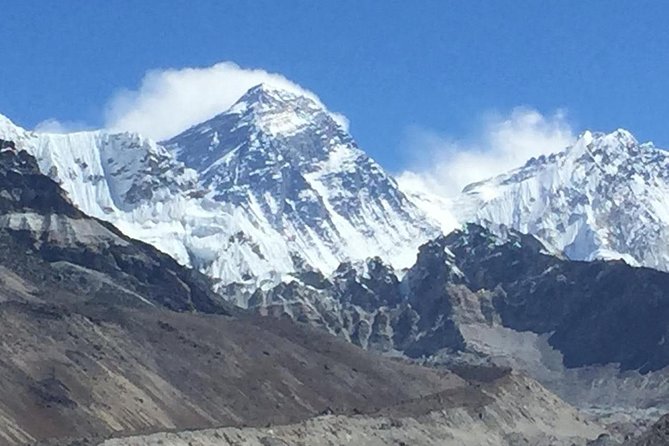
Everest Base Camp is not simply a mountain viewpoint. It is a two-week walk through Sherpa villages, prayer flags, Buddhist monasteries, stone paths, and thin high-altitude air, ending at the foot of the world’s tallest mountain. The route is non-technical, but it asks for steady effort day after day.
I like two things here. The Lukla flights and permits are included, which removes two large planning tasks, and the private guide lets you walk at your own pace. The company’s guides include experienced names such as Samir, Sujal, Krishna, Hairy, and Prabin Tamang, though your assigned guide should be confirmed before booking.
The main caution is altitude. Reaching Everest Base Camp means rugged trails and very high sleeping elevations, with basic lodge rooms and shared bathrooms possible higher up. You should be comfortable walking three to five hours most days and accept that flight delays, cold, and simple facilities are part of the deal.
What matters most on this Everest trek
- Lukla flights are included: The package covers the domestic flights from Kathmandu or Manthali to Lukla and back, though weather can still affect schedules.
- Private guiding: You trek with your own group rather than a large fixed party, so the walking pace can be adjusted.
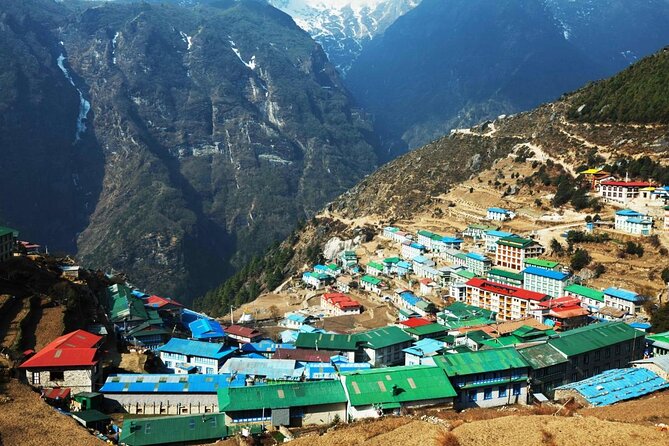
- Sherpa culture is part of the route: The journey passes through villages and monasteries, with time to learn about local life from your guide.
- Full-board trekking meals: Breakfast, lunch, dinner, and main-course hot drinks are included during the mountain portion.
- Basic but suitable lodges: Rooms generally have blankets, pillows, and mattresses, but high-altitude bathrooms may be shared.
- A serious physical challenge: No climbing skills or technical gear are required, but fitness, stamina, and sensible pacing matter.
The real value of a $1,339.20 Everest Base Camp trek
At $1,339.20 per person, this is a useful package for someone who wants the main pieces handled in one booking. The price includes private transport, an English-speaking government-licensed guide, trekking lodge accommodation, meals during the trek, national park fees, the TIMS card, water purification tablets, and the Lukla flights.
That list matters because the trek has several moving parts. You do not need to arrange each lodge, permit, flight, or daily meal on your own. A porter is also included, generally one porter for two hikers, with a suggested luggage limit of 18 kilograms.
The price does not cover international flights, a Nepal entry visa, insurance, extra hotel nights before or after the trek, snacks, Wi-Fi, showers, bottled or hot water, alcohol, or personal shopping. Those costs can add up, especially when hot showers, charging, drinks, and Internet access become tempting in the mountains.
I would treat the advertised price as a strong starting figure, not your full holiday budget. You need insurance that covers high-altitude trekking, plus money for optional drinks, showers, tips, extra accommodation, and unexpected transport. The package offers good value if you want a guided private trek and do not want to build the trip piece by piece.
More Everest Base Camp Treks in Kathmandu
- Everest Base Camp Trek – 14 Days
★ 5.0 · 1,499 reviews - Everest Base Camp Trek
★ 5.0 · 842 reviews - Everest Base Camp Trekking
★ 5.0 · 485 reviews
Kathmandu arrival and the flight to Lukla
Your first day begins with airport pickup and transfer to a hotel in Kathmandu. An evening introduction to the trek is planned, giving you a chance to meet the team and review the program before heading into the mountains.
The mountain journey starts with a flight to Lukla. The short air route is part of the adventure, but also the least predictable piece of the schedule. The company notes that flights can be delayed in Kathmandu or Lukla, and the weather policy allows a date change or full refund if poor conditions force cancellation of the experience.
From Lukla, you walk for about three hours to Phakding at roughly 2,652 meters. This is a sensible opening stage: you begin on foot without immediately tackling the steepest section of the route. Expect a first taste of suspension bridges, mountain paths, lodge life, and the rhythm of walking with a small support team.
The listed start time is 7:15 am, but flight arrangements may affect the exact morning routine. Keep your first day flexible and avoid scheduling a tight international connection after the trek.
Phakding to Namche Bazaar, the first big test
The walk from Phakding to Namche Bazaar covers about 10 to 12 kilometers and takes around five hours. Namche sits at approximately 3,440 meters, making this a major jump in elevation and one of the days when pacing matters most.
Namche is more than a stopping point. It is the main trading center of the Khumbu region, with shops, lodges, and a strong Sherpa identity. Your guide can help explain the local culture and the practical side of life in a high mountain community.
The route is not technical, but it can feel demanding because of the altitude and repeated uphill sections. Walk slowly, drink regularly, and resist the urge to race early in the day. A private format helps here because you do not have to match the speed of a large group.
The schedule provided does not spell out every acclimatization detail, and some day numbers are inconsistent. Ask Alpine Ramble for the final day-by-day plan, including how much time is set aside around Namche and at higher camps. That answer matters more than a neat headline duration.
Pangboche and the Sherpa heart of the route
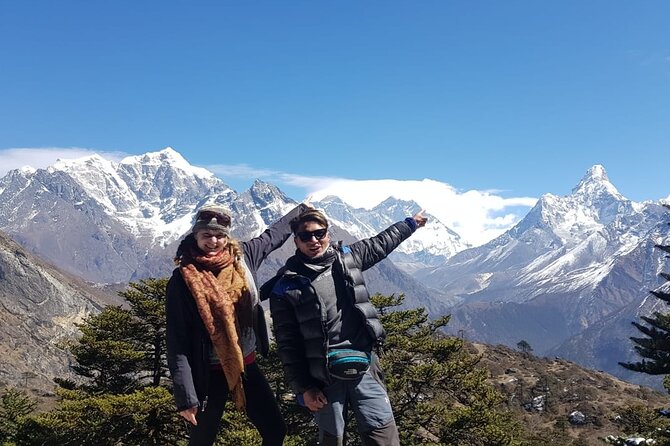
The next listed stage runs from Namche to Pangboche in about five hours. Pangboche gives you a quieter mountain settlement and a closer look at the villages that support life along the Everest route.
This is where the cultural side of the trek becomes especially valuable. The guide is not only there to keep you on the path. The daily program encourages time in local Sherpa settlements, and the company asks hikers to respect local laws, customs, beliefs, and community rules.
You may also pass Buddhist monasteries and prayer features along the trail. Take your cues from the guide before entering religious spaces or photographing people. A little patience and courtesy will make these encounters feel like part of the journey rather than scenery placed beside it.
Lodges in this section are basic but functional. Expect a clean room with warm blankets, pillows, and a mattress, but do not expect the standards of a Kathmandu hotel. Attached bathrooms may be available in some places, yet shared facilities are likely at higher elevations.
More Trekking Tours in Kathmandu
- Annapurna Circuit Trek with Tilicho Lake
★ 5.0 · 368 reviews - Everest Base Camp Trekking – 13 Day
★ 5.0 · 365 reviews - Everest Base Camp Trek
★ 5.0 · 350 reviews - Everest Base Camp Trek -14 Days
★ 5.0 · 321 reviews
Pangboche to Lobuche, where the air changes
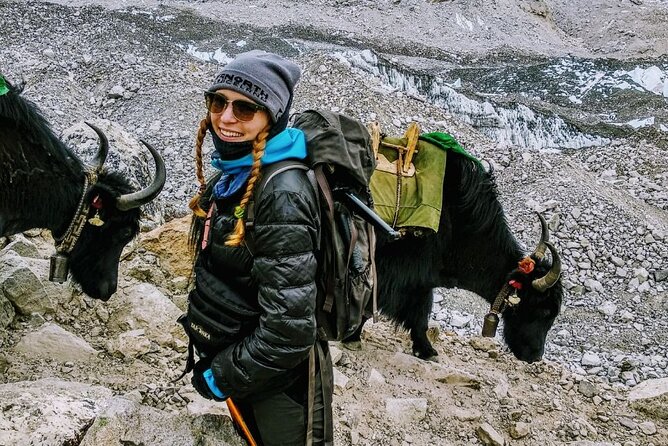
The walk from Pangboche to Lobuche is listed at about five hours. Lobuche is high enough that the cold, dry air and physical effort become harder to ignore.
The company describes the trek as suitable for people with moderate fitness who can walk roughly three to five hours per day. That description should not make you underestimate the route. The issue is not only distance. It is the combination of uphill trails, altitude, cold, limited sleep, and several consecutive walking days.
Training before departure can help. Regular walking, stair climbing, jogging, cycling, swimming, or gym work will build useful stamina. You do not need mountaineering skills, ropes, crampons, or technical climbing equipment for the standard trek, but you do need the discipline to slow down and communicate clearly if you feel unwell.
The company can provide warm down jackets and sleeping bags on a rental basis. Confirm the terms before departure, and bring your own reliable layers, gloves, hat, sunglasses, sunscreen, rain protection, and proper hiking boots.
Gorak Shep and the Everest Base Camp goal
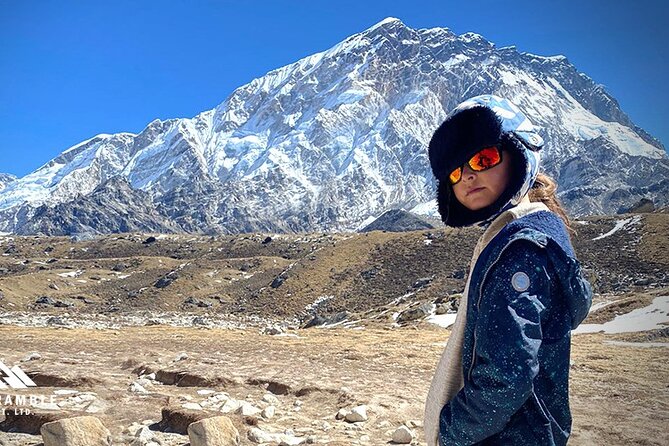
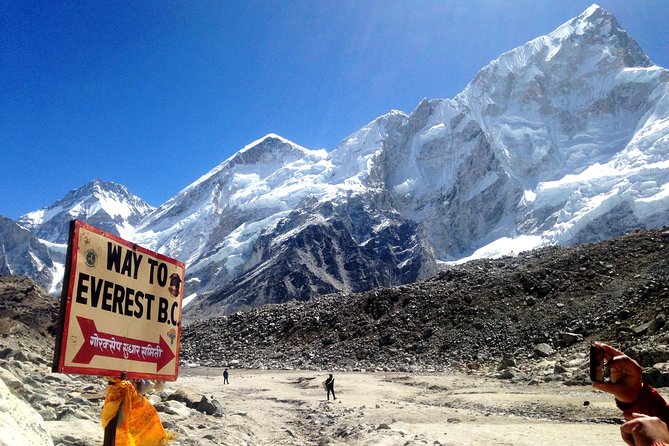
The next stage takes you from Lobuche to Gorak Shep, then to Everest Base Camp and back to Gorak Shep. The listed walking time is about five hours, though the day can feel longer because of the altitude and the out-and-back section.
Gorak Shep is the final settlement on this part of the route. Rooms and services become simpler as you climb, and temperatures can drop sharply after dark. A warm sleeping bag, dry socks, a headlamp, and careful layering are not luxuries here.
Everest Base Camp is the emotional high point of the trek. You are not climbing Everest, and the famous summit may not appear in the way you expect from the base camp itself. The reward is reaching the expedition staging area, seeing the Khumbu surroundings, and understanding the scale of the mountains on foot.
This is also the point where the difference between a moderate trek and an easy holiday becomes clear. You should follow your guide’s advice, maintain a slow pace, drink enough, and report headaches, nausea, unusual fatigue, or other symptoms. The package includes water purification tablets, but you need a suitable bottle and must take responsibility for safe hydration.
The return through Pangboche and Namche
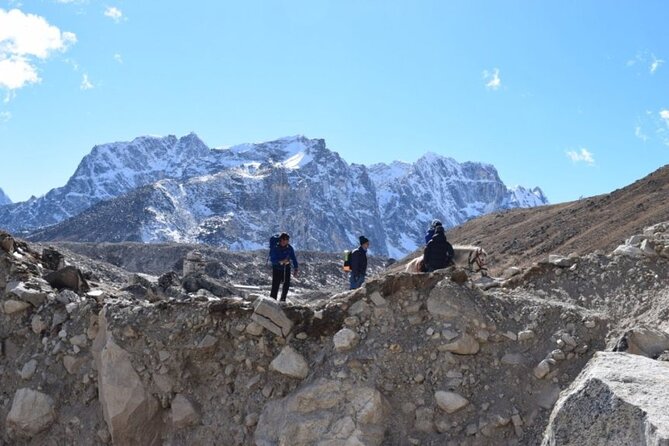
After Base Camp, the route turns back toward Pangboche and then Namche Bazaar. The return walk from Pangboche to Namche is listed at about four hours, followed by the longer stage from Namche to Lukla at about five hours.
Descending usually feels easier on the lungs, but it can be tiring on the knees. Walking poles are optional and can help on uneven ground. The private guide and porter support are useful here because you can focus on footing while carrying only your day bag.
Namche is a welcome place to pause before the final walk to Lukla. The route back is not merely a repeat. You now recognize the villages, bridges, monasteries, and mountain slopes from a different angle, and the lower altitude changes how your body feels.
The itinerary information includes both a Namche to Lukla stage and a flight back to Kathmandu, but its day numbering contains gaps. Treat the 14-day duration as approximate and request the confirmed schedule before paying for fixed domestic connections or extra hotels.
Meals, lodges, and the daily routine
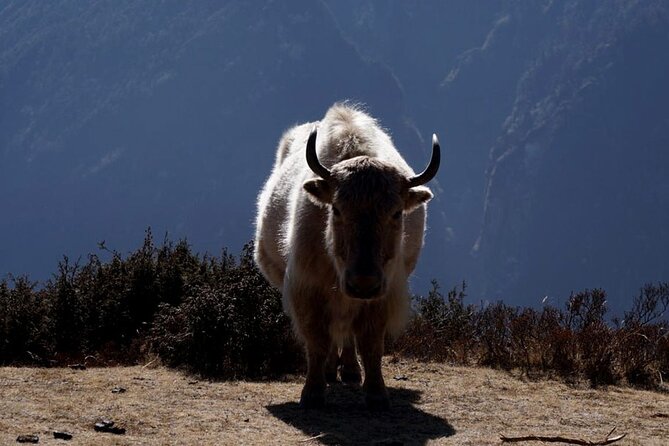
A typical morning starts around 6 am with wake-up tea. You pack, eat breakfast around 7 am, stretch, and begin walking. The normal pattern is two to three hours before lunch, a break of about 40 minutes, then another two to three hours to the lodge.
Dinner timing is arranged with the guide, often after you have rested. The guide gives a briefing after dinner so you know what the next day involves. That routine is simple, but it helps create order when the altitude and cold make ordinary tasks feel slow.
The lodge menus offer local and Western choices such as dal bhat, Sherpa stew, noodles, soups, rice, pasta, pizza, eggs, potatoes, handmade bread, and apple pie. Garlic soup, vegetable dishes, and dal bhat are sensible choices at altitude. Meat is available in some places, but the company advises avoiding it in the Everest region because freshness and hygiene can be less certain.
Breakfast, lunch, dinner, and main-course hot drinks are included during the trek. Snacks, bottled water, hot showers, Wi-Fi, and extra drinks cost more. Food quality can vary by lodge, so carrying a few familiar snacks is a practical idea.
Guides, porters, and the private format
The guide is central to the experience. You receive route support, cultural context, daily briefings, and help with the pace. The company’s past trekking teams have included guides named Samir, Sujal, Krishna, Hairy, and porters such as Manish, while Prabin Tamang is associated with climbing trips. Ask which guide will lead your departure rather than assuming a particular name.
The private arrangement is best for people who value flexibility. You can stop for photographs, take shorter breaks, or slow down without worrying about a fixed group pace. It also means you should speak up about your condition, because there is no large group schedule to hide behind.
One porter normally carries luggage for two hikers, with an 18-kilogram limit. Pack carefully and keep your essential items in a daypack, including water, layers, medication, documents, snacks, and personal valuables.
Who should book this trek?
I would recommend this trek to a reasonably fit person who wants the Everest route with a guide and prefers having flights, permits, lodges, and meals arranged. It suits people who like mountain scenery but also want contact with Sherpa communities and an explanation of the culture along the way.
It is less suitable if you need hotel-level comfort, dislike cold nights, require a rigid timetable, or are not prepared for altitude. You also need a valid passport with at least six months of validity from your return date, a Nepal visa, and personal travel insurance.
The best periods listed are autumn, from mid-September to November, and spring, from March to May. These months generally offer favorable trekking conditions and clear mountain views, though nights can still fall below freezing.
Should you book Alpine Ramble’s Everest trek?
Book it if you want a private, guided Everest Base Camp trek with the major mountain logistics included and you are comfortable with basic lodges and a demanding high-altitude route. The package offers solid value for the price, especially because domestic flights, permits, meals, accommodation, and guide support are bundled together.
Before booking, get three points confirmed in writing: your exact itinerary and acclimatization days, the flight plan from Kathmandu or Manthali, and the name and experience of your assigned guide. If those details suit you, this is a practical way to reach Everest Base Camp without handling every piece alone.
Free cancellation is available up to 24 hours before the local start time. Inside that window, the payment is not refunded, so keep your plans and insurance in order.
FAQ
How long does the Everest Base Camp trek take?
The experience is advertised as approximately 14 days. The supplied day plan includes arrival in Kathmandu, the Lukla to Phakding walk, the route through Namche, Pangboche, Lobuche, Gorak Shep, the return to Lukla, and the flight back to Kathmandu.
Are flights to Lukla included?
Yes. Domestic flights from Kathmandu or Manthali to Lukla and the return flight are included. Flights can be delayed by weather, so you should keep your schedule flexible.
Are meals included during the trek?
Yes. Breakfast, lunch, dinner, and main-course hot drinks are included during the trekking portion. Snacks, bottled water, hot showers, Wi-Fi, alcohol, and extra drinks are not included.
What accommodation is provided?
You stay in trekking lodges on a twin-sharing basis. Rooms normally include blankets, pillows, and mattresses. Attached bathrooms may be available in some locations, but shared bathrooms are possible at higher elevations.
Do I need climbing experience?
No technical climbing skills are required for this standard Everest Base Camp trek. You should still have moderate fitness and enough stamina to walk roughly three to five hours per day on rugged, high-altitude trails.
Is a porter included?
Yes. The usual arrangement is one porter for two hikers, with luggage kept to about 18 kilograms. Additional porter support may be available if requested.
What happens if bad weather cancels the trek?
If poor weather causes the experience to be canceled, you are offered a different date or a full refund. The minimum group requirement also applies, and cancellation for that reason brings the same choice of an alternative or a refund.
Latest treks added in Kathmandu
- Private Manaslu Circuit Trek at Himalayas★ 5.0 · 3 reviews
- Ghorepani Poonhill Trek★ 5.0 · 5 reviews
- Ghorepani Poon Hill Trek★ 5.0 · 16 reviews
- Upper Mustang Trekking★ 3.0 · 2 reviews
- Amazing 1 Day Trekking Experience in Kathmandu Nepal★ 5.0 · 24 reviews
- Upper Mustang Trekking★ 5.0 · 2 reviews
- Upper Mustang Trek★ 5.0 · 5 reviews
- Upper Mustang Trekking★ 5.0 · 4 reviews
Everest Base Camp Treks, compared.





Browse the lists this tour appears in