
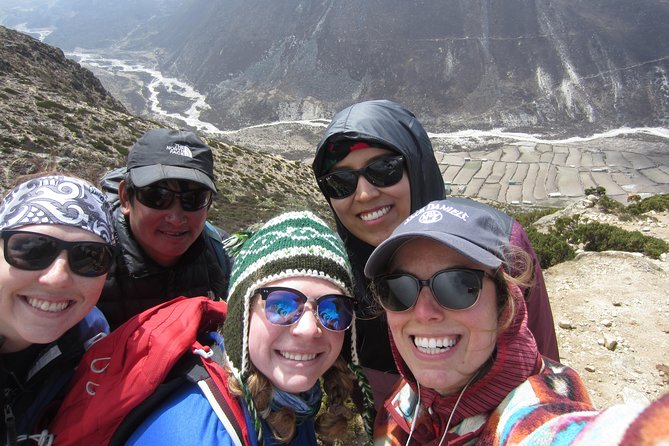
REVIEW · KATHMANDU
Everest Base Camp Trek With Local Expert Sherpa Guide
The heart of this trek is the walk itself: 12 days on foot through Sherpa villages, high mountain passes, suspension bridges, and the long trail toward Everest Base Camp. You finish with views from Kala Patthar, listed at 5,645 meters, while a local Sherpa guide helps you manage the pace, altitude, and practical details.
I like the two acclimatization days in Namche Bazaar and Dingboche, since they give your body time to adjust instead of treating the high country like a race. I also like that the price includes Lukla flights, permits, meals during the trek, a porter for every two people, and a private group rather than a large mixed party.
The main caution is physical: this is a serious high-altitude trek, not simply a long sightseeing walk. The package is also described in slightly different ways, with both 16 and 17 days mentioned, and Everest Base Camp appears at about 5,550 meters in one description, so confirm the final schedule and altitude figures before paying.
Key points to know before booking
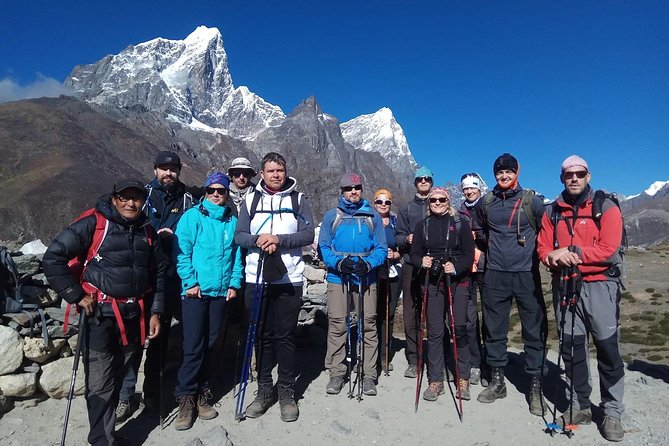
- Local Sherpa support: You trek with a Nepal government-certified Sherpa guide and one porter for every two people.
- Two acclimatization stops: Namche Bazaar and Dingboche are built into the route to help you adjust to altitude.
- Kala Patthar viewpoint: The high point is listed at 5,645 meters, with views toward Everest and the surrounding peaks.
- A private experience: Only your own group participates, which allows the guide to focus on your pace and needs.
- Good package coverage: Lukla flights, trekking permits, TIMS, meals during the trek, lodges, and guide and porter costs are included.
- Plan for extras: International flights, Nepal visa fees, insurance, drinks, water, internet, charging, Kathmandu dinners, and tips are not included.
Why this trek feels different from a standard Nepal tour
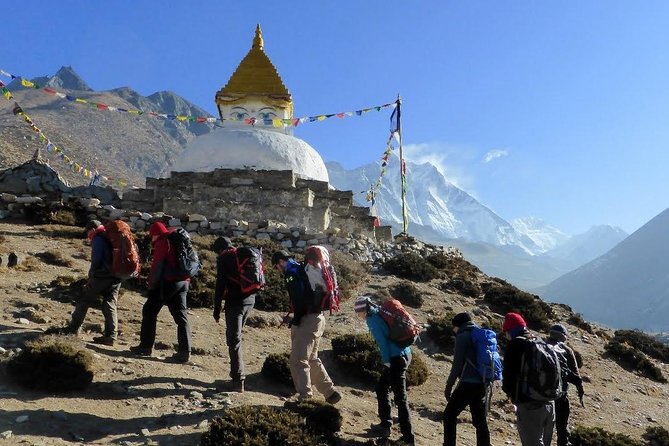
Everest Base Camp is not a quick mountain photo stop. You spend nearly two weeks walking toward the mountain, and that slow approach is the main reward. The route passes through Sherpa villages where the trail is part of daily life, not a marked attraction created just for visitors.
You also get time to notice the change in the country around you. Kathmandu begins the trip with city sights and hotel comforts. Lukla brings you to the trailhead, and the route then climbs through villages and mountain valleys toward the high, colder world near base camp.
The local guide matters here for more than navigation. A Sherpa guide can help you keep a sensible pace, watch for signs of altitude trouble, and explain village life along the route. The company has used guides including Pema Sherpa, PD, Pasang Sherpa, Mingmar Sherpa, Tanshi, and Rinji Sherpa on different trips. Your booking should confirm the name of your own guide, since the supplied information does not assign one specific person to every departure.
More Everest Base Camp Treks in Kathmandu
- Everest Base Camp Trek – 14 Days
★ 5.0 · 1,499 reviews - Everest Base Camp Trek
★ 5.0 · 842 reviews - Everest Base Camp Trekking
★ 5.0 · 485 reviews
Kathmandu begins with a practical first step
The trip starts at Tribhuvan International Airport in Kathmandu, with pickup offered and a listed meeting time of 7:45 pm. The package includes air-conditioned transport, a three-star city hotel with breakfast, a welcome dinner, and a half-day Kathmandu sightseeing program with a guide.
This first part is useful rather than decorative. You can settle in, meet the team, organize your trekking gear, and get a basic introduction to Nepal before heading into the mountains. The included breakfast also gives you a reliable start before travel days.
Kathmandu lunches and dinners are not included, except for the welcome dinner. The stated estimate is $5 to $10 per meal, so keep some spending money available. Alcohol, desserts, and drinks during the trek are also separate costs.
The Lukla flight takes you to the trail
The package includes the internal flight from Kathmandu to Lukla and back, including taxes. Lukla is the starting point for the walking section, and the trek description says you hike for about 12 days from this point.
Flights in the Everest region depend on weather, so this is one part of the trip where flexibility matters. The cancellation terms say that poor weather can lead to a different date or a full refund if the experience is canceled. That protection is helpful, but it does not remove the need to keep your wider Nepal schedule flexible.
The route from Lukla is where the trip changes character. From here, you travel mainly on foot, sleep in twin-share lodges, and carry only what you need for the day. Your porter carries the larger duffel bag, with one porter assigned to two people.
Namche Bazaar gives you a needed pause
Namche Bazaar is one of the best-placed stops on the route because it combines mountain-town life with an acclimatization break. The program includes an excursion and acclimatization day here, so you are not expected to climb higher every day.
That pause is important even if you feel fit. Altitude can affect strong walkers as well as people who rarely exercise, and the best response is usually a gradual schedule. Your guide can set the walking pace and help you understand when a headache, unusual tiredness, or other symptoms deserve attention.
Namche also adds a human side to the trek. You are walking through a well-known Sherpa town rather than moving through an empty mountain corridor. The package emphasizes the villages and Sherpa culture, and this is one of the stops where that promise is most visible.
More guided trips in Kathmandu
- 12 Day Everest Base Camp Guided Trek
★ 5.0 · 40 reviews - Everest Base Camp Trek 15 days | Local Guide | Flexible Itinerary
★ 5.0 · 27 reviews - From Kathmandu: 12-Day Everest Base Camp Guided Trekking
★ 5.0 · 26 reviews - 5 Day Private Guided Trekking in Annapurna Base Camp
★ 5.0 · 25 reviews
Dingboche prepares you for the high country
The second acclimatization stop is Dingboche. By this point, the route is taking you higher and the air is thinner, so another rest and adjustment day is a sensible part of the plan.
The value of Dingboche is not simply that you spend an extra night there. It breaks up the climb and gives your body more time before the most demanding section toward base camp. A rushed schedule may look attractive on paper, but the extra acclimatization day can be the difference between continuing comfortably and needing to turn back.
You should still expect effort. The activity requires a strong level of physical fitness, and the description calling the trek not very difficult should not be read as easy. The altitude, repeated walking days, and cold conditions can make a moderate trail feel demanding.
Everest Base Camp is the turning point
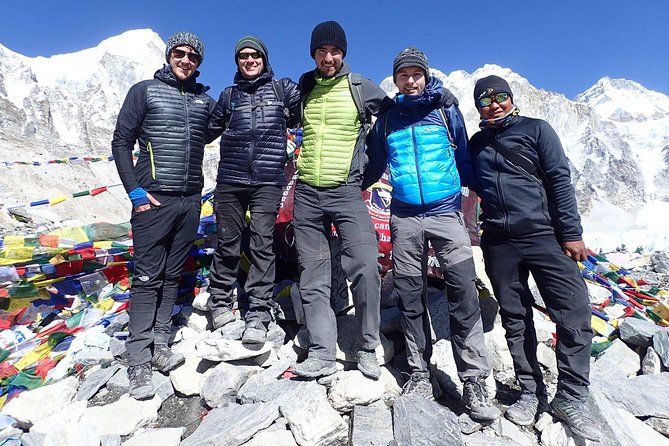
The approach to Everest Base Camp is the moment many people picture when they book this experience. You follow the trail used by generations of climbers and reach the camp area at roughly 5,550 meters according to the supplied information.
Base Camp itself is not the summit of Everest, and the view of the mountain can be different from the famous photographs taken from other points on the route. The real appeal is reaching the place where major climbing expeditions begin, after walking there from Lukla under your own power.
This is also a high, exposed part of the trek. The itinerary includes guides, porters, meals, accommodation, permits, and a medical kit, but you remain responsible for taking altitude and weather seriously. Travel and health insurance is strongly recommended, and emergency helicopter rescue insurance is specifically excluded.
Kala Patthar supplies the great mountain view
The route also includes Kala Patthar, listed at 5,645 meters. This is the high viewpoint of the trip and is intended to provide the superb Everest views promised in the description.
The climb to a viewpoint at that height can be harder than the distance suggests. You may be walking slowly, stopping often, and dealing with cold or thin air. The reward is the broad mountain view and the sense of seeing Everest from a high point rather than simply arriving at a base camp sign.
The altitude figures in the supplied material are not perfectly consistent. One section gives Kala Patthar as 5,645 meters, while another describes base camp at 5,550 meters. That does not change the nature of the trek, but I would ask the operator to confirm the exact route, high point, and day-by-day schedule.
Lodges, meals, and the porter system
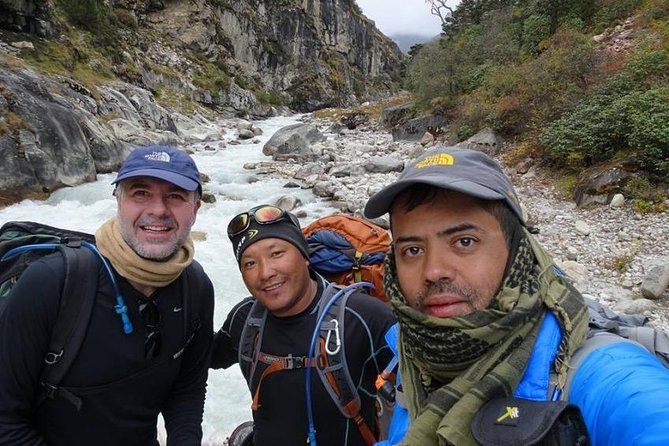
The trek uses quality lodge accommodation in twin-share rooms. This is a practical teahouse-style arrangement, not a luxury mountain holiday. You should expect basic facilities and a shared trekking environment, even though the package describes the lodges as quality accommodation.
Meals during the trek are included, along with guide and porter costs and insurance for the guides and porters. Water, alcoholic drinks, desserts, phone use, internet, and battery charging are excluded. Those small mountain expenses can add up, so do not judge the $2,170 price by the headline alone.
The porter arrangement is one of the stronger practical features. One porter serves two people, and the package includes a duffel bag and trek map. You still need to pack responsibly and respect the weight limits set by the operator. The porter is there to carry the main load, not every item you might want for every possible condition.
What the $2,170 price really covers
At $2,170 per person, the trip costs more than arranging a bare-bones independent trek. You are paying for planning, domestic flights, city lodging, mountain lodges, permits, a guide, porters, meals on trek, transport, and a private group.
That can be good value if you want the complicated pieces handled in one package. Lukla flights, permits, accommodation changes, porters, and high-altitude planning are not small details. Having a team organize them can let you focus on walking and staying healthy.
The price is not all-inclusive. Add international airfare, a Nepal visa, travel and health insurance, emergency helicopter rescue coverage, Kathmandu lunches and dinners, drinks, water, charging, communications, and tips. The listed package also asks you to pay gratuities for the guide and porter at the end.
The strongest value comes if you use most of what is included. Solo walkers who already know the route may prefer a simpler arrangement. First-time high-altitude trekkers, couples, families with suitable fitness, and small private groups may find the support worth the added cost.
What past trips reveal about the service
The strongest pattern from the company’s past work is organization and personal attention. The guides named in earlier trips, including PD, Pema, Pasang, Mingmar, Tanshi, and Rinji, are repeatedly associated with careful support, cultural explanations, and help with daily comfort.
One important practical example is flight disruption. On one Everest Base Camp trip, fixed-wing flights were canceled and the team arranged helicopter transport to Lukla. That kind of help is valuable in Nepal, where weather can change transport plans. It does not mean every delay will be solved instantly, but it shows why a local operator can be useful.
The service also appears suited to private groups. A private trip means your own group participates rather than joining a large general departure. That can make it easier to discuss pace, rest, and concerns with the guide, though it does not guarantee a custom itinerary unless you arrange one in advance.
The company is listed with a five rating from 15 ratings and a 100 percent recommendation figure. Treat those numbers as an encouraging sign, not a substitute for asking direct questions about your own departure, assigned guide, porter support, and emergency procedures.
Who should book this trek
You should consider this trip if you want the classic Everest Base Camp route with a local guide and organized support. It suits people who prefer a private group, want porters to carry the main duffel, and would rather not arrange permits, flights, lodges, and transport separately.
You also need to be comfortable with a demanding physical schedule. The package requires strong fitness, and the route reaches more than 5,500 meters. A love of mountain scenery is not enough by itself. You need to prepare for repeated walking days, basic lodge living, changing weather, and the possibility that altitude will slow you down.
This is less suitable if you want hotel comfort every night, a short scenic outing, or a fixed schedule with no weather risk. It is also not the right choice if you plan to skip travel insurance or cannot accept extra costs for food, communication, and rescue cover.
Small details to confirm before you pay
The cancellation policy is strict: the experience is non-refundable and cannot be changed for any reason after booking. The exceptions listed are cancellation by the operator because of poor weather or failure to meet the minimum number of participants, in which case you are offered another date, another experience, or a full refund.
Ask for the final written itinerary because the material refers to both 16 days and approximately 17 days. Confirm the guide’s name, the exact Kala Patthar and base camp elevations, what insurance for guides and porters means, and the expected porter baggage limit.
You should also confirm what happens if the Lukla flight is delayed. The package includes the flights, but weather-related changes can affect hotel nights, meals, and international connections. A little planning here can save a great deal of stress later.
Should you book the Everest Base Camp trek?
I would book this trek if you want the classic route with a local Sherpa team, built-in acclimatization days, and a private group. The included flights, permits, meals during the trek, porters, and lodges make the $2,170 price easier to justify than it first appears.
I would pause before booking if you need luxury, dislike uncertainty, or have not prepared for high altitude. Confirm the schedule and assigned guide first, buy proper travel, health, and emergency rescue coverage, and budget for the excluded costs. If you are ready for a serious walk with basic mountain comforts, this package offers a well-supported path to Everest Base Camp and Kala Patthar.
FAQ
How long does the Everest Base Camp trek take?
The experience is advertised as approximately 17 days, while another part of the description refers to a 16-day trip. Confirm the exact duration and final itinerary with Mountain Sherpa Trekking & Expeditions before booking.
Where does the trek start?
The trip begins in Kathmandu, with pickup offered from Tribhuvan International Airport. The walking section begins after the included flight from Kathmandu to Lukla.
Is the Lukla flight included?
Yes. The package includes the internal Kathmandu to Lukla flight and the return Lukla to Kathmandu flight, including taxes.
Are meals included?
A welcome dinner and breakfast in Kathmandu are included. Meals during the trek are also included. Lunch and dinner in Kathmandu, alcohol, water, desserts, and other drinks are not included.
What accommodation is provided?
The package includes three-star hotel accommodation in Kathmandu with breakfast and twin-share lodge accommodation during the trek.
Is a guide included?
Yes. The trek includes an expert local Sherpa guide certified by the Nepal government. The specific guide assigned to your departure should be confirmed at booking.
Is porter support included?
Yes. The package provides one porter for every two people. It also includes a duffel bag and trek map.
Are permits included?
Yes. The Everest trekking permit fee and TIMS Card are included in the price.
Do I need travel insurance?
Travel and health insurance is not included, but it is strongly recommended. Emergency helicopter rescue insurance is also excluded, so confirm that your policy covers high-altitude trekking and evacuation.
Latest treks added in Kathmandu
- Private Manaslu Circuit Trek at Himalayas★ 5.0 · 3 reviews
- Ghorepani Poonhill Trek★ 5.0 · 5 reviews
- Ghorepani Poon Hill Trek★ 5.0 · 16 reviews
- Upper Mustang Trekking★ 3.0 · 2 reviews
- Amazing 1 Day Trekking Experience in Kathmandu Nepal★ 5.0 · 24 reviews
- Upper Mustang Trekking★ 5.0 · 2 reviews
- Upper Mustang Trek★ 5.0 · 5 reviews
- Upper Mustang Trekking★ 5.0 · 4 reviews
Everest Base Camp Treks, compared.






Browse the lists this tour appears in