
REVIEW · KATHMANDU
Everest Base Camp Trek with Helicopter Flight Back
The clever part of this Everest journey is the exit: you walk all the way to Base Camp, then trade the long return trek for a helicopter flight back. That saves several days on the trail and gives you one last grand view of the Khumbu from above.
I like the built-in acclimatization day at Dingboche, and I like that the company supplies a sleeping bag, down jacket, trekking poles, and duffle bag. The main catch is important: the helicopter flight from Gorak Shep to Kathmandu is not included in the $446.50 price, so your real cost will be higher.
Key points at a glance
- Kala Patthar at sunrise: The early climb to 5,550 meters is your best chance for broad views of Everest and the surrounding peaks.
- A shorter return: You trek uphill to Base Camp, then avoid the several-day walk back by helicopter.
- Useful gear supplied: A sleeping bag, down jacket, trekking poles, cap, duffle bag, and trip certificate are included.
- Dingboche acclimatization: The extra day gives your body time to adjust before the trail rises above 5,000 meters.
- Named support team: Guides such as Surendra and porter Doma Ghale have been singled out for safety, care, and persistence.
- Private group format: Only your own party takes part, with pickup from Tribhuvan Airport and private transportation.
Why the Helicopter Return Changes the Trek
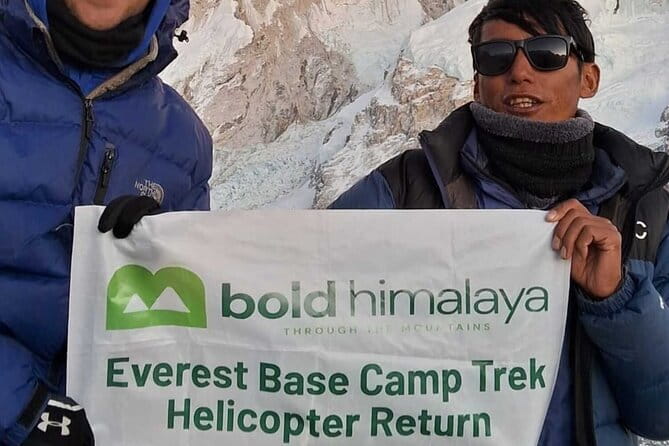
The classic Everest Base Camp route requires a long walk back after reaching Gorak Shep. This version removes that final stretch. You still face the demanding ascent, thin air, cold mornings, and basic mountain lodging, but you do not have to repeat the route through Lobuche, Dingboche, Namche Bazaar, and Lukla.
That makes the 10-day schedule attractive if you have limited holiday time or want to save your legs for the most important section. It also gives the trip a neat finish. After the Kala Patthar climb, you return to Gorak Shep and board a helicopter for the flight toward Kathmandu.
There is one financial detail you should not overlook. The advertised price is $446.50 per person, but the helicopter from Gorak Shep is listed as an extra. Ask for the current flight price before booking. Weather can also affect the flight, so keep some flexibility in your plans.
More Everest Base Camp Treks in Kathmandu
- Everest Base Camp Trek – 14 Days
★ 5.0 · 1,499 reviews - Everest Base Camp Trek
★ 5.0 · 842 reviews - Everest Base Camp Trekking
★ 5.0 · 485 reviews
Kathmandu Arrival and the First Briefing
Your trip begins at Tribhuvan International Airport in Kathmandu. Bold Himalaya provides pickup and takes you to your hotel, listed as Hotel Thrive or a similar property, in twin-share accommodation with breakfast.
The first evening includes a briefing about the trek. This is your chance to check the route, ask about altitude, sort out your duffle bag, and confirm what you are carrying. The company also provides a cultural show and dinner program in Kathmandu, giving you a small taste of local performance and food before the mountain days begin.
The included equipment helps keep packing costs down. You can use a sleeping bag, down jacket, trekking poles, duffle bag, and cap. If you already have preferred cold-weather gear, bring it, but this package is useful for people who do not want to buy bulky items for one trip.
Lukla to Phakding: A Short First Walk
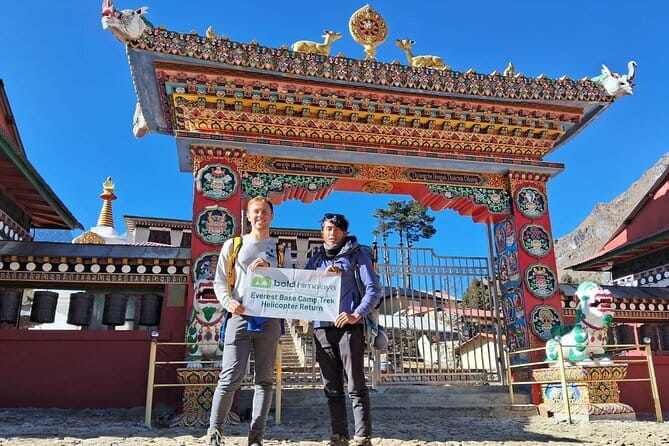
The flight from Kathmandu to Lukla is part of the itinerary, although the route may operate from Ramechap to Lukla depending on conditions and scheduling. The arrival at Lukla is one of the trip’s memorable moments, with Himalayan views beginning almost at once.
From Lukla, you trek downhill through alpine forest to Phakding. The first walking day lasts about four hours. That shorter start is sensible because you are adjusting to the altitude, the trail, and the rhythm of walking with a pack.
Phakding is not the major goal, but it gives you a manageable opening day. Suspension bridges, river crossings, and small mountain settlements begin to show you what the route is about. Take it easy here. The best strategy is steady walking, plenty of water, and no race to reach the next stop.
Namche Bazaar and the Essential Rest Day
Day three takes you from Phakding to Namche Bazaar in about six hours. The route crosses the Dudhkoshi River and passes through Sherpa villages, with suspension bridges adding a touch of drama to the walk.
Namche is the main trading center on this part of the trail and an important place to pause. The following day is set aside for acclimatization. You can visit the Sherpa Museum, explore the town, and hike to the Everest View Hotel for wide mountain views.
This rest day is not wasted time. It lets your body adjust before the route climbs higher. The hike to the viewpoint also gives you a useful test of how you feel at altitude. If you are breathless, slow down. If you feel fine, stay cautious anyway, because altitude problems can appear later.
The itinerary gives you about five hours for this day, but the point is not to pack in every possible activity. Enjoy the view, eat properly, and sleep as well as you can.
More helicopter flights in Kathmandu
- Everest Base Camp Trek with Helicopter Return from Gorakshep to Lukla
★ 5.0 · 161 reviews - Everest Base Camp Trek with Helicopter Return to Lukla – 10 Days
★ 5.0 · 34 reviews - Everest Base Camp Trek with Helicopter Return -11 Days
★ 5.0 · 12 reviews - Helicopter Return Everest Base Camp Trek, KTM-LUKLA & Gorakshep-KTM by Heli
★ 5.0 · 9 reviews
Tyangboche and the Mountain Monastery
From Namche, you continue to Tyangboche, with about six hours of walking. The trail passes through forest and reaches Phungi Thanga before climbing onward.
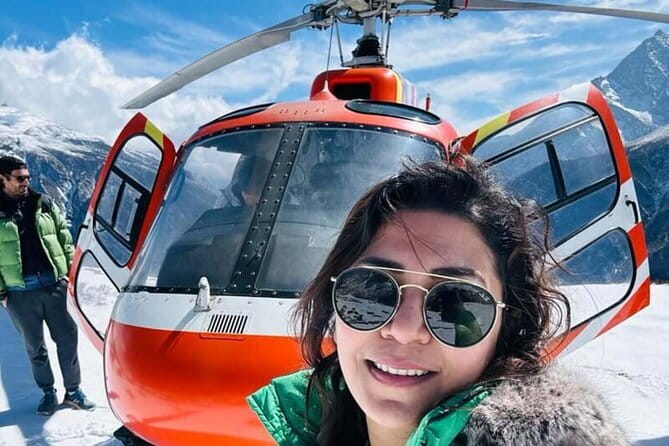
Tyangboche is known for its monastery and its setting among major Himalayan peaks. The route description highlights views of Everest and Lhotse, so this is one of the days when the scenery becomes especially powerful. The monastery visit adds cultural meaning to what could otherwise be just a march from lodge to lodge.
The walk is not easy. You lose and regain height on the route, and the climb after lunch can feel harder than the distance suggests. Keep your pace slow. Your guide is there to set a safe rhythm, not to push you into an early finish.
Pangboche, Somare, and Dingboche
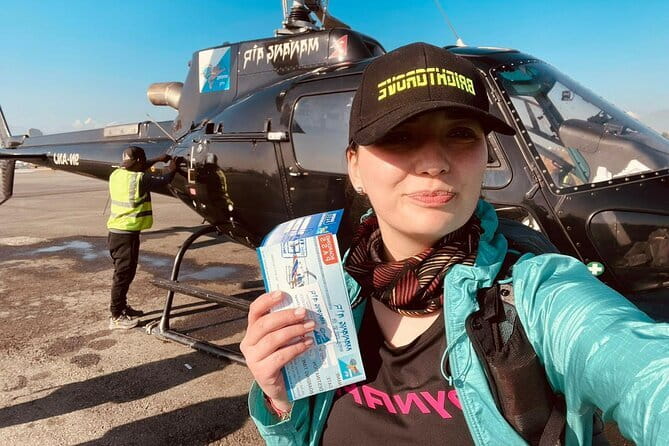
Day six leads to Dingboche in about six hours. You cross a suspension bridge over the Imja Khola, pass through rhododendron forest, and walk through Pangboche and Somare.
Dingboche marks a clear change in the trip. The air is thinner, the vegetation becomes less dense, and the high mountain environment feels more exposed. Your overnight stay here is followed by another acclimatization day, which is one of the strongest parts of the plan.
On day seven, you explore the Dingboche Valley and hike toward Nagarjun Peak. The climb takes about five hours and provides broad views while helping your body adjust to the higher elevation. This is a useful day, but do not treat it like a spare sightseeing day. You are preparing for Lobuche, Gorak Shep, and Base Camp, where altitude becomes the main challenge.
A good guide will watch your pace and condition closely. Surendra has been specifically praised for keeping people safe and helping them complete the route. That kind of steady attention matters more here than flashy talk or a fast walking speed.
Lobuche and the Thukla Memorials
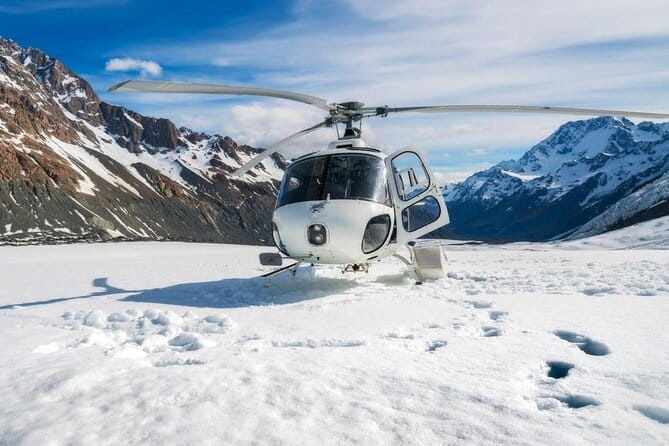
The route rises to Lobuche at 4,940 meters on day eight. The trek takes about six hours and passes through Thukla Pass, where memorials honor climbers who died on Everest and other Himalayan peaks.
This is one of the most thoughtful stops on the route. The memorials bring a serious note to the trip. They remind you that Everest is not just a scenic destination or a personal challenge. It is a demanding mountain with real risks.
From Thukla, the trail continues toward Lobuche with closer views of glaciers and the surrounding peaks. At nearly 5,000 meters, even simple tasks take more effort. You may find the walking pace slow and your sleep less restful. That is normal at this height, but any serious altitude symptoms should be reported immediately.
Lobuche is a basic mountain stop, not a comfort-focused hotel. The company’s strongest accommodation praise points to hot water and care at lodges, but you should still expect mountain conditions, limited facilities, and a cold environment.
Everest Base Camp and Gorak Shep
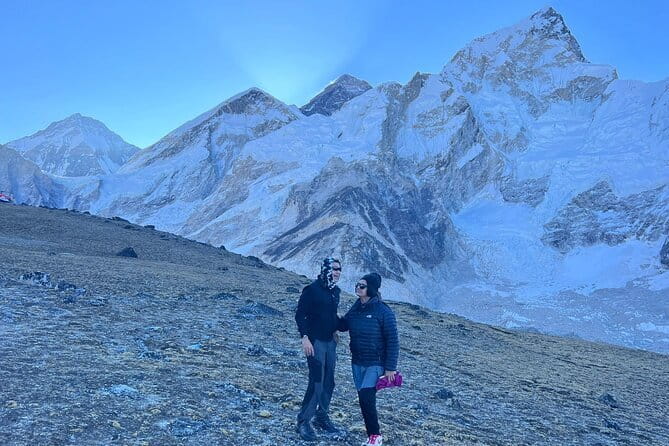
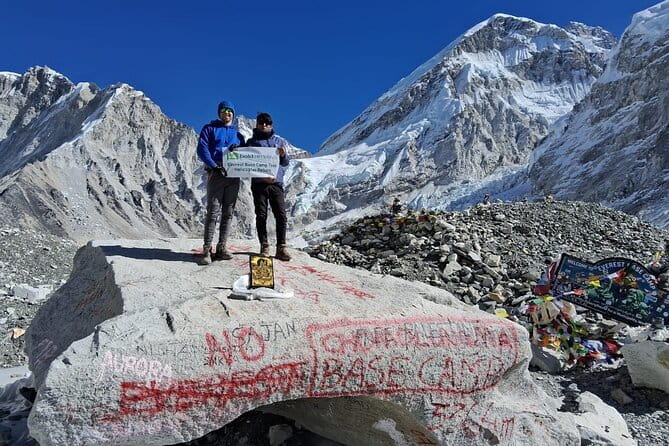
Day nine is the physical high point of the trek. You walk to Gorak Shep at about 5,170 meters, leave your gear, and continue to Everest Base Camp at 5,364 meters. The full day takes around seven hours.
The route toward Base Camp gives you views of the Khumbu Icefall, one of the most striking and dangerous sections of the Everest climbing route. The base camp itself is seasonal and active during climbing periods, but the itinerary does not promise a particular expedition activity. You should think of this stop as the end point of your trek and a chance to take in the glacier and mountain setting.
After reaching Base Camp, you return to Gorak Shep for the night. This is a demanding out-and-back day. Since your main bag remains behind, use the lighter load wisely, but carry enough water and warm clothing for the changing conditions.
Gorak Shep is high enough that comfort becomes secondary. You may get a simple room, basic food, and limited sleep. That is part of the price of reaching this altitude. The reward is knowing you have walked to the foot of the world’s highest mountain.
Kala Patthar at 5,550 Meters
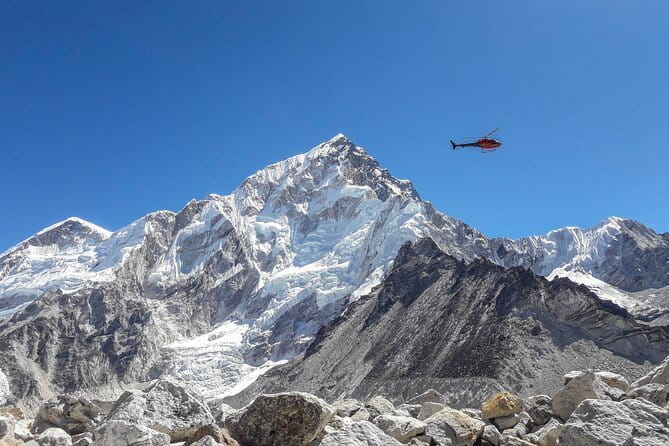
The final morning begins early with a climb to Kala Patthar. At 5,550 meters, this is higher than Base Camp and often provides the best viewpoint of Everest on the itinerary.
The goal is sunrise and panoramic mountain views. The climb is short in distance compared with the whole trek, but the altitude makes it strenuous. Move slowly, keep your hands warm, and give yourself time to stop.
Kala Patthar is also where the trip’s timing matters. You need to return to Gorak Shep in time for the helicopter. Weather, wind, and visibility can affect the flight, so the exact schedule may change. The cancellation terms allow a different date or a full refund if poor weather causes the experience to be canceled, but you should still avoid planning an immediate international connection after this trip.
What Is Included, and What Still Costs Extra
For $446.50 per person, the package includes a lot of the basic structure needed for a guided trek:
- Experienced trekking guide with salary, insurance, food, and accommodation
- Kathmandu to Lukla domestic flight, or Ramechap to Lukla if required
- Private transportation
- One Kathmandu hotel night with breakfast
- Trekking meals listed as nine breakfasts, eight lunches, and eight dinners
- National park, local municipality, and TIMS fees
- Sleeping bag, down jacket, trekking poles, duffle bag, and cap
- Cultural show and dinner in Kathmandu
- Government taxes and service charges
- Trip certificate
The helicopter flight from Gorak Shep to Kathmandu is extra. Porter service is also not included, so you must either carry your own gear or arrange a porter separately. International flights, travel insurance, bar bills, desserts, and tips are also outside the price.
For value, this is a strong base package if you already have international insurance and are comfortable paying separately for the helicopter and porter. It is less of a bargain if you assume the title means the flight is included. Get the full cost in writing before you commit.
The Human Side of the Trip
The most encouraging details concern personal support. Surendra is named as a guide who kept the couple he led safe and stayed determined through the full route. Porter Doma Ghale is also singled out for dedication. A porter can make a major difference on a high-altitude trek, but this package does not include one, so confirm how the quoted support applies to your group.
Manager Sobit is described as attentive from the first inquiry and careful with trip details. That matters because Everest plans can change. Weather, domestic flights, lodge availability, and helicopter operations do not always follow the printed schedule.
Strong organization is also reflected in the accounts of accommodation during difficult weather, including hot water and comfortable lodge arrangements. Still, do not confuse good care with luxury at 5,000 meters. You are booking a guided mountain trek with some helpful comforts, not a resort holiday.
Who Should Book This Everest Route?
I would recommend this trip to you if you want the full Base Camp experience but cannot spare the extra days for the return walk. It also suits people who prefer a private group, want equipment supplied, and value having a guide manage the route and permits.
You need moderate physical fitness and a willingness to walk for five to seven hours on several days. The altitude is the bigger issue than raw distance. The acclimatization days help, but they do not remove the risk or discomfort of high elevation.
I would be more cautious if you are on a fixed budget, dislike basic lodging, or expect the helicopter to be part of the advertised price. The extra flight charge, porter cost, tips, insurance, and international travel can add up quickly.
FAQ
How long does the Everest Base Camp trek with helicopter return take?
The planned duration is 10 days, including arrival in Kathmandu, the trek to Base Camp, the Kala Patthar hike, and the helicopter return.
Is the helicopter flight from Gorak Shep to Kathmandu included?
No. The flight from Gorak Shep to Kathmandu is specifically listed as an additional cost.
Where does the experience begin?
Pickup begins at Tribhuvan International Airport in Kathmandu, Nepal.
Is this a private tour?
Yes. Only your own group participates in the activity.
Are meals included?
Breakfast is provided for nine mornings, with eight lunches and eight dinners included during the trip.
Is a porter included?
No. Porter service is not included in the listed price. Tips for trekking crew members are also separate.
Should You Book It?
Book this route if you want to reach Everest Base Camp, climb Kala Patthar, and cut out the long return walk. The acclimatization schedule, supplied gear, private format, and attentive support from staff such as Surendra and Doma Ghale give the trip a sensible foundation.
Before paying, confirm the helicopter price, porter arrangements, flight route from Kathmandu or Ramechap, and what happens if weather delays the return. If those costs fit your budget, this is a practical way to experience the best-known Everest trail without spending two extra weeks on foot.
Latest treks added in Kathmandu
- Private Manaslu Circuit Trek at Himalayas★ 5.0 · 3 reviews
- Ghorepani Poonhill Trek★ 5.0 · 5 reviews
- Ghorepani Poon Hill Trek★ 5.0 · 16 reviews
- Upper Mustang Trekking★ 3.0 · 2 reviews
- Amazing 1 Day Trekking Experience in Kathmandu Nepal★ 5.0 · 24 reviews
- Upper Mustang Trekking★ 5.0 · 2 reviews
- Upper Mustang Trek★ 5.0 · 5 reviews
- Upper Mustang Trekking★ 5.0 · 4 reviews
Everest Base Camp Treks, compared.






Browse the lists this tour appears in