REVIEW · SAPA
3-Day Trek in Amazing Muong Hoa Valley & ethnic Homestay
Muong Hoa Valley gives you the best reason to slow down in Sapa: the road disappears, rice terraces take over the hillsides, and village life becomes the main attraction. You’ll trek to Hmong and Red Dzao communities, sleep in ethnic homestays, and spend three days seeing Sapa on foot rather than through a vehicle window.
I like the longer walking days, especially the seven-hour route from Ta Van to Giang Ta Chai, and I like the chance to visit several distinct communities instead of stopping at one village. The tour also includes three lunches, two dinners, two breakfasts, transport, and a guide for $109. The main drawback is simple: this is a serious trek, not a gentle sightseeing walk, and weather can make the trails much harder.
Key points at a glance
- Lao Chai and Hmong country: Your first day leads toward Lao Chai through the Muong Hoa Valley, with about six hours on foot.
- A bamboo forest route: Day two travels from Ta Van to Giang Ta Chai, home to Red Dzao families, during the longest seven-hour trekking day.
- Two ethnic homestay nights: The three-day, two-night format gives you more time in village settings than a day trip.
- An early Ban Ho start: Day three includes sunrise views in Ban Ho Valley before a short walk to Nam Tong village.
- Small group size: The tour accepts no more than 14 people, a useful limit on narrow paths.
- A practical $109 package: Meals, an English-speaking guide, air-conditioned transport, and accommodation are included, while insurance and personal spending are extra.
Why three days works better than a quick Sapa walk
Sapa is easy to visit for a day, but the most rewarding parts of Muong Hoa Valley are not clustered around the town center. A longer trek lets you move from one village area to another and spend the night close to the communities you are visiting.
The three-day schedule also spreads the walking over several stages. Day one covers about six hours, day two about seven, and day three about four. That final, shorter day matters because your legs may be tired by then, especially if the trail is wet or uneven.
The route connects Hmong and Red Dzao communities. These are not simply photo stops. The stated purpose of the tour is to help you learn about local customs and culture, and the village stays give you a more direct setting for that contact.
I would choose this format over a one-day trek if you have the time and reasonable fitness. A one-day visitor sees a slice of the valley. You get a more complete route, two homestay nights, and a better sense of how the villages relate to each other.
More Homestay Treks in Sapa
- Number one top rated ethical cultural trekking and homestay by ETHOS
★ 5.0 · 456 reviews - Sa Pa: 2-Day Trekking Trip with Ethnic Minority Homestay
★ 4.7 · 145 reviews - Sapa : 2-Day Trek & Heartwarming Homestay with an Ethnic Family
★ 5.0 · 143 reviews
Day one: six hours toward Lao Chai
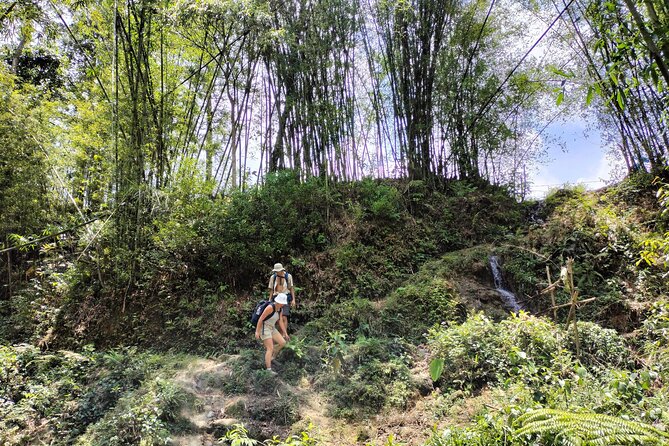
Your morning begins around 9:00 or 9:15 a.m. at 15 Tue Tinh in Sapa, or with pickup from your hotel in Sapa Town. From there, you start toward Lao Chai, an area associated with the Hmong ethnic minority, passing through the Muong Hoa Valley and the Y Li area named in the route description.
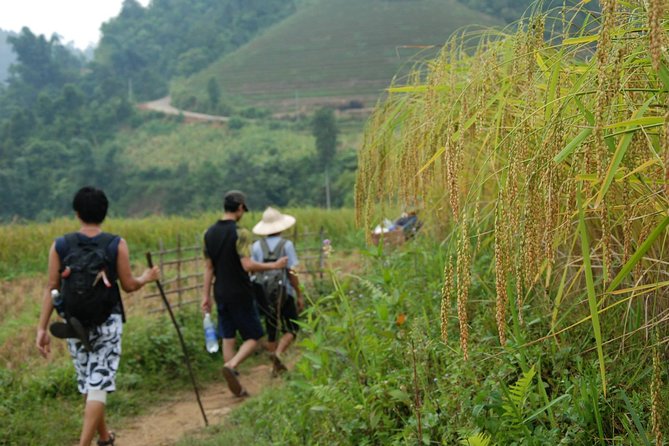
This opening day is about getting out of town and into the valley. The famous attraction here is not one monument or formal viewpoint. It is the changing view of rice terraces, village paths, and mountain scenery as you walk.
The six-hour duration gives you time for photographs without turning the day into a rushed march. Still, six hours is a full day outdoors. You should be comfortable walking for several hours and handling a moderate physical challenge. The tour specifically asks for a moderate fitness level, so treat that as useful guidance rather than a formality.
Lao Chai is particularly valuable as an early cultural stop because the route connects the scenery with a living Hmong community. You can expect the guide to help explain what you are seeing and to provide context about local customs. An English-speaking guide is included, and one guide named Lang is associated with a three-day, two-night departure on this route.
The first day may be the point when you discover if this trek suits you. If you want polished paths, frequent vehicle transfers, and short walks between attractions, this is not the right product. If you enjoy moving slowly through the countryside and accepting a little physical effort for better views, the route makes sense.
The homestay nights and what they add
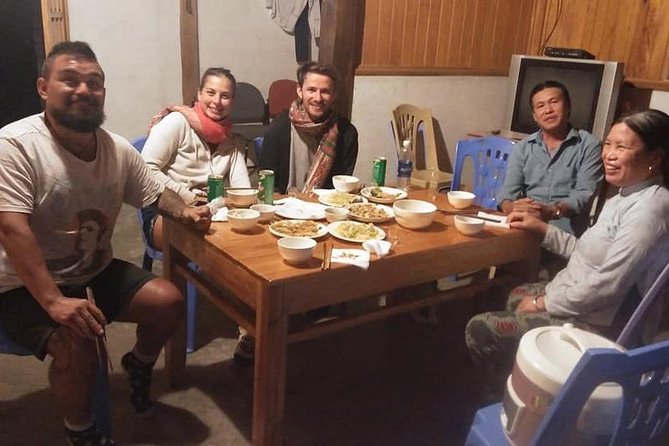
The tour is built around ethnic homestays rather than a return to a conventional hotel in Sapa each night. That changes the rhythm of the trip. You finish the day in a village setting, eat included dinner, and begin the next morning with breakfast before walking again.
The supplied schedule and the three-day, two-night format indicate two nights of homestay accommodation. The exact standard of each home is not specified, so you should approach this as local lodging, not a hotel substitute. The value is the setting and the chance to spend more time in village communities, not luxury facilities.
Two breakfasts, three lunches, and two dinners are included. That is a strong practical benefit on a walking tour, since you do not need to arrange every meal while moving between villages. Personal expenses are not covered, and travel insurance is also your responsibility.
I would pack with simplicity in mind. The information provided does not specify luggage handling or room arrangements, so bring only what you need for three days and confirm any baggage questions before departure. You will be much happier carrying less on a route with several long walking days.
Day two: Ta Van, bamboo forest, and Giang Ta Chai
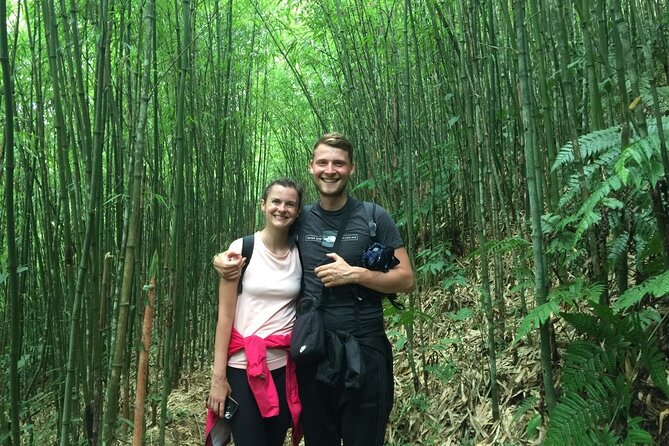
After a local breakfast, you leave Ta Van village and walk through bamboo forest toward Giang Ta Chai. At about seven hours, this is the longest and most demanding day of the program.
The route’s appeal is its change of setting. You begin in Ta Van, then move through forest and countryside before reaching Giang Ta Chai, where the Red Dzao ethnic minority community lives. The walking itself is the attraction. Instead of ticking off isolated viewpoints, you see how the valley changes as the path climbs and bends through rural areas.
The bamboo forest gives the day a different feel from the open rice terraces of the first stage. It also means you should be ready for a trail rather than a paved village stroll. The information does not specify the exact surface, slope, or seasonal condition, so conditions may vary. Good shoes are a sensible choice, particularly because the tour depends on good weather.
This is the day when group size matters. The maximum is 14 people, small enough to keep a group moving on a narrow route without creating a large procession. It is not a private tour, though, so your pace will still be shared with other people.
Giang Ta Chai is important for the cultural side of the journey. You are not only walking through scenery, but also reaching a village identified with the Red Dzao. Your guide can help connect the houses, clothing, customs, and daily life you see with the wider story of the community. The precise activities are not listed, so do not expect a guaranteed craft demonstration or formal performance.
For me, this is likely the strongest day for hikers who want a real trek. It is also the day I would think hardest about before booking. Seven hours can feel long, particularly if you are not used to walking in hilly country.
More Homestay Treks in Vietnam
- Sapa Valley Trek and Homestay – 3D2N
★ 5.0 · 105 reviews - 2 days authentic trekking tour in Sapa ( Homestay – Less touristy )
★ 5.0 · 68 reviews - From Sapa: 2 Days 1 Night Trek Over Night At Homestay
★ 5.0 · 68 reviews - Muong Hoa Valley Trek & Homestay Experience – 4D3N
★ 5.0 · 42 reviews
Day three: sunrise in Ban Ho and Nam Tong
After breakfast, the final day begins with sunrise in Ban Ho Valley. That early view gives the last morning a clear purpose before the short trek to Nam Tong village.
Nam Tong is inhabited by the Red Dzao community, so the day continues the cultural thread established at Giang Ta Chai. The schedule emphasizes learning about traditions and culture, then returning to Ban Ho for lunch. With about four hours of walking, this is a gentler finish than the previous day.
I like the way the final day is planned. A sunrise start makes the morning feel distinct, while the shorter trek recognizes that you have already spent two days on foot. Returning to Ban Ho for lunch also gives the day a clear center rather than sending you on another long push.
The description says the activity ends back at the meeting point. Since the exact transfer timing is not provided, confirm how the return from Ban Ho is handled if you have a train, bus, or other fixed departure from Sapa. The included air-conditioned vehicle is useful, but the schedule does not give enough detail to promise a particular return time.
The cultural side: Hmong and Red Dzao communities
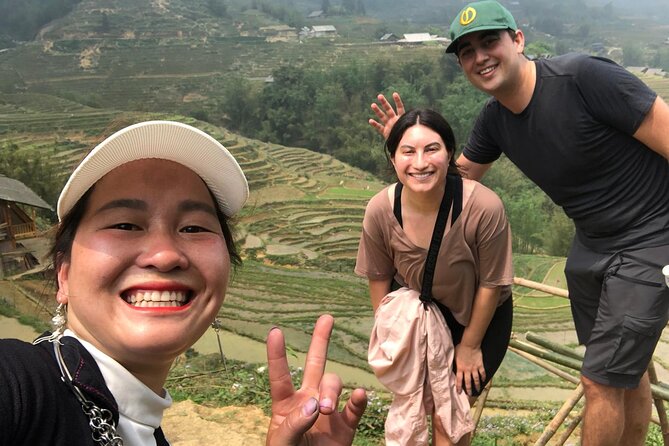
The tour’s cultural value comes from visiting several communities over time rather than making one brief stop. Lao Chai is associated with the Hmong, while Giang Ta Chai and Nam Tong are connected with the Red Dzao.
You should think of the guide as an interpreter of place and customs, not just a person who points out the next turn. An English-speaking guide is included, and the tour is designed around learning about local traditions. That makes the guide particularly important when you want to understand what you are seeing instead of taking photographs without context.
At the same time, respectful behavior remains your responsibility. Ask before photographing people, homes, or personal activities. Keep in mind that these are communities where people live and work, not scenery arranged for visitors.
The tour promises opportunities to meet ethnic minority people and learn about their customs, but it does not list specific workshops, ceremonies, or guaranteed conversations. I would book it for the village access and guide commentary, not for a single promised cultural show.
Is $109 a good value?
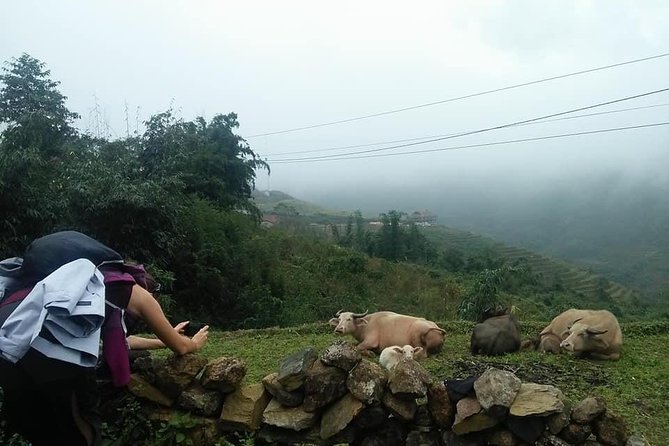
At $109 per person, the price is reasonable for a three-day guided trek with two homestay nights and meals. The package includes an English-speaking guide, air-conditioned transport, two breakfasts, three lunches, and two dinners. Those inclusions cover the main costs that can add up on a multi-day trip.
The value is strongest if you plan to trek independently but would otherwise need to arrange meals, route planning, and village accommodation yourself. You are paying for a prepared route and local guidance, not simply for admission to a viewpoint. There is no admission charge listed for the valley stops.
The price does not include travel insurance or personal expenses. You should also allow room for anything not covered by the package, though the supplied information does not specify particular extra fees. Group discounts are available, which could make the cost more attractive for people booking together.
The group limit of 14 helps keep the package from feeling like a large coach excursion. It is still a group experience, so private pacing and complete schedule control are not part of the deal.
Who should book this trek?
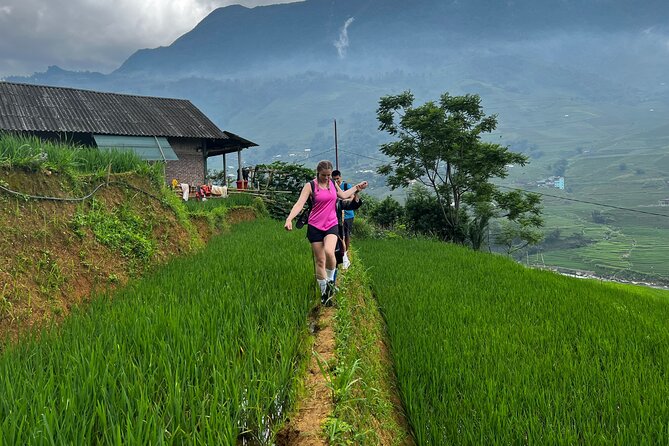
This tour suits you if you want:
- Three days of active walking rather than one short excursion
- Rice terrace views and countryside photography
- Contact with Hmong and Red Dzao communities
- Local homestays instead of returning to a Sapa hotel each night
- An English-speaking guide and included meals
- A small group capped at 14 people
I would be cautious if you have limited walking fitness, dislike basic homestay lodging, or need a tightly fixed return time on day three. The tour requires moderate fitness, includes a seven-hour walking day, and depends on good weather.
The route also suits people who want a balance of scenery and culture. If your only goal is a quick view of the terraces, a shorter trip may be enough. If you want the valley to unfold over several days, this program gives you more substance.
Practical details before you book
Confirmation is provided at booking, and the meeting point is near public transportation. The stated start time is 9:00 a.m., while the pickup description gives about 9:15 a.m. If you are meeting the guide at your hotel, confirm the exact pickup time so you are ready early.
The tour ends at the original meeting point. It is available with group discounts and a mobile ticket, which makes booking easier for many people. The experience requires good weather. If poor weather forces cancellation, you can receive a different date or a full refund.
Cancellation is free up to 24 hours before the start time. A cancellation made less than 24 hours before departure is not refunded, and changes inside that window are not accepted. The tour also requires a minimum number of people, so a departure can be moved or refunded if that minimum is not reached.
The experience has a 5 out of 5 rating from 49 reviews, with 100 percent recommended. That is a strong signal, and the most useful practical point from the feedback is the advice to choose all three days if you have the time and energy. Some departures may include people doing only one or two days, so the group can change during the route.
Should you book it?
Book this trek if you want a real three-day walk through Muong Hoa Valley, not a quick Sapa photo stop. The combination of Lao Chai, Ta Van, Giang Ta Chai, Ban Ho, and Nam Tong gives you varied scenery and contact with both Hmong and Red Dzao communities.
The $109 price works well for the included meals, guide, transport, and two homestay nights. Just be honest about your fitness. The seven-hour second day is the deciding factor. If that sounds manageable and you like simple local lodging, this is a strong way to see Sapa at a slower, more human pace.
FAQ
Where does the trek start?
The meeting point is 15 Tue Tinh, Sa Pa, Lao Cai, Vietnam. Pickup from a hotel in Sapa Town is also described.
What time does the tour start?
The stated start time is 9:00 a.m. The pickup description says the guide may collect you around 9:15 a.m.
How long does the trek last each day?
Day one lasts about six hours, day two about seven hours, and day three about four hours.
Which ethnic communities does the tour visit?
The route includes Lao Chai, associated with the Hmong ethnic minority, and Giang Ta Chai and Nam Tong, where Red Dzao communities live.
What meals are included?
The package includes two breakfasts, three lunches, and two dinners.
What happens if bad weather cancels the tour?
You will be offered a different date or a full refund if the experience is canceled because of poor weather.
More Rice Terrace Treks in Vietnam
- Daily Tour: Sapa Trekking in Muong Hoa valley, Bamboo forest
★ 5.0 · 121 reviews - 1-Day Sapa Long Trek – Rice Field Terrace, Ethnic Culture
★ 4.9 · 62 reviews - Sapa: Muong Hoa Mountain Views and Villages Trek with Lunch
★ 4.3 · 28 reviews - Sapa: Muong Hoa Valley View & Villages Trek with Local Guide
★ 5.0 · 25 reviews
More Rice Terrace Treks in Sapa
- Sa Pa: Muong Hoa Valley Trek and Local Ethnic Villages
★ 4.6 · 864 reviews - Explore Sapa by TrekkingAdventures, Mountain,Rice fields
★ 4.9 · 229 reviews - Sa Pa: 6-Hours Muong Hoa Valley Trek with Local Ethnic guide
★ 4.5 · 178 reviews - Sapa Muong Hoa Valley & Ta Van Eco Village Scenic Tour (No Trek)
★ 5.0 · 144 reviews
Latest treks added in Sapa
- Soob Sapa Trekking Tour★ 4.3 · 3 reviews
- Sapa: Y Linh Ho – Lao Chai, and Ta Van Trekking Day Tour★ 5.0 · 25 reviews
- Sapa Trekking Private Tour With Ethnic Female Tour Guide★ 4.9 · 24 reviews
- Sapa Trekking – Waterfalls And H’mong Villages★ 5.0 · 2 reviews
- Sapa: Ta Phin Village Trek with Lunch and Bathing Experience★ 4.7 · 13 reviews
- Sapa Trekking Guide Francophone 2 days – 1 night★ 5.0 · 2 reviews
- Sapa: Trekking Through Terraced Rice Fields & Valley 1 Day★ 4.8 · 4 reviews
- Sapa small groupe activities: 1 Day trek – Meet the locals★ 4.7 · 3 reviews
Rice Terrace Treks, compared.
Muong Hoa Valley Trek and Local Ethnic Villages
Read our review →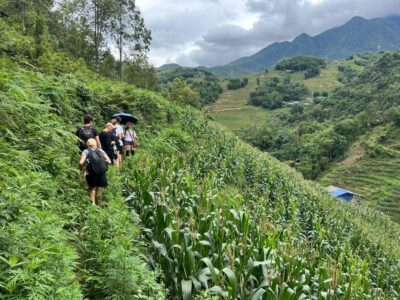
Explore Sapa by TrekkingAdventures, Mountain,Rice fields
Read our review →
Selogriyo Temple and Trekking Java Rice Terraces, hidden waterfall -Nature Java
Read our review →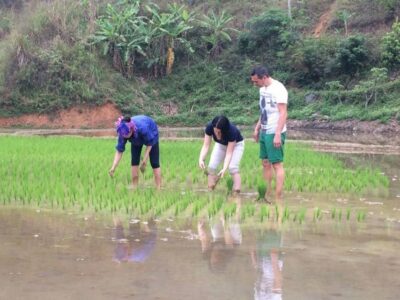
6-Hours Muong Hoa Valley Trek with Local Ethnic guide
Read our review →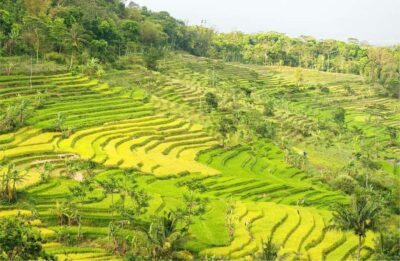
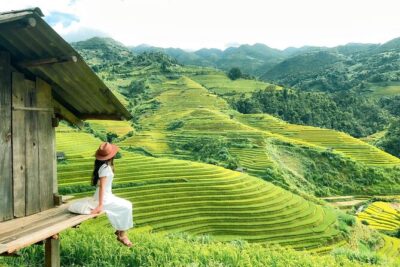
Sapa Muong Hoa Valley & Ta Van Eco Village Scenic Tour (No Trek)
Read our review →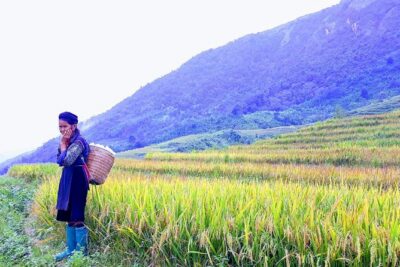
Daily Tour: Sapa Trekking in Muong Hoa valley, Bamboo forest
Read our review →