
REVIEW · SAPA
Sapa : 2-Day Trek & Heartwarming Homestay with an Ethnic Family
The best part of this Sapa trip comes after the walking: you help cook dinner, eat with a local family, and spend the night in a traditional home. That overnight stay gives the trek a human touch that a quick valley walk cannot match.
I like the terraced scenery and village paths, which take you beyond Sapa town and into daily rural life. I also like the guide-led pace, with guides such as Nhu, Thao Nhu, Chai, Khu, and Sai explaining ethnic customs, family life, and the different communities of northern Vietnam.
The main consideration is the walking. Slippery paths, hills, and uneven ground require moderate fitness, and the weather can change quickly. This is not a sightseeing bus trip with a little walking added.
Key points at a glance
- Two days in Muong Hoa Valley: Follow paths through rice terraces, villages, bamboo forests, and countryside.
- A real homestay night: Cook and share dinner with a local family rather than returning to a hotel in Sapa.
- Guides who add context: Nhu, Thao Nhu, Chai, Khu, and Sai are named in the tour information and are praised for their English, humor, patience, and explanations of local life.
- Small-group format: The group limit is described as either 10 or 14 people, so confirm the exact size when booking.
- Meals are built in: Two lunches, one dinner, and one breakfast are included, along with mineral water.
- Good value at $59: Transport, guiding, food, and one night’s homestay make this a practical introduction to Sapa.
Why the homestay makes this trek worthwhile
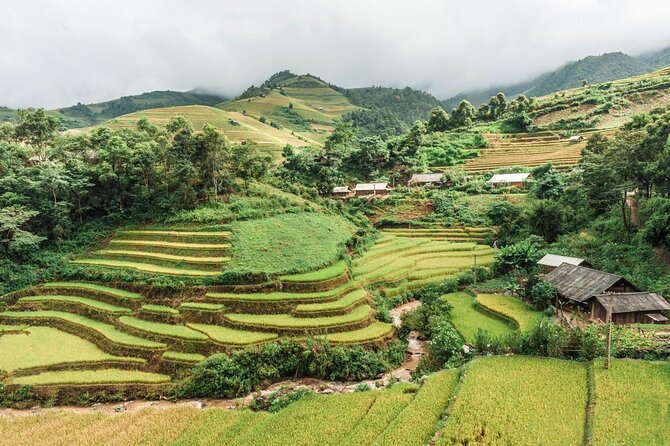
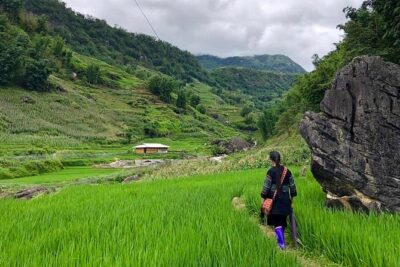
Sapa is easy to admire from a viewpoint, but the real appeal is down in the valley. Rice terraces step across the mountain slopes, footpaths connect villages, and farm animals appear along the way. A two-day trip lets you see this countryside without squeezing everything into one long day.
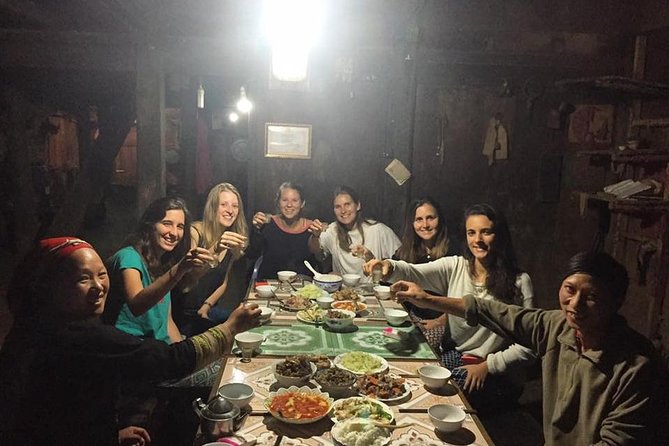
The homestay changes the tone of the trip. Instead of finishing the walk and heading back to town, you take part in a cooking session with a local family, eat dinner together, and sleep in their home. That creates time for conversation and observation, even if the arrangement remains simple rather than polished.
I especially like the balance here. You get scenery, exercise, meals, and cultural contact in one package. The cost is $59 per person, which is a reasonable deal once you count the two lunches, dinner, breakfast, one night of accommodation, local transport, and a guide.
You should not book this expecting a private luxury stay. The homestay is designed for cultural contact and basic comfort. If you need a private hotel room, a flexible schedule, or a soft walking surface, choose a different Sapa outing.
More Homestay Treks in Sapa
- Number one top rated ethical cultural trekking and homestay by ETHOS
★ 5.0 · 456 reviews - Sa Pa: 2-Day Trekking Trip with Ethnic Minority Homestay
★ 4.7 · 145 reviews - Sapa Valley Trek and Homestay – 3D2N
★ 5.0 · 105 reviews
Starting at 9:00 from Sapa town
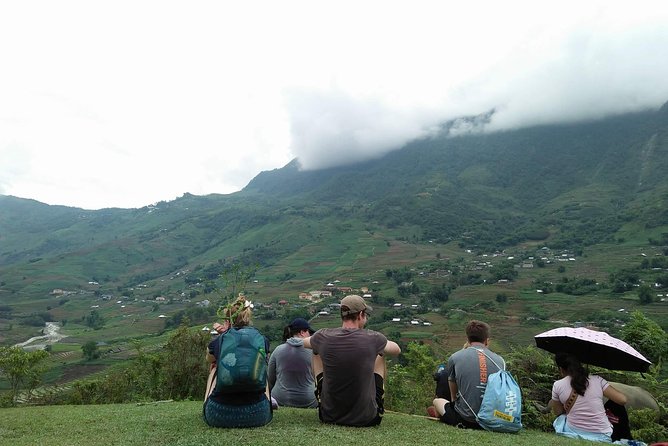
The tour begins at 9:00 am at Nomadtrails Boutique Hotel on Tue Tinh Street in Sapa. Pickup and drop-off are included, and the activity ends back at the meeting point after the return transport to Sapa center.
Arrive about 15 minutes early. The town sits at mountain altitude, so a morning that feels cool can turn warm during the walk. From October through March, bring warm clothing. The advice to pack trekking shoes, sunglasses, sun cream, insect repellent, and clothes for the night is practical, not decorative.
The transport is air-conditioned, which matters after a wet or tiring walk. One liter of mineral water per person per day is included, but I would still pay attention to your drinking needs, especially in warm weather.
The group size needs a quick check before you commit. The tour description refers to a maximum of 14 people in one place and a maximum of 10 in another. Either way, this is intended to be a small-group walk, but the final number may affect how personal the guiding feels.
Walking through Muong Hoa Valley
Muong Hoa Valley is the visual center of the trip. The path takes you through rice terraces that descend along the mountain slopes, with villages and cultivated fields spread through the valley.
The scenery changes with the season. The supplied information does not promise a particular rice-growing stage, so do not book on the assumption that the terraces will always be bright green or golden. You can expect mountain scenery and farming areas, but the exact colors depend on the time of year.
The walk also brings you close to ordinary rural life. The route may include water buffalo, cows, chickens, and ducks, along with local homes, fields, and village paths. These details are more valuable than simply stopping at a lookout because they show how people live and work in the valley.
The guide is important here. Nhu is described as friendly, energetic, and fluent in English, with a strong habit of answering questions about Vietnamese life. Thao Nhu is praised for her cheerful manner, cultural explanations, and willingness to adjust the walk when timing matters. Chai is noted for discussing ethnic minorities and life in Vietnam, while Sai is described as patient and attentive.
Those personal qualities matter on a trek. A good guide helps you understand what you are seeing instead of leaving you to guess. The guide also helps with route-finding, which is useful when paths become confusing or slippery.
Villages, waterfalls, and bamboo forest paths
The route can include ethnic villages, waterfalls, and bamboo forest sections. The exact order depends on the day’s plan and local conditions, but the variety keeps the two days from feeling like one repeated walk.
A waterfall stop adds a welcome change from terraces and village tracks. One account describes swimming at a waterfall, but you should treat that as an optional possibility rather than a guaranteed feature. Bring suitable clothes if you might want to get wet, while keeping in mind that the tour information does not promise swimming.
Bamboo forest paths offer a different feel again. The shade can be welcome, but forest trails and mountain paths may be slick after rain. Good trekking shoes are far more useful than casual sneakers, particularly if you are not used to uneven ground.
This is a good trip for you if walking is part of the point. The tour asks for moderate fitness, and that wording should be taken seriously. You do not need to be an athlete, but you should be comfortable walking for much of the day over hills and possibly muddy or slippery ground.
More Homestay Treks in Vietnam
- 2 days authentic trekking tour in Sapa ( Homestay – Less touristy )
★ 5.0 · 68 reviews - From Sapa: 2 Days 1 Night Trek Over Night At Homestay
★ 5.0 · 68 reviews - 3-Day Trek in Amazing Muong Hoa Valley & ethnic Homestay
★ 5.0 · 49 reviews - Muong Hoa Valley Trek & Homestay Experience – 4D3N
★ 5.0 · 42 reviews
Cooking dinner with a local family
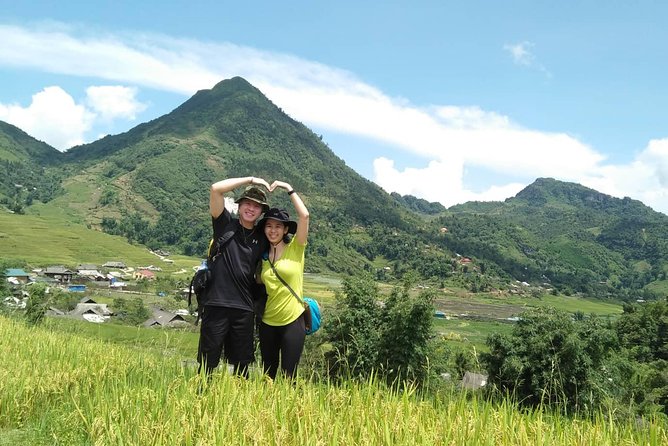
The cooking session is one of the trip’s most appealing details because it turns the homestay into participation rather than just a place to sleep. You will help prepare dinner with the host family, then share the meal in their home.
The dinner gives you a chance to ask questions and notice the small details of family life. The experience is less about a formal cooking lesson and more about working alongside local hosts and eating together.
One dinner is included, as is breakfast at the homestay. Two lunches are also included at local restaurants. Drinks beyond the included mineral water are not covered, so carry some cash for beverages and personal purchases.
Tell the operator about dietary requirements when booking. That advance notice matters more here than on a standard restaurant tour because dinner is prepared in a private home. The supplied information does not list a fixed menu, so specific food arrangements should be confirmed before departure.
What the homestay is really like
You should think of the overnight stay as a cultural homestay, not a hotel substitute. The point is to spend the evening in a traditional local home, eat with the family, and see a different side of Sapa after the day’s walk.
The accommodation is described as one night with a local family, but details such as private rooms, bathroom arrangements, bedding, and heating are not provided. Pack clothes for sleeping and bring warm layers during the colder months.
A homestay may feel more basic than your accommodation in Sapa town. That is part of its value, but it also means you should arrive with realistic expectations. Respect for local customs is specifically requested, so dress and behave thoughtfully in the home.
The family contact also depends on the group and the guide. You may have plenty of time to talk, or the evening may remain fairly quiet if language or tiredness gets in the way. Either way, the overnight stay gives you more contact than a daytime village stop.
Guide quality and the value of a small group
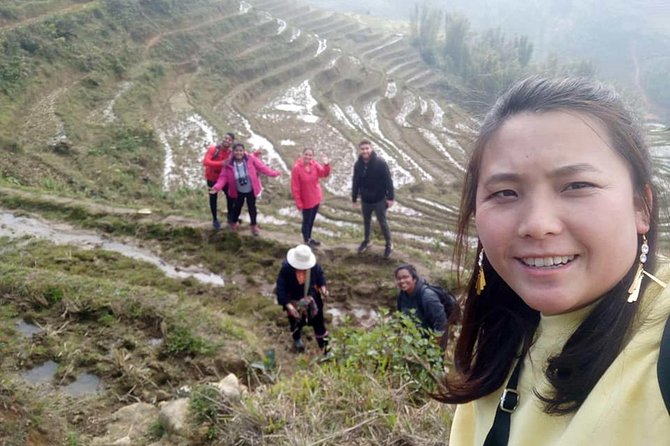
The strongest human element is the guide. Nhu, Thao Nhu, Chai, Khu, and Sai are all named in the available tour material, and the descriptions point to a consistent strength: friendly guides who explain local culture while keeping the walk enjoyable.
Khu is associated with a fun day outdoors, with a reminder that the road can be slippery. Sai is described as patient and attentive when discussing customs and the lives of northern ethnic groups. These details suggest that the guiding is not limited to pointing out scenery.
A small group also helps. You can ask questions without holding up a large coach party, and the guide has a better chance of noticing if you need a rest or help on a difficult section. Still, ask about the final group cap because the stated limits vary between 10 and 14 people.
The tour is not advertised as private. If you want the guide to shape every stop around your interests, a private walk may suit you better. For a first visit to Sapa, though, a small shared group usually keeps the price manageable while still giving you direct contact with the guide.
Is $59 a good price for two days?
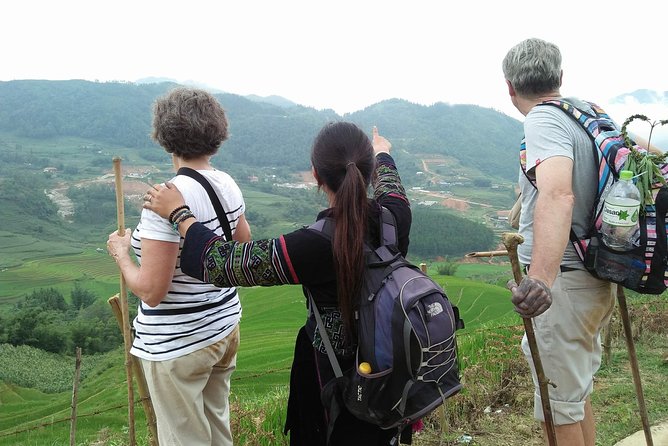
At $59, this is strong value if you want a straightforward, active introduction to Sapa. The price includes two lunches, one dinner with a local family, one breakfast, one night of homestay accommodation, an air-conditioned vehicle, return transport to Sapa center, and a local guide.
You are paying for more than the trek itself. The second day, the meals, and the overnight stay add time in the valley, which is the main reason this works better than a rushed day trip. The experience also removes the need to plan a route, arrange a village visit, and find your own transport back.
The exclusions are simple. Beverages, travel insurance, VAT, and personal expenses are not included. Bring money for drinks and small purchases, and arrange insurance separately if you want cover for trekking.
The value is best for someone who wants scenery and culture without paying for a private, high-end program. It is less attractive if you only have time for a short viewpoint visit or if you prefer to choose your own restaurants and walking route.
Practical preparation for the two days
Wear proper trekking shoes with a firm grip. The route can be slippery, and the advice about physical fitness is there for a reason.
Pack warm clothing from October through March, plus clothes for the night. Sunglasses, sun cream, and insect repellent are also recommended. A small bag is easier to manage than a large suitcase during the overnight stay.
A current valid passport is required on the day of the tour. Confirmation is provided at booking, and the meeting point is near public transportation, though pickup and return transport are included.
Free cancellation is available if you cancel at least 24 hours before the start time. Cancellations or changes made inside that window are not accepted for a refund, so keep the local start time in mind.
Who should book this Sapa trek?
I would choose this trip if you want to walk through the countryside, learn about ethnic communities, and spend a night with a local family. It fits first-time visitors who want an organized introduction rather than a self-guided route.
It also suits you if you enjoy simple accommodation and shared meals. The cooking session and homestay are the heart of the program, not side activities added to a standard hike.
I would be cautious if you have limited mobility, dislike wet or uneven paths, or need hotel-level comfort. The tour requires moderate fitness, and the homestay details are basic. You should also confirm the expected group size and dietary arrangements before paying.
FAQ
Where does the tour start?
The tour starts at 9:00 am at Nomadtrails Boutique Hotel, 015 Tue Tinh, Sapa 330000, Vietnam. You should arrive 15 minutes before departure.
How long does the tour last?
The tour lasts two days and includes one night of homestay accommodation with a local family.
What meals are included?
The package includes two lunches at local restaurants, one dinner with a local family, and one breakfast at the homestay.
Is transportation included?
Yes. Pickup and drop-off are included, along with an air-conditioned vehicle and a bus back to Sapa center.
What should I bring?
Bring trekking shoes, sunglasses, sun cream, insect repellent, and clothes for the night. Warm clothing is recommended from October through March.
Can I cancel for a full refund?
Yes, if you cancel at least 24 hours before the experience starts. Cancellations or changes made less than 24 hours before the start time are not accepted for a refund.
Should you book it?
Book this trek if you want Sapa to be more than a quick scenic stop. The combination of Muong Hoa Valley, village paths, waterfalls, bamboo forest, a cooking session, and a family homestay gives you two useful days in the countryside.
The strongest reason to choose it is the local contact, especially with guides such as Nhu, Thao Nhu, Chai, Khu, and Sai adding conversation and cultural context. The main caution is equally clear: bring the right shoes, expect basic homestay conditions, and be ready for slippery mountain paths. If that sounds like your kind of travel, $59 buys a lot of Sapa.
More two-day treks in Sapa
- EXPLORE SAPA: 2D1N TREKKING & HMONG CULTURE WITH DINH
★ 4.9 · 191 reviews - SAPA: 2-DAY 1-NIGHT TREKKING & CULTURE WITH HMONG GUIDE LINH
★ 4.9 · 126 reviews - 2 Days Fansipan Trekking
★ 5.0 · 84 reviews - 2D1N Buffalo trek by Hmong Sister House and Trekking
★ 5.0 · 81 reviews
Latest treks added in Sapa
- Soob Sapa Trekking Tour★ 4.3 · 3 reviews
- Sapa: Y Linh Ho – Lao Chai, and Ta Van Trekking Day Tour★ 5.0 · 25 reviews
- Sapa Trekking Private Tour With Ethnic Female Tour Guide★ 4.9 · 24 reviews
- Sapa Trekking – Waterfalls And H’mong Villages★ 5.0 · 2 reviews
- Sapa: Ta Phin Village Trek with Lunch and Bathing Experience★ 4.7 · 13 reviews
- Sapa Trekking Guide Francophone 2 days – 1 night★ 5.0 · 2 reviews
- Sapa: Trekking Through Terraced Rice Fields & Valley 1 Day★ 4.8 · 4 reviews
- Sapa small groupe activities: 1 Day trek – Meet the locals★ 4.7 · 3 reviews
Homestay & Village Treks, compared.
Number one top rated ethical cultural trekking and homestay by ETHOS
Read our review →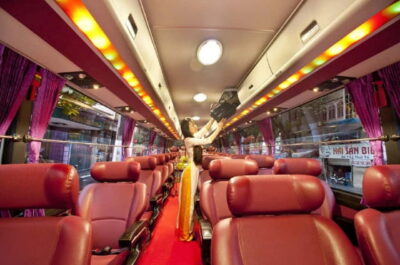
2-Day Sa Pa Ethnic Homestay Tour & Trek with Limousine Bus
Read our review →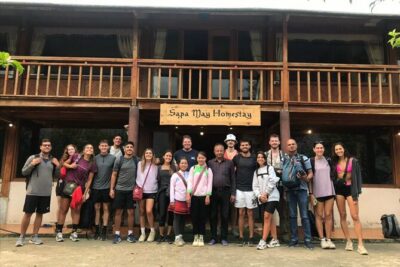
Sapa 3 Day 2 Night Trekking With Hotel & Homestay
Read our review →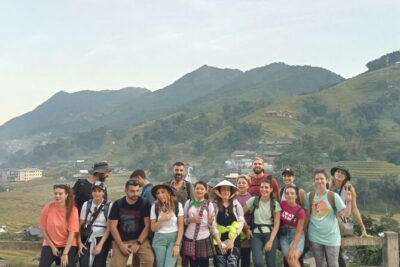
Sapa 2 Days 1 Night Overnight At Local Homestay
Read our review →
2-Day Trekking Trip with Ethnic Minority Homestay
Read our review →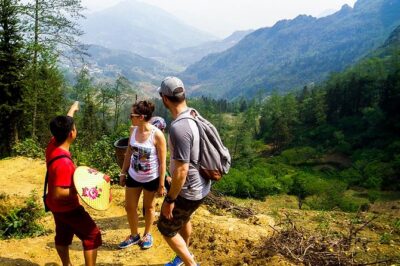
Browse the lists this tour appears in