
REVIEW · SAPA
Number one top rated ethical cultural trekking and homestay by ETHOS
Sapa’s best cultural experience may be the one that gets you away from town and into village life. This private trek takes you through rice terraces, traditional villages, and bamboo forests before an overnight stay with a local family. I like the small-group format and the chance to learn directly from guides such as Cha, Ha, Ker, My, and Kae. I also like that day two can be shaped around your energy and interests. The catch is the first day: about 14 kilometers with a steep 2-kilometer climb, so this is not a gentle stroll.
I love the way ETHOS links the walking with community life. You are not simply passing through the valley for photographs, you are sharing lunch, dinner, and breakfast in a village setting. Still, the homestay means giving up hotel comforts, and the experience requires at least two people to book.
Key points to know before booking
- Day one covers about 14 kilometers: The first 6 kilometers are relatively easy but undulating, followed by a steep climb of around 2 kilometers.
- Your overnight stay is with a village host family: Dinner, breakfast, and two lunches are included.
- The tour is private: Only your own group takes part, with a minimum booking size of two people.
- Day two is flexible: You can choose a shorter or more demanding trek before a taxi returns you to Sapa.
- The focus is local life: Guides explain village customs, plants, family life, and the cultures of the Hmong and Dao peoples.
- The meeting time is early: Start at 8:30 a.m. from the ETHOS office on Nguyễn Chí Thanh Street in Sapa.
Why this Sapa trek feels different
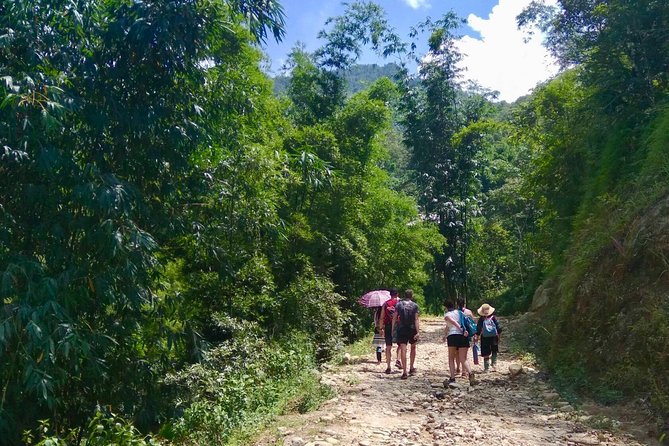
Many Sapa outings are built around a quick walk, a few viewpoints, and a return to town. This two-day trip gives the valley time to unfold. You walk between villages, stop for food, and spend the night where people actually live.
That extra night matters. It changes the experience from sightseeing into a more personal exchange. Guides have introduced visitors to their families and explained daily village life, local plants, and the traditions of Hmong and Dao communities. The emphasis is on conversation and shared time, not on rushing from one scenic stop to the next.
The private format helps, too. You are not trying to keep up with a large group or waiting for strangers at every turn. Your guide can explain more, adjust the pace, and make day two easier or harder depending on how your legs feel.
The tour is rated 5 out of 5, with 100 percent recommending it. That strong response centers on the guides and the connection with local families, rather than just the scenery. That is useful when choosing between a standard Sapa walk and a cultural trek with an overnight stay.
More Homestay Treks in Sapa
- Sa Pa: 2-Day Trekking Trip with Ethnic Minority Homestay
★ 4.7 · 145 reviews - Sapa : 2-Day Trek & Heartwarming Homestay with an Ethnic Family
★ 5.0 · 143 reviews - Sapa Valley Trek and Homestay – 3D2N
★ 5.0 · 105 reviews
Meeting your guide in Sapa at 8:30 a.m.
You begin at ETHOS, Spirit of the Community, at Số 79 Nguyễn Chí Thanh in central Sapa. The start time is 8:30 a.m., giving you a clear morning departure rather than a late start that cuts into the walking day.
The first stage is a briefing and introduction. Guides such as Hoa have explained the cultural background before the walking begins, while local trekking guides including Cha, Ha, Ker, My, and Kae have led the route into the villages. Your exact guide is not fixed in advance, so the style of the day may vary, but the format is designed around local knowledge.
This meeting point is also practical. It is near public transportation, and the activity uses a mobile ticket. Confirmation arrives when you book, so you should have the start details ready on your phone.
Because the tour is private, this is a good chance to tell the guide early if you prefer a slower pace, want more time for questions, or hope to focus on village life rather than covering as much ground as possible. You need a moderate level of physical fitness, and the first day deserves respect.
Day one: rice terraces, villages, and a serious climb
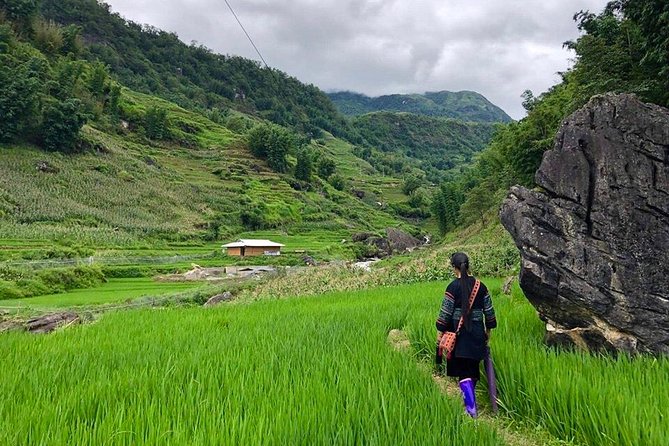
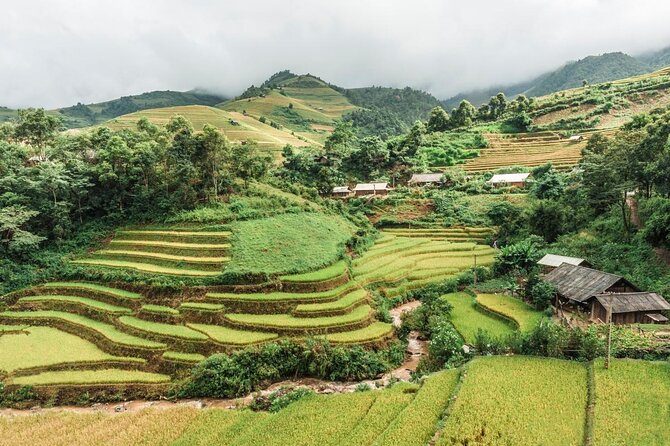
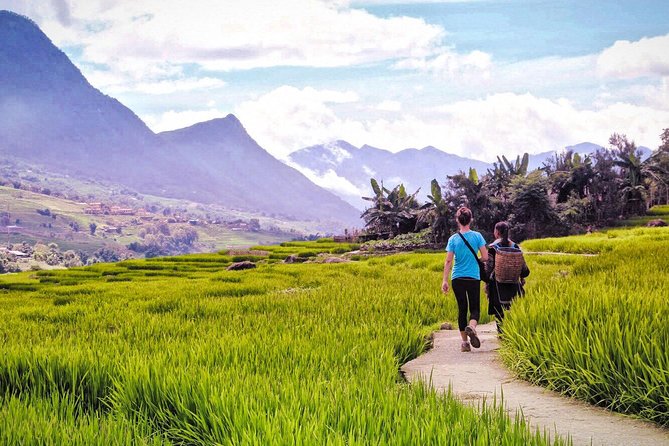
The opening 6 kilometers follow relatively easy but undulating ground. You pass rice terraces and traditional villages, with the walking itself providing the rhythm of the day. The route is not presented as a single viewpoint walk. It is a longer route through the valley, where the scenery changes as you move between settled areas and bamboo-covered sections.
The rice terraces are a major part of Sapa’s appeal. Their appearance changes with the season and weather, but the route gives you a chance to see how village life fits around the paddies. The guide can add context that you would miss from a road or a lookout point, including details about plants, homes, and local customs.
Then comes the demanding section: a steep climb of about 2 kilometers. The total distance may sound manageable on paper, but the climb makes the day more tiring than a flat 14-kilometer walk. I would not book this if you dislike hills or want a relaxed photo outing.
After the harder section, the route continues toward the village where you stay. The exact stop details can depend on local conditions and your guide, but the basic pattern remains the same: walk through the valley, meet village families, and reach the homestay in time for a shared meal.
Lunch with the host family
Two lunches are included across the two days, along with dinner and breakfast. One of the most meaningful parts of the first day is stopping to cook and share lunch with your host family.
That meal gives the trek a clear purpose beyond exercise. You are not only looking at village homes from a path. You have time to sit, eat, ask questions, and learn how the family lives. Guides have also introduced visitors to relatives and other local people, which can make the cultural side feel more direct and less staged.
Keep your expectations sensible. This is a community homestay, not a private resort or a hotel with a village theme. Accommodation is included, but no detailed room setup is provided. You should be comfortable with a simple overnight arrangement and with adjusting to a family home rather than having all the facilities of Sapa accommodation.
The food plan is straightforward: two lunches, one dinner, and breakfast. Water and refreshments are included as well. You will not need to arrange every meal yourself, which is helpful after a full day on foot.
More Homestay Treks in Vietnam
- 2 days authentic trekking tour in Sapa ( Homestay – Less touristy )
★ 5.0 · 68 reviews - From Sapa: 2 Days 1 Night Trek Over Night At Homestay
★ 5.0 · 68 reviews - 3-Day Trek in Amazing Muong Hoa Valley & ethnic Homestay
★ 5.0 · 49 reviews - Muong Hoa Valley Trek & Homestay Experience – 4D3N
★ 5.0 · 42 reviews
The homestay: a night in village life
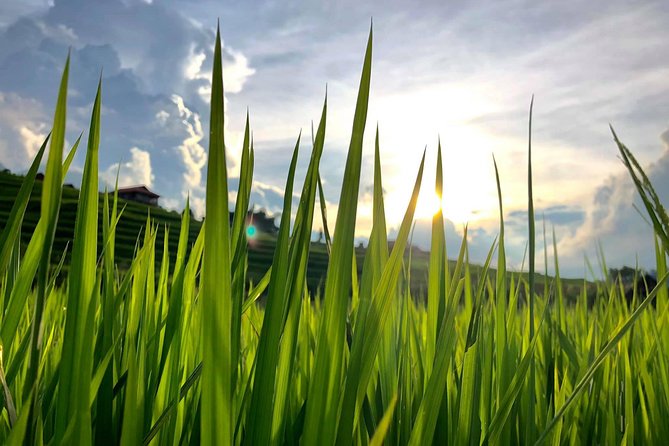
The overnight stay is the heart of the experience. You sleep with a host family in a village surrounded by rice paddies, rather than returning to Sapa after the afternoon walk.
That setting lets you see the quieter side of the valley. The guides have shared details about Hmong and Dao culture, and the homestay creates a natural place for those conversations to continue. You may learn more about family life, local traditions, and the way people use the land simply because you are there for longer than a passing stop allows.
I see the homestay as the best reason to choose this tour. If you only want spectacular views, a shorter walk may be enough. If you want to understand the people behind the scenery, spending the night makes the trip more worthwhile.
The tradeoff is comfort. The provided information does not promise private rooms, hotel-style bathrooms, or other specific facilities. The safe assumption is that you should pack for a basic stay and bring only what you need for two days of walking. Travel insurance is not included, so arranging your own cover is sensible.
Day two: choose your distance and return by taxi
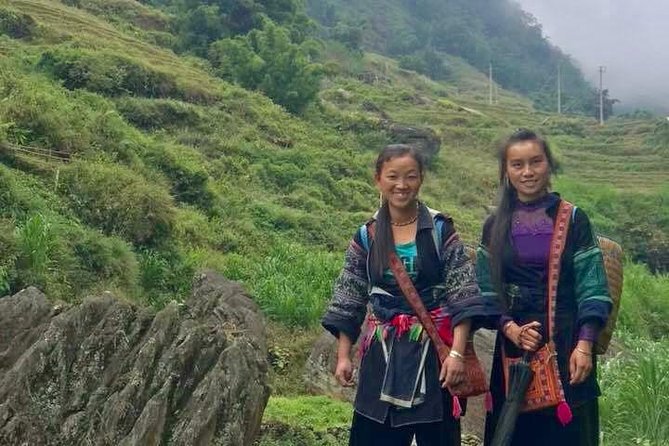
The second morning offers more flexibility than the first. You continue trekking, but the distance and challenge can be adjusted. This is useful because the first day includes the longest fixed section and the steep climb.
You might prefer a shorter morning after the overnight stay, or you may want to keep walking through more villages, bamboo forest, and rice terraces. The private format gives your guide room to shape the day around your group rather than following a rigid large-group schedule.
A taxi collects you in the afternoon and brings you back to Sapa. Private transportation is included, which removes the need to arrange your own return from a rural village. The activity ends back at the ETHOS meeting point.
The flexible second day is one of the tour’s smartest features. It keeps the trip from becoming a test of endurance, while still leaving room for more walking if you have the energy. Be clear with your guide about what you want. Flexibility only helps if you use it.
What the guides add to the walk
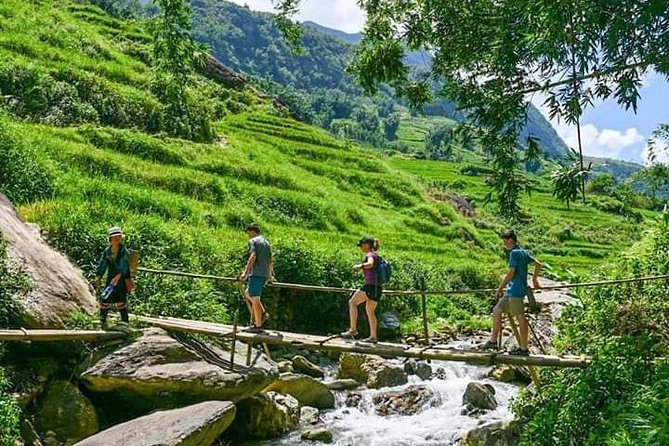
The guides are central to the experience. Cha has been praised for explaining local life and hosting visitors warmly. Ha has led walks with explanations about her family and the people along the route. Ker has combined route knowledge with stories about Hmong and Dao culture, while My and Kae have taken visitors onto quieter paths and introduced them to family life.
Those names do not guarantee who will lead your departure, but they show the kind of guide you may meet. The strongest part of the service is not simply navigation. It is the ability to explain what you are seeing and help you meet local people respectfully.
Kae, for example, has taken groups through forests, rice fields, and jungle areas where they encountered few other tourists. That points to an important benefit of a private local guide: routes can feel more personal and less like a procession.
You should still remember that local life is not a performance arranged for photographs. Ask before taking pictures of people, and let your guide explain what is appropriate. The experience works best when you approach it with curiosity and patience.
Is $93.34 good value for two days?
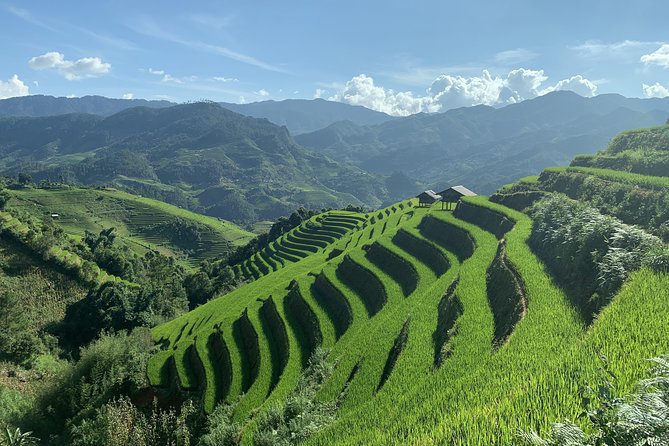
At $93.34 per person, this is strong value if you want walking, meals, transport, and a cultural stay in one package. The price includes private transportation, water and refreshments, homestay accommodation, two lunches, dinner, and breakfast.
For a pair, the listed per-person price works out to about $186.68 in total, though the final booking price may depend on the reservation details. Since the minimum group size is two, solo bookers cannot simply reserve one place under the stated conditions.
The value is also in the time. You receive roughly two days with a local guide, not a short route followed by a quick transfer. The private setup would normally make an experience more expensive than a large shared group, yet the cost remains moderate for what is included.
The price is less attractive if you mainly want a hotel-style overnight stay or a highly structured sightseeing schedule. It is aimed at people who value local contact and walking. Travel insurance is extra, and the tour does not list optional personal expenses, so keep a small allowance for anything outside the included meals and transport.
The tour is often booked around 59 days ahead. That is a useful planning clue. If your Sapa dates are fixed, booking early is sensible, especially since the tour is private and requires two people.
Who should book this trek?
I would recommend it to couples, friends, and families with older children who enjoy walking and want more than a view from town. It also suits people who want a private guide and the freedom to ask questions without a large group listening in.
You should have moderate physical fitness. The first day covers about 9 miles, and the steep climb of around 2 kilometers can be hard in wet weather. Good shoes are important, and you should be prepared for uneven, undulating paths.
This is not the right choice if you want a low-effort day trip, guaranteed hotel comforts, or a fully predictable route. The weather matters, too. If poor conditions force a cancellation, you are offered another date or a full refund, but the route itself is clearly tied to safe walking conditions.
Cancellation is flexible up to three full days before the start time. Inside that window, the amount paid is not refunded and changes are not accepted. Make sure your plans are settled before the final three-day cutoff.
Should you book the ETHOS Sapa homestay trek?
Book it if you want Sapa to be more than terraces seen through a camera. The combination of a private guide, village homestay, shared meals, and flexible second day gives you time to connect with local families and ask real questions.
Think carefully about the 14-kilometer first day and the simple nature of a homestay. If those sound like part of the appeal, the $93.34 price offers a lot: food, transport, guidance, and two days in the valley with a community focus.
If you prefer comfort and light walking, choose a shorter Sapa outing instead. For an active, culturally focused trip with at least one companion, this is one of the better ways to spend two days around Sapa.
FAQ
How long is the ETHOS Sapa trek?
The experience lasts approximately two days. Day one is about 14 kilometers, or roughly 9 miles. Day two is flexible in both distance and difficulty.
Where does the tour start?
You meet at ETHOS, Spirit of the Community, at Số 79 Nguyễn Chí Thanh, TT. Sa Pa, Sa Pa, Lào Cai 333311, Vietnam.
What time does the trek begin?
The start time is 8:30 a.m.
Is this a private tour?
Yes. Only your own group takes part, and at least two people are required for the booking.
What meals are included?
The package includes one dinner, one breakfast, and two lunches. Water and refreshments are also included.
Is accommodation included?
Yes. You spend one night in a village homestay with a host family.
How do I return to Sapa on the second day?
A taxi pickup in the afternoon brings you back to Sapa. Private transportation is included.
What happens if bad weather cancels the tour?
If poor weather causes cancellation, you can choose a different date or receive a full refund. You can also cancel for a full refund if you do so at least three full days before the local start time.
Latest treks added in Sapa
- Soob Sapa Trekking Tour★ 4.3 · 3 reviews
- Sapa: Y Linh Ho – Lao Chai, and Ta Van Trekking Day Tour★ 5.0 · 25 reviews
- Sapa Trekking Private Tour With Ethnic Female Tour Guide★ 4.9 · 24 reviews
- Sapa Trekking – Waterfalls And H’mong Villages★ 5.0 · 2 reviews
- Sapa: Ta Phin Village Trek with Lunch and Bathing Experience★ 4.7 · 13 reviews
- Sapa Trekking Guide Francophone 2 days – 1 night★ 5.0 · 2 reviews
- Sapa: Trekking Through Terraced Rice Fields & Valley 1 Day★ 4.8 · 4 reviews
- Sapa small groupe activities: 1 Day trek – Meet the locals★ 4.7 · 3 reviews
Homestay & Village Treks, compared.

2-Day Sa Pa Ethnic Homestay Tour & Trek with Limousine Bus
Read our review →
Sapa 3 Day 2 Night Trekking With Hotel & Homestay
Read our review →
Sapa 2 Days 1 Night Overnight At Local Homestay
Read our review →
2-Day Trekking Trip with Ethnic Minority Homestay
Read our review →
2-Day Trek & Heartwarming Homestay with an Ethnic Family
Read our review →
Browse the lists this tour appears in