
REVIEW · SAPA
Sa Pa: 2-Day Trekking Trip with Ethnic Minority Homestay
The best part of this two-day Sa Pa trek is the overnight stay in a Dzay family homestay. You do not simply walk past mountain villages, take a few photos, and return to town. You eat dinner in the village, sleep there, and have time to notice how daily life changes once the day’s walking is over. The Muong Hoa Valley supplies the big views, but the homestay gives the trip its character.
I especially like the chance to learn about both Black H’mong and Dzay culture, and I like the small-group format, limited to 14 people. The main caution is the trail itself: the distances are manageable for a healthy person, but wet sections can be slippery, and local women sometimes walk beside the group offering help before asking you to buy handicrafts.
Key points
- 11 kilometers on day one: Walk from Sa Pa through Y Linh Ho and Lao Chai before reaching Ta Van.
- A real village overnight: Sleep at a Dzay homestay, with dinner and breakfast included.
- Two minority cultures in one trip: Learn about Black H’mong communities and Dzay customs from an English-speaking guide.
- Best scenery on foot: See Fansipan, rice terraces, bamboo forest, waterfalls, and the Muong Hoa River.
- Weather matters: October through March can be cold, while rain can turn the paths into mud.
- Strong value at $55: The fee covers guiding, meals, entrance tickets, accommodation, water, and return transport.
Why this trek feels different from a Sa Pa day trip
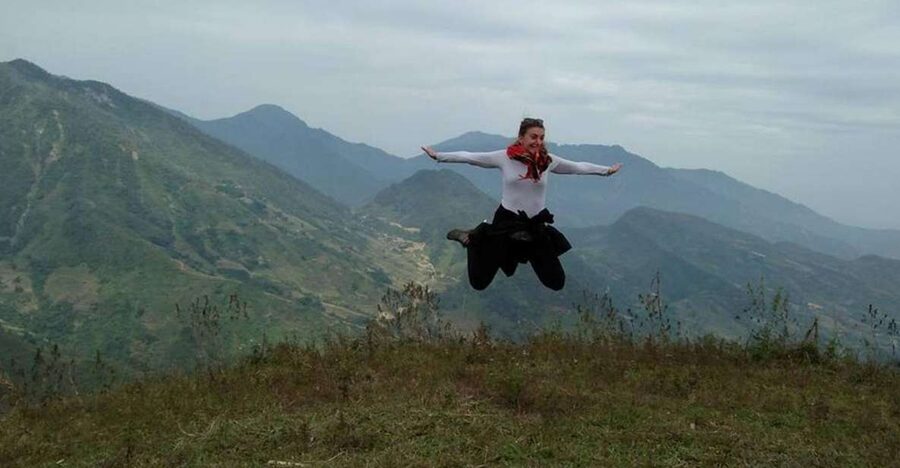
Sa Pa is often sold through its famous mountain views, but the town itself can feel busy and heavily geared toward tourism. This trek gets you out into the Muong Hoa Valley, where the pace slows and the villages become the main attraction.
You cover about 19 kilometers over two days. That is not a technical mountain expedition, but it is proper walking, not a gentle stroll between viewpoints. You follow dirt trails, uneven paths, and village routes. After rain, some descents can be slick enough that you will want both hands free.
The experience works best if you see it as a meeting with mountain communities, supported by a scenic walk. The views are a major reason to go, but the guide’s explanations make the route meaningful. Guides such as Lan, Khu, Nhu, and Lang have been praised for clear English, patience, humor, and careful attention to the group’s pace. Your assigned guide will vary.
More Homestay Treks in Sapa
- Number one top rated ethical cultural trekking and homestay by ETHOS
★ 5.0 · 456 reviews - Sapa : 2-Day Trek & Heartwarming Homestay with an Ethnic Family
★ 5.0 · 143 reviews - Sapa Valley Trek and Homestay – 3D2N
★ 5.0 · 105 reviews
Day one: Y Linh Ho, Lao Chai, and Ta Van
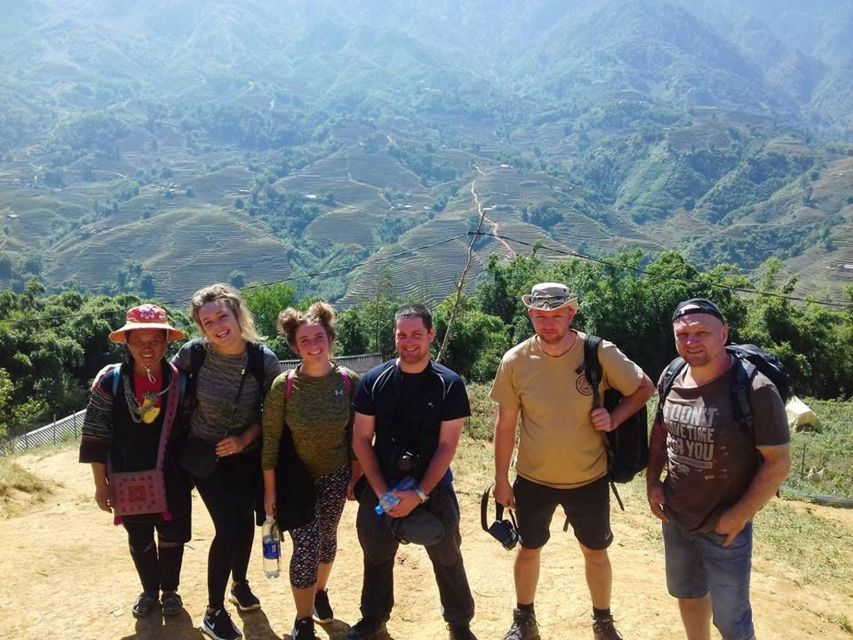
The first day begins with pickup in central Sa Pa. You then head toward the Muong Hoa Valley and start an 11-kilometer trek. Lunch is included at a local restaurant, and dinner is served at the village homestay.
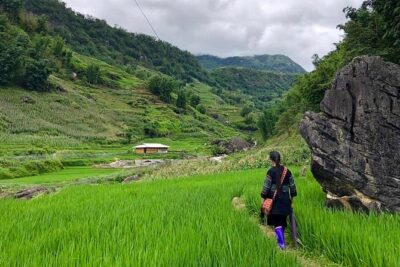
The opening section leads toward Y Linh Ho, home to Black H’mong families. This is where your guide can explain differences in clothing, customs, farming, and village life. You may also look inside a traditional wooden house, which helps put the scenery into context. Rice terraces are not just pretty patterns on a hillside. They are working fields shaped by generations of farming in steep terrain.
Fansipan, Vietnam’s highest mountain, can appear in the distance when the weather is clear. Do not count on a perfect view, though. Clouds and mist are part of the Sa Pa experience, especially in the cooler months. Even when Fansipan disappears, the valley itself remains worth the walk.
As you continue, you pass through or near other minority settlements, including Lao Chai, before reaching Ta Van. The route gives you changing views of terraces, mountain slopes, streams, and scattered homes. It also gives you a better sense of how close these communities are to one another while still maintaining distinct identities.
One practical point: local women may join the group for part of the first day, especially on the route down toward the valley. Their help can be useful on muddy or steep sections, but some may later encourage you to buy textiles or other goods. You are not required to purchase anything. A polite, firm answer is usually the best approach, and you should avoid treating the interaction as an unpaid obligation.
The Ta Van homestay and dinner
Arriving at Ta Van is not the end of the experience. It is the point where the trip changes from a walk through the valley to an overnight visit with a Dzay family.
The homestay is simple, but it is intended to be comfortable enough for a night after a full day outside. You can expect shared accommodation rather than a private hotel room. Warm blankets matter, especially during the October to March period. Some accommodation has internet and electrical outlets, but you should not choose this trip expecting hotel-level facilities.
Dinner is one of the strongest parts of the tour. The meal is cooked locally and served in the homestay, giving you a chance to sit together with the group and your hosts. Several meals are described as generous and tasty, and the food is an important part of the cultural exchange. You may also be offered locally made rice wine, sometimes called happy water. Try it carefully and only if you want to.
Evening entertainment is limited. That is not a flaw so much as a fact. After several hours of walking, most people are ready for a meal, conversation, and sleep. If you need nightlife, shopping, or a full schedule after dinner, this is not the right overnight stop.
There is one hygiene concern worth taking seriously. One report described bedbugs in some beds at the homestay. That does not establish a routine problem, but it is a reason to pack sensibly. Keep clothing inside a sealed bag, inspect bedding when you arrive, and tell the guide or host promptly if something looks wrong.
Day two: bamboo forest, waterfall, and river
After breakfast at the homestay, the second day covers about eight kilometers along a dirt trail. The pace may feel easier than day one, but the footing still depends on weather.
The route passes a small H’mong village before reaching a bamboo forest. This section has a quieter feel than the open rice terraces. You are walking through a more enclosed setting, with the trail and vegetation shaping the experience rather than wide mountain views at every turn.
A waterfall provides a natural rest stop. The itinerary also allows time to cool off with a swim in the Muong Hoa River. Bring a swimsuit or wear clothing that can get wet if you want to take part. The information provided does not promise a particular water temperature or swimming condition, so treat the swim as an optional refreshment, not the main purpose of the day.
Lunch follows at a local restaurant. Afterward, you return to Sa Pa by bus. This final transfer is usually straightforward, but allow some extra time if you have a bus or train connection. One departure involved a wait of about 40 minutes for another group, nearly causing a missed bus to Hanoi. Do not schedule an important onward connection too tightly.
More Homestay Treks in Vietnam
- 2 days authentic trekking tour in Sapa ( Homestay – Less touristy )
★ 5.0 · 68 reviews - From Sapa: 2 Days 1 Night Trek Over Night At Homestay
★ 5.0 · 68 reviews - 3-Day Trek in Amazing Muong Hoa Valley & ethnic Homestay
★ 5.0 · 49 reviews - Muong Hoa Valley Trek & Homestay Experience – 4D3N
★ 5.0 · 42 reviews
How hard is the 19-kilometer trek?
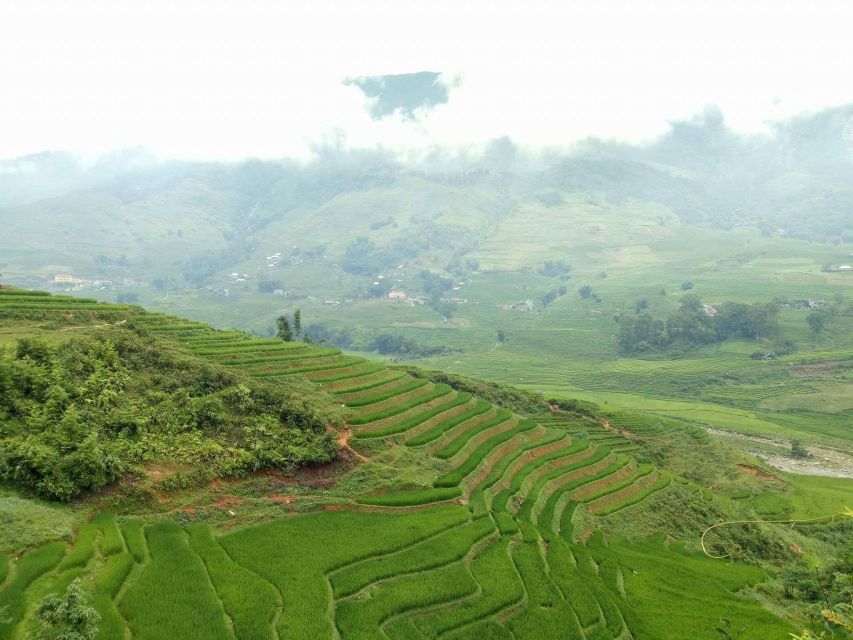
The route is generally described as suitable for a healthy person with a reasonable level of fitness. It is not presented as a technical trek, and several parts are moderate rather than extreme. Still, the total distance and uneven ground deserve respect.
The first day is the bigger test because you descend into the valley and cover 11 kilometers. Rain can make the trail muddy, particularly on slopes. Local people may offer a steadying hand, but you should still wear proper trekking shoes with good grip.
The second day is shorter at eight kilometers, though dirt paths and wet ground can still slow you down. Your guide may adjust the pace and discuss shorter or longer route options depending on the group. That flexibility is useful, especially when weather changes.
This trip is not suitable for children under six, pregnant women, people with back problems, or people with mobility impairments. It is also not suitable for people with disabilities. Those limits are sensible given the muddy, uneven trails and the lack of easy vehicle access in some sections.
Pack comfortable shoes, sunglasses, sunscreen, insect repellent, and warm clothing. From October through March, the air can be cold, particularly in the evening. A light waterproof layer would also be practical, although it is not specifically listed among the required items.
The guide can make or break the experience
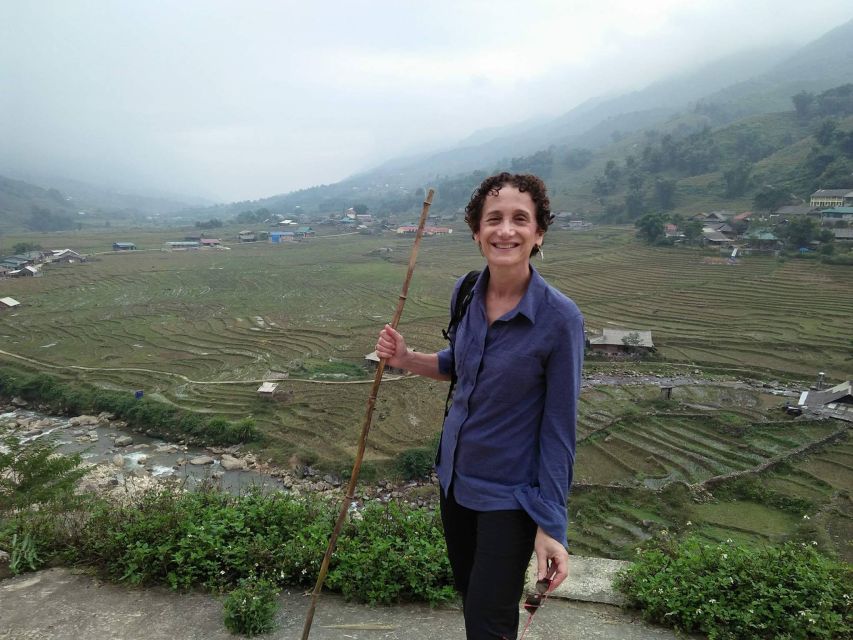
Your guide is more than a person who points toward the next village. The best guides explain what you are seeing, answer questions, and help you understand the H’mong and Dzay communities without turning the walk into a lecture.
Lan is praised for warmth, humor, and her ability to explain H’mong culture. Khu has been described as friendly, helpful, and willing to share details about local people. Nhu is also noted for kindness, while other guides, including Son, Lam, Dung, Coo, and Lang, have led highly regarded departures.
Guide quality can vary from one departure to another. One otherwise positive experience included a guide who spent too much time on her phone and seemed less engaged at points. That is not the general picture, but it is a useful reminder that a tour depends heavily on the person leading it.
The group size is limited to 14, though some groups are much smaller. A group of five, for example, gives you more time to ask questions and get to know the other walkers. Small groups also make it easier for the guide to check on everyone during slippery sections.
What the $55 price really covers
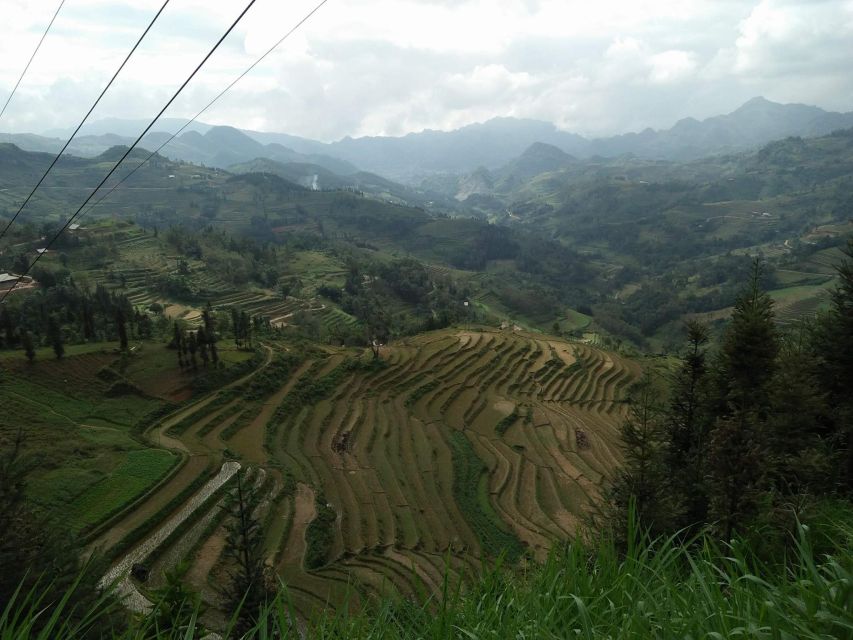
At $55 per person, this is a strong-value trip if you want a guided village trek with an overnight stay. The price includes an English-speaking guide, entrance tickets, two lunches, one hosted dinner, breakfast, homestay accommodation, mineral water, and the return bus to Sa Pa.
The meals matter here. Buying lunch and dinner separately, arranging a guide, finding a homestay, and organizing village transfers would take time and could easily reduce the apparent saving. You are paying for a connected experience rather than just a walk.
The price does not include drinks. There is also a $30 per-person surcharge for Lunar New Year from January 26 through February 2, 2025, payable at the meeting point. Keep that seasonal extra in mind when comparing prices.
Pickup is available from hotels in Sa Pa’s town center. The exact starting time depends on availability, so confirm it before booking. Free cancellation is available up to 24 hours before departure, and you can reserve now and pay later, which helps if your mountain plans depend on weather.
Weather, culture, and responsible behavior
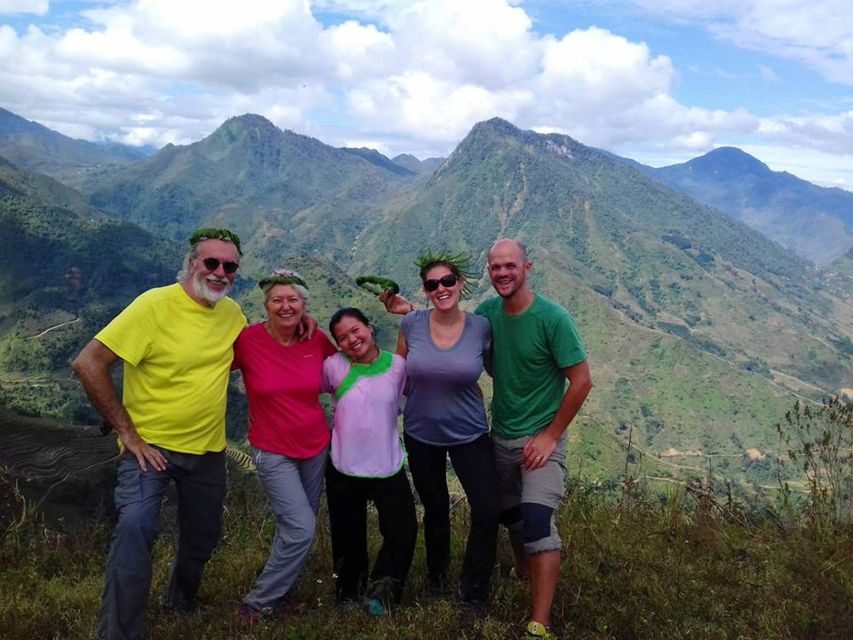
Sa Pa’s weather can change the feel of this trek completely. On a clear day, you get long views across terraces and toward Fansipan. In rain, you get mud, mist, and a more demanding walk. Some people find the wet conditions memorable and even fun, but you should not assume that every day will look like a brochure.
Respect is especially important in village areas. Ask before photographing people or entering a home. Dress practically and modestly, listen when the guide explains local customs, and remember that the communities you pass are lived-in places, not an outdoor museum.
The presence of local women offering help and goods can feel uncomfortable if you are not prepared. You can accept assistance if you need it, but do not feel forced to buy something. If you do want a souvenir, consider choosing one item deliberately rather than making rushed purchases from everyone who walks with you.
Who should book this Sa Pa homestay trek?
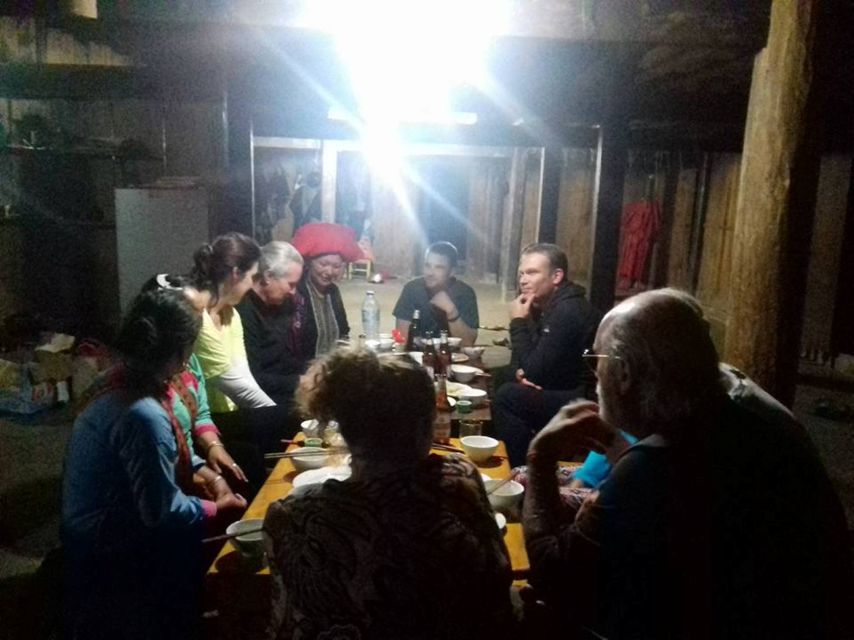
I would choose this trip if you want scenery plus direct contact with village life. It suits people who enjoy walking, do not need polished accommodation, and would rather eat a home-cooked dinner than return to town each evening.
It is also a good choice for solo visitors who want a small social group. The shared meals and overnight stay make it easy to meet other people, while the guide handles the route and cultural explanations.
You should think twice if you have knee, back, or mobility problems, are pregnant, or dislike muddy paths. You may also prefer a hotel-based day trip if you need private rooms, guaranteed dry weather, or a fixed return time.
Should you book it?
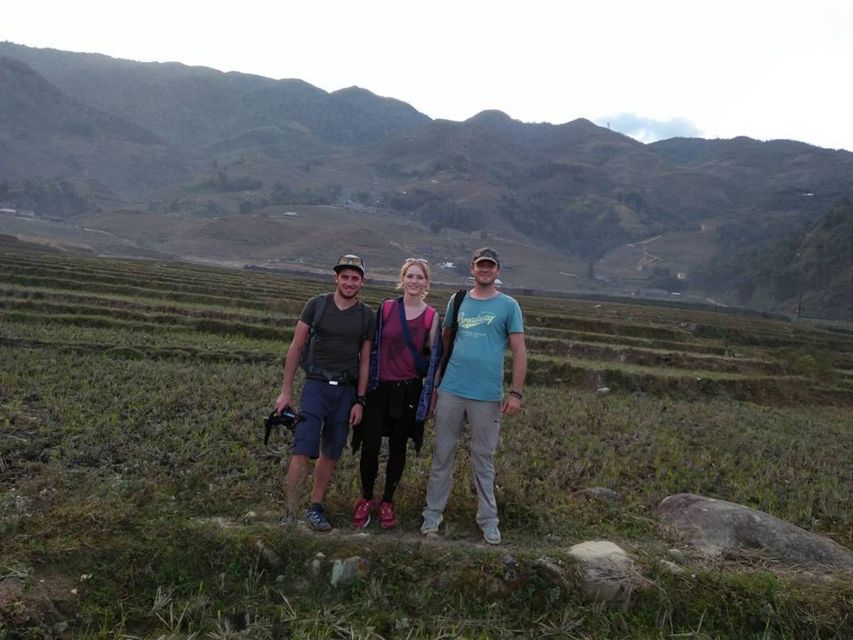
Yes, if you are healthy enough for 19 kilometers over two days and want a genuine village stay rather than a quick photo stop. The strongest reasons are the Dzay homestay, the useful cultural context from the guide, the varied route through H’mong and Dzay communities, and the amount included for $55.
Book with realistic expectations. Bring proper shoes, warm layers, and patience for rain, muddy trails, local sales pressure, and a basic homestay. If those trade-offs sound acceptable, this is one of the better ways to experience the Muong Hoa Valley without spending a great deal.
FAQ
How long is the trek?
The trek covers about 11 kilometers on day one and eight kilometers on day two, for roughly 19 kilometers in total.
Where does the tour begin?
Pickup is available from hotels in Sa Pa’s town center.
Where do I sleep?
You spend one night at a Dzay ethnic minority homestay in Ta Van village.
Which ethnic minority communities do I visit?
The route includes contact with Black H’mong and Dzay communities, along with villages and settlements in the Muong Hoa Valley.
Are meals included?
Yes. The tour includes two lunches at local restaurants, one dinner at the village homestay, and breakfast at the homestay.
Is transportation back to Sa Pa included?
Yes. Return transfer by bus to Sa Pa is included after the second day’s trek.
What should I bring?
Bring comfortable or trekking shoes, warm clothing, sunglasses, sunscreen, and insect repellent. Warm clothes are especially recommended from October through March.
Is the trek suitable for children or people with mobility limitations?
It is not suitable for children under six, pregnant women, people with back problems, people with mobility impairments, or people with disabilities.
Can I cancel the booking?
You can cancel up to 24 hours in advance for a full refund. The activity also offers a reserve-now, pay-later option.
More two-day treks in Sa Pa
- EXPLORE SAPA: 2D1N TREKKING & HMONG CULTURE WITH DINH
★ 4.9 · 191 reviews - SAPA: 2-DAY 1-NIGHT TREKKING & CULTURE WITH HMONG GUIDE LINH
★ 4.9 · 126 reviews - 2 Days Fansipan Trekking
★ 5.0 · 84 reviews - 2D1N Buffalo trek by Hmong Sister House and Trekking
★ 5.0 · 81 reviews
More Homestay Treks in Sa Pa
- Private Hoang Lien National Park & Tribal Village Trek
★ 4.7 · 30 reviews - Sapa: 2-Day Local Guided Valley Trek with Night Homestay
★ 5.0 · 27 reviews - Sapa: Ta Phin Village Trek & Red Dao Herbal Bath
★ 5.0 · 22 reviews - From Sapa: Muong Hoa Valley View & Village Trek 1-Day
★ 5.0 · 21 reviews
Latest treks added in Sa Pa
- Soob Sapa Trekking Tour★ 4.3 · 3 reviews
- Sapa: Y Linh Ho – Lao Chai, and Ta Van Trekking Day Tour★ 5.0 · 25 reviews
- Sapa Trekking Private Tour With Ethnic Female Tour Guide★ 4.9 · 24 reviews
- Sapa Trekking – Waterfalls And H’mong Villages★ 5.0 · 2 reviews
- Sapa: Ta Phin Village Trek with Lunch and Bathing Experience★ 4.7 · 13 reviews
- Sapa Trekking Guide Francophone 2 days – 1 night★ 5.0 · 2 reviews
- Sapa: Trekking Through Terraced Rice Fields & Valley 1 Day★ 4.8 · 4 reviews
- Sapa small groupe activities: 1 Day trek – Meet the locals★ 4.7 · 3 reviews
Homestay & Village Treks, compared.
Number one top rated ethical cultural trekking and homestay by ETHOS
Read our review →
2-Day Sa Pa Ethnic Homestay Tour & Trek with Limousine Bus
Read our review →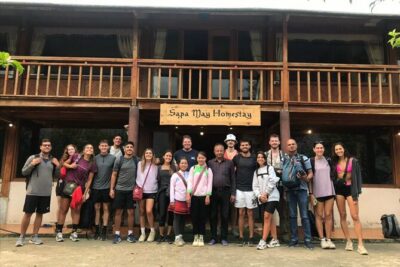
Sapa 3 Day 2 Night Trekking With Hotel & Homestay
Read our review →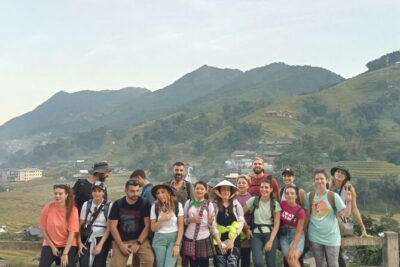
Sapa 2 Days 1 Night Overnight At Local Homestay
Read our review →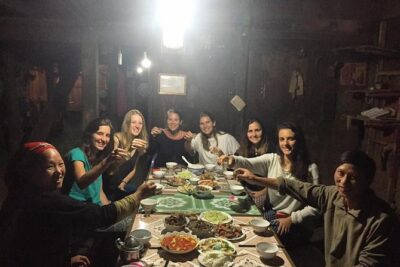
2-Day Trek & Heartwarming Homestay with an Ethnic Family
Read our review →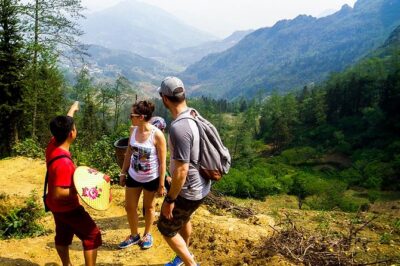
Browse the lists this tour appears in