
REVIEW · SAPA
Sapa Valley Trek and Homestay – 3D2N
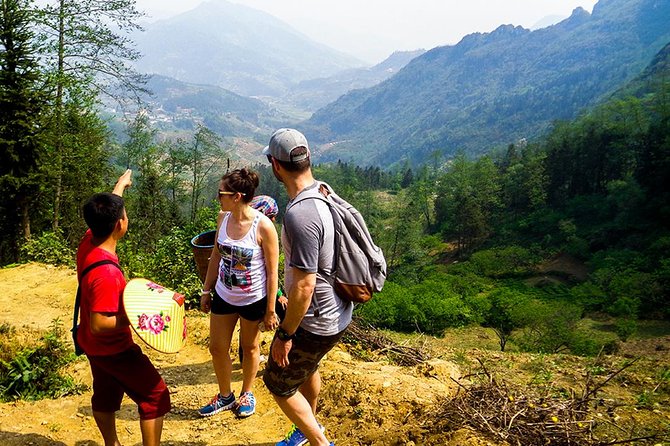
Sapa’s best moments often come away from town, and this trek takes you through five mountain villages linked by rice terraces, forest paths, and local homes. You’ll meet Hmong, Giay, Red Dao, Tay, and Black Hmong communities while learning about farming, marriage customs, house building, and daily work.
I like the strong local connection, especially with Hmong guides such as Soso, Ly, Mae, and May who explain village life in personal terms. I also like that meals, a homestay, village fees, and return transport are bundled into the $170 price. The trade-off is simple: this is a long, sometimes slippery trek, so it suits people with moderate fitness better than anyone seeking an easy countryside walk.
Key points to know before booking
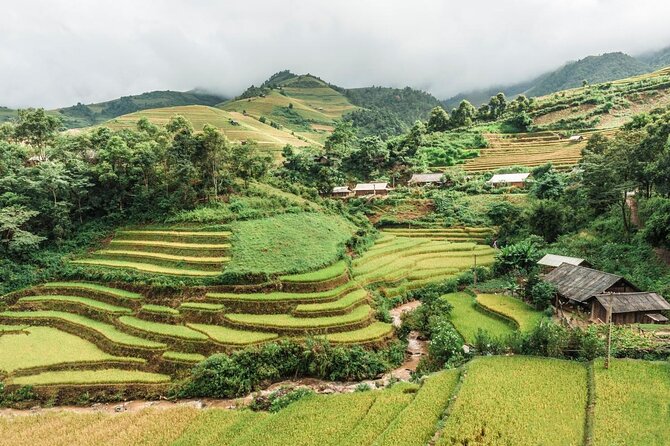
- Five village areas: Walk through Y Linh Ho, Ta Van, Giang Ta Chai, Ban Ho, and Nam Tong, with nearby communities including Su Pan.
- Several ethnic cultures: Learn about Hmong, Giay, Red Dao, Tay, and Black Hmong customs and daily life.
- Local guides matter: Guides including Soso, Ly, Mae, May, Dom, and Sush are praised for clear explanations and hands-on help on difficult paths.
- Three days of walking: The route includes rice terraces, waterfalls, bamboo forest, a major river and valley, and mountain trails.
- Meals included: The package covers three lunches, two breakfasts, and two dinners, plus one large bottle of water per person.
- Small group format: The maximum group size is 15 people, with pickup at 9:00 a.m. in Sapa.
Why this Sapa trek feels different from a town excursion
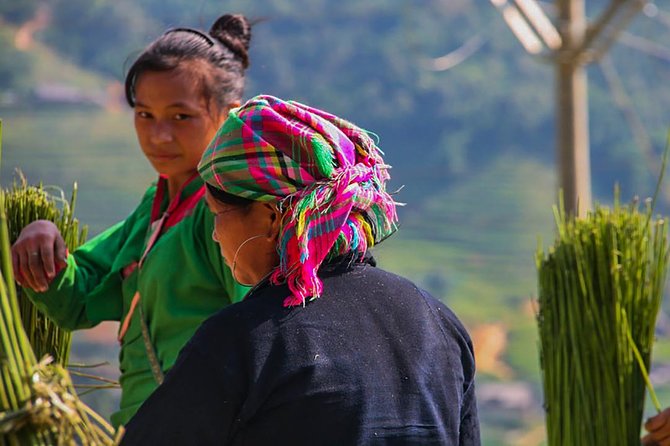
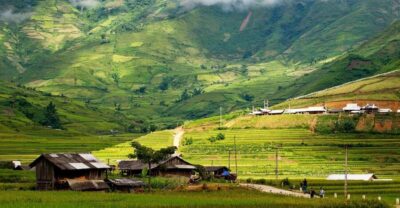
Sapa town is an easy base for mountain views, cafés, and short walks. This experience takes you farther into the countryside, where the focus shifts from viewpoints to village life. You’ll see people working around rice fields, learn how homes are built, and hear about traditions that make each community distinct.
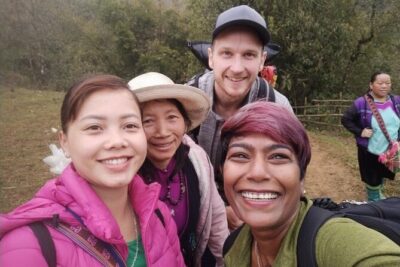
The most valuable part is the guide. This is not a silent hike behind someone who points at a valley and names a village. Your guide is expected to explain Hmong marriage traditions, farming, house construction, and local customs as you walk. Guides such as Ly and Soso are noted for clear English, patience, and the ability to adjust the walking pace when needed.
The route also gives you a useful cultural range. Ta Van is associated with the Giay people. Ban Ho brings you into an area shared by Red Dao and Tay communities, while Su Pan is connected with the Black Hmong. The tour description also emphasizes Hmong culture, so you’ll hear more than one local perspective during the three days.
At $170 per person, the price is not simply for a guide and a walk. It covers village entry fees, meals, a homestay, a large bottle of water, and transport back to Sapa. That makes the cost easier to justify than a basic day hike, though you should still confirm the exact sleeping arrangement because the details specify one night of homestay accommodation while the route description refers to homestays in the plural.
More Homestay Treks in Sapa
- Number one top rated ethical cultural trekking and homestay by ETHOS
★ 5.0 · 456 reviews - Sa Pa: 2-Day Trekking Trip with Ethnic Minority Homestay
★ 4.7 · 145 reviews - Sapa : 2-Day Trek & Heartwarming Homestay with an Ethnic Family
★ 5.0 · 143 reviews
Day 1: Y Linh Ho and an evening in Ta Van
The trek begins at 9:00 a.m. Your guide meets you at your Sapa hotel or at Sapa Church on Ham Rong Street. After a short introduction, the route takes you about 2 kilometers down toward the Cat Cat road before continuing toward the rural villages.
The first listed stop is Y Linh Ho. This is where you begin to get the full feel of the area: steep mountain paths, rice terraces, and wide views into the valley. The schedule gives this stop about an hour, although the walking between stops is the real substance of the day.
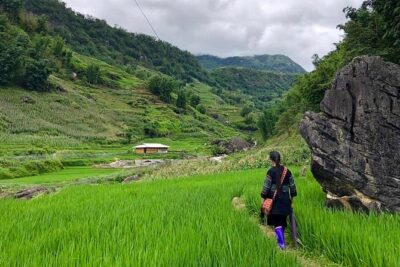
Expect a route that changes underfoot. Some sections may be straightforward, while others can be muddy or slick, especially after rain. Good shoes with firm soles are far more useful than fashionable trainers. A walking stick may also help, but the guide can give you a hand on harder stretches.
From Y Linh Ho, the route continues toward Ta Van, a Giay village and the first important overnight area. The short listing for this stop does not reflect its role in the trip. Ta Van is where you meet the host family, rest, shower, and prepare for dinner.
The homestay is intended to give you a closer look at village life rather than a hotel-style night in Sapa. You can expect a simpler setting and a more social evening. One of the best possibilities mentioned in the experience details is taking part in food preparation, including making fried spring rolls with the host family.
Meals included on the first day are lunch and dinner. Extra drinks at the homestay, including bottled water or beer, are not covered, so carry some spending money. The tour supplies one large bottle of water per person, but that may not be enough for a full day of walking in warm weather.
Day 2: Giang Ta Chai waterfalls and Ban Ho
Day 2 starts with breakfast and time around the homestay. This slower opening is welcome after the first day’s walking. You can look around the nearby rice fields before heading uphill toward the waterfalls at Giang Ta Chai.
The path to Giang Ta Chai adds variety to the trip. Rice terraces give way to more wooded sections, and the waterfall provides a natural break in the route. The surrounding area also includes bamboo forest, which helps make this day feel less like a repeat of Day 1.
The tour description gives Giang Ta Chai only a brief stop time, but the important point is the route between places. This is not a sightseeing bus with a series of quick photo stops. You are walking through the countryside, and the village names mark sections of a longer trek.
After Giang Ta Chai, the group continues toward Su Pan, a community associated with the Black Hmong, before reaching Ban Ho. Ban Ho is especially useful for comparing cultures because the area includes Red Dao and Tay communities as well as other local groups.
The guide’s role becomes particularly valuable here. You may see differences in clothing, houses, farming, and customs, but those details mean more when someone explains their place in local life. The tour specifically includes discussion of work, house building, rice fields, and marriage traditions, giving the walking a stronger purpose than simply reaching the next village.
Day 2 includes lunch and dinner. You should expect another substantial walking day, not a restful transfer between villages. One family with children aged 12 to 16 chose longer distances and managed the route, but other accounts describe the trek as long and difficult while still manageable for an average person. That is a fair way to view it: possible for many fit visitors, but not a casual stroll.
Day 3: Tay homes, Nam Tong, and the return to Sapa
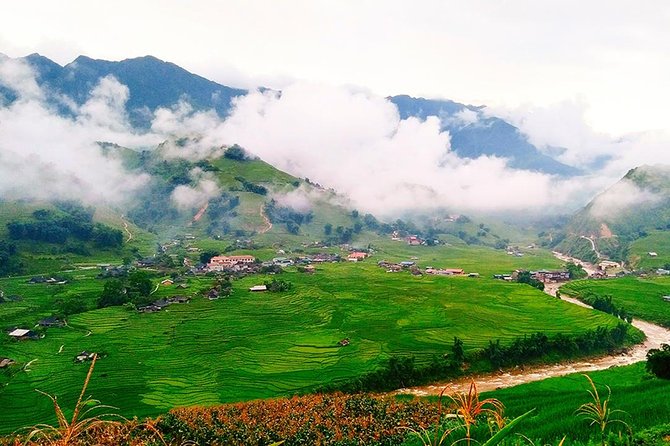
After breakfast on the third day, you visit traditional houses and learn more about Tay culture in Ban Ho. This part is less about dramatic scenery and more about seeing how homes and village spaces function.
The route then continues to Nam Tong village. The supplied schedule does not provide a full hour-by-hour plan for this day, so the exact amount of walking and time in each place may depend on the group and conditions. That flexibility can be useful, especially if the previous two days have left your legs tired.
The tour ends in the villages, followed by transport back to Sapa. Return transport is included, which matters after several days on foot. The activity ends back at the stated meeting point in Sapa rather than leaving you to arrange your own ride from the countryside.
More Homestay Treks in Vietnam
- 2 days authentic trekking tour in Sapa ( Homestay – Less touristy )
★ 5.0 · 68 reviews - From Sapa: 2 Days 1 Night Trek Over Night At Homestay
★ 5.0 · 68 reviews - 3-Day Trek in Amazing Muong Hoa Valley & ethnic Homestay
★ 5.0 · 49 reviews - Muong Hoa Valley Trek & Homestay Experience – 4D3N
★ 5.0 · 42 reviews
The guides are a major part of the value
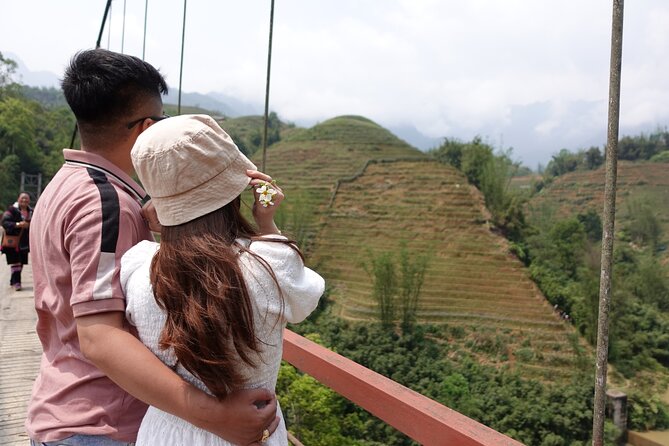
The company uses local guides, and the named guides connected with this experience include Soso, Ly, Mae, May, Dom, and Sush. You may not receive a specific guide until closer to the departure date, but the guide’s local background is one of the clearest reasons to choose this trek.
Soso is described as especially helpful and caring. Ly is noted for clear explanations about culture, ethnicity, and daily life. Mae is praised for her English and for adding a personal touch by taking a group to her home for lunch. May is described as attentive on slippery sections, while Dom is noted for adjusting the difficulty to match how the group felt.
That last point matters. A three-day trek works better when the guide watches the group rather than pushing everyone at one fixed speed. Still, you should not assume the route can be made easy. The terrain remains mountainous, and the tour asks for moderate physical fitness.
What the $170 price includes
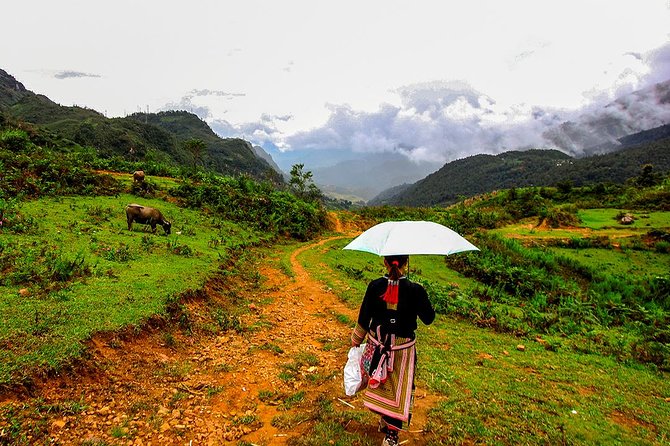
The package includes:
- Village entry fees
- Local guide
- One night of homestay accommodation
- Three lunches
- Two breakfasts
- Two dinners
- One large bottle of water per person
- Transport back to Sapa after the village portion ends
This is a solid bundle for a three-day rural experience. Food alone is not the main saving. The value comes from combining a guide, local access, accommodation, entry costs, and transport into one booking.
There are a few limits. Personal travel insurance is not included, and extra drinks at the homestay cost more. Tips are also outside the price. The accommodation information deserves a quick check before you pay: the inclusion list says one night, while the route and descriptions refer to homestays during the trek. Ask the operator to confirm where you sleep on each night and what type of room or bedding is provided.
The tour is often booked about 31 days ahead, so planning early is sensible if your dates are fixed. Confirmation is provided at booking, and mobile tickets are supported.
How hard is the walking?
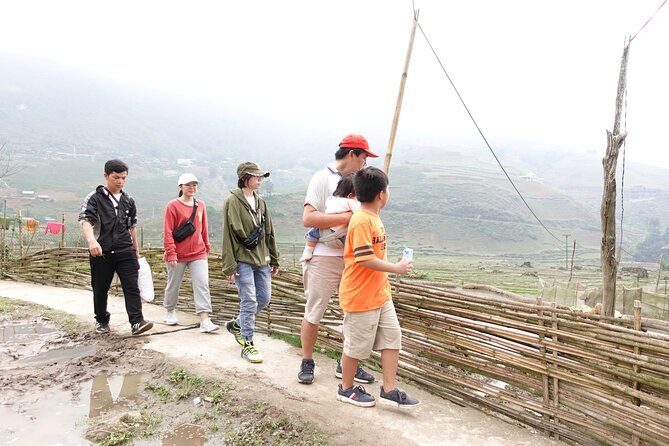
The tour requires a moderate fitness level. That phrase should be taken seriously in Sapa, where paths can rise and fall sharply and rain can change firm earth into mud.
You’ll spend long periods on foot across mountain trails, rice-field paths, village lanes, and forest sections. Several descriptions of the experience praise the scenery but also call the trek long or difficult. The route is manageable for an average person with reasonable fitness, yet it is not suitable for someone who dislikes uneven ground or has trouble walking for several hours.
Pack light. You will be more comfortable carrying only what you need for three days. Bring sturdy shoes, breathable clothes, rain protection, and a dry layer for the evening. The tour provides water, but you should not rely on one large bottle for every drinking need.
Families can consider this trip if their children are used to walking. The example of children aged 12 to 16 completing longer distances is encouraging, but it does not guarantee that every child will enjoy the same pace or terrain.
Group size, timing, and practical details
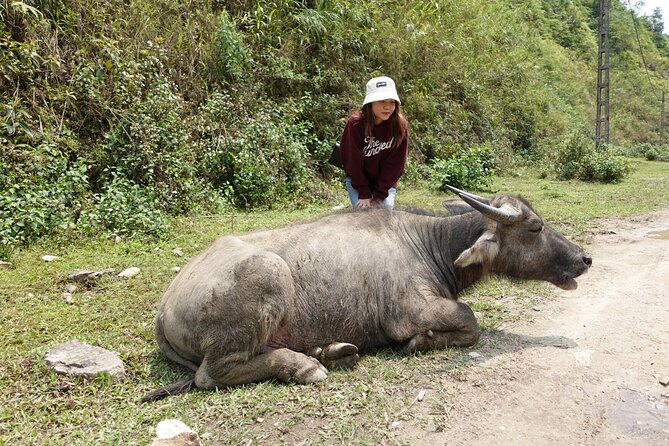
The maximum group size is 15 people. That is small enough for the guide to speak with everyone and offer help on tricky sections, though the experience may feel less private than a custom trek for two.
Pickup is offered from your Sapa hotel, or you can meet at Sapa Church. The starting time is 9:00 a.m. Since the route begins after a short introduction and transfer down toward the Cat Cat road, be ready before the meeting time with water, suitable shoes, and anything needed for the day.
The tour requires good weather. If poor conditions force a cancellation, you’ll be offered another date or a full refund. If the minimum group size is not reached, the same choices apply. You can cancel for a full refund up to 24 hours before the start time, but changes or cancellations inside that window are not accepted.
Who should book this trek?
I would choose this experience if you want Sapa’s villages and cultures to be the center of your visit. It suits you if you like walking, simple accommodation, shared meals, and explanations from a local guide more than polished hotels or a tightly scripted sightseeing day.
It is also a good fit if you want to compare several ethnic communities in one trip. The mix of Hmong, Giay, Red Dao, Tay, and Black Hmong connections gives the route more depth than a short walk to one nearby village.
I would think twice if you want a gentle route, guaranteed private rooms, or a fixed schedule with exact walking times. The route is active, the terrain can be slippery, and the accommodation information should be clarified before booking.
Should you book the Sapa Valley Trek and Homestay?
Book it if you want three days of real walking through rice terraces, waterfalls, bamboo forest, and village communities, with meals and return transport handled for you. The best part is the local guide, especially if you are matched with someone like Soso, Ly, Mae, May, Dom, or Sush who can explain daily life and adjust the pace.
Before booking, confirm the homestay arrangement and ask how much walking is planned for your dates. If you are comfortable with basic accommodation and uneven mountain trails, the $170 price offers a useful mix of scenery, culture, food, and local contact. If you prefer easy paths and hotel comforts, choose a shorter Sapa outing instead.
FAQ
Where does the Sapa trek start?
The tour starts at 9:00 a.m. at Sapa Church on Ham Rong Street, or pickup can be arranged from your hotel in Sapa Town.
How long is the experience?
The tour lasts three days and includes two nights in the itinerary schedule, although the listed accommodation inclusion specifies one homestay night. Confirm the exact overnight arrangement with the operator before booking.
Which villages does the trek visit?
The route includes Y Linh Ho, Ta Van, Giang Ta Chai, Ban Ho, and Nam Tong. It also passes through or continues via Su Pan.
Which ethnic communities are included?
The tour introduces you to Hmong, Giay, Red Dao, Tay, and Black Hmong communities in the Sapa area.
Are meals included?
Yes. The package includes three lunches, two breakfasts, and two dinners.
Is homestay accommodation included?
Yes, homestay accommodation is included, with the package details specifying one night. The route information refers to homestays more broadly, so confirm the full sleeping plan before departure.
Is transport back to Sapa included?
Yes. Transport back to Sapa after the village portion of the tour is included, and the activity ends back at the meeting point.
Can I cancel for a full refund?
You can cancel at least 24 hours before the experience start time for a full refund. Cancellations or changes made less than 24 hours before the start are not accepted.
More three-day treks in Sapa
- Sapa 3-Day Trekking Adventure from Hanoi
★ 4.5 · 64 reviews - From Hanoi: Sapa 3-Day Medium Trek and Limousine Trip
★ 4.5 · 59 reviews - From Hanoi: 3-Day Sapa Trekking (sleep at hotel & homestay)
★ 5.0 · 2 reviews - Sapa 3 Days 2 Nights Trekking Tour (1 Night In Ta Van Village, 1 Night In Hotel)
★ 5.0 · 699 reviews
Latest treks added in Sapa
- Soob Sapa Trekking Tour★ 4.3 · 3 reviews
- Sapa: Y Linh Ho – Lao Chai, and Ta Van Trekking Day Tour★ 5.0 · 25 reviews
- Sapa Trekking Private Tour With Ethnic Female Tour Guide★ 4.9 · 24 reviews
- Sapa Trekking – Waterfalls And H’mong Villages★ 5.0 · 2 reviews
- Sapa: Ta Phin Village Trek with Lunch and Bathing Experience★ 4.7 · 13 reviews
- Sapa Trekking Guide Francophone 2 days – 1 night★ 5.0 · 2 reviews
- Sapa: Trekking Through Terraced Rice Fields & Valley 1 Day★ 4.8 · 4 reviews
- Sapa small groupe activities: 1 Day trek – Meet the locals★ 4.7 · 3 reviews
Homestay & Village Treks, compared.
Number one top rated ethical cultural trekking and homestay by ETHOS
Read our review →
2-Day Sa Pa Ethnic Homestay Tour & Trek with Limousine Bus
Read our review →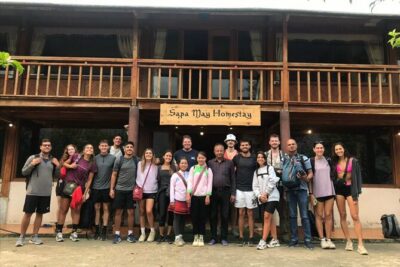
Sapa 3 Day 2 Night Trekking With Hotel & Homestay
Read our review →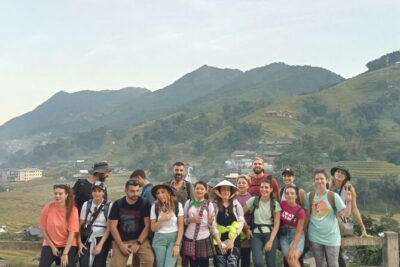
Sapa 2 Days 1 Night Overnight At Local Homestay
Read our review →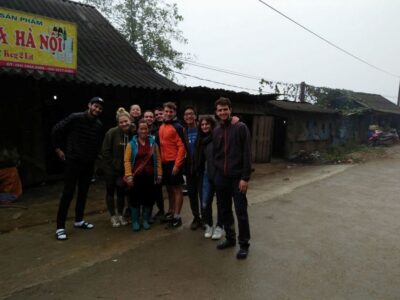
2-Day Trekking Trip with Ethnic Minority Homestay
Read our review →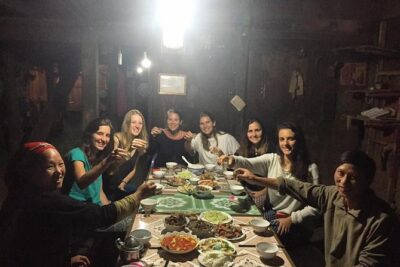
2-Day Trek & Heartwarming Homestay with an Ethnic Family
Read our review →Browse the lists this tour appears in