
REVIEW · SAPA
Sapa: Y Linh Ho – Lao Chai, and Ta Van Trekking Day Tour
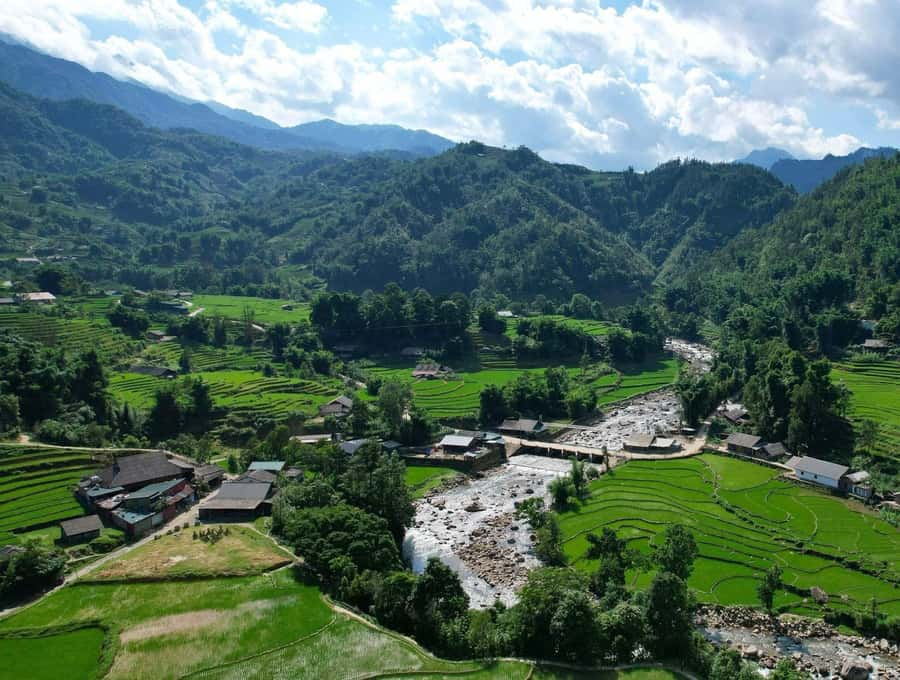
Sapa’s best day walks are not about checking off a viewpoint. They are about following narrow paths through the Muong Hoa Valley, where rice terraces lead toward villages and the scenery changes with every turn. This 10 to 12 kilometer route takes you from town to Y Linh Ho, Lao Chai, and Ta Van, with lunch along the way and a car ride back to Sapa.
I like the way this tour connects three distinct villages in one day, and I like having a local guide such as Su, who lives in the area and can explain family life, farming, customs, and village work in clear English. The main consideration is the trek itself: five to seven hours of moderate walking, mostly away from town and over uneven paths, is not a good fit if your fitness is low or your mobility is limited.
Key points to know before you book
- Three villages in one walk: See Y Linh Ho, Lao Chai, and Ta Van rather than stopping at a single village.
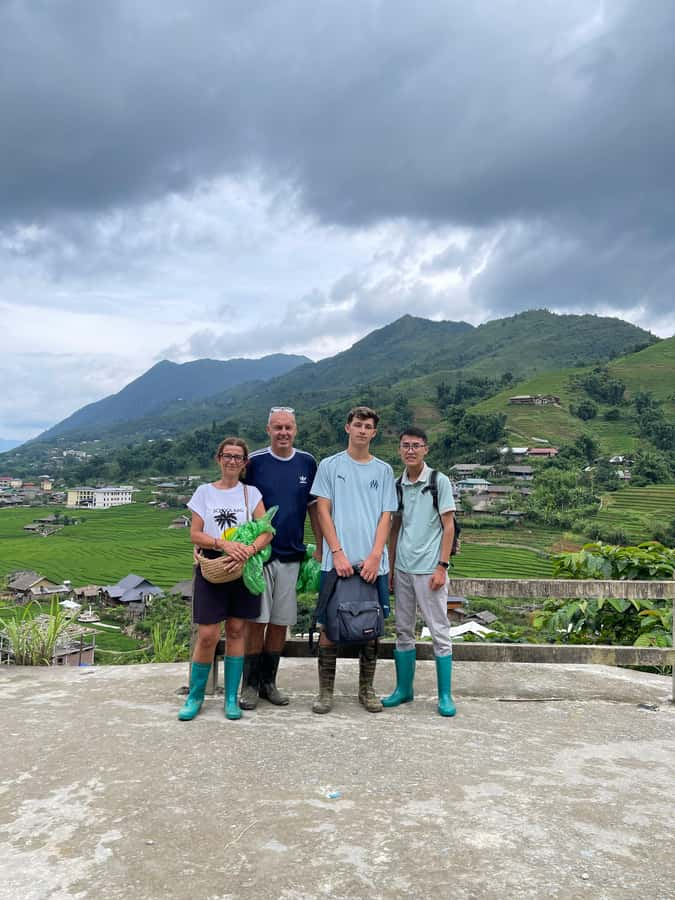
- A local guide makes the difference: Su can connect the views to real topics such as marriage, education, farming, and daily family life.
- Expect a long downhill start: The route leaves Sapa and descends into the Muong Hoa Valley before continuing along village paths.
- Lunch is part of the day: You eat at a local house or riverside restaurant, with a short rest possible at a homestay or café.
- Small groups may be available: The experience can feel more personal than a large tour, with more room for questions.
- Plan for changing weather: Bring water, sun protection, a hat, and shoes with a good grip.
Why this Sapa walk is worth your time
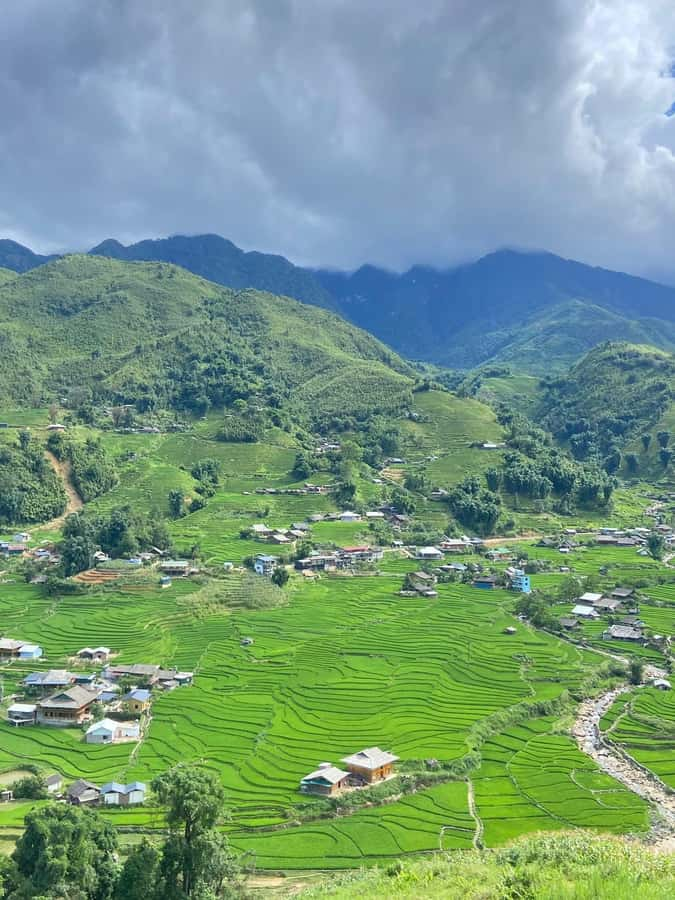
The main appeal is simple: this is a walking day, not a bus tour with quick photo stops. You spend several hours moving through the valley, so the scenery has time to unfold. Rice terraces, forested hills, streams, paths, and homes appear in sequence rather than as one crowded lookout.
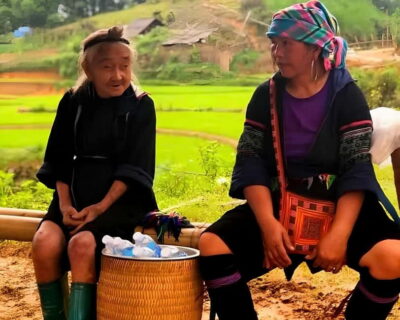
I especially like the cultural side of the route. Y Linh Ho is home to the Black Hmong, while Ta Van is associated with the Giay ethnic minority. Those names mean more when your guide explains how people live, work, make crafts, and maintain family traditions. Su is a local guide who lives in one of the villages, and his own experience gives the conversation a personal edge.
There is also a practical benefit to walking with someone from the area. You can ask questions as they arise instead of trying to understand village life from a short museum display or a printed note. The strongest part of the experience is likely to be the informal conversation while walking: topics such as farming, education, marriage, family responsibilities, and daily routines can make the route feel much more grounded.
The tradeoff is comfort. Sapa’s valley trails are not a paved promenade. The distance is moderate rather than extreme, but five to seven hours on foot can feel demanding, especially in rain or strong sun. You should be happy with a day that includes steady walking, uneven ground, and a long descent before you book.
More Trekking Tours in Sa Pa
- Sa Pa: Muong Hoa Valley Trek and Local Ethnic Villages
★ 4.6 · 864 reviews - Sapa: Eco Adventure Terrace Fields and Local Villages Trek
★ 4.9 · 636 reviews - Number one top rated ethical cultural trekking and homestay by ETHOS
★ 5.0 · 456 reviews
Leaving Sapa and descending into Muong Hoa
The day begins around 8:30 AM at Sapa church or another agreed meeting point. After a short orientation and safety briefing, you leave the town and head down toward the valley.
This first section gives you a quick sense of why the tour works. Sapa sits higher than the villages below, so the route opens with broad views over rice terraces and forested slopes. The change from town to countryside is gradual, but once you are on the trail, the sound and pace of the day shift.
The descent is scenic, but it is also one of the parts to take seriously. Going downhill can be harder on knees than a level walk, and wet weather may make paths slippery. Wear comfortable shoes with a reliable sole. Sandals and smooth-soled trainers are poor choices for this kind of route.
You will want water within easy reach, along with sunscreen and a hat. Weather in the mountains can change quickly, so a light layer or rain protection is sensible even if the morning begins clear.
Y Linh Ho and the Black Hmong connection
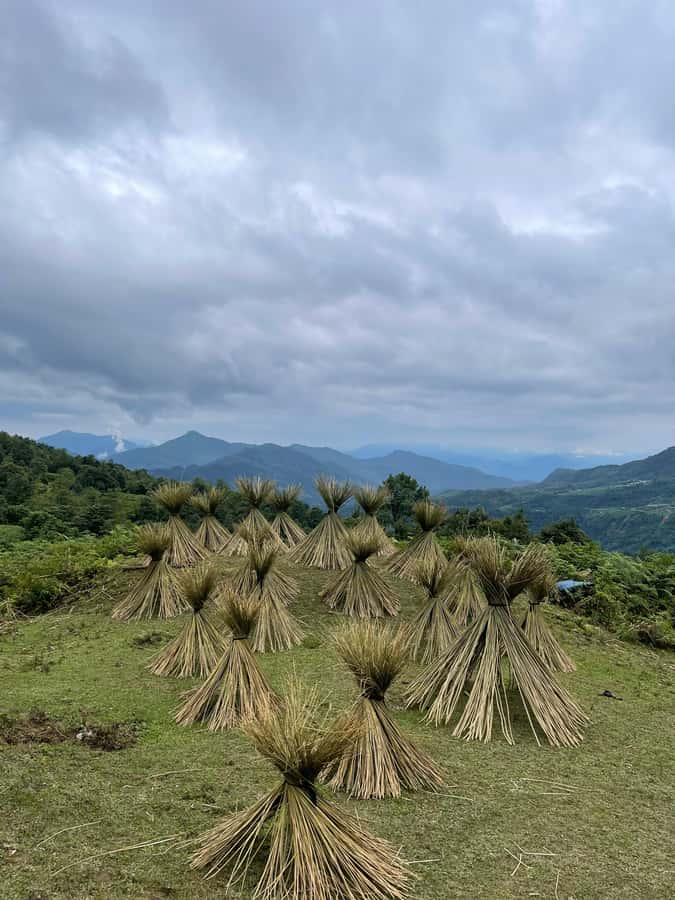
Y Linh Ho is an early highlight because it brings you into a village setting before the route becomes busier with the rest of the valley. The area is known for its rice terraces and for its Black Hmong community.
Here, your guide can explain traditional customs, weaving, crafts, and everyday life. The value is not just seeing a village from the trail. It is having someone explain what you are looking at and how it fits into local life.
The Black Hmong are one of the ethnic groups associated with the Sapa region, and the visit gives the day cultural shape. You may see details of clothing, craft work, homes, or farming that would be easy to pass without context. Su’s background is useful here because he can speak about the community from lived experience rather than offering only a prepared script.
Keep your expectations sensible. This is a trekking tour through villages, not a formal workshop or a staged cultural performance. The experience is strongest when you treat the village as a real place where people work and live. Ask questions politely, listen to your guide, and follow any instructions about photographs.
Lao Chai, rice terraces, and lunch
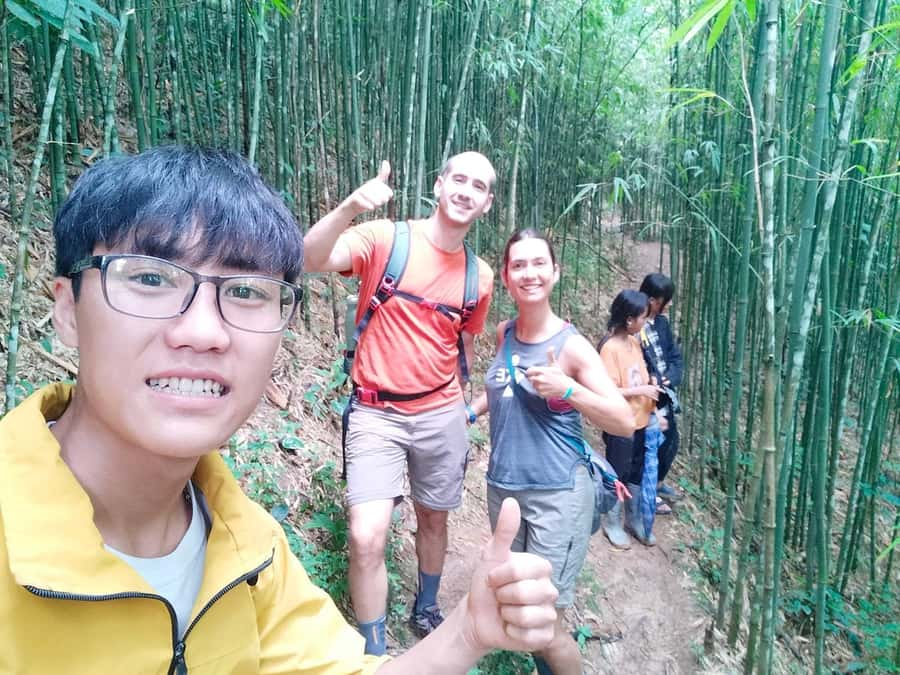
From Y Linh Ho, the trail continues toward Lao Chai along winding paths through the valley. This is the scenic heart of the walk, with terraces, hills, local homes, and changing views across the countryside.
The route offers plenty of photo opportunities, but try not to rush from one viewpoint to the next. The best feature of this section is the combination of movement and detail. You see the large pattern of the terraces, then notice streams, footpaths, plants, houses, and people working nearby.
Lao Chai is another good place to learn about local crafts and village life. You can interact with local people through the guide and get a better feel for how the valley communities differ from one another. The atmosphere is quieter than Sapa town, which helps the cultural side of the tour feel more natural.
Lunch is included at a local house or riverside restaurant. That matters because it keeps the day moving and saves you from having to return to town for a meal. It also gives you a break at the point when the morning walk has begun to catch up with your legs.
The food is described as a strong part of the experience, but the exact menu is not specified, so do not book this expecting a particular dish. Think of it as a local meal included in a walking day, not a separate food tour.
Another trail to compare in Sa Pa:
- From Sapa: 1-Day Guided Trek to Lao Chai & Ta Van with Lunch
★ 4.9 · 416 reviews - Sa Pa Full Day Trekking Tour
★ 5.0 · 414 reviews - Sapa 1 Day Long Trek: Trek to Hau Thao and Sa Seng Villages
★ 4.6 · 344 reviews - Explore Sapa by TrekkingAdventures, Mountain,Rice fields
★ 4.9 · 229 reviews
The final stretch to Ta Van
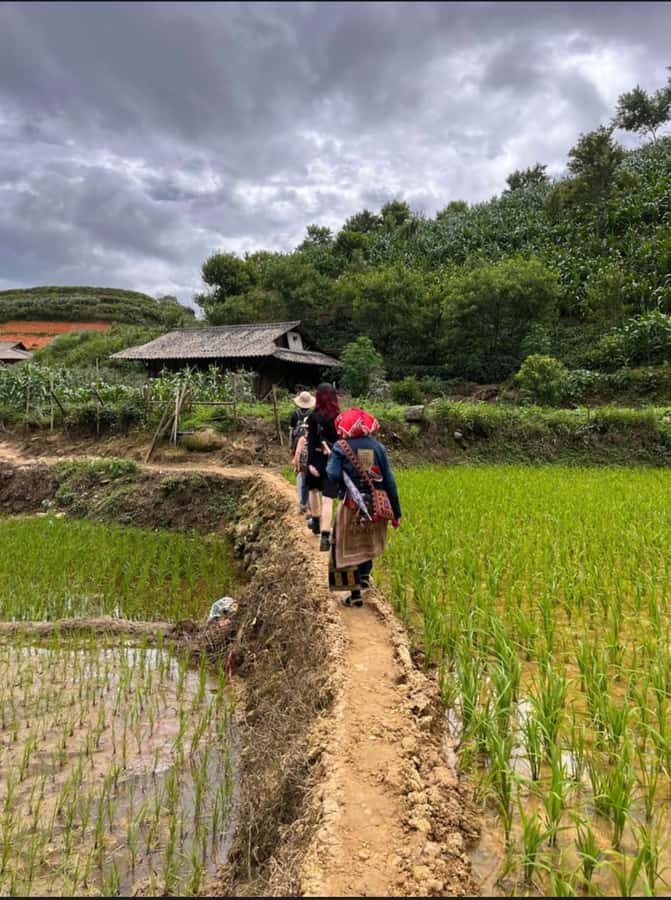
After lunch, you continue deeper into the valley toward Ta Van. The scenery remains the main draw, but the cultural focus shifts as you reach an area associated with the Giay ethnic minority.
One useful feature of this section is the change in architecture and village character. Your guide can point out differences in homes, customs, and community life. These details are easy to miss if you are focused only on reaching the finish, so leave room for stops and questions.
Ta Van is also where you may take a short rest at a local homestay or café. Traditional snacks may be available, giving you a chance to sit down before the return transfer. After several hours of walking, this pause is more than a pleasant extra. It helps you finish the day without feeling hurried.
The tour does not appear to include an overnight homestay. The homestay or café is a rest stop, and the day ends with a car transfer back to Sapa. That makes this a useful option if you want to see the valley but prefer to sleep in town.
Su and the value of a small group
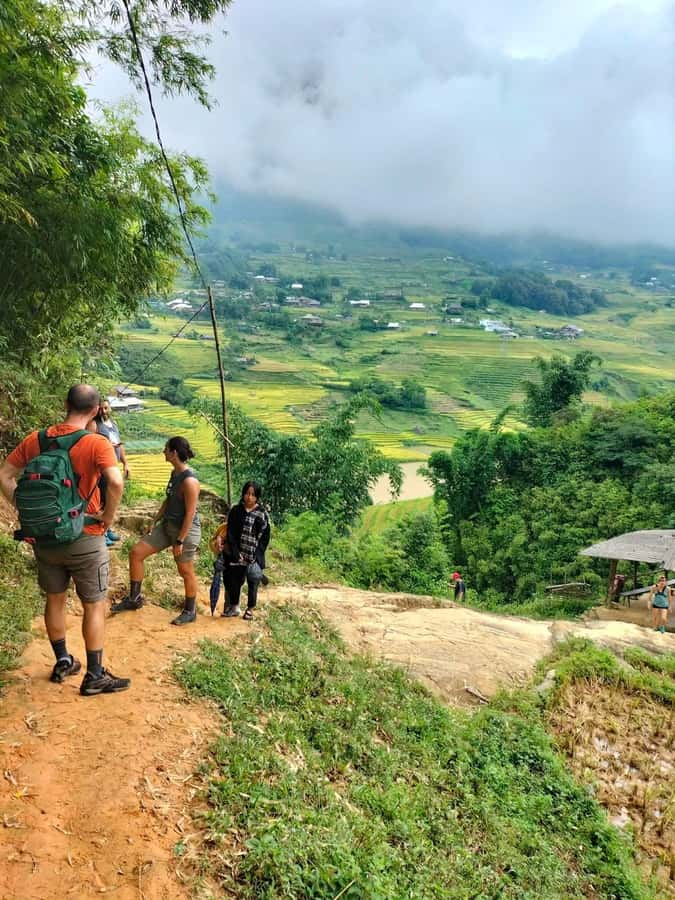
The guide can make or break a village trek. Su is repeatedly praised for speaking clear English, answering many questions, and sharing his own story as a farmer and local resident. He has also started his own small guiding business, which may appeal to you if you prefer supporting a local operator directly.
I like that the conversation can extend beyond standard sightseeing. You can ask about education, marriage, work, farming, and family life, then hear answers tied to the guide’s own experience. That kind of exchange is often more useful than a list of dates and facts.
Group size is worth checking when you book. The experience may be offered to small groups, and some outings have been as intimate as two people. A small group gives you more freedom to stop for photos, ask questions, and set a comfortable walking pace. It also makes the day feel less like a procession.
At the same time, do not assume every departure will be private unless that is confirmed when booking. The advertised experience does not promise a fixed group size. If personal attention is important to you, ask before you pay.
What the $19 price includes
At $19 per person, this is a low-cost way to spend a full day in the Muong Hoa Valley. The price includes a live guide, the trek, visits to all three villages, lunch, and the transfer back to Sapa.
The value comes from the combination. Paying separately for transport, a local guide, and lunch could easily make a self-planned day less simple. You also avoid the problem of reaching the valley on your own and then trying to find the right trails between villages.
The price does not cover personal expenses. Bring some money if you want to buy snacks, drinks, crafts, or other items along the route. The tour also does not list extra insurance, specialty equipment, or personal purchases as included, so plan to cover those yourself.
The low price should not lead you to expect luxury. This is a practical walking tour with a local meal and basic transport, not a polished private excursion with premium vehicles or a formal dining experience. If you value scenery, conversation, and a full route more than comfort, the price is excellent.
Who should book this trek
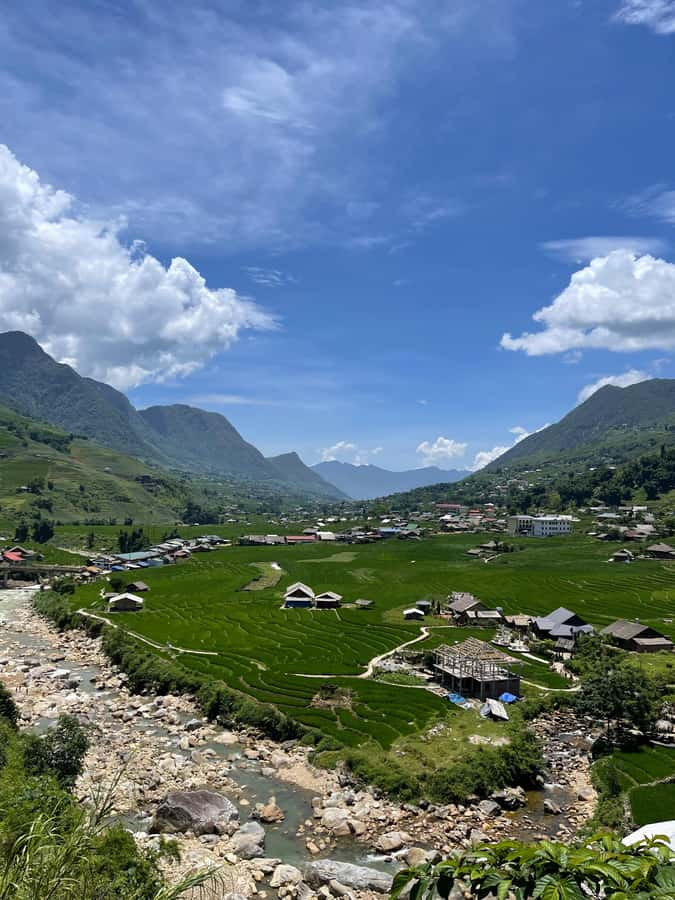
I would recommend this tour to you if you want to combine walking with local culture. It suits people who enjoy asking questions, taking photos, and spending a day outside town rather than moving between attractions by vehicle.
It is also a good match for visitors with a moderate fitness level. You do not need to be an athlete, but you should be comfortable walking for several hours over uneven village paths. The stated distance is 10 to 12 kilometers, and the total activity lasts about five to seven hours.
You should think twice if you have limited mobility, a low fitness level, or a strong dislike of downhill walking. This is not an accessible sightseeing outing. The route and weather can make the day tiring, and there may not be an easy way to shorten the walk once you are in the valley.
The tour works well for solo visitors, couples, and small groups who want a guide-led day. Families should judge the route by the fitness and walking experience of each child, since no child-specific details are provided.
Practical preparation for a better day
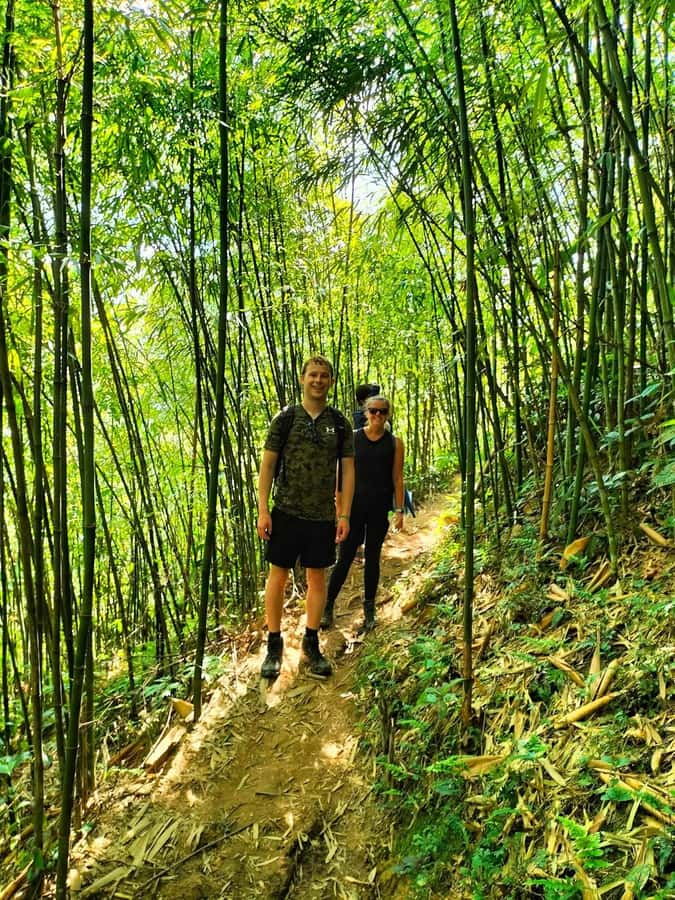
Wear comfortable shoes that can handle dirt, stones, and wet ground. A hat, sunscreen, camera, and water are specifically useful, and weather-resistant clothing is wise because conditions can change quickly.
Start with a proper breakfast. Lunch is included, but the morning descent and valley walk can make you hungry well before the meal. Keep your water bottle accessible rather than buried in a daypack.
Bring a small bag for personal items and cash for anything extra. Personal expenses are not included, and a village café or craft purchase may be tempting after several hours on the trail.
Finally, listen to the safety briefing and pace yourself. The best day is not the one where you race to Ta Van. It is the one where you still have enough energy to enjoy the village, the meal, and the final views.
Should you book the Y Linh Ho to Ta Van trek?
Book it if you want a long, reasonably priced day in the valley with three villages, a local guide, lunch, and a ride back to Sapa. Su is a particularly strong choice if you want clear English and personal insight into village life.
Skip it if you need an easy paved walk, guaranteed private guiding, or a short sightseeing trip. For most reasonably fit visitors who want scenery with real cultural context, this route offers a lot for $19. You can reserve now and pay later, and cancellation is available up to 24 hours before departure for a full refund.
FAQ
How long does the trekking tour last?
The tour lasts approximately five to seven hours, including the trek, stops, lunch, and the transfer back to Sapa.
How far will I walk?
You will trek about 10 to 12 kilometers from Sapa through Y Linh Ho, Lao Chai, and Ta Van.
What time does the tour start?
Departure is in the morning, around 8:30 AM.
Where does the tour begin?
You meet the guide at Sapa church or another designated meeting point in Sapa.
Which villages does the route visit?
The route visits Y Linh Ho, Lao Chai, and Ta Van in the Muong Hoa Valley.
Which ethnic communities are connected with the villages?
Y Linh Ho is home to the Black Hmong community, while Ta Van is home to the Giay ethnic minority.
Is lunch included?
Yes. Lunch is included at a local house or riverside restaurant.
Is the return trip to Sapa included?
Yes. A car transfer back to Sapa is included at the end of the trek.
What should I bring?
Bring comfortable shoes, a hat, a camera, sunscreen, and water. Dress for changing weather.
Is the trek suitable for everyone?
The trek is rated moderate and is intended for people with a moderate fitness level. It is not suitable for people with mobility impairments or a low level of fitness.
Latest treks added in Sa Pa
- Soob Sapa Trekking Tour★ 4.3 · 3 reviews
- Sapa Trekking Private Tour With Ethnic Female Tour Guide★ 4.9 · 24 reviews
- Sapa Trekking – Waterfalls And H’mong Villages★ 5.0 · 2 reviews
- Sapa: Ta Phin Village Trek with Lunch and Bathing Experience★ 4.7 · 13 reviews
- Sapa Trekking Guide Francophone 2 days – 1 night★ 5.0 · 2 reviews
- Sapa: Trekking Through Terraced Rice Fields & Valley 1 Day★ 4.8 · 4 reviews
- Sapa small groupe activities: 1 Day trek – Meet the locals★ 4.7 · 3 reviews
- Sapa: Ta Phin Village Trek & Red Dao Herbal Bath★ 5.0 · 22 reviews
Sapa Trekking Tours, compared.
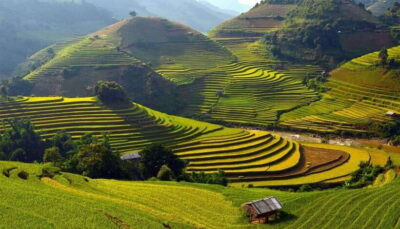
Muong Hoa Valley Trek and Local Ethnic Villages
Read our review →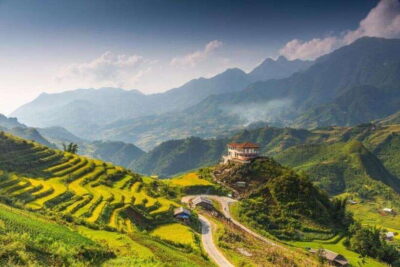
Eco Adventure Terrace Fields and Local Villages Trek
Read our review →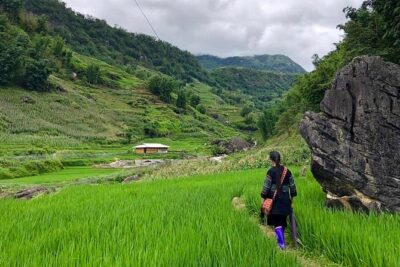
Number one top rated ethical cultural trekking and homestay by ETHOS
Read our review →
1-Day Guided Trek to Lao Chai & Ta Van with Lunch
Read our review →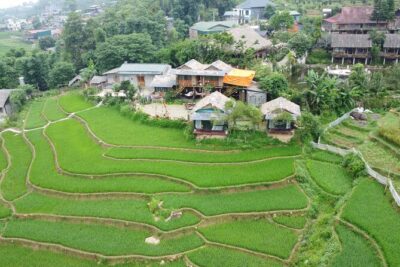
Sapa 1 Day Long Trek: Trek to Hau Thao and Sa Seng Villages
Read our review →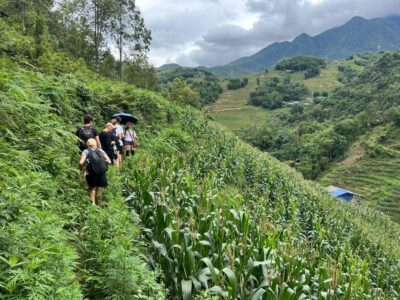
Explore Sapa by TrekkingAdventures, Mountain,Rice fields
Read our review →
EXPLORE SAPA: 2D1N TREKKING & HMONG CULTURE WITH DINH
Read our review →Browse the lists this tour appears in