
REVIEW · SAPA
Sa Pa: Muong Hoa Valley Trek and Local Ethnic Villages
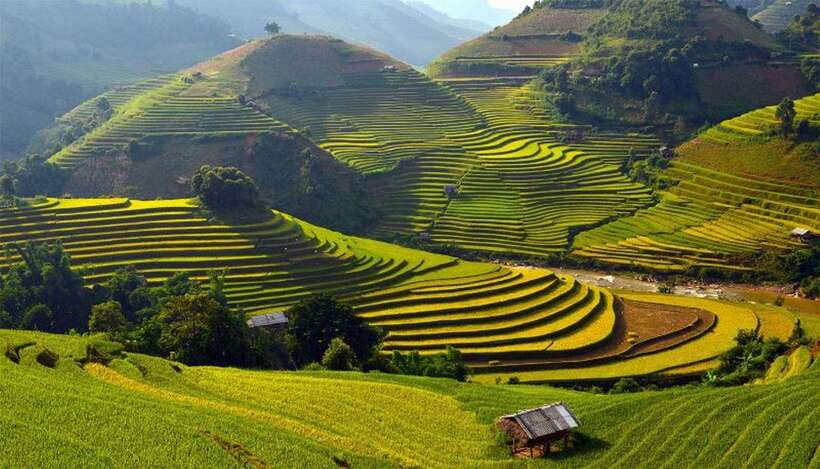
Muong Hoa Valley is best seen on foot, one slippery step at a time. This six-hour trek links rice terraces, river paths, bamboo forest, and three ethnic villages, with a local lunch along the way. I like the close look at Black Hmong and Red Dao life, and I like the way guides such as Su, Khu, Sunny, and Chai add local stories instead of simply pointing out scenery. The main catch is simple: the trail can turn into a muddy obstacle course after rain.
I also like the small groups, limited to 11 people, and the useful return transport from the trail’s end. You get a lot for $23, including the guide, entry tickets, lunch, water, and transport. But this is not a gentle stroll. Bring serious footwear, expect rough ground, and carry some cash if local women help you through difficult sections and later offer handmade goods.
Key points to know before you book
- A real 10-kilometer mountain trek: Expect steep, slippery, uneven sections rather than a smooth walking path.
- Three distinct village areas: Lao Chai, Ta Van Giay, and Giang Ta Chai show different parts of life in the valley.
- Hands-on help in wet weather: Local Hmong women may guide you through mud and steep ground, then invite you to buy their goods.
- Lunch in a local home: The midday meal breaks up the long walk and gives you a closer look at village life.
- Ancient rock carvings and a bamboo forest: The route includes more than rice-field views.
- Excellent value at $23: The price covers a guide, lunch, water, tickets, and transport back to Sa Pa.
Starting in Sa Pa and following the valley trail
Pickup is available from hotels in central Sa Pa or from the Vietnam Nomadtrails office. The tour ends at about 3:30 PM, so you still have part of the afternoon free. Pickup from outside the Sa Pa area is not available, which matters if you are staying farther out.
The walk covers about 10 kilometers, though some people have recorded closer to 12.5 kilometers and more than 21,000 steps. That difference probably comes from small route changes and walking around villages, but you should plan for a full, active day.
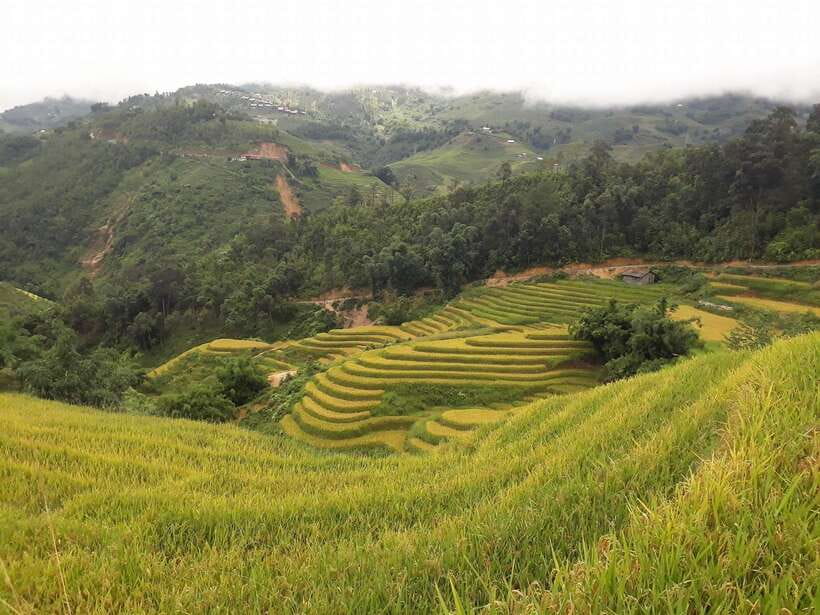
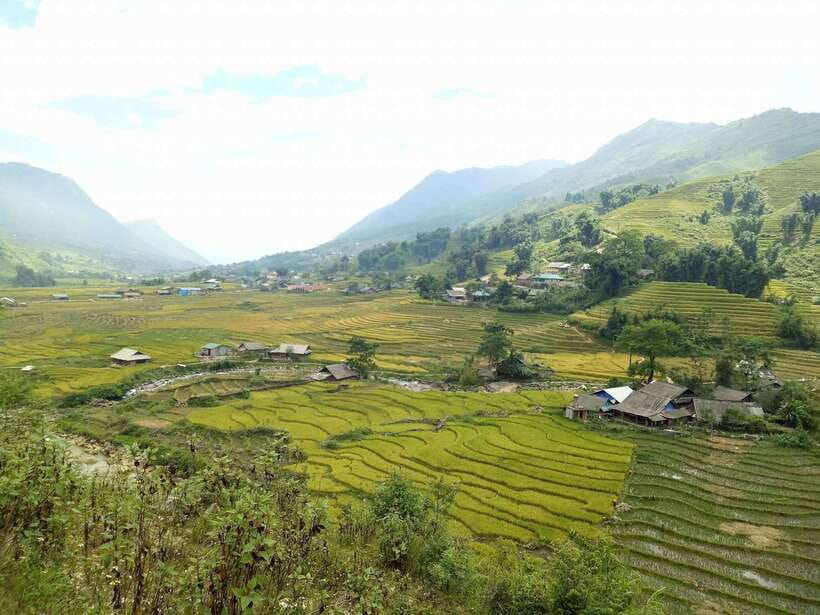
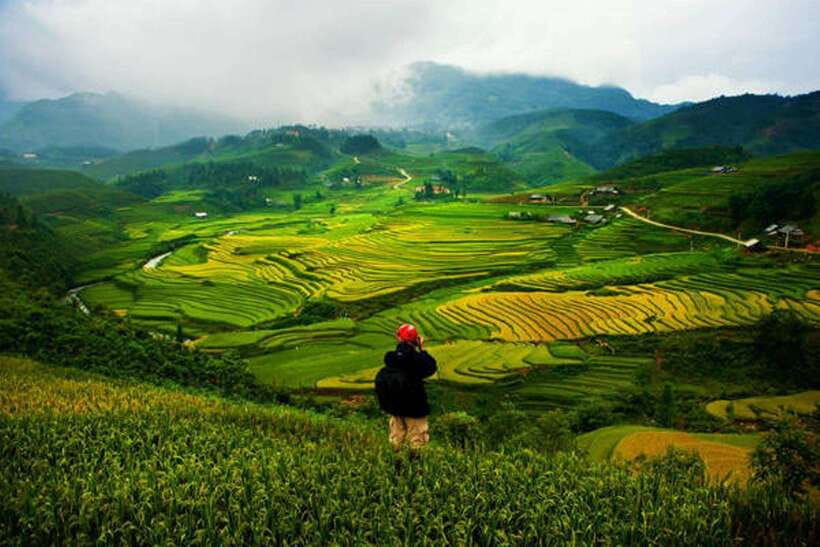
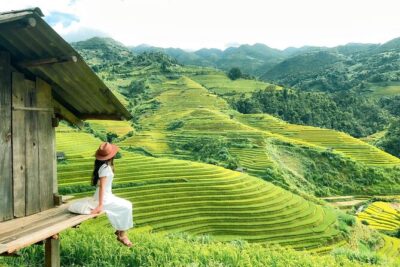
The route begins with views across Muong Hoa Valley. Morning mist can hang over the rice terraces, softening the hills and making the first part feel almost quiet. On a clear day, you can see the carefully shaped fields spread across the slopes. In wetter weather, the same terraces become slick underfoot.
You follow a smaller trail toward the Muong Hoa River. This is one reason the trip feels more like a proper trek than a roadside village visit. You are not simply being driven to a viewpoint, taking photographs, and returning to town. You spend hours moving through the valley at ground level, crossing paths, fields, bridges, and forest.
More Rice Terrace Treks in Sapa
- Explore Sapa by TrekkingAdventures, Mountain,Rice fields
★ 4.9 · 229 reviews - Sa Pa: 6-Hours Muong Hoa Valley Trek with Local Ethnic guide
★ 4.5 · 178 reviews - Sapa Muong Hoa Valley & Ta Van Eco Village Scenic Tour (No Trek)
★ 5.0 · 144 reviews
Lao Chai and the Black Hmong villages
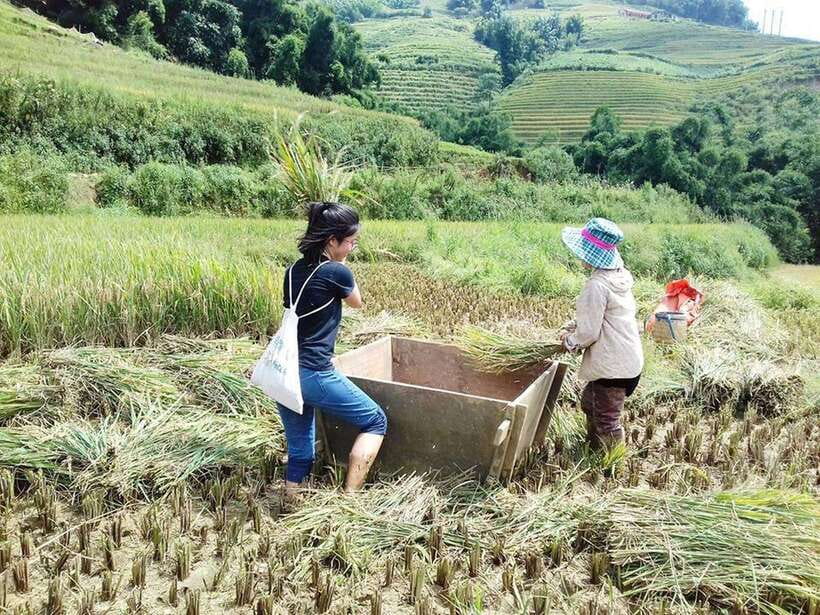
The route continues toward Lao Chai, home to members of the Black Hmong ethnic group. Here, your guide can explain local customs, daily work, and village life. Guides including Sunny, Chai, Su, and Khu have been praised for sharing cultural details throughout the walk, so ask questions as you go.
The value of this section is its setting. You see homes, paths, fields, and people working in the same valley rather than receiving all your information in a town museum. That said, the villages are part of a well-known Sa Pa route, not untouched wilderness. You should expect a tourism economy alongside ordinary village life.
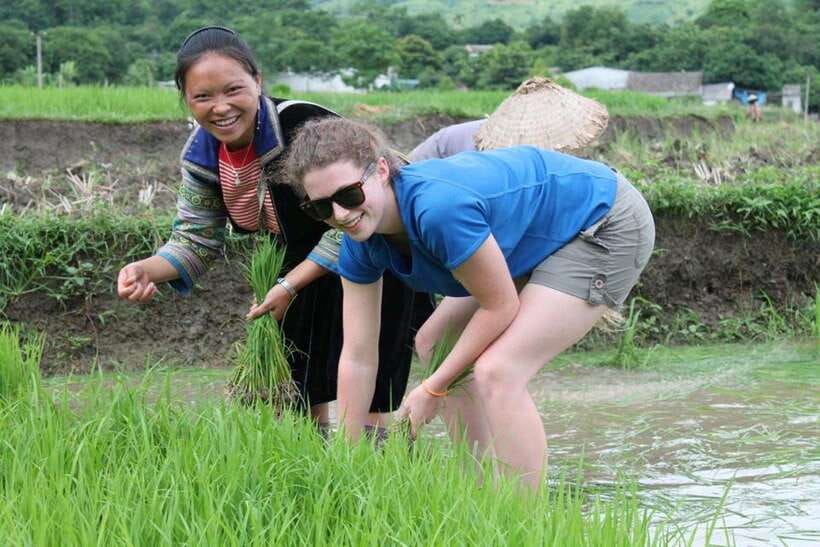
Local women may join you for difficult parts of the walk, especially where the trail is muddy or steep. Their help can be genuinely useful. Several people have needed a steady hand across slick slopes, and the women know exactly where to place their feet.
There is also a social and commercial side to this help. You may be expected to buy a small item from the woman who assists you. This is worth knowing before you arrive. Bring cash, set a budget, and treat any purchase as a thank-you rather than feeling pressured into spending more than you want.
Ta Van Giay, the river, and ancient carvings
From Lao Chai, the trail continues toward Ta Van Giay. You walk along the Muong Hoa River, with rice fields and village paths changing the view as you go. The route crosses a small suspension bridge roughly two kilometers from the settlement.
The bridge adds a little drama, but it is the ancient rock carvings that give this section its special interest. The carvings show human figures, stilt houses, and decorative patterns. They offer a glimpse into older local expression and make the walk more than a series of scenic stops.
Your guide is important here. Without explanation, the carvings can be easy to pass with only a quick photograph. Ask about the images and their place in the area’s culture. English ability varies by guide, but the guides named in the feedback, including Su, Sunny, Khu, and Chai, were repeatedly praised for clear explanations and friendly care.
The trail itself is mixed. Some sections are paved or well-worn, while others are narrow, rocky, and uneven. In dry conditions, an average fit person should manage it with care. After rain, the difficulty rises sharply. You may slide on mud, step around puddles, or use a guide’s hand on a steep descent.
Lunch at a village home
Lunch takes place at a local home in one of the villages. This is a welcome pause because the walking day is long, and it gives you time to sit down rather than eat quickly beside the road.
The meal can include rice, vegetables, tofu, eggs, and spring rolls. Vegetarian and vegan needs have been accommodated, but you should state your requirements when booking or at the start of the day. Beverages are not included, so bring extra money if you want anything beyond the supplied 500-milliliter bottle of mineral water.
The home lunch is one of the strongest parts of the experience because it connects the food with the place you are visiting. You are not stopping at a generic restaurant in Sa Pa. At the same time, keep your expectations practical. This is a simple local meal, not a polished culinary event.
Lunch also breaks the trek into manageable sections. You walk for several hours, stop for food, then continue through the bamboo forest and toward Giang Ta Chai. If you are concerned about stamina, this pause helps, but it does not make the overall route easy.
More Rice Terrace Treks in Vietnam
- Daily Tour: Sapa Trekking in Muong Hoa valley, Bamboo forest
★ 5.0 · 121 reviews - 1-Day Sapa Long Trek – Rice Field Terrace, Ethnic Culture
★ 4.9 · 62 reviews - 3-Day Trek in Amazing Muong Hoa Valley & ethnic Homestay
★ 5.0 · 49 reviews - Muong Hoa Valley Trek & Homestay Experience – 4D3N
★ 5.0 · 42 reviews
Bamboo forest and the Red Dao village
After lunch, the trail enters a bamboo forest. This is often one of the trickiest parts of the walk, particularly after rain. Mud, wet stones, and sloping ground can make the footing uncertain. Running shoes may not grip well, and several people have ended up soaked and dirty after slipping.
This is where proper trekking shoes matter most. Choose footwear with deep grip, and consider waterproof boots or wellies in the wet season. Do not bring white or new shoes unless you are happy to see them covered in mud. Sunglasses, sunscreen, and insect repellent are also sensible additions.
The bamboo section leads toward Giang Ta Chai, a Red Dao ethnic minority village. Moving from Black Hmong areas to a Red Dao community gives the day a useful sense of variety. You can compare village settings and hear about different local traditions rather than seeing only one community.
The guides are a major part of this section. A good guide keeps the group together, points out unstable rocks, and adjusts the pace when someone is struggling. Su was praised for watching the footing and safety of the group, while Khu and Sunny were noted for staying encouraging and attentive. Your exact guide depends on the departure, but the small-group format should make it easier to ask for help.
Waterfall rest and the return to Sa Pa
Near Giang Ta Chai, you stop at a waterfall for a short rest. It is not a long swimming break, and the schedule still has to allow for the final uphill climb, but the pause comes at the right time. By then, your legs may be tired from the terraces, mud, and bamboo forest.
The last section climbs uphill to the main road, where your driver waits. Having transport arranged is useful because you finish away from central Sa Pa and may not want to negotiate a ride while muddy and tired.
The return drive is part of the value of the $23 price. So are the entry tickets, English-speaking guide, lunch, and water. A French-speaking guide costs an extra $19 per person, payable when confirmed. There is also a $30 per-person Lunar New Year surcharge from February 14 to 21, 2026, payable at departure.
How hard is the 10-kilometer walk?
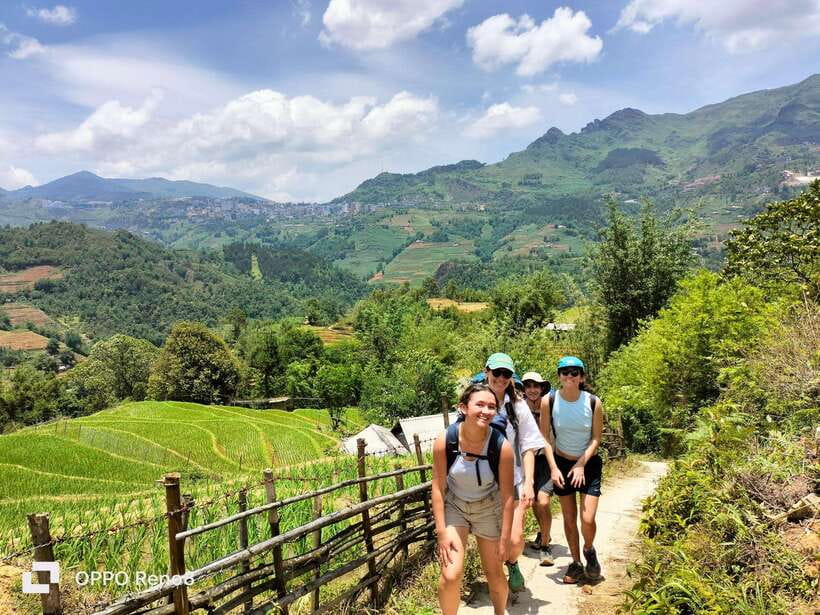
The tour description calls the trek challenging, especially in wet weather, and that is the right warning. Some people describe it as manageable and not very strenuous, while others report slipping several times, getting soaked, or needing help almost continuously after heavy rain.
Your fitness matters, but recent weather may matter even more. A fit person in poor shoes can have a miserable day. Someone of average fitness with strong hiking footwear and dry conditions may find it demanding but enjoyable.
You should be comfortable with:
- Steep and uneven ground
- Muddy descents
- Wet rocks and narrow paths
- Bamboo forest trails
- A total walk of roughly 10 to 12.5 kilometers
- Several hours on your feet
This tour is not suitable for people with mobility impairments or children under six. Oversize luggage is not allowed. Pack light and keep anything you need for the walk in a small day bag.
Weather, seasons, and what to pack
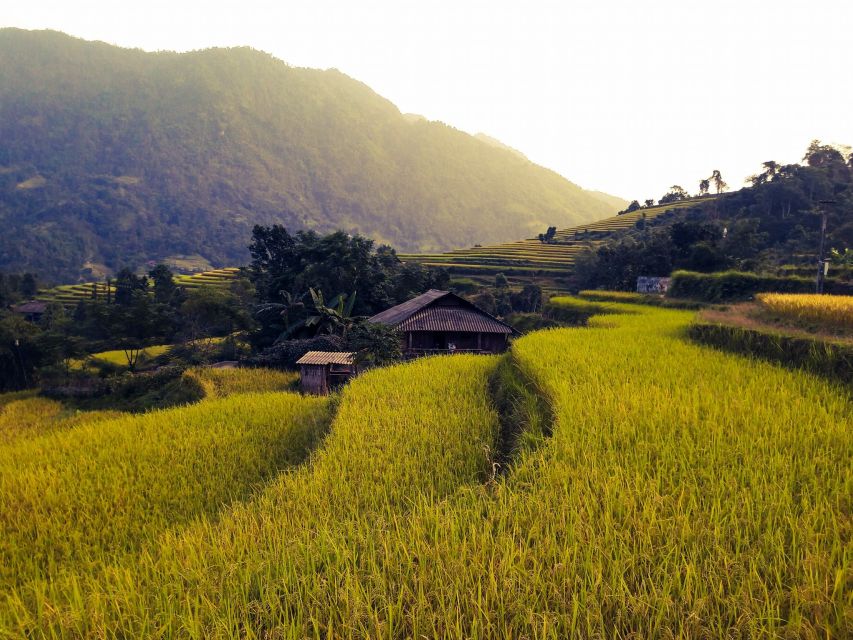
From October through March, warm clothes are recommended. Sa Pa can feel cool, misty, and damp, even when the walk itself keeps you warm. A light waterproof layer is useful, though the supplied information specifically asks you to bring trekking shoes rather than promising rain gear.
April through September can offer greener rice terraces, but rain may make the paths slippery. Several departures after morning rain turned the trail into deep mud. In wet conditions, local helpers can make a real difference, but do not treat their assistance as a substitute for proper shoes.
Bring:
- High-grip hiking shoes or waterproof trekking boots
- Warm layers from October to March
- Sunglasses and sunscreen
- Insect repellent
- Extra cash for drinks or village purchases
- A small bag, not oversize luggage
A spare pair of socks would also be sensible, though it is not listed as a requirement. Keep your phone protected if rain is expected.
What the $23 price really gets you
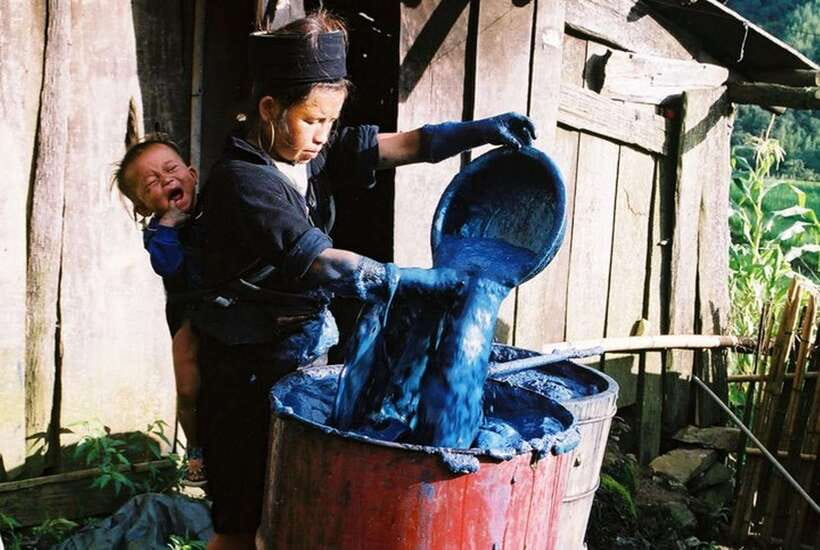
At $23 per person, this is a strong-value half-day experience. You receive hotel pickup in central Sa Pa, an English-speaking guide, entry tickets, lunch, mineral water, and a ride back from the main road. Comparable value would be hard to match if you had to arrange a guide, meals, village access, and transport separately.
The price does not remove every extra cost. Drinks, personal purchases, and soft drinks are not included. The local women who help on muddy sections may also expect you to buy something, so the practical cost can rise slightly.
You also need to weigh the organized format against independence. A direct trek with a local woman may feel more personal and may take you into local homes for food, but arranging it yourself requires more effort and less certainty. This small-group tour gives you a fixed plan, English guidance, lunch, and transport, which is useful if you have limited time in Sa Pa.
Free cancellation up to 24 hours before departure and reserve-now, pay-later booking add flexibility. Pickup is limited to Sa Pa town, so confirm that your hotel fits the service area.
Who should book this Sa Pa trek?
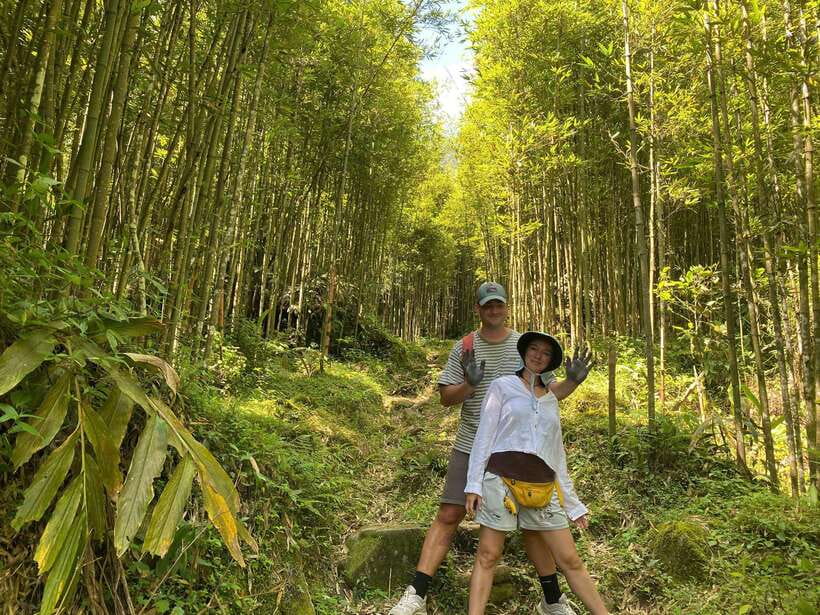
I would choose this tour if you want one active day that combines scenery, village life, and cultural explanation. It suits people who prefer walking through a place instead of viewing it from a vehicle. It is especially useful if you have only a short stay in Sa Pa and want to cover Lao Chai, Ta Van Giay, and Giang Ta Chai in one outing.
You should think twice if you dislike mud, uneven ground, sales approaches, or long walks. This is also not a good choice if you need step-free access or a predictable, dry path.
The guide can make or break the feel of the day, and the named guides have been praised for warmth, local insight, and safety awareness. The small group helps too. You are less likely to get lost in a crowd, and the guide can give more direct help on difficult sections.
Should you book it?
Book it if your idea of a good Sa Pa day includes muddy shoes, rice terraces, river crossings, village homes, and a proper walk. The scenery is the obvious draw, but the best parts are the practical ones: a local lunch, explanations of Hmong and Red Dao life, ancient carvings, and patient help on rough ground.
Skip it if you want a relaxed sightseeing trip or if rain would ruin your day. For everyone else, $23 buys a well-packed introduction to Muong Hoa Valley. Arrive with good grip on your shoes, modest expectations about comfort, and cash for small village purchases. You will be better prepared for the parts that make this trek memorable.
FAQ
How long is the Muong Hoa Valley trek?
The stated distance is 10 kilometers, though the walk may reach around 12.5 kilometers depending on the route and extra walking in the villages.
How long does the activity last?
The activity lasts six hours and finishes at approximately 3:30 PM.
What villages does the trek visit?
The route includes Lao Chai, where Black Hmong people live, Ta Van Giay, and Giang Ta Chai, a Red Dao ethnic minority village.
Is lunch included?
Yes. Lunch at a local home is included. Beverages and soft drinks are not included.
What should I wear and bring?
Bring hiking shoes with strong grip, plus sunglasses, sunscreen, insect repellent, and warm clothes from October through March. The trail can be very muddy after rain.
Is the trek suitable for children or people with mobility impairments?
The activity is not suitable for people with mobility impairments or children under six years old.
Where is pickup available?
Pickup is available from hotels in Sa Pa town or from the Vietnam Nomadtrails office. Pickup from outside the Sa Pa area is not available.
More Rice Terrace Treks in Sa Pa
- Sapa: Muong Hoa Mountain Views and Villages Trek with Lunch
★ 4.3 · 28 reviews - Sapa: Muong Hoa Valley View & Villages Trek with Local Guide
★ 5.0 · 25 reviews - From Sapa: Muong Hoa Valley View & Village Trek 1-Day
★ 5.0 · 21 reviews - SAPA: 1-DAY TREKKING TOUR WITH LOCALS, LUNCH & RICE FIELDS
★ 4.7 · 18 reviews
Latest treks added in Sa Pa
- Soob Sapa Trekking Tour★ 4.3 · 3 reviews
- Sapa: Y Linh Ho – Lao Chai, and Ta Van Trekking Day Tour★ 5.0 · 25 reviews
- Sapa Trekking – Waterfalls And H’mong Villages★ 5.0 · 2 reviews
- Sapa Trekking Private Tour With Ethnic Female Tour Guide★ 4.9 · 24 reviews
- Sapa: Ta Phin Village Trek with Lunch and Bathing Experience★ 4.7 · 13 reviews
- Sapa Trekking Guide Francophone 2 days – 1 night★ 5.0 · 2 reviews
- Sapa: Trekking Through Terraced Rice Fields & Valley 1 Day★ 4.8 · 4 reviews
- Sapa small groupe activities: 1 Day trek – Meet the locals★ 4.7 · 3 reviews
Rice Terrace Treks, compared.
Explore Sapa by TrekkingAdventures, Mountain,Rice fields
Read our review →
Selogriyo Temple and Trekking Java Rice Terraces, hidden waterfall -Nature Java
Read our review →
6-Hours Muong Hoa Valley Trek with Local Ethnic guide
Read our review →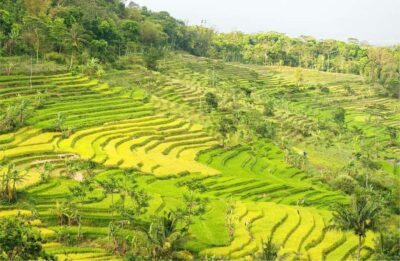
Sapa Muong Hoa Valley & Ta Van Eco Village Scenic Tour (No Trek)
Read our review →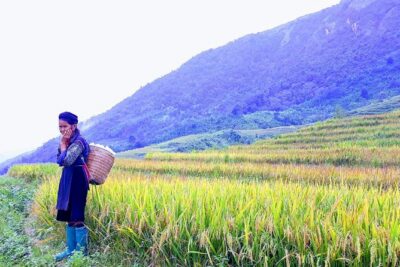
Daily Tour: Sapa Trekking in Muong Hoa valley, Bamboo forest
Read our review →
Rice Terrace, Holy Water Temple & Waterfalls Trek Tour
Read our review →
Mount Batur Sunrise Trekking and Rice Terrace Adventure
Read our review →Browse the lists this tour appears in