
REVIEW · SAPA
Sapa: Eco Adventure Terrace Fields and Local Villages Trek
Sapa’s best stories are found below town, where rice terraces give way to Hmong and Dzay villages and farmers work beside narrow streams. I like this trek for two clear reasons: you get a full day of mountain scenery for $27, and your local guide adds meaning to the houses, clothing, crops, and customs you pass. Guides such as Chai and Vu have earned especially warm praise for their English, humor, and care on tricky ground.
The main caution is simple: this is a proper 10 to 12 kilometer walk, not a gentle village stroll. Mud and slippery slopes can slow you down, especially after rain, and the mist may hide the best views in the morning. Bring hiking shoes, warm clothes, and insect repellent, and be ready to get dirty.
Key points to know before you book
- A full valley route: Walk from Sapa through Muong Hoa Valley and several villages before returning in the afternoon.
- Strong local guiding: Chai, Vu, Wu, Le, Lien, Si, Rou, and other local guides are praised for clear English and personal insight into village life.
- A real hike: Plan for 10 to 12 kilometers, with steep and muddy sections at the start.
- Lunch with a local touch: A traditional meal is included around 12:30 PM, with vegetarian and vegan choices noted by several participants.
- Small-group setting: The group is limited to 10 people, making it easier to ask questions and keep a steady pace.
- Weather matters: Fog can block Fansipan and valley views, while rain turns some trails into slippery mud.
Why this Sapa trek feels different from a town walk
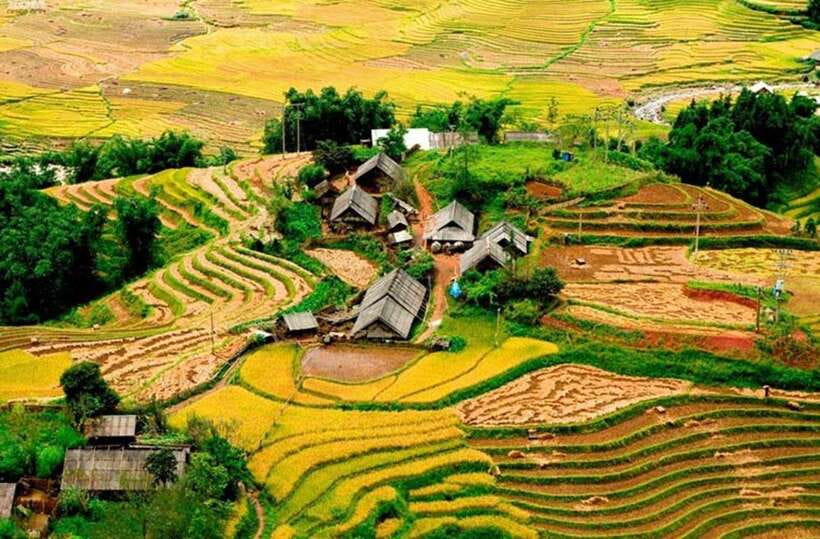
Sapa town is easy to visit, but its polished center tells you little about how people live in the surrounding mountains. This route takes you down into Muong Hoa Valley, where the scenery and daily work are part of the same picture.
You will see terraces cut into steep hillsides, wooden homes, streams, farm animals, and people planting or harvesting rice depending on the season. The walk also passes through Hmong communities and Ta Van, home to the Dzay people. That combination gives you more than a photo stop. You get a useful look at how farming, family life, clothing, and village customs fit together.
I especially like the scale of the group. With no more than 10 participants, the guide can usually answer questions and watch the group on rougher parts of the trail. The pace is described as moderate by some participants, but that does not mean easy. A 10 to 12 kilometer route with slopes and wet ground still requires decent fitness.
More Trekking Tours in Sa Pa
- Sa Pa: Muong Hoa Valley Trek and Local Ethnic Villages
★ 4.6 · 864 reviews - Number one top rated ethical cultural trekking and homestay by ETHOS
★ 5.0 · 456 reviews - From Sapa: 1-Day Guided Trek to Lao Chai & Ta Van with Lunch
★ 4.9 · 416 reviews
The 9:00 AM start and the first Fansipan view
Meet your guide in front of Sapa Church at 9:00 AM. You need to provide a WhatsApp number so the operator can contact you, and hotel transfers are not included, so arrange your own way to the church.
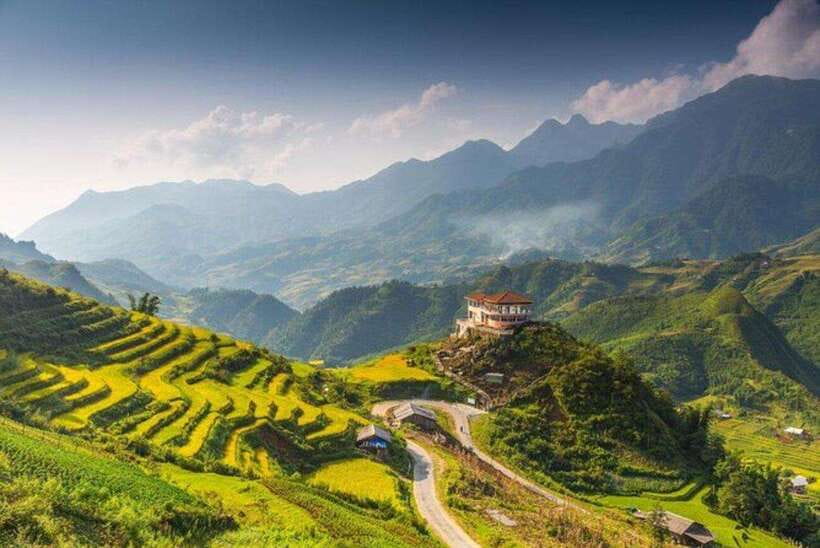
The first stop is a small hill viewpoint facing Fansipan Peak. On a clear morning, this gives you a broad look toward Vietnam’s highest mountain and the hills around Sapa. Fog is common in the area, though, and it can leave you looking at a wall of white rather than a grand mountain view. One useful point from the experience is that the weather may improve later in the day, so a misty start does not automatically ruin the trek.
From the viewpoint, the route heads into the Muong Hoa Valley. This is where the walk begins to feel rural. The high slopes, terrace walls, streams, and traditional houses create a changing view as you descend.
Muong Hoa Valley, terraces, and muddy first miles
The opening part can be the hardest. Several people found the early trail steep, slick, or very muddy, especially after rain. Others rented rubber boots before starting, sometimes for a small fee, and found them useful. If the ground is wet, old trainers may not be enough. Hiking shoes with a firm sole are the safer choice, though you should still expect them to get dirty.
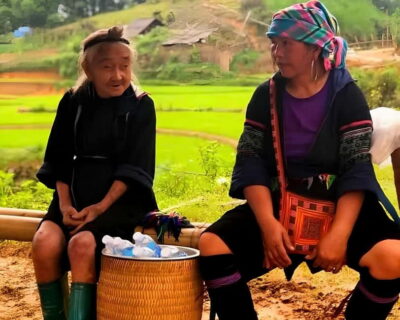
Local women may help you across slippery sections. They can offer a steady hand on steep ground, and some sell handmade bags and clothing along the route. You are not required to buy anything, but carrying some cash gives you the option to support them if you want to.
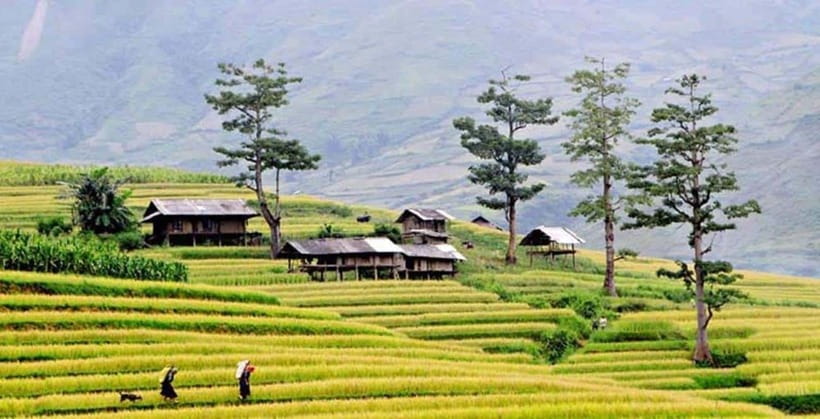
The trail later becomes easier in places, with paved paths and village roads. One important detail is that this is not a forest hike from start to finish. Much of the route runs through open rice fields, village tracks, and cultivated hillsides, so the views are the main attraction.
Look out for ordinary details that make the walk memorable: water buffalo, pigs, ducks, chickens, dogs, farmers in the fields, and small bridges over streams. These moments are not staged performances. They show the working countryside around Sapa.
Y Linh Ho and the Hmong side of the valley
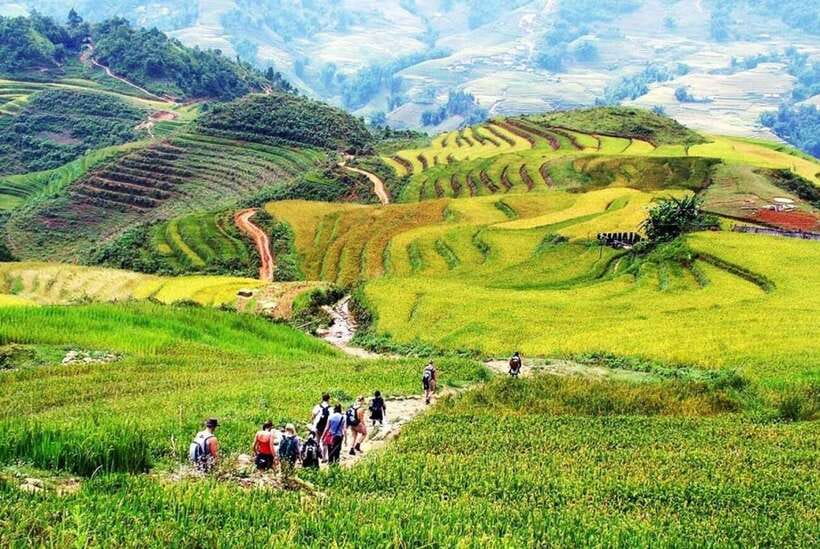
Around 11:00 AM, you reach Y Linh Ho Village, a Hmong community reached by crossing a small bridge over a scenic river. The setting is one of the most rewarding parts of the route, with the river below and steep mountains rising around the terraces.
The guide is important here. A good local guide can explain what you are seeing without turning the walk into a string of dry facts. Guides such as Chai have been praised for sharing personal stories about local women, village life, customs, and the difficulties faced by families in the mountains. Vu has also been praised for explaining the area from her own local point of view and answering questions with warmth and humor.
The village visit is not simply about looking at houses from a trail. You may see farming work in progress, depending on the season, and learn how rice production shapes the year. The exact activity changes with planting and harvest periods, so do not expect the same scene at every time of year.
From Y Linh Ho, continue toward Lao Chai Sang. The route stays scenic but can remain uneven. If you have weak knees or are not used to long walks, you should take the distance seriously. The guide may point out easier road sections, but choosing the easier option means giving up some of the more adventurous trail.
Another trail to compare in Sa Pa:
- Sa Pa Full Day Trekking Tour
★ 5.0 · 414 reviews - Sapa 1 Day Long Trek: Trek to Hau Thao and Sa Seng Villages
★ 4.6 · 344 reviews - Explore Sapa by TrekkingAdventures, Mountain,Rice fields
★ 4.9 · 229 reviews - EXPLORE SAPA: 2D1N TREKKING & HMONG CULTURE WITH DINH
★ 4.9 · 191 reviews
Lunch in Lao Chai Sang around 12:30 PM
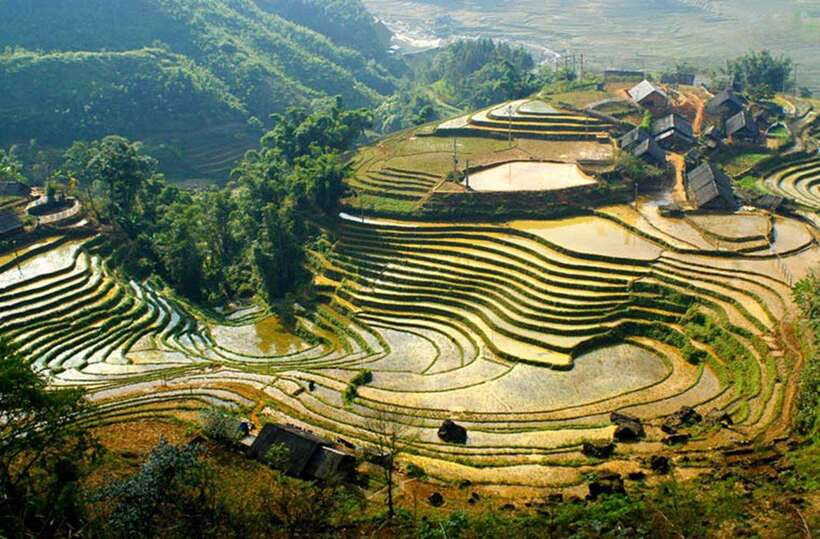
Lunch arrives at a welcome point in the day. Around 12:30 PM, you stop in Lao Chai Sang for a local meal, described as either a home-cooked meal with a Hmong family or a meal in a small village restaurant, depending on the arrangement that day.
The food is included, and several participants found it very good. Vegetarian and vegan choices are available according to the supplied experience details, but you should state dietary needs when booking or before the meal so the guide can help.
This is not a luxury dining stop, and that is part of its value. You are eating in a village setting rather than adding an expensive restaurant experience to the day. The break also matters physically. After a muddy and sometimes steep morning, sitting down for a proper meal gives you time to rest before the afternoon walking.
The lunch stop can also open the door to conversation about ingredients, farming, family life, and local routines. A guide who speaks openly about village life adds much more than a quick list of ethnic names and dates.
Lao Chai Village and traditional clothing
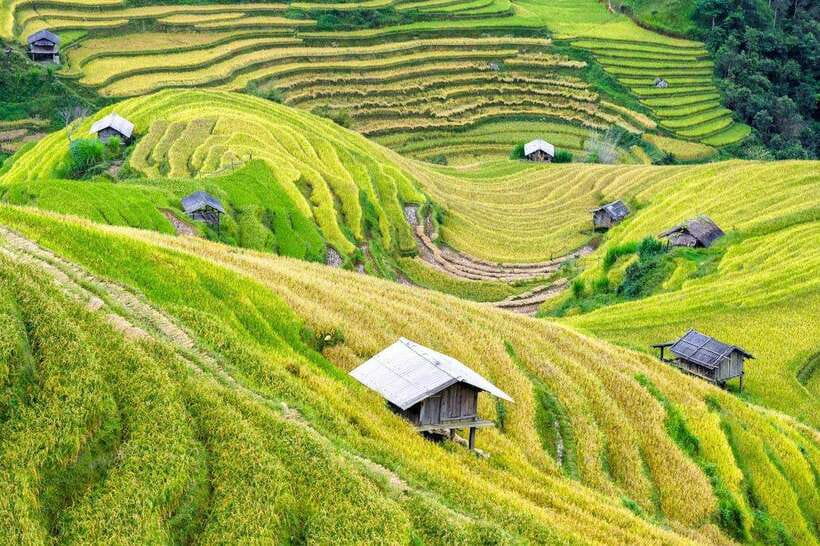
After lunch, the route continues to Lao Chai Village. Depending on the season, you may see farmers planting rice, tending fields, or harvesting. Rice terraces look peaceful from a viewpoint, but the village walk helps you see the work behind them.
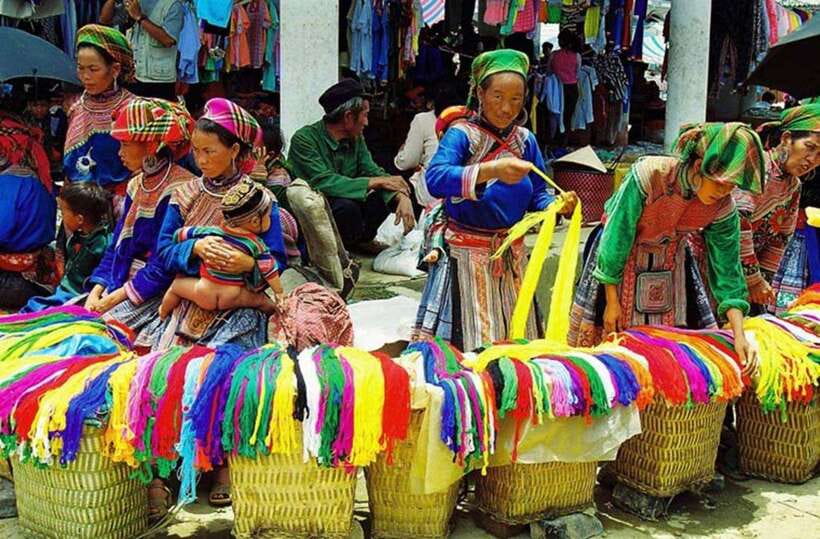
The afternoon includes a cultural look at Hmong daily life and traditional clothing-making. This is one of the strongest parts of the tour for anyone who wants more than scenery. Clothing can carry information about identity and tradition, and seeing how it is made gives the village experience a practical focus.
You may also be invited to look inside a local house. The supplied experiences include this kind of visit, though specific stops can vary. Treat the setting with respect. Ask before taking photographs, and listen when the guide explains the purpose of objects, clothing, or household spaces.
Some local women sell handmade clothing and bags. The sales can feel like part of the tourist route, but several people found the women helpful rather than pushy. If you want to buy something, carry cash. If you do not, a polite refusal is enough.
The final walk to Ta Van and the return to Sapa
The route continues to Ta Van Village, home to the Dzay minority. By this point, the terrain may feel easier than the opening section, though you still have several kilometers behind you. The village provides a different cultural perspective from the Hmong communities earlier in the day.
The route is valuable because it links several places instead of taking you to one village and back. You see changes in the valley, meet different communities, and have more time to understand that Sapa is not culturally uniform.
The planned return to Sapa is around 3:30 PM. In practice, some people finished closer to 4:00 PM, especially when the trail was muddy or the group needed extra help. Transport may be used at the end to return to town, but there is no vehicle support during the trek itself. Traffic can also slow the final ride into Sapa.
That timing makes this a good full-day plan, but not a good choice if you have a fixed afternoon train, bus, or other booking with little flexibility.
What the $27 price really covers
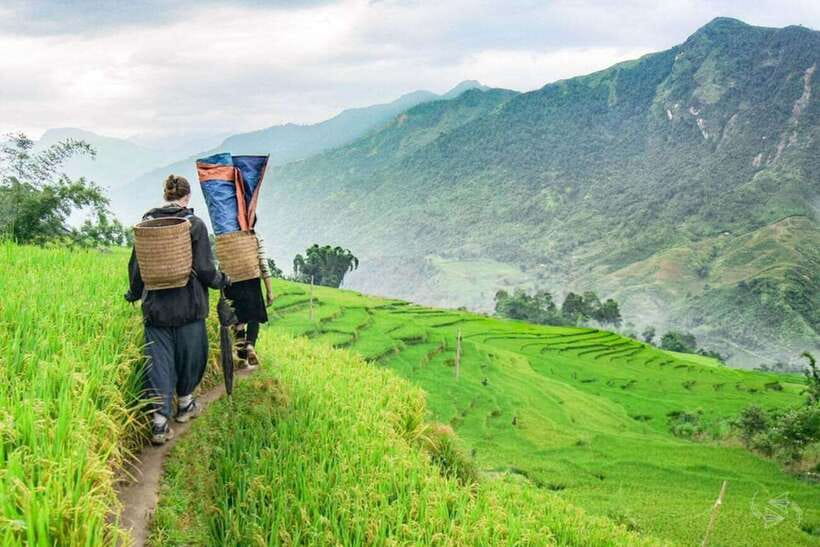
At $27 per person, the value is strong if you want a full day outdoors with cultural interpretation. The price includes the local English-speaking guide, entrance tickets, and lunch. You are paying for several villages, a long valley route, and a small group rather than just a short viewpoint visit.
You still need to pay for drinks and any other personal expenses. Hotel transfers are also excluded, so add the cost of reaching the church and returning to your accommodation if needed.
The guide is the part that most affects the value. Chai is frequently praised for her clear English, friendliness, humor, and ability to explain Hmong customs and local history. Vu, Wu, Le, Lien, Si, Rou, and other guides also receive strong praise for helping people over slippery sections and making the day feel personal.
You cannot necessarily request one specific guide, so book for the route and format rather than assuming Chai or Vu will lead your group. Still, the repeated praise for the local guiding is a reassuring sign.
Weather, fitness, and what to pack
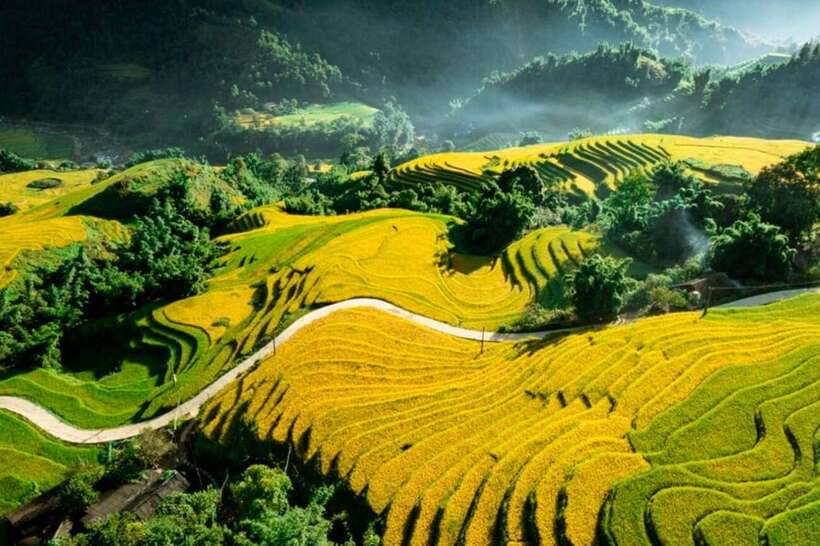
Sapa’s weather can change the experience sharply. Mist may hide Fansipan and soften the valley views, while rain can make the first part extremely slippery. Several people still enjoyed the walk in fog or rain, but clear weather gives you more impressive views.
Pack for a day outside:
- Warm clothing, especially if the morning is cool or foggy
- Hiking shoes with good grip
- Insect repellent
- Clothes that can get muddy
- Small cash for optional purchases
- Water, since drinks are not included
The activity is not suitable for children under 5, pregnant women, wheelchair users, people with mobility impairments, or people over 75. It is best for people who can manage a long walk on uneven ground. Families with teenagers have enjoyed it, but younger children may find the distance and mud tiring.
If conditions are wet, ask the guide about the easier road option. The harder trail is more fun for many active walkers, but there is no prize for forcing yourself down a dangerous slope.
Who should book this Sapa experience?
I would choose this trek if you want mountain scenery tied to real village life. It suits you if you enjoy walking, asking questions, trying local food, and accepting a little discomfort in exchange for a more direct look at the countryside.
It is also a smart one-day choice if Sapa is a short stop. You see terraces, rivers, several villages, Hmong and Dzay culture, and local food in one outing. If you have more time, you can still visit other Sapa sights on another day rather than treating this route as the whole region.
I would hesitate if you want a relaxed stroll, dislike mud, or need reliable transport at an exact hour. Fog can reduce the views, and the distance is real. But for $27, the mix of scenery, local guiding, lunch, and cultural contact is hard to beat.
FAQ
Where does the Sapa trek start?
The guide meets you in front of Sapa Church at 9:00 AM.
How long does the activity last?
The stated duration is 390 minutes, or about six and a half hours. The planned return to Sapa is around 3:30 PM, though some walks may finish closer to 4:00 PM.
How far do you walk?
The trek covers approximately 10 to 12 kilometers of walking and hiking.
Which villages are included?
The route includes Y Linh Ho, Lao Chai Sang, Lao Chai, and Ta Van, with views through Muong Hoa Valley.
Which ethnic communities do you learn about?
The experience focuses on the Hmong people and the Dzay, also written as Zay, community in Ta Van.
Is lunch included?
Yes. Local lunch is included, with a traditional meal served around 12:30 PM. Vegetarian and vegan choices have been available on the experience.
Is transportation from the hotel included?
No. Hotel transfer service is not included. The meeting point is in front of Sapa Church, and transport may be used for the return to Sapa at the end.
Is this suitable for beginners?
It can suit people with a reasonable level of fitness, but it is not a casual walk. The route has steep, muddy, and slippery parts, particularly after rain.
What should you bring?
Bring warm clothing, hiking shoes, and insect repellent. Clothes that can get muddy and some cash for optional purchases are also sensible.
Can you cancel the booking?
You can cancel up to 24 hours in advance for a full refund. Reserve now and pay later is also available, subject to the booking terms.
Should you book this terrace-fields trek?
Book it if you want to earn your scenery and learn about the people who live among Sapa’s terraces. The muddy start and long distance are real drawbacks, but the small group, local guide, village lunch, and varied route give you a far fuller day than a quick scenic stop. For active visitors who want culture as well as mountain views, this is a good-value choice.
Latest treks added in Sa Pa
- Soob Sapa Trekking Tour★ 4.3 · 3 reviews
- Sapa: Y Linh Ho – Lao Chai, and Ta Van Trekking Day Tour★ 5.0 · 25 reviews
- Sapa Trekking Private Tour With Ethnic Female Tour Guide★ 4.9 · 24 reviews
- Sapa Trekking – Waterfalls And H’mong Villages★ 5.0 · 2 reviews
- Sapa: Ta Phin Village Trek with Lunch and Bathing Experience★ 4.7 · 13 reviews
- Sapa Trekking Guide Francophone 2 days – 1 night★ 5.0 · 2 reviews
- Sapa: Trekking Through Terraced Rice Fields & Valley 1 Day★ 4.8 · 4 reviews
- Sapa small groupe activities: 1 Day trek – Meet the locals★ 4.7 · 3 reviews
Sapa Trekking Tours, compared.
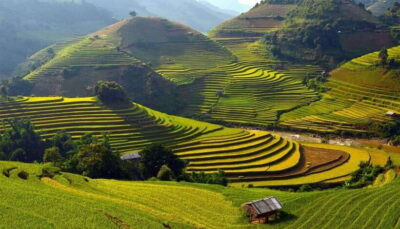
Muong Hoa Valley Trek and Local Ethnic Villages
Read our review →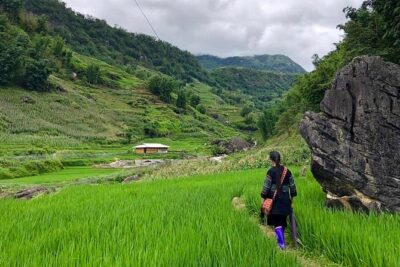
Number one top rated ethical cultural trekking and homestay by ETHOS
Read our review →
1-Day Guided Trek to Lao Chai & Ta Van with Lunch
Read our review →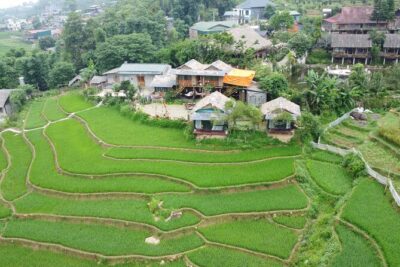
Sapa 1 Day Long Trek: Trek to Hau Thao and Sa Seng Villages
Read our review →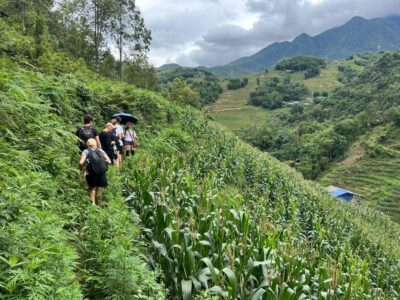
Explore Sapa by TrekkingAdventures, Mountain,Rice fields
Read our review →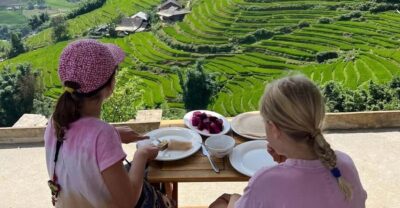
EXPLORE SAPA: 2D1N TREKKING & HMONG CULTURE WITH DINH
Read our review →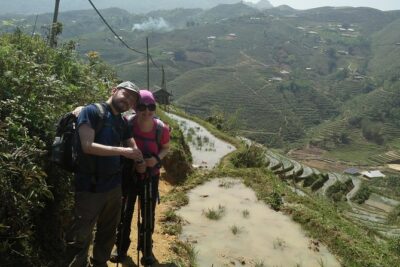
Browse the lists this tour appears in