
REVIEW · SAPA
2D1N Buffalo trek by Hmong Sister House and Trekking
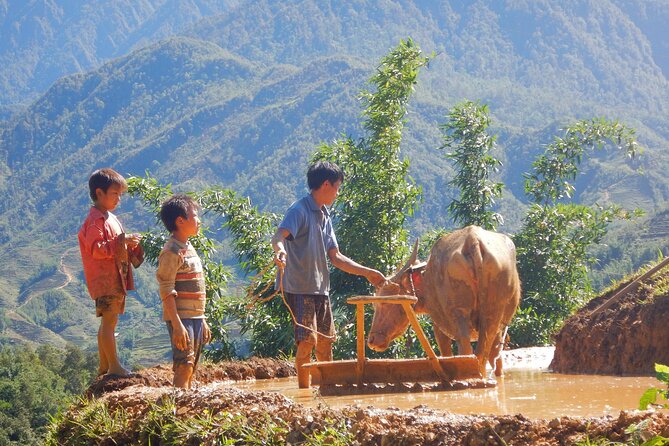
The most memorable part of this trek is not a viewpoint or a photo stop. It is the night in a family Hmong house, where Zizi’s mother lives and cares for the buffalo. You reach it on foot through villages, rice terraces, and forest, following paths connected to everyday mountain life.
I like the personal guiding and the route’s quieter feel. A guide such as Li can explain Hmong life through her own family story, while the private format lets your group move at its own pace. The main consideration is the terrain: you need moderate fitness, and wet weather can affect the trip.
Key points to know before you book
- Sleep at a working buffalo house: The overnight stop is tied to local farm life, not a standard hotel-style stay.
- Start with a useful reset: Pickup from the bus station is arranged around 7 a.m., followed by a hot shower and breakfast at Zizi’s homestay.
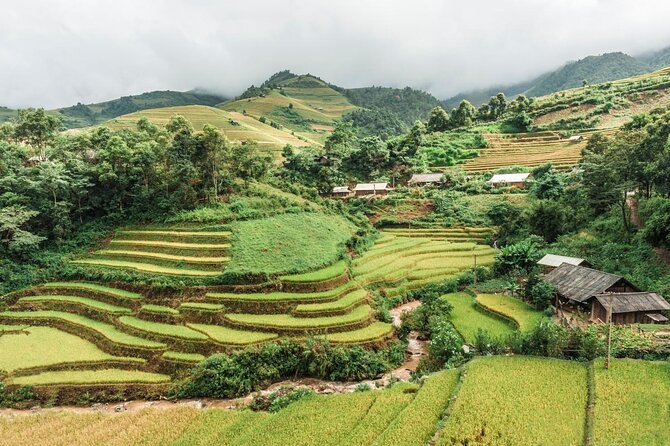
- Walk through several cultural settings: The route includes Hmong villages, rice paddies, forest, a Red Dao village, and a waterfall.
- Expect personal stories: The English-speaking Hmong guide can explain local customs and family life from firsthand experience.
- Private, not a large shared group: Only your own party participates, with group discounts available.
- Plan for mountain walking: The tour requires moderate physical fitness and depends on good weather.
Why this two-day Sapa trek feels different
Sapa offers plenty of short village walks, but this experience asks you to spend more time in the mountains and less time simply stopping for photographs. The route follows paths used by Hmong people heading uphill to care for livestock, then continues to a family home connected with buffalo keeping.
That gives the trek a clear purpose. You are not just passing through a village and returning to town before lunch. You are walking toward a real overnight stay, with the forest and high terraces forming part of the journey.
The trip costs $110 per person. That is not the cheapest way to see the Sapa area, but the price covers a two-day private experience, local guiding, meals described in the itinerary, the homestay, and transport from the bus station to the starting base. For you, the value depends on how much you want contact with local life rather than a quick scenic walk.
The private setup matters. You do not have to match the pace of a large mixed group, and you can ask your guide to explain details as you go. Group discounts may help if you are traveling with friends or family. The experience is also listed with mobile ticketing, which keeps the arrival process simple.
More two-day treks in Sapa
- EXPLORE SAPA: 2D1N TREKKING & HMONG CULTURE WITH DINH
★ 4.9 · 191 reviews - Sa Pa: 2-Day Trekking Trip with Ethnic Minority Homestay
★ 4.7 · 145 reviews - Sapa : 2-Day Trek & Heartwarming Homestay with an Ethnic Family
★ 5.0 · 143 reviews
Starting at Zizi’s homestay around 7 a.m.
The morning begins with pickup at the bus station at about 7 a.m. A car takes you to Zizi’s homestay, where you can leave luggage before walking. This is a small but useful detail. Carrying a full travel bag over mountain paths would make the trek harder than it needs to be.
You also have time for a hot shower and breakfast prepared by Zizi. That makes the first morning more comfortable, especially if you have arrived in Sapa by an early bus or overnight transport. The early start gives you a calmer beginning before the trail gets going.
The meeting point is Hmong Sister House and Trekking in Ta Van, in the Muong Hoa area of Sapa. The activity ends back at the meeting point. Confirm the pickup details when you book, since the listed pickup time is around 7 a.m. and the published opening hours cover the morning to early afternoon.
From the homestay, the trek begins around Hau Thao village. This is where the experience shifts from transport and preparation to walking through the Hmong communities of the area.
Day one through Hau Thao and Hmong villages
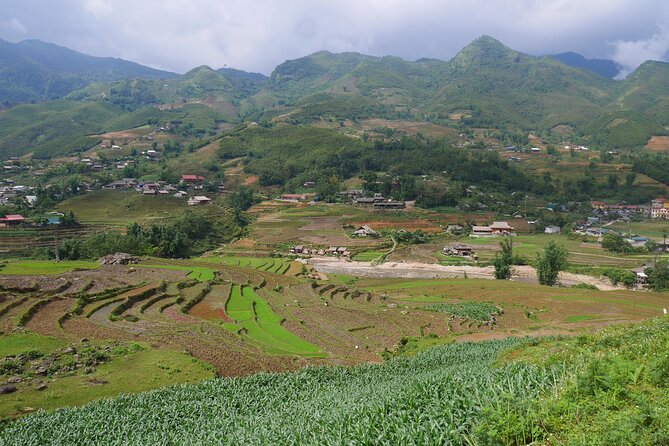
The first walking section takes you through villages where farming and household life share the same space. You should expect to see animals living close to people, a detail that helps explain how rural Hmong households function. This is not a polished cultural display arranged for visitors. It is a working mountain community.
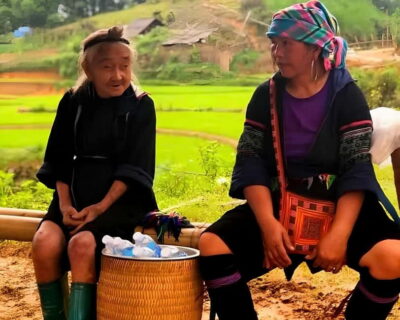
Your guide is important here. The supplied information identifies the guide as a local English-speaking Hmong person, and one detailed account names Li. If Li leads your trek, you can expect more than directions along the path. She is described as sharing stories about her childhood and explaining how local people, including herself, have lived in the past and present.
That kind of explanation is one of the strongest reasons to choose this trip. A rice terrace looks beautiful, but a guide who connects it to family work, food, livestock, and village routines gives it meaning. You can ask questions as you walk instead of trying to piece together local life from signs or a short stop.
The pace and exact route may change because this is a private trip and can be customized on request. That flexibility is helpful if your group has different walking speeds. It also means you should not expect a fixed timetable with a precise distance for every section.
Lunch is prepared by the guide. The information provided does not specify the exact dishes, so you should treat this as a local meal rather than planning around a particular menu. If you have dietary needs, raise them when arranging the trip.
Rice terraces, forest paths, and the climb to the buffalo house
After the village sections, the route continues through terraced rice paddies and forest. The climb takes you higher into the mountains, following the kind of route Hmong families use when checking on livestock.
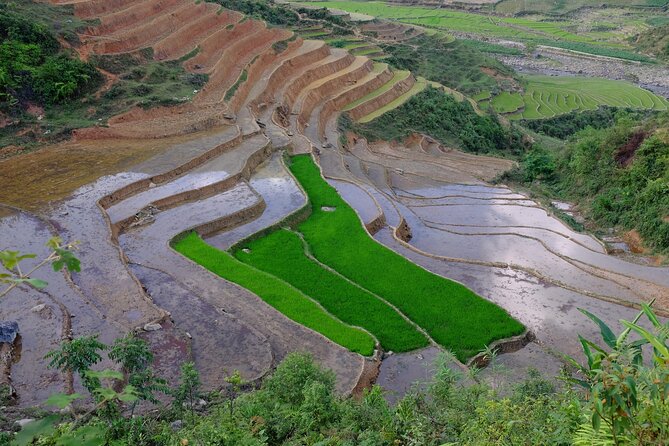
The terraces are a major part of the visual appeal, but the walk also has a practical side. Paths can be uneven, and the tour requires moderate physical fitness. You should be comfortable walking uphill and downhill for extended periods, even though no official distance or elevation gain is provided.
The forest section gives the trek a change of rhythm. Villages are social and open, while forest paths feel quieter and more removed from roads. This is where the route earns its off-the-main-path character, although you should not read that as a promise of complete solitude. The trek still connects inhabited places and farming areas.
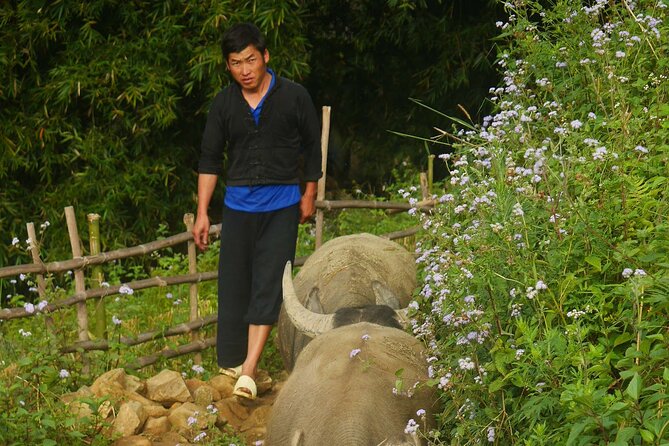
The day’s destination is the buffalo house where Zizi’s mother lives. This is the most distinctive feature of the trip. Instead of returning to a town hotel, you spend the night in a family setting linked to livestock care.
You should keep expectations realistic. This is an authentic family homestay, not a resort. The appeal is seeing how a household connected to farming operates and sharing the setting where local people live. Comfort may be simpler than what you are used to, but that is part of the reason to choose this route.
The experience is best for people who see a homestay as part of the travel lesson. If you need hotel-style privacy, polished facilities, or a carefully staged schedule, this may not be the right two days for you.
More Trekking Tours in Sapa
- Sa Pa: Muong Hoa Valley Trek and Local Ethnic Villages
★ 4.6 · 864 reviews - Sapa: Eco Adventure Terrace Fields and Local Villages Trek
★ 4.9 · 636 reviews - Number one top rated ethical cultural trekking and homestay by ETHOS
★ 5.0 · 456 reviews - From Sapa: 1-Day Guided Trek to Lao Chai & Ta Van with Lunch
★ 4.9 · 416 reviews
A sunrise departure and the walk downhill
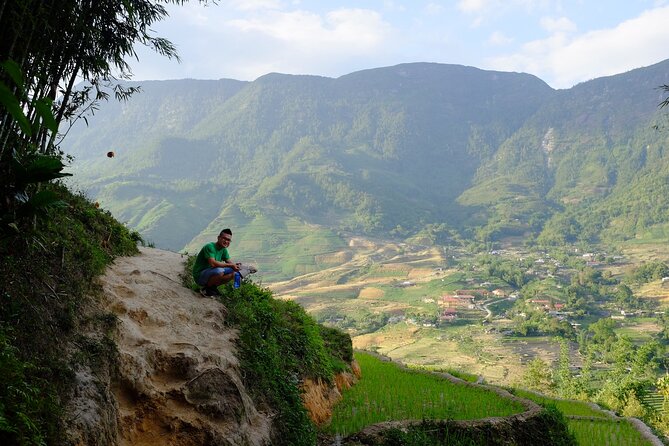
Day two begins slowly, with sunrise and breakfast before you say goodbye to the family. The morning start gives you a chance to see the mountain surroundings at a different hour, when farmers are already beginning work in the rice fields.
The route then heads downhill. Descending can feel easier than climbing, but it still puts pressure on knees and ankles, especially on uneven paths. Good walking shoes are sensible, and you should be ready for changing trail conditions because the trip requires good weather.
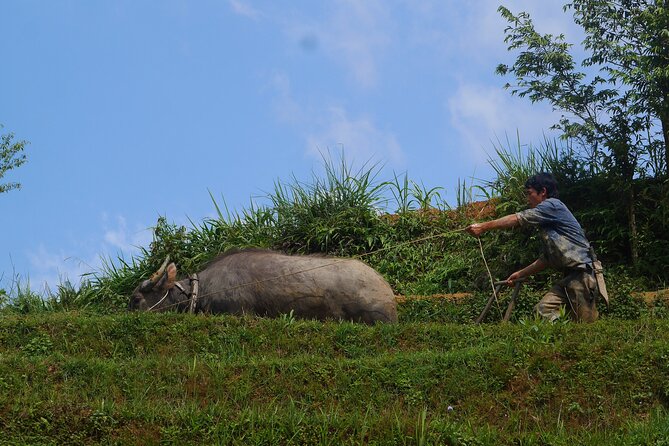
Watching farmers work early in the morning adds another useful layer to the experience. You are seeing the terraces as working fields, not only as a scenic backdrop. The guide can help connect what you see to local routines and the communities you passed through on day one.
The downhill route reaches a Red Dao village. This introduces a second ethnic community to the trek and gives you a point of comparison with Hmong village life. The provided details do not specify the full activities or length of the stop, so it is best to think of the village as a cultural section of the route rather than a scheduled performance.
That difference matters. The value comes from moving through several communities on foot and having a local guide explain what you see. You should not book this expecting a long list of formal attractions with fixed presentation times.
The waterfall finish
The second day also includes a waterfall. It gives the route a natural finish after the cultural and farming sections. The waterfall is one of the few named scenic stops, but the experience is not built around a single grand viewpoint.
Instead, the appeal comes from the mix: a family overnight stay, rice fields, village paths, forest, a Red Dao community, and water along the route. The variety helps keep the second day from feeling like a simple walk back to the starting point.
Details such as the waterfall’s size, swimming conditions, and exact visit time are not provided. Do not assume swimming is part of the tour. Bring only what you can carry comfortably, especially if the path remains uneven after rain.
What the guide adds to the experience
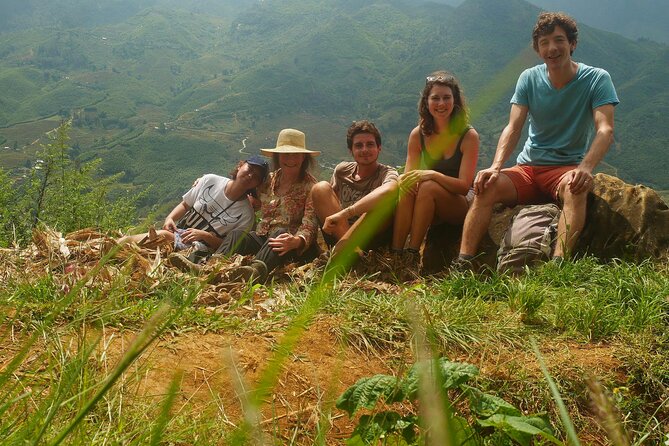
The strongest feature is the guide’s connection to the area. You are not simply being led from one point to another. The guide is described as a local English-speaking Hmong person, and Li is specifically associated with personal stories about growing up and the changes in local life.
That personal angle can make a major difference. You can learn how the guide’s own family lives, how older and newer ways of life compare, and why the route matters to the people who use it. These details are more useful than a string of dates or general facts about Sapa.
The guide also prepares lunch, helps you understand village life, and leads you through terrain that may not be marked for independent visitors. Since the tour is private, you have more room to ask questions and request a different pace.
Still, guide assignments can vary. Li is a named guide connected with the experience, but you should not assume she will lead every departure. If meeting Li is important to you, ask the provider before booking.
Is $110 a fair price?
At $110 per person, this is best judged as a two-day private cultural trek rather than a basic hiking ticket. You are paying for the guide, transport from the bus station to the homestay, the overnight family setting, meals mentioned in the itinerary, and the chance to follow a route built around local knowledge.
The price is easier to justify if you value personal guiding and a genuine homestay. It is less compelling if your main goal is a short walk to photograph rice terraces. Sapa has simpler day walks, but they do not offer the same overnight connection with Zizi’s family and buffalo house.
Group discounts may improve the value for several people traveling together. Since only your group participates, you are also paying for flexibility rather than a fixed large-group schedule.
The average booking lead time is about 85 days. That suggests you should reserve well ahead if your dates are fixed, especially during busy travel periods. Confirmation is provided at booking, and the experience can be canceled for a full refund up to 24 hours before the start time.
Who should book this trek?
I would choose this trip if you want to understand Sapa through local families, farming, and walking routes rather than through a quick scenic excursion. It suits hikers with moderate fitness who are comfortable with a simpler overnight stay.
It is particularly well matched to:
- Couples or friends wanting a private route
- Families with an appropriate level of walking fitness
- Visitors interested in Hmong and Red Dao communities
- People who value local storytelling
- Hikers who want two days away from a standard town itinerary
I would think twice if you dislike uneven mountain paths, need a high level of accommodation comfort, or want a precise schedule with published distances and times. The route can be customized, but that flexibility comes with fewer fixed details.
The trek is also weather dependent. If poor weather forces cancellation, you are offered another date or a full refund. For a trip built around forest paths, rice fields, and a family homestay, that is a sensible condition.
Should you book the 2D1N Buffalo trek?
Book it if the idea of walking into a Hmong family’s working world appeals to you. The buffalo house, personal guide stories, private format, and mix of Hmong and Red Dao villages give this trip a clear identity.
Skip it if you are looking only for easy viewpoints or hotel comfort. The $110 price is fair for a private two-day experience with meals, transport, guiding, and a homestay, but the real value lies in the human connection and the route itself. For an active visit to Sapa, this is a strong choice, provided you are ready for mountain walking and simple accommodation.
FAQ
How long is the Buffalo trek?
The experience lasts approximately two days and includes one overnight stay at a family Hmong house.
Where does the trek start?
The meeting point is Hmong Sister House and Trekking in Ta Van, Muong Hoa, Sa Pa, Lao Cai, Vietnam.
Where does the activity end?
The activity ends back at the meeting point.
Is pickup available?
Yes. A car picks you up from the bus station at around 7 a.m. and takes you to Zizi’s homestay.
Can I leave my luggage before trekking?
Yes. You can leave your luggage at Zizi’s homestay before starting the walk.
Is breakfast included at the start?
Yes. You can have a breakfast prepared by Zizi after arriving at the homestay. A hot shower is also available before the trek.
Is this a private tour?
Yes. Only your own group participates in the activity.
How fit do I need to be?
You should have a moderate level of physical fitness. The route includes mountain walking through villages, rice terraces, forest, and downhill sections.
What happens if the weather is poor?
The experience requires good weather. If it is canceled because of poor weather, you can choose another date or receive a full refund.
Latest treks added in Sapa
- Soob Sapa Trekking Tour★ 4.3 · 3 reviews
- Sapa: Y Linh Ho – Lao Chai, and Ta Van Trekking Day Tour★ 5.0 · 25 reviews
- Sapa Trekking Private Tour With Ethnic Female Tour Guide★ 4.9 · 24 reviews
- Sapa Trekking – Waterfalls And H’mong Villages★ 5.0 · 2 reviews
- Sapa: Ta Phin Village Trek with Lunch and Bathing Experience★ 4.7 · 13 reviews
- Sapa Trekking Guide Francophone 2 days – 1 night★ 5.0 · 2 reviews
- Sapa: Trekking Through Terraced Rice Fields & Valley 1 Day★ 4.8 · 4 reviews
- Sapa small groupe activities: 1 Day trek – Meet the locals★ 4.7 · 3 reviews
Sapa Trekking Tours, compared.
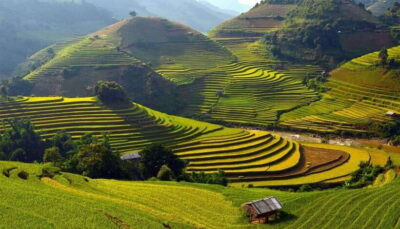
Muong Hoa Valley Trek and Local Ethnic Villages
Read our review →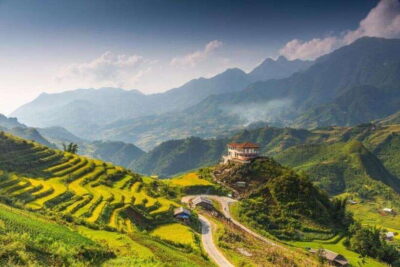
Eco Adventure Terrace Fields and Local Villages Trek
Read our review →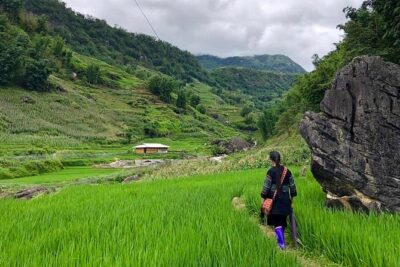
Number one top rated ethical cultural trekking and homestay by ETHOS
Read our review →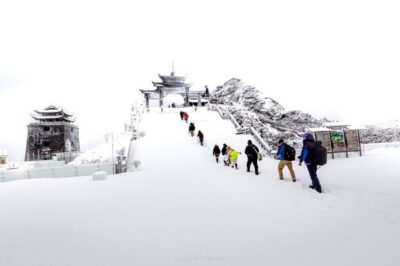
1-Day Guided Trek to Lao Chai & Ta Van with Lunch
Read our review →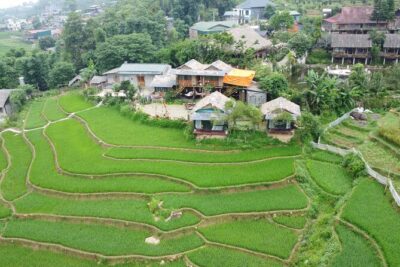
Sapa 1 Day Long Trek: Trek to Hau Thao and Sa Seng Villages
Read our review →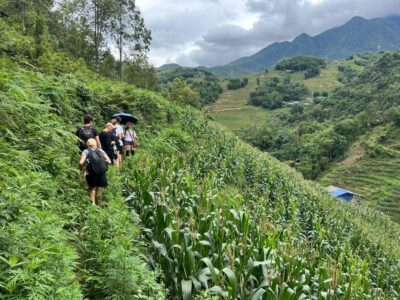
Explore Sapa by TrekkingAdventures, Mountain,Rice fields
Read our review →
EXPLORE SAPA: 2D1N TREKKING & HMONG CULTURE WITH DINH
Read our review →Browse the lists this tour appears in