
REVIEW · KATHMANDU
Mardi Himal Trek
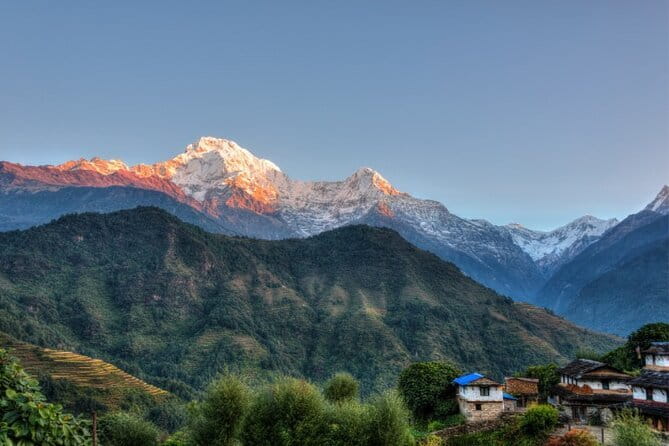
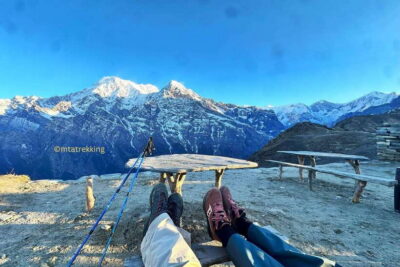
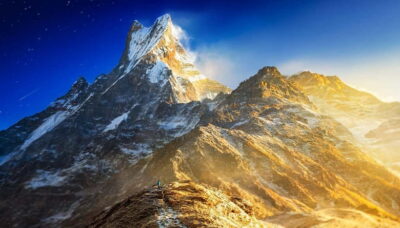
Mardi Himal’s best moment comes high on the ridge, where the trail points toward Mardi Base Camp at about 4,500 meters. Annapurna, Machhapuchhre, and Mardi Himal fill the horizon, while rhododendron woods color the lower route in spring. I like the clear progression from forest to open mountain views, and I like that a guide, porter, domestic flights, permits, and most meals are bundled into one trip.
I also like the human scale of this route. You spend nights in small mountain lodges, pass through Deurali and Lwangghale, and finish with time in Pokhara and Kathmandu. The main caution is altitude: this is marketed as suitable for newer hikers, but the long climb to base camp and the descent can still punish your knees, especially above 3,000 meters.
Key points to know before booking
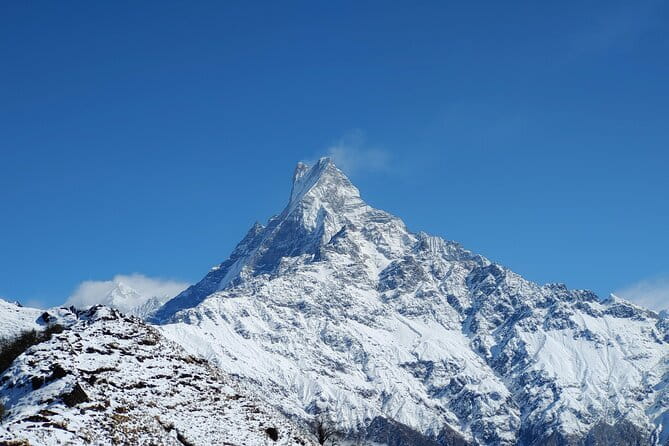
- Mardi Base Camp is the main prize: The high viewpoint brings close views of the Annapurna Massif, Machhapuchhre, and Mardi Himal.
- The route builds gradually: You move from Phedi and Deurali into Forest Camp, Low Camp, High Camp, and the base camp area.
- Altitude changes the pace: Treks are shortened above 3,000 meters to allow more time to adjust.
- Private departures offer flexibility: Only your own group takes part, with a guide and porter assigned to support the trek.
- The package covers a lot: Flights, permits, lodging, guide, porter, breakfast, lunch, dinner, and city transfers are included.
- Pack for cold nights: A down jacket and sleeping bag are available on request, but you still need warm clothing for the upper lodges.
Why Mardi Himal works for newer hikers
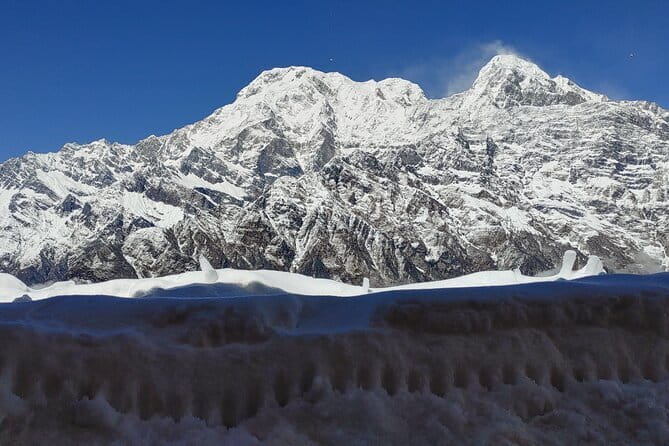
Mardi Himal is often chosen as a first Himalayan trek because the route is shorter and less demanding than some of Nepal’s famous high-altitude walks. That does not make it easy. You still climb steep sections, sleep above 3,000 meters, and reach roughly 4,500 meters on the base camp day.
What makes the route manageable is its rhythm. The first days move through villages and woodland before the trail reaches the higher ridge. Once you are above 3,000 meters, the schedule reduces the walking distance. That is sensible, since altitude matters more than speed here.
I would still describe the trek as moderate rather than gentle. You need a reasonable level of fitness and enough confidence for six to seven hours of walking on several days. The route includes uphill sections, uneven ground, and a long descent. One person specifically noted that the knees felt very tired on the final days, a useful warning for anyone who thinks a beginner route means a soft walk.
More Mardi Himal Treks in Kathmandu
- Mardi Himal Trek Nepal
★ 5.0 · 29 reviews - Mardi Himal Trek – 8 Days | Hidden Gem of the Annapurnas
★ 5.0 · 19 reviews - Mardi Himal Base Camp Trek -9 Days
★ 5.0 · 18 reviews
Day 1: Kathmandu and a simple start in Thamel
You arrive in Kathmandu, collect your entry authorization at the airport, and meet a company representative or tour leader. A private vehicle takes you to Thamel, the city’s main tourist district, where you check into a three-star hotel.
The first day is short, with about 30 minutes of scheduled activity. That is welcome after an international flight. Use the time to sort your daypack, check your footwear, and ask about the next morning’s flight. The package includes accommodation and breakfast in Kathmandu, but other meals in the capital are your own responsibility.
Day 2: Flight to Pokhara and the trail from Kande
The group takes an early domestic flight from Kathmandu to Pokhara, then drives to Kande. From there, you begin walking toward Deurali. The first part of the trail is described as relatively easy, with the effort building gradually rather than hitting you all at once.
This is a good introduction to the trek. You are walking through villages and wooded areas instead of starting with a severe climb. The day lasts about five hours, so you get a proper first taste of the route while still having time to settle into the pace.
Pokhara is not just a transport stop. It becomes your base again later, and its lakeside setting gives you a pleasant contrast to the high trail. The cost includes the Kathmandu to Pokhara and return flights for both you and the guide, as well as private ground transfers.
Day 3: Deurali to Forest Camp through woodland
After a mountain meal in Deurali, you continue toward Forest Camp. This is about a six-hour walking day. The path begins fairly level, then works its way through woodland, including rhododendron trees.
Spring is the best time to appreciate the lower forest, when the rhododendrons add strong color to the route. Even outside spring, the trees provide shade and a welcome change from exposed high ground. Forest Camp marks a clear shift in the trip, since you are now sleeping farther from roads and closer to the mountain ridge.
The lodges are described as the best available rather than as a fixed hotel standard. That matters. Mountain accommodation can be basic, and twin sharing is the normal arrangement. Take the sleeping bag offered by the company if you need it, and remember that hot showers, WiFi, drinks, and personal extras cost more.
Another trail to compare in Kathmandu:
- Everest Base Camp Trek – 14 Days
★ 5.0 · 1,499 reviews - Everest Base Camp Trek
★ 5.0 · 842 reviews - Everest Base Camp Trekking
★ 5.0 · 485 reviews - Annapurna Circuit Trek with Tilicho Lake
★ 5.0 · 368 reviews
Day 4: Low Camp and the first big mountain views
The trail continues through mixed woodland toward Low Camp. The walking time is about five hours, with lunch planned at Low Camp. Since you are now above 3,000 meters, the distance is reduced to help your body adjust.
This is where the views begin to open. The forest gradually gives way to a more exposed ridge, and the mountains become the main subject rather than a distant backdrop. You may find the cold more noticeable here, particularly in the morning and after sunset.
Drink plenty of water and keep your pace steady. The trip instructions place real importance on hydration, and that is good advice. Altitude sickness can affect fit people too, so tell the guide promptly if you develop a headache, nausea, unusual fatigue, or trouble breathing.
Day 5: High Camp and a slower day above 3,000 meters
Day five continues upward, with about five hours of walking and another shorter schedule for acclimatization. The exact stop is described as High Camp in the wider route plan, making this one of the most important nights of the trek.
High Camp puts you close to the next day’s goal, but it also means cold conditions and thinner air. Bring layers you can put on quickly, along with gloves, a hat, and warm socks. The company can provide a down jacket and sleeping bag on request, but you should confirm this before departure and still pack suitable personal clothing.
The mountain lodges sell food and snacks, so you do not need to carry every meal from the city. One useful tip from the trip is to bring a few favorite high-energy snacks, while relying on the lodges for most meals. Pizza at High Camp has even become a memorable choice for some people.
Day 6: The climb to Mardi Base Camp
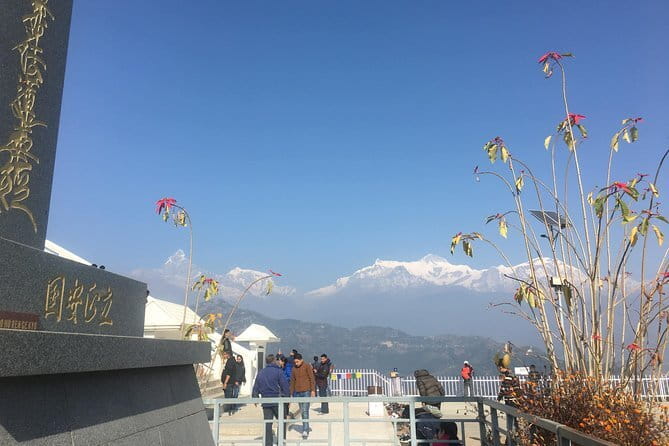
This is the trek’s big day. After breakfast, you walk toward Mardi Himal Base Camp, with roughly seven hours of hiking planned. The route includes a viewpoint with wide views of the Annapurna Massif, Machhapuchhre, and Mardi Himal.
This section is the main reason to choose the route. The trail reaches open ground, and the surrounding peaks feel much closer than they did in the forest. The high point comes with a real sense of achievement, but do not rush it. A slow pace gives you a better chance of enjoying the view and coping with the altitude.
Weather can change quickly in the mountains. Clouds may cover the peaks, and the conditions may force the guide to adjust the route or timing. That is one reason the guide and porter are valuable. The trip is private, so your walking pace can be managed for your group rather than for a large crowd.
Day 7: Descending through rhododendron and pine to Sidding
After breakfast at altitude, you descend toward Sidding, with about six hours on foot. The first part passes through rhododendron and pine trees before the route reaches lower ground.
Do not underestimate this day. Downhill walking can be harder on the knees than climbing, especially after the base camp push. Trekking poles, careful foot placement, and a measured pace will help. The guide can also adjust the route if weather or trail conditions require it.
Sidding brings a change in mood. The air becomes easier to breathe, the trees return, and the pressure of the high ridge begins to fade. Your porter continues to carry the main load, but keep your own daypack light and make sure your water is easy to reach.
Day 8: Lwangghale and village life
The walk to Lwangghale takes about six hours and is often the most relaxed part of the route. Much of the trail is relatively flat, which gives your legs a break after the descent.
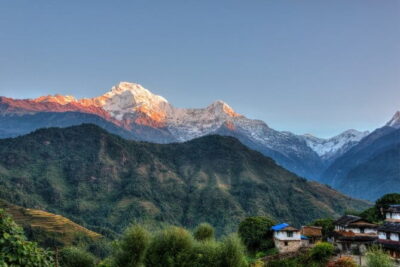
Lwangghale is known for its traditional houses and village setting. This is a chance to pay attention to ordinary mountain life rather than focusing only on peaks and altitude. The route feels more personal here, with older buildings, local paths, and a slower pace.
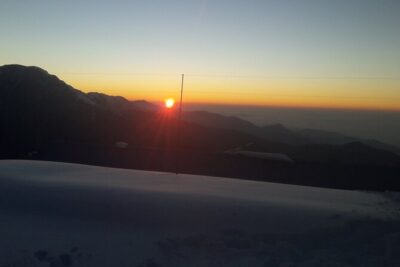
The trip also includes time in a tea garden area near Lwangghale. An early morning walk lets you see the sunrise over the village and surrounding hills before returning for breakfast. That short outing adds something beyond the main trek, especially if you enjoy photography.
Day 9: Back to Pokhara
You leave Lwangghale after the early morning tea garden walk, then continue toward Pokhara. The day includes about five hours of walking before transport completes the journey.
Returning to Pokhara gives you a comfortable reset after the mountain lodges. Breakfast at a lakeside restaurant is included during the Pokhara stay, while other meals are generally your responsibility unless specifically listed. The city is a good place to rest, wash clothes, and review photographs before the final sightseeing day.
The return flight to Kathmandu is included in the package, but the schedule can be affected by weather. Keep important items in your hand luggage and avoid planning an international connection immediately after the domestic flight.
Day 10: Pokhara sights after the trek
The Pokhara sightseeing day lasts about five hours. The listed stops include Davis Waterfall and Gupteswor Mahadev Cave, along with other city attractions offered by the guide.
This day is useful because it gives you a look at Nepal beyond the trekking route. You can enjoy Pokhara at a gentler pace, though your legs may still prefer a slow morning. Since private ground transfers are included, the day is easier than arranging each attraction yourself.
The package does not include all meals in Pokhara. Budget for food, drinks, WiFi, hot showers, and personal purchases. Those costs are small compared with the trek itself, but they can add up if you assume everything outside the listed inclusions is covered.
Day 11: Kathmandu heritage sights and the finish
You fly back to Kathmandu and spend about five hours seeing the city with a town guide. The day focuses on popular cultural and heritage sites, though the exact stops are not specified.
This final day gives the trip a useful sense of place. Kathmandu is more than the airport at either end of the trek, and a guided city visit helps connect the mountain journey with Nepal’s wider culture. The activity ends back at the Mission Himalaya Treks and Expeditions meeting point in Thamel.
What the $1,058 price really covers
At $1,058 per person, the price has good value if you use the full package. It includes domestic flights, airport and city transfers, Kathmandu and Pokhara hotels with breakfast, mountain lodges, permits, a licensed trekking guide, porter support, and the listed meals on the trek.
The guide’s meals, accommodation, salary, and insurance are also covered. The same applies to the porter. That is important, since arranging these services separately can be confusing, and fair support for mountain staff should be part of your budget.
You still need to pay for international flights, a Nepal visa, travel and rescue insurance, meals not listed, drinks, WiFi, hot showers, tips, and personal expenses. Insurance is especially important because this is a high-altitude trek. The price also does not refund costs if you choose to leave the trek early.
This is a private activity, so only your group participates. That gives you more control over pacing and rest stops than a large fixed group. Guide names connected with departures include Birendra, Bikas, and Dawa. Ask who is assigned to your trek, since the personal connection with the guide can make a real difference on a demanding day.
Who should book this trek
I would recommend Mardi Himal to you if you want a first Himalayan trek with strong mountain views, village stays, and a clear support system. It suits hikers who can manage six to seven hours of walking and who are willing to take altitude seriously.
It is less suitable if you want a soft holiday with guaranteed comfort. The lodges are basic, the upper nights are cold, and the base camp day is demanding. It is also not ideal if you dislike early starts, changing weather, or sharing rooms.
The 24-hour cancellation rule is straightforward: cancel at least 24 hours before the start time for a full refund. Changes or cancellations inside that window are not accepted for a refund.
Should you book the Mardi Himal Trek?
Book it if you want a well-supported route that reaches a serious Himalayan viewpoint without committing to a much longer expedition. The combination of forest, villages, open ridge views, Pokhara, and Kathmandu gives you plenty for 11 days.
Before paying, confirm the guide, the availability of the down jacket and sleeping bag, the exact lodge plan, and the flight schedule. Pack warm clothing, water gear, comfortable walking shoes, and knee support if you need it. If those conditions suit you, Mardi Himal offers a strong first step into Nepal’s high mountains.
FAQ
How long does the Mardi Himal Trek take?
The full experience lasts approximately 11 days, including time in Kathmandu and Pokhara, domestic flights, the trek, and sightseeing.
What is the highest point on the trek?
The route reaches Mardi Himal Base Camp at about 4,500 meters.
Is this trek suitable for beginners?
It is described as suitable for novice hikers, but you still need moderate physical fitness. Several days involve five to seven hours of walking, and altitude makes the upper sections harder.
Are Kathmandu and Pokhara hotels included?
Yes. Three-star category hotels in Kathmandu and Pokhara are included, with breakfast.
Are domestic flights included?
Yes. The Kathmandu to Pokhara and Pokhara to Kathmandu flights are included for you and the guide.
Are permits included?
Yes. The required ACAP and TIMS permits are included.
Is a guide and porter included?
Yes. A government-licensed trekking guide and an experienced porter are included, along with their meals, accommodation, salary, and insurance.
What meals are included?
The package includes 10 breakfasts, 8 lunches, and 8 dinners. Meals in Kathmandu and Pokhara are not included unless specifically listed.
Can I cancel for a full refund?
Yes, if you cancel at least 24 hours before the experience start time. Cancellations or changes made less than 24 hours before the start are not refunded.
Latest treks added in Kathmandu
- Private Manaslu Circuit Trek at Himalayas★ 5.0 · 3 reviews
- Ghorepani Poonhill Trek★ 5.0 · 5 reviews
- Ghorepani Poon Hill Trek★ 5.0 · 16 reviews
- Upper Mustang Trekking★ 3.0 · 2 reviews
- Amazing 1 Day Trekking Experience in Kathmandu Nepal★ 5.0 · 24 reviews
- Upper Mustang Trekking★ 5.0 · 2 reviews
- Upper Mustang Trek★ 5.0 · 5 reviews
- Upper Mustang Trekking★ 5.0 · 4 reviews
Mardi Himal Treks, compared.
Mardi Himal Trek – 8 Days | Hidden Gem of the Annapurnas
Read our review →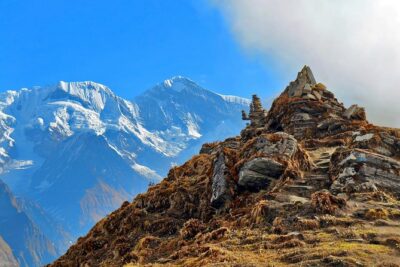
Browse the lists this tour appears in