
REVIEW · NEPAL
Pokhara: 4-Day Mardi Himal Trek
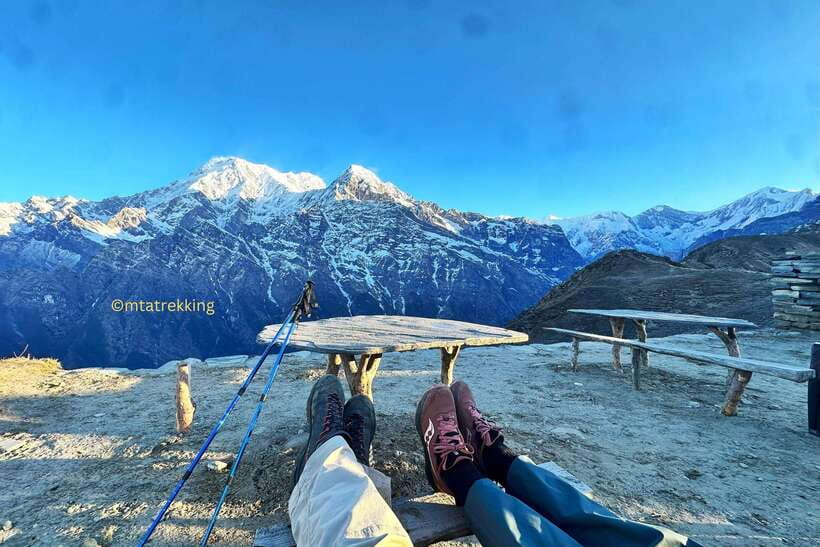
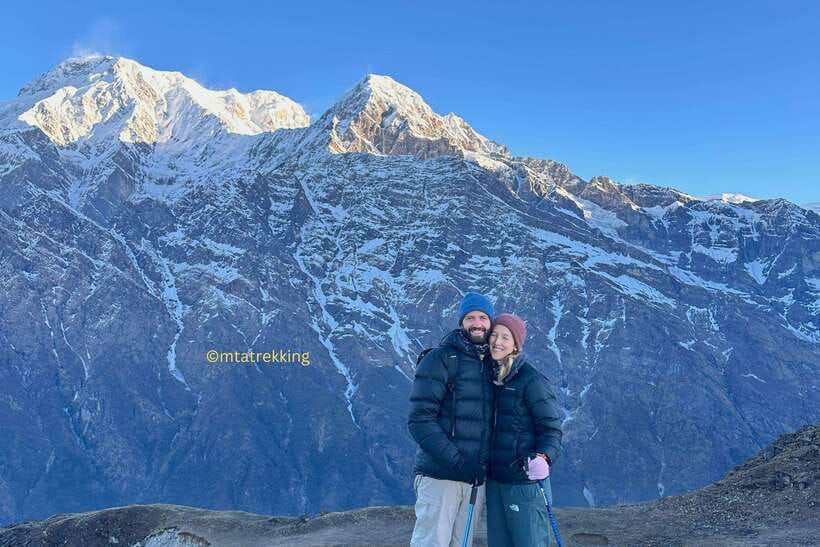
Mardi Himal gives you a compact Himalayan trek with a big payoff: a sunrise at roughly 4,200 to 4,300 meters, looking toward Machhapuchhre, Mardi Himal, and the Annapurna range. The route begins near Pokhara and climbs through farms, forest, and small mountain settlements before reaching high camp.
I like the mix of quiet rhododendron forest and open alpine views, and I like the careful local guiding. Guides such as Kaji, Ramit, Lalit, Prabit, and Shishir have been especially attentive to pace, food, and altitude symptoms. The main catch is that four days makes this a demanding schedule, with long stair climbs and little spare time if weather or tired legs slow you down.
Key points at a glance
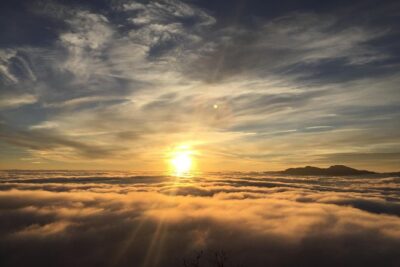
- Sunrise above the clouds: Rise around 4:00 am for the climb to the Mardi Himal Viewpoint, where Fishtail and Annapurna South catch the first light.
- A fast route to high altitude: You reach roughly 4,200 meters in only three days, so fitness and sensible pacing matter.
- Forests before mountain views: The trail passes through thick rhododendron woods, terraced fields, waterfalls, bridges, and traditional villages.
- Private guiding: English and Hindi-speaking guides lead private groups, with pickup and drop-off in Pokhara included.
- Simple mountain lodging: Tea houses are welcoming but basic, especially at high camp, where showers, network, and toilet paper may be limited.
- Good value with an important catch: The $139 starting price covers permits, guide, transport, lodging, and gear, but meals depend on the package and a porter costs extra.
Why Mardi Himal works so well from Pokhara
Pokhara is an easy place to begin a short Himalayan trek. You leave the lakeside area in the morning, ride toward Kande, and trade city traffic for terraced hills, forest, the Seti River, and widening mountain views.
Mardi Himal is a strong choice if you want a serious mountain experience without committing to a week or more on the trail. You get changing scenery every day, local tea houses, and a high viewpoint with a clear visual goal. It is not a technical climb, but that does not mean it is effortless.
The trail is known for endless steps. Several people who enjoyed the trek still described the four-day version as hard, particularly on the long climb toward high camp. I would call it moderate in terms of mountaineering skill, but demanding in terms of stamina. You need to be comfortable walking uphill for several hours on consecutive days.
The route also gives you contact with Gurung and Magar communities. Your guide may introduce you to local families, farmers, or tea house owners, and the experience feels more connected when you slow down for ginger, lemon, honey tea, fresh food, or a short conversation.
More Mardi Himal Treks in Pokhara
- Private Mardi Himal Trek
★ 5.0 · 42 reviews - From Pokhara: 4-Day Mardi Himal Base Camp Trek
★ 4.9 · 31 reviews - Mardi Himal Trek
★ 5.0 · 30 reviews
Day 1: Kande to Forest Camp through thick forest
Pickup is available from several Pokhara areas, including Baidam, Lakeside, Lakeside Road, Pame, and central Pokhara. The drive to Kande takes about an hour and a half. It is part of the experience rather than dead time, since the road opens onto fields, woodland, the Seti River, and distant peaks.
From Kande, you hike for about five hours to Forest Camp, also shown in some route details as the area around Rhythm Hotel. This first walking day takes you into the forest and gives your legs time to adjust before the higher sections.
The forest is one of the route’s best features. You might see birds, butterflies, and, with luck, Himalayan thar. In spring, rhododendron country adds color, while mist can move through the trees and change the mood of the trail within minutes.
The overnight stay is in a tea house or standard trekking accommodation. Rooms are simple, and the exact comfort level can vary. A sleeping bag is useful, and the company provides trekking gear such as sleeping bags and poles. If you are carrying more than you want on the trail, luggage storage in Pokhara is available.
I would start walking promptly rather than treating this as a lazy first day. One useful tip from the route experience is to avoid beginning long climbs in the strongest midday heat. The first day is not the highest, but it sets the rhythm for everything that follows.
Day 2: Forest Camp to high camp
After breakfast, the trail climbs for roughly five hours toward Mardi Himal High Camp. The published altitude figures vary, placing high camp around 3,550 to 4,000 meters, so you should expect a major gain rather than focus too closely on one number.
This is where the trek begins to feel properly alpine. The trees thin, the air cools, and the views toward Machhapuchhre and the Annapurna range become more open. The forest remains part of the day, but you increasingly walk with huge peaks ahead of you.
The guide’s role matters here. A good guide will set a manageable pace, suggest regular rest stops, and watch for headaches, nausea, unusual tiredness, or other signs of altitude sickness. Lalit was praised for adjusting the day around comfort, while guides such as Ramit, Kaji, Prabit, and Santosh were repeatedly described as attentive to food, water, and wellbeing.
At high camp, facilities are basic. You might find limited hot water, weak or absent network service, and no easy access to small comforts such as toilet paper. That is normal for this part of the route, but it is worth knowing before you leave Pokhara.
Food is served at tea houses, with dal bhat, vegetables, noodles, rice, and hot drinks among the common trekking choices. The practical advice is simple: eat fresh, warm food and avoid junk or frozen items at high altitude. Carry cash for extra drinks, snacks, and personal costs.
Day 3: The sunrise climb to Mardi Himal Viewpoint
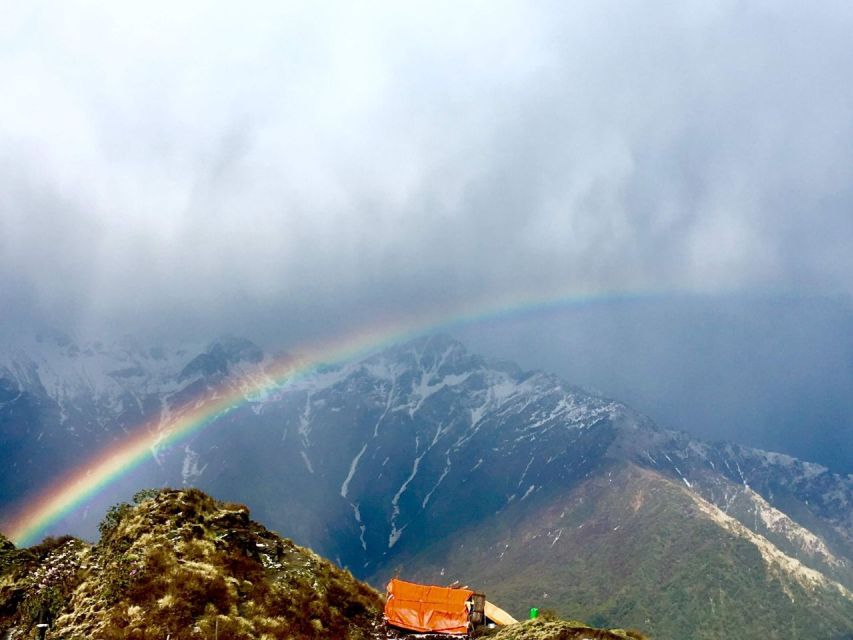
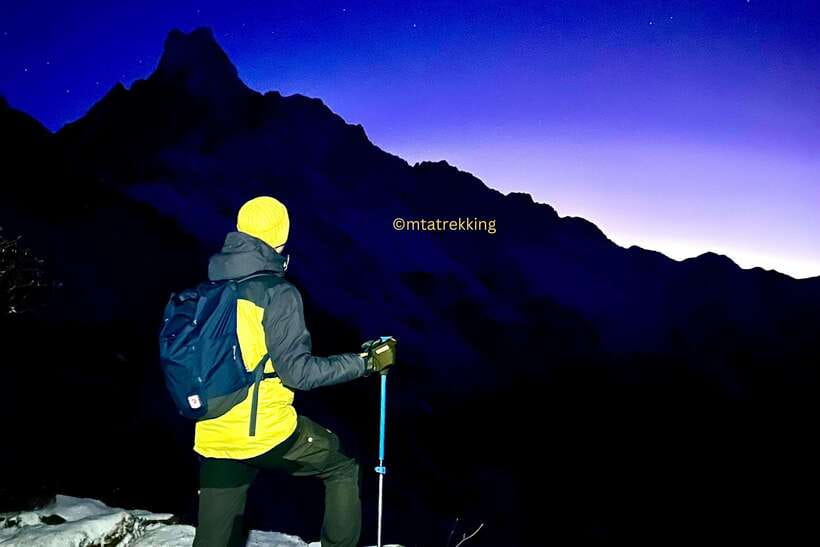
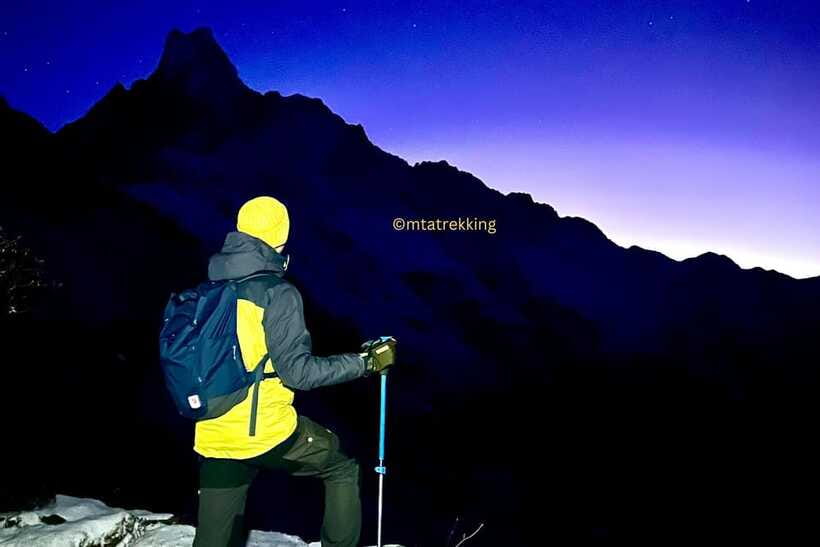
The main event begins before dawn. You normally wake around 4:00 am and climb for about one and a half to two hours from high camp to the sunrise viewpoint.
The viewpoint is described at approximately 4,200 to 4,300 meters. At this height, the cold and thin air are real factors, even for fit hikers. Bring warm layers, a hat, gloves if you have them, sunglasses, sunscreen, and a flashlight or headlamp for the early start.
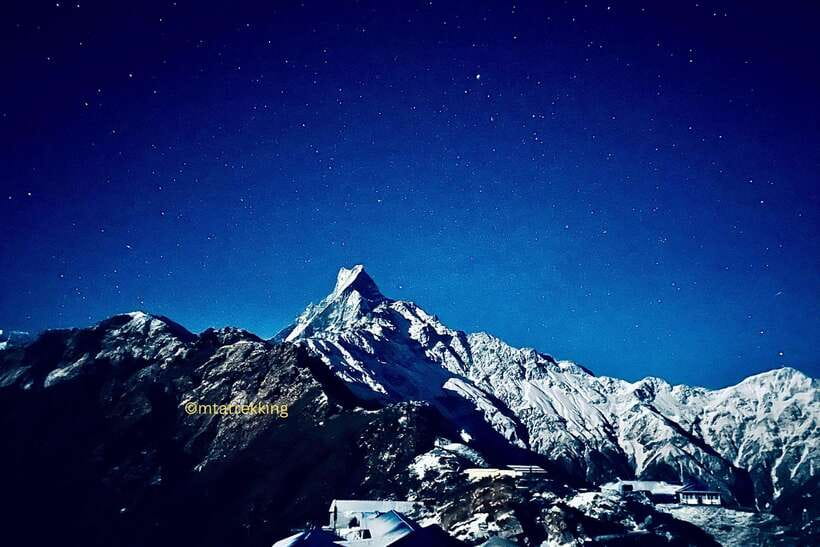
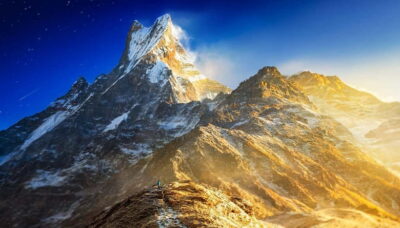
The reward is a broad view of Machhapuchhre, also called Fishtail, along with Annapurna South, Mardi Himal, and surrounding peaks. Fishtail is the visual star of the route, a sharply shaped mountain that remains in view through much of the upper trail. Sunrise is the moment when the long staircase and early alarm make sense.
If weather and snow conditions allow, you may continue toward Mardi Himal Base Camp, around 4,500 meters. This extra section is not guaranteed. In January and February, heavy snow can make it difficult, and crampons may be needed. Beyond the viewpoint, the path can become steep, slippery, and lacking in safety infrastructure during winter and monsoon conditions.
Your guide may recommend stopping at the viewpoint, and that is the right call when clouds, snow, or poor footing make the extension unsafe. Reaching the viewpoint is already the central achievement of this four-day trip.
After the sunrise, you return for breakfast and begin descending toward Forest Camp or the lower overnight area. The return walk is not simply a retreat from the summit. Machhapuchhre and the Annapurna range continue to frame the route, often looking different as the light changes.
Some route descriptions place the overnight stop at Low Camp after the high camp and viewpoint section, while the day-by-day plan also refers to Forest Camp. Confirm the exact overnight arrangement when booking, since the practical schedule can shift with weather, pace, and tea house availability.
Another trail to compare in Pokhara:
- Poon hill Trek 3 days
★ 5.0 · 176 reviews - Trekking in Annapurna/Langtang/Everest/Upper Mustang regions
★ 5.0 · 161 reviews - Pokhara: 4-Day Ghorepani, Poonhill & Ghandruk Mountain Trek
★ 5.0 · 132 reviews - Ghorepani – Poon Hill Trek 3N-4D
★ 5.0 · 125 reviews
Day 4: Forest trails, Kalimati, and the ride to Pokhara
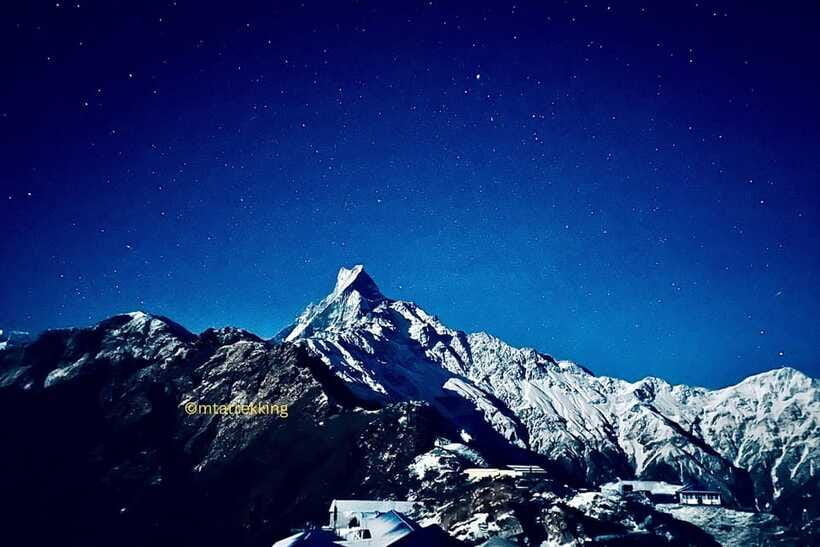
The final walking section heads down through forest toward Kalimati, around 1,650 to 1,800 meters depending on the stated stop. You pass small waterfalls, bridges, birdsong, and thick green woodland before reaching the road.
This is a gentler visual finish after the stark upper mountain. Fishtail may remain visible as you descend, and the trail gives you one last taste of the villages and forest that made the first two days so pleasant.
From Kalimati or the lower trailhead, a jeep or SUV takes about one and a half to two hours back to Pokhara. The route details also mention Lumle, so the exact boarding point can depend on the day’s walking plan and road conditions.
Drop-off is available in Pokhara, Baidam, or Lakeside. That matters if you have a hotel booking, onward transport, or simply want to reach a hot shower without arranging another taxi.
The guides make the four-day pace manageable
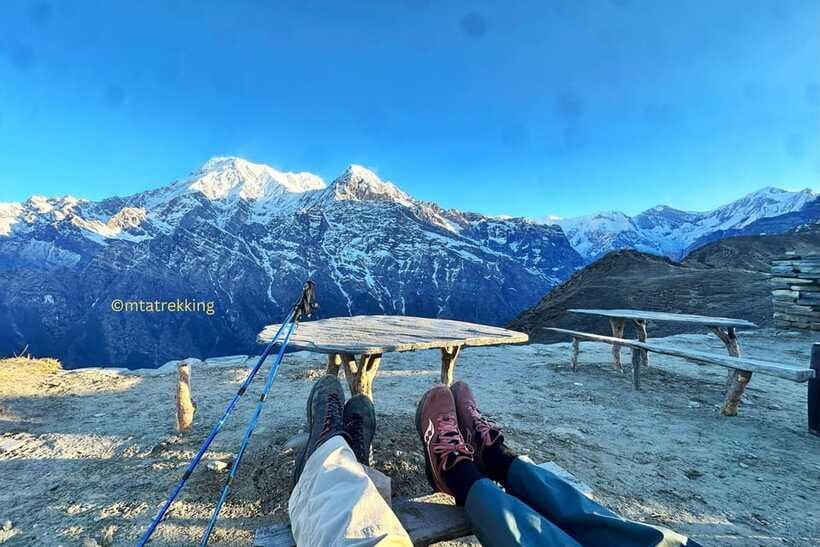
This is a private group experience, with English and Hindi-speaking guides. The strong point is personal attention rather than a fixed, impersonal march.
Guides named Kaji, Ramit, Lalit, Prabit, Shishir, Santosh, Binod, Jeevan, Jiban, Gobinda, and others have led this route. The most useful qualities to look for are not dramatic storytelling or speed. You want someone who checks your breathing, adjusts the pace, chooses sensible food, and knows when not to push for base camp.
Kaji was especially noted for practical food advice and steady care. Ramit was praised for arranging local contact and taking photographs along the route. Lalit was careful with rest points and helped when altitude symptoms appeared. Prabit handled transportation, lodging, meals, and daily details in a calm way.
You should still speak up. Tell your guide if you have a headache, feel sick, cannot eat, or are struggling to keep pace. No mountain view is worth pretending you are fine.
Tea houses, food, and what the price really covers
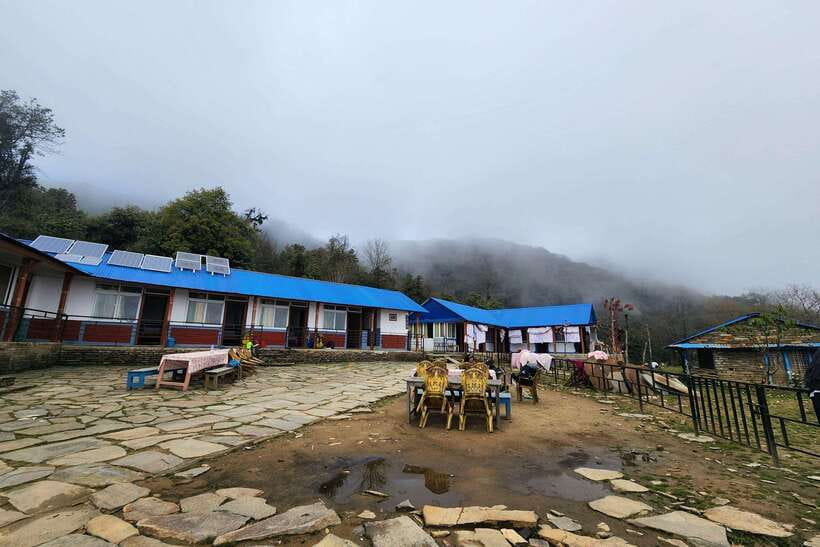
The advertised price is $139 per person. For a private four-day trek in Nepal, that is attractive value because the package includes Pokhara pickup and drop-off, a licensed guide, permits, TIMS fees, government taxes, transport during the trek, tea house accommodation, staff costs, and trekking gear such as poles and a sleeping bag.
The price needs careful reading. Meals are included only with the Full Package. The Standard Package does not include breakfast, lunch, or dinner. Accommodation is included, but solo visitors may need to share a room during peak periods because rooms are limited.
A porter costs $20 per day. Soft drinks, alcoholic drinks, laundry, phone calls, boiled water, toiletries, and personal purchases are extra. Travel and rescue insurance are also not included.
That makes the trip good value if you choose the right package and budget for mountain extras. Bring enough Nepalese cash for food if you take the Standard Package, drinks, tips, snacks, and any porter service.
Best seasons, weather, and altitude safety
March through May and September through November are the strongest periods for stable weather and clear mountain views. The route can still be enjoyable outside those months, but clouds, rain, leeches, mosquitoes, and poor visibility become more likely.
The monsoon months can hide the peaks for much of the day. One careful choice is to continue only as far as conditions allow. If the viewpoint is cloudy or the path beyond it is slick, base camp may not be worth the risk.
Winter brings a different problem. Snow can make the upper route difficult, especially in January and February. The section from the viewpoint toward base camp may require crampons and extra caution.
The altitude gain is fast. You reach roughly 4,200 meters in three days, and base camp is around 4,500 meters. This is why the trek may be marketed as suitable for beginners but still demands good fitness and sensible preparation.
The experience is not suitable for pregnant women, people with altitude sickness, or people over 70. Travel and rescue insurance is essential, even though it is not part of the package.
Who should book this Mardi Himal trek?
I would recommend it to you if you have four days, want major mountain views, and are ready for long uphill walks. It suits hikers who prefer a private guide, simple tea houses, and a clear goal rather than a relaxed village stroll.
It is also a good first Himalayan trek if you train beforehand and accept that beginner-friendly does not mean easy. Stair practice, regular walking, and some uphill conditioning will help more than fancy equipment.
I would hesitate if you dislike basic lodging, need reliable showers and phone service, or want guaranteed access to base camp. I would also choose a longer itinerary if you prefer shorter walking days. The four-day schedule is efficient, but it leaves less room for bad weather, slow acclimatization, or a tired group.
Free cancellation is available up to 24 hours before departure, and you can reserve first and pay later. Those terms are useful when mountain weather is uncertain, but they do not replace insurance or a realistic fitness plan.
Should you book it?
Book this trek if the idea of watching sunrise over Fishtail from above 4,000 meters excites you more than the thought of a basic room and a pre-dawn climb bothers you. The combination of forest, village life, high mountain views, and attentive local guides gives you a lot in four days.
Before paying, confirm three things: which package includes meals, where each night’s accommodation will be, and how the guide will handle the base camp option. Bring warm clothing, sun protection, a flashlight, cash, and patience for stairs. If you do that, this is a strong short trek from Pokhara with excellent value and a memorable mountain finish.
FAQ
How long is the Mardi Himal Trek from Pokhara?
The activity lasts four days. The walking days include about five hours from Kande to Forest Camp, about five hours from Forest Camp to high camp, an early climb of about one and a half to two hours to the sunrise viewpoint, and a final descent before the jeep ride to Pokhara.
What altitude does the trek reach?
The Mardi Himal Viewpoint is approximately 4,200 to 4,300 meters. Mardi Himal Base Camp is around 4,500 meters. High camp is listed at different points as roughly 3,550 to 4,000 meters.
Is Mardi Himal suitable for beginners?
It can suit beginners who have good fitness and prepare for long uphill sections. The trek is not technical, but it includes many steps and a rapid gain in altitude.
Are meals included in the $139 price?
Meals are included only with the Full Package. The Standard Package does not include meals, so you should confirm your package and carry money for food and drinks.
Is a porter included?
No. Porter service costs $20 per day. Guide services, staff expenses, trekking gear, and transport are included.
Can I reach Mardi Himal Base Camp?
You may continue to base camp if weather and snow conditions are safe. The section is optional and can be challenging in winter or monsoon conditions. Your guide may recommend stopping at the viewpoint.
What should I bring?
Bring warm clothing, sunglasses, a sun hat, sunscreen, and a flashlight. A sleeping bag and trekking poles are provided, and carrying extra personal first-aid supplies may be useful.
More four-day treks in Pokhara
- 4-Day Private Poon Hill Trekking Tour
★ 5.0 · 58 reviews - Pokhara: 4-Day Private Trek Tour
★ 4.9 · 43 reviews - Pokhara: 4-Day Beautiful Ghorepani Poon Hill & Ghandruk Trek
★ 4.8 · 21 reviews - Pokhara: 4-Day Poon Hill and Ghandruk Guided Trek
★ 5.0 · 14 reviews
Latest treks added in Pokhara
- Pokhara: Majestic Mardi Base Camp Guided Trek with HotSpring★ 5.0 · 6 reviews
- Pokhara: 9-Day Annapurna Base Camp Trek with Poon Hill★ 5.0 · 6 reviews
- Pokhara: 5-Day Ghorepani and Poon Hill Private Trek★ 5.0 · 4 reviews
- Pokhara: 5-Day Trek to Annapurna Base Camp and Hot Springs★ 5.0 · 4 reviews
- Pokhara: 7-Day Annapurna Base Camp Trek & Hot Spring★ 4.0 · 3 reviews
- Pokhara:4-Day Ghorepani Poon Hill Guided Trek via Ghandruk★ 5.0 · 3 reviews
- Pokhara: 4-Day Poon Hill and Ghandruk Guided Trek★ 5.0 · 14 reviews
- Pokhara: 4-Day Beautiful Ghorepani Poon Hill & Ghandruk Trek★ 4.8 · 21 reviews
Mardi Himal Treks, compared.
Mardi Himal Trek – 8 Days | Hidden Gem of the Annapurnas
Read our review →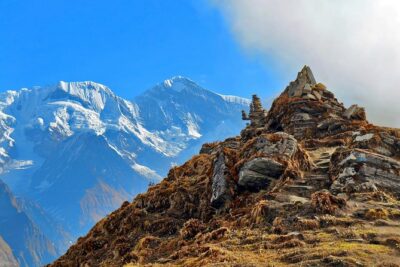
Browse the lists this tour appears in