
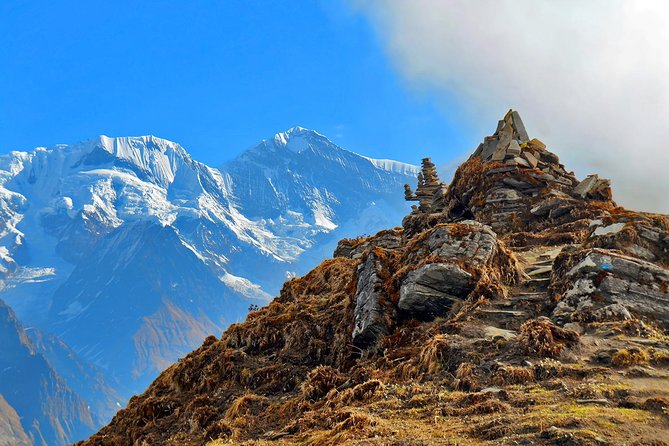
REVIEW · KATHMANDU
Mardi Himal Base Camp Trek -9 Days
Mardi Himal is a short Himalayan trek with a big payoff. In nine days, you move from Kathmandu and Pokhara into rhododendron forest, alpine meadows, and a high viewpoint facing Machhapuchhre, or Fishtail Mountain. The route reaches about 4,450 meters at Mardi Himal Base Camp, so this is not a casual walk, but it is a manageable first Himalayan trek for anyone with moderate fitness.
I like two things here: the quick change from forest to high mountain scenery, and the chance to spend time in Gurung villages rather than simply walking between major resort towns. I also like the practical package, which includes permits, meals, tea-house stays, transport, a guide, and one porter for every two clients. The main caution is the altitude and the steep climb to High Camp and Base Camp. Calling the trek easy can leave you underprepared.
Key points to know before you book
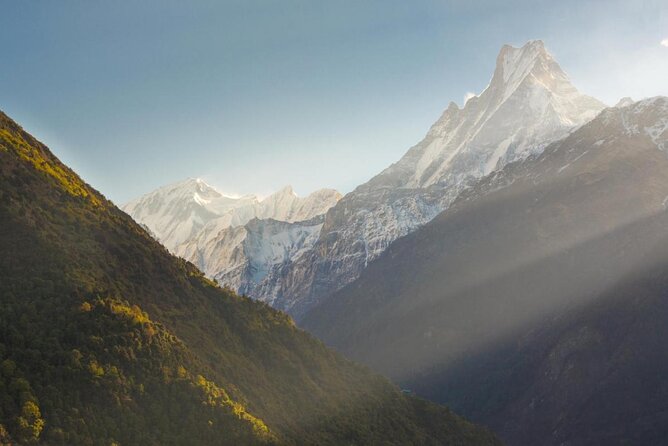
- Mardi Himal Base Camp reaches about 4,450 meters, with views toward Annapurna South, Annapurna I, Hiunchuli, and Machhapuchhre.
- The forest section is a major part of the appeal, especially when rhododendrons are flowering.
- Pokhara breaks up the journey, with two hotel nights and road transfers on both sides of the trek.
- The hardest walking comes late, especially the climb from Forest Camp toward High Camp and the early trip to Base Camp.
- Gurung culture is part of the route, particularly around Siding and the traditional villages on the descent.
- The package is private, so your group is not combined with strangers, though the exact guide and porter assignment should be confirmed.
Why Mardi Himal works as a short Himalayan trek
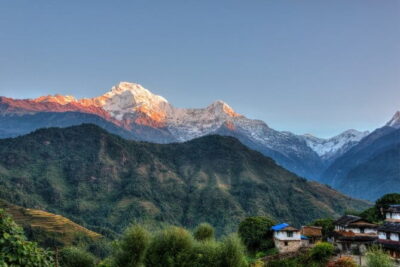
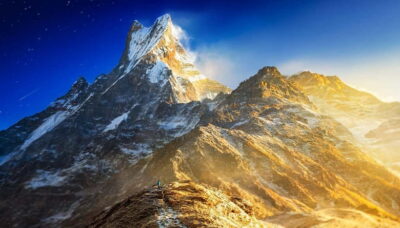
Mardi Himal sits east of the Annapurna range, beneath the striking profile of Machhapuchhre. The route is popular because it delivers a high mountain experience without requiring the length of the Annapurna Circuit or the full commitment of a longer base camp trek.
You begin in Kathmandu, pass through Pokhara, and then walk from the lower hills into the alpine zone. That progression matters. You get a sense of Nepal changing under your feet: roads and city life give way to terraces, forest, tea houses, open ridges, and finally a rocky high-altitude trail.
I would describe the route as moderate rather than easy. The daily distances are not extreme, but the trail includes steady climbing, narrow sections, uneven ground, and a large gain in altitude. The walk from High Camp to Base Camp is short on paper, yet it is the day when altitude and steep terrain matter most.
The trek also offers a quieter feel than some of Nepal’s better-known routes. The forest gives you shade and birdlife, while higher sections open toward the Annapurna and Lamjung Himal ranges. In spring, rhododendron flowers add color to the forest. In clear weather, the mountain views are the main event.
More Mardi Himal Treks in Kathmandu
- Mardi Himal Trek
★ 5.0 · 41 reviews - Mardi Himal Trek Nepal
★ 5.0 · 29 reviews - Mardi Himal Trek – 8 Days | Hidden Gem of the Annapurnas
★ 5.0 · 19 reviews
Days 1 and 2: Kathmandu welcome and the road to Pokhara
Your arrival day is simple. A representative from Himalayan Adventure Treks and Tours meets you at Tribhuvan International Airport and takes you to your Kathmandu hotel by private vehicle. You have time to meet the trek team and other members of your group before the walking begins.
Two nights in a three-star Kathmandu hotel are included, with breakfast. The first night gives you a useful buffer after an international flight, while the second day starts early with the road trip to Pokhara.
The drive to Pokhara takes about six to seven hours for roughly 200 kilometers. Road conditions and traffic can affect the timing, so treat this as a full travel day rather than a quick transfer. The route passes terraced fields, villages, rivers, and hill country. It is scenic, but not always smooth.
Pokhara is a pleasant contrast to Kathmandu. The city offers mountain views, lakes, and a calmer setting before the trail. You have two included hotel nights in Pokhara, with breakfast. That gives you time to rest, organize your pack, and prepare for the first walk.
One practical point: the package specifies tourist-bus transport between Kathmandu and Pokhara, while the transfers between Pokhara, Kande, Siding, and Pokhara use a private vehicle. That combination keeps the price reasonable while preserving more control over the short trailhead transfers.
Day 3: Kande to Pitam Deurali through the lower hills
The walking section begins after a drive from Pokhara to Kande. The transfer takes about an hour and a half, rising from Pokhara at roughly 822 meters to Kande at about 1,750 meters.
From Kande, you walk around 5.6 kilometers to Pitam Deurali. The usual walking time is three to four hours. The trail climbs through forest and occasional clearings, with early views toward the Annapurna range.
This is a good first walking day because the route introduces you to the rhythm of the trek without immediately pushing you into high altitude. You get a chance to see how your boots, pack, and clothing feel before the trail becomes steeper.
Pitam Deurali sits at about 2,100 meters. The gain is noticeable, but it is not yet the demanding part of the trek. Your overnight stay is in a lodge or tea house, with meals included during the trekking portion.
The published route uses Kande and Pitam Deurali, while the general trip description refers to Phedi and Pothana. These are related approach points in the same part of the Annapurna foothills, but they are not identical stops. Ask the operator to confirm the exact trailhead and overnight village before departure.
Day 4: Pitam Deurali to Forest Camp
From Pitam Deurali, you climb to Forest Camp, also called Kokar in the route details. The distance is about 6.4 kilometers, and the walk usually takes five to six hours.
This section is one of the most appealing parts of the trek. The trail passes through rhododendron and oak forest, with the feeling of leaving the settled foothills behind. Clearings may reveal Machhapuchhre and Annapurna South, but the forest itself is a big reason to choose Mardi Himal.
The climb reaches about 2,500 meters at Forest Camp. The path can be steep and narrow in places, so sturdy footwear and careful footing matter. You should also expect a quieter setting than Pokhara or the lower villages. Tea-house facilities are basic, and personal comforts such as hot showers, phone use, laundry, and battery charging may cost extra.
This is where the trek begins to feel properly remote. A guide is useful not only for navigation, but also for setting a sensible pace and handling changes in weather or trail conditions. The package includes an experienced guide and a porter shared between two clients. Pack light enough that the porter system remains reasonable and comfortable.
Another trail to compare in Kathmandu:
- Everest Base Camp Trek – 14 Days
★ 5.0 · 1,499 reviews - Everest Base Camp Trek
★ 5.0 · 842 reviews - Everest Base Camp Trekking
★ 5.0 · 485 reviews - Annapurna Circuit Trek with Tilicho Lake
★ 5.0 · 368 reviews
Day 5: Forest Camp to High Camp and the serious climbing
The route from Forest Camp to High Camp covers around 7.2 kilometers and takes five to six hours. You climb from about 2,500 meters to approximately 3,600 meters, with the trail becoming steeper as the trees thin.
The forest gradually changes to dwarf bamboo, juniper, and more open alpine ground. This change gives the day a strong sense of progress. You can look back toward the lower hills, then ahead to Machhapuchhre, Mardi Himal, and Annapurna South.
This is also the point where the description of an easy trek needs correcting. The altitude gain is substantial, and the combination of climbing, uneven ground, and thinner air can be tiring. Walk slowly, drink regularly, and tell your guide if you have a headache, unusual fatigue, nausea, or other symptoms that concern you.
The route summary mentions Low Camp before High Camp, but the detailed nine-day schedule combines the Forest Camp to High Camp section. Ask whether Low Camp is included as an overnight stop or simply passed along the way. That small change can affect the daily walking time and the feel of the trip.
High Camp is the key overnight location before the Base Camp outing. Facilities are lodge-based and simple. Temperatures can drop sharply, and the high altitude may make sleep less comfortable. Carry warm layers, a hat, gloves, and a sleeping bag suitable for the conditions supplied by the operator.
Day 6: High Camp to Mardi Himal Base Camp
The walk from High Camp to Mardi Himal Base Camp is listed at about four kilometers one way, taking three to four hours to reach the base camp. You climb from roughly 3,600 meters to about 4,450 meters.
The trail leaves grassy alpine ground and becomes rockier as it approaches the snowline. The reward is a closer look at the high peaks, with Annapurna South, Hiunchuli, and Machhapuchhre filling the view. Annapurna I, at 8,091 meters, is also listed among the mountains visible from the base camp area.
This is the most demanding part of the itinerary. The distance is short, but the height makes every climb slower. If weather, altitude, or trail conditions make the full route unwise, your guide should help you choose a safe turning point. The published schedule does not explain whether you return to High Camp or another overnight stop after visiting Base Camp, and the next day begins at Badal Danda. Confirm this detail before booking.
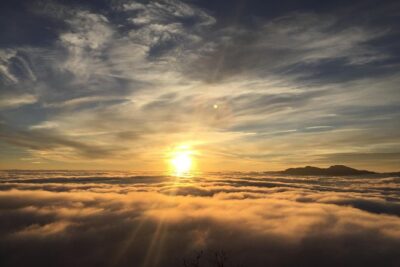
Sunrise is a popular goal on Mardi Himal routes, and the high viewpoints can be especially beautiful in clear morning light. Some route descriptions place this viewpoint experience early in the day, so ask the operator what time you will leave and where you will sleep that night.
Do not confuse Mardi Himal Base Camp with a large permanent camp filled with facilities. This is a high mountain destination and viewpoint, not a city-like base. Expect basic conditions and prioritize warmth, water, and a steady pace.
Day 7: The long descent to Siding village
The descent from Badal Danda to Siding covers about seven kilometers and takes four to five hours. You drop from around 3,200 meters to about 1,600 meters, passing through forest, farmland, and traditional villages.
After the exposed high country, this is a welcome change. The trail returns to thicker vegetation and cultivated slopes. Siding gives you a closer look at village life and Gurung culture, which is one of the reasons this trek feels more personal than a simple mountain viewpoint trip.
The descent is not automatically easy. Long downhill sections can strain knees, especially after the high-country walk. Trekking poles can help, though the package does not specifically state that they are supplied. You should plan to bring your own if you use them.
The private vehicle transfer from Siding to Pokhara is included. That saves you from a long additional road-and-trail connection and gets you back to Pokhara for the final hotel night.
Day 8: Returning to Kathmandu by road
The drive from Pokhara to Kathmandu takes about six to eight hours over roughly 200 kilometers. The route follows the Prithvi Highway through river valleys, terraced fields, and hill country.
This is another full road day, not a spare half-day in Kathmandu. If you have an international flight immediately after the tour ends, leave enough margin. The following day includes an airport transfer, but road delays can happen.
Your Kathmandu hotel stay and breakfast are included in the package, along with a farewell dinner at an authentic Nepalese restaurant with cultural performance. That gives the trip a pleasant final evening, though the exact timing depends on the drive from Pokhara and traffic in Kathmandu.
What the $900 price covers
At $900 per person, the package offers solid value if you want a guided trek with most core costs bundled. The price includes airport pickup and departure transfer, two nights in Kathmandu, two nights in Pokhara, tea-house lodging during the trek, meals while trekking, permits, a guide, a shared porter, tourist-bus transport between the two cities, and private vehicles for the trail transfers.
It also includes the TIMS permit and Annapurna Conservation Area Permit. A duffle bag is provided for the trek and returned afterward, along with a company T-shirt. Government taxes and basic first-aid supplies are included as well.
The included meals are a major part of the value. Breakfast is listed for eight days, along with four lunches and five dinners during the trip, plus the farewell dinner. The wording around the meal count is not perfectly clear, so ask for a final day-by-day meal schedule.
You still need to budget for a Nepal visa, international flights, travel and rescue insurance, bottled or boiled water, showers, laundry, phone calls, battery charging, bar bills, extra porters, and tips. Insurance is especially important for a high-altitude trek. The operator does not include rescue cover.
The private-tour format is useful if you want control over pace and group composition. It also means the experience may feel more personal than a large fixed group, but you should confirm the number of people in your booking and the guide assigned to your departure.
How the guiding and service affect the experience
The strongest pattern in the available feedback is praise for the guides, porters, planning, and communication. Several guides are named, including Prakash, Badri, Lakpa, and Ang Gombu Sherpa. One guide, Prakash, is repeatedly described as patient, caring, humorous, and attentive to a family group that had concerns about fitness.
That detail matters. On Mardi Himal, a good guide does more than point toward the mountains. You need someone who can judge pace, notice when altitude is affecting you, explain local life, and help you decide how far to go on the high section.
The company director, Bhagwat, is also noted for quick email replies and help before and after the trek. That is useful if you are arranging an international trip and need clear answers about airport pickup, permits, luggage, or changes to the route.
Vegetarian food is available if requested at booking. You should also report other dietary needs early. The trek includes a guide and porter, but tipping is not included, so plan for that separately.
The cancellation terms are straightforward: cancel at least 24 hours before the 7:00 am start time for a full refund. Cancellations or changes inside 24 hours are not accepted for a refund.
Who should book this trek
I would recommend Mardi Himal to you if you want a first Himalayan trek with strong scenery, a manageable overall length, and a mix of forest, mountain ridges, and village life. It also suits people who prefer a private trip and want transport, permits, meals, and staff arranged in one price.
It is a good fit for couples, families with a reasonable fitness base, and hikers who want something shorter than the Annapurna Circuit. The feedback includes first-time trekking groups and people who found the route less demanding than the Annapurna Circuit, but that does not remove the high-altitude challenge.
I would be more cautious if you dislike basic lodging, long road transfers, steep downhill walking, or uncertain mountain weather. You also need to be comfortable with a possible change in the exact overnight sequence, particularly around Low Camp, High Camp, Base Camp, and Badal Danda.
Should you book the Mardi Himal Base Camp Trek?
Book it if you want big Annapurna views in nine days, value organized support, and can prepare for a demanding high-altitude day. The route offers an appealing balance: rhododendron forest, alpine scenery, Gurung villages, tea-house nights, and the dramatic face of Machhapuchhre.
Before paying, confirm the exact trailhead, whether Low Camp is an overnight stop, where you sleep after Base Camp, the guide assigned to your group, and the meal schedule. If those details are clear and you carry proper insurance, the $900 package is a sensible way to experience Mardi Himal without arranging every permit, transfer, meal, and porter yourself.
FAQ
How long is the Mardi Himal Base Camp Trek?
The tour lasts approximately nine days, including arrival and departure in Kathmandu, road transfers to and from Pokhara, and the trekking days.
Where does the tour start and finish?
It starts at Tribhuvan International Airport in Kathmandu. The activity ends back at the meeting point after the departure transfer.
What time does the tour start?
The listed start time is 7:00 am.
How high is Mardi Himal Base Camp?
Mardi Himal Base Camp is listed at approximately 4,450 meters, or 14,600 feet.
What mountains can you see?
The route offers views of Mardi Himal, Machhapuchhre, Annapurna South, Annapurna I, Hiunchuli, and peaks in the Lamjung Himal range.
Are meals included?
Breakfast is included at the Kathmandu and Pokhara hotels. Breakfast, lunch, and dinner are included during the trek, with the package listing eight breakfasts, four lunches, and five dinners. A farewell dinner with cultural performance is also included.
Is accommodation included?
Yes. The package includes two nights in a three-star hotel in Kathmandu, two nights in a three-star hotel in Pokhara, and lodge or tea-house accommodation during the trek.
Are permits included?
Yes. The TIMS permit and Annapurna Conservation Area Permit are included, along with required paperwork and government taxes.
What is not included in the price?
International airfare, the Nepal visa, travel and rescue insurance, personal expenses, bottled or boiled water, showers, laundry, phone calls, battery charging, extra porters, bar bills, and tips for the guide and porter are not included.
Latest treks added in Kathmandu
- Ghorepani Poon Hill Trek★ 5.0 · 16 reviews
- Private Manaslu Circuit Trek at Himalayas★ 5.0 · 3 reviews
- Ghorepani Poonhill Trek★ 5.0 · 5 reviews
- Upper Mustang Trekking★ 3.0 · 2 reviews
- Amazing 1 Day Trekking Experience in Kathmandu Nepal★ 5.0 · 24 reviews
- Upper Mustang Trekking★ 5.0 · 2 reviews
- Upper Mustang Trek★ 5.0 · 5 reviews
- Upper Mustang Trekking★ 5.0 · 4 reviews
Mardi Himal Treks, compared.
Mardi Himal Trek – 8 Days | Hidden Gem of the Annapurnas
Read our review →Browse the lists this tour appears in