
REVIEW · NEPAL
From Pokhara: 4-Day Mardi Himal Base Camp Trek
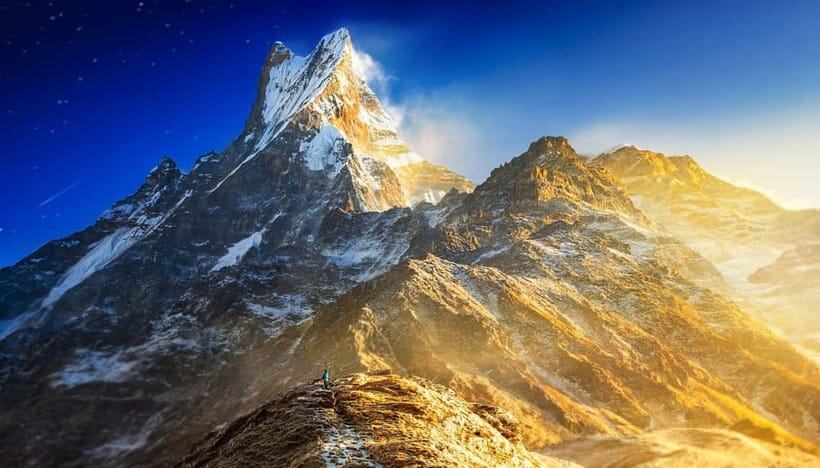
Mardi Himal gives you a lot of Himalayan scenery in only four days. You start above Pokhara, walk through cool rhododendron forest, climb to High Camp at 3,580 meters, and wake early for views of Machapuchhre and Annapurna South.
I like the route for two reasons: the scenery changes quickly, from forest paths to open alpine slopes, and the private format lets your guide adjust the pace. Guides such as Anil, Santosh, Bala, and Tanka have been praised for patience, local stories, and help on the steep stairs. The main catch is that Base Camp is not guaranteed on this tight schedule. Some people reach the viewpoint instead, especially if weather, fitness, or timing slows the group.
Key points to know before booking
- A short route with serious uphill walking: Expect five to seven hours of hiking on the first two days, with steep stairs and sustained climbs.
- The sunrise start matters: The early walk from High Camp to Mardi Viewpoint offers the best chance for clear views of Machapuchhre.
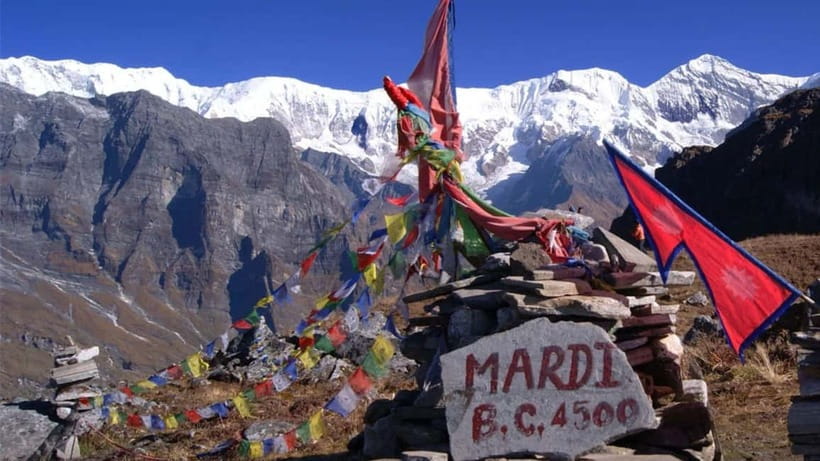
- Base Camp depends on the day: The optional section reaches about 4,500 meters and may be skipped for safety or lack of time.
- Private guiding is the big advantage: Your guide can slow the pace, add breaks, and help with route decisions.
- Simple teahouse comfort: Lodging is practical rather than fancy, with meals available along the trail.
- Check the meal option carefully: The included-meals package may cost far more than ordering food directly at the teahouses.
Why this four-day route works from Pokhara
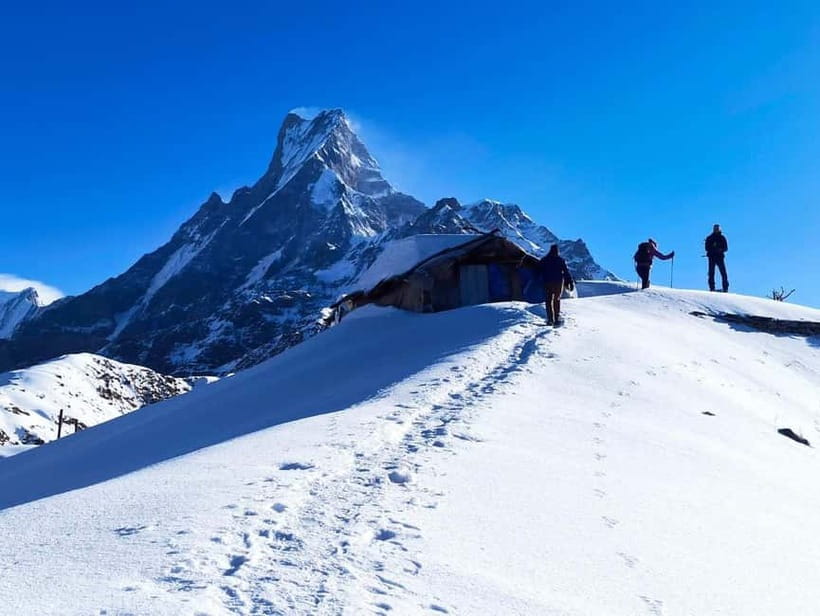
The Mardi Himal trek is a good choice if you want a taste of high-altitude Nepal without committing to a week or more on the trail. The drive from Pokhara to Kande takes about an hour, and from there you begin walking almost at once.
You will not spend the whole trek staring at one mountain view. The route changes by the hour. Day one moves through Australian Camp, Pothana, and forest trails. Day two pushes higher through oak and rhododendron. Day three brings open ridges, cold air, and the sharp outline of Machapuchhre. The final day drops through villages before a road transfer back to Pokhara.
I especially like this progression because it makes the trek feel bigger than its four-day length. You begin among trees and finish above the forest line, where the Annapurna range fills the horizon. The tradeoff is a demanding schedule. This is not a gentle village walk with long afternoons at each stop.
The tour is private, so you are not tied to the pace of a large group. That matters on a route with long climbs. A guide can pause when you need water, shorten the day if you are struggling, or help decide how far to continue toward Base Camp.
More Mardi Himal Treks in Pokhara
- Pokhara: 4-Day Mardi Himal Trek
★ 4.9 · 59 reviews - Private Mardi Himal Trek
★ 5.0 · 42 reviews - Mardi Himal Trek
★ 5.0 · 30 reviews
Day one: Kande to Forest Camp through Australian Camp
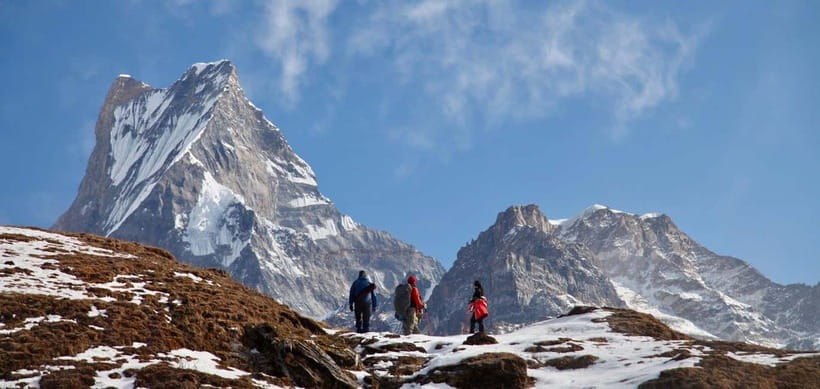
Your vehicle collects you from a hotel in the Pokhara Lakeside or Sarangkot area, or from Pokhara International Airport. The drive to Kande takes roughly one hour. From there, the trail passes through Australian Camp and Pothana before continuing toward Forest Camp at about 2,550 meters.
Plan on roughly five to six hours of walking. The first day is a steady introduction rather than a quick stroll. You get mountain views early, then spend much of the route among trees. Rhododendron and oak shade make the walking more pleasant, but the trail still includes uphill sections that can surprise anyone who has not trained.
Australian Camp and Pothana give you some of the first broad mountain views. They also break up the day nicely. You can stop, catch your breath, and let your guide explain the route ahead. Once the trail enters the forest, the mood becomes quieter and cooler.
Forest Camp is a simple overnight stop at around 2,550 meters. Expect a teahouse or lodge, basic rooms, and a shared mountain setting rather than hotel comfort. The accommodation is part of the experience, but you should pack with changing temperatures in mind. Warm clothing, dry layers, and a sleeping bag if needed are sensible choices.
Rain is possible, especially outside the clearest seasons. One person reported rain on the first day while still enjoying snowy mountain views. Waterproof footwear and a rain layer are worth carrying, not leaving in your main luggage.
Day two: the long climb to High Camp
The second day is the hardest sustained climb for many people. You walk for about six to seven hours through dense rhododendron and oak forest before reaching High Camp at 3,580 meters.
The trail can feel stair-heavy and steep. Several people needed regular breaks, and guides helped with bags and pacing when the climb became tiring. This is where the private setup earns its keep. A good guide does not simply walk ahead and wait at the next turn. Guides such as Chandra, Bala, Jeet, and Anil have been praised for patience and for adjusting the pace to the person in front of them.
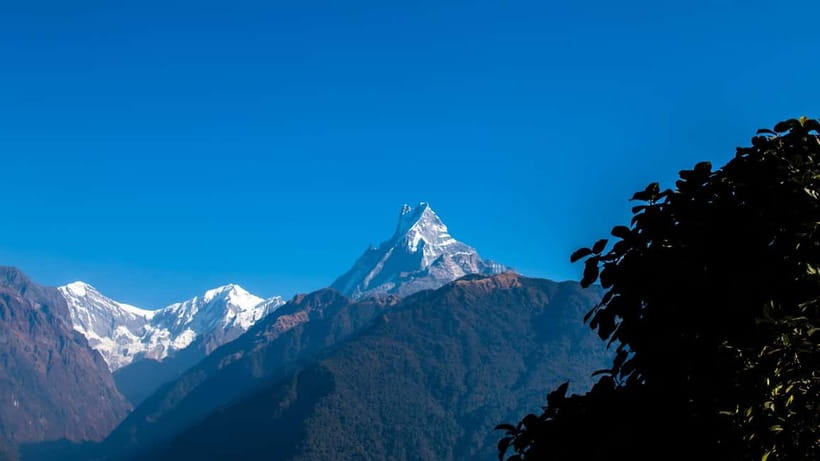
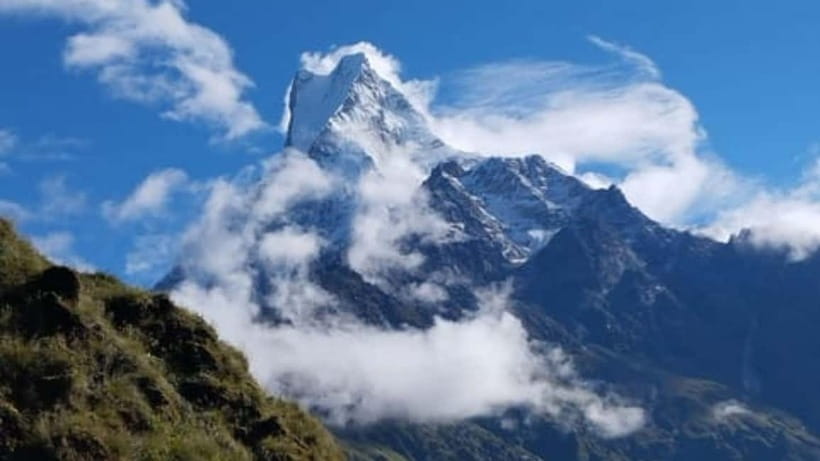
As you gain height, the forest thins and the views open. Machapuchhre, also called Fishtail, becomes the main attraction, with Annapurna South also visible in the mountain wall. The changing scenery helps, but it does not remove the physical work.
High Camp is the key overnight stop. At 3,580 meters, cold conditions are likely, particularly before sunrise. Bring gloves, a warm hat, an insulated layer, and clothing you can add without unpacking everything. The tea house is basic, yet its location gives you quick access to the early morning viewpoint.
Take the evening seriously. Eat, drink water, organize your daypack, and go to bed early. The next morning begins before sunrise, and you will want your headlamp, camera, water, and warm layers ready.
Day three: sunrise at Mardi Viewpoint and the Base Camp decision
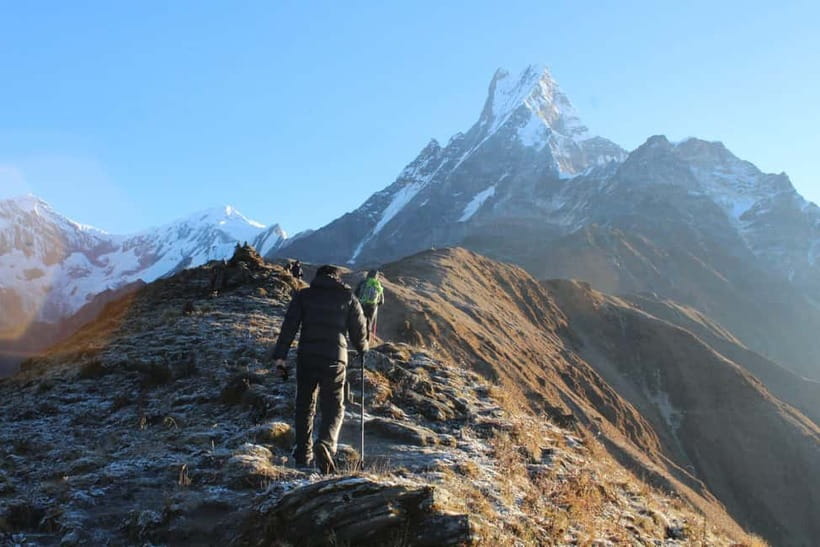
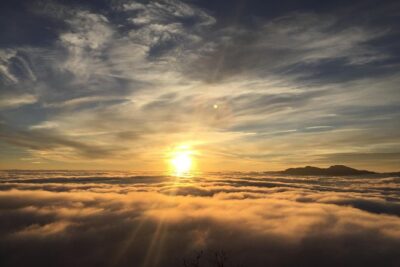
The third day starts early with a three to four-hour hike toward Mardi Himal Viewpoint at about 4,200 meters. This is the visual high point of the trip for many people. In clear weather, sunrise brings light across Machapuchhre and the Annapurna range.
Cloud can block the sunrise. That does not make the morning pointless, since views may open later, but you should not book this trek expecting a guaranteed postcard sky. Mountain weather changes quickly, and the guide will help decide how far and how fast to go.
The optional continuation to Mardi Himal Base Camp reaches approximately 4,500 meters. This extra section is more demanding because of altitude, early timing, and the need to descend later in the day. If you feel well and the guide considers conditions suitable, it adds a stronger sense of achievement. If you feel unwell or the weather closes in, stopping at the viewpoint is the sensible choice.
This distinction matters when you compare the tour with longer Mardi Himal programs. The name says Base Camp, but the four-day plan gives you limited time. One person completed the route in four days but did not reach Base Camp, finding the viewpoint scenery more than worthwhile. You should view Base Camp as an intended option, not an absolute promise.
After the morning walk, you descend for about three to four hours to Low Camp at around 2,970 meters. That drop is welcome after the cold at High Camp, but downhill stairs can punish tired knees. Trekking poles are useful, and the tour says a trekking stick can be provided if needed.
Low Camp gives you a shorter, easier evening than the previous night. You stay in a teahouse, eat, and rest before the final descent. The day is long, but it also gives you the most dramatic contrast, from cold high ridges at dawn to a lower forest setting by afternoon.
Another trail to compare in Pokhara:
- Poon hill Trek 3 days
★ 5.0 · 176 reviews - Trekking in Annapurna/Langtang/Everest/Upper Mustang regions
★ 5.0 · 161 reviews - Pokhara: 4-Day Ghorepani, Poonhill & Ghandruk Mountain Trek
★ 5.0 · 132 reviews - Ghorepani – Poon Hill Trek 3N-4D
★ 5.0 · 125 reviews
Day four: Low Camp, Siding, Lumre, and back to Pokhara
The final day takes about four to five hours of downhill walking to Siding Village. You then walk roughly another hour to Lumre, where a vehicle returns you to Pokhara in about an hour.
This section is valuable because it brings you back into village life after the exposed mountain ridges. The route passes through remote settlements and includes the Lumre canyons and Lwang Ghalel area. You get a final look at the rural side of the trek, not just the mountain viewpoints.
Downhill walking sounds easy on paper, but it can be tiring after three days of climbing. Shoes with a firm grip are important, especially if the trail is wet. Keep some water and snacks accessible, since you are still hiking for several hours before the drive.
The return transfer ends the trek in Pokhara. Pickup and drop-off are available at Lakeside Road, the Lakeside area, Sarangkot, and Pokhara International Airport, with the exact arrangement confirmed after booking.
Teahouses, food, and what the price really covers
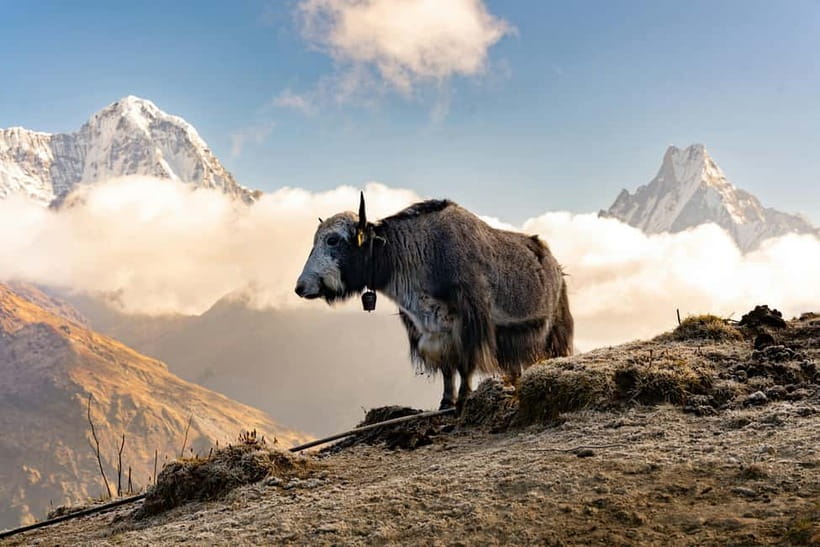
At $138 per person, this is a strong value if the quoted inclusions match your selected option. The price covers transport between Pokhara, the trailhead, and the return point, trekking permits, paperwork, TIMS fees, teahouse accommodation, guide costs, government taxes, and a first aid kit.
The guide’s own meals, lodging, insurance, salary, transport, and equipment are also covered. That matters because a very low trek price can otherwise hide extra charges. A porter is included only if you choose that option, so check the exact booking selection before assuming someone else will carry your main bag.
Breakfast, lunch, and dinner are listed as included if you select the meal package. Here is the important value warning: one person found that this option cost far more than ordering meals directly at the teahouses. The food was ordered in the usual way anyway, while drinks and extras were still separate.
I would compare the two choices carefully. If you want a fixed food budget and do not want to think about meal payments, the package may feel convenient. If you are comfortable ordering along the trail, the separate-food option may leave more money for personal expenses and a good tip for your guide.
Personal spending is not included. Carry cash for drinks, snacks, extra food, and other needs. The amount will depend on your choices, but the route is remote enough that you should not assume card payments will solve every purchase.
The guide can make or break the experience
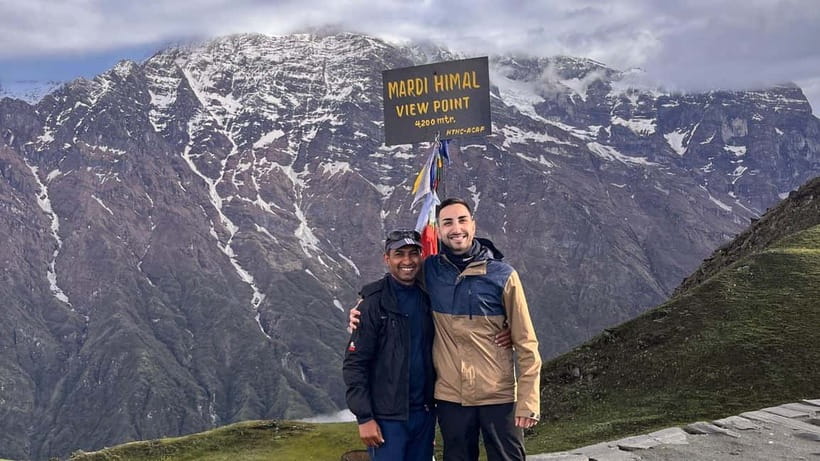
The strongest part of this trek is the guide service. The company provides a certified English-speaking guide, and English, Hindi, and Nepali are available. Private guiding also gives you a better chance to ask questions about plants, mountain culture, local beliefs, and village life.
Several guides have received especially warm praise. Anil was described as patient, attentive, and a good photographer. Santosh was valued for route knowledge, plant information, and practical advice. Bala was praised for kindness and support during difficult sections, while Tanka was noted for friendly conversation and careful organization.
Other named guides include Dhanapati, Chandra, Bishnu, Golman, and Jeet Bhadur. You may not be able to request a particular person, so treat those names as examples of the guiding team rather than a guarantee.
A porter can make the climb much easier, especially on the steep stairs between Forest Camp and High Camp. If you are not used to carrying a loaded pack, I would consider adding one. Still, carry your own day essentials, including water, camera, rain layer, warm clothing, and medication.
Fitness, weather, and altitude
You need a reasonable level of fitness for this trek. The daily walking times are not extreme for experienced hikers, but the route includes long climbs, steep stairs, and a high point around 4,500 meters if you continue to Base Camp.
You do not need to race. The guide can set a manageable pace, and private groups can take more breaks. Still, four days leaves little room for a lost morning or a major delay. If you are recovering from illness, have no recent walking practice, or dislike steep trails, consider how you will handle the second and third days.
Altitude is another concern. High Camp is at 3,580 meters, the viewpoint is about 4,200 meters, and Base Camp is approximately 4,500 meters. The high section can be very cold, and weather may shift from clear to cloudy or wet. Travel insurance is mandatory, and emergency rescue services are available if required.
Bring your passport or ID because a passport copy must be submitted at least one day before the trek for permits. Pack hiking shoes, comfortable clothing, hiking pants, spare clothes, hand sanitizer or tissues, cash, a camera, and travel insurance details. A waterproof camera cover is wise if you want to protect your equipment during rain.
Who should book this Mardi Himal trek?
I would recommend it to you if you have four days, want a private guide, and prefer a quieter route than Nepal’s busiest trekking corridors. It suits first-time trekkers who are prepared to work hard and who value personal support more than luxury.
It also works well for solo visitors who want company and route support without joining a large group. One solo woman felt comfortable with her guide, and the private format gave her room to set a suitable pace.
I would think twice if your main goal is a guaranteed Base Camp visit. The schedule is tight, and some people reach only the viewpoint. I would also look at a longer itinerary if you want slower walking days, more time for acclimatization, or a better buffer for bad weather.
Free cancellation is available up to 24 hours before departure, and you can reserve now and pay later. Those terms add useful flexibility, but they do not change the physical demands of the walk.
Should you book it?
Book this trek if you want big mountain views in four days, are comfortable with basic teahouses, and understand that the viewpoint may replace Base Camp. The $138 starting price is appealing because it includes transport, permits, guiding, lodging, and core trek expenses.
Before paying, confirm three things: whether meals and a porter are included in your chosen option, which pickup point you will use, and how the guide will handle the Base Camp decision. Pack for both warm and cold conditions, train with hills or stairs, and keep the schedule flexible.
For a compact Himalayan trip from Pokhara, this is a practical choice. It asks real effort, but the forest trails, sunrise ridge, village descent, and personal guiding give you plenty in return.
FAQ
How long is the Mardi Himal trek from Pokhara?
The trek lasts four days. Walking times range from about three to seven hours per day, plus the initial and final vehicle transfers.
Where does the trek begin?
The vehicle takes you from Pokhara to Kande, which is about a one-hour drive. The trek begins from Kande.
What altitude is Forest Camp?
Forest Camp is at approximately 2,550 meters.
How high is Mardi Himal High Camp?
High Camp is at about 3,580 meters.
How high is Mardi Himal Viewpoint?
The viewpoint is approximately 4,200 meters above sea level.
Is Mardi Himal Base Camp included?
The itinerary includes an optional walk to Base Camp at about 4,500 meters. Reaching it depends on your fitness, health, available time, and conditions on the day.
Where do you sleep during the trek?
You stay overnight in simple teahouses or lodges at Forest Camp, High Camp, and Low Camp.
Are meals included?
Breakfast, lunch, and dinner are included if you select the meal option. Personal expenses, including extras and drinks, are not included.
Is a porter included?
A porter is included only if you select the porter option. The guide, guide expenses, permits, transport, accommodation, and listed equipment are covered separately.
What languages does the guide speak?
Guiding is available in English, Hindi, and Nepali.
More four-day treks in Pokhara
- 4-Day Private Poon Hill Trekking Tour
★ 5.0 · 58 reviews - Pokhara: 4-Day Private Trek Tour
★ 4.9 · 43 reviews - Pokhara: 4-Day Beautiful Ghorepani Poon Hill & Ghandruk Trek
★ 4.8 · 21 reviews - Pokhara: 4-Day Poon Hill and Ghandruk Guided Trek
★ 5.0 · 14 reviews
Latest treks added in Pokhara
- Pokhara: Majestic Mardi Base Camp Guided Trek with HotSpring★ 5.0 · 6 reviews
- Pokhara: 9-Day Annapurna Base Camp Trek with Poon Hill★ 5.0 · 6 reviews
- Pokhara: 5-Day Ghorepani and Poon Hill Private Trek★ 5.0 · 4 reviews
- Pokhara: 5-Day Trek to Annapurna Base Camp and Hot Springs★ 5.0 · 4 reviews
- Pokhara: 7-Day Annapurna Base Camp Trek & Hot Spring★ 4.0 · 3 reviews
- Pokhara:4-Day Ghorepani Poon Hill Guided Trek via Ghandruk★ 5.0 · 3 reviews
- Pokhara: 4-Day Poon Hill and Ghandruk Guided Trek★ 5.0 · 14 reviews
- Pokhara: 4-Day Beautiful Ghorepani Poon Hill & Ghandruk Trek★ 4.8 · 21 reviews
Mardi Himal Treks, compared.
Mardi Himal Trek – 8 Days | Hidden Gem of the Annapurnas
Read our review →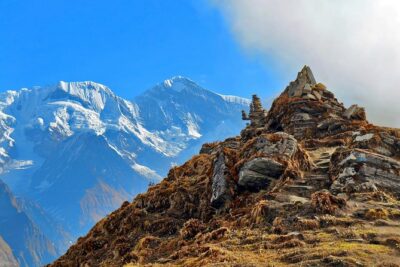
Browse the lists this tour appears in