
REVIEW · NEPAL
Pokhara: 4-Day Private Trek Tour
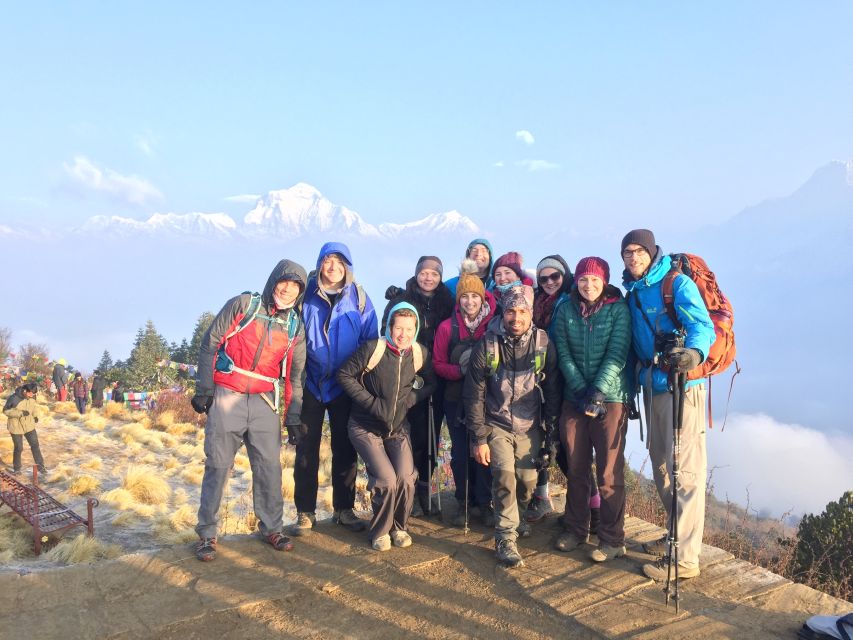
Poon Hill gives you a big Himalayan payoff without asking for a long expedition. From Pokhara, you walk through stone-built villages and rhododendron forest, sleep in simple guest houses, then climb to 3,210-meter Poon Hill for sunrise over the Annapurna range. It is a short trek, but not a soft one.
I like the private format because your guide can adjust the pace, help when your knees or stomach complain, and arrange practical support if needed. I also like the human scale of the route: Gurung villages, tea houses, and local guides matter as much as the mountain views.
The main caution is the amount of uphill and downhill walking packed into four days. The early Poon Hill start is cold and dark, and the long descent toward Ghandruk and Nayapul can be hard on tired knees. This is best for hikers with reasonable fitness, not for anyone expecting a relaxed sightseeing tour.
Key details that shape the trek
- Sunrise at 3,210 meters: Leave around 4 a.m. for the 45-minute climb to Poon Hill.
- A private guide throughout: Guides including Milan, Krishna, Gobinda, Dhanraj, Raj, and Dadhi have been assigned on different departures.
- Three nights in guest houses: Accommodation is simple, clean, and generally comfortable, with extra blankets available when needed.
- Pokhara to Nayapul by car: The drive takes about 1.5 hours each way, reducing the amount of road walking.
- Meals are extra: You buy food along the route, so carry enough Nepalese rupees for meals, drinks, and small purchases.
- A real mountain walk: Expect four to five hours of hiking on each main day, with steep steps and long descents.
Why this short trek works from Pokhara
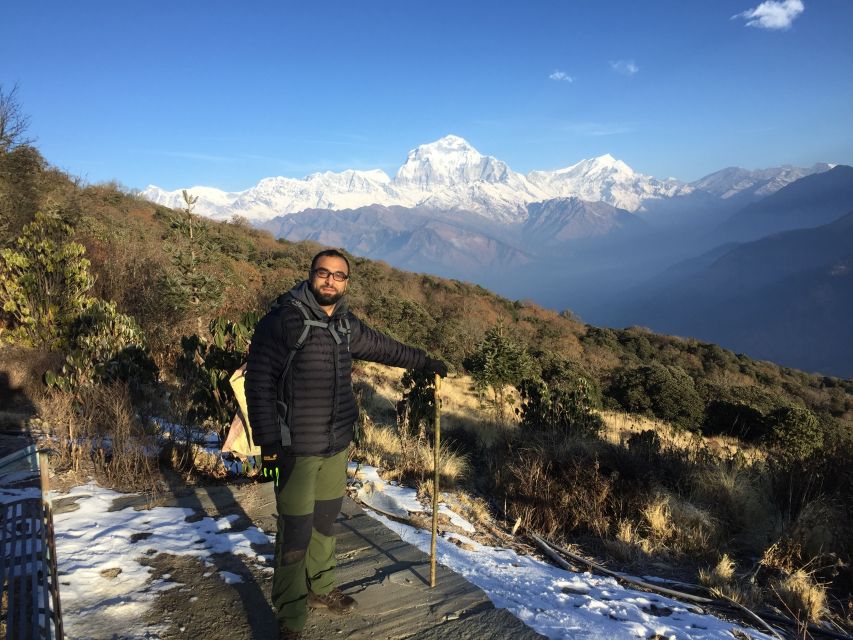
Pokhara is an easy base for a first Himalayan trek. You begin in the Lakeside area, where your guide meets you at 8:30 a.m. with a name card. Then a private car takes you west toward Nayapul, the trailhead for this route.
At $243 per person, the price covers the guide, permits and TIMS fees, three nights of guest-house accommodation, taxes, and round-trip transport. That is fair value for a private four-day trip, especially if you are splitting the cost with a companion. It is not an all-inclusive price, though. Meals, drinks, personal purchases, and emergency rescue costs are separate, so budget for those before setting out.
The private arrangement is the strongest part of the deal. You are not tied to a large group’s pace, and the guide can stop when you need water or a rest. One guide arranged a porter and even a horse when a pair of hikers changed their plans after becoming unwell. That kind of flexibility is useful in the mountains, where weather and energy levels can change quickly.
The trip lasts four days in the stated plan, though the booking duration is given as four to five days. Confirm the exact departure details before paying, particularly if you have flights or other plans in Pokhara.
More four-day treks in Pokhara
- Pokhara: 4-Day Ghorepani, Poonhill & Ghandruk Mountain Trek
★ 5.0 · 132 reviews - Pokhara: 4-Day Mardi Himal Trek
★ 4.9 · 59 reviews - 4-Day Private Poon Hill Trekking Tour
★ 5.0 · 58 reviews
Day 1: Nayapul to Ulleri and the first stone steps
The first day begins with the drive from Lakeside Pokhara to Nayapul. The journey takes roughly 1.5 hours, giving you time to leave the city behind and reach the trail without spending the morning on foot.
From Nayapul, you walk for about 4.5 hours to Ulleri. This first day is a useful test of your legs. You are not yet at the highest point, but the route climbs steadily, and the stone steps can feel demanding if you have arrived with little recent exercise.
Ulleri is a mountain village and your first overnight stop. The guest house is simple rather than luxurious, but it gives you a warm place to eat, rest, and meet the rhythm of a Nepalese trekking route. Keep your expectations practical: tea-house lodging is about shelter, food, and a bed, not hotel-style facilities.
Your guide is important on this opening day. Guides such as Milan and Krishna have been praised for setting a comfortable pace, organizing stops, and helping when someone feels sick. If you are new to trekking, say so at the start. A private guide can make the day much more manageable when they know your limits.
Day 2: Rhododendron forest on the way to Ghorepani
After breakfast, the route continues through dense rhododendron forest and the green high hills. The walk to Ghorepani takes about five hours, so this is another full day rather than a gentle transfer between villages.
The forest is one of the pleasures of this trek. The trail feels shaded and enclosed in places, then opens toward higher ridges and mountain views. The rhododendron is Nepal’s national flower, and the forest gives the walk a different character from the exposed views you will seek at Poon Hill.
Ghorepani is the key staging point for the sunrise climb. It is also higher and colder than the villages below, so your jacket should be easy to reach in your day bag. Nights can be especially cold in winter. Bring warm layers and ask for extra blankets if you need them.
The guest houses are described as clean and comfortable enough, with friendly staff and good food available for purchase. Meals are not included in the tour price, but you can buy breakfast, lunch, and dinner along the route. Carry cash, since the package does not cover these costs.
Day 3: The 4 a.m. climb to Poon Hill
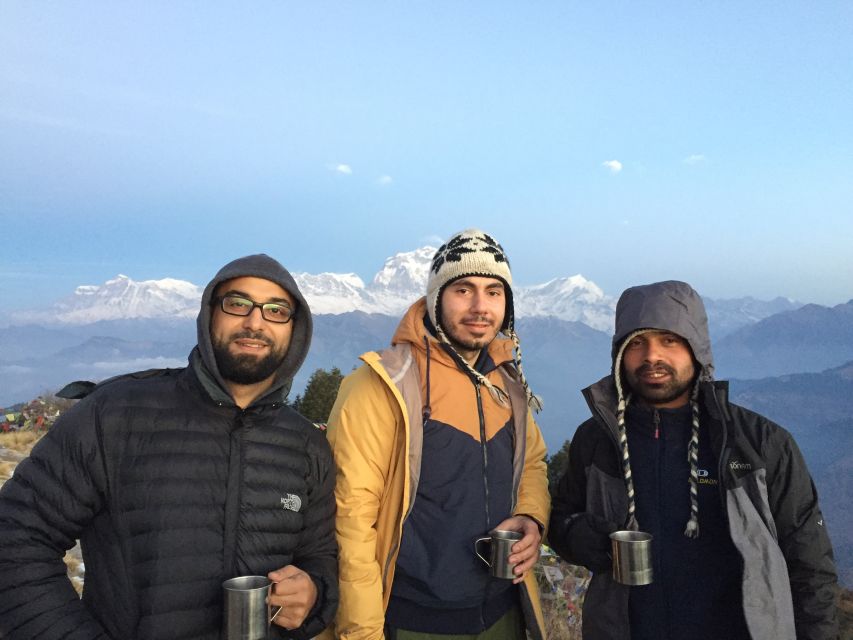
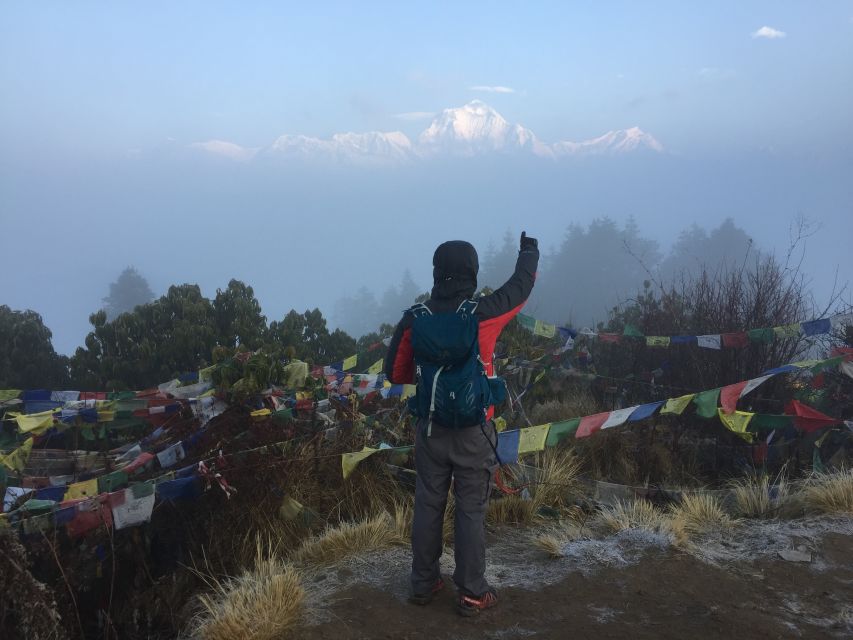
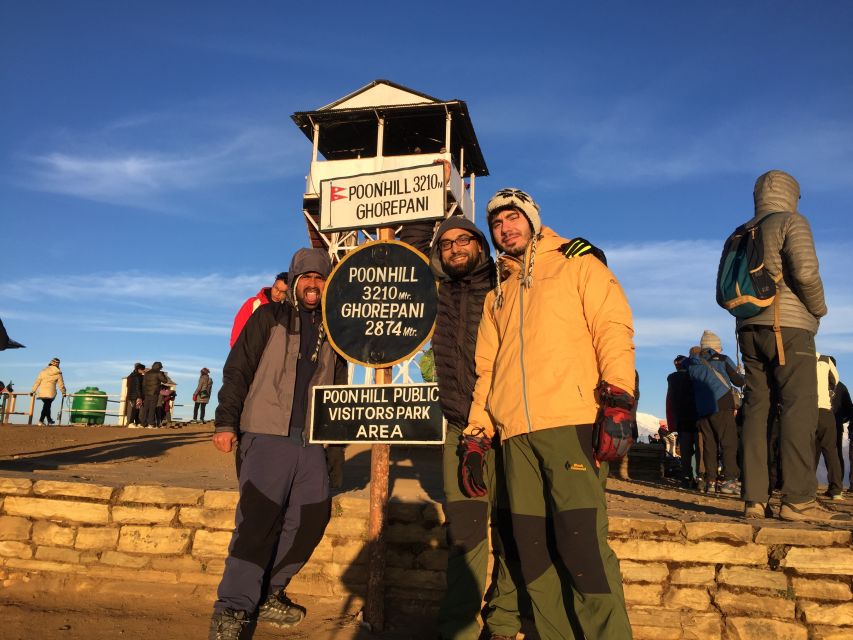
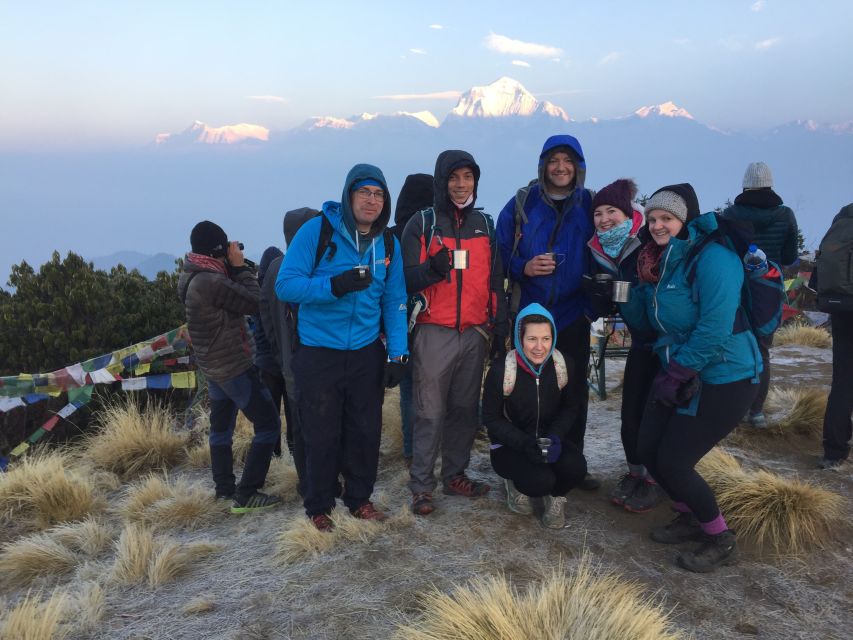
This is the day that gives the trek its name and its strongest visual reward. You leave around 4 a.m. and walk for about 45 minutes to the top of Poon Hill. It will be dark, cold, and possibly busy with other people making the same early start, so a headlamp is a very useful addition to the packing list.
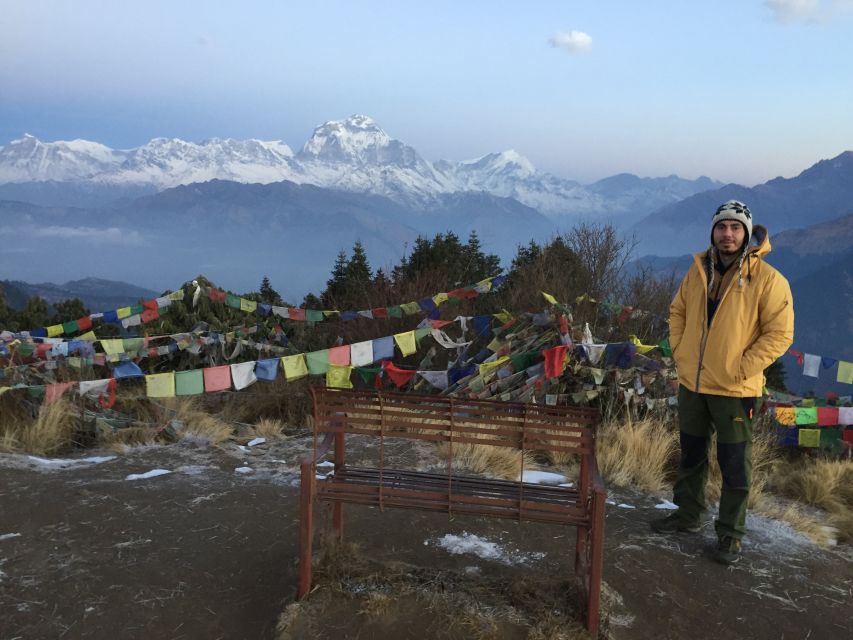
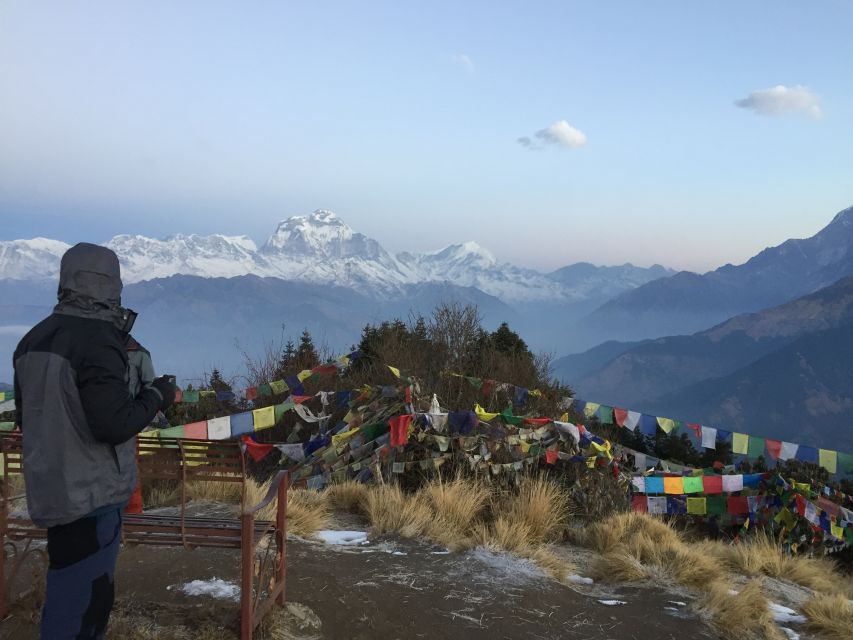
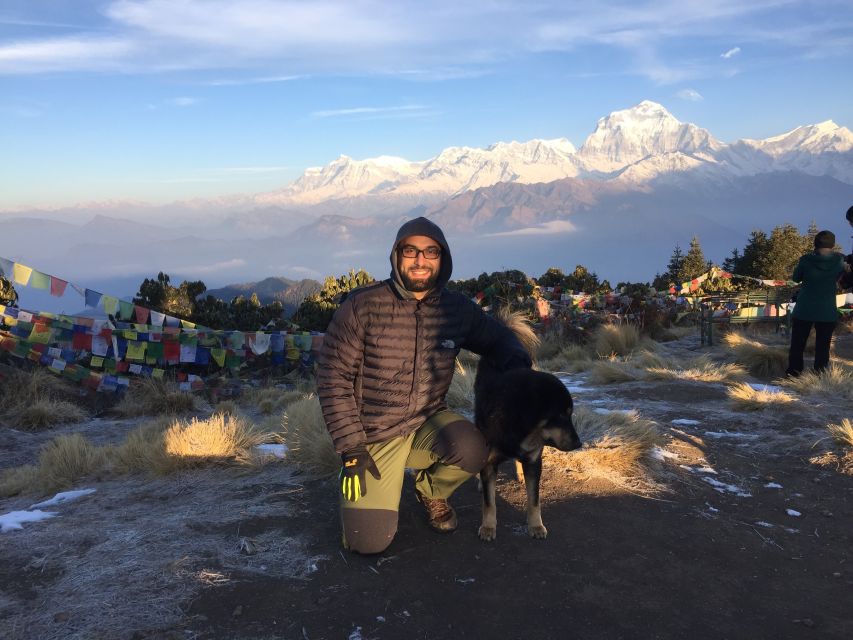
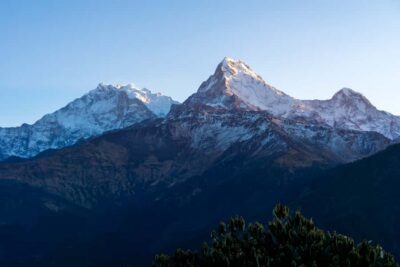
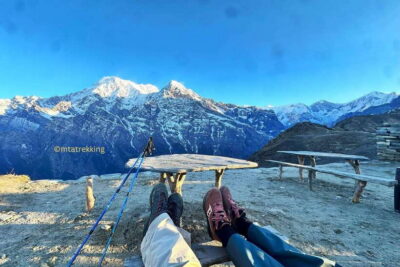
At 3,210 meters, Poon Hill offers a broad view across the Annapurna Himalayas. The sunrise is the main event, with the mountains changing color as the light arrives. Weather controls the quality of the view, though. Some departures have had poor mountain visibility, yet the forest, villages, and walking still made the climb worthwhile.
Bring warm clothing for the summit. A hat, jacket, and extra layer matter more here than they do during the warmer afternoon walks. Gloves are not listed in the official packing advice, but cold-sensitive hikers should consider them. A camera is worth bringing, but keep it protected from moisture and easy to reach.
After time at the top, you return toward the trail and continue for about five hours to Tadapani. This is where the route becomes physically demanding for many people. The descent is long, and repeated downhill steps can trouble your knees. Hiking poles or knee supports are sensible if you have known knee problems.
Some people find the trek shorter than expected if they are already fit. Others find the third and fourth days tough because of the constant descending. That difference is worth taking seriously. The route is short in calendar days, but it still asks you to walk for several hours at altitude on consecutive days.
More Trekking Tours in Pokhara
- Poon hill Trek 3 days
★ 5.0 · 176 reviews - Trekking in Annapurna/Langtang/Everest/Upper Mustang regions
★ 5.0 · 161 reviews - Ghorepani – Poon Hill Trek 3N-4D
★ 5.0 · 125 reviews - Kathmandu/Pokhara: 5-Day Annapurna Base Camp (ABC) Trek
★ 4.9 · 72 reviews
Day 4: Ghandruk, Gurung culture, and the return to Pokhara
The final day starts around 8 a.m. with the walk to Ghandruk. This village is more than a place to pass through. You can visit the Gurung Museum, explore the town, and speak with local residents through the help of your guide.
That cultural stop gives the route a useful balance. Poon Hill supplies the famous panorama, but Ghandruk helps you understand the communities that live along the trail. Your guide can explain local customs, mountain life, plants, animals, and the history of the area. Guides such as Dhanraj have been especially appreciated for storytelling and explanations about the mountains.
From Ghandruk, you continue trekking to Nayapul. The final section is still a walk, not a quick stroll, so keep some energy in reserve. At Nayapul, a private car takes you back to Pokhara in about 1.5 hours, then drops you at your hotel.
The return drive is convenient, but the day can feel long if the descent has taken a toll. Do not judge the trip only by the sunrise. The final day is part of the physical cost of reaching it.
Guides make the private format worthwhile
The guide is the part of this experience that most affects your comfort. You may be assigned Milan, Krishna, Gobinda, Dhanraj Gurung, Raj, Dadhi, Bisham, or another guide from the Nepal Mountain Club team. Assignment is not guaranteed, so do not book solely to request one particular person.
The useful qualities to look for are simple: patience, clear communication, good judgment, and willingness to match your pace. Guides on this route have helped solo women feel safe, supported hikers with fever or pain, arranged medication through a pharmacist, and explained Nepalese culture along the trail.
That does not mean your guide replaces preparation. Tell the guide early if you feel unwell, rather than trying to hide it until the next stop. If you have trouble with altitude, knee pain, or exhaustion, the private setup gives the guide room to adjust the day, but rescue costs are not included.
The available guide languages are English, Hindi, and Nepali. English ability varies by individual, but the assigned guides have been described as friendly, professional, and able to explain the route and local life.
Tea houses, meals, and what to pack
Guest-house accommodation is part of the mountain experience, but you should pack with modest expectations. Rooms are basic. They can be clean and comfortable, and extra blankets may be available, yet you should not expect the facilities of your Pokhara hotel.
Bring a small day bag rather than a large suitcase. The essential kit includes:
- Trekking shoes with a secure grip
- Two T-shirts, long pants, and shorts
- Socks and a warm jacket
- Sunscreen, sunglasses, and a hat
- Mosquito repellent
- Toilet paper and personal hygiene items
- A camera and phone
- A headlamp for the Poon Hill start
- Hiking poles if your knees need help
- A towel and slippers, which are useful even though they are not in the basic packing list
Meals are available for purchase along the trail, but they are not part of the $243 price. Carry enough cash for food, drinks, and small needs. Water and toilet paper can be bought at points along the route, but relying on shops is less comfortable than bringing a small supply from the start.
You also need to provide a scanned passport copy and a digital passport-size photo before the trek. Take care of this before arrival so the permit process does not cause last-minute trouble.
Fitness, weather, and the real level of difficulty
This is a good introduction to Nepalese trekking, but calling it easy would be misleading. You walk roughly four to five hours on the main days, climb before dawn, and spend long stretches going downhill. The altitude at Poon Hill is moderate compared with longer Himalayan routes, but the physical effort still adds up.
Beginners can manage it if they are prepared to walk steadily and accept a slower pace. The private guide helps here. You do not need to match a group, and you can ask for rests. Still, build some walking into your days before arrival, especially on steps and uneven ground.
Weather can change the experience. Clear conditions may bring the wide Annapurna panorama promised by Poon Hill. Cloud or rain can hide the peaks, and heavy snow or ice may make the trail more difficult. One useful addition for winter or snowy conditions is a pair of light crampons, though they are not listed as standard equipment.
The tour is not suitable for pregnant women or people with heart problems. If you have another medical concern, get professional advice before booking. Rescue costs are excluded, so travel insurance with trekking and emergency cover is sensible.
Who will get the most from this trek
I would choose this trip if you want a genuine mountain walk but have only four days available from Pokhara. It suits first-time trekkers, solo visitors who want the comfort of a private guide, couples, and friends who prefer to set their own pace.
It also works well as a sample of Nepalese trekking. You get village life, forest, mountain views, simple guest houses, a sunrise climb, and a return to Pokhara without committing to a much longer route.
I would think twice if you want a leisurely holiday with plenty of free time. The early start, long walking days, steep steps, and descent toward Nayapul are real work. It may also disappoint if your only goal is a guaranteed mountain panorama, since cloud and rain can cover the peaks.
Should you book the Pokhara Poon Hill trek?
Book it if you want the best short version of a Himalayan trek from Pokhara and value personal guiding over polished accommodation. The $243 cost is reasonable once you account for private transport, permits, three nights of lodging, and an experienced guide, but plan separately for meals and emergencies.
Bring proper shoes, warm layers, a headlamp, cash, and patience for the downhill sections. If you prepare for a demanding walk rather than a scenic stroll, this four-day route can give you a strong taste of Nepal, with Poon Hill’s sunrise as the reward.
FAQ
Where does the trek start and finish?
The trek starts with pickup from your hotel or residence in the Lakeside area of Pokhara. You return to Pokhara by private car from Nayapul on the fourth day.
How long is the walk each day?
Day one includes about 4.5 hours of walking to Ulleri. Day two takes about five hours to Ghorepani, day three includes a 45-minute climb to Poon Hill followed by about five hours to Tadapani, and day four continues to Nayapul after the walk to Ghandruk.
What is included in the $243 price?
The price includes taxes and service charges, TIMS and permits, an English-speaking trekking guide, three nights in guest houses, and round-trip transportation from Pokhara.
Are meals included?
No. You buy all meals along the route. Water and toilet paper can also be purchased at points along the trail.
What languages can the guide speak?
Guides are available in English, Hindi, and Nepali. The activity is operated as a private group.
What documents are needed before the trek?
Each participant must provide a scanned copy of their passport and a digital passport-size photo before the tour.
Latest treks added in Pokhara
- Pokhara: Majestic Mardi Base Camp Guided Trek with HotSpring★ 5.0 · 6 reviews
- Pokhara: 9-Day Annapurna Base Camp Trek with Poon Hill★ 5.0 · 6 reviews
- Pokhara: 5-Day Ghorepani and Poon Hill Private Trek★ 5.0 · 4 reviews
- Pokhara: 5-Day Trek to Annapurna Base Camp and Hot Springs★ 5.0 · 4 reviews
- Pokhara: 7-Day Annapurna Base Camp Trek & Hot Spring★ 4.0 · 3 reviews
- Pokhara:4-Day Ghorepani Poon Hill Guided Trek via Ghandruk★ 5.0 · 3 reviews
- Pokhara: 4-Day Poon Hill and Ghandruk Guided Trek★ 5.0 · 14 reviews
- Pokhara: 4-Day Beautiful Ghorepani Poon Hill & Ghandruk Trek★ 4.8 · 21 reviews
Pokhara Trekking Tours, compared.

Trekking in Annapurna/Langtang/Everest/Upper Mustang regions
Read our review →
4-Day Ghorepani, Poonhill & Ghandruk Mountain Trek
Read our review →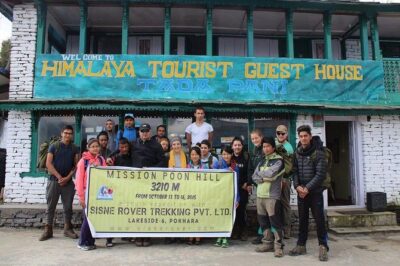
Kathmandu/Pokhara: 5-Day Annapurna Base Camp (ABC) Trek
Read our review →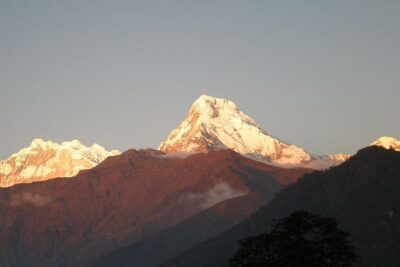
Browse the lists this tour appears in