
REVIEW · KATHMANDU
Mardi Himal Trek – 8 Days | Hidden Gem of the Annapurnas
Mardi Himal gives you a rare combination in Nepal: a moderate Himalayan trek with serious mountain scenery and fewer people than the better-known Annapurna routes. You begin with Kathmandu and Pokhara, then walk through rhododendron forest, alpine meadows, and high ridges facing Machhapuchhre and the Annapurna range.
I like the private format, since you can stop when you need to and shape the pace around your group. I also like the sensible rhythm, with time in Pokhara and several gradual walking days rather than a hard rush to the top.
The main caution is altitude. The highest point reaches 14,760 feet, or 4,500 meters, so this is not a low-level stroll. The trail can be hard at times, and basic teahouse lodging means you should value scenery and local support more than comfort.
Key points to know before booking
- Four main trekking days: The walking section begins near Kande and includes Australian Camp, Pothana, forest trails, High Camp, and the Mardi Himal viewpoint.
- A private group only: Your party travels together, with a guide available to adjust breaks and walking speed.
- Maximum altitude of 4,500 meters: The route is moderate by Himalayan standards, but high enough to require care and patience.
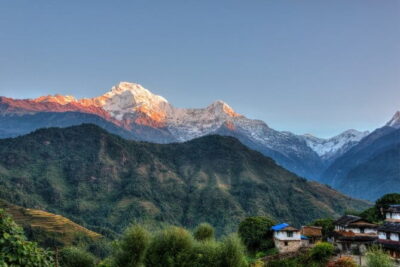
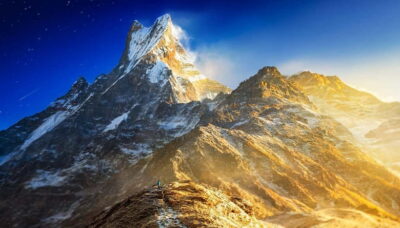
- Mountain views without a packed route: Annapurna South, Hiunchuli, Machhapuchhre, and Mardi Himal are the visual rewards.
- Simple teahouse accommodation: Lodging is basic but comfortable, and breakfasts are included.
- Strong service focus: The company contact Sobit Gurung is specifically associated with organizing trips and guest support.
Why Mardi Himal is a smart short Himalayan trek
Many Nepal treks ask you to spend a week or more simply reaching the best viewpoints. Mardi Himal works differently. Within eight days, you can combine Kathmandu, Pokhara, a scenic road journey, and a compact mountain route that climbs from forest into open alpine country.
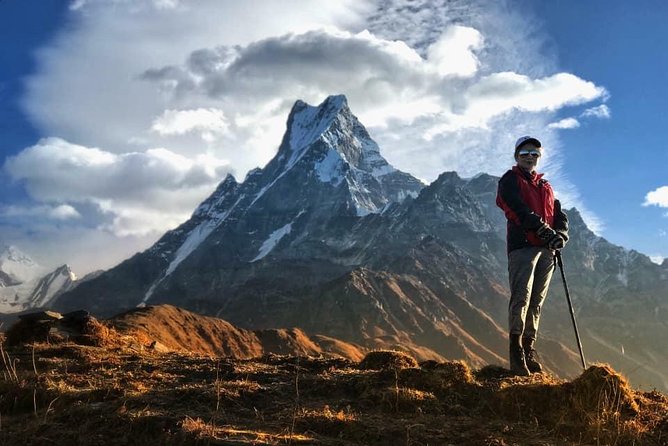
The appeal is not only the final viewpoint. The route changes character as you walk. Lower trails pass through villages and woodland. Higher sections open toward snow-covered peaks, with Machhapuchhre often dominating the view. That change gives the trek a satisfying sense of progress without requiring a long expedition.
This is a private trek, not a fixed group departure. That matters on mountain trails. If you need a rest, want to spend longer at a viewpoint, or prefer a slower start, the guide can work around your group. You still need to follow a reasonable schedule, but you are not tied to the speed of strangers.
The advertised price is $666.67 per person. That includes seven breakfasts, five lunches, and five dinners, along with the organized trekking service and accommodation arrangement. Drinks are not included, so keep some extra money available for water, tea, soft drinks, or other purchases along the route.
At this price, the value comes from having transport, meals, lodging, and a private guide organized in one package. You are paying for convenience and support as much as for the trail itself. It is less suitable if you want luxury rooms or a fully independent walking trip.
More Mardi Himal Treks in Kathmandu
- Mardi Himal Trek
★ 5.0 · 41 reviews - Mardi Himal Trek Nepal
★ 5.0 · 29 reviews - Mardi Himal Base Camp Trek -9 Days
★ 5.0 · 18 reviews
Day 1: Thamel is your practical starting point
The first day is based in Kathmandu, with a transfer to your hotel and time in Thamel. This gives you a chance to settle in, look over your equipment, and prepare before leaving for the mountains.
Thamel is a useful place to begin because it puts you close to shops, restaurants, and trekking services. You can use the afternoon to check that you have suitable walking clothes, comfortable footwear, and any personal medicine you need.
Do not treat this as a full sightseeing day. The useful purpose is preparation. You may also want to keep your evening easy, since the next morning begins early.
Day 2: The long road to Pokhara
The bus leaves at about 6:30 in the morning for Pokhara. Expect a long travel day, with the route following sections of the Trishuli and Marshyangdi rivers.
This is not just a transfer you need to endure. The road connects the Kathmandu Valley with Nepal’s middle hills, and the scenery changes as you move toward Pokhara. Still, six hours on a tourist bus can feel tiring, particularly after arriving from another country.
Once in Pokhara, you have an evening walk around Lakeside. This is a pleasant change of pace after the road journey. The lakeside area gives you time to eat, relax, and get ready for the first trail day.
The early departure is one of the practical tradeoffs of this trip. You lose some morning sleep, but reaching Pokhara on the second day keeps the mountain walking schedule compact.
Day 3: Kande, Australian Camp, and Pothana
Day three begins with roughly a 1.5-hour drive to Kande. From there, the walk heads toward Australian Camp and Pothana through forested trails.
This is where the trip starts to feel like a proper mountain trek. The route brings views of the Annapurna range and Machhapuchhre, while the forest gives shade and a softer introduction to the climb. You are not thrown immediately onto exposed high ground.
Australian Camp is an important early viewpoint, and Pothana adds a village and teahouse setting to the day. The combination of short road transfer, forest walking, and mountain views makes this a well-balanced first trekking stage.
The description gives about one hour for this stop, but the walking schedule may feel longer once breaks and the route between places are counted. Ask the guide for the expected walking time and elevation changes before setting out.
Another trail to compare in Kathmandu:
- Everest Base Camp Trek – 14 Days
★ 5.0 · 1,499 reviews - Everest Base Camp Trek
★ 5.0 · 842 reviews - Everest Base Camp Trekking
★ 5.0 · 485 reviews - Annapurna Circuit Trek with Tilicho Lake
★ 5.0 · 368 reviews
Day 4: Rhododendron forest and a quieter trail
The fourth day follows a quieter section of the Annapurna region. The trail passes through rhododendron forest, with fewer people than on the busiest routes.
This is one of the strongest reasons to choose Mardi Himal. You get a more peaceful walking experience, and the forest itself becomes part of the trip rather than a mere passage to the high peaks. In season, rhododendrons can add color to the trail, though the exact display depends on timing.
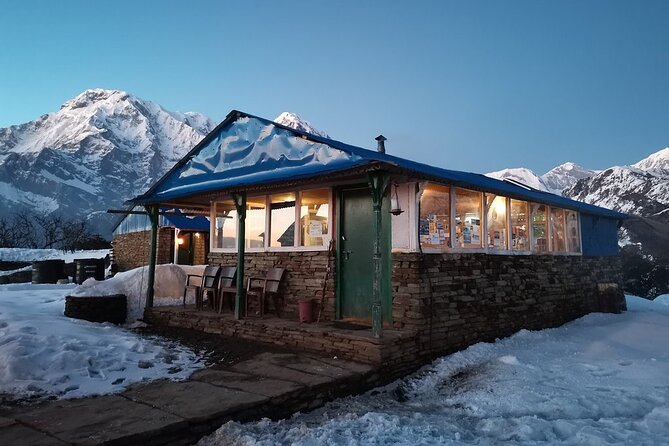
The quieter route also means you should not expect the same range of facilities found in Pokhara or Kathmandu. Teahouse accommodation is basic, and you should be comfortable with simple rooms and shared trekking infrastructure.
For me, this is the kind of day that gives the trek its character. The big peaks may be the headline, but the changing forest and slower pace make the walk feel personal.
Day 5: Above the trees toward High Camp
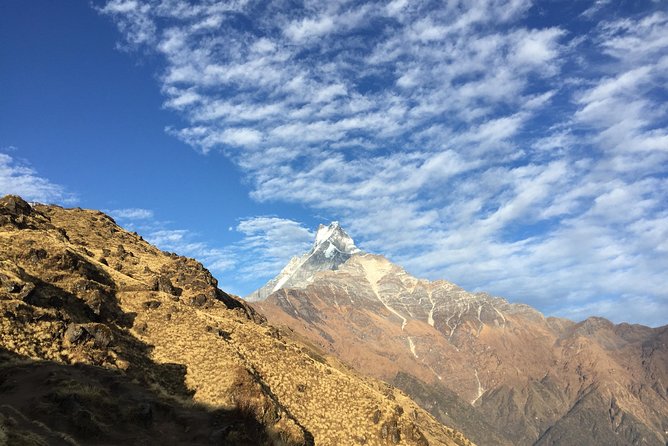
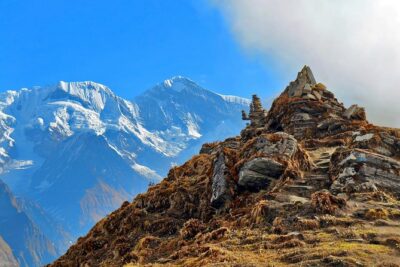
Day five is the most demanding regular trekking day, with a gradual ascent and about six hours on the trail. You climb toward the alpine zone, above the tree line, with increasingly open views of Mardi Himal and Machhapuchhre.
The phrase gradual ascent is reassuring, but it does not mean effortless. At higher altitude, even a steady path can feel tough. You should keep a measured pace, drink regularly, and tell the guide if you feel unwell.
As the trees thin, the experience changes quickly. You gain wider views and more exposed terrain. The route becomes less about walking through villages and more about moving across high mountain ground.
High Camp is an important stop because it positions you for the early morning viewpoint walk. You may find the accommodation simple, and facilities can be limited at this altitude. That is a fair exchange for being close to the high point of the trek.
Day 6: The early viewpoint and the best mountain panorama
Day six starts with an early hike to a viewpoint, followed by a return to High Camp for breakfast and rest. The walk is listed at about three hours, making it shorter than the previous day but especially valuable for scenery.
The high viewpoint looks toward Annapurna South, Hiunchuli, and Machhapuchhre. Mardi Himal is also part of the mountain setting, and the open alpine terrain gives you a broad view rather than a narrow forest-framed glimpse.
The early start is worth understanding. Mountain views are often clearest in the morning, before cloud builds later in the day. You will need warm layers and patience, since the timing is designed around visibility rather than convenience.
After the viewpoint, returning to High Camp for breakfast and rest is a welcome touch. You are not forced to carry straight on after the best view. That break can make the day feel far more manageable.
Day 7: Descent, settlements, and a free evening in Pokhara
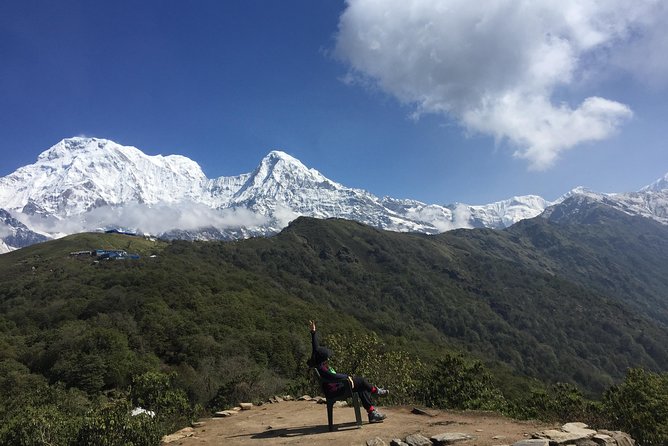
The final walking stage descends through forest and small settlements before you drive back to Pokhara. After several high days, the descent may feel easier for your lungs but harder on your knees.
Small settlements give you another look at daily life away from the larger towns. The route is not only a sequence of viewpoints. You also pass through places where mountain communities support the trekking economy through lodging and meals.
Back in Pokhara, the free evening at Lakeside is useful. You can rest, eat something different, and enjoy the change from teahouse life. It also gives you a little breathing room before the return to Kathmandu.
The schedule does not include a major Pokhara sightseeing program, so keep your expectations clear. You have free time, not a guided city tour. That can be a benefit if you prefer to choose your own restaurant or simply recover.
Day 8: Returning to Kathmandu
The tourist bus leaves in the morning for Kathmandu, with the journey taking about six hours. A hotel transfer is arranged after arrival.
This final road day can be tiring, especially after the descent. The upside is that you return to Kathmandu without needing another flight or a complicated connection. The trip closes with a practical return rather than an unnecessary extra mountain night.
If your international flight leaves soon after, check the timing carefully. The provided plan includes a morning bus, but road journeys can take much of the day. A later departure or an additional night may be more comfortable, though that would need to be arranged separately.
What the private format changes
A private trek is especially useful when people in the same group walk at different speeds. One person may want frequent breaks, while another may prefer to keep moving. A guide can help balance those needs better than a fixed group schedule.
The available feedback points repeatedly to helpful staff, smooth organization, and guides who explain local culture and answer questions. The name Sobit Gurung is connected with company support, while Shankar is praised in the wider company feedback for guiding and safety on another Himalayan trip. You should confirm who your Mardi Himal guide will be before departure, since the supplied information does not name the specific guide for this trek.
A Chinese-language account also describes the arrangements as clear and reassuring for a woman traveling alone. That does not remove the need for normal mountain caution, but it suggests that solo participants can ask for practical support and a private setup.
Teahouses, meals, and what your price covers
The accommodation is described as basic but comfortable teahouse lodging. You should expect a functional place to sleep rather than hotel-style comfort. At higher points, simple facilities are part of the experience.
Seven breakfasts are included, along with five lunches and five dinners. This covers much of the food during the eight-day plan, but drinks are excluded. Budget separately for beverages and any extra food you want.
The package is strongest for people who want one organized price rather than handling every lodge and meal booking themselves. It is less attractive if you already have strong local contacts and prefer to arrange each night independently.
Fitness, altitude, and the right mindset
You need a moderate level of physical fitness. The walk is not presented as technical mountaineering, but several hours of daily walking, uphill sections, and a maximum altitude of 4,500 meters demand preparation.
The route includes acclimatization time and a flexible schedule, which helps. Still, no itinerary can guarantee that every person will feel comfortable at altitude. Go slowly, take the offered breaks, and speak to the guide if you develop symptoms that concern you.
The hardest stretch is likely the climb toward High Camp and the early high viewpoint. The descent can then challenge your legs. Training with hills or stairs before the trip will help more than simply walking on flat ground.
Who should book this trek
I would recommend Mardi Himal to you if you want strong Himalayan views but do not have time for a two-week route. It suits couples, friends, solo participants, and small private groups who value flexibility.
It is also a good choice if you want to combine a mountain walk with Kathmandu and Pokhara. The route offers more variety than a trek that spends every night in the same type of mountain village.
I would hesitate to recommend it if your priority is luxury lodging, short travel days, or very gentle walking. The price is reasonable for the private organization and included meals, but the altitude and basic teahouses remain real parts of the deal.
Should you book the Mardi Himal Trek?
Book it if you want a compact Nepal itinerary with four serious trekking days, a 4,500-meter high point, and excellent views of Annapurna South, Hiunchuli, Mardi Himal, and Machhapuchhre.
The strongest reasons are the private pacing, the quieter forest route, and the chance to reach high alpine terrain without committing to a much longer expedition. The main compromises are the early bus departures, simple lodging, long road transfers, and physical demands at altitude.
At $666.67 per person, the trip offers solid value for a private package that covers most meals, teahouse arrangements, transport between the main bases, and guide support. Confirm the guide’s name, room arrangements, expected walking hours, and drink costs before paying. If those details suit you, this is a practical and scenic way to see a less crowded side of the Annapurna region.
FAQ
How long is the Mardi Himal Trek?
The experience lasts approximately eight days, including time in Kathmandu, travel to and from Pokhara, and four main trekking days.
What is the highest altitude reached?
The maximum altitude is listed as 14,760 feet, or 4,500 meters.
Is this a private trek?
Yes. Only your group participates, and the itinerary can be adjusted to suit your needs.
What time does the experience start?
The stated start time is 6:15 in the morning. The tourist bus to Pokhara leaves at about 6:30 on day two.
What meals are included?
Seven breakfasts, five lunches, and five dinners are included. Drinks are not included.
Where do you stay during the trek?
You stay in basic but comfortable teahouses. The specific lodge names are not provided.
What mountains can you see?
The route offers views of Mardi Himal, Machhapuchhre, Annapurna South, Hiunchuli, and the wider Annapurna range.
How difficult is the trek?
It requires a moderate level of physical fitness. The route includes gradual ascents, alpine terrain, several hours of walking, and a maximum altitude of 4,500 meters.
Can the booking be canceled for a full refund?
Yes, if you cancel at least 24 hours before the experience begins. Cancellations made less than 24 hours before the start time are not refunded, and changes within that period are not accepted.
Latest treks added in Kathmandu
- Private Manaslu Circuit Trek at Himalayas★ 5.0 · 3 reviews
- Ghorepani Poonhill Trek★ 5.0 · 5 reviews
- Ghorepani Poon Hill Trek★ 5.0 · 16 reviews
- Upper Mustang Trekking★ 3.0 · 2 reviews
- Amazing 1 Day Trekking Experience in Kathmandu Nepal★ 5.0 · 24 reviews
- Upper Mustang Trekking★ 5.0 · 2 reviews
- Upper Mustang Trek★ 5.0 · 5 reviews
- Upper Mustang Trekking★ 5.0 · 4 reviews
Mardi Himal Treks, compared.
Browse the lists this tour appears in