
REVIEW · KATHMANDU
Mardi Himal Trek
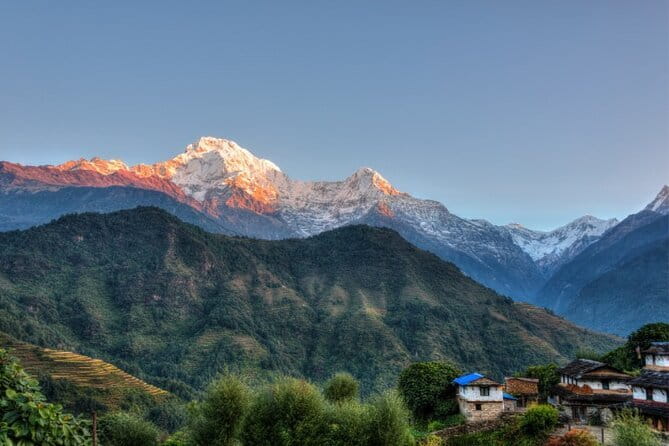
Mardi Himal gives you a close look at the Annapurna range without the heavy foot traffic of Nepal’s best-known routes. The trail moves from oak, maple, and rhododendron forest to open grassy ridges, then toward High Camp and the mountain viewpoint.
I like the quiet pace and the changing scenery. I also like that the trip includes airport transfers, hotels, trekking permits, a guide, porter support, meals, and lodge stays, which removes much of the planning work. The main drawback is the long road journey between Kathmandu and Pokhara, plus several trekking days of five to seven hours on steep ground.
Key points to know before booking
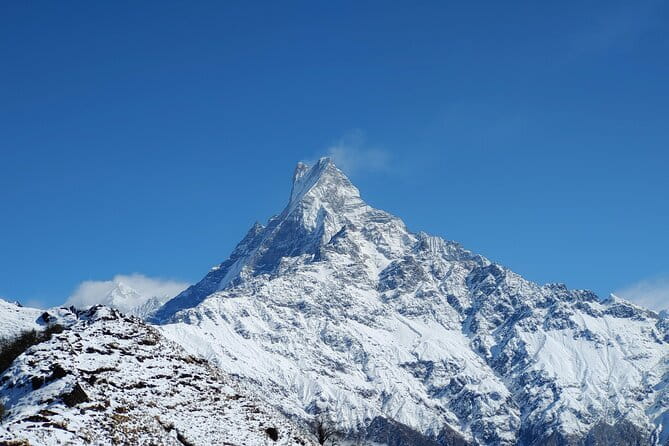
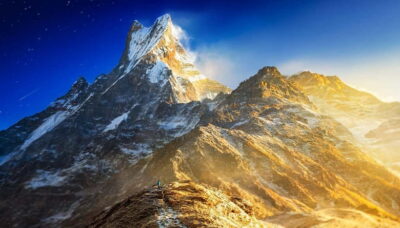
- Mardi Himal Base Camp is the prize: Reach an upper viewpoint with broad views of Annapurna South, Hiunchuli, and Machhapuchhre, also called Mt. Fishtail.
- The route changes character fast: You begin among village paths and forest, then walk above the tree line on exposed grassy ridges.
- The group is limited to 15 people: That is small enough for a more personal guided walk without promising a private trek.
- Guide and porter support are included: One porter is provided for every two clients, and guides may include Ishwor, Deepak Neupane, Rajan, Krish, or Ram.
- The price covers most major costs: At $821.34 per person, the package includes two Kathmandu nights, two Pokhara nights, five trekking nights, transport, permits, meals, and equipment loans.
- Check one confusing inclusion: Airfare from Kathmandu to Lukla is listed, but this itinerary travels by road and does not include Lukla. Ask Ace the Himalaya to clarify before paying.
Why Mardi Himal works for a quieter Annapurna trek
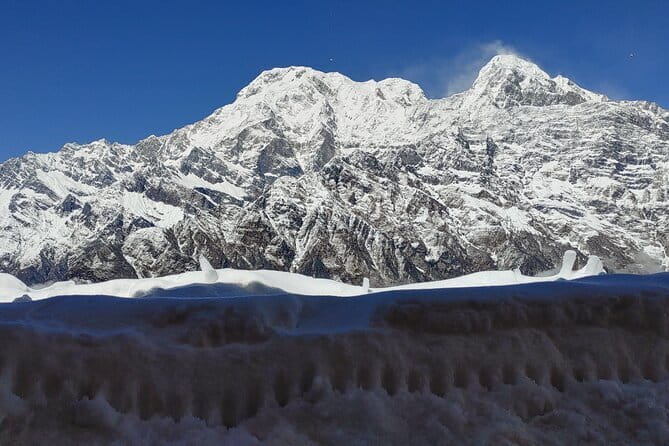
Mardi Himal sits south of the Annapurna Base Camp route. That location matters because you get the same broad mountain setting with a quieter feel on the trail. You should not expect an empty wilderness, but the route is designed for people who want fewer encounters with large trekking groups.
The scenery changes in useful stages. The first walking days pass through villages and forest. Later, the trees thin out and the mountains appear much closer. By the time you reach High Camp and the upper viewpoint, the experience feels very different from the warm, leafy start.
This is not a sightseeing tour where you step off a bus and take a photo. You walk for roughly four to seven hours on most trekking days, with repeated uphill sections and a cold, exposed finish. The trip suits you best if you have moderate fitness and are comfortable walking for much of the day.
More Mardi Himal Treks in Kathmandu
- Mardi Himal Trek
★ 5.0 · 41 reviews - Mardi Himal Trek Nepal
★ 5.0 · 29 reviews - Mardi Himal Trek – 8 Days | Hidden Gem of the Annapurnas
★ 5.0 · 19 reviews
Kathmandu arrival and the pre-trek meeting
Your trip begins at Tribhuvan International Airport. An Ace the Himalaya representative meets you outside the terminal with a sign and transfers you to your hotel in a private tourist vehicle.
The airport pickup is useful after an international flight, especially if Kathmandu is new to you. On arrival day, you also attend a pre-trek meeting with your guide. Bring your passport, three passport photos, and a readable copy of your travel insurance policy.
The company provides a duffel bag and cap at this meeting. A down jacket and sleeping bag are also supplied for the trek, but those items must be returned afterward. You will sign a trip form and non-liability disclaimer, so this is the right time to ask about pace, meals, weather, equipment, and the confusing Lukla airfare line.
Day 2: The long road to Pokhara
The second morning starts early with a tourist bus to Pokhara. The distance is about 200 kilometers, but the journey takes six to seven hours. Road travel in Nepal can be slow, so you should think of this as a full travel day rather than a quick transfer.
The route gives you views of rivers, hills, villages, vegetation, and changing patterns of settlement. It is not as comfortable or flexible as a private car, but a tourist bus keeps the package price down.
Once in Pokhara, you check into a hotel for the night. You get two nights in Pokhara during the trip, with the other one coming after the trek. That break helps divide the road travel from the walking days.
Day 3: Kande, Australian Camp, and first mountain views
After breakfast, a jeep carries you to Kande in about an hour. This is where the trek begins. The climb to Australian Camp takes around three hours.
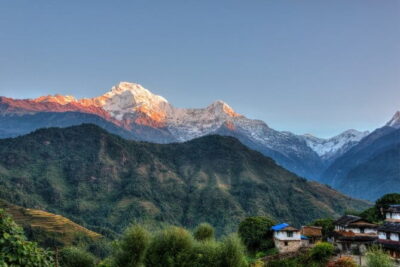
Australian Camp is a strong opening stop because it introduces the scale of the Annapurna range before the route heads into thicker forest. On a clear day, you can see Annapurna peaks, Machhapuchhre, the Manaslu range, and green hills.
The first walking day is not a gentle stroll. You start gaining height soon after leaving Kande, and the surface can feel demanding if you are still adjusting to your pack and the rhythm of mountain walking. Keep your first day steady. Your guide is there to set a manageable pace, and one porter is included for every two clients.
Another trail to compare in Kathmandu:
- Everest Base Camp Trek – 14 Days
★ 5.0 · 1,499 reviews - Everest Base Camp Trek
★ 5.0 · 842 reviews - Everest Base Camp Trekking
★ 5.0 · 485 reviews - Annapurna Circuit Trek with Tilicho Lake
★ 5.0 · 368 reviews
Day 4: Deurali and the forest route
The route from Australian Camp heads downhill toward Pothana, then climbs again to Deurali at about 2,100 meters. From Deurali, you follow the turn toward Forest Camp.
The full walk takes roughly six to seven hours. The trail enters oak, maple, and rhododendron forest, giving you shade and a close-up look at the plant life of the mid-mountain zone. This is one of the most appealing parts of the trek for anyone who prefers woodland paths to open, rocky slopes.
The drawback is that forest walking can hide the mountain views for stretches. You are not collecting nonstop panoramas here. Instead, the reward comes from the quiet trail, changing vegetation, and the gradual sense that you are moving into higher country.
You spend the night in a mountain guesthouse. Trekking accommodation is in twin-share or dormitory rooms, so you should expect simple facilities rather than hotel comfort.
Day 5: From forest to grassy ridge and Low Camp
The path climbs steeply for several hours before leaving the trees and reaching a grassy ridge. In winter, snow can cover parts of this ridge. The open ground gives you a better sense of the mountains and makes the temperature change more noticeable.
The day takes about six to seven hours and ends at Low Camp in the afternoon. This is a useful stop for settling into the high part of the route. You can have tea, rest, and look toward Annapurna South and Machhapuchhre.
The itinerary describes this day as Mardi Himal Base Camp, but the actual walking description places you at Low Camp. That mismatch is worth clarifying with the operator. The next day takes you to High Camp, and the following morning includes the upper viewpoint or Mardi Himal Base Camp.
Day 6: High Camp above the tree line
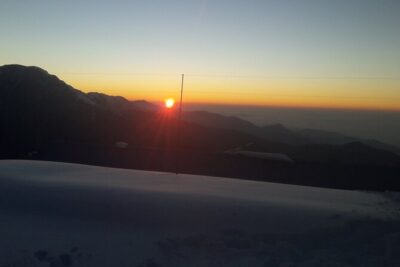
You wake early for mountain sunrise views, then continue along grassy ridges. The trail climbs throughout the day, and after four to five hours you reach High Camp.
This is the point where the trek feels more serious. You are above the tree line, and the temperature drops as you gain height. Winter snow can cover the route, so warm layers, gloves, and good personal trekking equipment matter even though the company supplies a down jacket and sleeping bag.
High Camp is a place to rest, eat, and prepare for the early walk to the upper viewpoint. Do not treat this as a casual afternoon hike. The exposed setting and colder air make it important to follow your guide’s pace and instructions.
Day 7: The upper viewpoint and Mardi Himal Base Camp
The main goal comes early. You walk for a few hours from High Camp to the upper viewpoint, also described as Mardi Himal Base Camp. From here, the Annapurna Sanctuary opens up, with views toward Annapurna South, Hiunchuli, and Machhapuchhre.
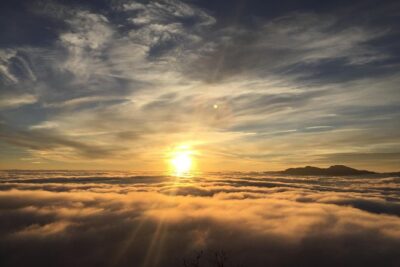
The mountain views are the reason to accept the long approach and basic lodging. You are close enough to the peaks for the scene to feel immediate, especially from the open ridge. Sunrise is a major part of the experience, so prepare clothing and small essentials the night before.
After spending time at the viewpoint, you return to High Camp for breakfast. You eat lunch and rest before descending for about two hours to Low Camp. The return trip is practical rather than glamorous, but it gives your legs a break from constant climbing.
Day 8: Siding village and the return to Pokhara
The final trekking day descends toward Siding village. The elevation changes quickly, and the walk takes about five hours. You stop in Siding for lunch before taking a four-wheel-drive jeep back to Pokhara.
This day brings another sharp change in scenery. You leave the high ridges and return toward villages and lower ground. The jeep ride may feel rough after the walk, but it saves you from a longer trek out.
Back in Pokhara, you celebrate the end of the route. Your second Pokhara hotel night gives you time to rest before the next bus ride. Lunch and dinner in Pokhara are not included, so budget separately for those meals.
Day 9: Pokhara to Kathmandu and farewell dinner
The return bus to Kathmandu takes about seven hours. You get a final look at the hills and mountain country, but this is another long road day. If you dislike extended bus travel, this part of the package may test your patience.
After arrival, a representative transfers you to your Kathmandu hotel. The evening includes a farewell dinner at a traditional Nepalese restaurant with cultural performances.
This is a pleasant way to close the trip, but remember that lunch and dinner in Kathmandu are excluded except for the included farewell dinner. Alcoholic drinks and hot and cold drinks are also extra.
Guides, porters, and group size
The strongest part of this package is the human support. The listed guides include Ishwor, Deepak Neupane, Rajan, Krish, and Ram. The trip gives you a licensed English-speaking guide, and one porter serves two clients.
Specific guide assignments can change, so do not book on the assumption that one named person is guaranteed. Still, the repeated praise for Ishwor’s care, Deepak’s steady leadership, Rajan’s help with a small group, and Ram’s patient attention gives you a useful picture of the service style to expect.
A maximum of 15 people keeps the group from becoming unwieldy. It is not the same as a private trip, but it should allow the guide to pay attention to individual pace and comfort. Group discounts may be available, so larger parties should ask for the current terms.
What the $821.34 price really covers
At $821.34 per person, the package offers solid value if you want a guided trek with transport and equipment support already arranged.
Included costs cover:
- Airport transfers
- Two three-star hotel nights in Kathmandu
- Two three-star hotel nights in Pokhara
- Five nights in trekking guesthouses
- Tourist bus transport between Kathmandu and Pokhara
- Vehicle transport for the Kande and Siding sections
- A licensed English-speaking guide
- One porter for every two clients
- Trekking permits
- Breakfast for nine days
- Six lunches and six dinners
- Government taxes and service charges
- A duffel bag and sun hat to keep
- A down jacket and sleeping bag to return
The main exclusions are international flights, Nepal’s entry visa, travel insurance, personal trekking equipment, drinks, tips, and most meals in Kathmandu and Pokhara. Tips are expected, so include them in your real budget.
One important point needs confirmation. The inclusions list airfare from Kathmandu to Lukla and back, yet the schedule uses a bus to Pokhara and road transport around the Mardi Himal route. Lukla is not part of the described journey. Ask Ace the Himalaya to correct or explain this before booking.
Who should book this trek
I would choose this route if you want a manageable introduction to Himalayan trekking, strong mountain views, village lodging, and a quieter route than Annapurna Base Camp. It also works well as an extension after the Annapurna Circuit, as one itinerary example shows.
You should be comfortable with five to seven hours of walking on several days. The route includes steep climbs, exposed ridges, possible snow, cold conditions, and basic guesthouse rooms. Moderate physical fitness is required, and travel insurance must cover emergency high-altitude rescue and evacuation.
This is not the right choice if you want luxury hotels throughout, short daily walks, or a flexible self-guided schedule. The road transfers are long, and the mountain weather can affect plans. If poor weather cancels the experience, you can choose a different date or receive a full refund.
Should you book the Mardi Himal Trek?
Book it if you want a well-supported 10-day route with a clear mountain goal and a useful mix of forest, villages, ridges, and big Annapurna views. The price is reasonable for the number of services included, especially the guide, porter, permits, hotels, meals, and transfers.
Before you commit, confirm the Lukla airfare discrepancy, ask who your guide will be, and check exactly what personal equipment you need. If those details are clear and you are ready for long walking days, Mardi Himal offers a rewarding alternative to Nepal’s busiest trekking corridors.
FAQ
How long is the Mardi Himal Trek?
The trip lasts about 10 days, including arrival and departure days, road transfers, two nights in Kathmandu, two nights in Pokhara, and five nights in trekking guesthouses.
Where does the trek start?
The walking section starts at Kande after a jeep ride from Pokhara. The itinerary also includes a transfer to Australian Camp, where the first walking stage continues.
What is the highest point on the route?
The highest destination described is the upper viewpoint or Mardi Himal Base Camp, reached from High Camp. The supplied information does not give its exact elevation.
How many hours do I walk each day?
Walking days generally take about four to seven hours. The longest described stages are the walks to Forest Camp and Low Camp, each taking around six to seven hours.
Is airport pickup included?
Yes. An airport representative meets you at Tribhuvan International Airport and transfers you to your Kathmandu hotel.
Are hotels included?
Yes. The package includes twin-share or double rooms in three-star hotels for two nights in Kathmandu and two nights in Pokhara.
What type of accommodation is used during the trek?
You stay in guesthouses in twin-share or dormitory rooms for five nights.
Are meals included?
Breakfast is included for nine days. Six lunches and six dinners are also included. Lunch and dinner in Kathmandu and Pokhara are generally not included, apart from the scheduled farewell dinner.
Is a porter included?
Yes. One porter is included for every two clients.
Do I need travel insurance?
Yes. You are responsible for arranging travel insurance that covers emergency high-altitude rescue and evacuation.
What happens if bad weather cancels the trip?
If poor weather causes cancellation, you can choose another date or receive a full refund.
Can I cancel for a full refund?
You can cancel for a full refund if you do so at least 24 hours before the experience start time. Changes or cancellations made less than 24 hours before the start time are not accepted for a refund.
Latest treks added in Kathmandu
- Private Manaslu Circuit Trek at Himalayas★ 5.0 · 3 reviews
- Ghorepani Poonhill Trek★ 5.0 · 5 reviews
- Ghorepani Poon Hill Trek★ 5.0 · 16 reviews
- Upper Mustang Trekking★ 3.0 · 2 reviews
- Amazing 1 Day Trekking Experience in Kathmandu Nepal★ 5.0 · 24 reviews
- Upper Mustang Trekking★ 5.0 · 2 reviews
- Upper Mustang Trekking★ 5.0 · 4 reviews
- Upper Mustang Trek★ 5.0 · 5 reviews
Mardi Himal Treks, compared.
Mardi Himal Trek – 8 Days | Hidden Gem of the Annapurnas
Read our review →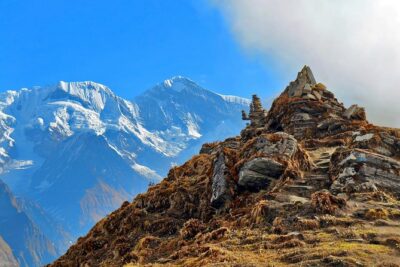
Browse the lists this tour appears in