
REVIEW · KATHMANDU
Mardi Himal Trek Nepal
Mardi Himal gives you a fine taste of Nepal’s high country without the long commitment of the Annapurna Circuit. The trail moves from forest to open meadow and then to a narrow mountain ridge, with Machapuchare, Annapurna South, and Hiunchuli as your visual reward. I like the quieter route and the fact that tea houses now replace the old camping-only setup.
I also like the practical package: guide, porter, permits, meals, lodging, and ground transport are covered, which makes the $750 price easier to understand. The main catch is the long overland travel between Kathmandu and Pokhara, plus one demanding day to the upper viewpoint and back. This is not a soft walking holiday.
Key points at a glance
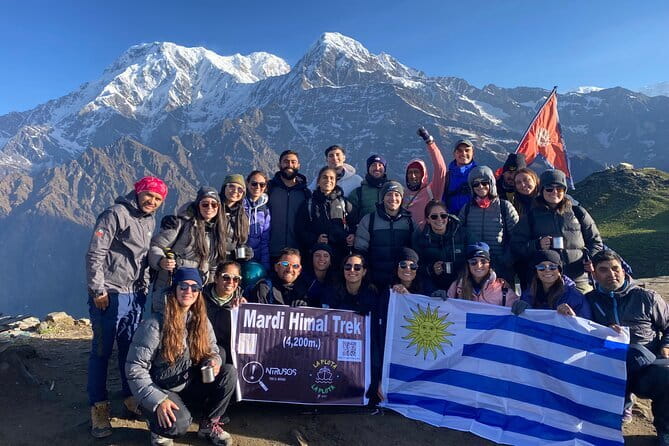
- A quieter Annapurna route: Mardi Himal offers a less crowded alternative to the Annapurna Base Camp and Annapurna Circuit trails.
- Views improve each day: Forest paths lead toward open ridges with fine views of Machapuchare, Annapurna South, and Hiunchuli.
- High Camp is the turning point: The trail becomes thinner, steeper, and more exposed as you leave the trees behind.
- A long summit day: Reaching the upper viewpoint involves roughly 10 hours of ascending, descending, and narrow ridge walking.
- A useful all-in package: Guides, porters, five lunches, eight breakfasts, five dinners, permits, tea-house accommodation, and transport are included.
- Small-group format: The maximum group size is 16, with airport pickup and a mobile ticket included.
Why Mardi Himal works for a short Nepal trek
Mardi Himal is a relatively new trekking route in the Annapurna region. It once operated mainly as a camping trek, but tea houses and small lodges now line the route. That change matters. You can walk through remote mountain country without carrying camping gear, cooking equipment, and a full food supply.
The route also feels different from Nepal’s busiest classic treks. You still get the big Himalayan views, but the path spends more time in forest and open pasture before reaching the high ridge. The reward comes in stages rather than all at once.
You should also set your expectations correctly. This is a moderate physical trek, not a casual mountain stroll. The highest point is described at about 4,500 meters in the supplied tour material, and altitude can make even a short distance feel serious. The upper viewpoint day lasts about 10 hours, with steep and narrow sections.
The trip is aimed at people who want a compact Himalayan experience and are comfortable with basic tea-house accommodation, long bus rides, and sustained uphill walking. If you want a gentler schedule, ask Magic Himalaya Treks about how the itinerary can be adjusted for your group. The guide team is described as willing to adapt the route to group needs.
More Mardi Himal Treks in Kathmandu
- Mardi Himal Trek
★ 5.0 · 41 reviews - Mardi Himal Trek – 8 Days | Hidden Gem of the Annapurnas
★ 5.0 · 19 reviews - Mardi Himal Base Camp Trek -9 Days
★ 5.0 · 18 reviews
Day 1: Kathmandu, airport pickup, and a Thamel briefing
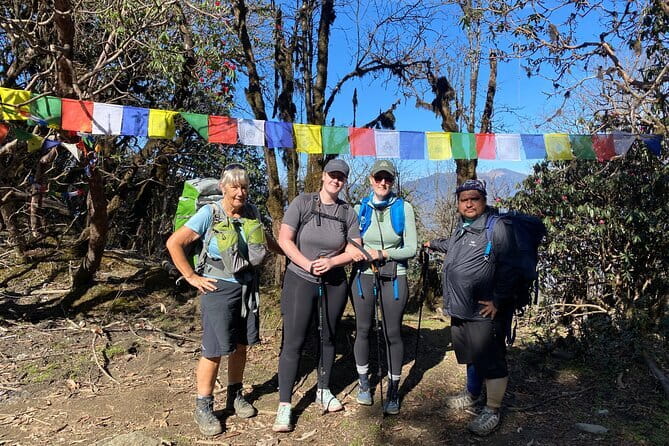
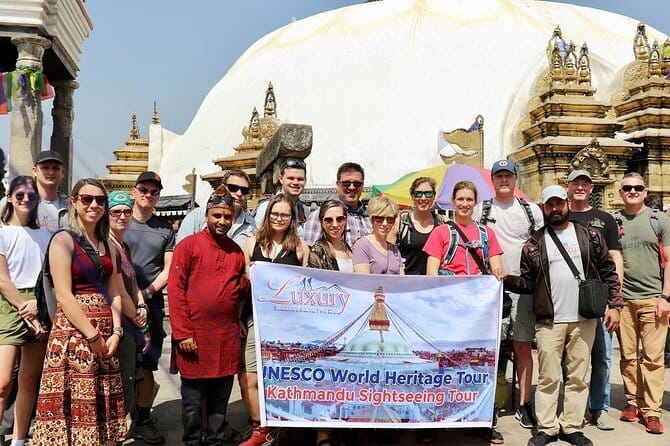
Your trip begins with airport pickup in Kathmandu and a transfer to a hotel in Thamel. That first transfer is useful after an international flight, especially if this is your first visit to Nepal’s capital.
In the evening, you meet the Magic Himalaya Treks team at its office for a briefing. This is the right time to confirm the walking plan, check your equipment, and ask what you should carry each day. The company provides a duffel bag for the porter and a trekking map, but your own clothes and personal trekking gear are not included.
The day is more about getting organized than seeing Kathmandu. Lunch and dinner in Kathmandu are your responsibility, as are personal purchases and drinks. Build a little spending money into your plan for those costs.
The package lists a meeting time of 1:15 a.m., which is unusual for the main itinerary. Ask the company to confirm exactly what that time applies to before you arrive. It may relate to an airport or transfer arrangement, but the supplied details do not explain it.
Day 2: The long road from Kathmandu to Pokhara
After breakfast, your guide takes you to the tourist bus station for the drive to Pokhara. The journey takes about six to seven hours, although road conditions can affect the timing. An air-conditioned tourist bus is included.
This is one of the less exciting parts of the trip, but it is part of the Nepal experience and avoids the cost of an internal flight. You spend the night in Pokhara, with accommodation and breakfast included. Lunch and dinner are not included in Pokhara, so you can choose your own meals.
Pokhara is a sensible staging point for Mardi Himal. The city gives you a final chance to buy small items, sort your pack, and enjoy a more comfortable evening before the walking begins. Still, do not think of this as a full sightseeing day. Most of it goes to the road journey.
Day 3: Kande, Australian Camp, and Deurali
After breakfast, private transport takes you to Kande, where the trek starts. The route heads toward Deurali, with a likely lunch stop at Australian Camp.
Australian Camp is one of the pleasant viewing points on this section. It helps mark the change from road travel to mountain walking, and it gives you an early look at the surrounding Himalayan ranges. From there, the path continues through forest toward Deurali, where you spend the night at Deurali Villa or similar accommodation.
The supplied schedule gives this stop about one hour, but the full walking details are not clear. Ask for the expected hiking distance and elevation gain before departure. The practical point is that this is your first walking day, so use it to settle into your boots and walking pace rather than racing ahead.
The accommodation is tea-house style. You should expect a simple mountain stay rather than hotel comforts. The value here is that you sleep near the trail and do not need camping equipment.
Another trail to compare in Kathmandu:
- Everest Base Camp Trek – 14 Days
★ 5.0 · 1,499 reviews - Everest Base Camp Trek
★ 5.0 · 842 reviews - Everest Base Camp Trekking
★ 5.0 · 485 reviews - Annapurna Circuit Trek with Tilicho Lake
★ 5.0 · 368 reviews
Day 4: Forest walking to Low Camp
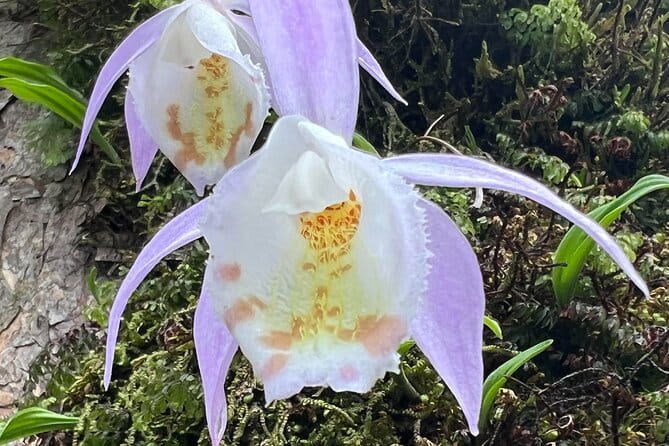
The path continues through forest toward Low Camp, with about six hours of walking listed for the day. This is one of the most appealing sections for people who enjoy changing scenery. The dense trees provide shade and a softer introduction to the higher mountains before the route opens up.
At Low Camp, the tree cover thins and the Himalayan views become more noticeable. You can see the ranges more clearly as the route rises. Breakfast, lunch, and dinner are included on this trekking day, along with the night’s accommodation.
The forest can also hide the scale of the climb. You may feel that progress is easy because the route is sheltered, then notice the altitude and uphill work once the path opens. Keep a steady pace, drink regularly, and listen to your guide.
Day 5: The climb to High Camp
Day five takes you upward to High Camp in about five hours. The higher you go, the thinner the trees become. That shift is one of the memorable features of Mardi Himal: you move from woodland into open alpine country within a few days.
There is also a chance of seeing danphe, Nepal’s colorful Himalayan pheasant, along the route. Sightings are never guaranteed, but the possibility adds interest to the walk. At High Camp, you reach the final overnight stop before the upper viewpoint.
High Camp is where the trek starts to feel more exposed and more demanding. The air is thinner, the terrain is rougher, and the shelter is basic. The mountain setting is the point, but you should not expect the comforts of Pokhara or Kathmandu.
This is the night to prepare carefully for the next morning. Keep warm clothes and essentials easy to reach. Your porter carries the main duffel, while you should keep your daypack light and useful.
Day 6: The upper viewpoint and the hardest day
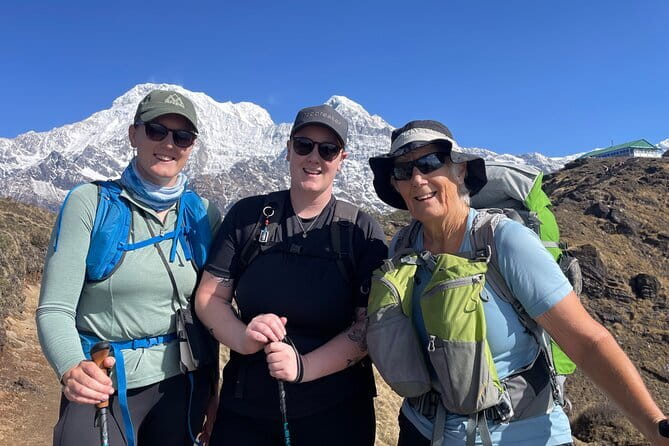
The upper viewpoint day is the heart of the trek. The schedule allows about 10 hours, and the description is clear about the terrain: you ascend and descend, cross pastures, and follow narrow, sometimes steep sections of trail along the ridge.
This is not a simple uphill walk to a viewpoint. You gain height, lose some of it, and then climb again. The narrow ridge can feel exposed, particularly if weather reduces visibility or the ground is slippery. Your guide’s support matters most here, so stay with the group and do not treat the day as a race.
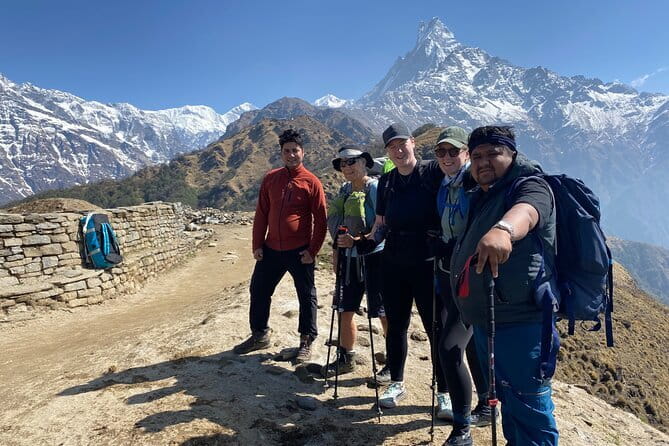
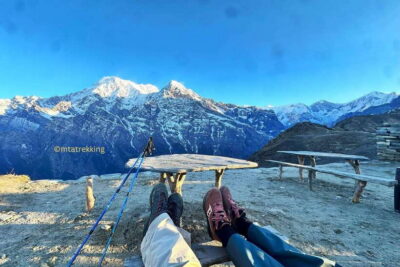
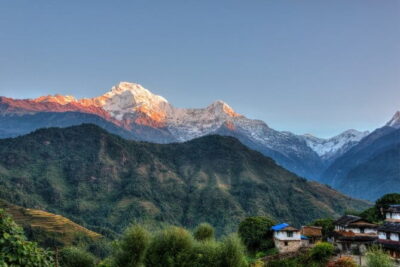
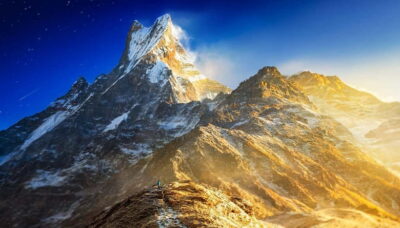
The payoff is the high mountain panorama. From the upper viewpoint, you can look toward Machapuchare, Annapurna South, and Hiunchuli. Machapuchare, also called Fishtail, is the signature peak of this route. The views are the reason to accept the long day and the less comfortable trail.
The day also demands honest self-assessment. You should have a moderate level of fitness and be prepared for altitude at roughly 4,500 meters. If you feel unwell, tell your guide promptly. A viewpoint is never worth ignoring serious symptoms.
You return to High Camp after the viewpoint walk. That return makes the day feel longer than the distance alone suggests. Plan to conserve energy early, carry only what you need, and keep some food and water available in your daypack.
Day 7: A different route to Shiding Village
Rather than retracing the same Mardi Himal path, the itinerary takes a different route toward Shiding Village. This is a smart change. Repeating the trail would be simpler, but the alternate route gives you a fresh setting and avoids making the descent feel like a replay.
From Shiding, a private jeep takes you back to Pokhara for the night. The trekking portion is listed at about five hours, followed by the road transfer. After the effort of the upper viewpoint, the return to Pokhara gives you a welcome change of pace.
This day also shows why a guide and private transport add value to the package. The route from Shiding to Pokhara is not just a matter of walking back to the starting point. Having the vehicle arranged keeps the schedule moving and removes the need to negotiate local transport after a tiring descent.
You spend the night in Pokhara. The package includes breakfast, but not lunch or dinner in the city. Allow time for a proper meal and a little recovery before the bus back to Kathmandu.
Day 8: Returning to Kathmandu by tourist bus
After breakfast, you walk or drive a short distance to the tourist bus park and take the bus to Kathmandu. The journey takes about six to seven hours.
This is another long road day, so the trip is best suited to people who prefer a lower-cost overland plan to a faster and more expensive flight. The bus is air-conditioned, but you should still expect a full day of sitting and road travel.
A farewell dinner and company celebration are included after your return. That gives the trip a pleasant closing ritual and a chance to spend time with the support team before departure. The night in Kathmandu is not described in detail, so confirm the accommodation arrangement and whether it is part of the package.
Day 9: Airport transfer and departure
The final day is simple. A private vehicle picks you up from your hotel and transfers you to the airport.
The airport drop-off is included, which is useful after a trek when your luggage may be less orderly than it was at the start. Your memories will likely center on the ridge walk, the mountain views, and the people who helped manage the trip, rather than the final transfer.
What the $750 price covers
At $750 per person, the package is not just a guided walk. It includes the main costs that can quickly add up on a Nepal trek:
- Kathmandu to Pokhara and return by air-conditioned tourist bus
- Private transport from Pokhara to Kande
- Jeep from Shiding Village to Pokhara
- Airport pickup and drop-off
- Guide and porter salaries
- Accommodation during the route
- Breakfast, lunch, and dinner as specified
- Annapurna Conservation permits and required documents
- Trekking map and company duffel bag
- Medical kit and required trek medicines
- Insurance listed by the company
- Government tax
- Farewell dinner and company celebration
The meal count is eight breakfasts, five lunches, and five dinners. That appears to cover the trekking and hotel breakfast portions, but not every meal in Kathmandu and Pokhara. Read the inclusions carefully before budgeting.
You still pay for international flights, Nepal’s entry visa, departure tax, personal spending, clothes, trekking gear, drinks, alcohol, and rescue operations if one is needed. Travel insurance for a Nepal trek is also your responsibility. Do not assume the company’s listed insurance replaces your own travel policy.
The price offers good value if you need a guided, supported trek with transport and permits arranged. It is less attractive if you already have gear, know the route, and plan to travel independently. The real benefit is convenience and support, not luxury.
How the guiding and support affect the experience
The strongest praise for this trip centers on the team’s care and attention. Nabin, the owner, is specifically noted for checking on people during the trek, while the wider staff is described as friendly, attentive, and helpful.
That matters on Mardi Himal because the route changes quickly. You need help judging pace in the forest, managing the long High Camp day, and deciding how to handle the narrow ridge. A guide who pays attention to the group can make the difference between a rewarding challenge and an exhausting mistake.
The company also provides a porter, which lets you walk with a lighter daypack. Be sensible about what you hand over, and keep documents, medicine, water, warm layers, and valuables with you.
The maximum group size is 16. That is not a private trek, but it is small enough for a guide to keep track of the group more easily than on a large departure. If you want a smaller party, ask about the exact group size for your date.
Who should book this trek
I would recommend Mardi Himal to you if you want:
- A nine-day Nepal trip with several days of real mountain walking
- A quieter alternative to Nepal’s best-known Annapurna routes
- Tea-house accommodation instead of camping
- Strong Himalayan views without committing to a much longer trek
- A package that handles permits, guides, porters, meals, and transport
- A route with both forest walking and high ridge terrain
I would hesitate if you dislike long bus journeys, basic accommodation, steep trails, or changing weather at altitude. The 10-hour upper viewpoint day is the main test. You also need your own appropriate clothing and trekking gear, and rescue costs are not covered.
The free cancellation policy allows a full refund if you cancel at least 24 hours before the experience starts. Changes or cancellations inside that window are not accepted for a refund.
Should you book the Mardi Himal Trek?
Book it if you want a well-supported introduction to the Annapurna region and prefer a quieter route with a clear high point. The mix of forest, alpine meadow, narrow ridge, and Machapuchare views gives the trek real variety, while the included transport and permits reduce the planning burden.
Before paying, confirm the unclear points: the 1:15 a.m. start time, exact Kathmandu accommodation, the day three walking schedule, and what the listed insurance covers. If those details suit you, the $750 price is fair for a guided nine-day trip with a porter, meals, tea-house lodging, and ground transfers.
FAQ
How long is the Mardi Himal Trek Nepal experience?
The experience lasts approximately nine days, including airport transfers, the Kathmandu to Pokhara journeys, the trek, and the return to Kathmandu.
Is airport pickup included?
Yes. Private airport pickup and drop-off are included in the package.
How many people can join the trek?
The activity has a maximum group size of 16 travelers.
Are meals included?
The package includes eight breakfasts, five lunches, and five dinners. Lunch and dinner in Kathmandu and Pokhara are not included.
Do I need to bring my own trekking clothes and gear?
Yes. Clothes and required personal trekking gear are not included, so you need to arrange those yourself.
Is travel insurance included?
The package lists insurance among its inclusions, but it also states that you need travel insurance for a Nepal trek. Confirm the exact coverage with Magic Himalaya Treks, especially for rescue operations, which are not included.
Latest treks added in Kathmandu
- Private Manaslu Circuit Trek at Himalayas★ 5.0 · 3 reviews
- Ghorepani Poonhill Trek★ 5.0 · 5 reviews
- Ghorepani Poon Hill Trek★ 5.0 · 16 reviews
- Amazing 1 Day Trekking Experience in Kathmandu Nepal★ 5.0 · 24 reviews
- Upper Mustang Trekking★ 5.0 · 2 reviews
- Upper Mustang Trekking★ 3.0 · 2 reviews
- Upper Mustang Trek★ 5.0 · 5 reviews
- Upper Mustang Trekking★ 5.0 · 4 reviews
Mardi Himal Treks, compared.
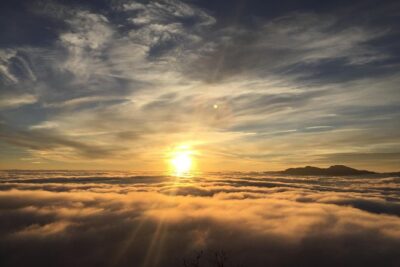
Mardi Himal Trek – 8 Days | Hidden Gem of the Annapurnas
Read our review →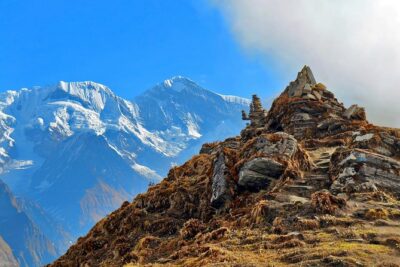
Browse the lists this tour appears in