
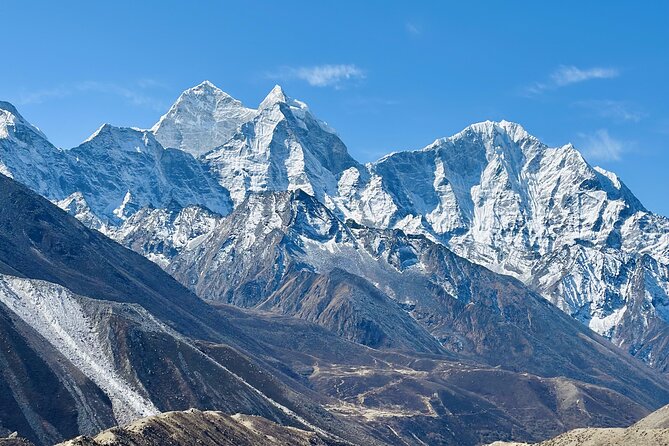
REVIEW · KATHMANDU
Unforgettable Everest Base Camp Trek with Third Rock Adventures! 🌄 I recently completed an incredible journey to Everest Base Camp with Third Rock Adventures, and I can’t recommend them enough! From starRead more
The big draw here is the classic walk into the Khumbu, not a quick mountain photo stop. You fly toward Lukla, follow the Dudh Koshi River, pass Sherpa villages and Buddhist monasteries, then reach Everest Base Camp and Kala Patthar at 5,550 meters for sunrise views of Everest.
I like the built-in acclimatization days in Namche and Dingboche. I also like that the price includes a guide, porter service, tea house lodging, meals, park fees, a sleeping bag, and a down jacket. The main catch is altitude. This is a moderate-to-difficult trek, and the itinerary is demanding even with rest days.
You get a small group of no more than 12 people, plus an English-speaking, government-licensed guide trained in first aid. The company has guides such as Dawa, who has helped with altitude-related plan changes, and Gnawang, known for careful support and good humor. Guide assignments are not guaranteed, so confirm yours before departure.
Key points to know before booking
- Kala Patthar is the visual high point: The pre-dawn hike reaches 5,550 meters and gives you broad views of Everest, Lhotse, Nuptse, Pumori, Ama Dablam, and the Khumbu peaks.
- Two acclimatization days are included: You spend a full day in Namche and another in Dingboche, with optional hikes to help your body adjust.
- The price covers a lot: At $1,799, you get domestic flights, meals during the trek, tea house accommodation, a guide, porter support, permits, a duffel bag, sleeping bag, and down jacket.
- The route uses simple lodging: Tea houses are practical and social, but comfort becomes more basic at higher elevations. Hot showers, internet, charging, drinks, and bottled or boiled water cost extra.
- Weather can disrupt the schedule: Lukla flights are sensitive to mountain weather. A helicopter option is listed at $1,200 per person, so insurance and a cash reserve matter.
- You need proper preparation: The route reaches high altitude and includes steep climbs, rough trails, suspension bridges, and long trekking days.
Why this 14-day Everest route works
I like the shape of this trip. You do not rush straight from Kathmandu to Base Camp. The route rises in stages, giving you time in Phakding, Namche Bazaar, Tengboche, Dingboche, Lobuche, and Gorak Shep before the main goal.
That gradual climb matters. Altitude is the serious issue here, not simply fitness. A strong walker can still feel sick above 4,000 meters, so the full day in Namche and the second acclimatization day in Dingboche are valuable parts of the route, not wasted time.
The package also removes several chores. Your main luggage is carried by porters, with one porter assigned to two people. You carry only what you need for the day, though you should pack with the 15-kilogram baggage limit in mind. Extra baggage costs about $1 per kilogram.
The listed price is $1,799 per person. That is a solid package rate because it includes flights between Kathmandu or Ramechhap and Lukla, meals during the trek, lodging, staff costs, national park and community fees, and equipment loans. You still need to budget for a Nepal visa, international flights, insurance, Kathmandu meals, personal expenses, tips, and trekking gear.
More Everest Base Camp Treks in Kathmandu
- Everest Base Camp Trek – 14 Days
★ 5.0 · 1,499 reviews - Everest Base Camp Trek
★ 5.0 · 842 reviews - Everest Base Camp Trekking
★ 5.0 · 485 reviews
Day 1: Kathmandu briefing and gear check
Your first day is mainly about arriving, getting settled, and preparing. A representative meets you at the airport and takes you to a three-star deluxe hotel. You then meet the trek leader and team for a briefing.
Use this day wisely. Check your boots, warm layers, gloves, headlamp, water system, and any medication you need. You can also shop in Thamel for missing supplies or spend a few hours walking around Kathmandu.
The package includes two nights of Kathmandu accommodation with breakfast. Lunch and dinner in the capital are not included, so plan for those separately. The hotel category is practical rather than luxurious, and an upgrade to a four-star or five-star property costs extra.
Day 2: Lukla, Chauri Kharka, and Phakding
The flight to Lukla begins the mountain portion of the trip. After meeting your crew, you walk through Chauri Kharka and follow the Dudh Koshi River toward Phakding.
This first walk is a useful introduction to the rhythm of the route. You are already in the hills, but the day is not as punishing as the higher sections ahead. The villages, river views, and sight of Khumbila, a sacred Sherpa mountain, give the route a strong cultural setting from the start.
You sleep in a tea house in Phakding. These lodges are basic but useful. Meals are served along the route, and the package includes breakfast, lunch, dinner, and one cup of tea or coffee during the trekking portion.
Day 3: Suspension bridges and the climb to Namche
The walk to Namche is one of the first demanding days. You cross the Dudh Koshi on suspension bridges, including the famous Hillary Bridge, then enter Sagarmatha National Park.
Lunch is planned at Jorsale before the trail climbs sharply toward Namche Bazaar. This is where the route begins to feel properly mountainous. The last section is steep, and you may notice the altitude even though Namche is still well below the trek’s highest points.
Namche is the Sherpa capital and a major trading center for the Khumbu. It is also one of the best places to pause, wash clothes, buy supplies, and check your health before going higher.
More Trekking Tours in Kathmandu
- Annapurna Circuit Trek with Tilicho Lake
★ 5.0 · 368 reviews - Everest Base Camp Trekking – 13 Day
★ 5.0 · 365 reviews - Everest Base Camp Trek
★ 5.0 · 350 reviews - Everest Base Camp Trek -14 Days
★ 5.0 · 321 reviews
Day 4: Namche acclimatization
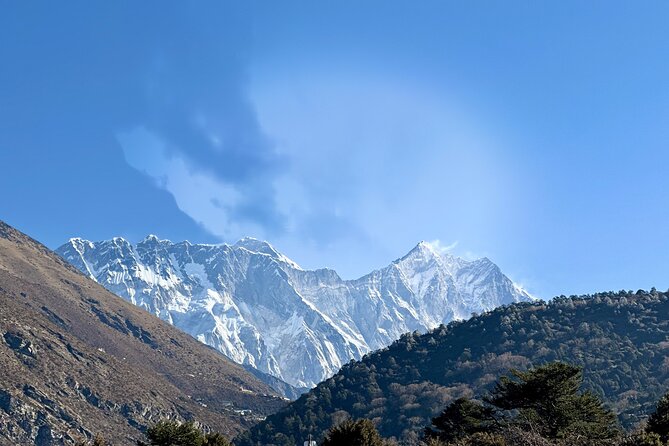
A full day in Namche gives your body time to adjust. The plan includes an early hike to the Sagarmatha National Park area, where you can see Everest, Ama Dablam, and Lhotse in the morning light.
You can also explore the town’s bakeries, shops, and Saturday Market if your schedule matches the market day. The mix of mountain life, trekkers, porters, and local trade makes Namche more than a place to sleep.
Do not treat this as a rest day spent entirely in bed. The best use of an acclimatization day is a moderate outing followed by rest. The exact pace should depend on how you feel, and your guide carries a pulse oximeter and basic medicines, including paracetamol and Diamox.
Day 5: Forest trails and Tengboche Monastery
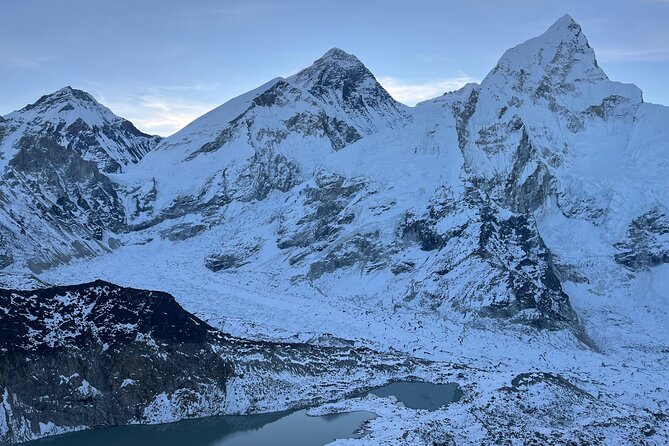
The route leaves Namche through rhododendron and juniper forest. On clear sections, you get views of Everest, Lhotse, Nuptse, and Ama Dablam.
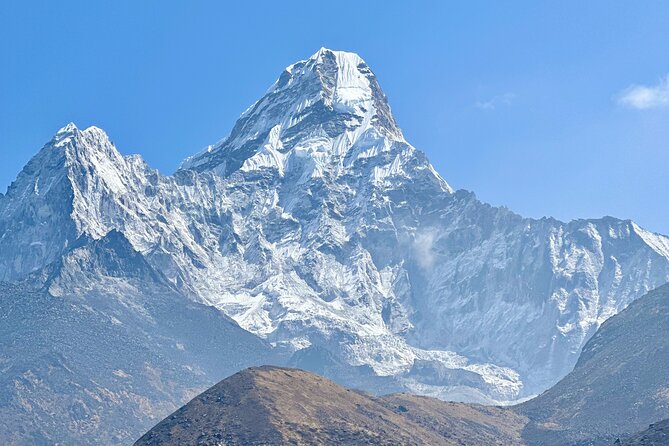
Tengboche is one of the most memorable stops because it is home to the region’s largest monastery. The setting is especially striking, with Ama Dablam appearing close and sharp across the valley. You have time to visit the monastery and take in the religious side of the Khumbu.
The day is scenic, but it is not effortless. Trails rise and fall, and the thin air begins to affect your pace. Keep your daypack light and resist the urge to hurry.
Day 6: Pangboche and Dingboche
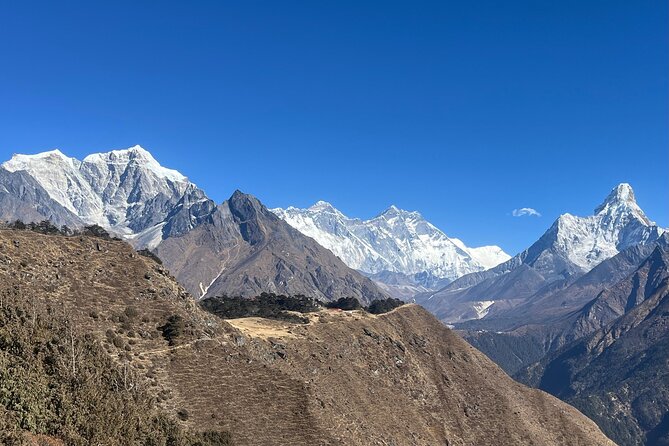
After crossing the Imja Khola, you pass through Pangboche, described as the highest permanent Sherpa settlement on the route. The walk continues toward Dingboche with views of Island Peak and Ama Dablam.
Dingboche is an important turning point. From here, the valley becomes more open and the vegetation thins. Nights are colder, the air is drier, and the daily distances can feel harder than the map suggests.
You sleep here for two nights. That second night is useful because it gives you another chance to adjust before climbing higher.
Day 7: Nagarjun Hill at 5,100 meters
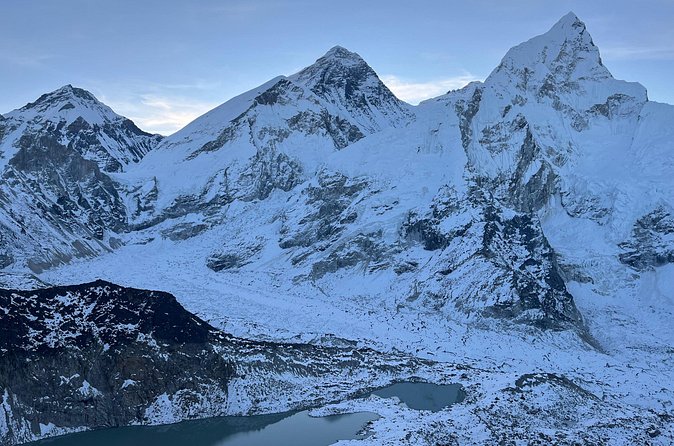
The acclimatization hike to Nagarjun Hill reaches about 5,100 meters. From the high point, you can see Makalu, Lhotse, Ama Dablam, Island Peak, and the Imja Glacier.
This is a demanding optional-style day within the itinerary, even though it is planned as part of the program. The benefit is that you climb high and return to sleep lower in Dingboche, which supports acclimatization.
The afternoon is free for rest or a short exploration of Dingboche. Take the rest seriously. The next two days bring rougher terrain and a greater chance of feeling the altitude.
Day 8: Thukla Pass and the memorials
The eight-kilometer walk to Lobuche crosses rugged high-altitude ground. You see Lobuche, Pumori, and Nuptse, and the air feels noticeably thinner.
At Thukla Pass, memorial stupas honor climbers who died on Everest and other Himalayan peaks. This is a quiet, serious section of the route. It adds human weight to what can otherwise feel like a simple race toward Base Camp.
You continue to Lobuche for the night. Accommodation becomes more basic as you go higher, and personal extras such as hot showers, internet, charging, snacks, and drinks cost additional money.
Day 9: Gorak Shep and Everest Base Camp
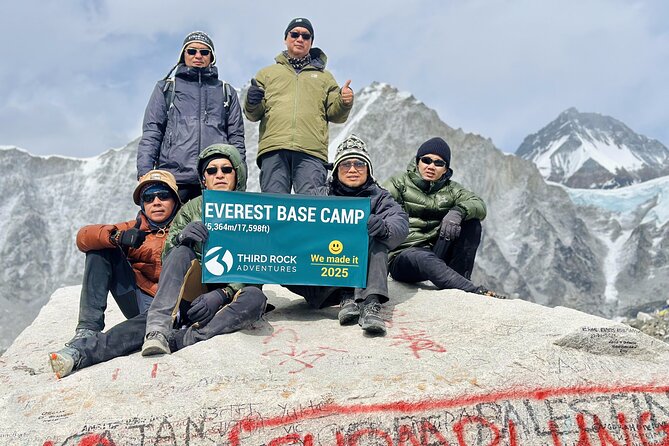
The walk from Lobuche to Gorak Shep is followed by the route’s main objective: Everest Base Camp. From Gorak Shep, you hike beside the Khumbu Glacier toward the camp area.
You see the Khumbu Icefall and the peaks around the glacier. The exact appearance of Base Camp depends on the season, since it is an active mountaineering area rather than a permanent village. The journey there is the point: standing at the place where major Everest expeditions begin.
You return to Gorak Shep to sleep. This is a long, high day, and you should not expect a leisurely outing. Keep snacks and water close, follow your guide’s pace, and speak up quickly if you feel unwell.
Day 10: Sunrise from Kala Patthar
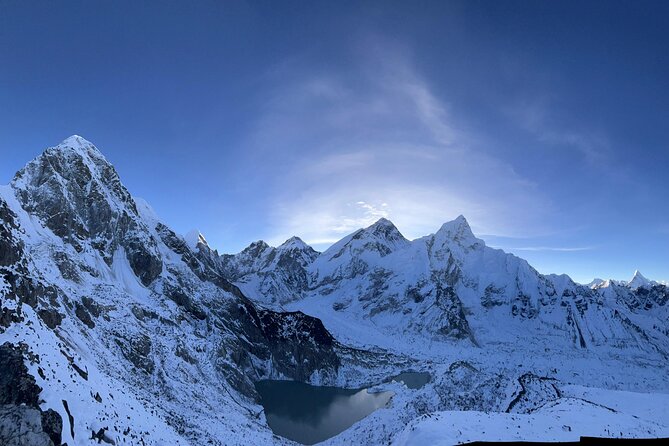
The pre-dawn hike to Kala Patthar is the visual climax. At 5,550 meters, it is the highest point of the trek and gives you a 360-degree view of Everest, Lhotse, Nuptse, Pumori, and the surrounding peaks.
Sunrise is the reason for the early start. Light moves across the snow and rock, and Everest’s summit catches the morning glow. The view from Kala Patthar is often more satisfying than the view from Base Camp itself because the summit is easier to see from this angle.
After returning to Gorak Shep, you descend toward Pheriche. That drop in elevation usually feels welcome, but the day remains tiring. This is another reason to prepare with long walks and uphill training before Nepal.
Days 11 and 12: Returning through Namche to Lukla
The descent from Pheriche passes through Tengboche before a short afternoon climb brings you back to Namche. You can enjoy the village atmosphere with the main high-altitude work behind you.
The next morning, you descend through local villages and cross the Hillary Suspension Bridge again before reaching Lukla. The final night is a chance to celebrate with the crew and take stock of the route.
The return is not only a victory lap. Descending still requires care, especially on uneven ground. Tired legs and loose stones can cause problems, so trekking poles and sensible footwear are useful.
Day 13: Lukla flight and Kathmandu
You fly from Lukla back toward Kathmandu and return to your hotel. The schedule leaves room to rest or shop for handicrafts, tea, spices, and decorative items at Ason Market.
Mountain flights can be delayed by poor weather. The package lists ground transport between Kathmandu and Manthali, along with domestic flights from Ramechhap or Kathmandu to Lukla and back. Check the exact departure point before the trip, since flight operations can vary.
A shared helicopter flight is listed as an alternative at $1,200 per person. That is a major extra cost, not a small upgrade, so travel insurance and a financial buffer are sensible.
What is included, and what still costs extra
The strongest part of this package is the range of included services. You receive airport transfers, Kathmandu accommodation, tea house lodging, trekking meals, domestic flights, permits, a licensed guide, porter service, staff expenses, a first-aid kit, and basic equipment loans.
You also receive a Third Rock Adventures duffel bag, T-shirt, trekking map, down jacket, and sleeping bag. The jacket and sleeping bag must be returned after the trek.
Keep money aside for:
- Nepal visa and international airfare
- Travel and medical insurance
- Lunch and dinner in Kathmandu
- Hot showers, charging, internet, laundry, and phone calls
- Bottled or boiled water, snacks, and bar bills
- Personal trekking equipment
- Tips for the guide, porters, and driver
- Extra nights caused by early arrival or late departure
- Additional porter help, horse rides, or other services bought locally
The listed personal expense allowances are about $10 per person for general extras, another $10 for water and similar purchases, and $10 for personal trekking gear. Treat those figures as a basic guide, not a complete mountain budget.
Who should book this trek?
I would choose this trip if you want the standard Everest Base Camp route with a clear schedule, local staff, porter support, and a small group. It suits a fit, determined person who accepts simple lodging and understands that the mountains can change the plan.
It is not a good match if you want private rooms, flexible luxury, or a soft adventure. The route is high, cold, steep in sections, and physically tiring. A moderate fitness level is required, but preparation should go beyond casual sightseeing walks.
The strong praise directed toward the company centers on organization, clear communication, guide support, and help when weather or altitude causes trouble. Dawa is noted for adjusting plans when altitude sickness appeared, while Gnawang and porter Somdey are associated with attentive and good-humored support. That kind of care matters more than fancy lodging on this route.
Free cancellation is available if you cancel at least 24 hours before the start time. Changes or cancellations inside that window are not accepted for a refund.
My verdict on the $1,799 package
I think this is a good-value Everest Base Camp trek for someone who wants most major costs handled in advance. The inclusion of flights, meals, park fees, porter support, equipment, and two acclimatization days makes the $1,799 price easier to justify.
The main risks are not hidden attractions or complicated sightseeing. They are altitude, weather, flight disruption, and the physical demands of the route. Buy suitable insurance, carry extra funds, train for sustained uphill walking, and confirm the flight point and guide details before you go.
Book it if Base Camp and Kala Patthar are your clear goals and you are ready for basic tea houses and long days. Skip it if you want a relaxed Himalayan holiday. For the right person, this is a focused, well-supported way to walk into the Everest region and see the mountains at close range.
FAQ
How long is the Everest Base Camp trek?
The experience lasts approximately 14 days, including arrival and departure days in Nepal, the flight to Lukla, the trek to Everest Base Camp, the return to Lukla, and the flight back to Kathmandu.
What is the highest point of the trek?
Kala Patthar is the highest point, at approximately 5,550 meters. The itinerary includes an early hike there for sunrise views of Everest and nearby peaks.
Are meals included?
Breakfast, lunch, and dinner are included during the trek, along with one cup of tea or coffee. Lunch and dinner in Kathmandu are not included.
Is accommodation included?
Yes. The package includes two nights in a three-star deluxe hotel in Kathmandu and clean, comfortable tea house accommodation during the trek.
Are flights between Kathmandu and Lukla included?
Yes. Domestic flights between Ramechhap or Kathmandu and Lukla are included according to the itinerary. Ground transport between Kathmandu and Manthali is also included when required.
What is the group size?
The group can include a maximum of 12 people. The trek also includes an English-speaking, government-licensed guide trained in first aid and porter service for main luggage.
Latest treks added in Kathmandu
- Private Manaslu Circuit Trek at Himalayas★ 5.0 · 3 reviews
- Ghorepani Poonhill Trek★ 5.0 · 5 reviews
- Ghorepani Poon Hill Trek★ 5.0 · 16 reviews
- Upper Mustang Trekking★ 3.0 · 2 reviews
- Amazing 1 Day Trekking Experience in Kathmandu Nepal★ 5.0 · 24 reviews
- Upper Mustang Trekking★ 5.0 · 2 reviews
- Upper Mustang Trek★ 5.0 · 5 reviews
- Upper Mustang Trekking★ 5.0 · 4 reviews
Everest Base Camp Treks, compared.






Browse the lists this tour appears in