
REVIEW · KATHMANDU
Private 12 – Day Everest Base Camp Trekking
Everest Base Camp is the goal, but the real reward is the slow climb through Sherpa villages, suspension bridges, Buddhist monasteries, and high mountain valleys. This 12-day private trek takes care of the hard planning, from Lukla flights and park permits to tea-house beds, meals, porters, and a guide.
I like the sensible acclimatization plan, with a rest day in Namche and another in Dingboche. I also like the private format: you can walk at your own pace instead of being tied to a large group. The main caution is simple: this is a serious high-altitude trek, not a sightseeing walk. Long days, thin air, basic lodging, and possible Lukla flight delays all come with the territory.
Key points before you book
- Lukla flights are included: The half-hour flight from Kathmandu begins and ends the walking route, though weather can affect schedules.
- Two useful acclimatization days: You rest in Namche Bazaar and Dingboche, with optional hikes to Khumjung and Nangkartshang Peak.
- The highest point is not Everest Base Camp: The optional Nangkartshang hike reaches 5,083 meters, while Kala Patthar offers the classic Everest view.
- Private means more flexibility: Only your group takes part, with a guide and required porters assigned to you.
- The price covers the costly basics: At $1,300 per person, flights, permits, lodging, meals, guide, porter support, and government fees are included.
- The company has emergency systems in place: Assistance with emergency rescue evacuation is included, but you still need your own travel insurance.
Why this trek works for first-time Himalayan hikers
The appeal is not just reaching a famous rock marked Everest Base Camp. You get a carefully staged route that begins in forest beside the Dudh Koshi River and gradually enters a high, rocky world of glaciers and giant peaks.
That gradual change matters. On Day 1, you walk only about three hours to Phakding. Day 2 is longer, at about six hours, but the route builds toward Namche rather than rushing directly into the high country. The program then gives you time to adjust before the trail becomes more demanding.
I especially like the private setup for this route. You are not locked into the pace of strangers. If your group walks slowly, your guide can set a slower rhythm. If everyone feels strong, you may have more room to explore. The itinerary is fixed, but the day-to-day feel should be more personal than on a large departure.
The tradeoff is that private does not mean easy. You still face steep climbs, rocky paths, suspension bridges, and nights at high altitude. The listed walking days range from about three to eight hours, with the longest day being the return to Lukla.
More Everest Base Camp Treks in Kathmandu
- Everest Base Camp Trek – 14 Days
★ 5.0 · 1,499 reviews - Everest Base Camp Trek
★ 5.0 · 842 reviews - Everest Base Camp Trekking
★ 5.0 · 485 reviews
Kathmandu to Phakding: a fast flight and a gentle start
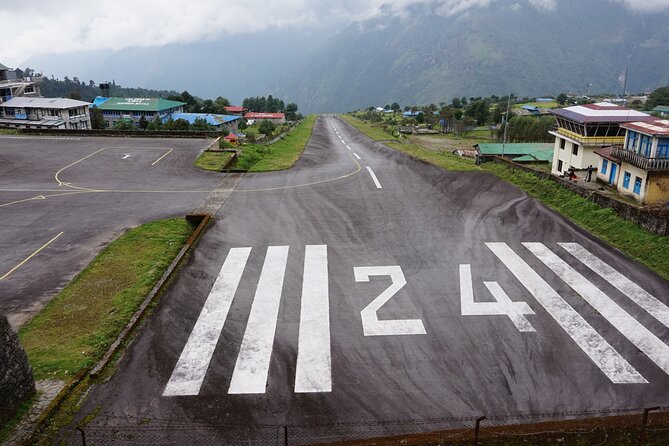
Your day begins early, with a 6:15 am start listed for the activity. You drive to Tribhuvan International Airport and board a domestic flight to Lukla. The flight takes roughly 30 minutes and crosses forested hills and steep ravines before reaching the small mountain airstrip.
After breakfast in Lukla, you start walking toward Phakding. The path follows the Dudh Koshi River through a wooded setting, giving you an easier introduction to the trek. Three hours of walking is a welcome first day, especially after an early airport start.
You spend the night in a tea house in Phakding. Tea-house accommodation is part of the price, but you should picture simple mountain lodging rather than a city hotel. The package includes dinner, breakfast, and lunch during the trek, while tea, coffee, hot water, hot showers, battery charging, and desserts cost extra.
Namche Bazaar and the first acclimatization day
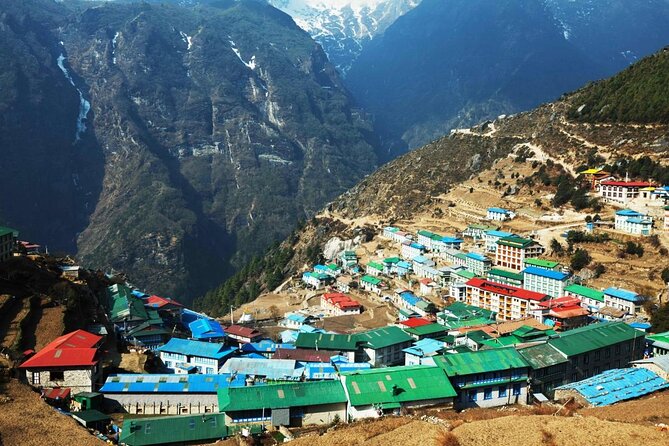
Day 2 brings a clear step up in effort. You follow the Dudh Koshi upstream toward Monjo, pass waterfalls, and enter Sagarmatha National Park after obtaining the required permit. The trail continues through Jorsalle and across suspension bridges before climbing to Namche Bazaar.
Namche is the largest village in the Everest region and a key point on the route. The views open toward the Kongde Ri range, and the village gives you a chance to rest before heading higher. The six-hour walking time sounds manageable, but the uphill sections and altitude make this a day for steady pacing.
Day 3 is set aside for acclimatization. You remain in Namche overnight and take a shorter excursion toward Khumjung and Khunde. The route climbs for about an hour to Khumjung Monastery, where you can see the preserved remains associated with the Yeti tradition.
You can also walk past Syangboche Airport and visit the Edmund Hillary School. These stops add local and cultural interest to what could otherwise be just a rest day. I would treat this as an active rest day, not a day to sleep until lunch. Light walking helps you adjust, while the modest three-hour schedule leaves room to recover.
Tengboche and the turn into high mountain country
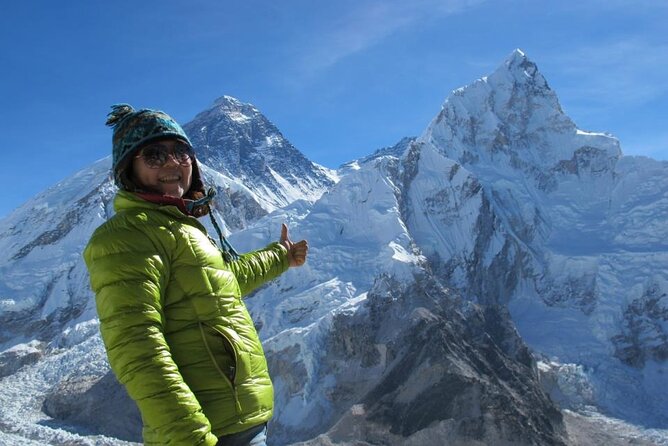
From Namche, the trail follows the Dudh Koshi toward Phunki Tenga. The climb from there is steep, with an altitude gain of about 427 meters before you reach Tengboche.
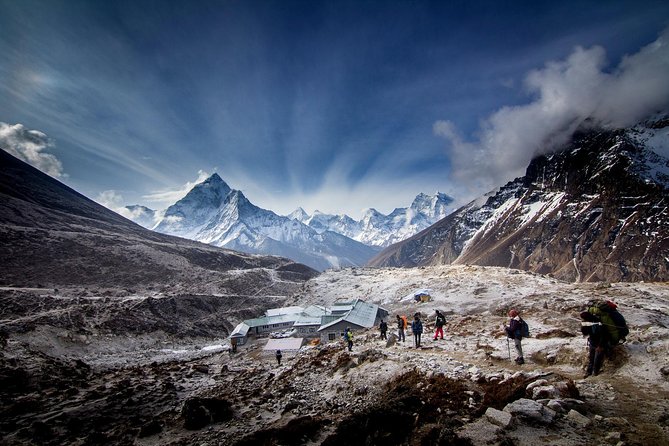
The views become more dramatic here, especially toward Ama Dablam, listed at 6,856 meters. Tengboche is also home to the region’s largest monastery, a century-old center of Tibetan Buddhism. If your timing is in October, the monastery hosts the Mani Rimdu festival, though the itinerary does not promise festival access.
This is a five-hour day, but steep terrain can make it feel longer. Tengboche is one of the places where the route’s cultural side balances the physical strain. You are not simply walking from lodge to lodge. You are moving through villages shaped by Sherpa life and Buddhist practice.
More Trekking Tours in Kathmandu
- Annapurna Circuit Trek with Tilicho Lake
★ 5.0 · 368 reviews - Everest Base Camp Trekking – 13 Day
★ 5.0 · 365 reviews - Everest Base Camp Trek
★ 5.0 · 350 reviews - Everest Base Camp Trek -14 Days
★ 5.0 · 321 reviews
Dingboche and a useful second rest day
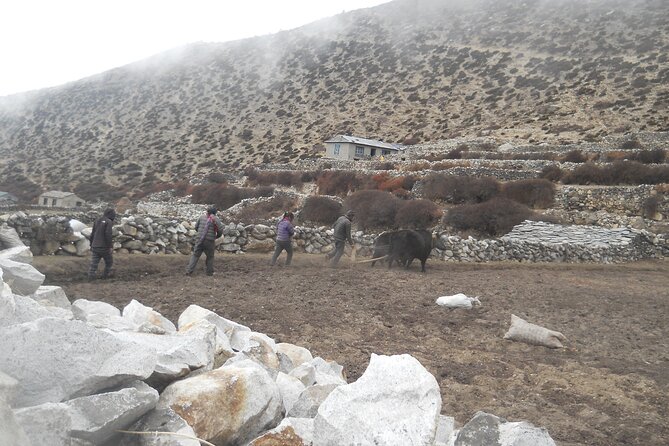
The next day begins with views of Ama Dablam and continues through Debuche, where the route leaves the forest behind. You cross the Imja Khola, pass Pangboche, and walk by Mani stones before reaching Shomare and then Dingboche.
The change in scenery is important. The trail becomes rockier and more exposed as you reach this remote Sherpa village. The day takes about six hours, so you will want to conserve energy and keep drinking water, especially as the altitude increases.
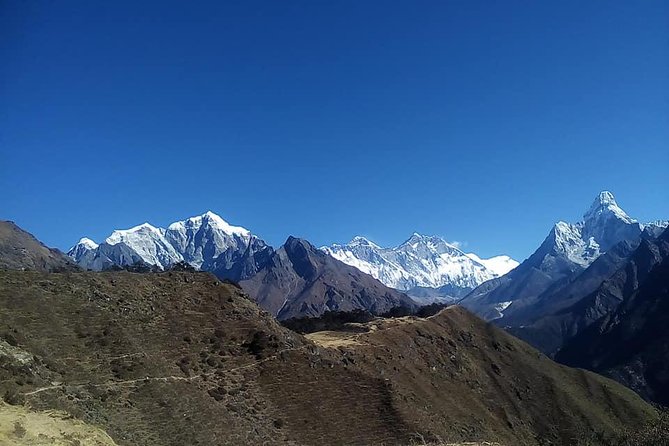
Day 6 is another acclimatization day in Dingboche. The optional hike to Nangkartshang Peak reaches 5,083 meters. From the top, the itinerary lists views of Taboche, Ama Dablam, Island Peak, Lhotse, Everest, and Pumo Ri.
This is a demanding optional hike, even though the total walking time is listed at about five hours. You should not feel pressured to reach the top if your body is struggling. The purpose of the day is to adjust to altitude, and the guide should help you decide how much climbing makes sense.
The inclusion of this hike is a strong point. You gain elevation during the day and return to sleep at the same altitude in Dingboche, which gives you both a challenge and a proper night of recovery.
Lobuche, the climbers’ memorial, and the final approach
Day 7 takes you toward Lobuche through Pheriche and Thukla. The trail climbs after Pheriche, and Thukla is home to a memorial park honoring climbers who died on Everest and other Himalayan peaks.
This memorial is a sobering stop. It puts the trek into perspective. Everest Base Camp is a popular goal, but the mountains remain dangerous, and the people remembered there paid a high price for climbing them.
From Thukla, you continue beside the Lobuche Glacier toward Lobuche village. The five-hour day may feel tough because the air is now thin and the ground is rough. This is a good place to let your guide set a calm pace and to avoid treating the walk as a race.
Everest Base Camp from Gorakshep
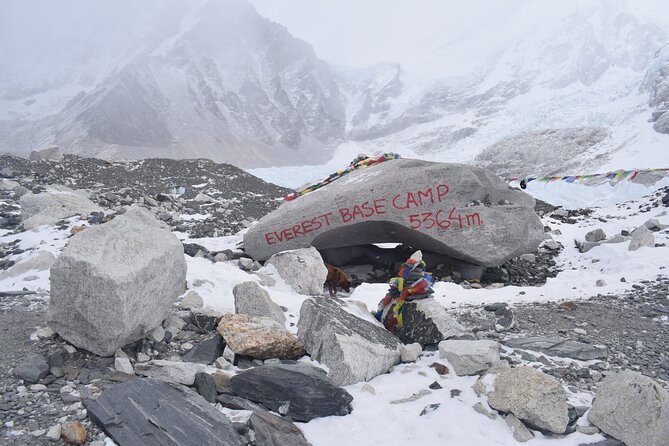
On Day 8, you leave Lobuche and climb toward Gorakshep. The trail follows the Lobuche Glacier and Khumbu Glacier, with the village serving as the base for the final excursion to Everest Base Camp.
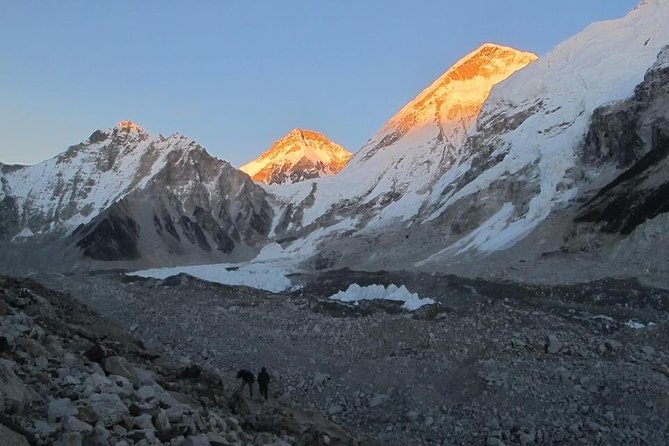
After a short rest in Gorakshep, you walk toward Base Camp along the Khumbu Glacier. The route provides views of the Khumbu Icefall and peaks including Pumo Ri, Lingtren, Khumbutse, and Nuptse.
You return to Gorakshep for the night. The total walking time is listed as about five hours, but the altitude makes this a major day. The area around Base Camp is rocky and glacial, so do not expect a comfortable stroll to a polished visitor center. The familiar Base Camp marker is the moment you came for, but the ice, mountains, and raw setting provide the bigger memory.
It is also worth knowing what you will not see. Everest itself is not necessarily the dominant view from the Base Camp area. The next morning’s hike to Kala Patthar is designed to provide the classic wide view of Everest and the surrounding peaks.
Kala Patthar and the long return to lower ground
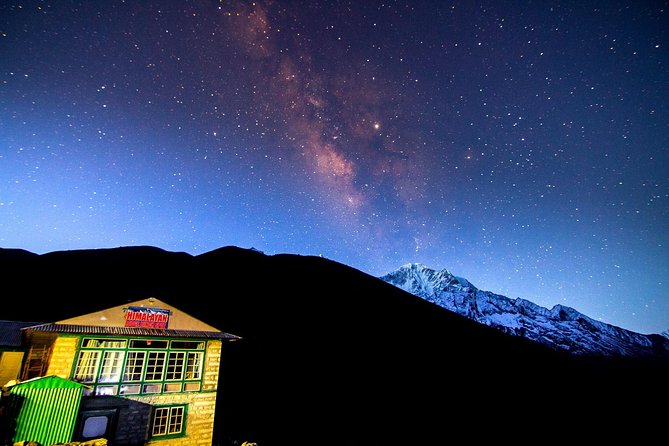
Day 9 starts early with the climb to Kala Patthar. The route crosses rocky moraine and leads to a viewpoint with views of Everest, Nuptse, Lhotse, Khumbutse, Pumo Ri, Ama Dablam, and other peaks.
This is one of the hardest but most rewarding sections of the trip. You gain the viewpoint early, then return to Gorakshep for breakfast before continuing downhill toward Pheriche. The five-hour estimate includes both the morning climb and the descent.
Pheriche feels like a sensible place to spend the night because the route finally begins to lose elevation. You will still be tired, but the lower altitude should make eating, sleeping, and breathing easier than at Gorakshep.
Day 10 retraces much of the route through Dingboche, Pangboche, Debuche, Tengboche, and Phunki Tenga before continuing to Namche. It is listed at six hours, with an uphill section after crossing the Imja River. The scenery changes as you move back toward trees and more sheltered valleys.
Namche to Lukla and the flight home
Day 11 is the longest walking day, listed at about eight hours. You leave Namche with views of Kongde Ri, descend through Jorsalle and Monjo, and exit Sagarmatha National Park.
After reaching Phakding for lunch, you continue to Lukla. The final stretch can feel surprisingly tiring because the route is not a single downhill walk. There are still climbs and uneven sections, and your legs have already spent ten days working hard.
The evening in Lukla is set aside to celebrate completing the trek. You spend the night there before the return flight.
Day 12 brings an early flight back to Kathmandu. The flight lasts about 35 minutes and may provide a final aerial view of the mountains, followed by views of Kathmandu and some of its UNESCO World Heritage Sites. A vehicle takes you to the hotel, but hotel accommodation and meals in Kathmandu are not included in the package.
What the $1,300 price really covers
At $1,300 per person, this is a strong value if you want a private trek and would otherwise have to arrange several costly pieces yourself. The price includes:
- Round-trip Kathmandu to Lukla flights
- Tea-house lodging during the trek
- Breakfast, lunch, and dinner on the walking days
- Sagarmatha National Park and Pasang Lhamu entry fees
- Necessary permits
- A government-registered guide
- Required porters and their expenses
- A trekking map and duffle bag
- Oxygen saturation checks
- Water purification
- Company T-shirt
- Government tax and service charge
- Public liability insurance
- Assistance with emergency rescue evacuation
You still pay for Kathmandu hotels and meals, hot drinks, hot water, showers, charging, laundry, phone bills, alcoholic drinks, desserts, travel insurance, and tips. Those exclusions are normal for this type of trek, but they can add up, especially if you want hot showers and charged devices every day.
The biggest value is logistical. You do not have to organize permits, local flights, accommodation, meals, porters, or route planning on your own. The company has also shown it can help when Lukla flights are grounded by weather. That does not guarantee a quick departure, but an experienced local contact is useful when schedules go sideways.
Guide support and the private format
Guide assignments vary. Names connected with this company include Tej, Kumar, Nauser, Yugal, Amar, Saroj, Andrea, and Ongchhu Sherpa. Tej, the company owner, has also been a direct point of contact for trip planning and emergency coordination.
That personal contact is one of the company’s strongest practical features. Past groups have received help with insurance communication and emergency evacuation arrangements, and guides have handled administrative problems when flights were delayed. The exact guide you receive matters, so I would ask for the name, language ability, and guiding background before departure.
The private format means only your group participates. You receive a guide and required porters, but the listing does not specify the porter-to-client ratio or the exact weight limit for each porter. Ask those questions before booking, and confirm what luggage you carry yourself each day.
Who should book this Everest trek?
This trip suits you if you want the classic Everest Base Camp route without arranging each piece yourself. It is especially useful for a small group of friends, a couple, or a family that wants a private pace and direct support.
You need moderate physical fitness, as stated for the activity. More importantly, you need patience and a willingness to walk for many hours over steep and uneven ground. Altitude sickness is a real concern on this route, and one family group described the experience as both beautiful and physically difficult. You should be ready to turn around or slow down if your body gives you warning signs.
This is less suitable if you want private bathrooms, dependable hot showers, regular charging, or a flexible luxury schedule. It is also a poor match if your vacation cannot tolerate weather-related flight delays. Lukla flights are included, but mountain weather can still disrupt the plan.
Cancellation is free if you cancel at least 24 hours before the 6:15 am start time. Cancellations or changes made less than 24 hours before departure are not refunded or accepted.
Should you book it?
I would book this trek if you want a well-supported private route at a competitive price and you are prepared for basic conditions. The two acclimatization days, included porters, emergency evacuation assistance, and local logistical support make the package easier to manage than planning the route alone.
Before paying, confirm your guide, porter arrangements, insurance requirements, Kathmandu hotel plans, and what happens if a Lukla flight is delayed. If you accept the altitude, long days, and tea-house simplicity, this is a practical way to reach Everest Base Camp while leaving the complicated details to a local team.
FAQ
Where does the Everest Base Camp trek start?
The activity starts in Kathmandu, with an early drive to Tribhuvan International Airport and a flight to Lukla.
How long is the trek?
The full experience lasts approximately 12 days, including the flights from Kathmandu to Lukla and back.
Are Lukla flights included?
Yes. The package includes Kathmandu to Lukla and return flight tickets.
Is this a private tour?
Yes. Only your group participates, and the itinerary includes a private guide and required porters.
What accommodation is included?
Lodge, or tea-house, accommodation during the trek is included. Hotel accommodation in Kathmandu is not included.
Are meals included?
Yes. The package includes 12 breakfasts, 11 lunches, and 11 dinners during the trek. Kathmandu meals are not included.
Are permits and park fees included?
Yes. The package includes the Sagarmatha National Park fee, Pasang Lhamu entry fee, and necessary permits.
Is a guide included?
Yes. One government-registered trekking guide is included, along with the expenses of required porters.
Is travel insurance included?
No. You must arrange your own travel insurance. The company does include assistance for emergency rescue evacuation and public liability insurance.
What is not included during the trek?
Tea, coffee, hot water, hot showers, battery charging, alcoholic drinks, laundry, phone bills, desserts, and tips for the guide and porters are not included.
Latest treks added in Kathmandu
- Private Manaslu Circuit Trek at Himalayas★ 5.0 · 3 reviews
- Ghorepani Poonhill Trek★ 5.0 · 5 reviews
- Ghorepani Poon Hill Trek★ 5.0 · 16 reviews
- Upper Mustang Trekking★ 3.0 · 2 reviews
- Amazing 1 Day Trekking Experience in Kathmandu Nepal★ 5.0 · 24 reviews
- Upper Mustang Trekking★ 5.0 · 2 reviews
- Upper Mustang Trek★ 5.0 · 5 reviews
- Upper Mustang Trekking★ 5.0 · 4 reviews
Everest Base Camp Treks, compared.






Browse the lists this tour appears in