
REVIEW · KATHMANDU
Mt. Everest Base Camp Trek Nepal – 16 Days
The big draw here is simple: you walk into the Everest region instead of just looking at it from a plane window. Over 16 days, you cross suspension bridges, pass monasteries and mani walls, sleep in teahouses, and reach Everest Base Camp plus Kala Patthar, the best viewpoint on this route.
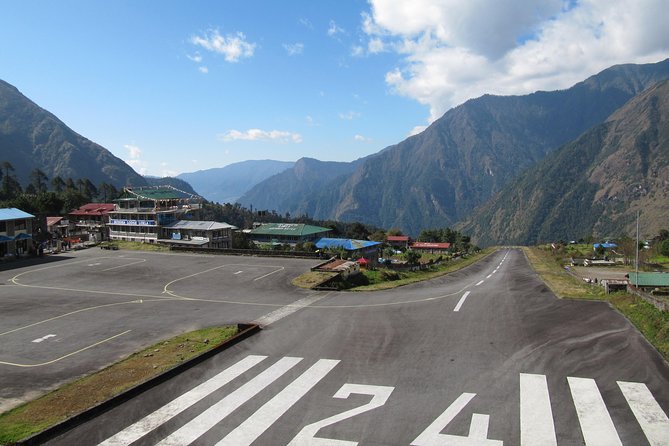
I like the practical package, especially the included Lukla flights, permits, porter, meals, and trekking gear. I also like the two acclimatization days at Namche Bazaar and Dingboche. The main concern is the schedule’s dependence on weather, especially at Lukla, where delays and cancellations are common enough to require extra days and a backup budget.
Key points to know before booking
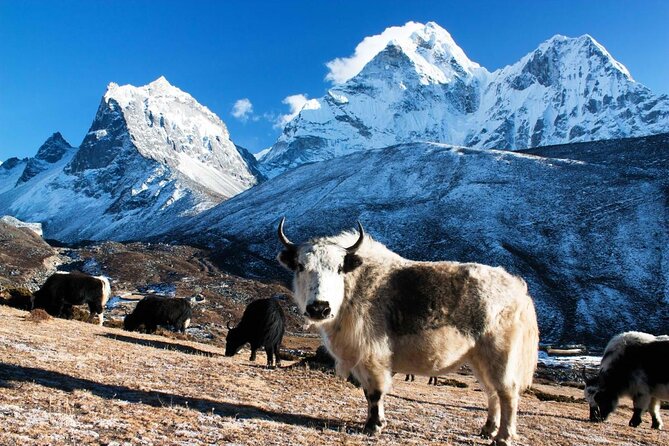
- Kala Patthar is the visual high point: The 5,545-meter climb gives you broad views of Everest, Nuptse, Pumori, the Khumbu Glacier, and Everest Base Camp below.
- Two acclimatization stops matter: Rest days at Namche Bazaar and Dingboche give your body time to adjust to altitude.
- Your package is unusually well equipped: A sleeping bag, duffel bag, down jacket, and trekking poles are included, along with a guide and porter.
- The route uses simple teahouses: You receive 12 nights of teahouse lodging, full-board meals on the trek, and three nights in Kathmandu.
- Lukla flights are the weak link: Bad weather or technical problems can delay the trip, and a helicopter may cost about $500 to $600 per person when shared.
- This is a private trek: Only your group participates, giving you more control than a large group departure.
What the $1,900 price really covers
At $1,900 per person, this trek offers solid value if you want a guided Everest Base Camp experience without arranging every piece yourself. The price includes airport pickup, Kathmandu hotel stays, the Kathmandu to Lukla and return flights, permits, a trekking guide, a Sherpa porter, teahouse lodging, trek meals, and a useful set of cold-weather equipment.
That list matters because the Everest Base Camp route has many separate costs. Flights to Lukla can be complicated to arrange. Park and trekking permits are required. Porters, food, lodging, and gear add up quickly. Here, the main structure is handled for you before you start walking.
You still need to budget for travel insurance with emergency evacuation, personal drinks, hot showers, laundry, Wi-Fi, bar bills, and extra porter service. Lunch and dinner in Kathmandu are also not included except for the welcome and farewell meals. Gratuities for your guide and Sherpa are recommended, so leave room for those as well.
The price is less attractive if you already own all your equipment and prefer to arrange flights and teahouses yourself. For a first Himalayan trek, though, the convenience is meaningful. You get a single point of contact and a private group rather than joining strangers on the trail.
More Everest Base Camp Treks in Kathmandu
- Everest Base Camp Trek – 14 Days
★ 5.0 · 1,499 reviews - Everest Base Camp Trek
★ 5.0 · 842 reviews - Everest Base Camp Trekking
★ 5.0 · 485 reviews
Kathmandu begins with a useful briefing
Your first day starts with airport pickup at Tribhuvan International Airport. An agent meets you, takes you to your hotel, and gives you a program briefing after you have had time to freshen up. That briefing is important because the next morning begins early, with a listed meeting time of 5:00 am.
The welcome dinner takes place at a typical Nepalese restaurant and includes a cultural program. It gives you a gentle introduction to Nepal before the physical work starts. Three nights of Kathmandu accommodation are included in total, with breakfast in the city.
The final Kathmandu days are partly a safety buffer. Day 15 is held open in case a flight is canceled, which is a sensible choice on a route controlled by mountain weather. If you return to Kathmandu on schedule, you have time for Thamel, last-minute shopping, or an optional sightseeing day at extra cost.
Days 2 and 3: Lukla, Phakding, and Namche Bazaar
The journey into the Khumbu region begins with a roughly 35-minute flight from Kathmandu to Lukla at about 2,800 meters. The flight is short, but the timing can shift because of weather or technical problems. Once you land, your luggage is organized and carried by porters.
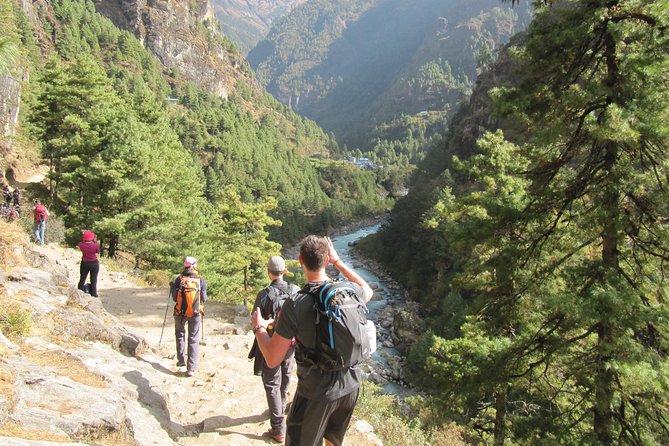
The first walk to Phakding takes about five hours. You pass Sherpa farm settlements and follow the Dudh Koshi River. The day includes views of Kusum Kanguru and other Himalayan peaks, but it is not yet an extreme test. That is useful. Your body gets its first taste of altitude without being pushed too hard.
Day 3 brings a longer-feeling five-hour walk to Namche Bazaar. You cross suspension bridges and enter Sagarmatha National Park at Monjo, where permits are checked. The route follows the Dudh Koshi through Jorsalle before the climb toward Namche.
Namche is one of the most important stops on the route. It is the main Sherpa market town in the area and your first clear sign that this is not simply a mountain walk. You can see local shops, teahouses, and the busy movement of people supplying the upper valleys.
Day 4: Namche acclimatization with options
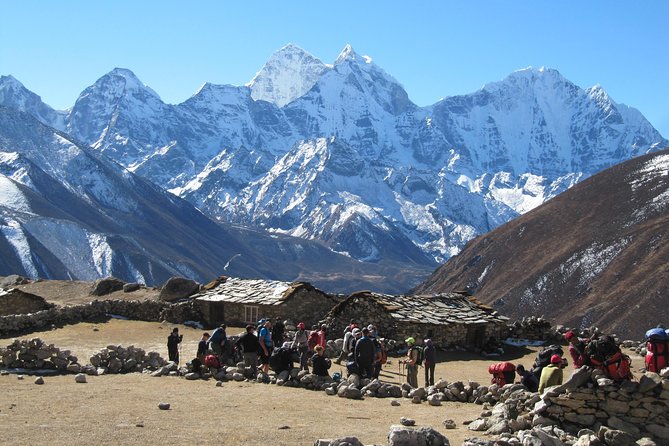
The first full rest day is based in Namche Bazaar. You can rest, walk around the market, visit the Sherpa Museum, or hike toward the Everest View Hotel and Syangboche airstrip before returning to town.
I like this day because it is not treated as dead time. The museum gives useful background on Sherpa culture and mountaineering, while a short higher walk helps prepare you for the coming altitude. You do not have to turn the day into a major hike. A slow outing followed by rest is often the wiser choice.
The itinerary mentions an Irish pub stop, but the real value of the day is acclimatization. Keep your pace easy, drink regularly, and do not try to prove anything. You will need your energy later.
More Trekking Tours in Kathmandu
- Annapurna Circuit Trek with Tilicho Lake
★ 5.0 · 368 reviews - Everest Base Camp Trekking – 13 Day
★ 5.0 · 365 reviews - Everest Base Camp Trek
★ 5.0 · 350 reviews - Everest Base Camp Trek -14 Days
★ 5.0 · 321 reviews
Days 5 and 6: Tengboche and Dingboche
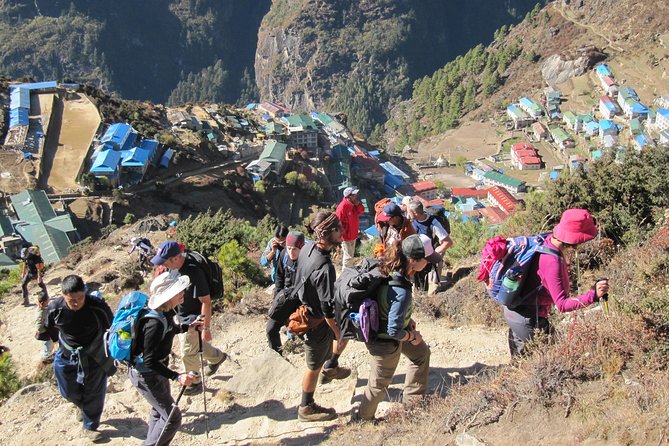
The walk to Tengboche takes about four to five hours and is one of the prettiest sections of the lower route. You move through forests of fir, blue pine, rhododendron, magnolia, and birch, with views toward Everest, Nuptse, Lhotse, Ama Dablam, Thamserku, and Kwangde.
Tengboche is known for its large monastery and its striking setting beneath Ama Dablam. The monastery gives the route a spiritual center, and the village is a good place to pause before the terrain becomes more open and severe.
On Day 6, you continue toward Dingboche, walking through Deboche and Pangboche before entering the Imja Valley. The forest gradually thins as you gain height. The walk is listed at about four to five hours, with views of Ama Dablam, Nuptse, Lhotse, and Island Peak.
Dingboche sits high enough that the air feels noticeably thinner. This is where the trip changes from a scenic mountain walk into a serious high-altitude trek.
Day 7: A second acclimatization day in Dingboche
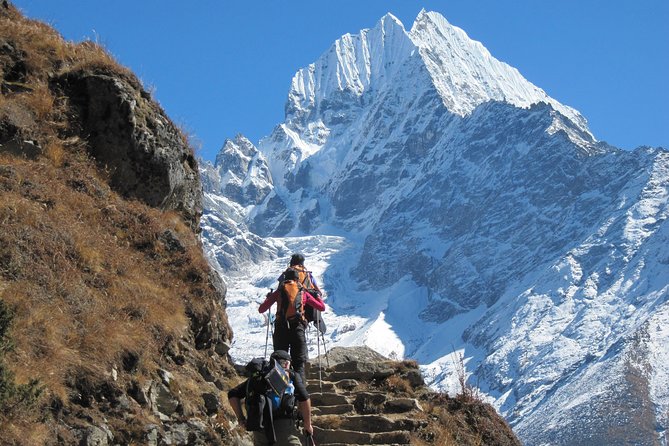
The second rest day is based in Dingboche, with the option of a three to four-hour outing toward Chhukung at about 4,730 meters. The valley offers views of Lhotse, Ama Dablam, and the Imja Glacier.
You can rest completely or take the gradual walk toward Chhukung. The itinerary gives you flexibility, but the altitude should guide your choice. If you have a headache, unusual fatigue, or other altitude concerns, a lower-effort day makes more sense.
These two rest days are one of the strongest parts of the plan. They break up the climb and help you adjust before Lobuche, Gorakshep, Base Camp, and Kala Patthar.
Days 8 and 9: Lobuche, Gorakshep, and Base Camp
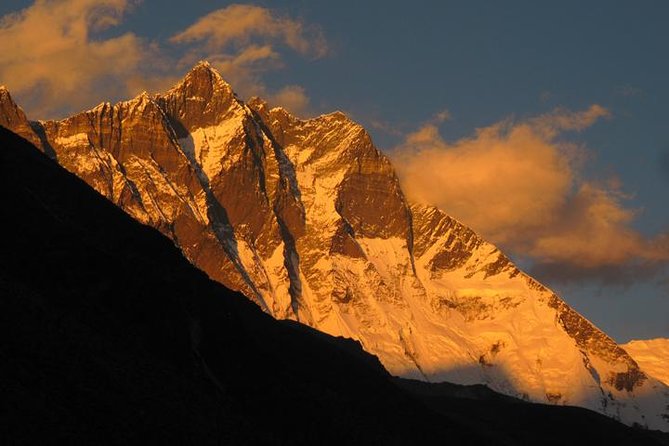
The walk to Lobuche takes about five hours. The trail passes a mani-prayer stupa and continues toward Thukla. The climb above Thukla leads to memorials for climbers who died in the Everest region. It is a quiet and sobering place, and it puts the risks of high mountain climbing into perspective.
From Lobuche, you walk early toward Gorakshep on a rocky, windy trail. The day includes the trip to Everest Base Camp and takes about eight hours in total. The route near the Khumbu Glacier can change as the glacier shifts, so your guide is important here. Follow the guide closely rather than assuming the trail will look the same as a photograph or map.
Everest Base Camp sits at about 5,360 meters. Reaching it is a major achievement, but the views are not always as clear or broad as people expect. The camp area is surrounded by moraine and glacier terrain, and Everest itself can be partly hidden from this point. The approach, the Khumbu Icefall, and the knowledge that expeditions begin here are the real rewards.
Gorakshep is a basic overnight stop, and comfort becomes more limited at this altitude. Expect a demanding day, cold conditions, and a slower pace. The package includes sleeping equipment, but you still need proper trekking clothing and a good personal gear system.
Day 10: Kala Patthar delivers the big view
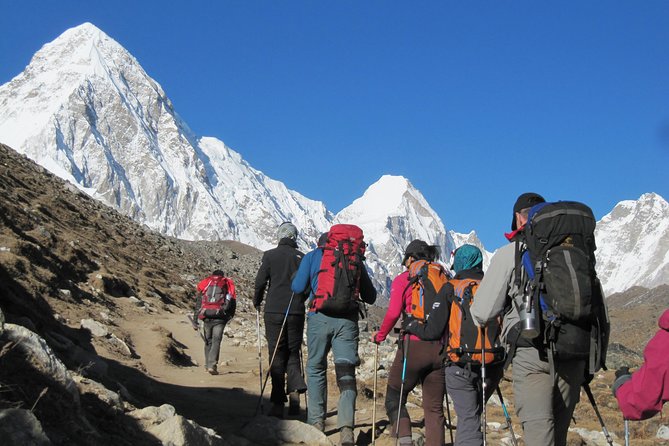
The early morning climb to Kala Patthar takes about two hours at your own pace. At 5,545 meters, this is the highest point of the standard itinerary and often the visual highlight of the trek.
From the rocky summit, you can look toward Everest, Pumori, Nuptse, the Khumbu Glacier, Everest Base Camp, and the surrounding peaks. The route description calls the view especially strong, and that is easy to understand: Kala Patthar gives you a more open perspective of Everest than Base Camp itself.
The climb is short on paper but tough in the thin air. Take it slowly. Once back at Gorakshep, you continue down toward lower ground. This day combines the highest effort with a welcome loss of altitude.
Days 11 to 13: The return through Tengboche and Namche
The return route is not just a repeat of the outward walk. Day 11 brings you downhill toward Tengboche, with another chance to see the monastery and the peaks around Ama Dablam, Everest, Lhotse, and Lhotse Shar.
Day 12 continues through forests of fir, pine, rhododendron, magnolia, and birch. You cross a suspension bridge over the Dudh Koshi and return to Namche Bazaar. The lower altitude makes breathing easier, and the warmer air and thicker vegetation feel welcome after the upper valley.
Day 13 is the long walk back to Lukla, listed at seven to eight hours. You pass through Monjo and Phakding before continuing to the airport town. This is a full day on tired legs, so trekking poles are useful. The included poles are a small but practical benefit.
In Lukla, the crew reconfirms your flight and hosts a final meal with the trekking team. This is a good chance to thank the guide and porter directly. Their work is central to the trip, especially on a route where weather and trail conditions can change.
Flights, weather, and the cost of a backup plan
The Lukla flights usually operate in the morning because wind can increase later in the day. Delays and cancellations can happen because of poor weather or technical problems. The operator may try to move you to another airline if seats are available, but that does not remove the uncertainty.
If a helicopter is needed, the stated estimate is about $500 to $600 per person when sharing. A private helicopter can cost about $2,500 each way in total. These expenses are not included, so travel insurance with emergency evacuation and trip interruption protection is essential.
I would add extra days after the trek before an important international flight. Day 15 already serves as a built-in buffer, but the practical advice is simple: do not schedule your overseas departure too tightly after the return from Lukla.
Meals, lodging, equipment, and comfort
You receive three nights of twin-sharing hotel accommodation in Kathmandu and 12 nights in teahouses. Teahouses are basic mountain lodges, not resort hotels. Rooms and facilities become simpler as you climb, and personal expenses such as hot showers, hot water, Wi-Fi, laundry, drinks, and bar service are extra.
Full-board meals are included during the trek, while Kathmandu includes breakfast plus the welcome and farewell dinners. The plan is convenient, but you should still bring money for snacks, drinks, and extras.
The included equipment is a strong point: sleeping bag, duffel bag, down jacket, and trekking poles. You still need proper trekking gear, and the package does not remove the need for good boots, warm layers, gloves, sun protection, and personal essentials.
Who should book this Everest Base Camp trek?
This private trek suits you if you want the classic Everest Base Camp route with a guide, porter, arranged flights, and built-in acclimatization. It is also a good fit if you value help with airport transfers and logistics, especially on a first visit to Nepal.
You need a moderate level of physical fitness. The route includes several five-hour walking days, an eight-hour Base Camp day, and a long return to Lukla. High altitude is the bigger challenge than technical climbing. This is a trek, not a mountaineering expedition, but it should not be treated as a casual holiday.
The company has used guides named Hari and Naba on other Himalayan programs, but this booking does not specify your assigned guide by name. Ask for that information before departure if personal communication with your guide matters to you.
Himalayan Planet Adventures has also handled airport pickup, Kathmandu arrangements, and return flights on other Nepal trips. That is useful context, but you should still ask clear questions about your exact guide, porter support, room arrangements, and flight plan.
Should you book it?
Book this trek if you want a well-supported private route to Everest Base Camp and value having flights, permits, lodging, food, staff, and key gear bundled into one price. The two acclimatization days, Kala Patthar summit, and Kathmandu buffer make the schedule sensible.
Think twice if you have little hiking experience, cannot allow flexibility for Lukla delays, or expect hotel-level comfort in the mountains. Before paying, confirm the assigned guide, insurance requirements, gear sizes, flight backup plan, and gratuity expectations.
For a first Everest Base Camp trip, the package offers a practical balance of support and adventure. Just treat the weather buffer and evacuation insurance as essential parts of the cost, not optional extras.
FAQ
How long is the Everest Base Camp trek?
The experience lasts approximately 16 days, including Kathmandu stays, flights to and from Lukla, the trek, acclimatization days, and a possible weather buffer.
What is included in the $1,900 price?
The price includes airport pickup, three nights of twin-sharing accommodation in Kathmandu, 12 nights in teahouses, Kathmandu to Lukla and return flights, a trekking guide, Sherpa porter, permits, trekking meals, city breakfasts, a sleeping bag, duffel bag, down jacket, trekking poles, and welcome and farewell dinners.
Are meals included?
Full-board meals are included during the trek, along with breakfast in Kathmandu. Lunch and dinner in Kathmandu are not included except for the welcome and farewell dinners.
Are flights to Lukla guaranteed to operate on schedule?
No. Lukla flights can be delayed or canceled because of weather or technical problems. The operator may try another airline if seats are available.
What happens if I need a helicopter because of a flight problem?
A shared helicopter may cost about $500 to $600 per person. A private helicopter may cost about $2,500 in total each way. These charges are paid separately.
Do I need travel insurance?
Yes. Travel insurance, including emergency evacuation, is not included and is specifically important for this high-altitude trek.
Can I cancel for a full refund?
You can receive a full refund if you cancel at least 24 hours before the experience start time. Cancellations or changes made less than 24 hours before departure are not refunded or accepted. If poor weather cancels the experience, you will be offered another date or a full refund.
Latest treks added in Kathmandu
- Ghorepani Poonhill Trek★ 5.0 · 5 reviews
- Ghorepani Poon Hill Trek★ 5.0 · 16 reviews
- Private Manaslu Circuit Trek at Himalayas★ 5.0 · 3 reviews
- Upper Mustang Trekking★ 3.0 · 2 reviews
- Amazing 1 Day Trekking Experience in Kathmandu Nepal★ 5.0 · 24 reviews
- Upper Mustang Trekking★ 5.0 · 2 reviews
- Upper Mustang Trek★ 5.0 · 5 reviews
- Upper Mustang Trekking★ 5.0 · 4 reviews
Everest Base Camp Treks, compared.






Browse the lists this tour appears in