
REVIEW · KATHMANDU
Mardi Himal Trek
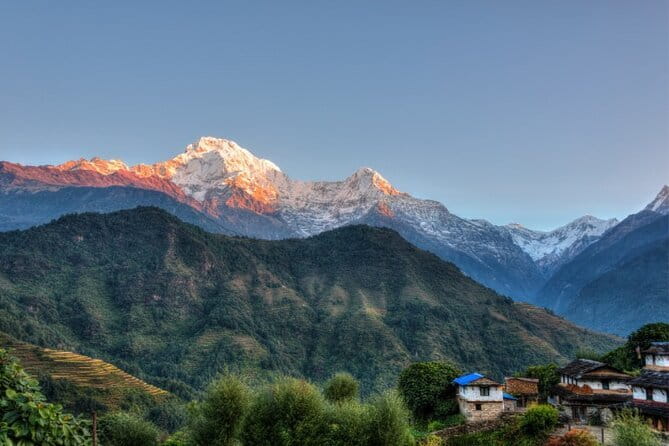
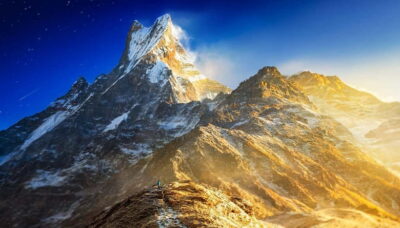
The Mardi Himal Trek gives you a big Himalayan payoff without the crowds and length of some Annapurna routes. You walk through rhododendron forest, sleep in simple teahouses, and reach a ridge where Annapurna and Machhapuchhre, or Fishtail, fill the skyline.
I like the steady change in scenery, from villages and terraced fields to alpine ground near High Camp. I also like the human scale of the trip: a guide, porters, local teahouses, and time in Sidhing rather than a rushed march from one major stop to the next.
The main caution is the altitude and the sharp descent. Mardi Himal Base Camp sits at about 4,000 meters, and the ridge trail can be narrow and windy. The itinerary also includes long bus rides between Kathmandu and Pokhara, so this is a trek with a fair amount of road time.
Why Mardi Himal Feels Different
Mardi Himal lies east of the better-known Annapurna Base Camp route. Its appeal is simple: you get broad mountain views and a quieter trail in a shorter trip.
The route begins with lower hills and forest. By the time you reach High Camp, trees thin out and the mountains take over. From the upper viewpoints and base camp, you may see Annapurna I, II, III, and IV, Annapurna South, Hiunchuli, Gangapurna, Mardi Himal, and Machhapuchhre.
You are not signing up for a wilderness expedition. Teahouses and lodges provide overnight stops, and meals are included during the trek. Still, conditions are basic, especially at higher elevations. Expect simple rooms, shared facilities in some places, and extra charges for drinks, hot water, showers, charging, and bottled or boiled water.
The trip is private, so only your group takes part. That matters if you want a flexible pace or prefer not to walk with a large organized crowd.
Five Details That Shape the Trip
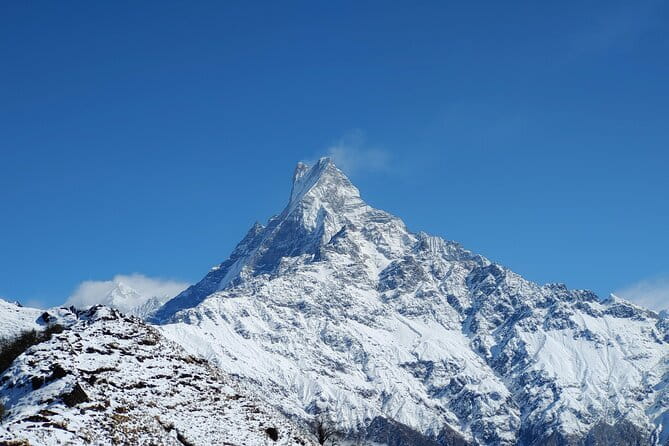
- Mardi Himal Base Camp reaches about 4,000 meters: The final hike brings the highest views, but it also demands care on a narrow ridge.
- Rhododendron forest fills the middle section: Deurali to Forest Camp and beyond gives you shaded walking, birdlife, and changing plant life before the trail opens up.
- High Camp is the visual high point: You can look toward Hiunchuli, the Annapurna range, Fishtail, Chhomrong, Sinawa, and Ghandruk.
- Sidhing adds village life: The return route passes shrines, monasteries, forests, and a working village rather than simply retracing the trail.
- A guide and porter support are included: One porter is provided for every two trekkers, while an English-speaking trek leader handles the route and daily logistics.
- The $799 price covers the core trek package: Hotels, teahouses, meals during the trek, permits, transport, guide, porter, and transfers are included, but drinks, insurance, visa fees, and meals in Kathmandu and Pokhara are extra.
More Mardi Himal Treks in Kathmandu
- Mardi Himal Trek
★ 5.0 · 41 reviews - Mardi Himal Trek Nepal
★ 5.0 · 29 reviews - Mardi Himal Trek – 8 Days | Hidden Gem of the Annapurnas
★ 5.0 · 19 reviews
Kathmandu Arrival and Two Days of Culture
Your first day is easy. A representative meets you after customs at Tribhuvan International Airport and takes you to your hotel in Thamel. The transfer takes about 30 minutes, giving you time to rest, change money, and prepare for the walking days ahead.
Day two brings several Kathmandu Valley sights. Boudhanath Stupa is the calmest stop, with its huge white dome and prayer flags. Pashupatinath is one of the most important Hindu temple complexes in Asia, with shrines, temples, and religious activity along the Bagmati River.
The sightseeing plan may also include Swayambhunath and Patan Durbar Square. Swayambhunath gives you a broad view over Kathmandu, while Patan offers a close look at the valley’s traditional art and architecture.
You have about five hours for this day, which is enough for a useful introduction but not a slow visit at every site. I see this as a smart addition to the trek. You get some cultural context before heading into the hills, though the schedule is not designed for travelers who want a long museum day.
The Seven-Hour Road to Pokhara
The bus to Pokhara leaves early, around 7:00 a.m., after hotel pickup near 6:30. The drive takes about seven hours, depending on road conditions and traffic.
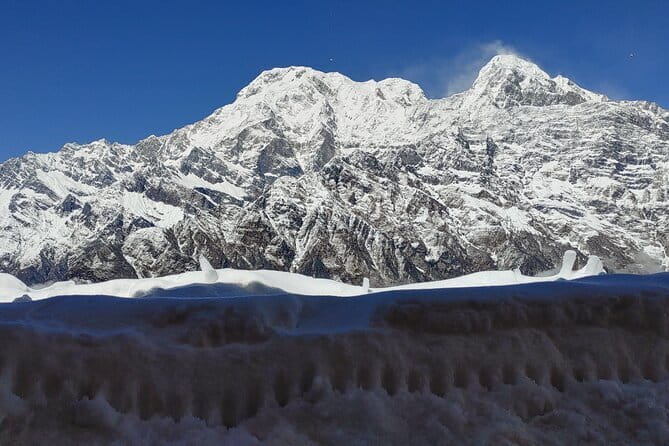
Pokhara feels smaller and calmer than Kathmandu. Phewa Lake, the lakeside walking area, and views toward Annapurna and Fishtail make it a pleasant place to begin a trek. You spend the night here before heading to the trailhead.
The road journey is useful but not glamorous. It takes up most of a day, and you should think of it as part of the Nepal experience rather than wasted time. The route includes hill views and breaks for food, but you may find the bus ride tiring after an international flight and a day of sightseeing.
Deurali via Australian Camp and Dhampus
On day four, you drive from Pokhara toward Kade or Phedi, depending on the exact route used by the group. From there, you begin walking toward Australian Camp, where the first major mountain views arrive.
Australian Camp offers views of Machhapuchhre, Annapurna South, Hiunchuli, and the Manaslu range. After lunch, the trail continues through Pothana and onward to Deurali, a small village with views toward Pokhara Valley, Annapurna South, Fishtail, and Dhaulagiri.
The walking time is about four hours. This is a gentle way to begin, though the stone paths and uphill sections still require proper shoes. The day mixes village paths, forest, and open ridges, so you start seeing how quickly the scenery changes in the foothills.
You sleep in Deurali. It is a practical first stop, not a grand mountain camp, and that is part of its charm. The simple lodge setting helps you settle into the daily rhythm of walking, eating, resting, and preparing for the next climb.
Another trail to compare in Kathmandu:
- Everest Base Camp Trek – 14 Days
★ 5.0 · 1,499 reviews - Everest Base Camp Trek
★ 5.0 · 842 reviews - Everest Base Camp Trekking
★ 5.0 · 485 reviews - Annapurna Circuit Trek with Tilicho Lake
★ 5.0 · 368 reviews
Forest Camp Through Rhododendron Country
From Deurali, the trail heads through a large rhododendron forest toward Forest Camp, also called Kokkar. The path is often narrow but generally manageable, with views of Annapurna South, Hiunchuli, and Fishtail appearing through breaks in the trees.
You walk for about four hours and spend the night at Forest Camp. This section is less about dramatic open panoramas and more about the forest itself. In spring, rhododendrons can add strong color to the route, while the shade gives you a welcome break from exposed walking.
Forest Camp also marks a change in the feel of the trek. Villages become less frequent, the climb becomes more noticeable, and you begin moving toward higher ground. Take this day at a measured pace. The itinerary is not a race, and saving energy here will help on the climb to High Camp.
Low Camp, Badal Danda, and High Camp
Day six is the hardest sustained uphill day for many people. You descend briefly through forest toward Low Camp, stop for tea, and then climb toward Badal Danda for lunch.
Badal Danda is one of the best viewing points on the route. You can look toward Annapurna South and Hiunchuli, see the trail leading toward Annapurna Base Camp, and look across to Fishtail and Pokhara Valley. The views widen as the trees thin.
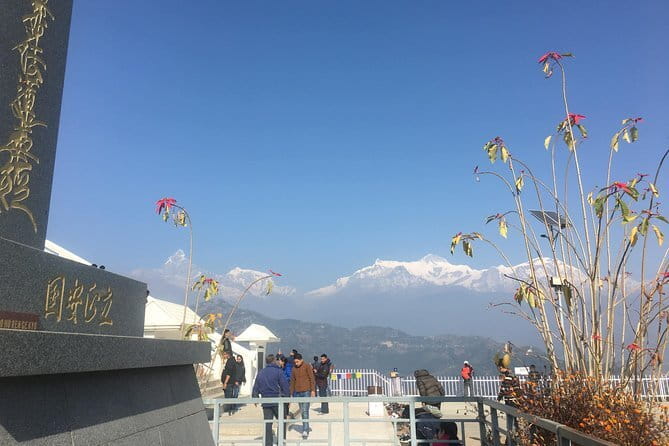
The final approach to High Camp takes about five hours in total. Alpine plants begin to replace the heavier forest, and the air feels cooler and thinner. At about 3,700 meters, High Camp gives you views toward Hiunchuli, the Annapurna range, and settlements such as Chhomrong, Sinawa, and Ghandruk.
This is where the trip asks more from you. Eat enough, drink water, and tell your guide if you feel unwell. The package includes a comprehensive medical kit, but it does not include travel or rescue insurance. You should arrange that separately before departure.
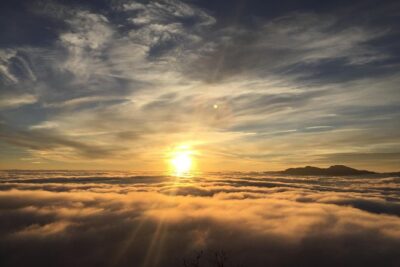
High Camp is also where the weather can change your plans. Clear skies may produce a spectacular sunset and a sharp view of the peaks. Wind, cloud, or poor visibility can reduce the reward. The mountain does not follow the brochure.
The Narrow Ridge to Mardi Himal Base Camp
The early start on day seven is worthwhile. Sunrise can light the snow peaks, and the upper viewpoint gives you a strong first look at the Annapurna group.
The trail to Mardi Himal Base Camp rises along a narrow ridge with steep drops on both sides. Strong winds can make the walk feel more serious than its listed four hours suggests. You need balance, good footwear, and a willingness to turn around if conditions become unsafe.
At around 4,000 meters, the base camp provides views of Annapurna I, II, III, and IV, Gangapurna, Hiunchuli, Mardi Himal, Fishtail, Tent Peak, Baraha Shikhar, and other snowy summits. The group spends about 30 to 45 minutes here before returning to High Camp.
That short stay makes sense. You get the main view without spending another night at the highest point. The return walk still requires care, especially if wind or fatigue has set in. This is the day that best suits people who want a real mountain objective but do not want a long expedition.
A Long Descent to Sidhing
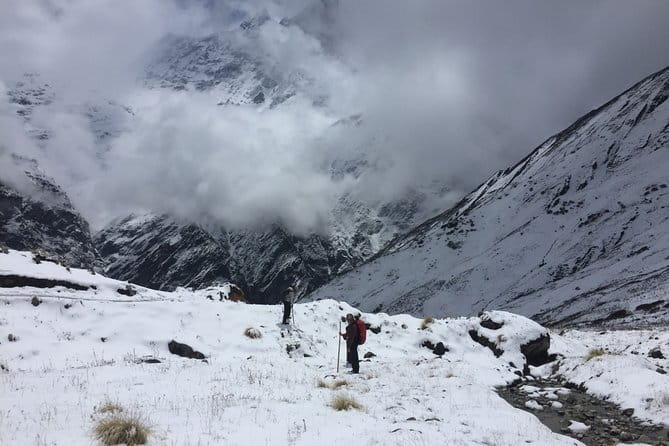
The return route changes direction and drops toward Sidhing. You lose roughly 2,000 meters in altitude, mostly downhill, over about five hours.
Downhill walking sounds easy until your knees have had several hours of it. Trekking poles can help, though the included equipment does not list personal poles, so you need to arrange your own if you use them.
The path passes through rhododendron patches, small forests, shrines, and monasteries. Near Sidhing, you get a better look at village life, with local homes and a slower rhythm than the high camps.
Sidhing is a valuable part of the trip because it keeps the return from feeling like a simple retreat. You sleep in a local hotel or lodge and get a different view of the region, away from the high mountain ridge.
Lumre, Pokhara, and the Final Sunset
The last walking section takes you downhill from Sidhing to Lumre. Terraced fields, green hills, and occasional views of snow peaks make this a scenic close to the trek.
From Lumre, you take a cab to Pokhara. After checking in, you have time to walk along Phewa Lake and watch the sunset. You can also try Thakali food and enjoy Pokhara’s evening scene.
This night is more than a reward after the trail. It gives you a comfortable transition from teahouse life back to a city hotel. You sleep in a three-star category hotel in Pokhara, according to the package, rather than returning immediately to Kathmandu.
The Price and What You Still Pay
At $799 per person, the trip offers good value if you use the included services. The price covers airport and hotel transfers, three-star category hotels in Kathmandu and Pokhara, teahouses during the trek, breakfast in the cities, all meals during the trek, tourist bus transport between Kathmandu and Pokhara, permits, taxes, a guide, and porter support.
One porter is assigned to every two trekkers. That is important because you can carry a lighter daypack while the porter carries shared luggage. You should still pack carefully, since personal expenses such as laundry, charging, showers, phone calls, and extra porters are not included.
The price does not cover international flights, the Nepalese visa, drinks, meals in Kathmandu or Pokhara, travel and rescue insurance, or extra hotel nights caused by early arrival, late departure, early return, or delays. Tips for guides and porters are also separate.
I would budget beyond the advertised price for these items and for personal snacks and drinks. The core package is strong, but the final cost depends on how much you buy along the trail and how much flexibility you need around your flights.
Guide Support and the Feel of the Group
A good guide matters on a route with steep sections, changing weather, and limited services. Ram Krishna has led this trek and is noted for taking care of the practical details, including choosing comfortable teahouses and keeping the trip calm for first-time trekkers.
The company also has a record of adjusting plans when something goes wrong or when a group needs an alternative. That does not remove the physical demands, but it can make the trek feel less stressful.
The trip is private, so you walk only with your own group, guide, and porters. This setup suits families, couples, and friends who want to move at their own pace. The stated fitness requirement is moderate, but you should be comfortable walking uphill for several hours and descending for long stretches.
Who Should Book the Mardi Himal Trek
I would choose this trek if you want major Annapurna views in 11 days, prefer a route quieter than the main Annapurna circuits, and like the idea of staying in small lodges rather than large mountain hotels.
It is also a good fit for a first Himalayan trek if you have reasonable fitness and accept that the base camp day is serious. The guide and porter support reduce the load, but they cannot replace training or careful pacing.
I would hesitate if you dislike long bus rides, basic teahouses, narrow ridges, or uncertain mountain weather. You should also avoid treating this as a casual sightseeing holiday. The route is shorter than many Nepal treks, but High Camp and the 4,000-meter base camp still require respect.
Should You Book It?
Book the Mardi Himal Trek if your priority is a compact mountain route with strong views, forest walking, local stays, and a private support team. The combination of Annapurna panoramas, Fishtail views, rhododendron forest, and Sidhing village life gives you more variety than the short length suggests.
Before paying, confirm the exact trailhead, hotel names, room arrangements, current road conditions, and what happens if weather changes the schedule. If you are comfortable with those practical limits, $799 is a sensible price for a guided trek with permits, meals on the trail, porters, and transport included.
FAQ
How long is the Mardi Himal Trek?
The full experience lasts about 11 days, including arrival and departure in Kathmandu, sightseeing, transport to and from Pokhara, and the trek itself.
What is the highest point on the trek?
Mardi Himal Base Camp is listed at about 4,000 meters. High Camp is about 3,700 meters.
Is airport pickup included?
Yes. Pickup and drop-off from the airport and hotels are included. A representative meets you after customs at Tribhuvan International Airport.
Are meals included?
Breakfast is included in Kathmandu and Pokhara, and all meals during the trek are included. Lunch and dinner in Kathmandu and Pokhara are not included. Drinks, tea, coffee, hot water, bottled or boiled water, and other personal purchases cost extra.
What kind of accommodation is provided?
You stay in three-star category hotels in Kathmandu and Pokhara and in teahouses or lodges during the trek.
Does the tour include a guide and porter?
Yes. An experienced English-speaking trek leader and porters are included. The stated porter arrangement is one porter for every two trekkers.
What fitness level do I need?
The experience requires a moderate level of physical fitness. You should be ready for several hours of uphill walking, a narrow ridge to Mardi Himal Base Camp, and a long downhill section from High Camp to Sidhing.
Latest treks added in Kathmandu
- Private Manaslu Circuit Trek at Himalayas★ 5.0 · 3 reviews
- Ghorepani Poonhill Trek★ 5.0 · 5 reviews
- Ghorepani Poon Hill Trek★ 5.0 · 16 reviews
- Upper Mustang Trekking★ 3.0 · 2 reviews
- Amazing 1 Day Trekking Experience in Kathmandu Nepal★ 5.0 · 24 reviews
- Upper Mustang Trekking★ 5.0 · 2 reviews
- Upper Mustang Trek★ 5.0 · 5 reviews
- Upper Mustang Trekking★ 5.0 · 4 reviews
Mardi Himal Treks, compared.
Mardi Himal Trek – 8 Days | Hidden Gem of the Annapurnas
Read our review →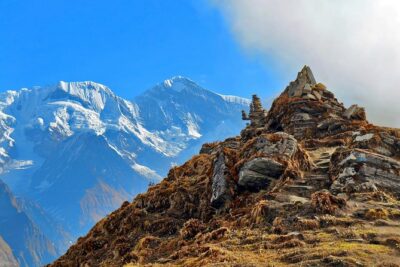
Browse the lists this tour appears in