
REVIEW · KATHMANDU
From Kathmandu: 19 Day Everest Base Camp & Kalapathar Trek
The main prize here is not just reaching Everest Base Camp at 5,364 meters. It is the slow approach through Sherpa villages, pine forests, high passes, monasteries, glaciers, and stark mountain scenery. The route begins with a long drive from Kathmandu to Salleri, then follows a quieter overland path before joining the classic trail toward Namche Bazaar and Everest.
I like the 19-day schedule, which gives you two acclimatization days instead of rushing upward. I also like that permits, a private group, an English-speaking guide, tea house lodging, trekking poles, and guide expenses are included. The main drawback is the long road journey at both ends, plus the fact that food, drinks, insurance, and emergency rescue are not included.
Key points to know before booking
- Salleri replaces the usual first flight: You travel by shared bus or jeep for 12 to 13 hours from Kathmandu, then walk toward the main Everest route.
- Two acclimatization days matter: You pause in Namche Bazaar and Dingboche before reaching the highest villages.
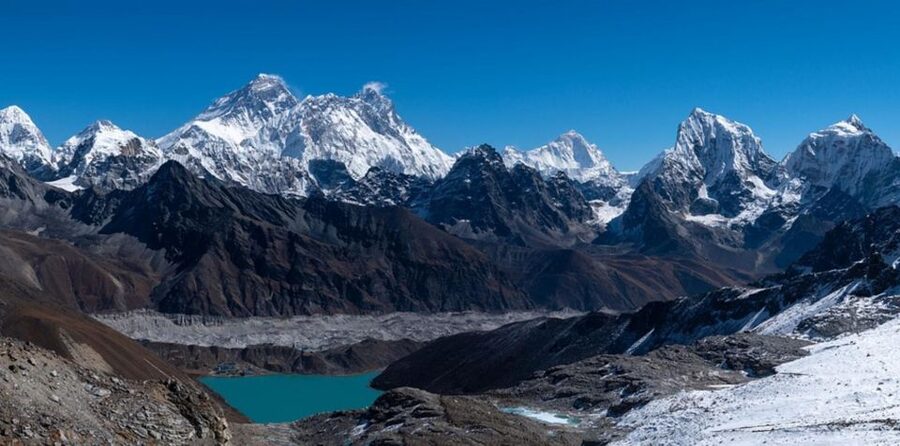
- Kala Patthar is the best viewpoint: The 5,545-meter summit gives broad views toward Everest, Lhotse, Nuptse, and the Khumbu Icefall.
- The route is genuinely demanding: High altitude, long walking days, cold, and basic tea house lodging are part of the deal.
- Guiding support is a strong point: English, Nepali, and Hindi are available, with trekking assistance added for groups larger than 10.
- The price is useful but not all-inclusive: At $723 per person, permits, transport, lodging, and guide costs are covered, but you still pay for meals, drinks, insurance, and personal needs.
Why the Salleri route changes the first few days
Many Everest trips begin with a flight to Lukla. This one takes the road from Kathmandu to Salleri, a 12 to 13-hour journey by shared bus or jeep. That is not the easy option, but it avoids making the flight the opening gamble and lets you see more of Nepal before walking into the Khumbu.
The road is the price of entry. You will spend most of the first day seated rather than hiking, and anyone who dislikes long mountain drives should think carefully about this plan. In return, the walking begins at a lower altitude and builds gradually.
From Salleri, the trail goes to Nunthala, Bubsa, and Surkhe before reaching Phakding. These early days are useful conditioning. You are walking for five to seven hours at a time, but the elevations remain far below the Everest Base Camp section.
The first few stages also give you a gentler introduction to village life and tea house travel. You are not dropped straight into the highest part of the Khumbu. That gradual start is a practical benefit, especially for anyone concerned about altitude.
More Everest Base Camp Treks in Kathmandu
- Everest Base Camp Trek – 14 Days
★ 5.0 · 1,499 reviews - Everest Base Camp Trek
★ 5.0 · 842 reviews - Everest Base Camp Trekking
★ 5.0 · 485 reviews
Days 1 to 5: Salleri, Nunthala, Bubsa, Surkhe, and Phakding
Day 1 is devoted to the drive from Kathmandu to Salleri, at about 2,362 meters. It is a long day, so keep water and simple snacks handy, and expect the transport itself to feel tiring.
On Day 2, you walk from Salleri to Nunthala, around 2,500 meters, in five to six hours. Day 3 continues from Nunthala to Bubsa, also listed at about 2,500 meters. These stages help your body adjust to regular walking before the trail climbs higher.
Day 4 takes you from Bubsa to Surkhe, at roughly 2,400 meters. Day 5 continues to Phakding, at 2,640 meters, with six to seven hours on foot. Phakding is an important point because from here you join the familiar approach toward Namche Bazaar.
The itinerary lists Bubsa, Nunthala, and Surkhe on both the outward and return journeys. That means the trip does not simply end with a flight from Lukla. After reaching Lukla on Day 15, you walk back through Bubsa and Nunthala to Salleri, then ride to Kathmandu. For some people, this adds a satisfying full-route feel. For others, it means extra walking after the major goal is already complete.
Day 6 and Namche Bazaar: the first major test
The walk from Phakding to Namche Bazaar takes about five hours and reaches 3,440 meters. This is where the trek begins to feel serious. You gain altitude, and the walking becomes more demanding.
Namche is more than a stopping point. It is the main settlement on this route and the first place where you have a full acclimatization day. The schedule wisely gives you Day 7 to rest and adjust rather than pushing directly toward Tengboche.
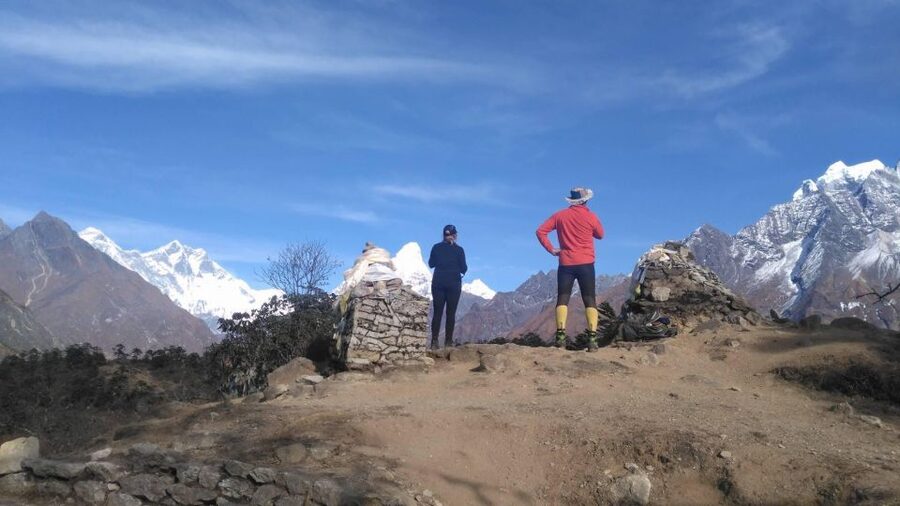
Use this pause sensibly. You can explore the town or take a short outing, but the important goal is to help your body handle the thinner air. The views from the Tenzing Norgay memorial are a particular highlight, with a wide mountain panorama that can be excellent when visibility is clear.
Clear weather is never guaranteed. One early April trip had limited visibility on some sections, even though Namche and Tengboche still provided strong mountain views. That is a useful reminder: the Himalayas do not perform on demand, and a good itinerary cannot control cloud.
Days 8 to 10: Tengboche and Dingboche
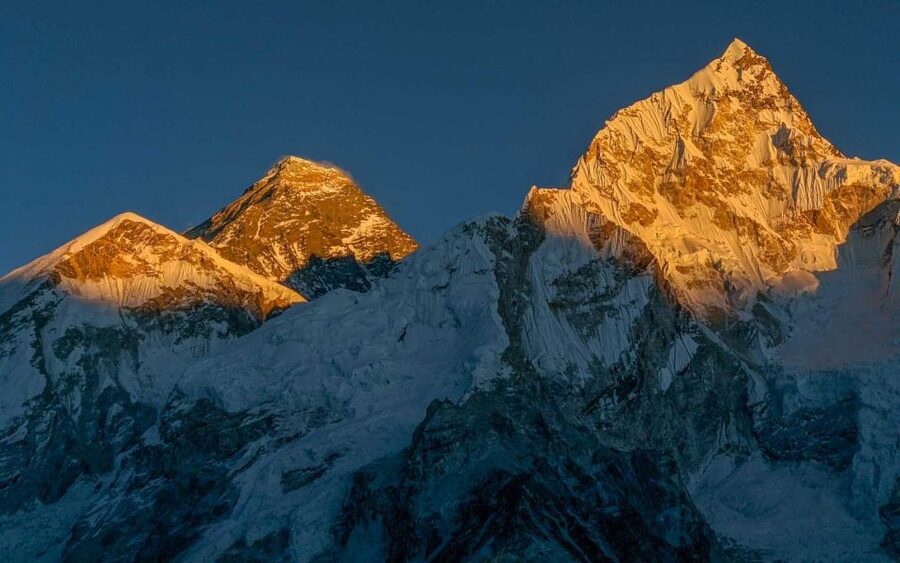
Day 8 leads from Namche to Tengboche, at 3,867 meters, in about five hours. Tengboche is one of the most memorable stops on the route because of its monastery and mountain setting.
The stop has cultural value as well as scenic appeal. You are moving through the Sherpa homeland, not simply crossing a trail between two mountain viewpoints. Tengboche helps put the trek in its proper setting, with Buddhist traditions woven into daily life.
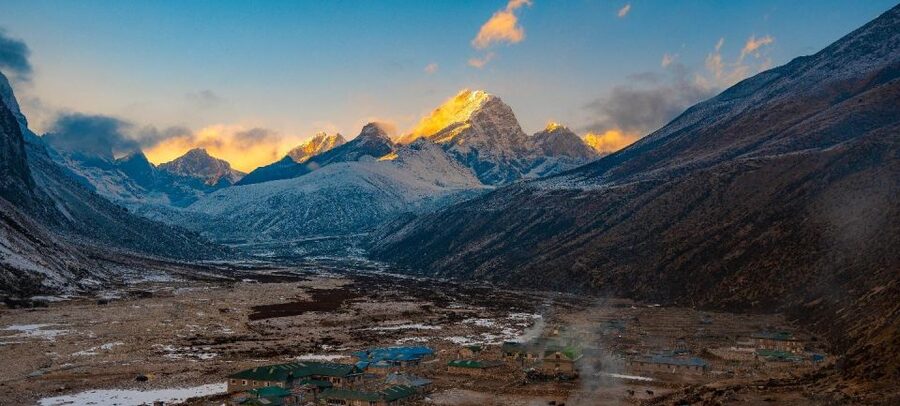
Day 9 continues to Dingboche, at 4,260 meters, in about five hours. The change in scenery is clear as the trail moves toward more exposed, higher ground. Trees become less important, and altitude becomes the central fact of each day.
Day 10 is another acclimatization day. I consider this one of the most valuable parts of the plan. A rushed itinerary may look efficient on paper, but the extra day gives you a better chance of continuing safely toward Lobuche, Gorak Shep, and Base Camp.
Altitude sickness is not a minor inconvenience. One person on an April 2025 trip had to turn back before reaching Base Camp because of symptoms. The guide responded quickly and responsibly, and the unused days were later used for a Poon Hill trek near Pokhara. That flexibility is encouraging, but you should not treat a change of plan as failure. At high altitude, turning around is the correct decision when your body is warning you.
More Trekking Tours in Kathmandu
- Annapurna Circuit Trek with Tilicho Lake
★ 5.0 · 368 reviews - Everest Base Camp Trekking – 13 Day
★ 5.0 · 365 reviews - Everest Base Camp Trek
★ 5.0 · 350 reviews - Everest Base Camp Trek -14 Days
★ 5.0 · 321 reviews
Days 11 to 13: Lobuche, Gorak Shep, Base Camp, and Kala Patthar
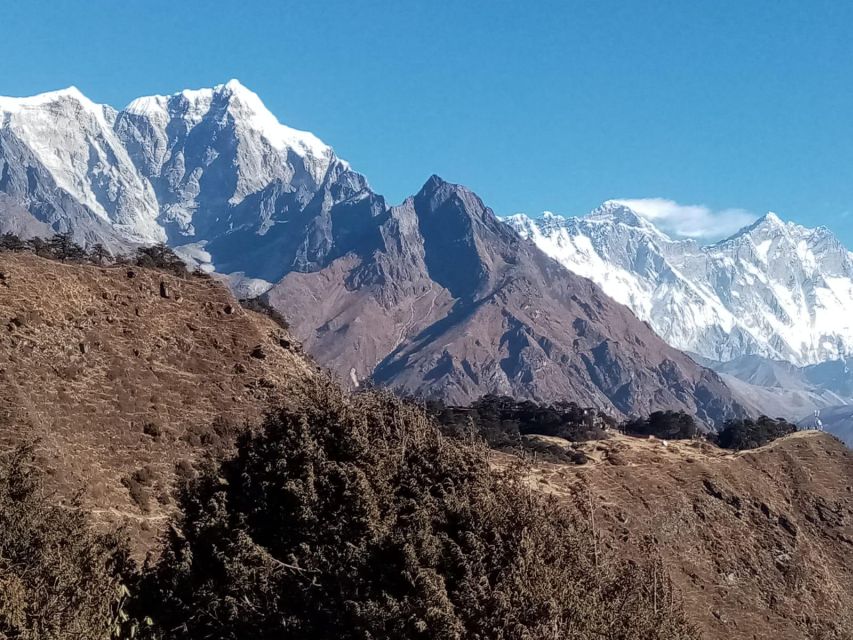
Day 11 goes from Dingboche to Lobuche, at 4,930 meters, in about five hours. This is a major altitude jump in terms of how the air feels, even if the walking time remains manageable.
Day 12 is the big push. You walk from Lobuche to Gorak Shep, at 5,170 meters, then continue to Everest Base Camp at 5,364 meters before returning to Gorak Shep. The full outing takes about six hours.
Base Camp is a powerful destination, but be clear about what you are seeing. It is the staging area used by climbing teams, not the summit of Everest and not a permanent village. The Khumbu Icefall and surrounding peaks provide the drama, while the knowledge that climbers use this area gives the stop its special meaning.
Gorak Shep is a very high overnight point, and conditions can be cold and basic. Keep your expectations practical. Tea house accommodation is part of the experience, but it is not a hotel stay, and the higher you go, the more you should value warmth, rest, and hydration over comfort.
Day 13 begins early with the hike to Kala Patthar, at 5,545 meters. This is often the finest mountain viewpoint of the whole trip. From the summit, you can look toward Everest, Lhotse, Nuptse, and the Khumbu Icefall.
The early start is important because mountain visibility can change quickly. The climb is short compared with the full trek, but altitude makes it feel substantial. After Kala Patthar, you descend to Pheriche, at 4,240 meters, in about five hours.
The descent is welcome, but do not assume it is effortless. Tired legs, rough trail, cold, and the accumulated strain of the previous days still matter. This is a day for steady pacing, not racing to the lower village.
Days 14 to 19: the long return to Kathmandu
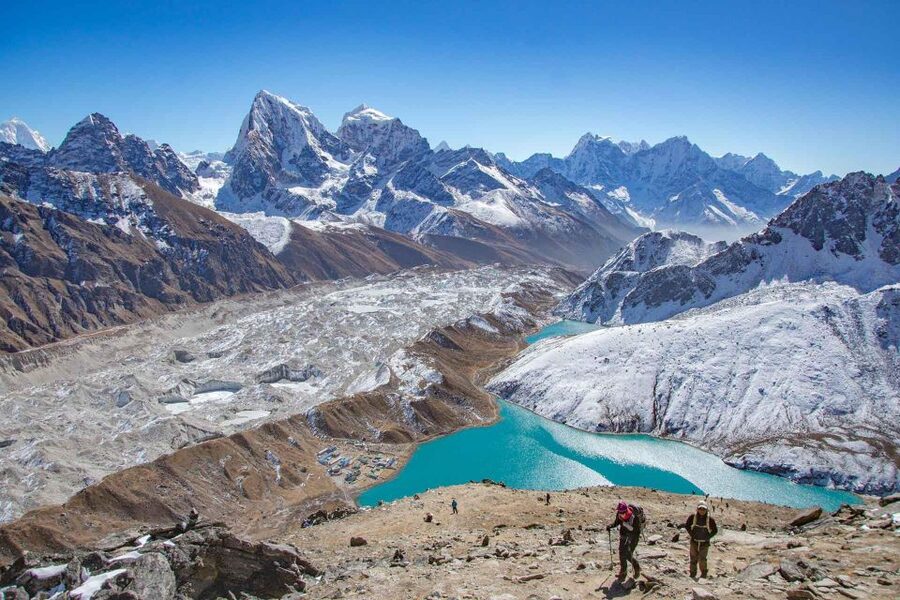
Day 14 takes you from Pheriche back to Namche Bazaar, at about 3,467 meters, in six hours. Returning to a lower elevation usually feels easier, and Namche provides a more comfortable pause than the high villages.
Day 15 continues from Namche to Lukla, at 2,800 meters, in six hours. In many Everest itineraries, Lukla is the final walking point before a flight. Here, it is only a turning point.
Day 16 takes you from Lukla to Bubsa in four to five hours. Day 17 goes from Bubsa to Nunthala in five to six hours, and Day 18 continues to Salleri in five to six hours. This repeated section may feel less fresh than the outward journey, but the lower altitude and familiar trail can make it easier physically.
On Day 19, you drive from Salleri to Kathmandu for another 12 to 13 hours. The trip ends after arrival in the capital. This transport-heavy finish is not glamorous, but it is clear and practical.
Tea houses, guides, permits, and what the price covers
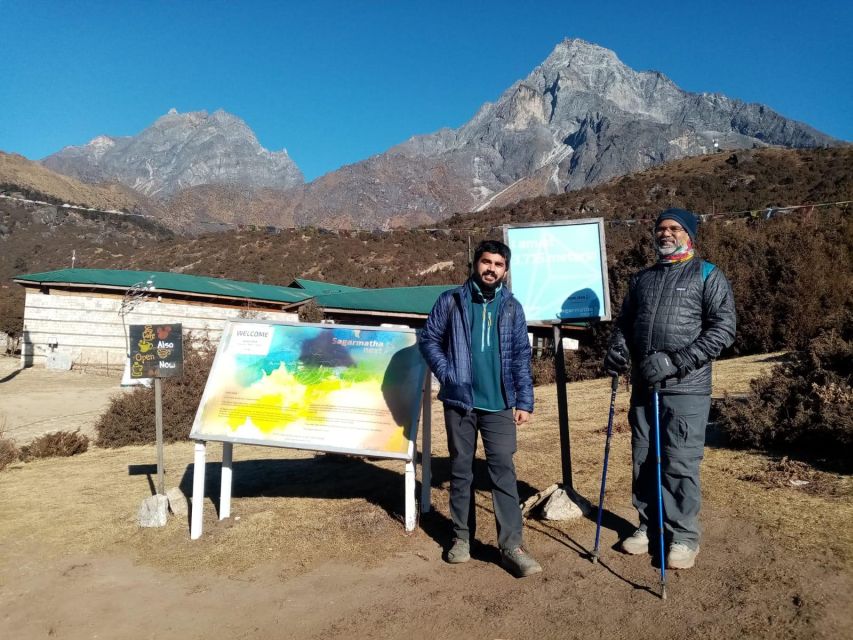
The $723 price offers solid value for a 19-day private trek. It includes trekking permits and company paperwork, tea house or guest house accommodation, round-trip shared bus or jeep transport, an experienced English-speaking guide, guide food and lodging, a first-aid kit, and a trekking pole.
A private group gives you more control than a large public departure. Your walking speed and rest needs can be discussed directly with the guide. Groups of more than 10 receive a trekking assistance guide, which is useful on a route where people may spread out.
The listed guide languages are English, Nepali, and Hindi. Guides named Milan, Arjun, and Tikaram have been associated with strong support on this route. Arjun and Tikaram were credited with handling a difficult altitude situation carefully, while Milan was described as friendly, attentive, and experienced after years of guiding.
You still need to budget for food and drinks, which are available for purchase along the way. Personal expenses are also separate. Travel insurance is required for your own protection, and emergency rescue is not included, so your policy must cover high-altitude trekking and rescue costs.
Bring warm clothing, hiking shoes, hiking trousers, cash, a passport or accepted copy, and a passport-sized photo. Pets are not allowed. The trek is not suitable for pregnant women or wheelchair users.
Best seasons and the limits of mountain weather
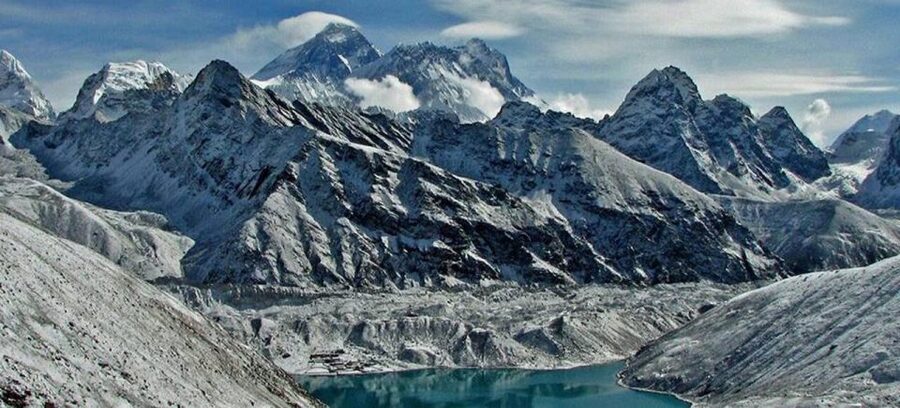
The strongest seasons are spring, from March to May, and autumn, from September to November. These periods generally offer more stable weather and clearer mountain views.
The trek can operate throughout the year, but that does not mean every month offers the same conditions. Clouds can hide peaks even during a suitable season, as happened during an early April departure. Build your expectations around the journey, not only the perfect Everest photograph.
The route has no guarantee of clear visibility at Base Camp or Kala Patthar. That is one reason the Sherpa villages, Tengboche, Namche, and the changing scenery matter so much. If clouds arrive, the trip still has substance beyond the summit view.
Should you book this Everest trek?
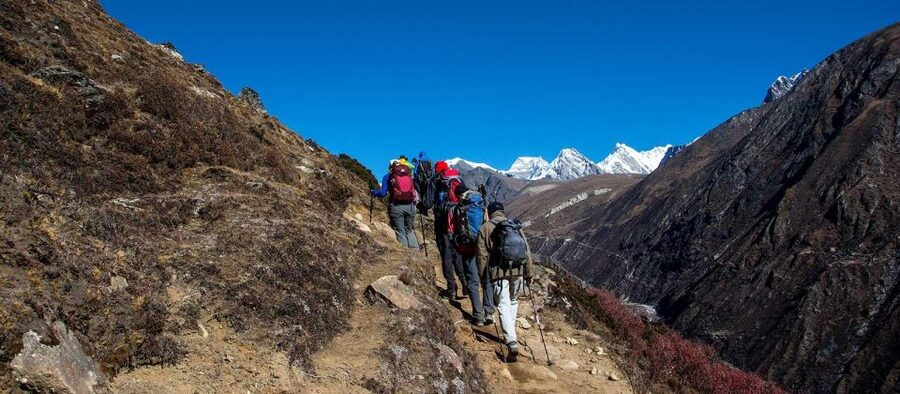
I would choose this trip if you want a slower 19-day approach, prefer a private group, and value included permits, guiding, tea houses, and ground transport. It suits fit hikers who can handle five to seven-hour walking days and accept basic accommodation, cold, and high altitude.
I would hesitate if you want a quick Everest trip, dislike long bus journeys, or expect meals and rescue cover to be included. The itinerary is demanding, and reaching Base Camp is never guaranteed. Still, the acclimatization days, flexible guiding, and careful response to altitude problems make this a sensible package at its price.
Book it for the full experience: Sherpa communities, Tengboche Monastery, Namche, the Khumbu Icefall, Base Camp, and the high viewpoint at Kala Patthar. Go with the right fitness, insurance, cash, and attitude, and let safety decide how far you go.
FAQ
How long is the Everest Base Camp and Kala Patthar trek?
The trek lasts 19 days, including the drives between Kathmandu and Salleri, the walking route, acclimatization days, and the return journey.
Does the tour begin with a flight to Lukla?
No. The itinerary begins with a 12 to 13-hour shared bus or jeep journey from Kathmandu to Salleri. You reach Lukla on foot later in the trek.
What altitude does Everest Base Camp reach?
Everest Base Camp is listed at 5,364 meters, or 17,598 feet.
How high is Kala Patthar?
Kala Patthar reaches 5,545 meters and is visited early in the morning on Day 13.
Are acclimatization days included?
Yes. There is an acclimatization day in Namche Bazaar on Day 7 and another in Dingboche on Day 10.
What is included in the $723 price?
The price includes trekking permits and company paperwork, an English-speaking guide, guide expenses, tea house or guest house lodging, shared round-trip bus or jeep transport, a private group, a first-aid kit, and a trekking pole.
Are meals and travel insurance included?
No. Food, drinks, personal expenses, travel insurance, and emergency rescue costs are not included.
Latest treks added in Kathmandu
- Private Manaslu Circuit Trek at Himalayas★ 5.0 · 3 reviews
- Ghorepani Poonhill Trek★ 5.0 · 5 reviews
- Ghorepani Poon Hill Trek★ 5.0 · 16 reviews
- Upper Mustang Trekking★ 3.0 · 2 reviews
- Amazing 1 Day Trekking Experience in Kathmandu Nepal★ 5.0 · 24 reviews
- Upper Mustang Trekking★ 5.0 · 2 reviews
- Upper Mustang Trek★ 5.0 · 5 reviews
- Upper Mustang Trekking★ 5.0 · 4 reviews
Everest Base Camp Treks, compared.






Browse the lists this tour appears in