
REVIEW · KATHMANDU
Everest Three Pass Trek
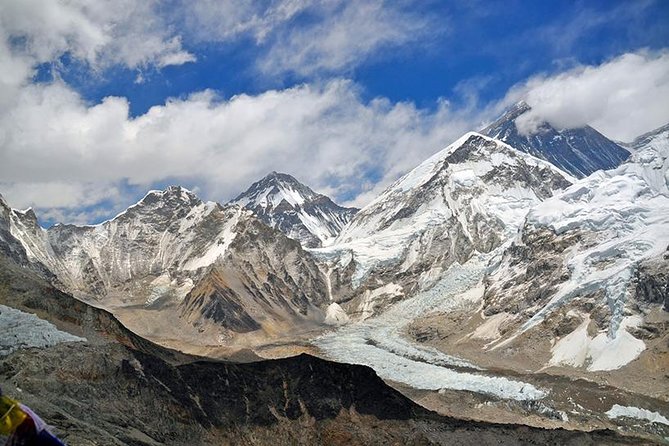
The Everest Three Pass Trek is not a gentle walk to one famous viewpoint. It is a high-altitude circuit across three snow-covered passes, with Kongma La reaching 5,535 meters, Cho La at 5,420 meters, and Renjo La at 5,360 meters. You also get Kala Patthar, Gokyo Lakes, Sherpa villages, prayer-flag bridges, and broad views toward Everest.
I like the way the route combines the Everest area’s best sights with quieter high passes, and I like that the price covers domestic flights, permits, porters, meals, accommodation, and basic cold-weather gear. The main drawback is clear: this is a demanding trek with steep, rough sections, cold conditions, and serious altitude gain. You need strong fitness and mental stamina, not just enthusiasm.
Key points to know before booking
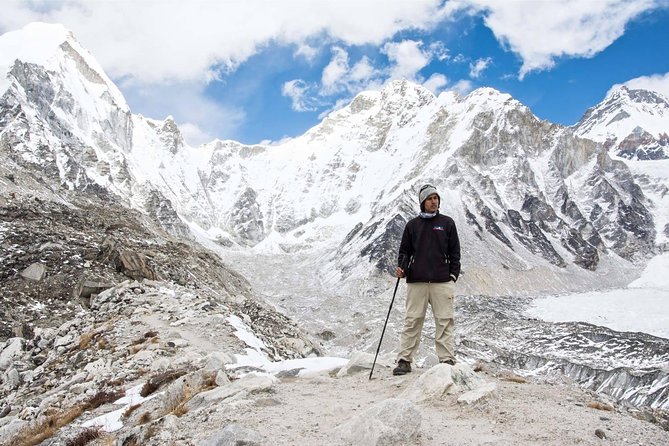
- Three high passes: Kongma La, Cho La, and Renjo La form the core challenge.
- Kala Patthar and Gokyo: You see Everest from two very different viewpoints and visit the Gokyo valley.
- Private format: Only your group takes part, with a licensed English-speaking guide and porters.
- A useful all-in price: The $1,800 cost includes flights, food, permits, staff, guesthouses, and trekking equipment.
- Early starts matter: The schedule begins at 6:15 a.m. in Kathmandu, and several high-pass days start early.
- Weather can change plans: Lukla flights and high-pass crossings depend on suitable conditions.
Why three passes make this Everest trek different
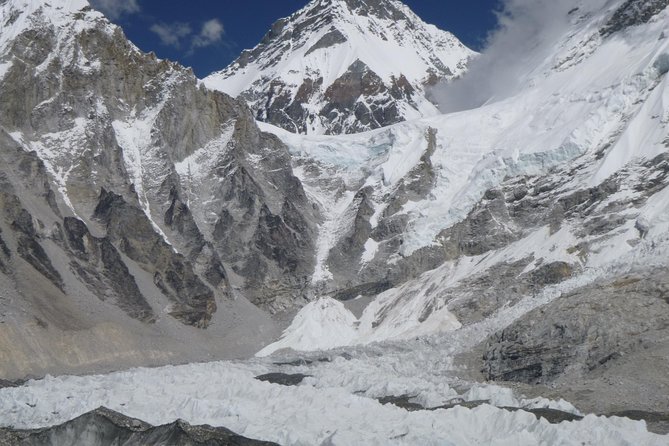
The standard Everest route focuses on reaching Everest Base Camp. This trek adds a wide circuit through the Khumbu, linking three high passes that each offer a different view of the Himalayan range.
Kongma La is the highest of the three and often feels like the biggest physical test. Cho La brings a steep, ice-covered section on the way to Gokyo. Renjo La completes the route with views toward Cho Oyu, Everest, and other major peaks. You are not simply walking to a famous endpoint. You are crossing the high country from several angles.
That variety is the chief reason to choose this trip. You get the familiar approach through Namche, Tengboche, Dingboche, and the Everest Base Camp area, then move across less direct high routes toward Gokyo and back to Namche.
The route is also demanding because the itinerary uses Chhukung rather than adding a full second acclimatization day in Dingboche. That makes the following Kongma La crossing more manageable from a distance, but the pass itself remains hard. You should discuss altitude concerns with your guide before setting out and take symptoms seriously.
More Everest Base Camp Treks in Kathmandu
- Everest Base Camp Trek – 14 Days
★ 5.0 · 1,499 reviews - Everest Base Camp Trek
★ 5.0 · 842 reviews - Everest Base Camp Trekking
★ 5.0 · 485 reviews
Day 1: Lukla flight and the first walk
The day begins early, with a flight from Kathmandu to Lukla. The journey passes over green hills and snow-capped peaks before landing at Tenzing-Hillary Airport, one of the world’s most striking mountain airfields.
At Lukla, you meet the trekking staff and begin walking. The first day is more about adjusting to the trail, the pace, and the group than about covering dramatic distance. The flight itself is weather-sensitive, so flexibility matters from the start.
The included Kathmandu to Lukla flight and airport tax remove two large expenses from the final bill. Still, you should keep your schedule flexible around the flying days because poor weather can affect the plan.
Day 2: Dudh Koshi bridges and Namche Bazaar
The trail follows the Dudh Koshi River toward Namche Bazaar, crossing suspension bridges decorated with prayer flags. These crossings are a memorable early feature of the route, though the height and movement may test anyone uneasy with exposed bridges.
You enter Sagarmatha National Park along the way. The climb toward Namche becomes more serious as the trail rises through mountain settlements and forest. Namche is the main Sherpa trading town in the area, and its location makes it a natural place to pause and adjust to altitude.
This is also your first clear reminder that the trek is not a sightseeing bus tour with a little walking attached. The climbs are steady, the surface can be uneven, and every day brings more elevation.
Day 3: Acclimatization around Namche
The Namche rest day is a key part of the schedule, not wasted time. You explore the town and walk uphill to the Everest View Hotel, where the stated views include Nuptse, Thamserku, and Everest.
The point is to gain some height during the day and return to sleep lower down. That helps your body adjust before the route rises again. You should use the day at a measured pace. The goal is not to prove how fast you can climb, but to arrive at the later passes in better shape.
Namche is also one of the best places to enjoy the human side of the trek. Prayer wheels, mountain homes, shops, and Sherpa culture give the route more character than a simple peak-counting exercise.
More Trekking Tours in Kathmandu
- Annapurna Circuit Trek with Tilicho Lake
★ 5.0 · 368 reviews - Everest Base Camp Trekking – 13 Day
★ 5.0 · 365 reviews - Everest Base Camp Trek
★ 5.0 · 350 reviews - Everest Base Camp Trek -14 Days
★ 5.0 · 321 reviews
Day 4: Tengboche and the Dudh Koshi valley
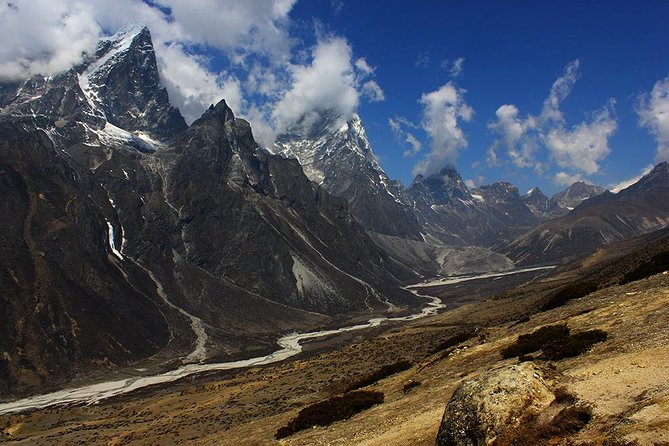
You continue upstream along the Dudh Koshi, passing water-driven prayer wheels near Phunke Tenga. The trail then climbs above the Imja Khola toward Tengboche.
Tengboche is known for its monastery, and the itinerary includes time for a short stop there. Its setting makes it one of the most memorable cultural points on the route, with major peaks forming the backdrop.
The day mixes forest walking with open mountain views. It is not yet a pass-crossing day, but the uphill sections begin to show what is ahead. You should expect a fairly active day rather than a casual stroll.
Day 5: Pangboche and Dingboche
The route climbs toward Dingboche through rhododendron forest and past Pangboche. Ama Dablam, Lhotse, and Everest provide the main mountain views, with Ama Dablam often catching the eye because of its sharply formed peak.
Dingboche is an important stop because the route is now firmly in high country. The air is thinner, the nights are colder, and your walking pace may slow. That is normal. Give yourself time, drink regularly, and let the guide know if you feel unwell.
The route does not treat Dingboche as a long rest stop. Instead, the plan uses Chhukung the next day to shorten the following walk toward Kongma La.
Day 6: Shorter walk to Chhukung
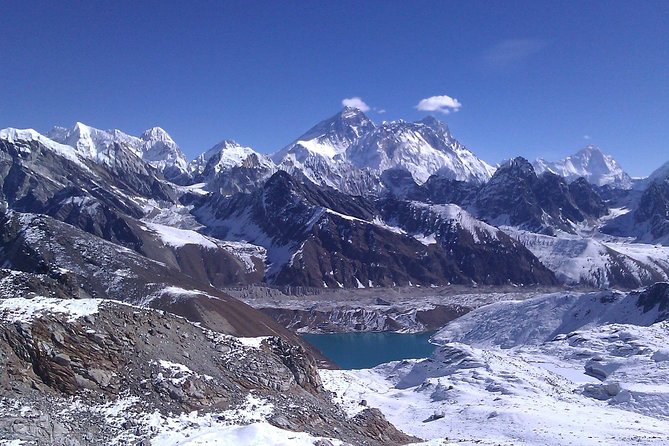
This is a shorter but uphill day to Chhukung. The reason for the change is practical: staying there brings you closer to the start of the Kongma La crossing.
A shorter day can be useful before a major pass, especially when you are already carrying several days of altitude fatigue. It is not a day off, though. You still climb, and the terrain remains rough.
Chhukung sets up one of the hardest days of the trek. If you prefer a slower acclimatization schedule, ask about this section before booking. The published plan is designed to keep the route moving rather than add another full rest day.
Day 7: The Kongma La crossing at 5,535 meters
Kongma La is the highest of the three passes. The approach is steep and can be difficult, with snow and rough ground depending on conditions.
Reaching the top is a major physical achievement, but the reward is not limited to the pass marker. You get broad views of the Mahalangur Himalayan range and the surrounding glaciers and peaks. This is the kind of day when a strong guide and well-paced porters matter.
You should expect an early start, a long effort, and changing trail conditions. Poles, warm layers, gloves, and proper footwear are practical rather than optional. The company provides a down jacket, sleeping bag, and duffel or kit bag, but your personal trekking equipment is not included.
Day 8: Toward Gorakshep on stony trails
After Kongma La, the route continues toward Gorakshep. The trail is generally stony, and the walking remains hard after the previous day’s pass.
The reward is a steady run of snow peaks and glaciers. Gorakshep is important because it places you near Kala Patthar and the Everest Base Camp area. You should not expect luxury here. The accommodation is in the best available guesthouses, mainly in twin rooms, and high mountain facilities are basic.
The itinerary places Gorakshep after the first pass, so you may feel the accumulated strain by this point. Keep your pace steady and avoid racing the group.
Day 9: Kala Patthar at sunrise
The early hike to Kala Patthar is one of the visual highlights of the whole route. From roughly 5,550 meters, you can watch the first light reach Everest and the surrounding valleys.
This is a sunrise walk, so cold conditions and an early departure are part of the deal. The climb is short compared with a full pass day, but altitude makes it feel harder. The viewpoint gives you a direct, memorable perspective on Everest and the nearby peaks.
The itinerary then continues toward the next part of the circuit. After the demanding Kongma La section and Kala Patthar start, you should treat this day as another serious mountain day, not a light photo stop.
Day 10: Cho La and the route to Gokyo
Cho La is the second high pass, at 5,420 meters. The approach includes a steep climb over an ice-covered trail, making footwear, balance, and weather especially important.
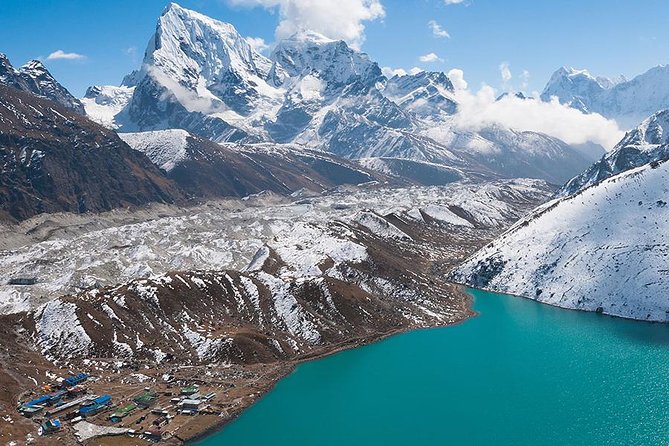
This is another tough day, but it brings you to the beautiful Gokyo Lakes. The change from the Everest Base Camp side to Gokyo gives the route a fresh feel. You leave behind a single focus on Everest and gain a broader view of the high valleys and glacial lakes.
Conditions at Cho La can vary. The itinerary notes ice on the trail, so you should be ready for slower progress and follow the guide’s instructions closely. Poor conditions can affect the plan, and the company’s weather policy allows a different date or a full refund if the experience must be canceled.
Day 11: Gokyo Lakes and Gokyo Ri
Gokyo gets a rest day, though the plan includes a morning hike up Gokyo Ri at about 5,360 meters. From there, you can see the Gokyo valley, its smaller lakes, and a wide collection of high peaks.
This is a smart contrast with Kala Patthar. Kala Patthar focuses attention on Everest. Gokyo Ri gives you a wider view of the valley and lakes, with the mountains arranged in a different pattern.
The word rest should be understood sensibly. You are still climbing to a high viewpoint. The day is less punishing than crossing a pass, but altitude remains a factor.
Day 12: Renjo La, the final pass
The trek starts early again for Renjo La, the third and last pass. The route climbs gradually along a snow-filled path to about 5,360 meters.
From the top, the itinerary promises views toward Cho Oyu, Everest, and other major peaks. The feeling here is different from Kongma La and Cho La because you are completing the circuit. You have crossed three high routes rather than simply retracing the main valley trail.
Renjo La is still a serious undertaking. Snow, cold, and altitude can turn a gradual climb into a long morning. Your guide, porters, warm clothing, and sensible pacing all matter.
Days 13 and 14: Returning to Namche and Lukla
After Renjo La, the walk to Namche is described as more relaxed and relatively easier. You can enjoy distant views of Everest and the surrounding peaks without the same pressure as the pass days.
The following day takes you from Namche to Lukla through villages, forests, rivers, and suspension bridges. It is the final full trekking day, but it can still feel long after two weeks on foot.
Arriving in Lukla gives you time to rest and explore the market. That small detail is useful because the end of a trek deserves a little breathing room before the flight back.
Day 15: Flight back to Kathmandu
The final morning brings the return flight from Lukla to Kathmandu. You again see green hills and snow peaks from the air.
Once back in Kathmandu, the activity ends at the original meeting point. The stated meeting point is Base Camp Adventure Pvt. Ltd. on Tridevi Sadak, with the trek beginning at 6:15 a.m.
What the $1,800 price covers
At $1,800 per person, the value depends on how much support you want. This is not just a guiding fee. The price includes:
- Domestic airfare from Kathmandu to Lukla and back, including airport tax
- Best available guesthouses, mainly twin sharing
- Breakfast, lunch, and dinner for 14 days
- A licensed English-speaking guide
- Porters and the staff needed to carry luggage
- Staff food, accommodation, salary, insurance, equipment, and transport
- Sagarmatha National Park entry permit
- TIMS permit
- Down jacket, sleeping bag, and duffel or kit bag
- First aid kits
- Necessary land transport
That list makes the price easier to judge. You still need to budget for international airfare, drinks, laundry, hot showers, personal trekking equipment, staff tips, and other personal costs.
The trip is private, so only your group takes part. That can be valuable on a difficult route because the walking pace and rest stops can be handled within your group, although the exact group size is not stated.
What the guide and support team add
The company provides a local licensed English-speaking guide and porters. On a route with three high passes, this support is central to the experience. You are not expected to manage navigation, permits, or luggage alone.
The company’s wider guiding team includes people named Shiva, Jwala, Nabracht, Bhim, and Ram, along with Shree, who is described as the owner and organizer. The available feedback particularly praises the organization, guide support, and help with difficult schedules. These names do not guarantee who will lead your specific departure, so confirm your assigned guide before you go.
The staff also handles food, accommodation, insurance, and equipment for the trekking team. That is a meaningful part of the cost, especially on a remote route.
Who should book this trek
You should consider this trek if you want a demanding Everest experience with more variety than the usual out-and-back route. It suits someone who is comfortable with long uphill days, rough ground, cold conditions, and uncertain weather.
You should think twice if your main goal is a relaxed visit to Everest Base Camp. The three passes require more effort, and the itinerary moves quickly through high country. The stated requirement for strong physical fitness is not a formality.
The 15-day schedule also suits someone with a fixed but reasonably generous block of time. The average booking lead time is 39 days, which gives you a useful planning target for flights, equipment, and preparation.
Free cancellation is available up to 24 hours before the start time for a full refund. Changes or cancellations within 24 hours are not accepted, and weather can cause a different date or a full refund.
Should you book the Everest Three Pass Trek?
Book it if you want the full high-altitude challenge of the Khumbu, not just the most famous stop. The combination of three passes, Kala Patthar, Gokyo Ri, Namche, Tengboche, and Sherpa villages gives you a varied route with strong mountain views at nearly every stage.
The $1,800 price is reasonable for the amount included, especially the Lukla flights, meals, staff, permits, guesthouses, and loaned gear. Just be honest about your fitness and altitude readiness. If you want a serious private trek and can accept early mornings, basic lodging, rough trails, and weather risk, this is a strong choice. If you want an easier first Himalayan walk, choose a less demanding route.
FAQ
How long is the Everest Three Pass Trek?
The trek lasts approximately 15 days, beginning and ending in Kathmandu.
What are the three passes?
The route crosses Kongma La at 5,535 meters, Cho La at 5,420 meters, and Renjo La at 5,360 meters.
What is included in the $1,800 price?
The price includes guesthouses, a licensed English-speaking guide, porters, staff costs, permits, meals, domestic flights between Kathmandu and Lukla, airport tax, land transport, a down jacket, sleeping bag, duffel or kit bag, and first aid kits.
Are meals included?
Yes. Breakfast, lunch, and dinner are included for 14 days.
Is this a private trek?
Yes. Only your group participates in the activity.
Where does the trek start?
The meeting point is Base Camp Adventure Pvt. Ltd. on Tridevi Sadak in Kathmandu. The stated start time is 6:15 a.m.
Do I need strong physical fitness?
Yes. The activity information states that you should have a strong level of physical fitness. The route includes steep, rough, snow-covered, and high-altitude sections.
What happens if bad weather cancels the trek?
If poor weather causes cancellation, you are offered a different date or a full refund. You can also cancel up to 24 hours before the start time for a full refund.
Latest treks added in Kathmandu
- Ghorepani Poon Hill Trek★ 5.0 · 16 reviews
- Private Manaslu Circuit Trek at Himalayas★ 5.0 · 3 reviews
- Ghorepani Poonhill Trek★ 5.0 · 5 reviews
- Upper Mustang Trekking★ 3.0 · 2 reviews
- Amazing 1 Day Trekking Experience in Kathmandu Nepal★ 5.0 · 24 reviews
- Upper Mustang Trekking★ 5.0 · 2 reviews
- Upper Mustang Trek★ 5.0 · 5 reviews
- Upper Mustang Trekking★ 5.0 · 4 reviews
Everest Base Camp Treks, compared.






Browse the lists this tour appears in