
REVIEW · KATHMANDU
Everest Base Camp Trekking
Everest Base Camp is not just a mountain walk. It is a demanding journey through Sherpa villages, Buddhist monasteries, glacial valleys, and thin air, ending at Everest Base Camp and Kala Patthar, the best viewpoint on this route. The small Lukla flight, high suspension bridges, and first view of Everest near Namche make the approach part of the adventure.
I like the built-in acclimatization stops at Namche and Dingboche, and I like that the $1,300 price includes domestic flights, permits, a licensed guide, lodges, all meals, and useful gear such as a sleeping bag, down jacket, and duffle bag. The operation has also used guides including Moti, Bhim, Ram, and Tika Dhakal, with past feedback giving special attention to safety, organization, kindness, and help on difficult sections.
The main caution is the altitude and the demanding schedule. Some day descriptions show very long durations, and the published route has a few timing and sequence points worth confirming before you pay. This is a private trek, but it is not a gentle holiday.
Key points at a glance
- Kala Patthar reaches about 5,550 meters: You get the closest clear view of Everest’s summit on this route.
- Lukla access is weather dependent: Flights can be delayed, and the return plan needs some flexibility.
- Namche and Dingboche help with acclimatization: These rest periods are important, not wasted days.
- The price covers the costly basics: Flights, permits, accommodation, meals, guide service, and rental equipment are included.
- Sherpa culture is part of the route: Look for mani walls, prayer wheels, monasteries, museums, and traditional villages.
- The trek is private: Only your group takes part, which allows more direct contact with your guide.
What the $1,300 price really covers
At $1,300 per person, this trek offers a useful package for a high-altitude journey. You receive private transportation, the Kathmandu to Lukla and Lukla to Kathmandu flights, Sagarmatha National Park and Khumbu Pasang Lhamu Rural Municipality permits, a government-licensed trekking guide, accommodation during the trek, a Kathmandu hotel, and 12 breakfasts, 12 lunches, and 12 dinners.
The gear allowance matters. A duffle bag, sleeping bag, and down jacket are available on rental and returned after the trek. That can save you from buying bulky equipment for one trip, though you should still confirm the sizes, condition, and warmth of each item before leaving Kathmandu.
The price does not include drinks, hot or cold showers, charging fees, laundry, extra nights and meals, travel insurance, rescue costs, Nepal visa fees, international flights, departure tax, or guide tips. Those exclusions are normal for a trek of this type, but the rescue and insurance point deserves serious attention. At altitude, a suitable insurance policy is not an optional extra.
The value is strongest if you want one company to arrange the major moving parts. You are not paying only for a guide and a bed. You are also paying for flight arrangements, permits, transport, and a private group setup. Still, the price does not remove the physical demands, weather risks, or possibility of extra costs caused by delays.
More Everest Base Camp Treks in Kathmandu
- Everest Base Camp Trek – 14 Days
★ 5.0 · 1,499 reviews - Everest Base Camp Trek
★ 5.0 · 842 reviews - Everest Base Camp Trekking
★ 5.0 · 485 reviews
Kathmandu to Ramechhap, then the short flight to Lukla
The route begins with an early morning road trip from Thamel to Ramechhap, taking about five hours. Ramechhap is used as an alternative airport gateway during the busy trekking season. The road passes through countryside and foothills, but the early start makes this a tiring first day.
From Ramechhap, the flight goes to Tenzing-Hillary Airport in Lukla. The short runway and mountain setting make arrival memorable, though weather can disrupt flights. I would keep your wider Nepal plans flexible on both the outbound and return flights. The package includes the domestic flights, but it cannot control mountain weather.
From Lukla, you walk toward Phakding through farmland and Sherpa settlements. Expect suspension bridges, Buddhist mani walls, and the Dudh Koshi River. Phakding is a sensible first overnight stop because it gives you a gentler introduction before the harder climb to Namche.
The published timing for this day is long, apparently because it combines road travel, flying, and trekking. Ask for the expected walking time and overnight plan in writing. That makes it easier to judge your fitness and prepare for a very early start.
The climb to Namche through Monjo and Jorsalle
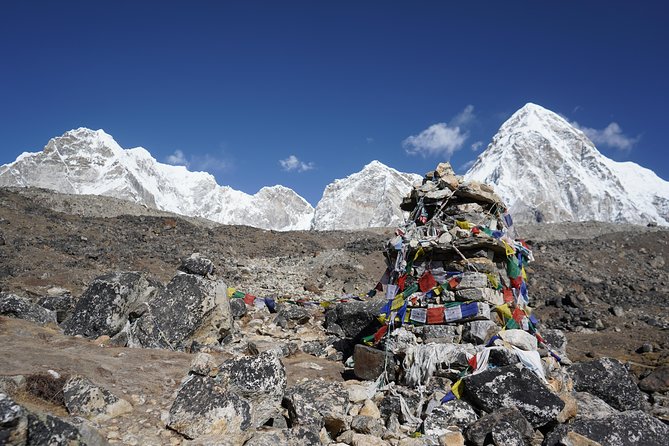
The next section follows the Dudh Koshi River toward Monjo and the entrance to Sagarmatha National Park. The trail passes through pine forest, small villages such as Toktok and Bengkar, suspension bridges, prayer flags, and mani stones. Apple pie and tea stops add a little comfort to what becomes a serious uphill day.
Monjo is where permits are checked before you continue into the national park. Jorsalle, the last village before Namche, is a useful place for a short pause. From there, the trail crosses the famous high suspension bridge at the meeting of the Dudh Koshi and Bhote Koshi rivers.
The final climb to Namche is the test. Switchbacks rise through forest, and a viewpoint may give you a first look at Everest, Lhotse, and Nuptse on a clear day. That first sight often carries more emotional force than expected because you have already worked for it.
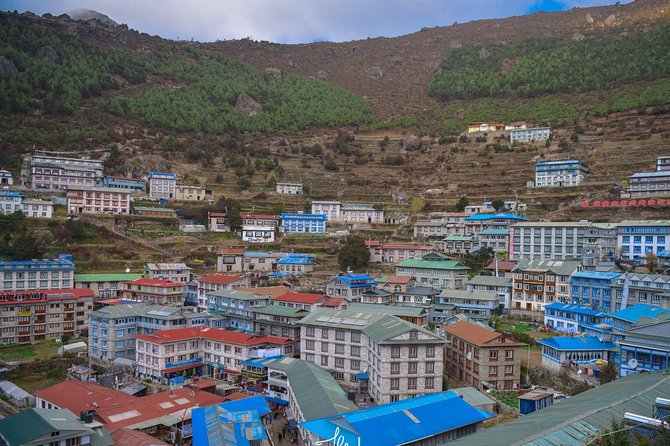
Namche Bazaar sits in a natural amphitheater and has lodges, bakeries, cafes, gear shops, and places to exchange stories with other walking groups. It is not simply a stop for sleep. It is the point where the trip changes from a low-altitude walk into a high mountain trek.
Namche acclimatization, museums, and the Everest View Hotel
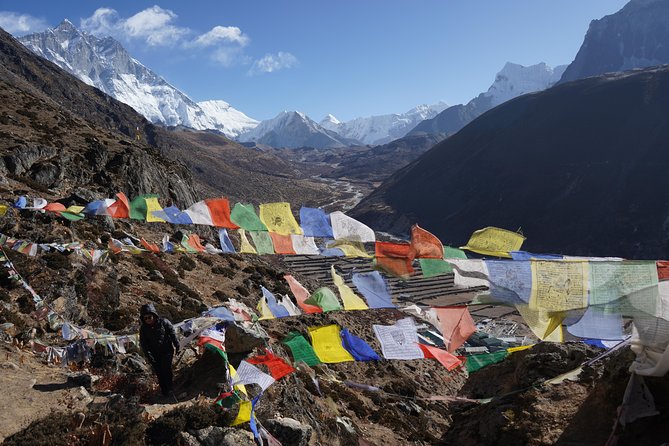
The third day is set aside for acclimatization. That is one of the strongest features of the plan. You remain in Namche but take a short walk, allowing your body to adjust before the route rises farther.
The Sherpa Culture Museum offers displays about local customs, traditional tools, clothing, and mountaineering history. The museum visit is not a substitute for meeting people in the villages, but it gives useful context to the houses, monasteries, prayer wheels, and trade routes you see along the way.
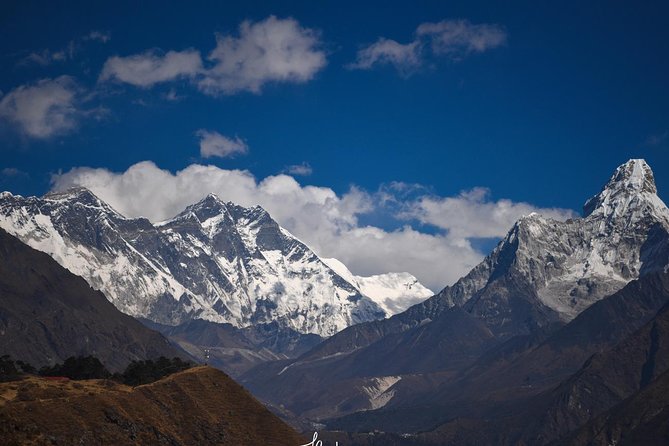
You can also walk toward the Everest View Hotel. From the viewpoint, you may see Everest, Lhotse, Ama Dablam, and nearby peaks. Another option leads toward Khumjung and Khunde, with monasteries and daily village life along the route. The Khumjung Monastery is associated with the famous Yeti scalp display.
These side walks are useful because they give you mountain views without committing to a full day of forward progress. Follow your guide’s advice on pace. A rest day at altitude still involves climbing, and pushing too hard can defeat its purpose.
More Trekking Tours in Kathmandu
- Annapurna Circuit Trek with Tilicho Lake
★ 5.0 · 368 reviews - Everest Base Camp Trekking – 13 Day
★ 5.0 · 365 reviews - Everest Base Camp Trek
★ 5.0 · 350 reviews - Everest Base Camp Trek -14 Days
★ 5.0 · 321 reviews
Tengboche and the prayer wheels at Phunki Thanga
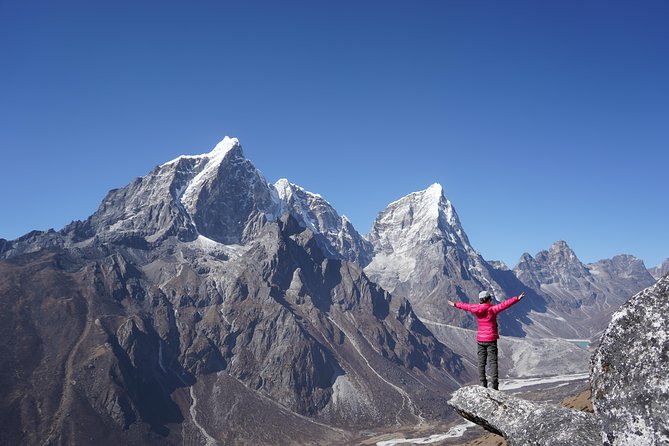
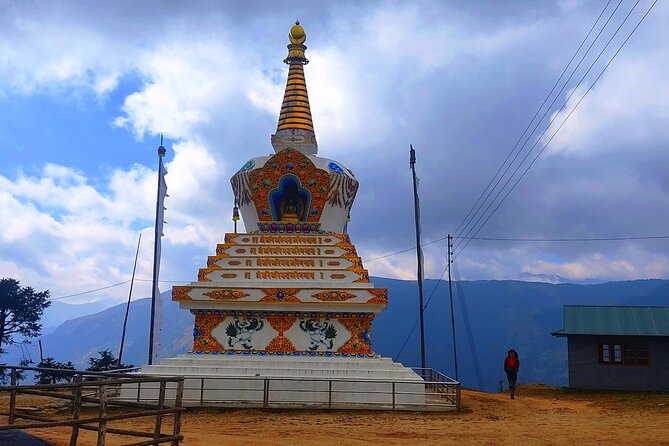
Leaving Namche, the path passes the memorial stupa for Tenzing Norgay Sherpa before moving through pine and rhododendron forest. Views open toward Ama Dablam, Lhotse Shar, Taboche, Kangtega, and Thamserku.
The trail descends to Phunki Thanga, a riverside settlement with seven water-powered prayer wheels. Local belief holds that one turn equals reciting Om Mani Padme Hum. The wheels offer a small but memorable connection between the physical route and the religious life of the Khumbu.
After crossing the suspension bridge, you climb toward Tengboche. This is a steady ascent, and the change in altitude becomes more noticeable. Tengboche Monastery is the cultural high point of the trek, set against a wide mountain view and treated as the spiritual center of the area.
The schedule includes time to attend morning prayers and see the monastery’s paintings of the Buddha and Guru Rinpoche. Be respectful during ceremonies, and ask before photographing inside. The visit is valuable because it gives the trek a purpose beyond reaching a sign at Base Camp.
From Tengboche to Dingboche and a needed rest day
The route descends first toward Deboche, then crosses a bridge and follows the Imja Khola. Ama Dablam becomes a major visual companion, while old overhanging rocks recall the days when porters and pack animals had fewer places to shelter.
The trail continues through Somare before reaching Dingboche, a traditional settlement surrounded by stone-walled fields. The walls formed over years as farmers cleared rocks from the soil and placed them along the edges of their fields. Their scale gives you a clear sense of how much work mountain farming demands.
Dingboche includes a full rest day. Again, this is not spare time added for comfort. At this height, slowing down helps you prepare for the tougher section ahead. You can explore the village and see the long stone wall, but avoid treating the day like a normal sightseeing day.
The itinerary says the next walk to Lobuche takes about 15 hours, which is unusually long if read as walking time alone. The published day descriptions also use large hour totals for several stops. Confirm whether these figures include overnight periods, transfers, or general schedule blocks. Your guide should give you the actual daily walking hours and elevation changes.
Dingboche to Lobuche along the moraine
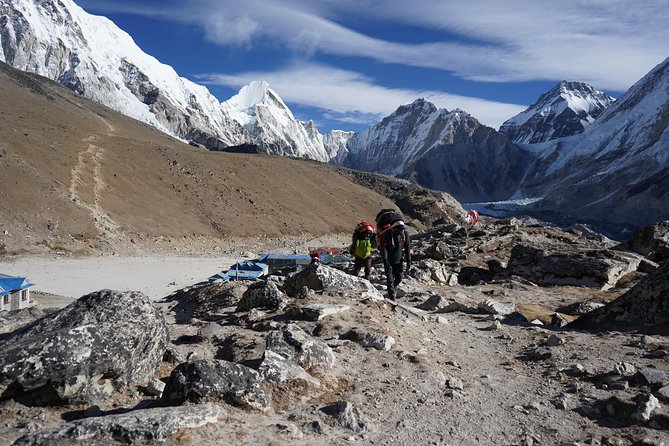
The path from Dingboche climbs over moraine and follows a ridge toward Dughla. The views can be muted by haze, and the trail becomes more exposed and rocky than the forested sections below. You may pass pasture areas, but the overall feeling is harsher and more stripped back.
From Dughla, the route continues toward Lobuche. Walking on moraine is not technically mountaineering, but loose rock and thin air make every step count. Good footwear and a steady pace matter more here than speed.
Lobuche is one of the key overnight points before Gorak Shep. The simple accommodation and cold conditions are part of the reality of the route. You should expect fewer comforts as you go higher, and remember that hot and cold showers are not included.
Gorak Shep and the climb to Kala Patthar
The morning walk from Lobuche to Gorak Shep follows the lateral moraine of the Khumbu Glacier. The route rises through a stark glacial setting, with Pumori, Nuptse, and icy ridges appearing through the thin mountain air.
Gorak Shep sits at about 5,140 meters and is the final settlement before Base Camp. Even with modest elevation gain, the altitude makes the walk feel hard. Take small steps, drink according to your guide’s advice, and do not confuse determination with ignoring symptoms.
The climb to Kala Patthar reaches about 5,550 meters. The path is steep, dusty, and made of loose rock, with the ascent taking roughly two hours. This is the place for the clearest and closest view of Everest’s summit, which you cannot see directly from Base Camp.
At the top, Everest is joined by Lhotse, Nuptse, Pumori, and Ama Dablam in a wide panorama. The Khumbu Glacier spreads below. The climb is hard, but for many people this viewpoint is the visual prize of the whole trek.
The schedule places Kala Patthar on the Gorak Shep day, followed by a return to Gorak Shep. Since the next day description begins from Pheriche and then goes to Base Camp, ask the operator to confirm the exact order. Base Camp is normally treated as a key destination, so clarity here matters before departure.
Reaching Everest Base Camp at 5,364 meters
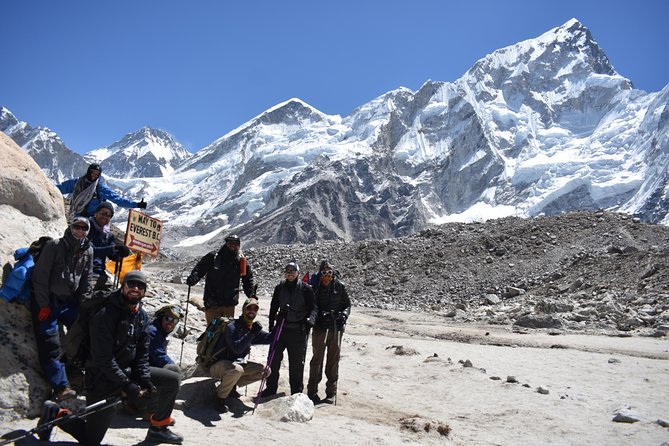
The walk to Everest Base Camp follows a difficult route beside the Khumbu Glacier. The surface can be slippery, and narrow snowy sections may slow you down. The goal is not a summit, but the location carries enormous meaning because it is the departure point for expeditions attempting Everest.
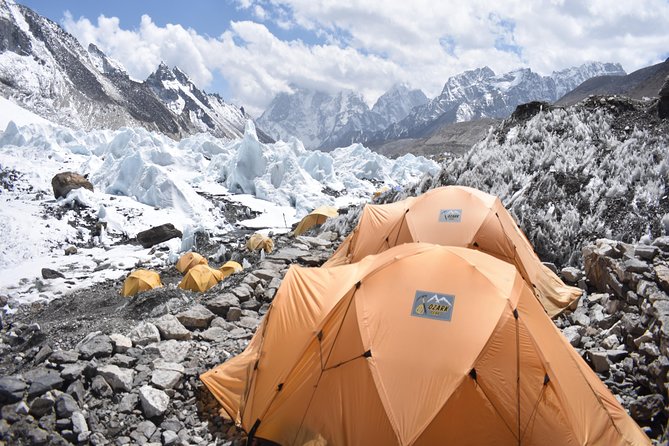
At about 5,364 meters, Base Camp is below the summit and does not provide a direct view of Everest’s top. Instead, you see the Khumbu Icefall, surrounding peaks, glacier ice, and, during climbing season, colorful expedition tents.
The emotional reward comes from the whole approach. You have passed from warm valleys through Sherpa villages, forests, monasteries, stone fields, moraine, and glacial terrain. Standing at Base Camp gives that long effort a clear endpoint.
Plan to spend enough time for photos without lingering beyond what your guide considers sensible. The altitude is extreme, and the return walk still has to be completed. The itinerary allows about 45 minutes at Base Camp, which is enough for a focused visit but not a leisurely stay.
The long return through Tengboche, Namche, and Lukla
The return route goes back through Pheriche, Tengboche, and Namche. Descending is easier on the lungs, but it can be tough on knees and feet after the high section.
Tengboche gives you another chance to pause at the monastery and see Ama Dablam and Everest from a different angle. The wooded trail then leads through Sherpa villages toward Namche, where a comfortable evening and food break provide welcome relief.
From Namche, you retrace the route toward Lukla. The published description calls this a 16-hour day, so confirm the actual walking plan and overnight arrangement. A rushed final trek can reduce the pleasure of the return, especially after the physical effort above Gorak Shep.
The final flight leaves Lukla as early as possible and returns you to Kathmandu. Back in the city, the plan includes time at Hotel Chhimeki and shopping around Thamel. This is a useful contrast: after days of stone paths and mountain lodges, you return to shops, restaurants, traffic, and easy access to ordinary comforts.
Guides, private groups, and the human side of the trek
A government-licensed guide is included, and the trip is private, with only your group taking part. That arrangement can help with pacing, rest stops, and questions about culture or changing weather. It also means you should ask about the group size, porter arrangements, guide-to-client ratio, and emergency procedures before booking.
The guides associated with the operation include Moti, Bhim, Ram, and Tika Dhakal. Feedback gives particular attention to Moti’s care and humor, Bhim’s cultural stories, Ram’s encouragement, and Tika’s help on the Gokyo Ri and Everest Base Camp route. These names do not guarantee who will lead your trek, so request your guide’s name and experience before arrival.
Safety and good organization are repeatedly praised, which is important on a route where flight delays, altitude, and changing trail conditions can affect the plan. You should still carry your own insurance and understand what rescue costs are covered. The tour price does not include rescue operations.
Who should book this trek?
You should consider this trek if you want a private, guided route to Everest Base Camp and are comfortable with a moderate physical fitness requirement. You need to accept long walking days, cold nights, basic accommodation, high altitude, and limited comfort above Namche.
It suits someone who values the full journey rather than only a Base Camp photograph. The Sherpa villages, prayer wheels, Tengboche Monastery, Namche museum, stone walls, and glacial route give you plenty to notice between the famous viewpoints.
You should think twice if you dislike uncertainty. Lukla flights depend on weather, and the route description contains timings that need clarification. You also need room in your wider Nepal schedule for possible disruption, even though poor weather may result in a new date or a full refund under the stated cancellation terms.
Should you book the Everest Base Camp trek?
I would book this trek if you want a structured private experience with the major costs handled in advance. The inclusion of flights, permits, meals, accommodation, a licensed guide, and rental gear gives the $1,300 price real value.
Before booking, ask for the confirmed daily walking hours, exact Base Camp and Kala Patthar sequence, guide assignment, flight contingency plan, and accommodation details. If those answers are clear and you are ready for serious altitude, this is a strong route for seeing Everest while also meeting the Sherpa culture that makes the journey meaningful.
FAQ
How long is the Everest Base Camp trek?
The experience lasts approximately 12 days, including the road trip to Ramechhap, domestic flights, trekking days, acclimatization stops, and the return to Kathmandu.
Where does the trek begin?
It begins in Kathmandu, with an early morning road journey from Thamel to Ramechhap Airport during the outbound trip.
Is the flight to Lukla included?
Yes. The package includes the domestic Kathmandu to Lukla and Lukla to Kathmandu flights described in the route.
Is airport pickup offered?
Yes. Pickup is offered as part of the experience information.
What permits are included?
The package includes the Sagarmatha National Park Permit and the Khumbu Pasang Lhamu Rural Municipality Tax.
Is accommodation included?
Yes. Accommodation during the trek and a hotel in Kathmandu are included. Extra nights and related meal costs are not included.
Are meals included?
Yes. The package includes 12 breakfasts, 12 lunches, and 12 dinners. Drinks are not included.
Is trekking gear provided?
Basic rental gear includes a duffle bag, sleeping bag, and down jacket. These items must be returned after the trek.
What level of fitness is required?
The experience requires a moderate level of physical fitness. The route includes long uphill sections, high suspension bridges, moraine, steep paths, and altitudes above 5,000 meters.
Can I cancel for a full refund?
You can cancel at least 24 hours before the local start time for a full refund. If poor weather cancels the experience, you are offered a different date or a full refund.
Latest treks added in Kathmandu
- Private Manaslu Circuit Trek at Himalayas★ 5.0 · 3 reviews
- Ghorepani Poonhill Trek★ 5.0 · 5 reviews
- Ghorepani Poon Hill Trek★ 5.0 · 16 reviews
- Upper Mustang Trekking★ 3.0 · 2 reviews
- Amazing 1 Day Trekking Experience in Kathmandu Nepal★ 5.0 · 24 reviews
- Upper Mustang Trekking★ 5.0 · 2 reviews
- Upper Mustang Trek★ 5.0 · 5 reviews
- Upper Mustang Trekking★ 5.0 · 4 reviews
Everest Base Camp Treks, compared.






Browse the lists this tour appears in