
REVIEW · NEPAL
Everest Base Camp Trekking 12 Days
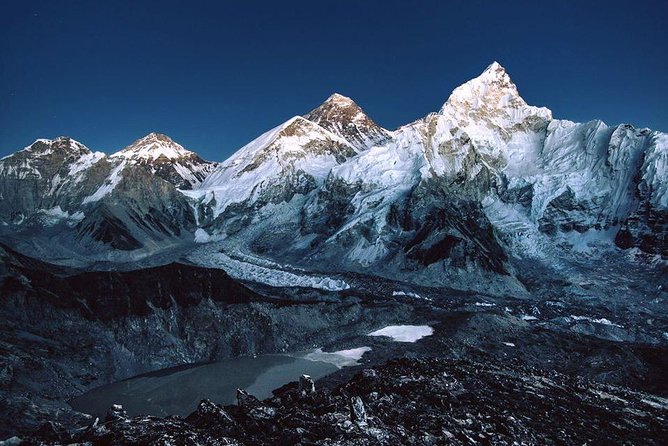
The best part of this Everest Base Camp trek is the steady change in scenery and culture. You begin with a flight into Lukla, then walk through Sherpa villages, rhododendron forests, high valleys, and stark mountain country before reaching Everest Base Camp and the viewpoint at Kala Patthar.
I like the sensible acclimatization stops in Namche Bazaar and Dingboche, and I like that the price includes flights, meals, lodging, permits, a guide, and useful gear. The main caution is the altitude: the route reaches 5,554 meters, so this is a demanding high-altitude trek, not a casual walking holiday.
Key points to know before booking
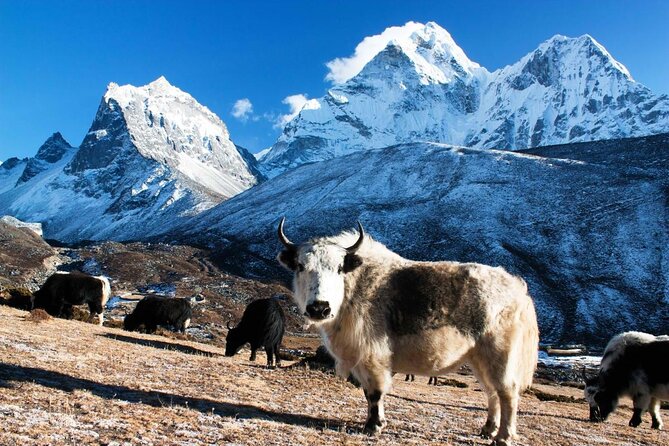
- Kala Patthar reaches 5,554 meters: This is the trek’s highest point and the place for broad views of Everest and the surrounding peaks.
- Sherpa villages shape the route: Namche Bazaar, Khumjung, Khunde, Tengboche, and Dingboche offer more than scenery.
- Tengboche Monastery is a major stop: You visit the region’s biggest and oldest monastery.
- Flights are part of the package: Kathmandu to Lukla and the return flight are included, subject to the realities of mountain air travel.
- Guides and porters handle the practical work: Dilli and Pasang are named in recent bookings, while your confirmed guide should be checked before departure.
- The $1,254 price covers a lot: Food, teahouse accommodation, permits, guide costs, basic equipment, and airport transfers are included, but not Kathmandu hotels, insurance, visas, or emergency flights.
Why the Lukla to Everest route remains so compelling
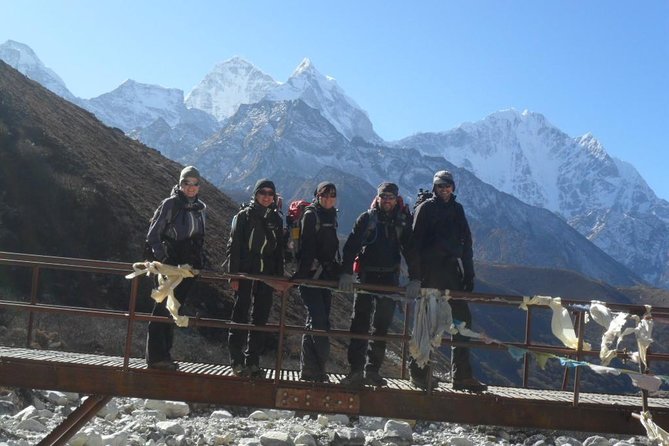
This trek is not only about seeing Mount Everest. It is a long walk through the Khumbu region, where the route changes from lower forest to high, open mountain country. You pass through communities shaped by Sherpa culture, stop at monasteries, and spend nights in simple family-style lodges.
The starting flight from Kathmandu to Lukla gives you an aerial view of the hills and mountain country before the walking begins. From Lukla, the route builds gradually. That matters because the altitude is the central challenge of the trip. You do not simply arrive at a high camp and hope for the best. The schedule includes nights in Namche Bazaar and Dingboche to give your body time to adjust.
You will walk about 130 kilometers over the full route. Daily walking times listed for the main days range from four to eight hours. That sounds manageable on paper, but altitude changes the effort. A six-hour day at lower elevation is not the same as a six-hour day near Lobuche.
I like the way this itinerary combines famous sights with ordinary village life. You are not being rushed from viewpoint to viewpoint. The walk itself is the main event, and the settlements along the way give the trip a human scale.
More Everest Base Camp Treks in Nepal
- Everest Base Camp Trek – 14 Days
★ 5.0 · 1,499 reviews - Everest Base Camp Trek
★ 5.0 · 842 reviews - Everest Base Camp Trekking
★ 5.0 · 485 reviews
Day 2: Flying into Lukla and starting on foot
The trip begins with pickup in Kathmandu, with Thamel listed as one pickup point. You then fly to Lukla, a small mountain gateway, and begin the walking portion of the route.
The day includes lunch, dinner, a walk, and time to take in the views. The listed schedule also mentions sunrise and a scenic drive, although the main transport connection here is the flight from Kathmandu. You should confirm the exact timing with the operator before departure, since mountain flights can affect the day’s rhythm.
Lukla is important less for sightseeing than for what it represents. From here, the trek changes from road and air travel to walking. The first night gives you a chance to meet your guide and porters, check your bags, and settle into the pace.
The package includes a guide, porter support, accommodation, food, and the guide’s insurance and transport costs. That removes several chores that can distract from the trek. Still, pack your personal essentials carefully. Shopping, laundry, hot showers, phone use, and small snacks are personal expenses.
Days 3 and 4: Namche Bazaar and the first acclimatization stop
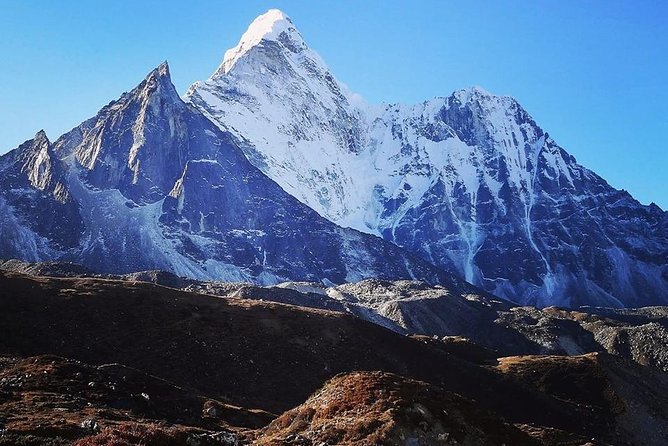
The route reaches Namche Bazaar on the third day after about six hours of walking. Namche is one of the key settlements in the Khumbu and serves as the first major altitude adjustment point.
You spend a second night in Namche on day four. That extra day is valuable. Instead of simply climbing higher, you have time for a guided walk, sightseeing, and views around the village. The schedule gives about five hours to walking and touring.
Namche is one of the most enjoyable parts of the trip because it feels like a real mountain community rather than just a sleeping stop. You will have time to notice the buildings, meet people involved in trekking, and understand how the route works. The Sherpa villages of Khumjung and Khunde are also part of the cultural setting highlighted for this trek.
I would take the Namche rest day seriously. It is not wasted time. The whole point is to help your body handle the higher villages ahead. The guide’s role matters here. Dilli, named in one booking, was praised for setting a comfortable pace, helping with acclimatization, and sharing stories about the area. Pasang, named in another, was praised for handling meals and keeping bags moving safely. Ask before departure which guide is assigned to your group.
Day 5: Tengboche and its hilltop monastery
On day five, you walk for about six hours to Tengboche. The stop includes a guided visit, meals, an overnight stay, and a sunrise element.
Tengboche Monastery is one of the defining cultural stops on the trek. It is described as the biggest and oldest monastery in the region, and its location gives the stop extra force. You are not merely pausing for a meal before the next climb. You are visiting an important religious center in a high mountain community.
The monastery also gives the trek a welcome change of pace. The route is physical, but places such as Tengboche remind you that the Khumbu is home to communities with traditions that are much older than modern trekking tourism.
The drawback is simple: Tengboche comes after several hours of walking, so your energy may be limited when you arrive. Keep your expectations practical. The value is in the setting, the visit, and the sense of place, not in a long sightseeing program.
More Trekking Tours in Nepal
- Annapurna Circuit Trek with Tilicho Lake
★ 5.0 · 368 reviews - Everest Base Camp Trekking – 13 Day
★ 5.0 · 365 reviews - Everest Base Camp Trek
★ 5.0 · 350 reviews - Everest Base Camp Trek -14 Days
★ 5.0 · 321 reviews
Day 6: Dingboche and the move into higher country
Day six takes you to Dingboche, again with about six hours of walking. The route continues through the high Khumbu, and the feeling changes as the villages become more exposed and the vegetation becomes less dominant.
Dingboche is another major altitude stop. You sleep here before taking a second day in the area. That pause is one of the strongest features of the schedule because it gives you time to adjust before Lobuche and the final approach toward Everest Base Camp.
The day includes a visit, meals, walking, and an overnight stay. You should expect the physical challenge to increase here. The trek’s highest sections are still ahead, and the air will feel thinner than it did in Namche.
This is where pacing becomes practical rather than optional. Walk steadily, follow your guide’s advice, and do not treat a slower pace as failure. The route rewards patience.
Day 7: A shorter Dingboche day for rest and adjustment
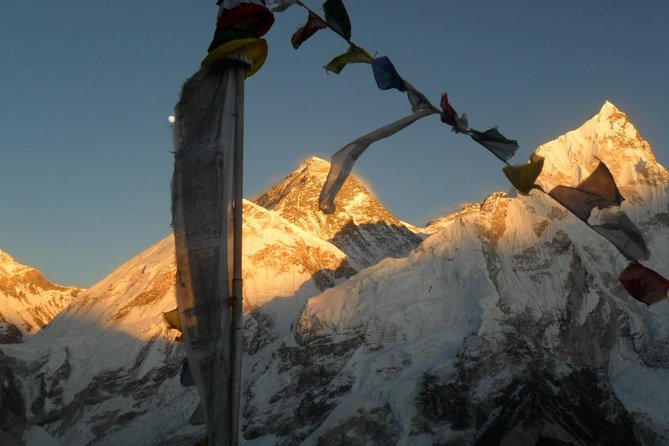
The seventh day is lighter, with about four hours listed for walking, sightseeing, and free time. It includes a visit and a sunrise element, but the main purpose is rest and acclimatization.
I like this part of the schedule because it recognizes that high-altitude trekking needs pauses. You can use the time to look around Dingboche, prepare your daypack, and conserve energy for the more demanding section ahead.
The package supplies breakfast, lunch, dinner, and tea or coffee throughout the trek. Food choices in the mountains may be simpler than what you find in Kathmandu, but having three meals included makes budgeting easier. Regional food is specifically noted later in the itinerary, so you should expect local dishes alongside the standard trekking meals.
Day 8: Lobuche and the approach to Everest Base Camp
The walk to Lobuche takes about six hours. This is a major transition point. You are now moving toward the famous destination rather than simply following the valley from one village to the next.
The scenery becomes more open and severe, with large mountain views dominating the route. I use the word severe in the best sense: there is less visual clutter, and the scale of the peaks becomes the point.
Lobuche is a practical overnight stop before the high point of the trek. You should keep your evening simple. Eat, drink what you can, organize your clothing, and rest. The package includes the lodge stay and meals, but personal comforts such as hot showers and phone use cost extra.
This section can be demanding even for fit walkers. The altitude is the issue, not only the distance. If you feel unwell, tell your guide early. The included first-aid kit is carried by the guide, but it is not a substitute for travel and medical insurance.
Day 9: Everest Base Camp and Kala Patthar at 5,554 meters
Day nine is the emotional center of the journey. The itinerary places you at Kala Patthar in the Solukhumbu District after about six hours of walking, with breakfast, lunch, dinner, an overnight stay, and regional food included.
Kala Patthar is the highest point listed, at 5,554 meters. It is the place for the classic high mountain views and one of the strongest reasons to choose this route. The light, air, and scale here can make the long approach feel worthwhile.
The trek also reaches world-famous Everest Base Camp. Base Camp and Kala Patthar offer different rewards. Base Camp is the symbolic destination, tied to expeditions on Mount Everest. Kala Patthar is the viewpoint, where the surrounding peaks can be appreciated from a broader angle.
Do not confuse reaching Base Camp with climbing Everest. This is a trek to the base camp area and a high viewpoint, not a mountaineering expedition. That distinction matters when you assess the physical demands and your own preparation.
The itinerary’s wording places Kala Patthar on day nine and Pheriche on day ten, so confirm the exact order of Base Camp and viewpoint visits with the operator. Routes and weather can affect the day’s plan.
Day 10: Returning to Pheriche after the high point
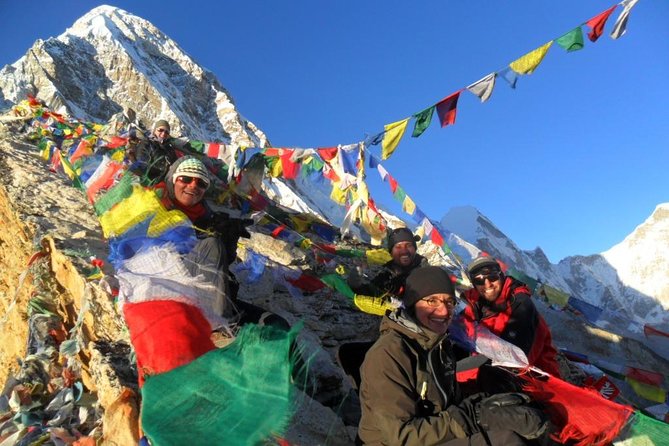
Day ten includes a visit, meals, walking, and an overnight stay in Pheriche. The listed walking time is about eight hours, making it one of the longest days in the schedule.
Pheriche is part of the return journey and offers a lower stop after the highest section. Descending can feel easier than climbing, but it still puts pressure on your legs. After Kala Patthar and the Base Camp section, an eight-hour day deserves respect.
This is also a good point to notice how much work your guide and porters do. The package covers their food, accommodation, transport, and insurance. A booking account specifically praised the porters for getting bags safely to each stop. That service is easy to take for granted until you are tired and your own pack feels heavy.
Days 11 and 12: Retracing the route to Namche and Lukla
The return route reaches Namche Bazaar on day eleven after about seven hours. There is another visit, meals, and an overnight stay. Returning to Namche gives you a familiar place to rest before the final push toward Lukla.
Day twelve continues to Lukla, with about six hours of walking, meals, and another overnight stay. This is the end of the main walking section, but not the end of the travel day. The next step is the return flight.
The return route is not just a repeat. You will see familiar villages from a different direction and with a different level of fatigue. It also gives you a chance to appreciate how far you have walked.
Day 13: The flight back to Kathmandu
The schedule lists about one hour for the airplane journey, followed by drop-off in Kathmandu, with Thamel included as a drop-off option. Airport transfer service is included in the package using the company’s own vehicle.
Mountain flights are a practical part of this trip, and you should keep your wider Nepal plans flexible around them. The package includes the scheduled flights, but emergency expenses such as chartered flights or helicopter service are not included. Travel and medical insurance are also your responsibility.
What the $1,254 price really covers
At $1,254 per person, this is a strong package if you want the main logistics handled. The price includes:
- Airport pickup and drop-off
- Flights between Kathmandu and Lukla
- Breakfast, lunch, dinner, and a cup of tea or coffee during the trek
- Family-style lodge accommodation
- A licensed English, Chinese, Korean, or Hindi speaking guide, along with Nepali
- Guide transport, food, accommodation, and insurance
- Required permits and paperwork
- A first-aid kit carried by the guide
- Down jacket, sleeping bag, duffel bag, and trekking map if needed
You must return the rented down jacket, sleeping bag, and duffel bag after the trek. The value is especially good if you do not own cold-weather trekking equipment.
The exclusions can add up. International airfare, Nepal visa charges, Kathmandu hotel stays, food in Kathmandu, personal insurance, shopping, bar bills, showers, laundry, telephone use, snacks, and emergency transport are separate. Build those costs into your budget instead of treating the advertised price as the full cost of Nepal.
Who should choose this trek
This experience suits you if you want a guided Everest Base Camp route with a fixed schedule and substantial support. It is a good match for someone who values meals, lodging, permits, flights, and equipment being organized in one package.
You should also be comfortable with long walking days and high altitude. The provider specifically excludes people with respiratory problems, altitude sickness, wheelchair users, babies under one year, and people over 95. Those limits are a reminder that the route has real physical demands.
The strongest praise for the service centers on organization, guide support, porters, pacing, and meal arrangements. Shiva, the company owner, is named as the person who welcomed trekkers and organized the practical details. Guides Dilli and Pasang are both named in recent bookings, with Dilli associated with pacing and acclimatization and Pasang with mountain information, meals, and safe baggage handling.
Before paying, ask for your guide’s name, the exact flight schedule, the accommodation standard, and how the itinerary handles weather delays. Those questions do not diminish the adventure. They help you know what you are buying.
Should you book the Everest Base Camp Trek?
Book it if you want the classic Everest Base Camp experience with the major costs bundled into one $1,254 package. The route includes Sherpa villages, Tengboche Monastery, two useful acclimatization stops, Kala Patthar, Base Camp, flights, meals, permits, a guide, porters, and basic equipment.
Think twice if you want a relaxed holiday, private-room comfort, or a trip with no altitude risk. The long days, simple lodges, and 5,554-meter high point require preparation.
For most fit walkers seeking a supported first trek in the Everest region, I would consider this a practical choice. Confirm the guide assignment and the precise Base Camp and Kala Patthar schedule, then reserve only after arranging your own medical and travel insurance.
FAQ
How long is the Everest Base Camp trek?
The experience is sold as a 12-day trek, with the schedule covering the flight from Kathmandu to Lukla, the walking route, the return to Lukla, and the flight back to Kathmandu.
What is the highest point reached?
Kala Patthar is listed as the highest point, at 5,554 meters.
Are flights between Kathmandu and Lukla included?
Yes. Transportation from Kathmandu to Lukla and back to Kathmandu by flight is included.
Are meals and accommodation included?
Yes. Breakfast, lunch, dinner, and one cup of tea or coffee are included during the trek, along with accommodation in family-style hotels or lodges. Food and accommodation in Kathmandu are not included.
Is a guide provided?
Yes. A licensed English, Chinese, Korean, or Hindi speaking guide, along with Nepali, is included. English is the confirmed tour language. Guides named in recent bookings include Dilli and Pasang.
What personal costs are not included?
International airfare, visa charges, Kathmandu hotel costs, travel and medical insurance, shopping, bar bills, hot showers, telephone use, laundry, snacks, and emergency flights or helicopter services are not included.
Latest treks added in Nepal
- Private Manaslu Circuit Trek at Himalayas★ 5.0 · 3 reviews
- Ghorepani Poonhill Trek★ 5.0 · 5 reviews
- Ghorepani Poon Hill Trek★ 5.0 · 16 reviews
- Upper Mustang Trekking★ 3.0 · 2 reviews
- Amazing 1 Day Trekking Experience in Kathmandu Nepal★ 5.0 · 24 reviews
- Upper Mustang Trekking★ 5.0 · 2 reviews
- Upper Mustang Trek★ 5.0 · 5 reviews
- Upper Mustang Trekking★ 5.0 · 4 reviews
Everest Base Camp Treks, compared.






Browse the lists this tour appears in