
REVIEW · KATHMANDU
Everest Base Camp Trek with Kathmandu Valley Sightseeing Tour
The real attraction here is not simply reaching Everest Base Camp. It is the slow approach from Lukla, through Sherpa villages, river valleys, forests, and high mountain trails, until the world feels reduced to rock, snow, sky, and your own steady footsteps. At the high point, Kala Patthar reaches 18,519 feet, giving you a grand view of Everest and the surrounding peaks.
I like two things right away. First, the tour includes porters and local support staff, so you can focus on walking rather than carrying every piece of equipment. Second, the package combines the trek with time in Kathmandu, three-star lodging, permits, and airport pickup, which makes a complex trip easier to organize.
The catch is the altitude and the flight to Lukla. You will spend much of the trip climbing in short sections, and bad weather can delay or cancel the flight. You need moderate fitness, proper insurance, flexible dates, and a few spare days on both sides.
Key points before you book
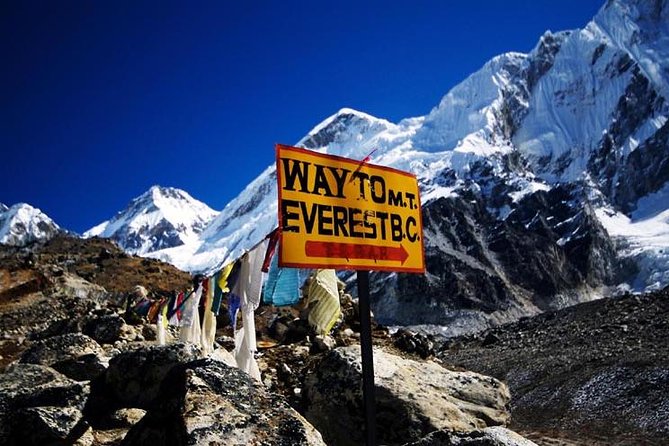
- Lukla is the starting point: The trek begins with a flight from Kathmandu, and this route is especially vulnerable to weather delays.
- Kala Patthar is the high point: The itinerary reaches 18,519 feet, considerably higher than Everest Base Camp itself.
- Kumar is a named guide: Past departures identify Kumar as a leader and guide, but confirm your assigned guide before paying.
- Porters carry shared loads: One porter is provided for every pair of trekkers, with local support staff along the way.
- Kathmandu is part of the package: You receive twin-share three-star hotel lodging and breakfast in the capital, plus trekking guesthouses.
- Insurance is compulsory: It must cover emergency rescue and evacuation, and you need to arrange it before arriving in Nepal.
Why the walk to Everest matters more than the finish line
Everest Base Camp is famous because climbers begin their summit attempts there. You will not climb Everest, but you will follow the approach used by mountaineers and reach the foot of the world’s highest mountain. That distinction matters. This is a demanding high-altitude trek, not a summit expedition.
The route’s appeal comes from the changing scale of the journey. In Kathmandu, you begin at about 4,600 feet, with roads, hotels, and city life. By Kala Patthar, you are at 18,519 feet, where every uphill section asks for patience. The contrast is one of the trip’s strongest features.
I also like that the trek passes through Sherpa villages rather than reducing the region to a quick mountain photo stop. You move through settled valleys and communities, then into colder and more exposed country. The villages give the walk a human rhythm. The upper trails remind you that this is a serious mountain trip.
The phrase short sessions and plenty of rest should not fool you into thinking the trek is easy. Short uphill periods can still feel hard at altitude. A moderate fitness level is required, and you should be comfortable walking for many days over uneven mountain trails.
More Everest Base Camp Treks in Kathmandu
- Everest Base Camp Trek – 14 Days
★ 5.0 · 1,499 reviews - Everest Base Camp Trek
★ 5.0 · 842 reviews - Everest Base Camp Trekking
★ 5.0 · 485 reviews
Kathmandu sets the pace before Lukla
The experience begins at Tribhuvan Airport in Kathmandu, with a stated meeting time of 5:45 am. That early start is practical because the Lukla flight is the gateway to the trek. It also means you should arrive in Nepal with enough time to sleep, recover from your international flight, and prepare your equipment.
The package includes a three-star Kathmandu hotel on a twin-sharing basis, with breakfast. That is useful rather than luxurious. A hotel night before and after the mountain section gives you a place to sort bags, meet the team, and deal with any changes caused by weather.
Kathmandu Valley sightseeing is included in the tour title, but the supplied plan does not list the exact monuments or sightseeing schedule. Ask for those details before booking. The important point is that the city portion gives you time beyond the trail, while the trek itself remains the main event.
Airport pickup is offered, which removes one small but annoying task after a long flight. The tour is private, so only your own group participates. That can make decisions easier, especially if the group needs to adjust its pace or respond to a delayed flight.
Lukla is where the mountain work begins
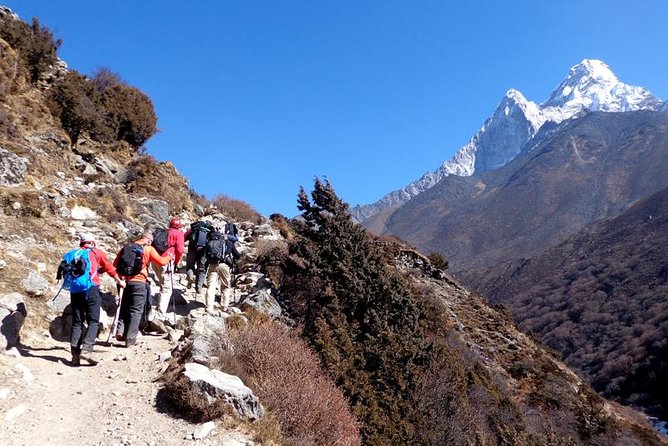
Lukla marks the sharp change from city travel to mountain travel. From here, you walk through the Everest region rather than relying on roads. The route includes forests, gorges, rivers, valleys, and trails cut into mountain slopes.
The first part of the walk should feel like a gradual introduction to the region, but you should not expect a flat warm-up. The tour description makes clear that climbing is required for most of the trip. The effort comes in repeated sections, with rest and sightseeing between them.
This rhythm is important for acclimatization and morale. You walk, stop, take in the views, eat, rest, and continue. You will need to resist the common temptation to push hard on a good morning. At high altitude, saving energy is not laziness. It is good judgment.
Porters are provided at a rate of one for every two trekkers. That is a meaningful inclusion, though you should still pack carefully and ask about any porter weight limit before departure. You will carry your day essentials, while the shared porter arrangement handles the main luggage burden.
Sherpa villages bring the route to life
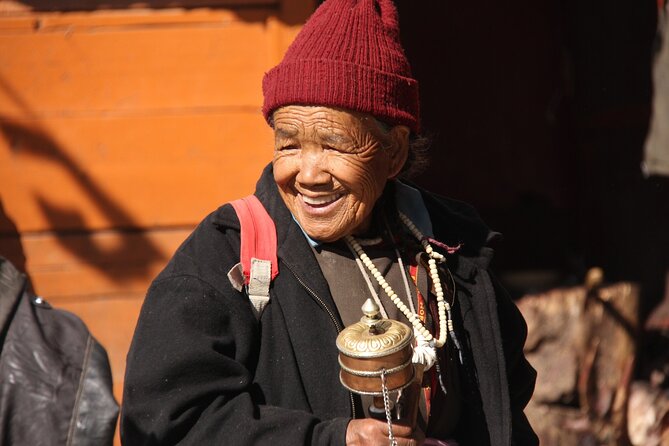
The walk through Sherpa villages is one of the best reasons to choose a guided trip rather than treating Everest Base Camp as a single destination. The villages offer pauses in the long mountain journey and help you understand how people live in a place shaped by altitude, weather, and limited access.
The guesthouse nights are on a twin-sharing basis. Expect practical mountain lodging rather than hotel comfort. The value is in having a place to sleep and recover along the route, not in expecting city-style facilities.
Local support matters here. The tour includes guides, porters, and support staff, and the named guide Kumar has led past groups, including a nine-person group. If Kumar is available for your departure, ask whether he will be the lead guide. A strong guide can help with pacing, group decisions, local communication, and basic medical response.
The team is trained in basic medical intervention, but that should not replace your own preparation. Tell the guides about medical conditions before setting out. Carry any required medicines, consult your doctor in advance, and take altitude risks seriously.
More Trekking Tours in Kathmandu
- Annapurna Circuit Trek with Tilicho Lake
★ 5.0 · 368 reviews - Everest Base Camp Trekking – 13 Day
★ 5.0 · 365 reviews - Everest Base Camp Trek
★ 5.0 · 350 reviews - Everest Base Camp Trek -14 Days
★ 5.0 · 321 reviews
The upper valleys demand patience
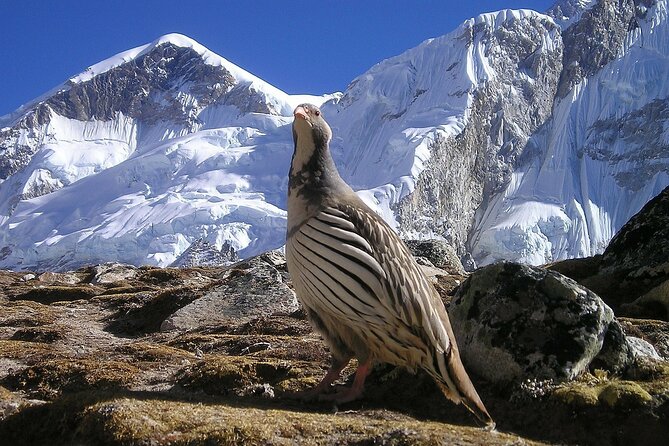
As you gain height, the Everest region becomes colder, drier, and more exposed. The supplied description mentions snow, deep gorges, and trails carved into mountain sides. Those details tell you what kind of walking to expect: uneven footing, steady climbs, and sections where concentration matters more than speed.
This is not a race to Base Camp. You will get more from the route if you look up, pause, and allow the scenery to change around you. The high country can feel stark and spare. That is part of its power, but it can also make bad weather feel serious.
The tour allows some itinerary changes if there are no time limits and everyone in the private group agrees. That flexibility is useful, but it does not erase the limits of weather, altitude, flights, and available lodging. Ask the guide what can realistically be changed once you are on the trail.
You should also understand that the itinerary is approximately 15 days, not a clockwork schedule. Flight cancellations, accidents, and natural hazards may force changes. Keep a few free days before and after the tour. This is one of the most practical pieces of advice in the entire package.
Everest Base Camp is a milestone, not the highest viewpoint
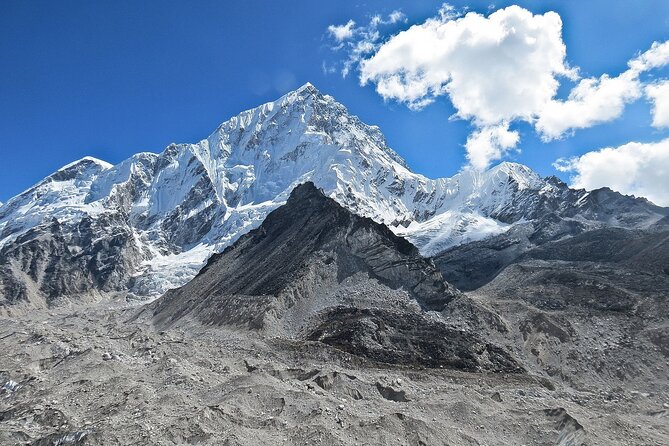
Reaching Everest Base Camp gives you the satisfaction of standing where summit expeditions begin. It is a major goal, but it is not the highest point of this trek. Kala Patthar reaches 18,519 feet and provides the higher mountain viewpoint.
That distinction helps you set expectations. Base Camp is about the location and the meaning of the place. Kala Patthar is about height and broad views of Everest. The two experiences serve different purposes, and together they make the trek feel complete.
You should not expect to climb onto Mount Everest itself. The wording that you will set foot on it is enthusiastic shorthand for reaching its base region. You will stand at Everest Base Camp and look toward the mountain, not attempt the summit.
The high point can also be the toughest part physically. At 18,519 feet, cold, thin air, fatigue, and the early climb can affect anyone, regardless of fitness at home. Follow your guide’s pace and speak up if you feel unwell.
What the $1,500 price really covers
At $1,500 per person, the package offers useful core services for a major trek. It includes Kathmandu hotel lodging, breakfast, trekking guesthouses, porters, local support staff, the Sagarmatha National Park entry fee, and the Trekkers’ Information Management System card.
Those inclusions have real value. Permits and local arrangements can be confusing if you are organizing the trip alone. Porter support also changes the physical experience, especially over a 15-day route.
The price does not include international airfare, Nepal visa fees, trekking equipment, or travel insurance. You should budget for all of those before deciding that the tour is inexpensive. The insurance requirement is especially important: it must cover emergency rescue and evacuation, and the provider says it cannot be purchased in Nepal.
Equipment is another major cost. The package does not tell you what to rent, buy, or bring, so ask for a current gear list. You need to know what is expected for cold, snow, high altitude, and changing mountain weather.
The value is strongest for someone who wants a guided structure and support without paying for a fully private luxury expedition. It is less attractive if you already have strong Nepal contacts, your own porter arrangements, and complete trekking equipment.
The practical risks you should accept
The Lukla flight is the biggest logistical uncertainty. Weather can delay or cancel it, and the tour specifically advises leaving free days around the itinerary. Do not book a tight international connection immediately after the planned return.
The route also carries normal high-altitude risks. A moderate fitness level is required, and the tour involves mountain climbing for much of its duration. Insurance is mandatory, not an optional extra.
You should inform the company and guides about medical conditions that might affect the trek. Carry your own medicines. The local team has basic medical training, but serious evacuation depends on your insurance and the conditions on the ground.
Service animals are allowed, and the tour is near public transportation in its accessible areas. Still, the mountain portion involves rugged trails, snow, gorges, and steep sections. The supplied information does not promise wheelchair access or easy walking, so this experience is not suited to anyone who needs a fully accessible route.
Free cancellation is available if you cancel at least 24 hours before the local start time. Changes or cancellations inside that window are not accepted for a refund.
Who should choose this Everest trek
I would recommend this trip to you if you want the classic Everest Base Camp route with local staff, porter support, and a private group setting. It suits people who prefer a guided plan but still want some room to adjust the pace and schedule.
It is also a good fit if you want Kathmandu included rather than arranging the city portion separately. The combination of city hotel, breakfast, airport pickup, permits, guesthouses, and trekking staff simplifies the trip.
I would be cautious if you have only a few fixed vacation days. A 15-day schedule can expand when Lukla flights are delayed or the weather turns. I would also think twice if you dislike cold, basic lodging, steep walking, or shared rooms.
Before booking, confirm the exact Kathmandu sightseeing plan, the name of your lead guide, porter baggage limits, the gear checklist, and how weather delays are handled. Those questions will tell you more about the practical quality of the trip than a glossy mountain photograph.
Should you book it?
Book this Everest Base Camp trek if you want the full journey, not just a quick photo at the destination. The combination of Sherpa villages, high valleys, Base Camp, Kala Patthar, porters, permits, and Kathmandu time gives you a solid package for the price.
Do not book it casually. You need insurance with evacuation cover, proper equipment, moderate fitness, and schedule flexibility. If you can make room for those demands, this is a focused way to experience the Everest region with local support and without carrying the entire organization yourself.
FAQ
How long is the Everest Base Camp trek?
The experience lasts approximately 15 days, including the Kathmandu portion and the trek from Lukla to Everest Base Camp and back.
Where does the tour begin?
The stated meeting point is Tribhuvan Airport in Kathmandu, Nepal. The start time is 5:45 am, and the trekking section begins in Lukla.
Is travel insurance required?
Yes. Travel insurance is compulsory and must cover emergency rescue and evacuation. You need to arrange it before arriving in Nepal.
Are porters included?
Yes. One porter is provided for every pair of trekkers, along with local support staff.
What accommodation is included?
In Kathmandu, you receive a three-star hotel room on a twin-sharing basis, with breakfast. During the trek, accommodation is in twin-share guesthouses.
What is not included in the price?
International airfare, Nepal visa fees, trekking equipment, and travel insurance are not included.
Latest treks added in Kathmandu
- Private Manaslu Circuit Trek at Himalayas★ 5.0 · 3 reviews
- Ghorepani Poonhill Trek★ 5.0 · 5 reviews
- Ghorepani Poon Hill Trek★ 5.0 · 16 reviews
- Upper Mustang Trekking★ 3.0 · 2 reviews
- Amazing 1 Day Trekking Experience in Kathmandu Nepal★ 5.0 · 24 reviews
- Upper Mustang Trekking★ 5.0 · 2 reviews
- Upper Mustang Trek★ 5.0 · 5 reviews
- Upper Mustang Trekking★ 5.0 · 4 reviews
Everest Base Camp Treks, compared.






Browse the lists this tour appears in