
REVIEW · KATHMANDU
Everest Base Camp Trek Via Gokyo Lake and Cho La Pass
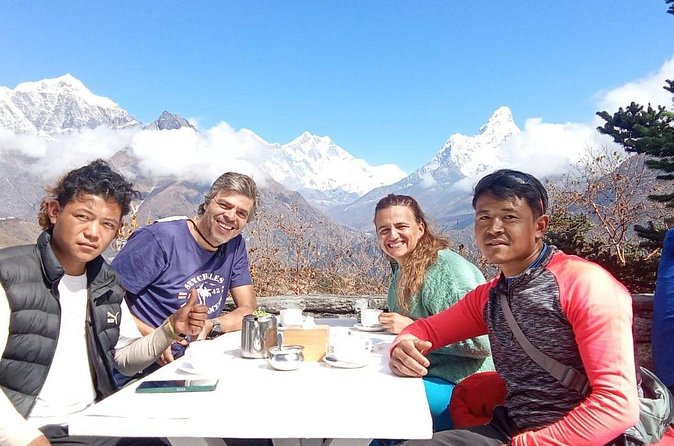
The best thing about this trek is its route. You do not simply walk to Everest Base Camp and turn around. You reach Base Camp, watch sunrise from Kala Patthar, cross Cho La Pass, and then enter the quieter Gokyo Valley with its striking high-altitude lakes. That gives you famous mountain views and a harder, less-traveled path in one trip.
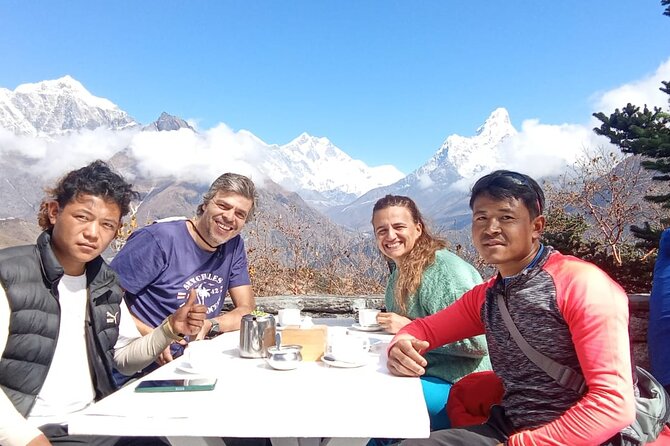
I like the practical support: domestic flights, meals, teahouse rooms, permits, a licensed guide, and one porter for every two people are covered. I also like the built-in rest day at Namche, where you can walk to the Everest View Hotel, visit the market, and let your body adjust before the trail climbs higher.
The catch is the pace. Cho La is a serious high-altitude crossing, and the itinerary leaves little spare time if weather delays a flight or you need an extra rest day. You should arrive fit, properly insured, and ready for cold, basic facilities, and long days on uneven ground.
Key points to know before booking
- Everest Base Camp plus Gokyo Lakes: You get two of the Khumbu’s best-known routes in one journey, rather than choosing between them.
- Cho La Pass crossing: The route includes an early start over an icy pass, making this a more demanding trek than the standard Base Camp path.
- Kala Patthar sunrise: The itinerary includes a morning climb for one of the classic Everest viewpoints.
- Strong logistical package: Flights, permits, meals, 12 teahouse nights, a guide, porter support, and airport transfers are included.
- Private group format: Only your own group takes part, with group discounts available.
- Useful safety planning: Emergency oxygen is part of the stated support, though travel insurance remains mandatory.
Why this route earns its extra effort
The normal Everest Base Camp route is already a major walk. This version adds the Gokyo Valley and Cho La Pass, so you get more variety but also more exposure to altitude and weather.
From Lukla, you follow the familiar approach through Sherpa villages, suspension bridges, forests, and Namche Bazaar. After Base Camp, you do not simply retrace your steps. You turn toward Dzongla, cross Cho La, and descend toward Gokyo. That change matters because the views and feel of the trail shift quickly.
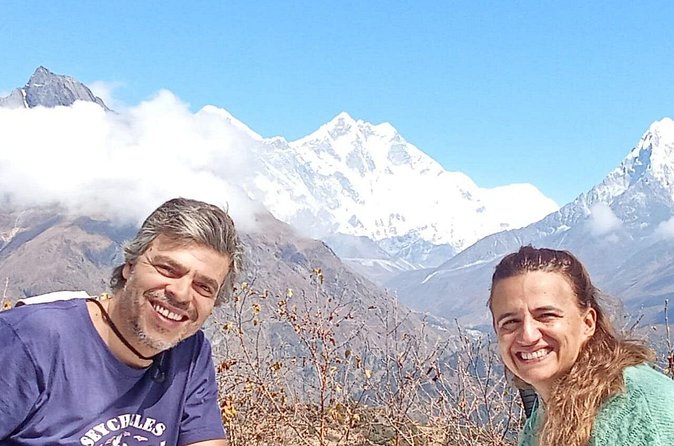
The first section has villages, pine forest, rivers, and busy trekking paths. Higher up, the trees thin out and the trail becomes rockier and more open. Near Base Camp, glaciers and memorials mark the seriousness of the setting. Around Gokyo, the mood is quieter, with cold blue-green lakes and broad views toward Everest, Cho Oyu, and Makalu.
I would choose this route if you want the famous Everest goal but also care about the journey between major landmarks. If you want the shortest or gentlest way to Base Camp, this is not the right choice.
More Everest Base Camp Treks in Kathmandu
- Everest Base Camp Trek – 14 Days
★ 5.0 · 1,499 reviews - Everest Base Camp Trek
★ 5.0 · 842 reviews - Everest Base Camp Trekking
★ 5.0 · 485 reviews
Days 1 and 2: Kathmandu briefing, then the flight to Lukla
Your trip begins at Tribhuvan International Airport in Kathmandu, where a guide meets you with a name sign. You receive a trek briefing and gear check, then spend the night in a Kathmandu hotel with breakfast.
That gear check is worth taking seriously. Personal boots, warm clothing, trekking poles, and other equipment are not included, although the information says you can rent gear in Kathmandu. This is the moment to sort out anything missing before the trail starts.
The next morning brings a scenic domestic flight to Lukla. From there, you begin walking through Sherpa villages toward Phakding. This first day is useful for easing into the trip, but flight timing can be affected by weather. The stated cancellation terms allow a different date or a full refund if poor weather cancels the experience, but you should still carry insurance that covers delays and missed connections.
Days 3 and 4: Namche Bazaar and the first Everest views
The route crosses suspension bridges and enters Sagarmatha National Park before reaching Namche Bazaar. The town is the main trading and rest center of the Khumbu, and it is where the trail begins to feel properly Himalayan.
You may catch your first clear view of Everest in this section, along with other major peaks. Namche also gives you a welcome change from the small settlements below. You can find local shops, a market, and the Sherpa museum, though the included package does not cover personal purchases or extra services.
Day 4 is set aside for acclimatization. The optional hike to the Everest View Hotel reaches about 3,880 meters and gives you a chance to climb higher during the day before returning to Namche. That pattern is valuable at altitude. You are not just resting in bed, you are making a controlled outing and then sleeping lower.
Do not treat this as a wasted day. It is one of the most important parts of the schedule. The extra time also gives you room to explore the market and museum instead of rushing through Namche on the way up.
Days 5 and 6: Tengboche monastery and Dingboche
The walk to Tengboche passes through pine forest, with views toward Thamserku and Everest. Tengboche Monastery is one of the cultural highlights of the route. It gives the trek a human and spiritual dimension, rather than reducing the Khumbu to mountain scenery alone.
The next section crosses the Imja Khola and passes Pangboche before reaching Dingboche. At this point, you begin to feel the altitude more clearly. The itinerary lists a six-hour walking day, but time on the trail can vary with pace, breaks, weather, and how your body responds.
Meals are included throughout the trek, with breakfast, lunch, and dinner provided. That is a real advantage in a remote region, where paying separately for every meal can make budgeting less clear. Drinks, snacks, hot showers, Wi-Fi, and battery charging are personal costs.
More Trekking Tours in Kathmandu
- Annapurna Circuit Trek with Tilicho Lake
★ 5.0 · 368 reviews - Everest Base Camp Trekking – 13 Day
★ 5.0 · 365 reviews - Everest Base Camp Trek
★ 5.0 · 350 reviews - Everest Base Camp Trek -14 Days
★ 5.0 · 321 reviews
Days 7 and 8: Lobuche, the glacier, and Everest Base Camp
The route continues through open alpine country toward Lobuche. You pass memorials to climbers who died on Himalayan expeditions. These sites can be quiet and sobering, and they add context to the mountain ahead. Everest is not just a postcard view here. It is a serious climbing environment.
From Lobuche, you continue to Gorak Shep and follow the Khumbu Glacier toward Everest Base Camp. The walk to Base Camp and back to Gorak Shep is listed as an eight-hour day. You reach the famous destination, take photographs, and return to basic accommodation at high altitude.
Base Camp itself may not deliver the wide, unobstructed view many first-time trekkers expect. The route and glacier are the point, along with the knowledge that climbers use this area as a staging ground for Everest. The next morning’s Kala Patthar climb is where the broad mountain panorama arrives.
At this elevation, simple comforts matter. Teahouse rooms are twin-sharing, not private hotel rooms, and personal charging, Wi-Fi, and hot showers cost extra. Pack a power bank and keep your expectations practical.
Day 9: Kala Patthar, then Dzongla
The day starts with a sunrise climb to Kala Patthar. This is one of the strongest scenic moments on the trip, with views toward Everest and the surrounding peaks in the early light.
After the viewpoint, you descend toward Lobuche and continue to Dzongla. This is a demanding day because the morning climb is followed by more walking. The reward is a change of direction away from the main Base Camp corridor.
Dzongla is important because it positions you for Cho La. You should not expect a leisurely stop here. Rest, eat, organize your layers, and follow your guide’s instructions for the next morning.
Day 10: Cho La Pass and the Gokyo Valley
Cho La is the route’s biggest physical challenge. You cross the pass early in the morning and descend into the Gokyo Valley. The surface can be icy, and the crossing is high, exposed, and weather-sensitive. This is where good boots, warm gloves, layered clothing, and trekking poles earn their keep.
The stated trip information includes emergency oxygen as part of its safety support. That is reassuring, but oxygen is not a substitute for acclimatization, fitness, or travel insurance. You should tell your guide quickly if you develop a headache, unusual tiredness, nausea, or breathing trouble.
The reward is a completely different setting after the pass. Gokyo feels quieter than the Base Camp corridor, and the descent toward the lakes gives you a strong sense of having crossed from one high valley into another. The itinerary lists about eight hours for this day, so plan for a full day on your feet.
Day 11: Gokyo Lakes and the high viewpoint
The morning includes a climb for wide views toward Everest, Cho Oyu, and Makalu. The plan also takes you to the third and fourth Gokyo Lakes. These bodies of water are among the route’s most memorable features, especially after the rough ground and ice of Cho La.
This is a good day to slow down and look around. The lakes are not just another stop on a checklist. They show how varied the Khumbu can be, from crowded approach trails and monasteries to open water surrounded by high rock and snow.
The schedule does not name the viewpoint or give a precise walking time for this day, so ask your guide for the expected distance and elevation gain during the briefing. That small bit of planning helps you judge how much energy to save after Cho La.
Days 12 and 13: Returning through Dole and Khumjung
The descent passes Machhermo, Dole, and Khumjung before returning to Namche Bazaar. You will notice the air becoming easier to breathe as you lose altitude, and the return to Namche brings a chance for a hot shower and proper rest.
The walk is listed at about seven hours. Downhill does not always mean easy. Tired knees, loose stones, and long descents can be hard after two weeks of walking, so trekking poles are useful even if you rarely use them at home.
The final trekking day follows the Dudh Koshi River toward Lukla. It is listed at about seven hours and gives you a last stretch of trail before the flight back. This is a good place to appreciate the smaller details: bridges, villages, changing vegetation, and the rhythm of walking with the same guide and porter team.
The porter ratio is one porter for every two people. Pack thoughtfully and keep the weight manageable. The company provides a duffel bag for trekking gear, which must be returned, while your daypack carries what you need during each day’s walk.
Day 14: Flight back to Kathmandu
An early flight returns you to Kathmandu. The listed flight time is about 35 minutes, followed by free time for rest, shopping, or an optional massage.
The trip ends back at the airport meeting point. A hotel night or transfer is optional, so confirm what you need if your international flight leaves later or the following day. Extra hotel nights caused by delays or an early return are not included.
What the $1,000 price really covers
At $1,000 per person, the package includes a useful amount of the expensive groundwork:
- Round-trip Kathmandu to Lukla flights
- One Kathmandu hotel night with breakfast
- Twelve nights in twin-sharing teahouses
- Breakfast, lunch, and dinner during the trek
- A licensed English-speaking guide
- Porter support at a one-to-two ratio
- Sagarmatha National Park and TIMS permits
- Airport transfers
- Duffel bag use
- Government taxes and trekking service charges
That is a strong list for a two-week high-altitude trek. You are not paying only for guiding. The price also covers permits, food, accommodation, flights, and staff support.
You still need to budget for international flights, a Nepal visa, Kathmandu lunches and dinners, personal equipment, insurance, tips, and extras in the teahouses. Tips are optional but expected, so include them in your planning. The low headline price should not be treated as the final amount you will spend.
The private format is another useful point. Only your own group participates, which can make the pace and decisions more personal than a large shared departure. Group discounts are available, so the price may work particularly well for friends or family traveling together.
Who should book this trek
You should consider it if you have a moderate to strong level of fitness and want a demanding route with several major rewards. You need to be comfortable walking for five to eight hours on many days, sleeping in basic teahouses, and handling cold and altitude.
This route suits you especially well if:
- You want both Everest Base Camp and Gokyo Lakes
- You are interested in a pass crossing, not only a standard out-and-back route
- You value a private group and porter support
- You enjoy cultural stops such as Tengboche Monastery and the Sherpa museum
- You are willing to spend extra for gear, insurance, hot showers, charging, and Wi-Fi
It is less suitable if you want a relaxed holiday, private hotel rooms, or a route with lots of spare days. The combination of Base Camp, Kala Patthar, and Cho La demands steady effort.
Practical questions to settle before departure
Ask exactly what emergency oxygen support means in practice and how the guide handles altitude illness. Also confirm the porter arrangement, the size of your group, the flight schedule, and what happens if weather disrupts the Lukla flight.
The itinerary names English-speaking licensed guides but does not assign one specific guide to this departure. Company accounts connected with other Nepal trips name guides including Shisir and Udio, but you should ask who will lead your own trek rather than assume either person is assigned.
Book travel insurance before departure. It is mandatory, and the route includes remote high-altitude terrain where medical evacuation and extra nights could become costly. Also keep at least one flexible day around your international travel if possible, since domestic mountain flights can be weather-sensitive.
Cancellation is free up to 24 hours before the local start time. If poor weather or insufficient numbers cancel the trip, you are offered another date or a refund. Changes made inside 24 hours are not accepted, and late cancellations are not refunded.
Should you book the Everest Base Camp route via Gokyo and Cho La?
I would book this trip if you want the complete high-altitude experience and accept that the pass is a real challenge. You get the famous Base Camp goal, a memorable Kala Patthar sunrise, the cultural stops around Namche and Tengboche, and the quieter Gokyo Lakes in one carefully packed 14-day route.
I would not book it simply because the price looks attractive. First confirm your insurance, equipment, fitness, flight buffer, and comfort with basic teahouse living. If those pieces are in place, the combination of included logistics and varied scenery gives this trek strong value for a fit and well-prepared walker.
FAQ
How long does the Everest Base Camp trek via Gokyo and Cho La take?
The itinerary is approximately 14 days, beginning and ending in Kathmandu. It includes the flight to Lukla, the trek to Everest Base Camp, the Cho La crossing, the Gokyo Lakes, and the return to Lukla.
Are flights between Kathmandu and Lukla included?
Yes. Round-trip domestic flights between Kathmandu and Lukla are included, along with airport transfers.
Is accommodation included during the trek?
Yes. The package includes 12 nights in twin-sharing teahouse accommodation and one night in a Kathmandu hotel with breakfast.
Are meals included?
Breakfast, lunch, and dinner are included during the trek. Lunch and dinner in Kathmandu are not included.
Do I need to bring my own trekking equipment?
Personal equipment is not included. You need items such as boots, a jacket, and trekking poles, though equipment can be rented in Kathmandu.
Is travel insurance required?
Yes. Travel insurance is mandatory. Personal expenses, extra hotel nights caused by delays or an early return, hot showers, Wi-Fi, and battery charging are not included.
Latest treks added in Kathmandu
- Private Manaslu Circuit Trek at Himalayas★ 5.0 · 3 reviews
- Ghorepani Poonhill Trek★ 5.0 · 5 reviews
- Ghorepani Poon Hill Trek★ 5.0 · 16 reviews
- Upper Mustang Trekking★ 3.0 · 2 reviews
- Amazing 1 Day Trekking Experience in Kathmandu Nepal★ 5.0 · 24 reviews
- Upper Mustang Trekking★ 5.0 · 2 reviews
- Upper Mustang Trek★ 5.0 · 5 reviews
- Upper Mustang Trekking★ 5.0 · 4 reviews
Everest Base Camp Treks, compared.






Browse the lists this tour appears in