
REVIEW · KATHMANDU
Everest Base Camp trek in 14 days
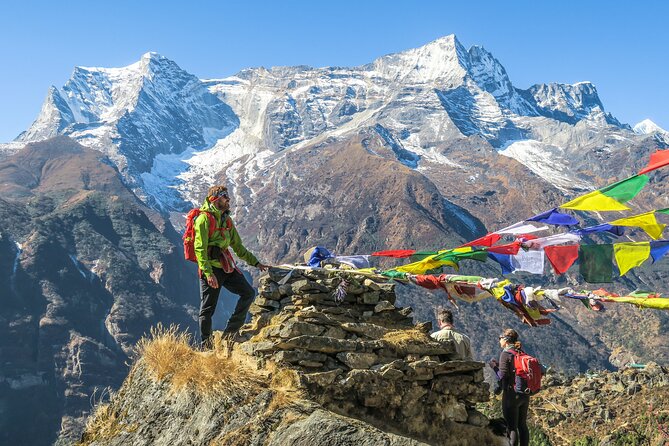
The great appeal here is simple: you walk the classic route to Everest Base Camp, passing through Sherpa villages, Buddhist sites, pine forests, high valleys, and some of the world’s most famous mountain views. The flight into Lukla adds a dramatic beginning, and the final approach through Lobuche and Gorak Shep gives the trek a real sense of purpose.
I like the sensible stop in Namche Bazaar for acclimatization, and I like that permits, domestic flights, Kathmandu lodging, and airport transfers are handled for you. Guides such as Rohit have been praised for careful pacing and health checks. The main drawback is cost control once you are on the trail: food, drinks, hot water, laundry, porter service, and emergency rescue insurance are not included.
Key points to know before booking
- Lukla flights begin the adventure: The short domestic flight from Kathmandu puts you straight into the Khumbu at high altitude.
- Namche is your key rest stop: You get a full day to slow down, explore, and adjust before heading higher.
- Kala Patthar adds a major viewpoint: At 5,450 meters, it gives you a dramatic look toward Everest and the Khumbu Glacier Valley.
- The group is limited to 12 people: That is small enough for a more personal guided trek, while still offering company on the trail.
- Food and porters cost extra: The package covers breakfast on two Kathmandu mornings, but trail meals and porter service are separate.
- Weather can change the return flight: The flight from Lukla to Kathmandu is scheduled before 10:00 am, but weather may alter the timing.
Why this 14-day Everest route works
This is a focused Everest Base Camp trek rather than a grand tour of the entire Khumbu. You will not visit every famous valley or side trail, but you will follow the main route toward base camp and return by the same general corridor.
That makes the trip easier to understand. You begin in Kathmandu, fly to Lukla, walk uphill through the Dudh Koshi valley, spend time in Namche, continue past Tengboche and Dingboche, then reach Lobuche, Gorak Shep, Kala Patthar, and Everest Base Camp. After the high point, you retrace the route to Lukla and fly back.
The schedule is demanding. Several walking days run from five to eight hours, and the altitude becomes the central challenge after Namche. This is not a casual mountain holiday. You need a moderate fitness level and the patience to walk slowly when the air gets thin.
More Everest Base Camp Treks in Kathmandu
- Everest Base Camp Trek – 14 Days
★ 5.0 · 1,499 reviews - Everest Base Camp Trek
★ 5.0 · 842 reviews - Everest Base Camp Trekking
★ 5.0 · 485 reviews
Kathmandu arrival and the first practical briefing
Your first day begins with an airport pickup. An Asian Heritage Treks and Travels representative meets you with a company sign, helps with your luggage, and drives you to the hotel in a private vehicle.
The ride gives you a quick outside glimpse of Pashupatinath Temple, the former Royal Palace Museum at Narayanhity, and the Garden of Dreams. These are only passing views, not full visits, so do not treat this first day as a Kathmandu sightseeing tour.
You stay two nights in a four-star hotel such as Yatri Suites & Spa, with breakfast included on the specified mornings. Once you have settled in, a representative discusses the travel plan and handles the necessary formalities. The remaining time is yours to rest or walk around nearby.
That free time matters. The following morning begins with a flight, and the trek starts almost immediately after landing. Use Kathmandu to organize your gear, check your passport details, and make sure you understand what is and is not included.
Lukla and the first walk beside the Dudh Koshi
The flight to Lukla is one of the defining parts of the trip. From the air, you may see the Himalayan peaks, including Everest, before landing at Lukla Airport. The airport itself is famous for its mountain setting, and stepping out of the plane makes the change in altitude clear at once.
The first afternoon is light, with time to stroll around Lukla village. Lukla is the main starting point for hikes in the Everest region, so this is your first look at the small mountain communities that support the route.
On the next walking day, you follow the Dudh Koshi, or Milky River, through rhododendron and evergreen oak forest. You cross a suspension bridge, pass Buddhist stupas, and reach the area around Manjo after about four hours.
This section is gentler than what comes later, but do not dismiss it. It gives you a useful first taste of the trail: river crossings, stone paths, forest, mountain air, and gradual gains in height. The route is beautiful, but the surface and slopes mean you will be walking for much of the day.
Namche Bazaar and the value of a full acclimatization day
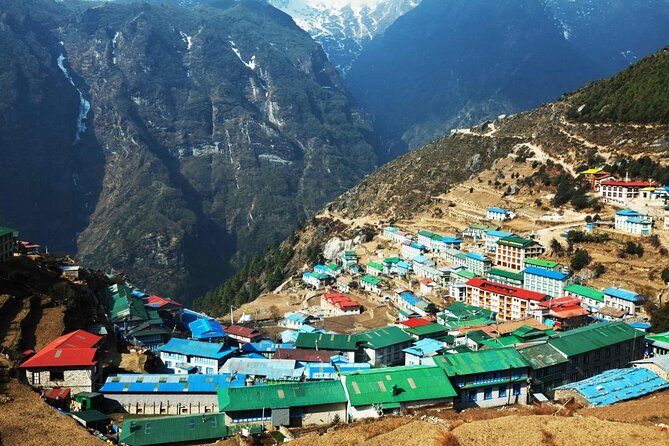
The route from Manjo toward Namche begins easily, then turns steeper. You cross the Dudh Koshi and gain altitude toward the Sherpa capital. The stated walking time is about six hours, though your pace, stops, and trail conditions will affect the day.
Namche is one of the most important stops on the entire trek. It is not simply a place to sleep. You spend a full day here without a long transfer, giving your body time to adjust before the route climbs higher.
You can explore the town, rest, and look toward Mount Everest, Thamserku, and Ama Dablam from the surrounding viewpoints. The early morning light can be especially striking, with mountain shadows projected onto the clouds. The local Saturday market is another worthwhile feature if your schedule matches it.
You may also see salt-butter tea and champa, a barley food associated with the Sherpa community. These details give Namche more character than a basic overnight stop, but remember that food and drinks are not part of the package beyond the stated breakfasts. Budget for meals throughout the trek.
The guide’s role becomes especially important here. A careful pace is not wasted time. The descriptions of guides such as Rohit point to the value of someone who watches your condition, keeps the group together, and helps you avoid rushing upward.
More Trekking Tours in Kathmandu
- Annapurna Circuit Trek with Tilicho Lake
★ 5.0 · 368 reviews - Everest Base Camp Trekking – 13 Day
★ 5.0 · 365 reviews - Everest Base Camp Trek
★ 5.0 · 350 reviews - Everest Base Camp Trek -14 Days
★ 5.0 · 321 reviews
Tengboche and the long climb toward Dingboche
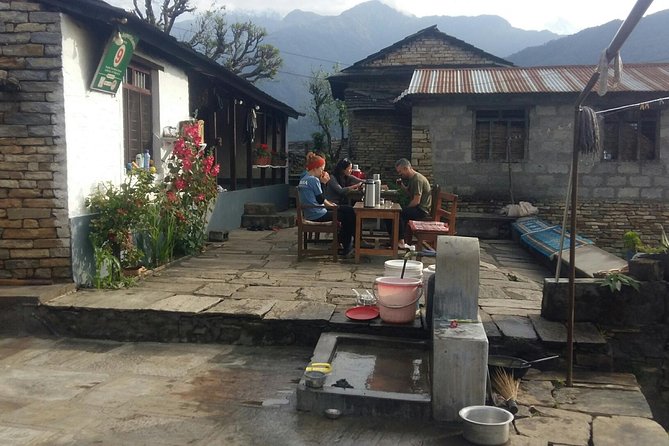
From Namche, you walk toward Tengboche for about five hours. The route includes a substantial gain in height, around 1,200 meters, making this one of the harder days even though the walking time is shorter than on some later stages.
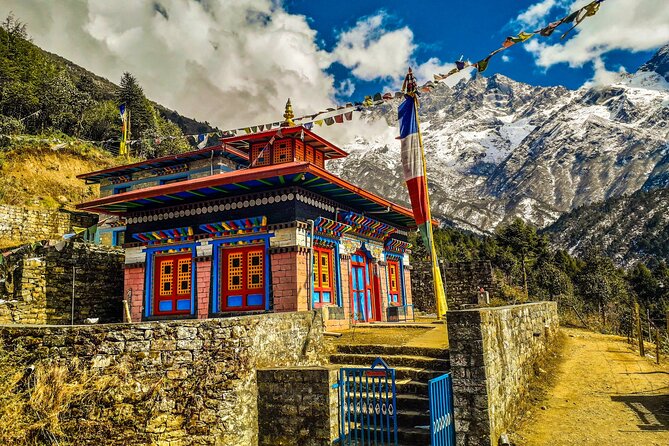
The payoff is the mountain view. The route opens toward the Everest range, and Tengboche gives you a memorable high-country setting with a well-known Buddhist monastery. The supplied schedule highlights monasteries and prayer features along the route, so this is a good point to slow down and notice the cultural side of the trek, not just the peaks.
The following day takes you from Tengboche to Dingboche in about seven hours. You pass through Pangboche and walk along a valley with a glacier river below and snow-covered peaks ahead. Ama Dablam is a major visual marker on this section.
Dingboche is where the high-altitude character of the trek becomes more obvious. The air is thinner, the vegetation is less dominant, and the route feels more exposed. You need to keep the steady rhythm that the guide has set rather than treating the clear views as an invitation to hurry.
Lobuche, Thukla, and the memorials for climbers
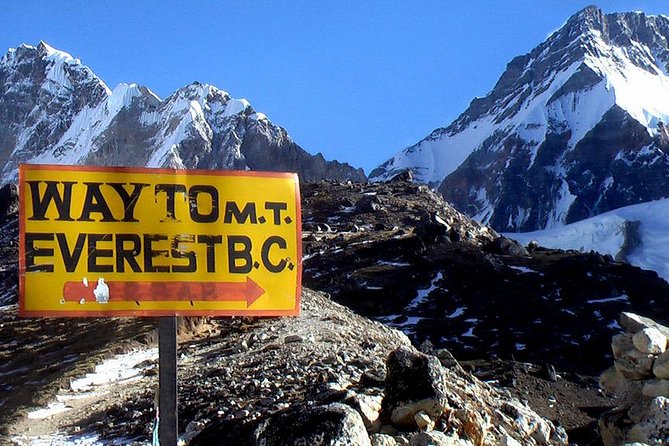
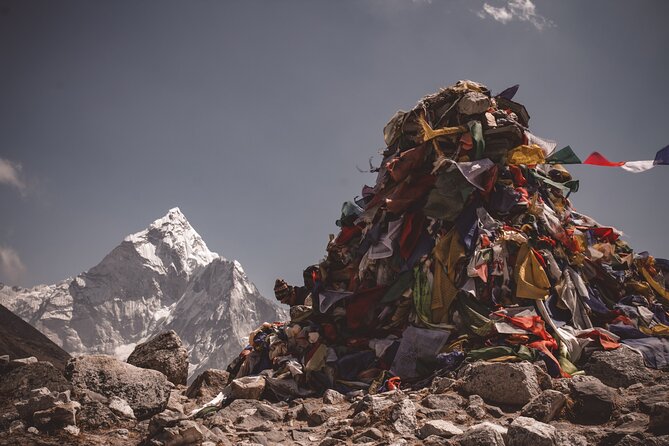
The walk to Lobuche takes about seven hours. One of the toughest sections comes after Thukla, on the climb toward the memorial area. The route is physically demanding, but the memorials and prayer flags give the day an emotional weight that goes beyond scenery.
You are following the footsteps of mountaineers who attempted the world’s highest peak. The memorial area offers a pause to reflect on the risks tied to these mountains. It also breaks up a hard ascent with a place to stop and look around.
Lobuche is one of the highest villages on the route. The accommodation is in a local lodge, with the room included but meals not covered by the package. Conditions at this height are basic, and you should expect practicality rather than hotel comfort.
This is also a good point to be realistic about the 14-day schedule. The program reaches base camp efficiently, but it does not include extra spare days for delays or a long recovery stop. The guide and the group need to keep moving while still allowing a safe pace.
Gorak Shep, Kala Patthar, and Everest Base Camp
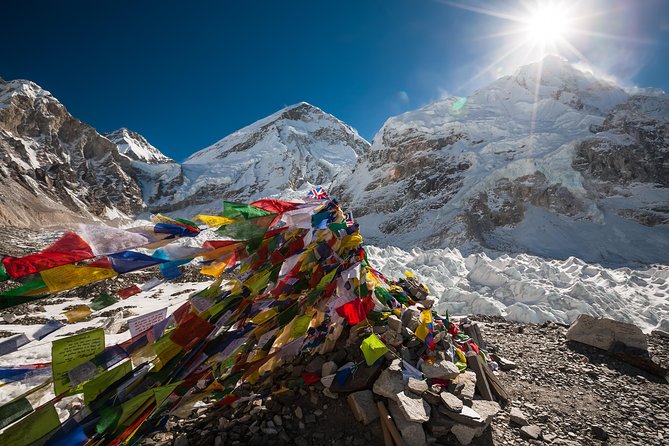
From Lobuche, the trail continues toward Gorak Shep for about six hours. The surroundings become sparse, and snow may cover parts of the trail. The views expand as you gain height, with Everest and neighboring peaks filling the horizon.
Gorak Shep is the staging point for the biggest day. The schedule allows a rest after arrival, with the option of visiting Kala Patthar that same day if you still have enough energy for a sunset view.
The next day includes Kala Patthar at 5,450 meters and Everest Base Camp. The order described places Kala Patthar first, followed by the walk to base camp and a return to Gorak Shep for food and sleep.
Kala Patthar is important because base camp itself does not necessarily give you the clearest view of Everest. From the high viewpoint, you look across the Khumbu Glacier Valley toward Everest and the surrounding peaks. Reaching this point is a serious physical achievement, especially after several days of climbing.
Everest Base Camp is the symbolic goal. You arrive at the famous starting point for expeditions, surrounded by glacier terrain, prayer flags, and the stark high-altitude setting. The experience is less about a single attraction and more about recognizing how much ground you have covered on foot.
The cold, altitude, and sparse conditions make these two days the hardest part of the trip. The schedule gives you a night at Gorak Shep, but you should not expect a relaxed sightseeing stop. This is a place for a warm meal, basic rest, and careful attention to how your body feels.
The descent through Namche and back to Lukla
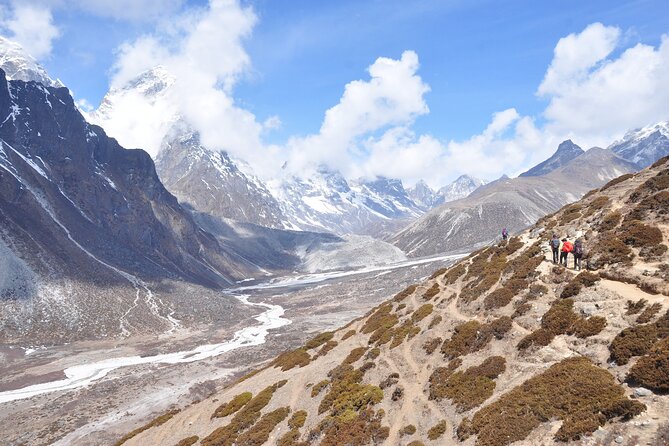
After base camp, the route turns downhill toward Namche. The eight-hour day follows the Dudh Kosi and passes water-driven prayer wheels, pine and cedar woods, and familiar views of the Lhotse and Nuptse wall, with Everest appearing behind them.
Descending is easier for breathing, but it is not effortless. Long downhill stretches can be hard on your knees and legs, especially after the high route. The return to Namche gives you a more comfortable night and a chance to enjoy the town from a different point of view.
The next day continues toward Lukla, taking about six hours. You pass through Chumoa, where you can stop for lunch, then follow the river toward Phakding before continuing to Lukla.
The disappearing snow peaks mark the end of the high section. You may feel relief, pride, and fatigue at the same time. Lukla is your final night on the trail, and the following morning you take the flight back to Kathmandu.
Flights, group size, and what the price covers
At $1,450.19 per person, the package offers solid convenience for a guided trek, especially because it includes the Kathmandu to Lukla flights, return transfer, two Kathmandu hotel nights, trekking lodge accommodation, permits, the TIMS registration, a licensed English-speaking trek leader, and private ground transport.
A maximum group size of 12 is a useful middle ground. You get company on the trail without being placed in a very large hiking party. It also gives the guide a reasonable chance to keep track of everyone, especially on the longer days.
The price does not cover everything. You pay separately for meals and drinks during the trek, hot water, drinking water, telephone use, laundry, tips, donations, personal expenses, room upgrades, and porter service. One porter can carry 20 kilograms shared between different clients, but porter service itself is not included.
Emergency rescue evacuation insurance is also excluded. That is a major item to arrange independently before setting out. International flights are not included either.
The return flight from Lukla is scheduled before 10:00 am, but mountain weather can change flight times. Keep your plans flexible after the trek. The package includes the transfer to Kathmandu and a rest day there, but flight disruption remains a practical concern.
Who should book this trek
This route suits you if reaching Everest Base Camp is your main goal and you want a guided structure from airport arrival to departure. It is also a good fit if you prefer having permits, domestic flights, Kathmandu lodging, and transfers organized in one package.
You should be comfortable walking for five to eight hours on several days. A moderate fitness level is required, and the altitude is not a minor detail. The route goes as high as 5,450 meters at Kala Patthar, so a slow pace and attention to your condition are essential.
You may also appreciate the cultural side of the trip: Sherpa villages, Buddhist stupas, prayer wheels, monasteries, markets, and local lodge stays. This is not only a mountain photo trip. The walking route connects you with the communities and traditions of Solukhumbu.
It is less suitable if you want luxury accommodation, included meals, private porters, a relaxed schedule, or a backup day built into the program. You should also be ready for basic lodging and extra daily expenses.
Should you book the 14-day Everest Base Camp trek?
Book it if you want the classic Everest Base Camp route with a licensed guide and the main logistics arranged for you. The full day in Namche, the small group limit, the high viewpoint at Kala Patthar, and the included Lukla flights make the package practical for a first Himalayan trek.
Before paying, confirm the exact hotel, the guide assigned to your group, current flight arrangements, and the daily cost of meals and drinks. Arrange rescue insurance and decide whether you need a porter.
The free-cancellation policy allows cancellation up to 24 hours before the experience start time for a full refund. After that point, changes and refunds are not accepted. If you are fit, prepared for altitude, and focused on base camp rather than comfort, this is a strong route for a major Himalayan goal.
FAQ
How long does the Everest Base Camp trek take?
The experience lasts approximately 14 days, including arrival in Kathmandu, the trek from Lukla to Everest Base Camp, the return to Lukla, and the flight back to Kathmandu.
What is included in the price?
The package includes private land transportation, two Kathmandu hotel nights with breakfast, 11 lodge nights during the trek, permits, TIMS, domestic flights between Kathmandu and Lukla, a licensed English-speaking trek leader, and government and local taxes.
Are meals included during the trek?
Meals and drinks are not included during the trek. The package specifies breakfast for two Kathmandu mornings, while trail food, beverages, hot water, and drinking water are separate expenses.
Is porter service included?
No. Porter service is not included. The stated porter arrangement allows one porter to carry 20 kilograms shared between different clients if porter service is arranged.
What fitness level is required?
A moderate physical fitness level is required. The route involves a large amount of walking, with several days lasting about five to eight hours.
How high does the trek go?
The route reaches Kala Patthar at 5,450 meters. Everest Base Camp is also reached during the trek.
How many people can join the group?
The group can have a maximum of 12 people.
Can I cancel for a full refund?
You can cancel at least 24 hours before the experience start time for a full refund. Cancellations or changes made less than 24 hours before the start time are not accepted for a refund.
Latest treks added in Kathmandu
- Private Manaslu Circuit Trek at Himalayas★ 5.0 · 3 reviews
- Ghorepani Poonhill Trek★ 5.0 · 5 reviews
- Ghorepani Poon Hill Trek★ 5.0 · 16 reviews
- Upper Mustang Trekking★ 3.0 · 2 reviews
- Amazing 1 Day Trekking Experience in Kathmandu Nepal★ 5.0 · 24 reviews
- Upper Mustang Trekking★ 5.0 · 2 reviews
- Upper Mustang Trek★ 5.0 · 5 reviews
- Upper Mustang Trekking★ 5.0 · 4 reviews
Everest Base Camp Treks, compared.






Browse the lists this tour appears in