
REVIEW · KATHMANDU
Everest Base Camp Trek – Hiking to Mt Everest
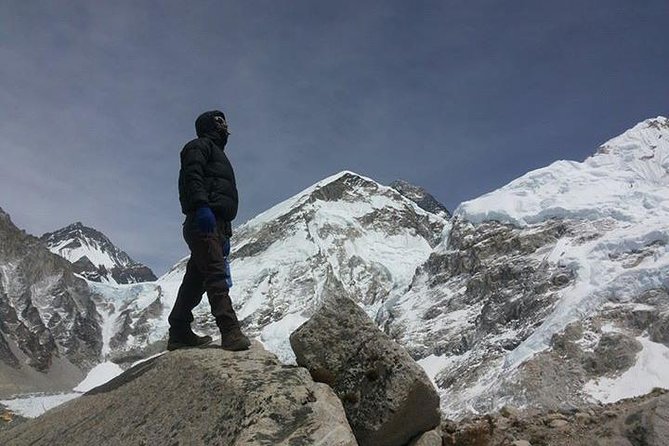
Everest Base Camp is not a quick mountain outing. It is a two-week journey through Sherpa villages, Buddhist monasteries, thin air, rough trails, and some of the finest Himalayan views you can reach without climbing a peak. I like that this private 15-day trek includes the major practical pieces: domestic flights, a guide, a porter, meals, tea-house lodging, airport transfers, and a medical kit. I also like the two planned acclimatization days, one in Namche Bazaar and one in Dingboche, since the altitude is the main challenge here.
The catch is that this is a serious high-altitude walk, not simply a long sightseeing tour. You reach 5,363 meters at Everest Base Camp and 5,545 meters at Kala Patthar, so fitness, patience, and proper insurance matter. Flights between Kathmandu and Lukla can also change, and the experience can include delays or an alternate road plan.
Key points to know before booking
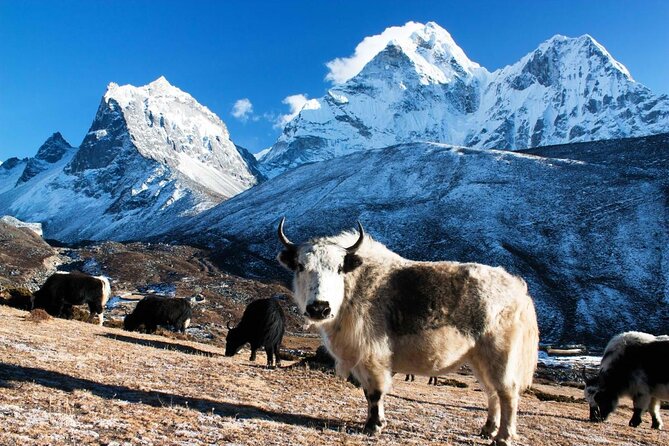
- Lukla starts the real trek: You fly from Kathmandu to Lukla at 2,840 meters, then walk toward Base Camp.
- Two acclimatization days are built in: Namche Bazaar and Dingboche give your body time to adjust.
- The highest point is Kala Patthar: At 5,545 meters, it is higher than Base Camp and adds a demanding sunrise or early morning climb.
- Tea houses keep the trip local: You sleep 11 nights in mountain tea houses and eat breakfast, lunch, and dinner during the trek.
- The tour is private: Only your own group takes part, with a guide and porter assigned to support the trek.
- Flights are part of the value: Kathmandu to Lukla and the return flight are included, along with three nights of Kathmandu lodging.
Why this Everest trek is worth the effort
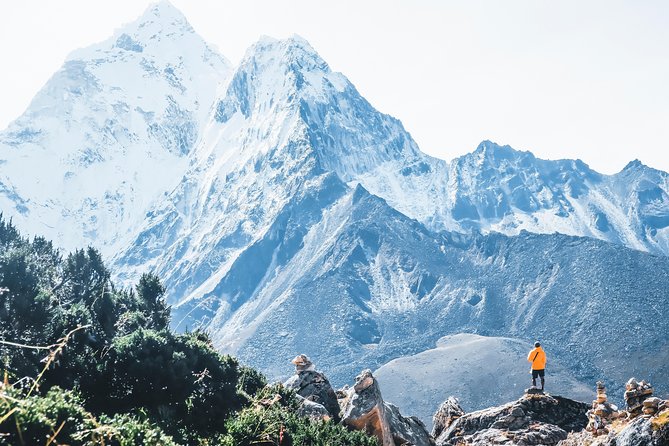
The appeal is simple: you walk into the high Himalayas rather than merely look at them from a road or viewpoint. The route takes you from Kathmandu into the Khumbu region, where mountain villages, monasteries, glaciers, suspension bridges, and Sherpa culture become part of your daily routine.
I like the way the trip mixes grand scenery with ordinary local life. You spend nights in family-run tea houses, pass through Namche Bazaar, visit the monastery area at Tengboche, and watch the villages become smaller and more rugged as you gain height.
I also like the support structure. Adventure Vision Treks provides a guide, porter, meals, domestic flights, airport pickup, a preparatory session, and a medical kit. Guides such as Tony, Tika, Dharma Subedi, and Durga Kadel have been involved with different departures. The company’s organizer, Jiban, is also noted for handling changes and communication.
This support does not make the trek easy. You still walk for many hours on mountain trails, sleep at high altitude, and deal with basic accommodation. The package gives you a framework and local help, but you need to bring the fitness and the right attitude.
More Everest Base Camp Treks in Kathmandu
- Everest Base Camp Trek – 14 Days
★ 5.0 · 1,499 reviews - Everest Base Camp Trek
★ 5.0 · 842 reviews - Everest Base Camp Trekking
★ 5.0 · 485 reviews
Days 1 and 2: Kathmandu, preparation, and a useful buffer
The first day is for arrival in Kathmandu. Airport pickup is included, which is useful after a long international flight, especially if you are unfamiliar with the city and need help reaching your hotel.
You receive three nights of star accommodation in Kathmandu with breakfast. The schedule also allows time to explore the Kathmandu Valley, though the exact sightseeing plan is not specified. Treat this as both an introduction to Nepal and a practical preparation period.
Day two is set aside for valley exploration and trek preparation. This matters more than it may sound. You can sort equipment, ask questions, review the route, and make sure your bags are ready before heading into the mountains.
The preparatory session before and after arrival is another useful touch. Ask exactly what is covered, including luggage limits, clothing, altitude symptoms, and the daily walking plan. Details such as these are best settled in Kathmandu, where you have more options than you will after reaching Lukla.
Day 3: The flight to Lukla and the walk to Phakding
The flight from Kathmandu to Lukla takes you to 2,840 meters, where the walking begins. Lukla is the gateway for this route, and the change from city travel to mountain travel is immediate.
From Lukla, you trek to Phakding at 2,640 meters. This first walking day is relatively short in the listed plan, which gives you a gentler start. You get a first taste of the trail, local settlements, and the rhythm of walking with a porter and guide.
The flight schedule deserves flexibility. Weather and operating conditions can affect Lukla flights. Several departures connected with this company required changed plans after delays, and the team arranged alternatives, including a road transfer in one case. That is reassuring, but you should still keep spare time in your wider Nepal itinerary if possible.
Days 4 and 5: Namche Bazaar and the first altitude test
The route from Phakding to Namche Bazaar takes you to 3,440 meters. This is one of the key days because you gain a substantial amount of height and reach the main trading center of the Khumbu region.
Namche is more than an overnight stop. It is the first place where you feel the altitude clearly, and the planned acclimatization day is essential. You can walk slowly, look around the village, and allow your body to adjust instead of pushing onward too soon.
I consider this one of the strongest parts of the schedule. Some itineraries rush through the lower section, but this plan gives you a full day at Namche before continuing higher. If you feel tired here, take that seriously and speak with your guide.
The village is also a good place to notice the human side of the route. Sherpa hospitality, tea houses, mountain trade, and monastery traditions are not separate attractions. They are part of the daily setting as you move toward Everest.
More Trekking Tours in Kathmandu
- Annapurna Circuit Trek with Tilicho Lake
★ 5.0 · 368 reviews - Everest Base Camp Trekking – 13 Day
★ 5.0 · 365 reviews - Everest Base Camp Trek
★ 5.0 · 350 reviews - Everest Base Camp Trek -14 Days
★ 5.0 · 321 reviews
Days 6 and 7: Tengboche monastery and Dingboche
From Namche, you walk to Tengboche at 3,867 meters. The route brings more open mountain views and leads to one of the region’s best-known monastery areas.
The monastery visit adds meaning to the walk. This is not just a series of altitude numbers and photo stops. Tengboche gives you a chance to see Buddhist culture in a high mountain community, with the trail continuing through villages shaped by trade, faith, and the demands of life at altitude.
The next stage takes you to Dingboche at 4,350 meters. The air is thinner now, and the walking can feel slower even if the trail itself does not look dramatic. Let your guide set a steady pace. On this trip, rushing is rarely useful.
Dingboche is an important overnight stop because it prepares you for the still higher route to Lobuche and Gorak Shep. The altitude is already a real factor, so keep meals simple, drink regularly, and avoid treating the acclimatization day as a chance to prove anything.
Day 8: A second acclimatization day in Dingboche
The full rest day in Dingboche is one of the most important features of the itinerary. You remain at 4,350 meters instead of gaining height every day.
A rest day does not necessarily mean staying inside all day. The exact activities are not specified, so your guide will determine what is suitable. The main purpose is to help your body adjust before the route becomes more demanding.
This is also the point where the trek becomes less forgiving. You are far above the altitude of Lukla, and cold, fatigue, or poor sleep can affect your pace. The guide’s role is especially valuable here. Guides such as Tony and Durga Kadel have been praised for patience and care, including helping people who found the physical side very tough.
Days 9 and 10: Lobuche, Gorak Shep, and Everest Base Camp
From Dingboche, you walk to Lobuche at 4,931 meters. The route feels more exposed and more remote as you approach the high camps. You are moving through the part of the trek where each day needs to be taken slowly.
Day 10 is the major goal: Lobuche to Gorak Shep at 5,170 meters, then onward to Everest Base Camp at 5,363 meters. Reaching Base Camp is the emotional high point for most people, but it is not the highest elevation on the schedule.
The trail to Base Camp can be demanding because of the altitude and rough ground. At this height, even a modest incline may require frequent pauses. Your guide and porter support matter most here, but you still carry responsibility for your own pace and health.
Base Camp itself is tied to the climbing season and conditions, so do not expect a polished attraction or a permanent city. The reward is reaching the foot of the world’s best-known mountain route, surrounded by glaciers and immense Himalayan peaks.
Day 11: Kala Patthar, then down to Pheriche
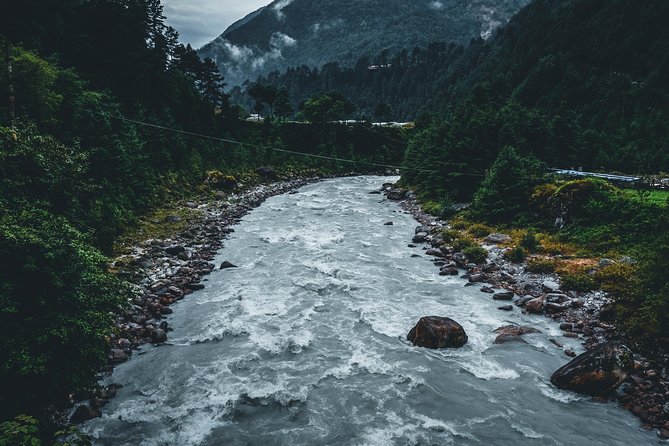
The next day is one of the hardest. You climb from the Everest Base Camp area to Kala Patthar at 5,545 meters, then descend to Pheriche at 4,210 meters.
Kala Patthar is higher than Base Camp and is the route’s highest point. The climb is demanding, but it is included because it provides a major mountain viewpoint. You may be walking early, depending on the guide’s plan and conditions.
The descent to Pheriche is important because losing altitude helps your body recover. Even so, this is a long and tiring day. I would not plan anything demanding immediately after returning to Kathmandu. The schedule gives you several more walking days, so conserve energy rather than racing downhill.
Days 12 and 13: Returning through Namche to Lukla
From Pheriche, you trek back to Namche Bazaar. The return route is familiar, but it does not feel identical. You are now lower, breathing more easily, and able to notice details that may have passed you by on the way up.
The final mountain day takes you from Namche to Lukla. This is a satisfying end to the walking portion, but it is still a full trek day. Your knees may feel the downhill miles, and your body may be tired after the high-altitude section.
The porter is a major part of the package’s value. Having help with bags allows you to focus more on the trail, pacing, and scenery. You should still confirm the luggage arrangement before departure and pack only what you actually need.
Days 14 and 15: Returning to Kathmandu and heading home
Day 14 begins with an early morning flight from Lukla to Kathmandu. Again, flexibility matters. The flight is included, but weather and airport conditions can affect timing.
After landing, the itinerary allows further exploration in the Kathmandu Valley. You also have the final Kathmandu night included within the stated accommodation plan. This gives you a chance to wash, rest, and shift from mountain life back to city life.
Day 15 is departure. Airport drop-off is included, which makes the final morning easier. If your international flight is important or your schedule is tight, ask how the company handles a delayed Lukla return, since mountain flights can disrupt plans.
What the $1,500 price really covers
At $1,500 per person, the price is attractive for a private Everest Base Camp trek because several costly and useful items are bundled together. You receive both Kathmandu to Lukla flights, three nights of Kathmandu accommodation with breakfast, 11 tea-house nights, a guide, a porter, meals during the trek, airport transfers, taxes, a medical kit, and preparation sessions.
Breakfast, lunch, and dinner are included during the trekking days. Drinks and beverages are not included, so budget separately for bottled drinks, hot beverages, or other purchases. Personal expenses, tips, shopping, travel insurance, visa costs, and international airfare are also outside the package.
The value depends on how much support you want. If you prefer arranging each hotel, meal, flight, and porter yourself, you might find a lower base price, but you would take on more coordination. Here, the private format and local staff are the main reasons to consider paying for the package.
I would not book this trip without high-altitude travel insurance. Insurance is not included, and the itinerary reaches well above 5,000 meters. Check that your policy covers trekking at the elevations you will reach.
Who should book this trek
This trip suits you if you want a structured route to Everest Base Camp and prefer local help with transport, meals, lodging, and trail support. It is particularly useful for first-time visitors to Nepal who do not want to manage the Lukla flights and mountain arrangements alone.
You should have a moderate fitness level, as stated for the activity, and be comfortable walking on mountain trails for multiple days. The trek is not a fit for someone seeking an easy holiday or a luxury hotel experience.
The private format is good for couples, families, friends, and small groups who want their own pace. Group discounts are available, though the exact discount is not stated. Ask for the current rate before booking.
Booking advice and cancellation terms
Confirmation is provided when you book. The activity offers free cancellation if you cancel at least 24 hours before the local start time. Cancellations or changes made inside that 24-hour window are not accepted for a refund.
I would also ask the operator to confirm the precise accommodation plan, flight timing, luggage allowance, and what happens if the Lukla flight is delayed. The team has handled last-minute changes for past departures, but flexibility from you is still part of the bargain.
Should you book Adventure Vision’s Everest Base Camp trek?
I would book this tour if you want Everest Base Camp with a practical support system and a private group. The strongest features are the two acclimatization days, included domestic flights, full trekking meals, tea-house accommodation, and local guides who have shown patience when plans or people needed extra care.
I would hesitate only if you have a tight schedule, dislike basic mountain lodging, or are not prepared for serious altitude and long walking days. For the right person, the $1,500 package offers a sensible way to reach Base Camp without handling every moving part alone. Just bring flexibility for Lukla, proper insurance, and enough fitness to enjoy the journey instead of merely endure it.
FAQ
How long is the Everest Base Camp trek?
The planned experience lasts approximately 15 days, including arrival and departure days, time in Kathmandu, the trek from Lukla to Everest Base Camp, and the return to Kathmandu.
What is the highest point on the itinerary?
Kala Patthar is the highest point at 5,545 meters. Everest Base Camp is reached at 5,363 meters.
Are flights between Kathmandu and Lukla included?
Yes. The package includes Kathmandu to Lukla and Lukla to Kathmandu flight tickets.
What accommodation is provided?
You receive three nights of star accommodation with breakfast in Kathmandu and 11 nights in tea houses during the trekking portion.
Are meals included during the trek?
Yes. Breakfast, lunch, and dinner are included during the trekking days. Drinks and beverages are not included.
Is this a private tour?
Yes. Only your own group participates. A guide and porter are included for the trek.
Latest treks added in Kathmandu
- Private Manaslu Circuit Trek at Himalayas★ 5.0 · 3 reviews
- Ghorepani Poonhill Trek★ 5.0 · 5 reviews
- Ghorepani Poon Hill Trek★ 5.0 · 16 reviews
- Upper Mustang Trekking★ 3.0 · 2 reviews
- Amazing 1 Day Trekking Experience in Kathmandu Nepal★ 5.0 · 24 reviews
- Upper Mustang Trekking★ 5.0 · 2 reviews
- Upper Mustang Trek★ 5.0 · 5 reviews
- Upper Mustang Trekking★ 5.0 · 4 reviews
Everest Base Camp Treks, compared.






Browse the lists this tour appears in