
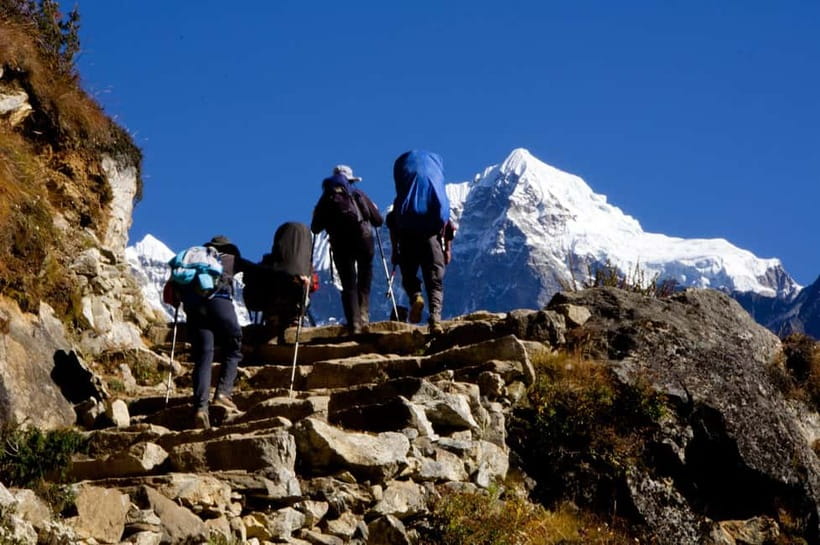
REVIEW · NEPAL
Everest Base Camp Trek from Lukla
Landing at Lukla puts you straight into the story: a mountain airport, a narrow trail, and the Sherpa villages of the Khumbu Valley ahead. I like the smart acclimatization plan, with rest days in Namche Bazaar and Dingboche, and I like that porters, tea-house lodging, permits, and an English-speaking guide are included. The catch is that the $466 price does not include flights, insurance, meals, or personal expenses.
I also like the strong support reported from guide Tirtha, the wider Peregrine team, and porters who carried gear and helped keep the pace comfortable. You should still prepare for five to seven hours of walking most days, basic rooms, quick weather changes, and altitude that can make even a short climb feel serious.
Key points to know before you book
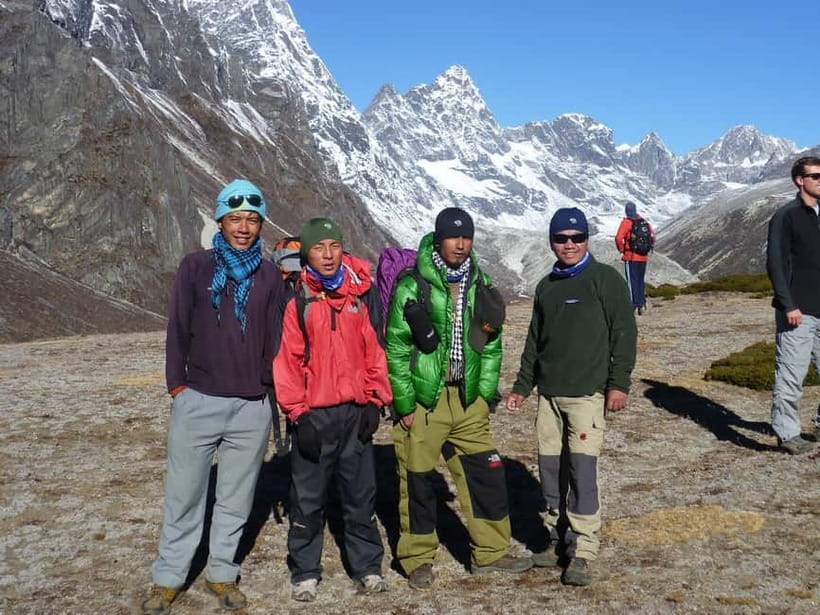
- Kala Patthar reaches 5,545 meters: The sunrise hike offers the clearest mountain views on this route, often including Everest, Ama Dablam, and neighboring peaks.
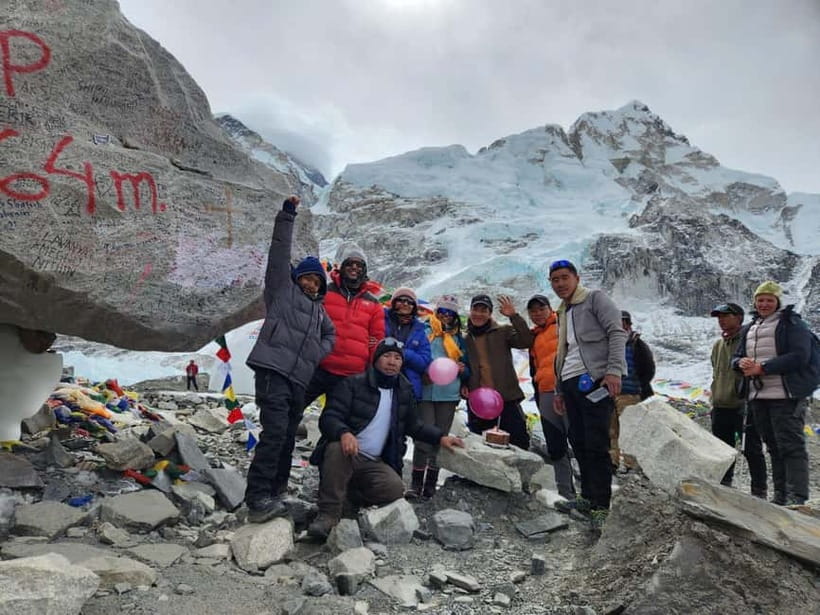
- Everest Base Camp sits at 5,364 meters: Reaching the base of the Khumbu Icefall is the trek’s main goal, but the journey there matters just as much.
- Two acclimatization days are built in: You spend one rest day in Namche and another in Dingboche, an important feature at high altitude.
- Tea houses keep the price down: You get simple lodging along the route rather than hotel comfort, with meals and drinks paid separately.
- The group is limited to 10 people: That is small enough for a guide to keep an eye on the group without making the trek feel private.
- Lukla flights are not included: Share your flight details so the guide can meet you at Tenzing-Hillary Airport, and budget separately for flights and insurance.
Why this Lukla to Everest trek works
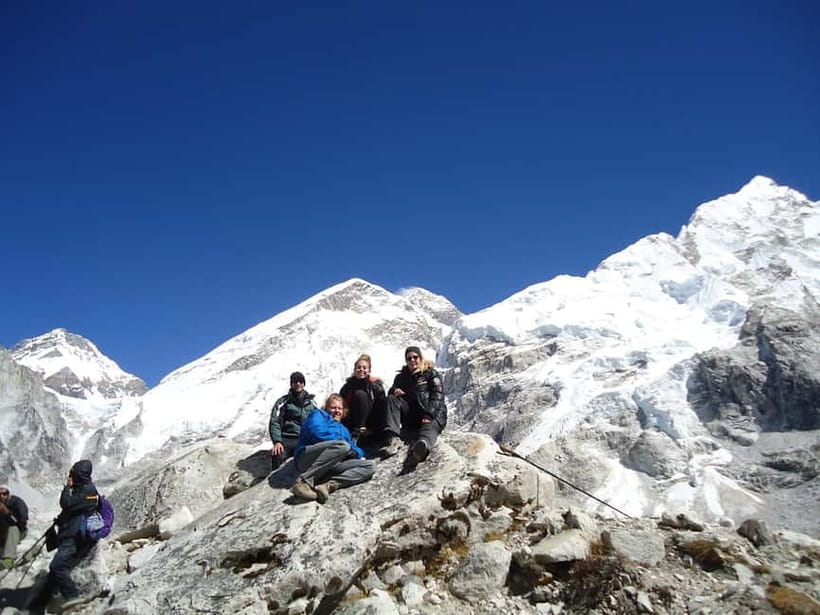
The route gives you the classic Khumbu experience without adding extra days for a long approach from lower valleys. You fly to Lukla, then walk through forests, river valleys, Sherpa settlements, and high mountain terrain until Everest Base Camp comes into view.
I like the shape of the trip. You gain height in stages rather than racing upward, with two planned acclimatization days. That does not remove altitude risk, but it gives your body a better chance to adjust.
The trip is priced at $466 per person. That is a useful starting price for a guided trek because it covers the English-speaking guide, porter service, tea-house accommodation, permits, entrance fees, taxes, and a first aid kit. You will need to add flights, travel insurance, visa fees, meals, drinks, internet, laundry, and other personal costs.
That extra spending matters. The published price is not an all-inclusive holiday package. It is the core trekking service, and you should ask for the current cost of flights and meal arrangements before you commit. Some trekkers arranged meals and extra porters through Peregrine after booking, with one group receiving a 10 percent discount on meal prices.
More Everest Base Camp Treks in Nepal
- Everest Base Camp Trek – 14 Days
★ 5.0 · 1,499 reviews - Everest Base Camp Trek
★ 5.0 · 842 reviews - Everest Base Camp Trekking
★ 5.0 · 485 reviews
Lukla and the first walk to Phakding
Your guide meets you at Tenzing-Hillary Airport after you provide your flight details. Lukla is the practical gateway to the trek, and the airport arrival gives the day an immediate sense of occasion.
The first walk leads to Phakding beside the Dudh Koshi River. You pass through forest and cross suspension bridges, with the trail still feeling green and relatively low compared with the country ahead.
The listed walking time is about eight hours for several trekking days, though the general guidance says five to seven hours daily. Treat these as planning estimates rather than a promise. Your pace, weather, group size, rest stops, and trail conditions will affect the actual day.
Phakding is a small village and a useful first night. Do not expect luxury. Tea houses are simple, and comfort becomes more basic as you climb. This is a good place to check your boots, water, clothing, and day pack before the longer ascent.
Namche Bazaar and the first altitude test
From Phakding, the trail climbs toward Namche Bazaar. This is one of the most important sections of the trek because you gain height and reach the main Sherpa trading center of the Khumbu.
Namche is more than a stop for food and sleep. You can explore local markets, look across to Thamserku and Kongde Ri, and get a feel for the Sherpa culture that shapes the valley. The settlement is also where the trip begins to feel properly high and remote.
The itinerary includes an acclimatization day here. I consider that a major strength. You can rest, take a short walk, visit the markets, and let your body adjust instead of pressing straight onward.
The itinerary also mentions the Everest View Hotel as a possible viewpoint during the wider trip. The views from this area are a major reward, but do not treat one clear photograph as guaranteed. Himalayan weather changes quickly, and cloud can arrive without much warning.
Tengboche Monastery among the rhododendrons
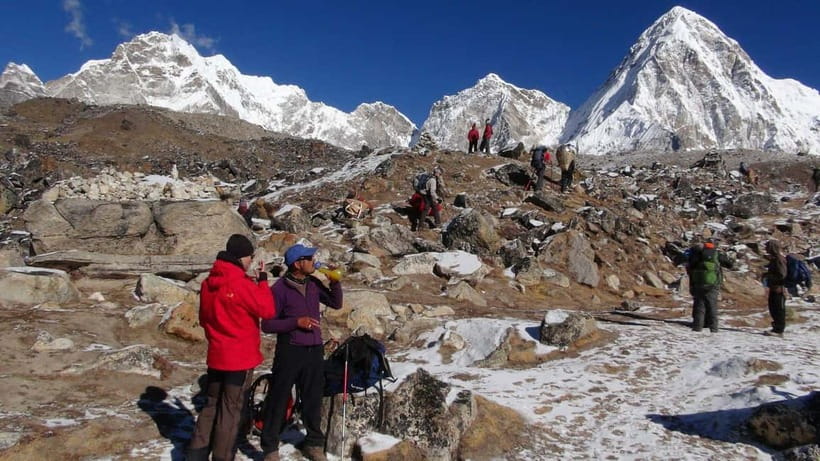
The route from Namche to Tengboche passes through rhododendron and pine forests. This section gives you a welcome change from the built-up paths around Namche, with mountain views opening and closing as the trail turns through the trees.
Tengboche Monastery is one of the trip’s cultural high points. It is a spiritual center for monks and trekkers, with Ama Dablam, Everest, and Lhotse forming the backdrop. You are not simply walking toward a famous mountain. You are passing through a living Sherpa region where religion, trade, work, and mountain tourism meet.
I would give this stop time beyond a quick photograph. The monastery offers a quieter pause in the itinerary, and its setting explains why Tengboche is such a famous halt on the Everest route.
The practical downside is the climb. By this point, the altitude is noticeable, and the trail can feel harder than the distance suggests. Keep your pace steady and follow your guide’s advice.
More Trekking Tours in Nepal
- Annapurna Circuit Trek with Tilicho Lake
★ 5.0 · 368 reviews - Everest Base Camp Trekking – 13 Day
★ 5.0 · 365 reviews - Everest Base Camp Trek
★ 5.0 · 350 reviews - Everest Base Camp Trek -14 Days
★ 5.0 · 321 reviews
Dingboche at 4,410 meters
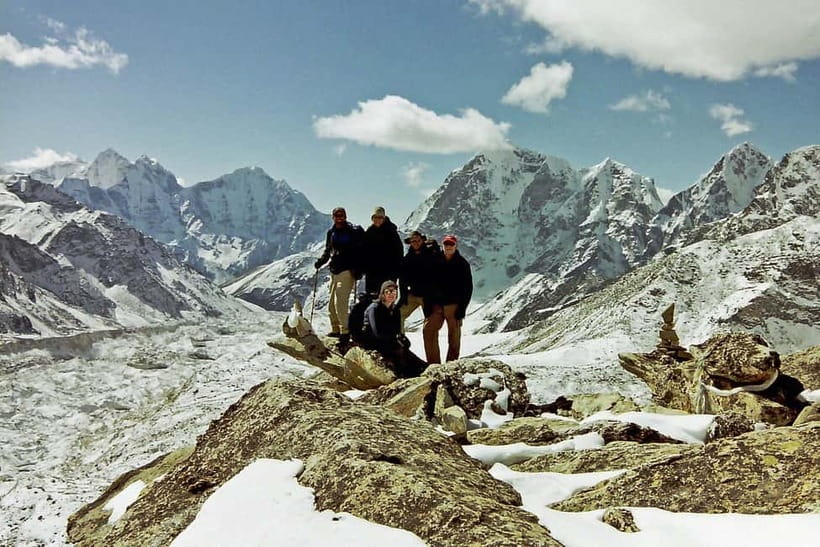
From Tengboche, you continue to Dingboche, a high village at 4,410 meters. The vegetation becomes thinner, the air feels sharper, and the route begins to look much more exposed and spare.
Dingboche includes another acclimatization day. You can take a short hike, rest, and enjoy the surrounding mountain views. This is not a wasted day. At this height, a rest day is part of the route’s safety plan and helps you prepare for Lobuche, Gorakshep, and Base Camp.
Altitude affects people differently. A fit person can still develop symptoms, and a strong walker can still need to slow down. I like that this program does not try to squeeze the entire trek into fewer days.
You should bring warm clothing, a hat, sunscreen, water, snacks, and comfortable shoes. A camera is worth packing, but keep it protected from cold and changing weather. Carry local currency too, since ATMs are scarce beyond Namche Bazaar.
Lobuche and the approach to Everest Base Camp
The trail to Lobuche becomes more barren and remote. Towering peaks surround the settlement, and the sense of distance from ordinary life grows with every step.
Lobuche is not about sightseeing in the village. It is a staging point for the hardest and most anticipated part of the trek. You are now close to the high-altitude goal, but the thin air makes a short walk feel demanding.
The next day takes you to Gorakshep and then onward to Everest Base Camp. Gorakshep is the final resting point before Base Camp and an important place to manage your energy. From there, you continue to 5,364 meters.
Everest Base Camp offers close views of the Khumbu Icefall and surrounding peaks. Depending on the season and conditions, the character of the base camp area can vary, so do not expect one fixed scene. The achievement is reaching the site at the end of a demanding approach, not finding a polished attraction.
The itinerary describes this as an eight-hour hiking day. That is a long day at high altitude. Eat enough, drink regularly, and keep your clothing easy to adjust. The guide’s role matters here, especially in watching pace and group condition.
Kala Patthar at sunrise
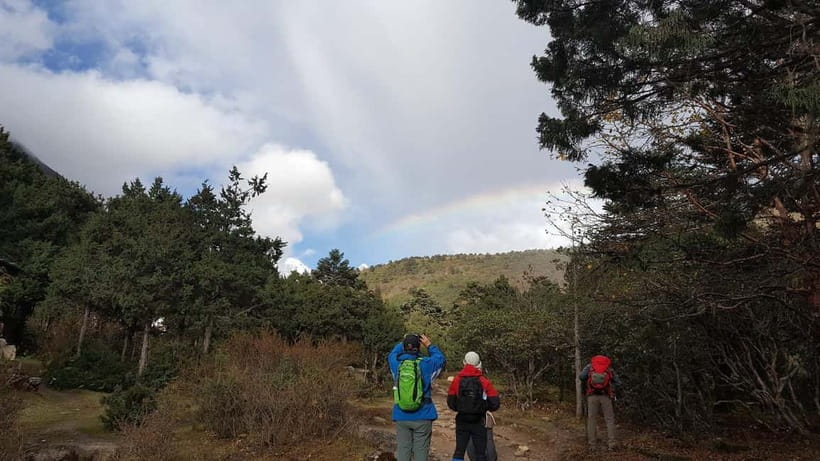
Kala Patthar reaches 5,545 meters, higher than Everest Base Camp and one of the best viewpoints on the route. The early hike is tough, but the reward is a wide view toward Mount Everest and the surrounding Himalayan peaks.
Sunrise is the classic timing because early light can turn the summits gold. Clear conditions are never guaranteed, but this is the moment I would protect most carefully in the schedule.
The route then descends to Pheriche. That change in altitude is welcome after the high night near Gorakshep. One group chose to visit Kala Patthar at sunset and reach Base Camp the next morning, showing that the schedule can sometimes be adjusted with the guide.
The itinerary also allows for an extra night in Gorakshep at an additional cost. That option may help if you prefer a slower pace, need more rest, or want more flexibility around weather. Confirm availability and pricing before relying on it.
The return through Pheriche and Namche
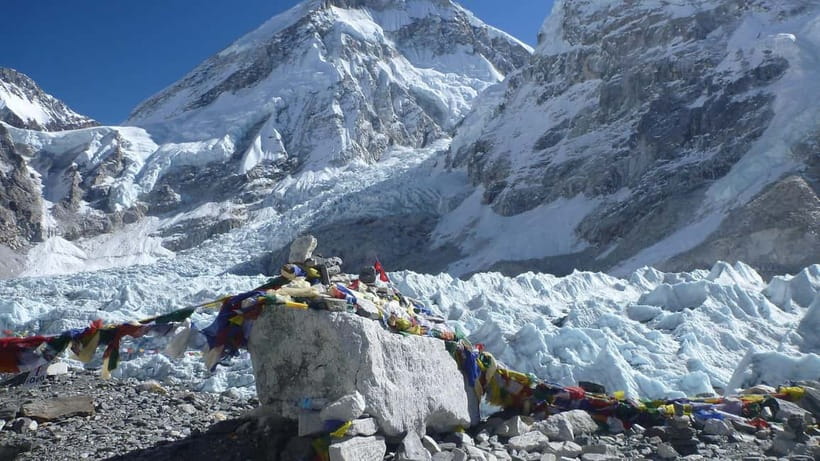
After Kala Patthar, the return route retraces the valley through familiar villages. The physical work is not over, but the direction feels different because you are no longer chasing the main goal.
Pheriche gives you a lower night after the highest section. You then continue toward Namche, where the trail feels greener and the air becomes easier compared with the upper valley.
I like this return because it lets you notice places you may have rushed past on the way up. Bridges, forest, river crossings, and village paths take on a different character when you know the hardest section is behind you.
The return to Lukla follows the same general route. It is still a full trekking day, and tired legs can make the final stretch feel longer than expected. Build patience into your plan. This is not a sightseeing transfer.
What the support package really includes
The included porter service can make a major difference. You carry a day pack rather than all your equipment, but you should confirm the luggage limit and porter arrangement with Peregrine before departure.
The English-speaking guide provides route leadership and practical help. Tirtha is one guide associated with this trek, while Pradip is part of the wider organizing team, but your assigned guide may differ. Ask for the final guide name before you travel.
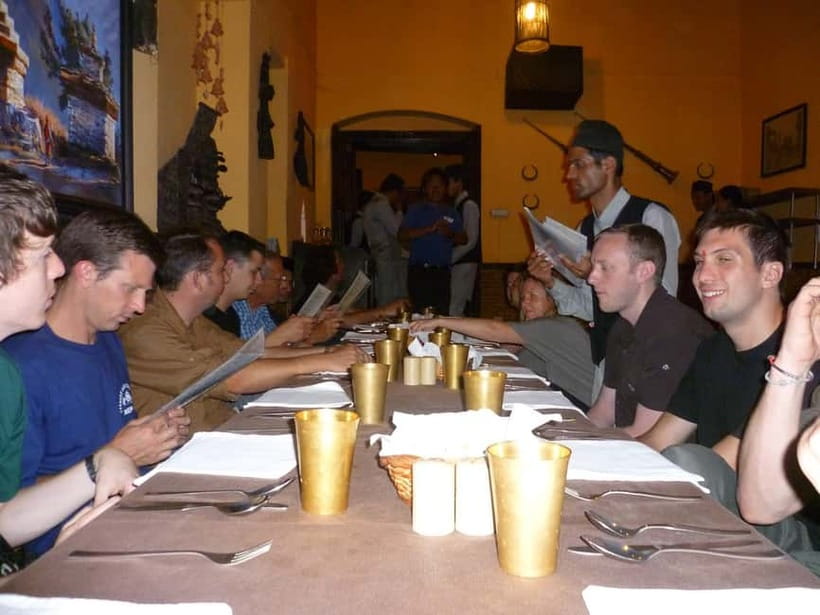
Accommodation is in tea houses. That means basic rooms and practical shelter along the route, not resort facilities. One group found the food good and especially useful for keeping energy up, but the formal inclusions list says meals are not included, so confirm exactly what your package covers.
The first aid kit is included, but it should not replace your own medical preparation. Travel insurance must cover high-altitude trekking. It is also wise to discuss the trek with a medical professional if you have heart problems or any concern about altitude.
The trip is not suitable for pregnant women, people with mobility impairments, or people with heart problems. The information also lists people prone to seasickness, although seasickness is not a normal feature of the trek. If that description applies to you, ask the operator why it is included before booking.
Flights, weather, money, and daily comfort
Flights to Lukla are extra, and you must share your flight details so the guide can meet you at the airport. One arrangement described transportation through Ramechhap, so check the current departure plan rather than assuming your flight will leave from Kathmandu.
Weather can change rapidly in the Himalayas. Pack for sun, cold, wind, and wet conditions. Layers are more useful than one bulky item because the temperature can shift as you walk and as the day progresses.
Bring local currency for personal spending. ATMs are scarce beyond Namche Bazaar, and you will need money for drinks, snacks, internet, laundry, meals if not included, and other small purchases.
Alcohol and drugs are not allowed, and littering is prohibited. Those rules are sensible in a fragile mountain region where waste removal is difficult. Carry your rubbish until you find the right disposal point.
The small-group limit is 10 people. That gives you more personal attention than a large commercial group, while keeping the price below a private trek. If you want a fully private schedule, confirm whether that is available and what it costs.
Who should book this trek
This trek suits you if you want the standard Everest Base Camp route with planned acclimatization, porter support, and a guide handling the trail logistics. It is a good match for a strong walker who accepts simple accommodation and long days.
It also suits you if culture matters as much as scenery. Namche gives you time with the Sherpa heart of the valley, while Tengboche offers one of the route’s most meaningful cultural stops.
I would not choose it if you want an easy holiday, guaranteed mountain views, hotel comfort, or every meal included in the advertised price. The route is demanding, and the headline cost leaves several important expenses for you to arrange.
Peregrine offers free cancellation up to 24 hours before departure and a reserve-now, pay-later option, which gives you some booking flexibility. Still, read the final terms and confirm flight, meal, insurance, and visa costs before paying.
Should you book the $466 Everest Base Camp trek?
I would consider booking this trek if you want a supported, classic route at a clear starting price. The strongest features are the two acclimatization days, tea-house lodging, porter service, a small group, and the combination of Base Camp with Kala Patthar.
The best practical move is to contact Peregrine before departure with three questions: What is the current Lukla flight arrangement? Are meals included in my exact package? What luggage allowance and porter ratio apply?
If those answers fit your budget, the trip offers a sensible way to tackle one of Nepal’s great walks. Go prepared for altitude, basic rooms, changing weather, and long days, and you will be paying for a real mountain journey rather than a quick photo stop.
FAQ
How long is the Everest Base Camp trek from Lukla?
The experience is scheduled for 12 days, beginning at Lukla and ending with a return to Lukla. The listed route includes the final arrival back at Tenzing-Hillary Airport.
What altitude does Everest Base Camp reach?
Everest Base Camp is at 5,364 meters. Kala Patthar, visited on the following day, reaches 5,545 meters.
Are acclimatization days included?
Yes. The schedule includes one acclimatization day in Namche Bazaar and another in Dingboche.
Are flights to Lukla included in the price?
No. Flights are not included. You need to arrange and pay for them separately, then share your flight details so the guide can meet you at the airport.
Are meals included?
Meals are not included in the listed package. You pay separately for meals, beverages, snacks, and other personal expenses unless you arrange an additional meal package with Peregrine.
What accommodation is provided?
Accommodation is in tea houses along the trekking route. The rooms are basic, and the package includes tea-house lodging rather than hotel accommodation.
What is included in the $466 price?
The price includes an English-speaking guide, porter service, tea-house accommodation, permits and entrance fees, a first aid kit, and applicable taxes. Travel insurance, flights, visa fees, meals, drinks, internet, laundry, and personal expenses are not included.
Latest treks added in Nepal
- Private Manaslu Circuit Trek at Himalayas★ 5.0 · 3 reviews
- Ghorepani Poonhill Trek★ 5.0 · 5 reviews
- Ghorepani Poon Hill Trek★ 5.0 · 16 reviews
- Upper Mustang Trekking★ 3.0 · 2 reviews
- Amazing 1 Day Trekking Experience in Kathmandu Nepal★ 5.0 · 24 reviews
- Upper Mustang Trekking★ 5.0 · 2 reviews
- Upper Mustang Trek★ 5.0 · 5 reviews
- Upper Mustang Trekking★ 5.0 · 4 reviews
Everest Base Camp Treks, compared.






Browse the lists this tour appears in