
REVIEW · NEPAL
Everest Base Camp Trek: A short EBC Trek to Iconic Himalaya
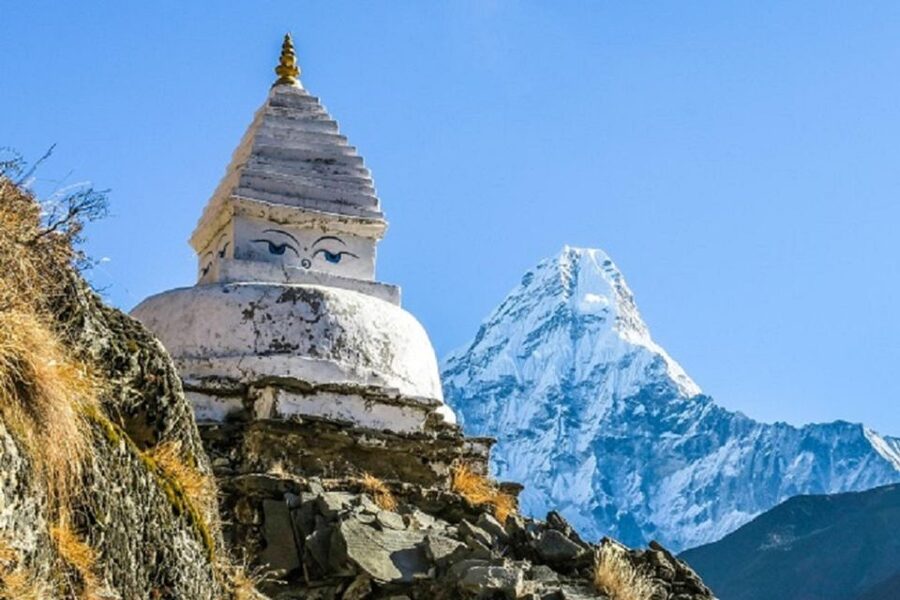
At 5,364 meters, Everest Base Camp is the goal, but the real reward is the trail getting there: suspension bridges, rhododendron forests, Sherpa villages, and the sharp peaks of Ama Dablam, Lhotse, and Nuptse. I like the direct route through Namche and Tengboche, and I like that a guide, park fees, lodge stays, meals, and trekking gear are arranged in one package. The drawback is the pace. This is a tough 9-day schedule with several long days at high altitude.
I also like the practical support, including airport transfers, a duffle bag, sleeping bag, down jacket, and trekking pole when needed. Past departures have included guides such as Ramesh and Palden, with Sobit coordinating from Kathmandu. You should still confirm who will lead your departure, and you should budget separately for the Lukla flights, Kathmandu hotels, drinks, and personal gear.
Key points to know before you book
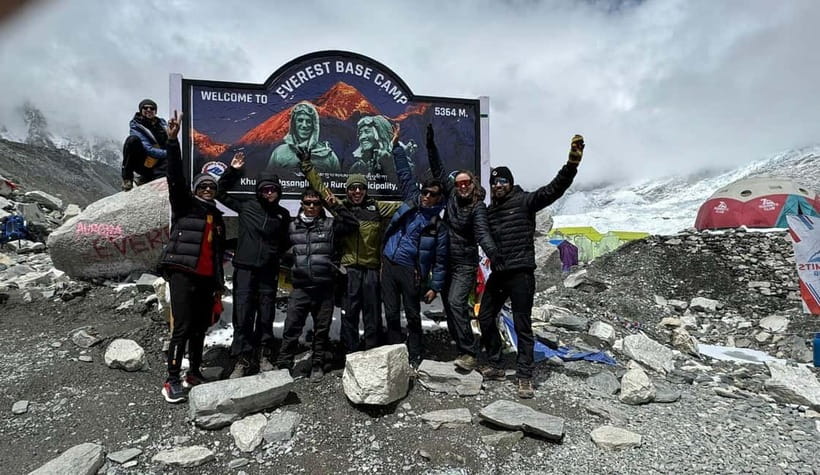
- Everest Base Camp at 5,364 meters: The trek reaches the foot of the world’s highest mountain after a demanding approach through the Khumbu region.
- A fast 9-day schedule: You will walk about 4 to 8 hours on most trekking days, with limited time for altitude adjustment.
- Kala Patthar sunrise: The 5,545-meter morning hike gives you one of the best listed viewpoints for Everest, Nuptse, and the surrounding peaks.
- Sherpa culture along the trail: Namche Bazaar, Tengboche, and other villages add a human side to what could otherwise be a pure mountain hike.
- Good package support, but not all-inclusive: Lodging, meals, permits, guide service, and some gear are included, while flights, drinks, Kathmandu hotels, and personal equipment cost extra.
Why this short Everest Base Camp trek is appealing
The classic Everest Base Camp route is famous for good reason. You are not simply walking toward a mountain viewpoint. You are following an old trail through the Khumbu, where the journey rises in stages from Lukla to the high glacier country.
The scenery changes quickly. Near Lukla, the route passes through greener country and forest. Higher up, the trees thin out, the air feels colder, and the peaks take over. Ama Dablam becomes a regular companion, while Lhotse and Nuptse appear around the upper valley. At the end, the trail follows the Khumbu Glacier toward Base Camp and views of the Khumbu Icefall.
The price is $681 per person, which can be a fair value for a guided trek because it covers more than just walking. You receive a guide, trekking lodge accommodation, three meals a day during the trek, national park and local entry fees, TIMS, airport transfers, and several pieces of useful equipment. A cultural show and farewell dinner in Kathmandu are also included.
Still, do not treat $681 as the final trip cost. The Kathmandu to Lukla return flight is excluded, as are hotels before and after the trek. You also pay for drinks, bottled or treated water, tea and coffee, laundry, communication, personal expenses, and your own adventure clothing and equipment. Ask for the current flight cost before booking so you can compare the true total.
More Everest Base Camp Treks in Nepal
- Everest Base Camp Trek – 14 Days
★ 5.0 · 1,499 reviews - Everest Base Camp Trek
★ 5.0 · 842 reviews - Everest Base Camp Trekking
★ 5.0 · 485 reviews
Day 1: Lukla to Phakding begins with a mountain flight
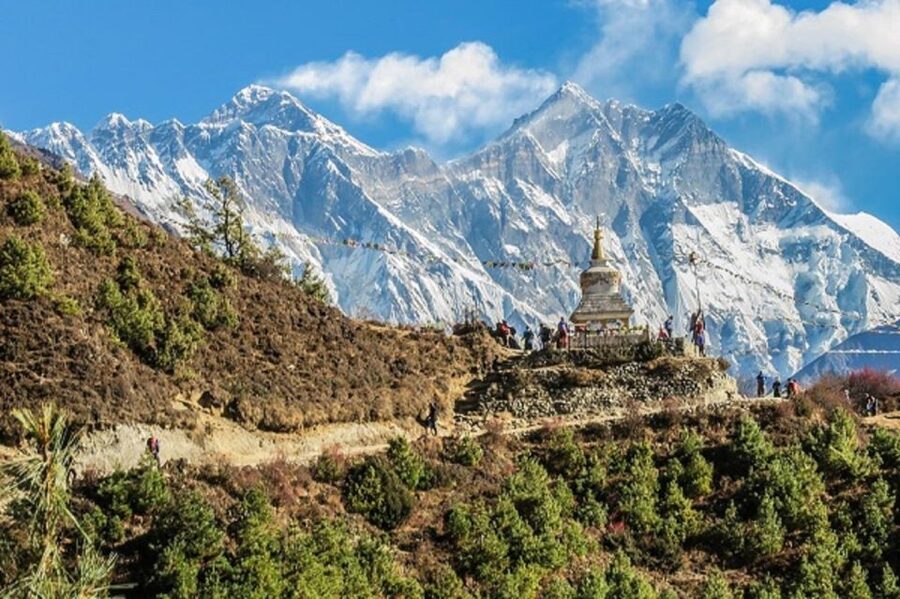
Your first morning starts with a flight from Kathmandu to Lukla, followed by a roughly three-hour walk to Phakding at 2,610 meters. The flight is part of the experience, but it also creates a scheduling issue: mountain weather can delay departures.
High air traffic may mean that your flight leaves from Ramechhap rather than Kathmandu. In that case, the transfer involves about four hours by road from Kathmandu before you board the flight to Lukla. The operator plans airport pickup around your location and flight time, and you should be at the airport at least one hour before departure.
The walk to Phakding is short compared with later days. That matters because it gives you a gentle first taste of the trail after the flight. Your overnight stay is in a standard trekking lodge, with meals served along the route.
Day 2: Namche Bazaar brings the first serious climb
The walk from Phakding to Namche Bazaar takes about six to seven hours and reaches 3,440 meters. This is where the trek begins to feel like a real high-altitude route.
Namche is a major stopping point in the Khumbu. It is known for its Sherpa culture and sits in a dramatic mountain setting, making it an important place to pause and adjust to the altitude. The schedule describes an acclimatization day in Namche, but the overall nine-day plan remains very quick. Confirm exactly how that rest period is handled, since a full additional day would lengthen the trip.
I would strongly consider adding one or two days here and at Dingboche if you are new to high-altitude trekking. The activity notes say you should be able to walk four to five hours a day even at altitude, but this itinerary includes several six, seven, and eight-hour days. Fitness helps, but it does not remove the need to adjust gradually.
Day 3: Tengboche adds culture to the mountain route
From Namche, you walk for about five to six hours to Tengboche at 3,860 meters. The village is known for Tengboche Monastery, giving you a chance to see an important spiritual site in the Khumbu rather than moving from lodge to lodge with your head down.
This is one of the best parts of the route for balance. The mountain views are impressive, but the monastery and local traditions help explain the culture of the communities that live along the trail. You can expect a quieter, more reflective stop than Namche, with peaks such as Ama Dablam helping define the setting.
The route continues to climb, and the thinner air begins to matter. Keep your pace steady and listen carefully to your guide. A strong guide is most useful here not as a cheerleader, but as someone who helps you manage time, effort, and altitude.
More Trekking Tours in Nepal
- Annapurna Circuit Trek with Tilicho Lake
★ 5.0 · 368 reviews - Everest Base Camp Trekking – 13 Day
★ 5.0 · 365 reviews - Everest Base Camp Trek
★ 5.0 · 350 reviews - Everest Base Camp Trek -14 Days
★ 5.0 · 321 reviews
Day 4: Dingboche is where acclimatization matters most
The walk from Tengboche to Dingboche takes about five to six hours and reaches 4,410 meters. The village is another key acclimatization point before the trail heads into the highest section.
Dingboche is a practical place to slow down. The schedule includes an acclimatization day here, although you should verify whether that means an actual rest day or simply a planned stop within the nine-day outline. Adding an extra day is particularly sensible if this is your first high-altitude trek.
The route is physically demanding because the altitude changes how ordinary walking feels. You may be fit enough to cover the distance but still need more time than expected. The operator specifically describes the trek as best for physically fit people and suggests extra days for beginners. Take that advice seriously rather than trying to win a race against the schedule.
Day 5: Lobuche marks the move into high country
The five to six-hour walk from Dingboche to Lobuche reaches 4,910 meters. By now, the journey feels less like a village hike and more like a high mountain approach.
Lobuche is an important overnight stop because it positions you for the long Base Camp day. The surroundings become more exposed, and the route heads toward the glacier country associated with Everest. Your simple lodge meals and warm clothing become practical necessities, not minor comforts.
The package provides breakfast, lunch, and dinner during the trek, with one item at each meal, along with some seasonal fruit. Drinks, tea, coffee, and water are not included. Carrying enough water and planning those purchases in advance will help you avoid surprises in the higher villages.
Day 6: Gorak Shep and Everest Base Camp
This is the big day. You walk from Lobuche to Gorak Shep at 5,140 meters, then continue to Everest Base Camp at 5,364 meters. The combined day takes about seven to eight hours, followed by a return to Gorak Shep for the night.
The final approach follows the Khumbu Glacier and brings dramatic views of the Khumbu Icefall. Base Camp itself is a powerful goal, but the surrounding ice and rock are just as important as the sign or landmark marking your arrival. This is the point where the many shorter climbs and altitude gains finally add up.
You need to keep expectations realistic. You do not climb Everest on this trek, and the summit is not always visible from Base Camp itself. The reward is reaching the famous starting point for expeditions and seeing the glacier environment at close range.
This is also the most demanding day for many people. The distance is not the only issue. You are walking at more than 5,000 meters, where every uphill section can feel slow. Good pacing is more valuable than speed. The return to Gorak Shep means the day does not end when you reach Base Camp.
Day 7: Kala Patthar at sunrise, then a long descent
The early hike to Kala Patthar reaches 5,545 meters and is planned for sunrise. This is the highest point on the route and the best opportunity in the schedule for a wide mountain panorama, including Everest and nearby peaks.
The early start is worthwhile if the weather cooperates, but it is also a very cold and strenuous outing after the previous day. You should have warm layers, gloves, socks, and a reliable jacket ready the night before. The supplied packing list also calls for hiking shoes, hiking pants, and thermal clothing.
After Kala Patthar, you descend to Pheriche at 4,371 meters in about seven to eight hours. Descending helps with altitude, but the length of the day can test tired legs. Pheriche is not just a waypoint. It gives you a lower overnight stop after two nights at extreme elevation.
Day 8: Pheriche to Namche is a welcome return
The route back to Namche takes about six to seven hours. You will retrace part of the trail, but the experience changes when you are heading downhill and breathing at lower elevations.
This is often a satisfying part of a trek because familiar villages and trail sections look different on the return. The walk remains long, so do not assume the descent is easy. Uneven paths can be hard on knees and ankles, especially after Kala Patthar.
A return to Namche also brings a more comfortable sense of normality before the final push to Lukla. The village is your last major stop before the flight, though the next day is still a full walking day.
Day 9: Lukla, then the flight back to Kathmandu
The final trek from Namche to Lukla takes about six to seven hours. After reaching Lukla, you fly back to Kathmandu.
Do not schedule your international departure for the same day unless your travel plans allow a great deal of risk. The operator specifically advises leaving at least one buffer day because mountain weather can affect Lukla flights. This is one of the most important practical details in the whole trip.
Airport transfers connected with the trek are included, but the return flight itself is not included in the $681 price. You can also ask the company to arrange flights by airplane or helicopter, though those costs should be confirmed separately.
Lodges, meals, guides, and equipment
Accommodation is in standard trekking guesthouses or lodges. This is functional mountain lodging, not a hotel-based holiday. You should expect a simple base for sleeping and eating, with the focus on the trail rather than private comforts.
The package includes a guide throughout the trek. Past departures have included Ramesh and Palden as guides, with Sobit handling coordination from Kathmandu. One detailed account described Ramesh as attentive and Palden as part of a friendly porter team, while Sobit provided help from Kathmandu. Those names are useful when you ask who is assigned to your own departure, but they do not guarantee the same team.
Porters can be arranged on request. That is worth discussing before arrival, especially because the route is long and high. A duffle bag, sleeping bag, down jacket, and trekking pole can be supplied if needed and returned after the trek. You still need personal clothing and hiking equipment.
English, Chinese, Korean, Russian, Traditional Chinese, and Japanese support is listed. Confirm which language your guide will use, since the available language is an important part of clear safety instructions at altitude.
Who should choose this 9-day route?
This trip suits you if you want the classic Everest Base Camp route but have limited time and a solid fitness base. It also suits people who value having the main permits, meals, guide service, lodge stays, and transfers organized in advance.
It is less suitable if you are a beginner who prefers short walking days or a relaxed schedule. The plan asks you to manage several long days while climbing above 4,000 meters. Adding one or two days for acclimatization would make the trip more comfortable, but it would also change the advertised nine-day duration.
You should also be comfortable with basic trekking conditions, cold weather, simple lodges, and additional costs along the trail. Wheelchair users, babies under one year, and people over 95 are listed as unsuitable for this activity.
Free cancellation is available up to 24 hours before the start, and you can reserve without paying immediately. Those terms give you some flexibility, but they do not remove the need to check flight availability, weather risks, and the exact acclimatization plan.
Should you book this Everest Base Camp trek?
Book it if you want a fast, guided route to Everest Base Camp and understand that the $681 price covers the trek package, not every trip expense. The strongest parts are the route itself, the Sherpa villages, the monastery at Tengboche, the Khumbu Icefall, and the sunrise plan at Kala Patthar.
Before paying, ask three questions: Who is guiding my departure? Are Namche and Dingboche full acclimatization days or simply overnight stops? What is the current cost of the Lukla flights and any porter service?
If you are fit, prepared, and able to add time, this can be a practical way to reach an iconic Himalayan goal. If you are new to high altitude, choose the same route with one or two extra days rather than forcing your body to match a tight calendar.
FAQ
How long is the Everest Base Camp trek?
The advertised duration is 9 days. The route covers approximately 130 kilometers round trip, with the trek beginning in Lukla and ending in Lukla before the flight back to Kathmandu.
What is the highest point on the trek?
Kala Patthar is listed at 5,545 meters and is reached during the early morning sunrise hike. Everest Base Camp is listed at 5,364 meters.
Are flights from Kathmandu to Lukla included?
No. The Kathmandu to Lukla and Lukla to Kathmandu flights are not included in the listed price. The company can arrange airplane or helicopter flights on request.
What meals are included?
Breakfast, lunch, and dinner are included during the trekking portion, with one item at each meal. Some seasonal fruit is also provided. Drinks, tea, coffee, water, and bar purchases are not included.
Can I add extra acclimatization days?
Yes. One or two extra days can be added, with Namche Bazaar and Dingboche recommended as the main places for additional acclimatization.
What equipment can be provided?
A sleeping bag, down jacket, duffle bag, and trekking pole can be provided if needed and returned after the trek. Personal adventure gear, hiking shoes, warm clothing, and other personal equipment are not included.
Latest treks added in Nepal
- Private Manaslu Circuit Trek at Himalayas★ 5.0 · 3 reviews
- Ghorepani Poonhill Trek★ 5.0 · 5 reviews
- Ghorepani Poon Hill Trek★ 5.0 · 16 reviews
- Amazing 1 Day Trekking Experience in Kathmandu Nepal★ 5.0 · 24 reviews
- Upper Mustang Trekking★ 5.0 · 2 reviews
- Upper Mustang Trekking★ 3.0 · 2 reviews
- Upper Mustang Trek★ 5.0 · 5 reviews
- Upper Mustang Trekking★ 5.0 · 4 reviews
Everest Base Camp Treks, compared.






Browse the lists this tour appears in