
REVIEW · KATHMANDU
Everest Base Camp Trek
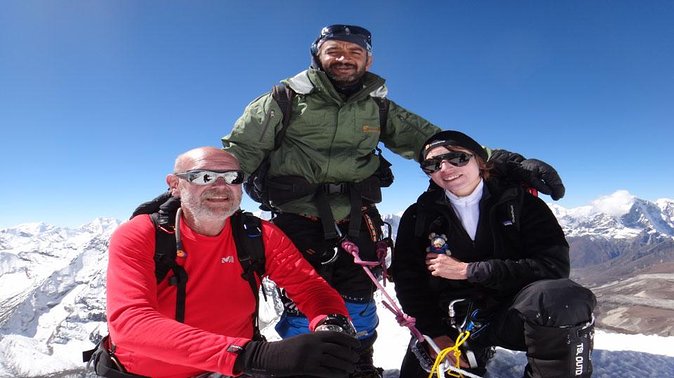
The real prize here is not just reaching Everest Base Camp. It is the gradual walk through Sherpa villages, prayer wheels, monasteries, pine forests, and high mountain passes before you reach the foot of the world’s highest peak. The sunrise climb to Kala Patthar, at 5,545 meters, gives you the clearest mountain views of the trip.
I like the sensible acclimatization days in Namche Bazaar and Dingboche, and I like that the price includes flights, permits, lodge rooms, meals, and a porter shared by two trekkers. The guides also handle the practical work, which matters when you are cold, tired, and short of breath. Guide Krishna is singled out for keeping a winter trip running smoothly.
The main consideration is altitude. This is a serious high-altitude trek, not a long country walk, and the cold can be severe in winter. The price is also non-refundable, and Lukla flights can be delayed by mountain weather, even though an extra day is built into the schedule.
Key Points Before You Book
- Kala Patthar reaches 5,545 meters, higher than Everest Base Camp and the best place on this route for sunrise views.
- Two acclimatization days break up the climb, with time in Namche Bazaar and Dingboche.
- The $1,800 price includes major trek costs, including domestic flights, permits, meals, lodge accommodation, and basic equipment.
- A porter is shared between two trekkers, so you should pack with weight limits and shared carrying in mind.
- The group is limited to 12 people, small enough for a more personal guided trek without requiring a private departure.
- A buffer day in Kathmandu helps protect against delayed Lukla flights, but it does not remove the risk of disruption.
What the Everest Base Camp Trek Actually Feels Like
You begin at Tribhuvan International Airport in Kathmandu, where a representative meets you and transfers you to a hotel. The first evening is deliberately quiet. You can rest after your international flight, meet the guide, and attend a short briefing before the walking starts.
That gentle beginning is useful. The next morning starts early with a flight to Lukla, a small mountain airport and the usual gateway for this route. The flight itself offers Himalayan views, but the trip depends on weather, so patience is part of the deal from day one.
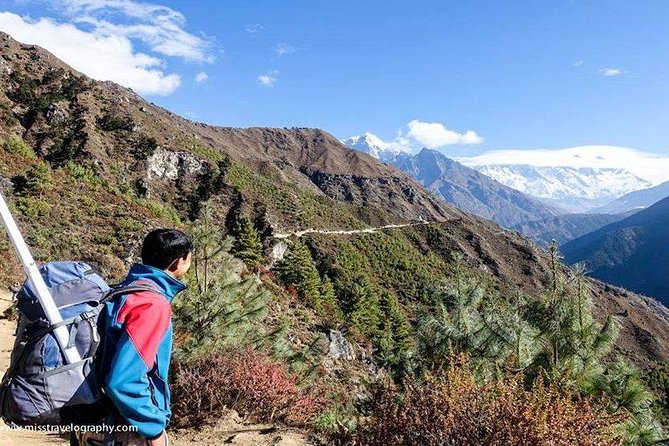
From Lukla, the trail leads toward Phakding through Sherpa villages. You descend at first, passing mani walls, prayer wheels, and mountain scenery that quickly feels very different from Kathmandu. This opening walk takes about three hours, making it a manageable first day on foot.
The route then follows the Dudh Koshi River toward Namche Bazaar. You cross suspension bridges decorated with prayer flags and walk through pine forests before entering Sagarmatha National Park. This is a six-hour day, and it marks a clear change from a casual introduction to a proper mountain trek.
More Everest Base Camp Treks in Kathmandu
- Everest Base Camp Trek – 14 Days
★ 5.0 · 1,499 reviews - Everest Base Camp Trek
★ 5.0 · 842 reviews - Everest Base Camp Trekking
★ 5.0 · 485 reviews
Namche Bazaar: The First Big Test at 3,440 Meters
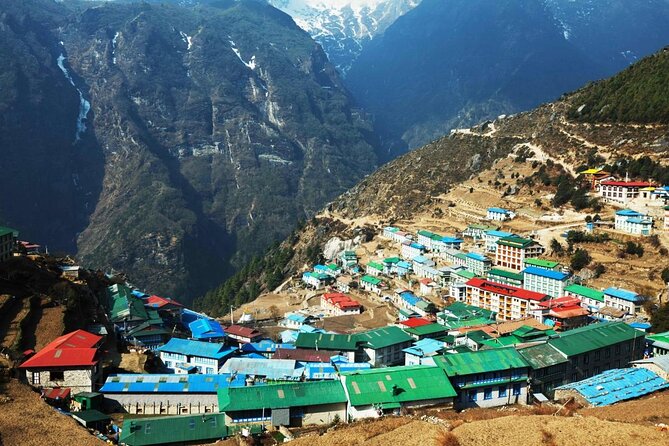
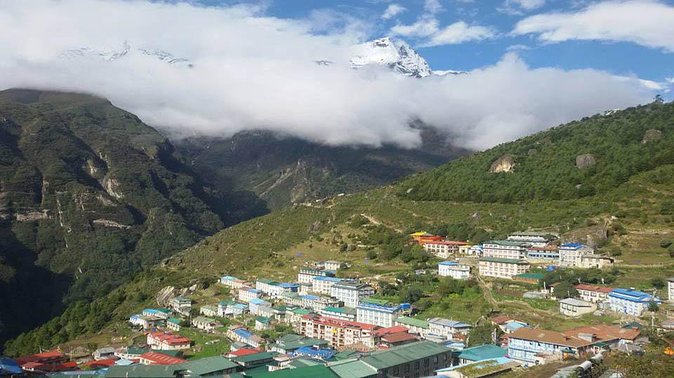
Namche Bazaar is the most important early stop. It is a lively Sherpa trading town set among steep mountain slopes, and it gives you your first proper chance to slow down and adjust to altitude.
The schedule includes a full acclimatization day here. You can explore the market, visit local bakeries, see the Sherpa Museum, or take a short hike toward the Everest View Hotel or Khumjung village. These outings are not wasted time. They help your body adjust while giving you a better feel for local life than a rushed overnight stop would.
The walk out of Namche is another six-hour day, with views of Everest, Lhotse, and Ama Dablam. The trail passes through rhododendron and pine forest, descends to the Dudh Koshi, and crosses a suspension bridge before climbing toward Tengboche.
Tengboche is known for its monastery and dramatic mountain setting. The stop gives the trek a welcome cultural layer. You are not simply walking from lodge to lodge. You are passing through villages where Buddhist prayer flags, mani stones, and monasteries remain part of daily life.
Dingboche and the Value of a Second Rest Day
The next stage leads through Debuche and across the Imja Khola River before reaching Pangboche, described as the highest permanent settlement in the region. The trail continues upward to Dingboche, with views toward Ama Dablam and the surrounding peaks.
Dingboche sits high enough for altitude to become a serious concern. That is why the second acclimatization day is one of the strongest parts of this schedule. The planned hike to Nagarjun Hill reaches about 5,100 meters and gives you views toward Makalu, Lhotse, and Island Peak.
You return to Dingboche for lunch and a slower afternoon. At this height, rest is practical rather than lazy. You may feel the thinner air in simple tasks, and the extra day gives your body more time to respond before the trail climbs higher.
The physical demands remain moderate in the sense that you are walking on a marked trekking route rather than climbing technical rock or ice. Still, the altitude makes every uphill section harder. A trekker with a reasonable fitness level should prepare for long walking days, steady climbs, and reduced energy at the top of the route.
Lobuche and the Memorial Ridge
From Dingboche, the route becomes rockier and the plant life thins out. You pass Dughla, then climb toward a memorial ridge dedicated to climbers who died on Everest and other Himalayan peaks.
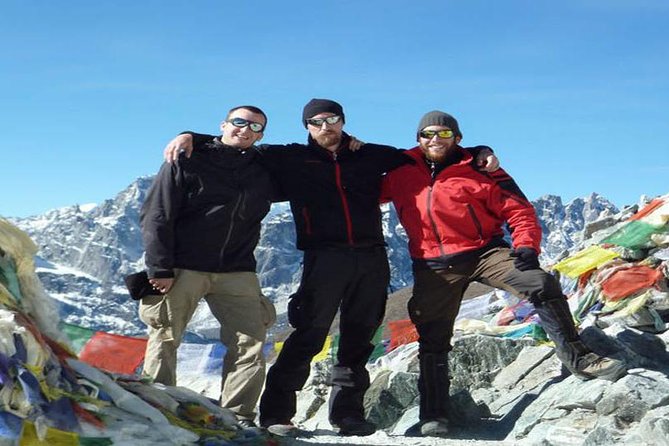
This is one of the most sobering sections of the walk. The memorials give you a direct reminder that the mountains are beautiful but not harmless. It is a quieter part of the route, and you should not expect the easy village scenery of the lower valleys.
The day ends at Lobuche after about five hours. Lodge accommodation is included throughout the trekking portion, but comfort becomes simpler as you gain altitude. The package provides sleeping bags and duffel bags, which reduces the amount of equipment you need to bring from home.
More Trekking Tours in Kathmandu
- Annapurna Circuit Trek with Tilicho Lake
★ 5.0 · 368 reviews - Everest Base Camp Trekking – 13 Day
★ 5.0 · 365 reviews - Everest Base Camp Trek
★ 5.0 · 350 reviews - Everest Base Camp Trek -14 Days
★ 5.0 · 321 reviews
Everest Base Camp at 5,364 Meters
The walk from Lobuche to Gorak Shep takes you into the highest part of the route. You reach Gorak Shep gradually, then continue after lunch over rocky ground and glacier moraines to Everest Base Camp.
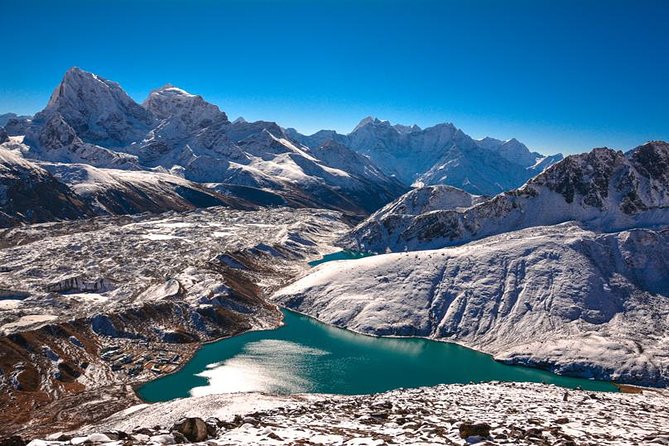
The trek to Base Camp takes about seven hours in total. The destination is famous, but the setting is more rugged than many first-time trekkers expect. This is a high, rocky area beside the Khumbu Glacier, not a polished viewpoint with a simple road or visitor center.
Base Camp itself is a major personal milestone, even though the summit of Everest may not be visible from the best angle. The surrounding peaks, ice, moraine, and the sense of standing at the start of a world-famous climbing route make the walk worthwhile.
You return to Gorak Shep for the night. This is likely to be one of the hardest evenings of the trip because of altitude, cold, and the length of the day. Keep your expectations realistic. At this point, the goal is not luxury. It is a warm meal, a safe bed, and enough rest for the early morning climb.
Kala Patthar at Sunrise
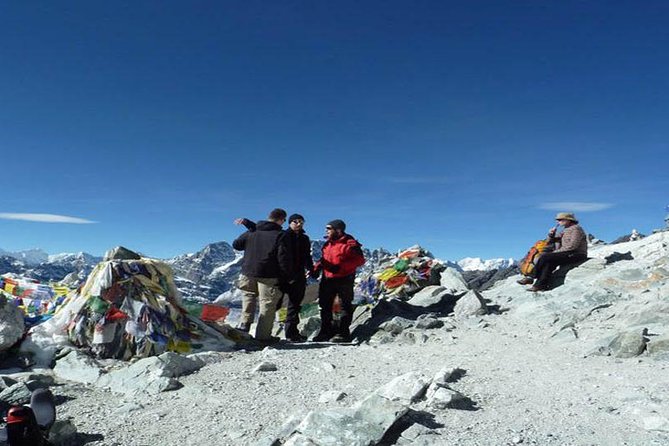
The next morning starts early with the climb to Kala Patthar, at 5,545 meters. This is the highest point on the trip and, for many people, the most rewarding viewpoint.
The climb is steep and the thin air makes it feel harder than the distance suggests. The payoff is sunrise over Everest and the surrounding Himalayan giants. The schedule then takes you back to Gorak Shep for breakfast before descending toward Pheriche.
It is worth understanding the difference between Base Camp and Kala Patthar. Base Camp is the famous destination, but Kala Patthar generally provides the stronger broad mountain view. If you care most about seeing Everest clearly, this sunrise hike is the part to focus on.
After the morning effort, the descent feels easier but can still be tiring. You continue down to Pheriche, then retrace the route through Pangboche and Tengboche toward Namche Bazaar. The seven-hour walking day offers new views of familiar peaks because the direction and light have changed.
The Return to Lukla and the Flight Risk
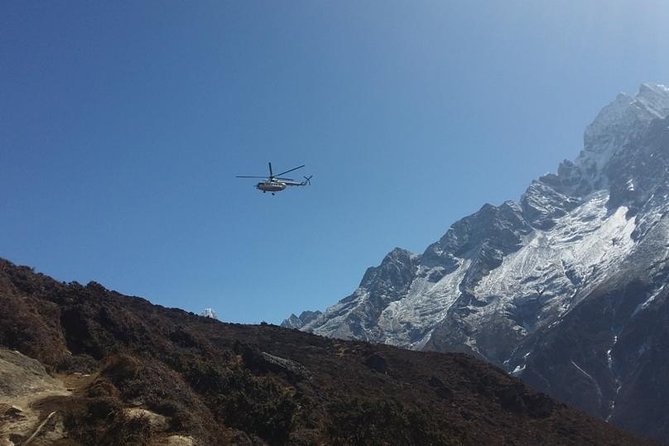
The route back to Lukla takes two more long walking days. You descend through pine forest, cross suspension bridges, and pass again through the villages that introduced you to the Khumbu region.
The final trekking day lasts about seven hours and ends in Lukla. This is a good moment to reflect on the people who supported the trip, including your guide, porter, lodge staff, and the local communities along the route.
The next morning, you fly from Lukla to Kathmandu. The flight takes about 45 minutes, but the short flying time should not be confused with a guaranteed schedule. Weather in the mountains can delay or cancel flights.
That is why Day 14 is held as a buffer. If your flight runs on time, you have a free day in Kathmandu. If weather causes a delay, the extra day may help you catch up without missing your international departure. It is a useful safeguard, though you should still avoid booking a tight onward connection.
What the $1,800 Price Covers
At $1,800 per person, this package includes many of the large costs that can make an Everest trek add up quickly. You receive three nights in a Kathmandu hotel and 11 nights in trekking lodges, along with Kathmandu to Lukla and return flights.
During the trek, breakfast, lunch, and dinner are included. The listed inclusions also specify 14 breakfasts, 11 lunches, and 12 dinners, which reflects the full schedule and the different hotel and trekking days.
Permits, Sagarmatha Conservation fees, ground transportation, a sleeping bag, a duffel bag, and walking poles are included. A porter is provided for every two trekkers, so you do not need to carry every item yourself.
I consider that a reasonable value for a guided 15-day trek, especially because domestic mountain flights and permits are included. You still need to budget for international airfare, a Nepal visa, personal travel insurance, and tips for the guide and porter.
The shared porter arrangement is worth noting. Pack carefully and expect to share carrying support rather than having one porter assigned solely to you. The maximum group size is 12, which gives the guide a manageable group while keeping the cost below a private trek.
Food, Lodges, and Basic Equipment
Meals are included three times a day during the trek. The food is described simply as hearty, which is exactly what you need after long days at altitude. You should not book this expecting a restaurant tour or elaborate dining. The value is having regular meals arranged along a remote route.
The lodges provide the main overnight accommodation. Conditions become more basic as you climb, and the included sleeping bag is useful in cold rooms. Winter can be especially harsh. One winter trek was described as extremely cold, with the guide handling the practical details well, so bring proper cold-weather clothing rather than relying only on the supplied sleeping bag.
The package also includes a duffel bag and walking pole. Those items reduce your packing burden, but you are still responsible for personal clothing, insurance, medication, and other essentials.
The Guide, Group Size, and Support
This is a guided trek, not an independent route with only hotel bookings. That matters on a trail where altitude, weather, flight delays, and changing conditions can affect the day.
Guide Krishna is specifically praised for handling a winter trek so the trekker could focus on walking while the guide managed the rest. Babu is also associated with the operating team, though the provided information does not state that he leads every departure.
The group limit of 12 is a useful middle ground. You get the social side of a group trek without the scale of a large coach tour. The guide can also keep a closer eye on the group during long days and acclimatization walks.
You should still ask direct questions before paying: who will lead your departure, how the porter load is divided, and what happens if someone needs to descend because of altitude problems. The published information confirms guided support, but it does not spell out every emergency procedure.
Who Should Book This Trek?
I would choose this trip if you want the classic Everest route with the main logistics bundled together. It suits someone with moderate fitness who can handle repeated five to seven-hour walking days and understands that high altitude can affect anyone, regardless of fitness.
It is also a good fit if you value local contact. The route passes through Sherpa villages, monasteries, markets, and the Sagarmatha National Park rather than taking you straight to Base Camp with little cultural context.
I would hesitate if you dislike cold, basic lodge accommodation, early starts, or uncertain flight schedules. Winter adds a serious cold-weather challenge, and the highest days can be uncomfortable even when the weather is clear.
The non-refundable policy also deserves attention. You should have your dates, insurance, and international flights in good order before booking, since cancellations or amendments do not result in a refund.
Should You Book the Everest Base Camp Trek?
Book it if the combination of a classic Everest route, included logistics, and two acclimatization days matches what you want. The schedule is well paced on paper, with time in Namche and Dingboche before the demanding days at Lobuche, Gorak Shep, Base Camp, and Kala Patthar.
The strongest reason to choose it is convenience without removing the real work. You still walk through the Himalayas under your own power, but flights, permits, meals, lodges, equipment, and porter support are arranged.
Skip it if you want a soft adventure or a flexible cancellation policy. This is a demanding high-altitude trek with cold conditions and possible flight delays. For a prepared trekker who accepts those limits, the $1,800 package offers a practical way to reach Everest Base Camp and stand above it at sunrise on Kala Patthar.
FAQ
How long is the Everest Base Camp Trek?
The trek lasts approximately 15 days, including arrival and departure in Kathmandu, trekking days, acclimatization days, domestic flights, and a buffer day.
What is the highest point on the trek?
The highest point is Kala Patthar, at 5,545 meters. Everest Base Camp itself is at 5,364 meters.
Are meals included?
Yes. Breakfast, lunch, and dinner are included during the trekking portion. The listed schedule includes 14 breakfasts, 11 lunches, and 12 dinners.
Are the Kathmandu to Lukla flights included?
Yes. The package includes the flight from Kathmandu to Lukla and the return flight from Lukla to Kathmandu.
Is accommodation included?
Yes. The package includes three nights at a Kathmandu hotel and 11 nights in trekking lodges.
Is a porter included?
Yes. A porter is provided for every two trekkers, so porter support is shared rather than assigned to one person.
What is not included in the price?
International airfare, the Nepal visa fee, personal travel insurance, and tips for the guide and porter are not included.
Latest treks added in Kathmandu
- Private Manaslu Circuit Trek at Himalayas★ 5.0 · 3 reviews
- Ghorepani Poonhill Trek★ 5.0 · 5 reviews
- Ghorepani Poon Hill Trek★ 5.0 · 16 reviews
- Amazing 1 Day Trekking Experience in Kathmandu Nepal★ 5.0 · 24 reviews
- Upper Mustang Trekking★ 5.0 · 2 reviews
- Upper Mustang Trekking★ 3.0 · 2 reviews
- Upper Mustang Trek★ 5.0 · 5 reviews
- Upper Mustang Trekking★ 5.0 · 4 reviews
Everest Base Camp Treks, compared.






Browse the lists this tour appears in