
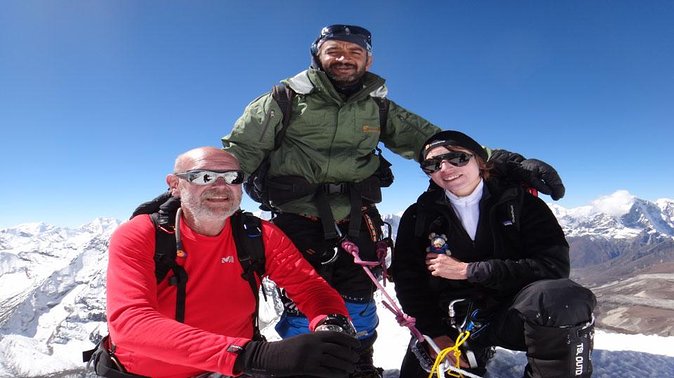
REVIEW · KATHMANDU
Everest Base Camp Trek
The best part of this 12-day Everest Base Camp Trek is its steady climb from river valleys and pine forests to the stark, high world around Gorakshep, Everest Base Camp, and Kala Patthar. I like the built-in acclimatization day in Namche Bazaar, and I like that meals, teahouse rooms, a guide, and porter support are included. The main catch is the pace: the final days reach more than 5,000 meters, so this is a serious trek, not a scenic stroll.
I also like the cultural side. You pass Buddhist monasteries, suspension bridges, Sherpa villages, and the important Tengboche monastery rather than simply marching toward a famous viewpoint. The $2,500 price offers useful support, but you still need to budget for Nepal entry, international flights, insurance, showers, charging, bottled water, laundry, drinks, and tips.
Key points to know before you book
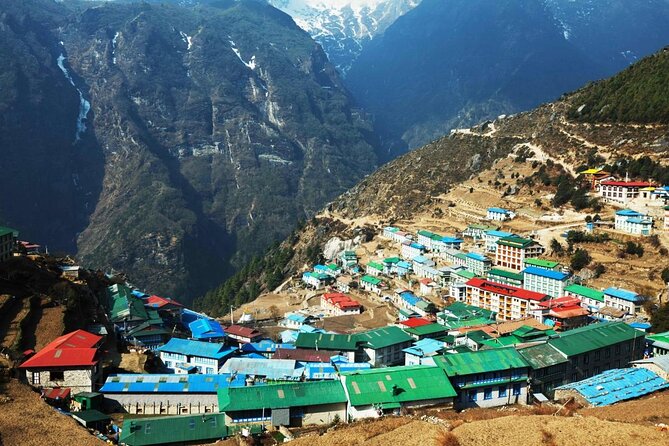
- Kala Patthar is the main viewpoint: The early climb gives you the clearest planned panorama of Mount Everest and the surrounding peaks.
- Lukla starts the real adventure: The 25-minute flight from Kathmandu leads directly into the Khumbu trekking route, followed by a three-hour walk to Phakding.
- Namche includes an acclimatization day: You can explore the market town, Everest View Point, nearby peaks, and the Sagarmatha National Park museum.
- Support is built into the price: You receive a professional guide, one porter for every two trekkers, meals, teahouse lodging, permits and local taxes.
- The high point is demanding: Gorakshep reaches 5,150 meters, Everest Base Camp 5,364 meters, and Kala Patthar provides the major sunrise-style viewpoint.
- This is a private trip: Only your own group participates, which gives the schedule a more personal feel than a large group departure.
What the $2,500 price really covers
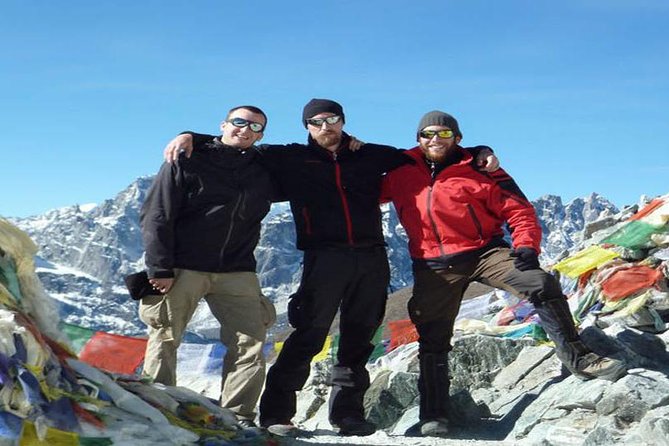
At $2,500, this trek is priced as a supported Himalayan journey rather than a bare-bones walking holiday. Your package includes airport transfers in private vehicles for both international and domestic flights, transport listed in the schedule, teahouse accommodation, three meals a day during the trek, and hot soup at higher elevations.
You also receive a professional guide and porter support at a ratio of one porter for two trekkers. That matters on a route where carrying every layer, sleeping item, and personal supply yourself can make the long uphill days much harder. Guide and porter insurance, government and local taxes, a trekking map, a company T-shirt, a completion certificate, and a farewell dinner in Kathmandu are included as well.
The exclusions deserve equal attention. Nepal’s visa, flights to and from Kathmandu, your own travel and rescue insurance, hot showers, battery charging, bar bills, laundry, water, personal purchases, and tips are not included. Extra Kathmandu accommodation outside the stated plan is also excluded.
One point needs checking before payment: the final-day description says a company representative will take you to a hotel after the Lukla flight, and that you can freshen up and visit Thamel. Yet the inclusions do not clearly list Kathmandu hotel nights. Ask exactly which night or nights in Kathmandu are covered.
More Everest Base Camp Treks in Kathmandu
- Everest Base Camp Trek – 14 Days
★ 5.0 · 1,499 reviews - Everest Base Camp Trek
★ 5.0 · 842 reviews - Everest Base Camp Trekking
★ 5.0 · 485 reviews
Day 1: Kathmandu to Lukla, then Phakding
The day begins early, with a stated meeting time of 5:15 am at Tribhuvan Airport. The 25-minute flight to Lukla is not just a transfer. It places you almost immediately in the Everest region, where the trek begins at a much higher starting point than a normal valley walk.
After landing, you have some time to take in the surroundings before walking for about three hours to Phakding at 2,650 meters. The route passes forests, Buddhist monasteries, and local settlements. If visibility cooperates, Kanguru Peak, at 6,367 meters, may appear along the way.
Phakding is a sensible first night because the walking day is fairly short compared with what follows. Still, the early airport start and flight make this a full day. Keep essentials in your day bag, including water, warm layers, and anything you need before your main luggage arrives at the teahouse.
Day 2: Phakding to Namche Bazaar
The six-hour walk to Namche Bazaar follows rivers, waterfalls, villages, and suspension bridges. You stop for lunch around Monje or Jorsalle, then continue toward the main Sherpa market town of the Khumbu.
Namche sits at 3,440 meters, so this day brings a clear jump in altitude. The route is rewarding, but the final approach can feel long after the easier first section. Near Namche, the trail reaches Top Danda, where you may get an early view of Mount Everest.
Namche is more than a place to sleep. It is the practical center of the route, with shops and places to buy souvenirs. Your included accommodation is in teahouses, so expect simple mountain lodging rather than hotel-style rooms. The value is in location, meals, and basic shelter close to the trail.
Day 3: A useful acclimatization day in Namche
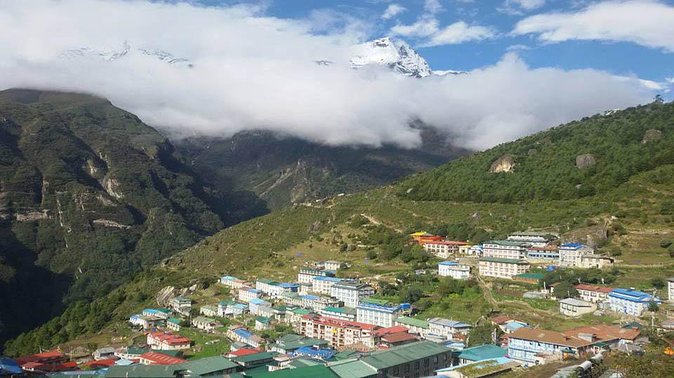
This rest day is one of the strongest parts of the schedule. You do not simply lose a day. You give your body time to adjust before the route climbs toward Tengboche, Dingboche, and the high camps.
The suggested outings include Kusum Kanguru, Taboche Peak, Khonde Peak, and Everest View Point. You can also visit the Sagarmatha National Park museum and browse Namche’s shops. The exact activity level should match how you feel. A short outing is useful, while trying to turn the day into a major hike may leave you tired before the harder section.
I particularly like that this pause comes early, before the route reaches the highest villages. A 12-day schedule is fairly compact, so this rest day is important rather than decorative.
More Trekking Tours in Kathmandu
- Annapurna Circuit Trek with Tilicho Lake
★ 5.0 · 368 reviews - Everest Base Camp Trekking – 13 Day
★ 5.0 · 365 reviews - Everest Base Camp Trek
★ 5.0 · 350 reviews - Everest Base Camp Trek -14 Days
★ 5.0 · 321 reviews
Day 4: Namche Bazaar to Tengboche
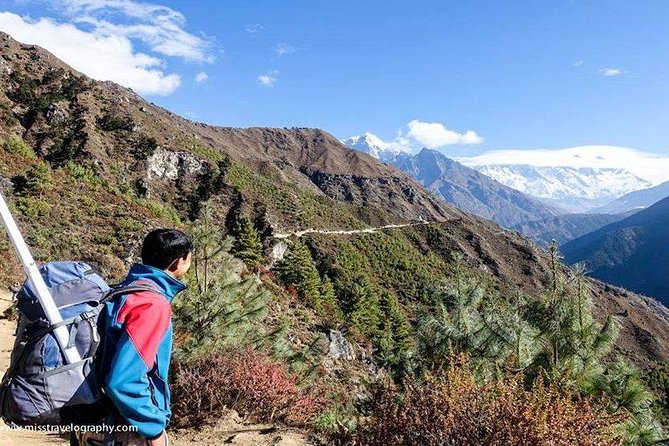
The five-hour route to Tengboche crosses rhododendron forest and follows rivers along the trail. At 3,860 meters, Tengboche marks a shift toward higher, more open country.
The main attraction here is Tengboche Monastery. You have the chance to see monks and local religious traditions still active in daily life. That cultural stop gives the trek more depth than a peak-counting exercise. You are walking through a living mountain region, not just toward a famous photograph.
The day is moderate by trekking standards, but the altitude continues to rise. Take the descent and climb at a steady pace. The schedule leaves the night in Tengboche, giving you time to appreciate the monastery area instead of rushing through it.
Day 5: Tengboche to Dingboche
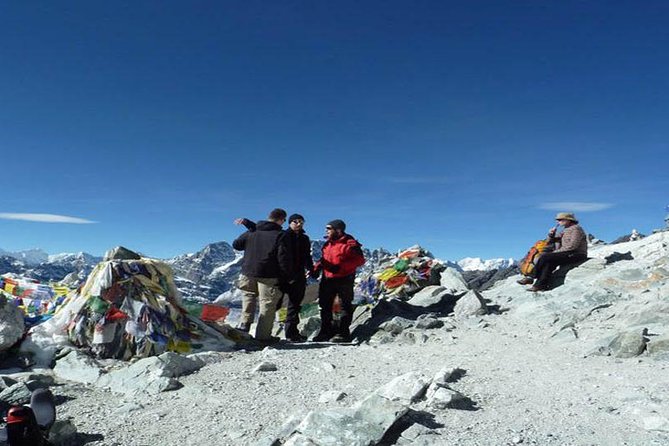
The five-hour walk to Dingboche reaches 4,400 meters. Breakfast is planned at Tengboche, with lunch around Pangboche or Somare, and dinner in Dingboche.
The route brings more high mountain views, but the rising altitude becomes the main story. Dingboche is a key overnight stop because it places you within reach of the high section while avoiding an enormous single-day climb from Tengboche.
The schedule does not list a separate acclimatization day in Dingboche. That makes it important to be honest about your condition and to follow your guide’s advice. You might find this day comfortable, or you may feel the thinner air more clearly than you did in Namche.
Day 6: Dingboche to Lobuche
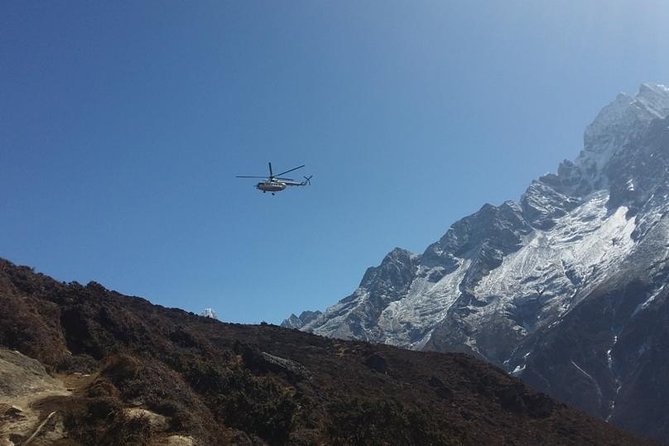
The supplied schedule gives about four to five hours for this section, so expect some flexibility. Lobuche sits at 4,910 meters, close to the height where cold, wind, and altitude can shape the whole day.
The route offers views of Nuptse, Island Peak, Lobuche Peak, and Taboche Peak. These names become more than markers on a map as the peaks appear around you and the vegetation becomes less prominent.
This is a short walking day in hours, but not necessarily an easy one. At nearly 5,000 meters, a gradual pace matters more than speed. Keep your water and warm layers close, and use the hot soup included at high places as a welcome break rather than an afterthought.
Day 7: Lobuche to Gorakshep and Everest Base Camp
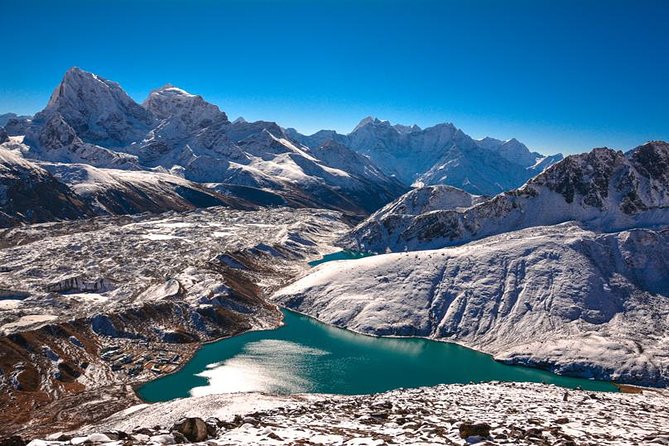
This is the emotional center of the trek. From Lobuche, you walk for about three and a half hours to Gorakshep, at 5,150 meters, over a steep route with views of the Khumbu Glacier, Kala Patthar, and Everest.
After lunch at Gorakshep, you continue across a small glacier and past a lake to Everest Base Camp, at 5,364 meters. You then return to Gorakshep for the night. The walk to Base Camp is a major achievement, but it is worth understanding what the destination is and is not.
You reach the famous base camp area, but this schedule does not promise a climbing expedition atmosphere or a permanent camp display. The reward is the route, the glacier, the surrounding peaks, and the fact that you have walked into one of the world’s best-known high-altitude locations.
The round trip from Gorakshep adds strain after the morning approach. Follow the guide’s pace and save energy for the return. At this height, even a relatively short path can feel demanding.
Day 8: Kala Patthar, then Lobuche
The early climb to Kala Patthar is planned to take about three hours. This is the key viewing point of the trek, with the best stated vistas of Everest and the surrounding peaks.
You descend to Gorakshep for breakfast, then continue down to Lobuche, a further two and a half hours. The order makes sense. You tackle Kala Patthar when the air and light are most likely to make the mountain views worthwhile, then give your legs a long descent.
This is often the day when the scale of the Khumbu becomes clearest. Everest Base Camp gives you a destination, but Kala Patthar gives you the broad view. If photography matters to you, protect your phone or camera battery, since charging is not included and may cost extra at the teahouses.
Day 9: Lobuche to Tengboche
The five-and-a-half-hour return to Tengboche is easier on the lungs than the climb up, but downhill walking can be tough on knees. Planned lunch stops include Pangboche and Deboche.
You pass monasteries, stupas, bridges, and rivers as the route returns to lower country. The scenery changes again, and the return walk lets you notice details that may have passed quickly during the uphill days.
Tengboche makes a pleasant overnight stop because it reconnects the high-altitude section with the cultural heart of the route. If you missed a quiet moment at the monastery on the way up, this is another chance to take your time.
Day 10: Tengboche to Monjo through Namche
The walk to Monjo takes about six hours. You begin through rhododendron forest, stop for lunch in Namche Bazaar, then continue through Jorsalle.
This is a useful reversal of the earlier route. You see Namche after reaching the high country, and the town’s shops can provide a final opportunity for souvenirs before the trek ends. The path is still active and varied, with forests, villages, and river crossings.
Monjo is the overnight stop rather than Lukla, keeping the next day to roughly five hours. That choice gives the schedule a little breathing room before the flight out.
Day 11: Monjo to Lukla
The final walking day follows a descending route toward Phakding, crosses the Dudh Koshi River on a suspension bridge, and continues alongside the river before reaching Lukla. The total walking time is about five hours.
After the high passes and glacier views, this may feel like a gentler finish. It is still a real trekking day, so do not treat the final stretch as a quick transfer. You spend the night in Lukla, ready for the return flight.
Day 12: Lukla to Kathmandu
The flight back to Kathmandu takes about 25 minutes. A company representative is scheduled to escort you by private car after arrival, and the plan allows time to refresh and explore Thamel.
That extra city time is a nice way to end a demanding mountain trip. As noted earlier, clarify the hotel arrangement because the day description refers to a hotel, while the package details do not clearly state that all Kathmandu accommodation is included.
Meals, rooms, porters, and practical comfort
Three meals a day are included during the trek, along with hot soup in the high areas. The exact dishes are not specified, so you should expect the practical food service typical of a trekking route rather than a restaurant menu designed for choice and luxury.
Teahouse accommodation keeps the trek rooted in the local route network. Rooms are a functional place to sleep between walking days. Hot showers, battery charging, laundry, water, and bar bills cost extra, so carry enough personal funds and plan your spending.
The porter ratio is one porter for every two trekkers. Pack with that limit in mind and confirm the baggage allowance and weight rules before departure. Your guide is central to pacing, route decisions, and day-to-day support. The provider has used guides named Ajay and Jangbu on its Himalayan trips, but confirm who is assigned to your group.
Who should book this trek
This trip suits you if you have moderate physical fitness, can walk for four to six hours on mountain trails, and are comfortable with basic teahouse accommodation. You should also be prepared for a 5,364-meter destination and a 5,545-meter-class viewpoint experience at Kala Patthar, even though the listed elevation for Kala Patthar itself is not provided.
It is a good choice if you want a private group, local cultural stops, porter support, and a structured plan from airport pickup through the return to Kathmandu. It is less suitable if you want a slow schedule, luxury rooms, or generous spare days for delays and rest.
The cancellation terms are straightforward: cancellation at least 24 hours before the local start time qualifies for a full refund. Changes or cancellations inside that window are not accepted for a refund.
Should you book the Everest Base Camp Trek?
Book it if reaching Everest Base Camp and seeing Everest from Kala Patthar are priorities, and you value having transport, meals, porters, a guide, and taxes arranged together. The Namche acclimatization day and private-group format add real value to the $2,500 cost.
Before committing, ask three practical questions: which Kathmandu hotel nights are included, who will guide your group, and what luggage limits apply to the porter service. If the answers are clear and you are ready for high-altitude walking, this is a strong, well-supported route to one of the world’s great trekking destinations.
FAQ
How long does the Everest Base Camp Trek take?
The trek takes approximately 12 days, beginning and ending in Kathmandu.
Where does the trek begin?
The scheduled meeting point is Tribhuvan Airport in Kathmandu, with a stated start time of 5:15 am.
Is airport pickup included?
Yes. Private airport pickup and drop-off are included for both international and domestic flights.
How do you reach the trekking route?
You fly from Kathmandu to Lukla in about 25 minutes, then walk for roughly three hours to Phakding on the first day.
Is accommodation included?
Yes. Teahouse accommodation during the trek is included. Extra Kathmandu accommodation outside the stated plan is not included.
Are meals included?
Three meals a day during the trek are included, along with hot soup in the high areas.
Is a guide and porter included?
Yes. A professional guide is included, along with porter service at a ratio of two trekkers for one porter.
What fitness level is required?
The activity states that you should have a moderate physical fitness level. The schedule includes walking days of about four to six hours and reaches Everest Base Camp at 5,364 meters.
What is not included in the $2,500 price?
Nepal visa costs, international flights, personal travel and rescue insurance, hot showers, battery charging, bar bills, laundry, water, extra Kathmandu nights outside the itinerary, and tips are not included.
Latest treks added in Kathmandu
- Ghorepani Poonhill Trek★ 5.0 · 5 reviews
- Ghorepani Poon Hill Trek★ 5.0 · 16 reviews
- Private Manaslu Circuit Trek at Himalayas★ 5.0 · 3 reviews
- Upper Mustang Trekking★ 3.0 · 2 reviews
- Amazing 1 Day Trekking Experience in Kathmandu Nepal★ 5.0 · 24 reviews
- Upper Mustang Trekking★ 5.0 · 2 reviews
- Upper Mustang Trek★ 5.0 · 5 reviews
- Upper Mustang Trekking★ 5.0 · 4 reviews
Everest Base Camp Treks, compared.






Browse the lists this tour appears in