
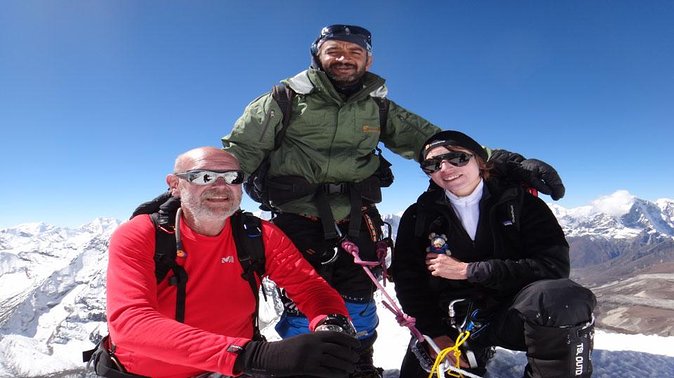
REVIEW · KATHMANDU
Everest Base Camp Trek
The big draw here is the chance to reach Everest Base Camp on foot while moving through Sherpa villages, Buddhist monasteries, pine and fir forests, rocky trails, and high Himalayan scenery. I like the two planned acclimatization days, and I like that the package includes the Lukla flights, lodges, meals, permits, and guide expenses. The main caution is the physical demand: 12 days at altitude is no casual sightseeing trip.
I also like the practical support before and during the trek. Hari, Ongchhu, and Nima are named among the team, and one guest described a nearly two-hour pre-trip meeting to work through a checklist and questions. The drawback is that Kathmandu hotels and meals are extra, drinks are not included, and weather can affect the flight schedule.
Key points to know before booking
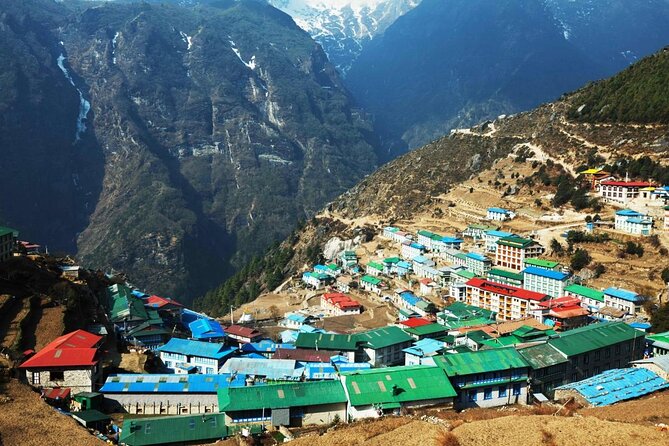
- Two acclimatization days: You spend a full day in both Namche Bazaar and Dingboche instead of pushing upward every day.
- Lukla flights included: The round-trip Kathmandu to Lukla airfare is part of the $1,390 price.
- A proper Base Camp day: Day 8 takes you from Lobuche through Gorakshep to Everest Base Camp and back to Gorakshep.
- Kala Patthar viewpoint: The following morning adds a high viewpoint before the route turns back toward Pheriche.
- Full trek support: Lodging, three daily meals, guide expenses, permits, taxes, and airport transfers are covered.
- Private group format: Only your own group participates, rather than joining a large shared departure.
Why this 12-day Everest route works
This trek gives you the classic Everest approach in a compact format. You begin in Kathmandu, fly to Lukla, and walk through a chain of mountain settlements until Everest Base Camp comes into view. The route then returns by foot to Lukla before the flight back to Kathmandu.
I like the rhythm of the plan. It does not treat the Himalayas as a quick march to a photo stop. You get time in Namche Bazaar and Dingboche to adjust to altitude, and those pauses matter. At high elevation, a rest day is not wasted time. It gives your body a chance to respond before the trail climbs again.
The route also offers more than mountain scenery. You pass chortens, mani walls, prayer flags, Buddhist monasteries, Sherpa settlements, river falls, forests, glaciers, and rocky high-country paths. The cultural details help break up the long walking days and give the trip a stronger sense of place.
Still, you should be honest about the effort involved. The package asks for a moderate level of physical fitness, but the word moderate can feel optimistic once the altitude, cold, uneven trail, and repeated walking days combine. You should be comfortable with a demanding trek before booking.
More Everest Base Camp Treks in Kathmandu
- Everest Base Camp Trek – 14 Days
★ 5.0 · 1,499 reviews - Everest Base Camp Trek
★ 5.0 · 842 reviews - Everest Base Camp Trekking
★ 5.0 · 485 reviews
Day 1: Kathmandu to Lukla, then Phakding
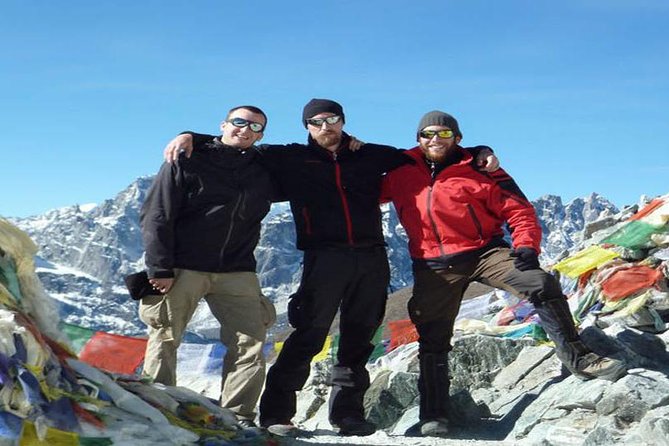
The trip begins early, with a 6:00 am start at Tribhuvan Airport in Kathmandu. You fly to Lukla and then walk onward to Phakding.
This opening day quickly changes the mood of the trip. Kathmandu is a busy city, while Lukla places you directly on the mountain route. From there, the walk to Phakding introduces the pace of the trek without immediately committing you to the highest elevations.
The short first walking stage is useful because you can settle into your boots, pack, guide arrangements, and daily routine. You will also begin seeing the elements that shape the route: forest, rivers, stone paths, and mountain villages.
The flight is an important practical detail. It is included in the price both ways, but the experience operates in all weather conditions, so you should dress properly and be ready for changes caused by mountain weather. The schedule gives you a clear plan, but Himalayan conditions can be less predictable than a city tour.
Day 2: Phakding to Namche Bazaar
The second day takes you from Phakding to Namche Bazaar, one of the best-known settlements on the Everest route.
Namche is more than a place to sleep. It is the main stopping point before the trail reaches higher country, and it gives you a strong sense of the region’s Sherpa culture. After the quieter opening section, the arrival here feels like a shift into the heart of the trek.
You should expect this to be a serious walking day. The route gains height, and the uneven trail requires steady footing. You may enjoy the forests, river crossings, and mountain views, but you should save energy rather than race toward the next stop.
Namche is also where the itinerary begins to show good altitude planning. Instead of leaving immediately the next morning, you stay for an acclimatization day.
Day 3: Acclimatization in Namche Bazaar
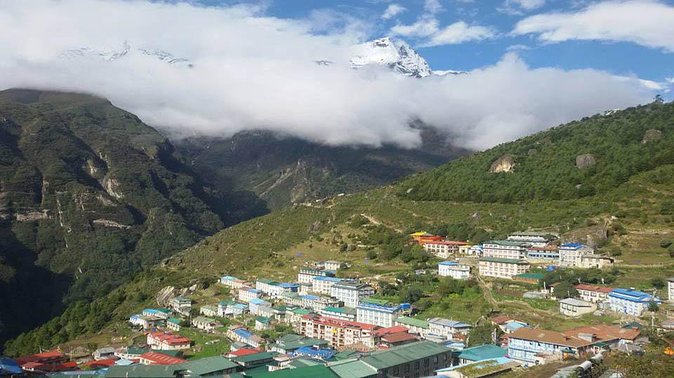
The first acclimatization day gives you time to adjust before the route climbs higher. The schedule does not specify a particular excursion or viewpoint, so you should think of this as a flexible recovery and adjustment day rather than a fixed sightseeing program.
I value this pause. The Everest Base Camp route is not simply about covering distance. You need time to respond to the change in elevation, and a slower day can make the next stages more manageable.
Namche also gives you one of the better chances to enjoy a settlement rather than passing through it quickly. You can take in the local atmosphere, prayer flags, stone buildings, and surrounding mountain views at a calmer pace. The trip includes meals and lodge accommodation, but drinks and personal purchases are your responsibility.
More Trekking Tours in Kathmandu
- Annapurna Circuit Trek with Tilicho Lake
★ 5.0 · 368 reviews - Everest Base Camp Trekking – 13 Day
★ 5.0 · 365 reviews - Everest Base Camp Trek
★ 5.0 · 350 reviews - Everest Base Camp Trek -14 Days
★ 5.0 · 321 reviews
Day 4: Namche Bazaar to Tengboche
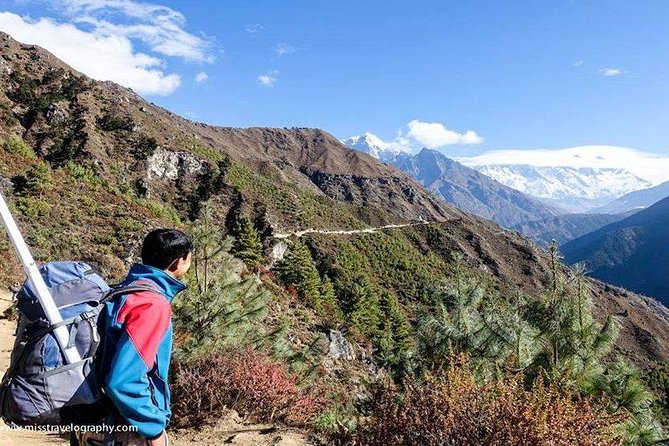
From Namche, you continue to Tengboche, another important stop on the route. The village is known for its Buddhist monastery, and the religious features of the trail become more noticeable here.
Chortens, mani walls, and colorful prayer flags help mark the path. These are not just decorative details. They show how daily life, religion, and the mountain route connect in this part of Nepal.
Tengboche is a good place to slow down mentally, even if the walk itself has been tiring. The monastery and surrounding scenery provide a cultural counterpoint to the physical challenge. You are not only walking toward a famous mountain destination. You are passing through communities with their own traditions and spiritual practices.
The lodge standard is part of the experience. Accommodation is provided in guest houses or lodges, with three meals each day. This is functional mountain lodging, not a luxury hotel stay, so you should value warmth, food, and a place to rest more than comfort beyond the basics.
Day 5: Tengboche to Dingboche
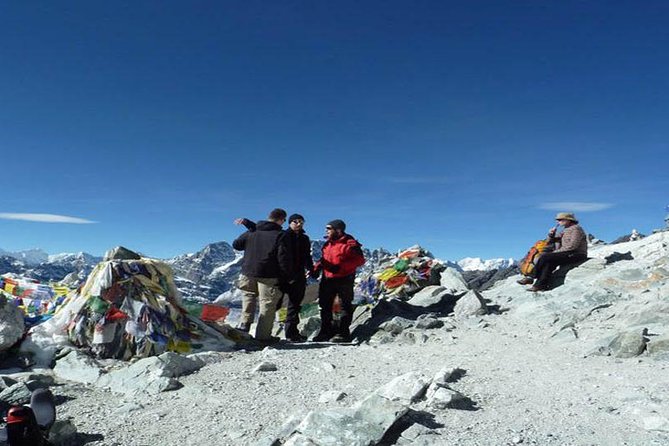
The trek continues from Tengboche to Dingboche, bringing you into a higher and more exposed section of the route.
The scenery changes as the trail leaves more wooded areas behind. You may notice greater emphasis on rock, open mountain views, and cooler conditions. Fir and pine forests remain part of the wider journey, but the route increasingly feels like high-altitude trekking.
Dingboche is an important stop because another full acclimatization day follows. Reaching it is a milestone, but it is also a reminder that the hardest part of the route is approaching.
This is where good pacing matters. I would not plan extra activities around the walking schedule. The package is built around the trek itself, and you should keep your attention on hydration, rest, clothing, and how your body is responding.
Day 6: The second acclimatization day in Dingboche
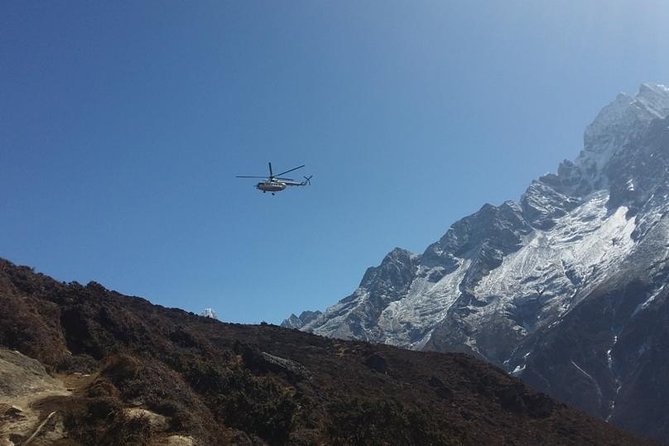
The second acclimatization day is one of the strongest features of this itinerary. Dingboche sits farther along the route, so the pause comes at a useful point before Lobuche, Gorakshep, and Base Camp.
The schedule does not promise a specific hike or attraction for this day. That is worth noting because you should not book expecting a named excursion. The value lies in the extra time at elevation and the chance to prepare for the next walking stages.
You can use the day to rest, organize your gear, and take in the mountain setting. The route’s high country, glaciers, rocky trail, and cold weather become more central from here onward.
I would treat this day as part of the trek’s safety-minded design rather than spare time. A full day without major forward movement can feel slow if you are focused only on reaching Base Camp, but it makes sense for a route that places physical adjustment first.
Day 7: Dingboche to Lobuche
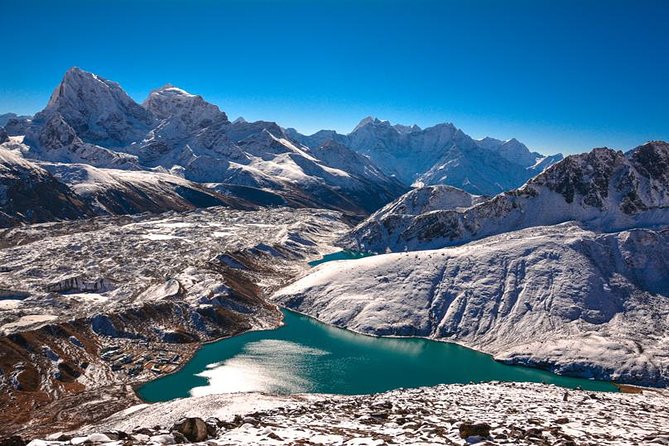
The walk from Dingboche to Lobuche brings you closer to the main goal. By now, the forested parts of the trek are behind you, and the surroundings feel more stark and high.
Lobuche is a staging point for the longest and most anticipated day. You will need to rest well because the next schedule runs from Lobuche to Gorakshep, onward to Everest Base Camp, and back to Gorakshep.
This section is a good test of your preparation. The price covers meals and lodging, but your comfort depends heavily on suitable clothing and personal readiness. The operator advises dressing for all weather conditions, and that advice matters more as the route becomes colder and more exposed.
Day 8: Lobuche to Everest Base Camp via Gorakshep
This is the centerpiece of the trek. You walk from Lobuche to Gorakshep, continue to Everest Base Camp, then return to Gorakshep for the night.
The day is demanding because it combines distance, altitude, and a return over the same general route. Reaching Base Camp is not the end of the day. You still need to walk back to Gorakshep, so the excitement of arrival should not make you careless with energy.
The approach takes you through the high Himalayan setting that attracts people to this trek: rocky ground, glaciers, cold air, and huge mountain views. You also get the satisfaction of arriving under your own power rather than simply traveling to a viewpoint by vehicle.
One practical point deserves emphasis: the itinerary names Everest Base Camp, but it does not promise a particular season, mountain summit view, or fixed weather condition. The experience can change with weather and visibility. The achievement is the route itself, not a guarantee of a perfect postcard.
Day 9: Gorakshep to Kala Patthar, then Pheriche
The next morning begins with a walk from Gorakshep to Kala Patthar, followed by a descent to Pheriche.
Kala Patthar is a major viewpoint on this route, and its placement after Base Camp gives you another high point before the trek turns back. You get a final opportunity to take in the Himalayan setting before descending toward lower villages.
This is still a demanding morning. You have just completed the Base Camp day, and the air remains thin. The move to Pheriche begins the return portion, but you should not confuse descending with easy. Tired legs and uneven ground can make the downward walk surprisingly taxing.
The change in direction can feel welcome. After days of gaining height, descending offers a different rhythm and a clearer sense that the trek is moving toward its finish.
Day 10: Pheriche to Namche Bazaar
The route continues from Pheriche back to Namche Bazaar. This is a long return stage, but it also lets you experience familiar sections from a new direction.
Returning through earlier villages can help you notice details missed during the push upward. You may see more of the river valleys, forests, prayer flags, and settlements that felt less visible when your attention was fixed on altitude and effort.
Namche provides another useful overnight stop before the final walk to Lukla. You are back in a lower, more established settlement, with the most severe high-altitude stages behind you.
Day 11: Namche to Phakding and Lukla
On Day 11, you trek from Namche to Phakding and continue to Lukla.
This is a full walking day near the end of the trip. The route may feel easier because you are descending, but the distance and accumulated fatigue still count. I would keep your pace steady and avoid assuming that the final approach requires no effort.
Lukla is where you prepare for the return flight. Since the flight to Kathmandu is scheduled for the following day, you have a night to finish the walking portion and settle into the final stage of the journey.
Day 12: Lukla to Kathmandu
The final day is the return flight from Lukla to Kathmandu. Airport pickup and drop-off in a private vehicle are included, and the activity ends back at the meeting point.
The transfer arrangement is useful because it removes one common practical task at the beginning and end of a demanding trek. You still need to manage your own Kathmandu hotel and meals, which are not included.
The 12-day duration is approximate, so keep your wider Nepal plans flexible. Weather can affect mountain flights, and the package states that it operates in all weather conditions. That does not mean every flight will run on the original schedule. It means you should pack and plan with mountain conditions in mind.
What the $1,390 price really covers
At $1,390 per person, the value depends on how much support you want bundled into the trek. The price includes:
- Private airport transfers
- Round-trip Kathmandu to Lukla flights
- Guest house or lodge accommodation during the trek
- Eleven breakfasts, eleven lunches, and eleven dinners
- A trekking guide and the guide’s salary and insurance costs
- Required permits and taxes
That is a meaningful package for a high-altitude trek. Flights, lodging, meals, permits, and guide expenses can be complicated to arrange separately, and putting them together makes budgeting easier.
The price does not include Kathmandu accommodation or meals, alcoholic drinks, non-alcoholic drinks, travel insurance for trekking, tips, or services not specifically listed. These exclusions are normal enough, but you should include them in your real budget rather than treating $1,390 as the final amount.
The private format is another value point. Only your own group participates, which can make the walking pace and day-to-day support feel more personal. The supplied details do not state the maximum group size, so you should ask the provider if that affects your decision.
The guide support and preparation
The strongest personal detail attached to this experience is the pre-trek preparation. Hari, Ongchhu, and Nima are named among the team, and a guest described receiving answers to many questions plus a nearly two-hour checklist meeting before departure.
That kind of preparation is useful on a trek where small oversights can become major annoyances. You should use the pre-trip contact to confirm clothing, permits, flight arrangements, meal needs, and the pace you can manage.
A vegetarian option is available, but you need to request it when booking. Passport name, number, expiry date, and country are required for every participant, so have those details ready.
The package includes a guide, but not porter service in the listed inclusions. Since the details do not state that a porter is supplied, ask directly if you plan to carry only a daypack. Tips for guides, porters, and drivers are also extra.
Who should book this trek
You should consider this trip if you want the classic Everest Base Camp route with a guide, included flights, lodge stays, meals, permits, and a private group arrangement. It suits someone who values mountain scenery and local cultural sights but does not need luxury accommodation.
You should also be comfortable with repeated walking days and a moderate fitness requirement. The two acclimatization days help, but they do not remove the strain of altitude or cold.
This is less suitable if you need a fixed, weather-proof schedule or dislike basic lodging and additional personal costs. It is also not a good match if you expect Kathmandu hotels, drinks, insurance, or tips to be included in the advertised price.
Booking details and cancellation
Confirmation is provided at booking, and the activity starts at Tribhuvan Airport at 6:00 am. Pickup is offered, and the activity ends back at the meeting point in Kathmandu after the return arrangements.
You can cancel free of charge up to 24 hours before the start time for a full refund. Cancellations or changes made less than 24 hours before the start time are not accepted for a refund, based on local time. The stated policy also says a missed activity caused by a late or non-arriving cruise ship will not be refunded, although that situation is not a normal fit for this mountain trek.
Should you book the Everest Base Camp Trek?
I would book this trek if you want a well-organized, private Everest route with the major practical pieces included. The two acclimatization days, the full Base Camp and Kala Patthar schedule, and the named guide support make it more appealing than a rushed walking plan.
Before paying, confirm the guide arrangement, porter options, expected group size, weather flexibility, and the exact personal costs you will need to cover. If you can handle basic lodge accommodation, cold conditions, and long walking days, the $1,390 package offers a clear way to reach Everest Base Camp without arranging every part yourself. If you need luxury, guaranteed flight timing, or a light physical program, choose a different kind of Nepal trip.
FAQ
Where does the Everest Base Camp Trek begin?
The trek begins at Tribhuvan Airport in Kathmandu, Nepal, with a stated start time of 6:00 am.
How long is the trek?
The experience lasts approximately 12 days.
Is pickup available?
Yes. Airport pickup and drop-off in a private vehicle are included.
Are flights to Lukla included?
Yes. The package includes round-trip flights between Kathmandu and Lukla.
What accommodation is provided?
You stay in guest houses or lodges during the trek.
Are meals included?
Yes. The package includes 11 breakfasts, 11 lunches, and 11 dinners during the trek.
Are permits and taxes included?
Yes. The necessary permits and taxes are included.
Is a vegetarian meal option available?
Yes. You need to advise the provider at the time of booking if you require vegetarian meals.
Is travel insurance included?
No. Travel insurance for trekking is not included.
Is this a private tour?
Yes. Only your own group participates in the activity.
What fitness level is required?
You should have a moderate level of physical fitness.
Can I cancel for a full refund?
Yes. You can cancel at least 24 hours before the experience start time for a full refund.
Latest treks added in Kathmandu
- Private Manaslu Circuit Trek at Himalayas★ 5.0 · 3 reviews
- Ghorepani Poonhill Trek★ 5.0 · 5 reviews
- Ghorepani Poon Hill Trek★ 5.0 · 16 reviews
- Upper Mustang Trekking★ 5.0 · 2 reviews
- Upper Mustang Trekking★ 3.0 · 2 reviews
- Amazing 1 Day Trekking Experience in Kathmandu Nepal★ 5.0 · 24 reviews
- Upper Mustang Trek★ 5.0 · 5 reviews
- Upper Mustang Trekking★ 5.0 · 4 reviews
Everest Base Camp Treks, compared.






Browse the lists this tour appears in