
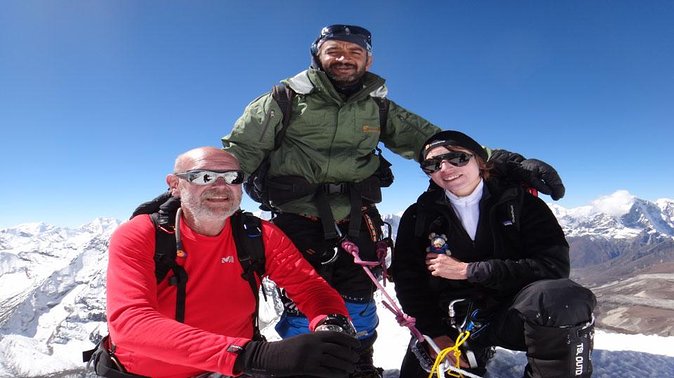
REVIEW · KATHMANDU
Everest Base Camp Trek
Everest Base Camp is not a sightseeing stop with a short walk attached. It is a serious 14-day mountain journey, with long days, thin air, basic lodging, and one huge reward: standing at 5,365 meters beside the Khumbu Glacier. This trip gives you a licensed guide and porter support while leaving room for you to arrange extra time in Nepal your own way.
I like the built-in acclimatization days in Namche Bazaar and Dingboche. I also like the practical support: airport transfers, Lukla flights, permits, meals, filtered trail water, a first-aid kit, and emergency evacuation arrangements are included. The main drawback is the altitude and the hard schedule. You need good fitness, patience, and insurance that covers high-altitude rescue.
Key points to know before booking
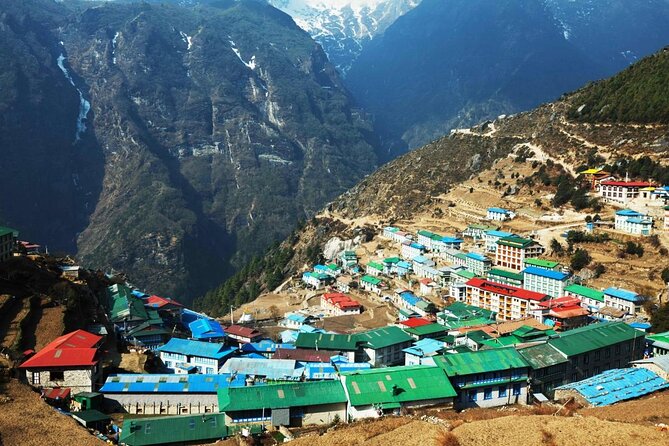
- Reach Everest Base Camp at 5,365 meters: The route follows the classic trail through Namche, Tengboche, Dingboche, Lobuche, and Gorak Shep.
- Sleep at altitude before the big push: Rest days in Namche and Dingboche help you adjust before Base Camp and Kala Patthar.
- Travel with licensed mountain support: An English-speaking, first-aid-trained guide leads the trek, with one porter for every two people.
- Look for Everest from Kala Patthar: The 5,555-meter viewpoint offers the grandest mountain panorama of the trip.
- Expect simple but useful inclusions: Flights, permits, meals, tea houses, staff costs, filtered water, and Kathmandu transfers are covered.
- Allow for flight changes: During peak months, Kathmandu to Lukla flights may operate from Manthali Airport in Ramechhap.
What this Everest Base Camp trek really offers
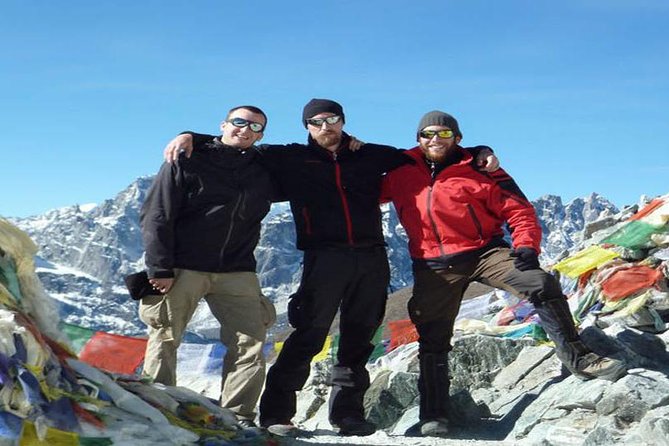
At $1,600 per person, this is a guided trekking package rather than a fully escorted holiday. That distinction matters. You receive mountain leadership and much of the hard planning, but you still have freedom to arrange other days in Kathmandu or add activities such as Chitwan, rafting, shopping, or mountain biking.
The price covers the expensive and essential parts of the trek. You get Kathmandu hotel stays, Lukla flights, trekking accommodation, a guide, porter service, meals during the trek, national park and local fees, and staff insurance and equipment. It also includes a duffel, trekking map, sun hat, and completion certificate.
You still pay for Nepal entry, international flights, Kathmandu lunches and dinners, drinks, personal equipment, insurance, and tips. Those extras can add up, so do not treat $1,600 as your total Nepal budget.
The setup suits you if you want a guide but do not want every hour of your Nepal holiday controlled by a group itinerary. The maximum group size is 14, which is small enough for personal attention but large enough that you should not expect a private trek.
More Everest Base Camp Treks in Kathmandu
- Everest Base Camp Trek – 14 Days
★ 5.0 · 1,499 reviews - Everest Base Camp Trek
★ 5.0 · 842 reviews - Everest Base Camp Trekking
★ 5.0 · 485 reviews
Kathmandu arrival and the pre-trek briefing
Your airport representative meets you at Tribhuvan International Airport and transfers you by private tourist vehicle to your hotel. This removes one early nuisance from your arrival, especially if Kathmandu is your first stop in Nepal.
The pre-trip meeting is an important part of the arrangement. If you arrive after 4 p.m., the guide briefs you that evening. Earlier arrivals meet at the company office. Bring your passport, three passport photos, and a readable travel insurance copy.
You also clear any balance and sign the trip paperwork at this meeting. Use the time well. Ask about altitude symptoms, flight delays, porter baggage, emergency procedures, and what happens if weather stops the Lukla flight. A clear briefing can prevent small misunderstandings from becoming large problems in the mountains.
Day 2: Lukla to Phakding
The flight to Tenzing and Hillary Airport at Lukla takes about 35 minutes and gives you an early look at the Himalayan terrain. During March, April, May, October, and November, flights may shift from Kathmandu to Manthali Airport because of heavy air traffic. That means an early transfer and a longer road start, so confirm the departure airport before leaving Kathmandu.
Lukla sits at 2,804 meters. From there, you meet the porters and begin with an easier walk toward Phakding at 2,610 meters. The trail drops toward the Dudh Kosi River, passes Ghat, and follows the main route toward Namche.
This first day is short compared with what follows, but do not waste it by racing. You are beginning the adjustment process, and the following climb gains altitude quickly.
Day 3: Suspension bridges and Namche Bazaar
The trail follows the Dudh Kosi through Sagarmatha National Park, crossing suspension bridges decorated with prayer flags. The path then climbs sharply toward Namche Bazaar, at about 3,440 meters.
Namche is the main Sherpa settlement on the route. You will find bakeries, restaurants, shops, money exchange, internet access, hotels, and lodges. It is the last place on the trail with such a broad range of services, so it is a useful point to check supplies and contact home.
The climb into Namche is demanding because the altitude changes quickly. The itinerary lists long trekking days, but exact walking time will depend on the group, weather, and stops. Your guide should keep the pace steady rather than treat the route like a race.
More Trekking Tours in Kathmandu
- Annapurna Circuit Trek with Tilicho Lake
★ 5.0 · 368 reviews - Everest Base Camp Trekking – 13 Day
★ 5.0 · 365 reviews - Everest Base Camp Trek
★ 5.0 · 350 reviews - Everest Base Camp Trek -14 Days
★ 5.0 · 321 reviews
Day 4: Acclimatization around Namche
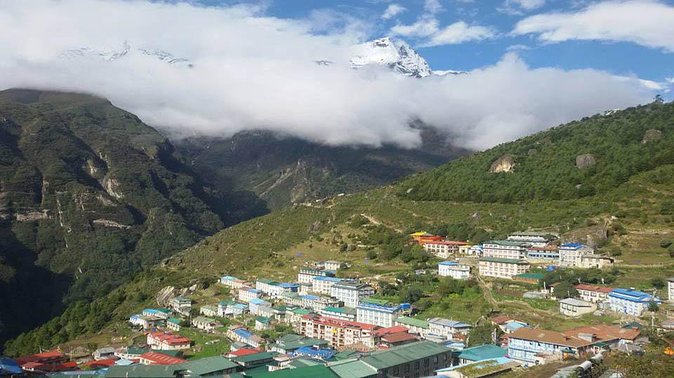
You spend this day adjusting rather than gaining more distance. The short hike visits the Sherpa Museum, Syangboche Airport, and the Everest View Hotel.
The museum adds context to the villages, clothing, customs, and mountain life around you. The hike toward the Everest View Hotel gives you your first major chance to see Everest, along with other Himalayan peaks, if weather allows.
This day is not a spare day. It is one of the reasons the itinerary can reach Base Camp without rushing the ascent. You may feel fine in Namche, then notice a headache, poor sleep, or low appetite as you climb higher. Tell your guide early. One past participant needed an extra acclimatization day, which is a sensible response, not a failure.
Day 5: Tengboche and its famous monastery
The trail continues beside the Dudh Kosi and climbs to Tengboche at 3,860 meters. The village is known for Tengboche Gompa, where you can see ornate wall hangings, a large Buddha sculpture, and the instruments and robes used by the lamas.
The schedule aims to include a prayer ceremony, either in the morning or evening depending on the walking plan. Treat this as a cultural visit, not just a photo stop. The monastery gives the trek a human and spiritual center after several days of physical effort.
The route is scenic but the altitude is now serious. Warm layers and a slow pace matter. Accommodation is tea-house style, and comfort becomes simpler as you climb.
Days 6 and 7: Pangboche, Dingboche, and Nangkartshang
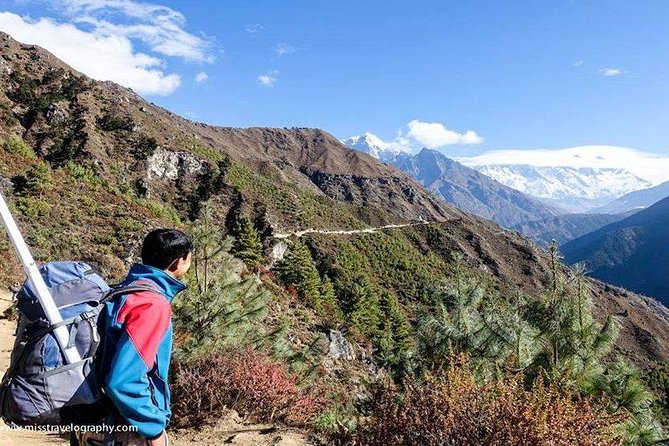
From Tengboche, the route drops to Debuche, crosses the Imja Khola, and climbs through Pangboche. Mani stones line parts of the trail, and the route opens toward Ama Dablam, Lhotse, and Island Peak.
Dingboche sits at about 4,410 meters. It is a traditional Sherpa village and an important stopping point before the high route to Lobuche. The plan allows time rather than pushing straight onward, which is exactly what you want at this height.
The next day is another acclimatization day. You hike toward Nangkartshang Peak above Dingboche, gaining a fine view of Ama Dablam if the sky is clear. You can then rest or walk around the village in the afternoon.
This is a good point to be honest with yourself. The route does not become easier after Dingboche. It becomes colder, higher, and more exposed, so use the rest day for sleep, food, hydration, and a calm check of your equipment.
Day 8: Lobuche and the memorial stones
The path follows the lateral moraine of the Khumbu Glacier toward Lobuche. Along the way, stone memorials remember climbers who died on nearby peaks.
This section brings the risks of high mountain travel into clear view. It is a quiet and sobering part of the trek, and it deserves more than a quick photograph. Lobuche lies below Lobuche Peak, and breathing problems may begin as the air thins.
Your guide’s role becomes especially valuable here. A strong guide watches the group, recognizes changes in condition, and helps decide when a slower pace or descent is needed. No summit goal should override safety.
Day 9: Everest Base Camp and Gorak Shep
This is the key day. You walk along the Khumbu Glacier to Everest Base Camp at 5,365 meters, then return to Gorak Shep for the night.
The route is difficult because of the altitude and uneven glacier terrain. Base Camp is the closest point to Everest available without climbing equipment, and the Khumbu Icefall provides the dramatic view. In spring, expedition teams may be preparing for summit attempts, adding a sense of purpose to the otherwise stark setting.
Do not expect a comfortable picnic at Base Camp. The achievement comes from reaching the place, taking in the icefall, and returning safely. The short listed duration should not be read as a promise of a quick outing. Walking speed, rest stops, trail conditions, and altitude all affect the day.
Day 10: Kala Patthar and the long descent
Kala Patthar is the high point of the trip at 5,555 meters. The climb is steep and tiring, but it gives you the best mountain panorama of the route.
Everest rises ahead, with Nuptse, Pumori, Chagtse, and Lhotse around it. This is where a clear morning matters most. Start early if directed by your guide, since mountain weather and cloud can change quickly.
After descending to Gorak Shep for breakfast, you continue down to Pheriche. It is a demanding day because you climb high, descend, eat, and then continue walking. Still, the view from Kala Patthar is the payoff many people remember most.
Days 11 to 13: Returning through Namche and Lukla
The return route passes Pangboche and Tengboche before reaching Namche Bazaar. Going down is easier on your lungs, but your knees and feet may be tired after the high days.
The following day takes you back to Lukla. The afternoon is free for a shower, rest, and a small celebration with your group. This is also a useful buffer before the flight, though mountain weather can still affect schedules.
On Day 13, the 35-minute flight returns you to Kathmandu, followed by a transfer to your hotel. If you want more time in Nepal, the local support team can help arrange a jungle safari in Chitwan, rafting, shopping, or mountain biking.
Lodging, food, porters, and daily comfort
Kathmandu accommodation is listed as three-star, twin-share lodging for two nights with breakfast. On the trail, you use guesthouses, with attached toilets specified in Lukla, Phakding, and Namche. Conditions become more basic at higher elevations, and one useful point from past experience is that rooms can be very cold in October.
All standard trekking meals are included: breakfast, lunch, and dinner. Seasonal fruit and filtered water are also provided, with water treated through a Katadyn Pocket Water Filter. Tea-house meals are practical fuel for long walking days, not fine dining, and drinks such as alcohol, hot drinks, and cold drinks cost extra.
One porter carries the bags for two people for 11 days. Pack thoughtfully and keep valuables, documents, medication, and a day’s essentials with you. The porter system makes the route more manageable, but it does not mean you can bring unlimited luggage.
Safety, fitness, and the value of a guide
The trek requires moderate physical fitness and is limited to adults aged 18 and over. You should be comfortable walking for several hours on uneven mountain trails and handling repeated climbs and descents.
The guide is first-aid trained, government licensed, and English speaking. Staff costs, insurance, equipment, and medicine are included, along with a first-aid kit and arrangements for emergency evacuation in a worst-case situation.
You still need your own travel insurance covering high-altitude rescue and evacuation. This is not optional in practical terms. The route reaches heights where ordinary travel insurance may not help.
The guide names associated with past trips include Dave, Devendra, Uddhav, Suraj, Mohan, and Basu. The strongest praise centers on caring leadership, good communication, route knowledge, friendly porters, and help when plans changed. That is exactly what you should value here: not grand speeches, but calm decisions when a flight, ankle, headache, or weather problem disrupts the plan.
Should you book this Everest Base Camp trek?
Book it if you want the classic Everest route with a licensed guide, porters, meals, permits, flights, and two planned acclimatization days. It is particularly suitable if you want support in the mountains but prefer to arrange other Nepal activities yourself.
Think twice if you dislike basic lodging, cold rooms, long walking days, or uncertain flight schedules. Also check the cancellation terms carefully: six full days’ notice is required for a full refund, and poor weather or an insufficient group may lead to a new date or refund.
For the money, the package covers many costly essentials and offers a sensible route structure. I would choose it if your priority is a supported first Everest Base Camp trek, provided you arrive fit, insure yourself properly, and accept that the mountain, not the timetable, has the final word.
FAQ
How long is the Everest Base Camp trek?
The experience lasts approximately 14 days, including arrival and departure in Kathmandu, flights to and from Lukla, the trek, and return transfers.
What is the price?
The listed price is $1,600 per person.
What is the maximum group size?
The maximum group size is 14 people.
What age do you need to be?
The minimum age is 18.
Is airport pickup included?
Yes. Airport and hotel transfers in a private tourist vehicle are included.
Are flights to Lukla included?
Yes. The Kathmandu to Lukla and Lukla to Kathmandu airfare, including airport departure tax, is included. During peak trekking months, flights may operate from Manthali Airport instead of Kathmandu.
Are meals included?
Breakfast, lunch, and dinner are included during the trek. Breakfast is included in Kathmandu. Lunch and dinner in Kathmandu are not included.
Is travel insurance included?
No. You must arrange travel insurance that covers emergency high-altitude rescue and evacuation.
What happens if bad weather cancels the experience?
If poor weather causes cancellation, you will be offered a different date or a full refund.
Latest treks added in Kathmandu
- Ghorepani Poonhill Trek★ 5.0 · 5 reviews
- Ghorepani Poon Hill Trek★ 5.0 · 16 reviews
- Private Manaslu Circuit Trek at Himalayas★ 5.0 · 3 reviews
- Upper Mustang Trekking★ 3.0 · 2 reviews
- Amazing 1 Day Trekking Experience in Kathmandu Nepal★ 5.0 · 24 reviews
- Upper Mustang Trekking★ 5.0 · 2 reviews
- Upper Mustang Trek★ 5.0 · 5 reviews
- Upper Mustang Trekking★ 5.0 · 4 reviews
Everest Base Camp Treks, compared.






Browse the lists this tour appears in