
REVIEW · KATHMANDU
Everest Base Camp Trek
Everest Base Camp is not simply a mountain viewpoint. It is a high-altitude journey through the Khumbu Valley, with Ama Dablam rising like a sharp stone necklace and Namche Bazaar serving as your first serious test of mountain air. This private, roughly 12-day trek includes a domestic flight, permits, airport transfers, and guide costs.
I like the private format, since your group can work with the guide rather than follow a fixed crowd. I also like the practical support: past trips have involved guides such as Sau Bir Rai, Roshan, Dipak, and Arjun, with careful help on transport, rooms, meals, and changing plans.
The main catch is the price structure. The $990 fee covers important trek services, but your accommodation and food are not included, nor are international flights, the Nepal visa, drinks, insurance, personal expenses, or expected guide tips. Budget beyond the headline price.
Key points at a glance
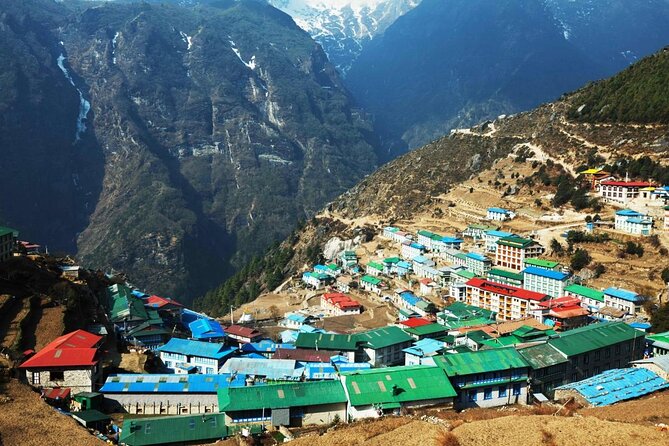
- Ama Dablam views: One of the Khumbu Valley’s most striking peaks, known for its elegant shape and technical climbing routes.
- Namche Bazaar acclimatization: A crucial pause before heading higher toward Everest Base Camp.
- Private trekking group: Only your own party takes part, allowing more flexibility than a large shared departure.
- Domestic flight included: Airport transfer services and the domestic flight are part of the listed package.
- Guide-led logistics: Guide salary, guide food, equipment, and insurance for the guide are included in the tour cost.
- Strong fitness required: This is a serious high-altitude trek, not a gentle sightseeing walk.
What the $990 price really covers
At first glance, $990 for a 12-day Everest Base Camp trek looks attractive. The value comes from the services bundled into that fee: a domestic flight, required permits and entrance fees, airport transfers, and the guide’s salary, food, equipment, and insurance for the trip.
That removes several major planning tasks. You are not left to arrange the mountain flight or permit work alone, and you have a local guide responsible for leading the trek. For a first Himalayan trip, that support can be worth a great deal.
Still, you need to read the price carefully. Accommodation and food for you are excluded. Drinks, personal expenses, insurance, international airfare, and the Nepal visa are also separate. Tips for the trekking guide are expected, so include them in your budget from the beginning.
This is best seen as a guided trek package rather than an all-inclusive holiday. Ask the operator for a current estimate of lodging, meals, and other daily costs before paying. That will give you a clearer total than the advertised figure alone.
More Everest Base Camp Treks in Kathmandu
- Everest Base Camp Trek – 14 Days
★ 5.0 · 1,499 reviews - Everest Base Camp Trek
★ 5.0 · 842 reviews - Everest Base Camp Trekking
★ 5.0 · 485 reviews
Leaving Kathmandu with the mountain work ahead
The meeting point is Adventure Treks Nepal P. Ltd. on Thamel Marg in Kathmandu. Airport transfer services for arrival and departure are included, along with the domestic flight connected to the trek.
The flight matters because it shifts the trip quickly from city planning to mountain travel. It also means you should keep your packing practical and your schedule flexible. The supplied details do not give a flight time or a full day-by-day timetable, so confirm those points before departure.
The trek is private. That gives your group room to discuss pace, rest, and route decisions with the guide. It does not mean the trek is easy. The operator asks for a strong physical fitness level, and that warning deserves attention.
You will be walking at high altitude for many days. The most important skill is not speed. It is knowing when to slow down, eat, drink, and tell your guide if you feel unwell. A private guide can pay closer attention to your group, but you still need to be honest about your condition.
Ama Dablam, the mountain that steals the view
Ama Dablam is one of the visual highlights of the Khumbu Valley. Its name means mother’s necklace, and the peak’s shape explains why. It has a tall central summit with ridges that give it a sculpted, almost impossible profile.
I find this part of the experience especially valuable because Everest does not have to be the only mountain you care about. Ama Dablam gives the trek a strong visual identity of its own. It is also a technical climbing objective, so the peak carries interest for anyone curious about Himalayan mountaineering rather than simple mountain photography.
The published itinerary identifies Mt. Ama Dablam as one of the main stops, but it does not list the exact viewpoint, walking time, or overnight location. Your guide should clarify how much time the route allows for views and photographs.
The practical drawback is altitude. A striking mountain view often comes after a demanding day, and cold, thin air can make even ordinary walking feel harder. Plan to enjoy the scenery in short pauses rather than assume you can stop for long periods without feeling the effects.
Namche Bazaar and the first serious acclimatization pause
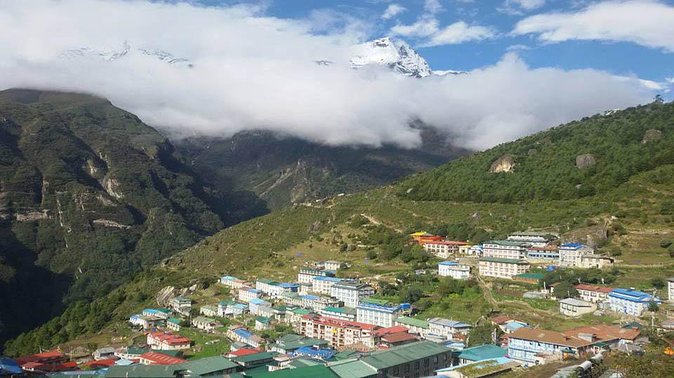
Namche Bazaar is described as the gateway to Everest Base Camp and the key acclimatization point. That makes it more than a scenic village stop. It is where your body begins adjusting to the height before the route continues upward.
I like that acclimatization is treated as a central part of the itinerary rather than an afterthought. At altitude, pushing on too quickly can spoil the entire trip. A pause at Namche gives the guide a chance to watch how you are coping and gives you time to adjust your pace.
The details provided do not specify how many nights you spend there or what the acclimatization schedule includes. Ask before booking if you want a precise plan. The number of nights and the timing of rest days matter greatly on a trek of this length.
Namche is also a useful emotional checkpoint. The goal may be Everest Base Camp, but this is where you begin to understand that the trek is a gradual physical effort. You may feel excited one hour and tired the next. That is normal enough to discuss with your guide, but it should not be ignored.
More Trekking Tours in Kathmandu
- Annapurna Circuit Trek with Tilicho Lake
★ 5.0 · 368 reviews - Everest Base Camp Trekking – 13 Day
★ 5.0 · 365 reviews - Everest Base Camp Trek
★ 5.0 · 350 reviews - Everest Base Camp Trek -14 Days
★ 5.0 · 321 reviews
What the 12-day outline tells you, and what it does not
The advertised duration is approximately 12 days. The route description highlights Mt. Ama Dablam and Namche Bazaar, along with views of Everest and other high peaks. It does not provide a complete daily schedule in the supplied information.
That lack of detail is the biggest planning weakness. You should request the exact order of walking days, overnight stops, acclimatization days, and the final return schedule. You also need to confirm how the domestic flight fits into the first and last days.
Do not assume every hour of the 12 days is spent trekking. The schedule may include transfers, acclimatization, rest, and flight connections. Those are necessary parts of a high-altitude journey, but you should know how the time is divided.
The itinerary is likely to feel full even without a packed list of sightseeing stops. The point is the route itself: mountain views, long walking days, and the gradual approach to Base Camp. If you prefer a tightly timed holiday with many attractions each day, this will feel slow. If you want the mountain journey to be the main event, the pace makes more sense.
A private guide can change the entire feel
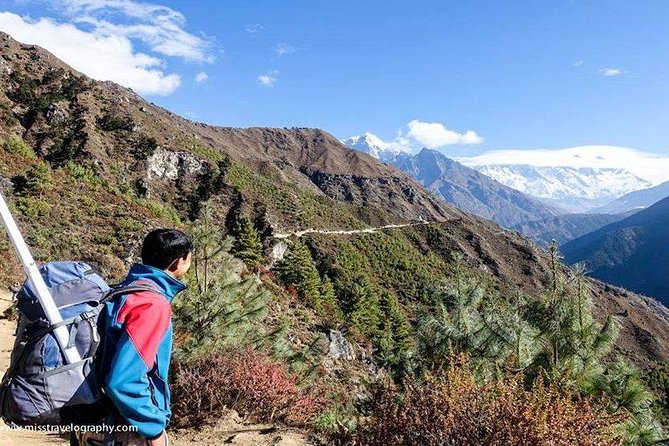
A private trek gives you the same broad goal as a group departure, but with more control over communication. You are not adjusting every decision to suit strangers. That is helpful when one person in your group is tired, nervous, or recovering more slowly than the others.
The guide names connected with past departures include Sau Bir Rai, Roshan, Dipak, and Arjun. One young solo trekker praised Roshan for arranging accommodation, food, and transport during a busy period. Another private EBC and Gokyo trip worked with Dipak, described as friendly and attentive. Arjun was noted for caring for a family with different needs and a medical situation.
Those details point to the service that matters most here: not grand speeches about mountains, but daily problem solving. A good guide helps with rooms, transport, route changes, pace, and decisions when someone feels ill.
You should still ask who your assigned guide will be. The names above are not a promise that one particular person will lead your trip. Confirm the guide’s experience, communication ability, and emergency procedures before setting out.
December and changing seasons
One past trek took place in December, when the weather was cooler and the trail was described as quieter. That can appeal to you if you prefer fewer people and do not mind colder conditions.
Do not treat the quieter season as an automatic advantage. Cooler weather can make mornings and evenings harder, and conditions in the mountains can affect transport. The supplied information does not promise a particular weather pattern, so ask the operator about the season you plan to visit.
The guide’s role becomes even more useful when conditions or plans change. One private EBC and Gokyo trip was adapted along the way, with the logistics adjusted to suit the group. Flexibility is valuable, but it is not a guarantee that every requested change will be possible.
Pack for changing conditions and ask for a current equipment list. The package includes equipment for the guide, not a clear promise that personal trekking equipment is supplied to you.
What is not included, and why it matters
The exclusions are easy to skim past, but they shape the real cost and comfort of the trip.
You pay separately for:
- Your accommodation
- Your food
- Beverages
- Tips
- Personal and nature-related expenses
- Your own travel insurance
- International flights
- Nepal visa fees
The guide’s food and insurance are included, which is useful, but your own meals and lodging remain your responsibility. Since the trek lasts about 12 days, even modest daily costs can add up.
Your travel insurance deserves special care. The supplied information says personal insurance is not included, but it does not state what coverage you need. Ask the operator what level of trekking and medical coverage is advisable for this route, then read the policy details yourself.
The same applies to tips. They are expected, but no amount is given. Request the operator’s current guidance so you can budget fairly and avoid guessing at the end.
Who will get the most from this trek
This experience suits you if Everest Base Camp is a major personal goal and you want a private, guide-led plan from Kathmandu. It is also a good fit for a solo trekker who wants local support without joining a large public group.
You should be comfortable with sustained physical effort and high altitude. The operator specifically asks for strong fitness, so this is not the right choice if you are looking for a casual mountain holiday.
It may suit families or mixed-ability groups if you discuss needs clearly in advance. Arjun’s support for a family with different requirements shows why the private model can help, but one past success does not guarantee every group will receive the same arrangement. Tell the company about medical concerns, pace, and experience before booking.
It can also work well for someone who values personal service over a rigid schedule. The ability to adapt plans was useful on a combined EBC and Gokyo trip. Keep in mind that the supplied product is described as an Everest Base Camp trek, so do not assume Gokyo is included unless you arrange it separately.
Booking details worth checking first
Confirmation is provided at the time of booking, and the activity ends back at the Kathmandu meeting point. The product is offered as a private activity, with only your group participating.
The cancellation policy allows a full refund if you cancel at least 24 hours before the local start time. Cancellations within 24 hours are not refunded, and changes inside that window are not accepted.
Before booking, I would ask for five things in writing:
- The complete day-by-day route
- The name and experience of your assigned guide
- The expected cost of your food and accommodation
- The personal equipment you must bring
- The plan for flight delays, illness, or route changes
Those questions do not make the trip less exciting. They make the mountain goal easier to enjoy because you know what the $990 covers and what it does not.
Should you book the Everest Base Camp Trek?
I would consider this trek if you want a private guide, a domestic flight, permit support, and a route built around Everest, Ama Dablam, and Namche Bazaar. The strongest feature is the human support: past guide teams have helped with transport, accommodation, changing plans, medical needs, and the small daily details that matter at altitude.
I would pause before booking if you need an all-inclusive price or a fully published day-by-day schedule. The $990 cost is only the starting point because your food, lodging, insurance, visa, international flights, drinks, and tips are extra.
Book it if you are fit, flexible, and ready for a demanding mountain journey. Before paying, get the missing cost and itinerary details in writing. That simple step will tell you if this private Everest Base Camp plan matches your budget and expectations.
FAQ
Where does the Everest Base Camp Trek start?
It starts at Adventure Treks Nepal P. Ltd. on Thamel Marg in Kathmandu, Nepal.
Where does the activity end?
The activity ends back at the meeting point in Kathmandu.
How long does the trek last?
The advertised duration is approximately 12 days.
Is a domestic flight included?
Yes. A domestic flight and airport transfer services for arrival and departure are included.
Are permits and entrance fees included?
Yes. Necessary permits and entrance fees are included in the tour cost.
Is this a private trek?
Yes. Only your group participates in this private activity.
Are accommodation and food included for the trekker?
No. Accommodation and food for the guest are not included.
Is travel insurance included for the guest?
No. Your own insurance is not included. The listed package does include insurance for the guide.
What level of fitness is required?
You should have a strong physical fitness level for this high-altitude trek.
What is the cancellation policy?
You can receive a full refund if you cancel at least 24 hours before the experience start time. Cancellations or changes made within 24 hours are not accepted for a refund.
Latest treks added in Kathmandu
- Private Manaslu Circuit Trek at Himalayas★ 5.0 · 3 reviews
- Ghorepani Poonhill Trek★ 5.0 · 5 reviews
- Ghorepani Poon Hill Trek★ 5.0 · 16 reviews
- Upper Mustang Trekking★ 3.0 · 2 reviews
- Amazing 1 Day Trekking Experience in Kathmandu Nepal★ 5.0 · 24 reviews
- Upper Mustang Trekking★ 5.0 · 2 reviews
- Upper Mustang Trek★ 5.0 · 5 reviews
- Upper Mustang Trekking★ 5.0 · 4 reviews
Everest Base Camp Treks, compared.






Browse the lists this tour appears in