
REVIEW · KATHMANDU
Everest Base Camp trek – 16 days
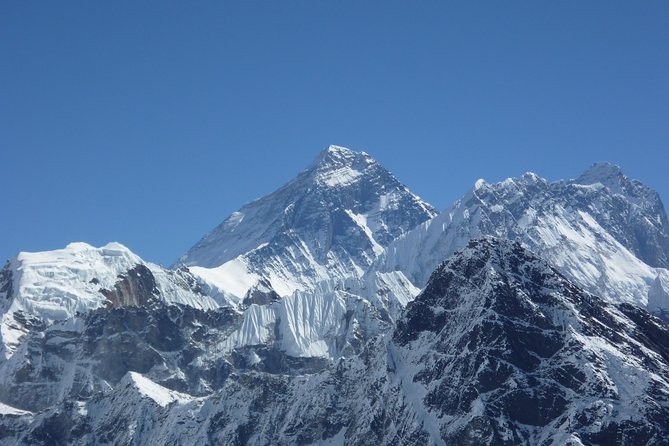
Everest Base Camp is not a quick mountain outing. It is a serious 13-day high-altitude trek through Sherpa villages, stone-walled fields, monasteries, and mountain passes, with Kala Patthar reaching 5,545 meters. I like that the package handles the hard logistics: domestic flights, porters, lodges, meals, airport transfers, and a dedicated guide.
I also like the human side. The operation has been associated with staff members including Dawa, Chirring, Raju, Tej, Budhi, and Ardash, names worth asking about when you book. The main consideration is physical strain: you need strong fitness, and the information specifically warns people with lung problems to take care before booking.
Key points at a glance
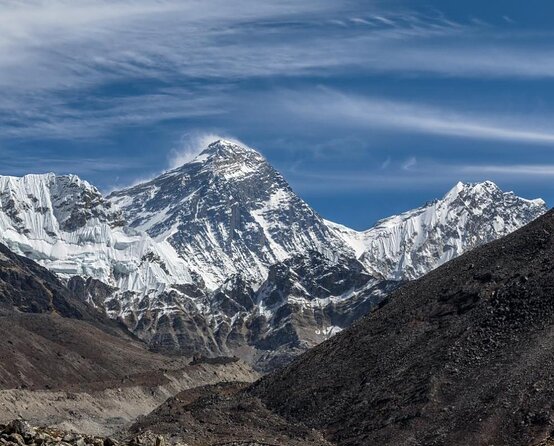
- Kala Patthar at 5,545 meters: The high point of the trek offers the stated view toward Mount Everest.
- 13 days of point-to-point walking: This is a real mountain journey, not a series of short scenic walks.
- Sherpa heartland: Namche Bazaar, Tengboche Monastery, village homes, stone walls, and local traditions shape the route.
- Full porterage included: Porters carry the main load, leaving you with a lighter daypack.
- Most daily costs are covered: Lodging, internal flight, guide, porters, insurance for staff, and three trek meals are included.
- Private group format: Only your own group takes part, with airport pickup and a return to the Thamel meeting point.
What the 16-day Everest Base Camp plan really involves
This trip is best understood as 16 days built around 13 days of walking. You get three nights in centrally located Kathmandu hotels with breakfast, followed by 12 nights in guest houses during the trek. The route is point to point, so you are not returning to the same mountain lodge each night.
That format gives you a proper sense of moving through the Khumbu region. Villages change, the air gets thinner, and the scenery shifts from settled hillsides to high mountain terrain. It also means you should pack with repeated lodge changes in mind. Keep daily necessities in a small bag and let the porters handle the larger load.
The exact day-by-day walking distances are not provided, so you should ask for the current itinerary before paying. This matters because high-altitude trekking is shaped by pace, weather, acclimatization, and flight conditions. The package states a maximum altitude of 5,545 meters at Kala Patthar, which is a serious height even for fit walkers.
More Everest Base Camp Treks in Kathmandu
- Everest Base Camp Trek – 14 Days
★ 5.0 · 1,499 reviews - Everest Base Camp Trek
★ 5.0 · 842 reviews - Everest Base Camp Trekking
★ 5.0 · 485 reviews
Day 1 in Kathmandu: a soft landing before the mountains
You are collected at the airport and taken to your hotel in Kathmandu. The stated meeting point is in Thamel, Kathmandu 44600, and the activity ends back there after the trek.
The first evening is free. That is useful rather than wasteful. You can rest, adjust to Nepal, and explore Thamel without a guide rushing you from one sight to the next. Kathmandu meals are not included, so budget separately for food in the city.
The package lists three hotel nights in Kathmandu with breakfast. Those nights give you a little breathing room before and after the mountain section, although the supplied schedule only spells out the arrival day. Ask the operator to confirm where the other Kathmandu nights fall and what happens if weather affects the internal flight.
The flight and the start of the mountain route
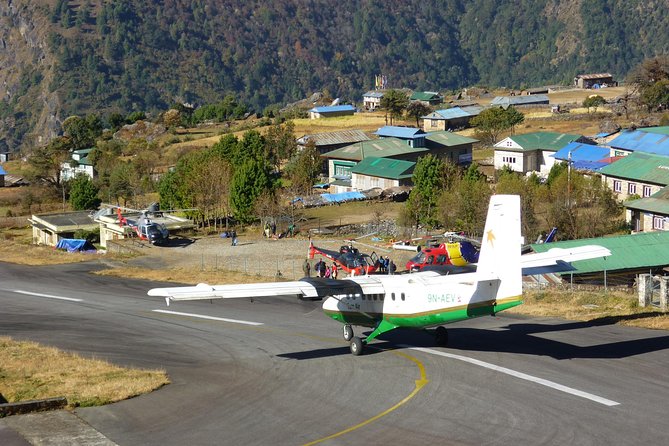
An internal flight is included, along with airport transfers. The flight details are not stated, so you should confirm the route, baggage allowance, and what happens if bad weather delays the departure.
That last question matters in the Himalaya. The cancellation terms say poor weather can lead to a different date or a full refund if the activity is canceled, but they do not explain every possible flight delay or missed connection. Ask for the operator’s plan before you leave home.
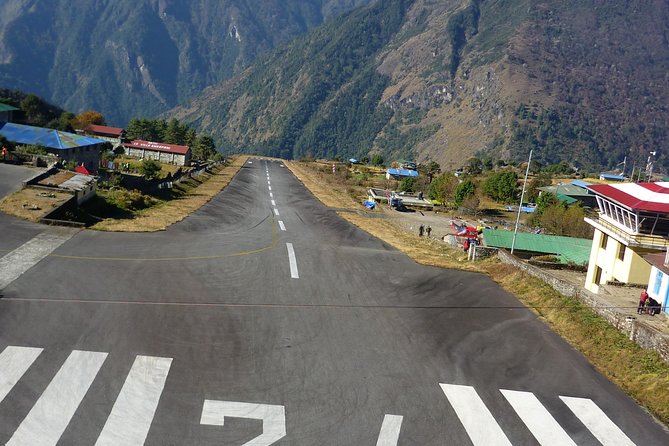
Once walking begins, you can expect a series of mountain villages and guest houses rather than resort-style accommodation. The package includes 12 nights in lodges, but it does not promise private rooms, attached bathrooms, heating, or internet access. Those details vary by lodge and should be checked directly.
Namche Bazaar and the Sherpa heartland
Namche Bazaar is one of the route’s central places. The description calls it the heartland of the Sherpas, and that is important context. You are not simply walking toward a famous mountain. You are passing through communities with their own homes, fields, monasteries, trade routes, and daily routines.
The stone-walled fields and traditional houses give the early part of the trek a strong sense of place. Look beyond the path itself. The walls show how people work with limited mountain soil, while the villages reveal how life is organized in steep terrain.
The schedule does not give a separate acclimatization day or a precise number of hours in Namche. Do not assume the walking pace will suit you automatically. Ask how the guide handles rest, altitude symptoms, and changes to the plan. A private trek gives your group more room to discuss pace, but it does not remove the physical demands of the route.
More Trekking Tours in Kathmandu
- Annapurna Circuit Trek with Tilicho Lake
★ 5.0 · 368 reviews - Everest Base Camp Trekking – 13 Day
★ 5.0 · 365 reviews - Everest Base Camp Trek
★ 5.0 · 350 reviews - Everest Base Camp Trek -14 Days
★ 5.0 · 321 reviews
Tengboche Monastery and the spiritual side of the walk
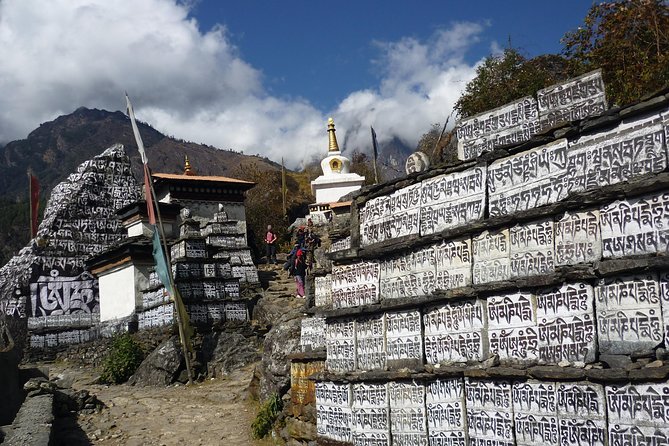
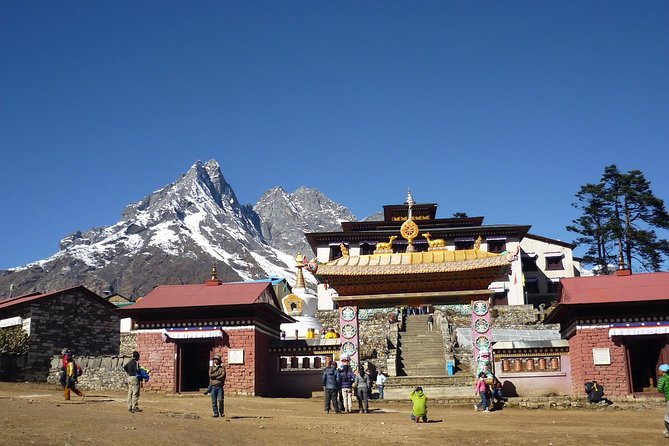
Tengboche is highlighted for its hilltop monastery, set among mountain views. This is one of the stops that gives the trek more depth than a simple race toward Base Camp. The monastery and nearby villages connect the route to Sherpa Buddhist traditions.
You may find that the cultural stops are as memorable as the famous viewpoints. The golden-roofed monasteries, stone homes, and quiet fields help explain why this route feels like a journey through a living region rather than a mountain trail with scenery attached.
The description does not specify entrance arrangements, religious ceremonies, or visiting hours. Treat the monastery as a working religious place. Follow your guide’s advice, dress with respect, and do not assume every room or ritual is open to visitors.
Kala Patthar at 5,545 meters
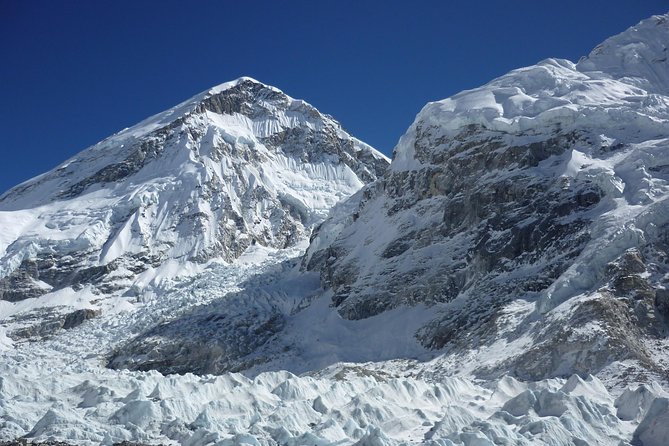
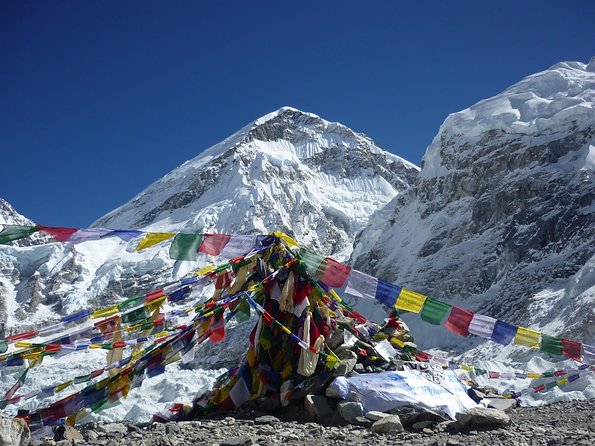
Kala Patthar is the stated high point of the trek and the place specifically named for the Mount Everest view. At 5,545 meters, this is where the trip becomes most demanding. Even with porter support, you will need to manage your pace, water, clothing, and energy carefully.
The elevation is the key fact here. Strong fitness is required, and the operator specifically flags lung problems as a concern. If you have a respiratory condition or any doubt about high-altitude walking, speak with a qualified medical professional before booking. The available information does not describe emergency evacuation, oxygen support, or a detailed altitude-sickness procedure, so ask those questions directly.
The Everest view from Kala Patthar is the visual payoff, but do not judge the whole trek only by one summit-facing moment. Weather can affect visibility, and the route’s value also comes from the villages, monastery, animals, and people encountered along the way.
Lodges, food, and what the included package saves you
Breakfast, lunch, and dinner are included during the trek. That is a meaningful part of the $1,794.88 price because you are not negotiating every meal while moving between lodges. Mineral water is not included, so plan for drinking water costs.
The accommodation is described as guest houses and lodges, not hotels. You should expect practical mountain lodging rather than comfort designed around luxury. Sleeping bags are not included, and neither are clothing or personal travel insurance. Bring or rent suitable warm gear before the high sections, and confirm what sleeping-bag rating the operator recommends.
Porters are included, as are guide services and staff insurance. Full porterage can make the trip more manageable, but pack responsibly. Your daypack still needs to carry items you use while walking, and you should avoid creating an excessive load for the porter team.
What the $1,794.88 price covers
For a 16-day private trek, the price has real value because several costly and complicated pieces are bundled together:
- Airport pickup and drop-off transfers
- Internal flight
- Kathmandu hotel accommodation
- 12 nights of trekking lodges
- Dedicated guide
- Porters
- Staff insurance
- Breakfast during the Kathmandu hotel stay
- Breakfast, lunch, and dinner during the trek
The price does not cover Kathmandu meals, personal insurance, clothing, sleeping bag, tips, or mineral water. Those exclusions are not minor if you arrive without cold-weather equipment or adequate insurance. Add those costs before comparing this trip with cheaper-looking alternatives.
A private trip can also be worth paying for if you want your own group rather than a large shared departure. The listing says only your group participates. That usually gives you a simpler social setup and more direct communication with the guide, though the exact group size is not stated.
Guides and the value of good support
The strongest theme in the available feedback is care from the guides, porters, and ground staff. The names Dawa and Chirring are specifically associated with an excellent trek, while Raju, Tej, Budhi, and Ardash are also named in connection with airport welcome, logistics, guidance, and day-to-day support.
I would ask the company which of these staff members is assigned to your departure. Names matter less than training and experience, but knowing who will meet you at the airport and who will lead the walking days makes the arrangement clearer.
The support appears to be one of the trip’s main selling points. The operation is described as well organized from airport arrival through the mountain route, with staff taking care of logistics and offering encouragement when the walking becomes difficult. That is exactly where a local team earns its fee. Still, ask about guide-to-client ratios, emergency planning, and what happens if someone needs to stop.
What is not included and needs planning
The package is generous with the major trek costs, but you need to prepare for the gaps. Personal travel insurance is especially important because the route reaches 5,545 meters. The supplied details do not state whether insurance should include trekking at that altitude or evacuation, so check the policy wording carefully.
Clothing and a sleeping bag are your responsibility. Kathmandu has shops and rental options, but the information does not promise rental support. Arrange your equipment early instead of assuming you can solve everything after arrival.
Tips are not included. The amount and method are not stated, so ask the operator for current guidance. Mineral water is also extra, and meals in Kathmandu are separate from the included trek meals.
Weather, cancellation, and practical booking checks
Free cancellation is available if you cancel at least 24 hours before the local start time. Cancellations made within 24 hours, and changes made within that period, are not accepted for a refund.
The activity requires good weather. If poor weather causes the experience to be canceled, you are offered another date or a full refund. This is helpful, but you should still ask how the company handles delays to the internal flight, since the terms do not spell out every disruption scenario.
Confirmation is provided at booking, and the meeting point is near public transportation in Thamel. The stated start time is 12:00 a.m., which may be a booking-system entry rather than a practical meeting time. Confirm the actual airport pickup time and first-day schedule with Kailash Himalaya Trek.
Who should book this Everest trek?
You should consider this trip if you want a supported Everest Base Camp journey with meals, lodges, porters, internal flights, and a private group. It suits people who want the cultural route through Sherpa villages and Tengboche, not only a quick mountain photo.
You should think twice if you dislike basic lodging, have limited fitness, or want a flexible comfort-focused holiday. The itinerary includes many walking days and reaches a very high altitude. The word trek here means sustained effort, not a casual hike.
I would also favor this trip for someone who values direct local support. The repeated praise for airport handling, organization, staff care, and encouragement suggests the human service is a major part of the package’s value. Ask for the full walking schedule before booking so you can judge the daily demands honestly.
Should you book the 16-day Everest Base Camp trek?
Book it if the combination of high-altitude walking, Sherpa culture, practical support, and private-group travel matches what you want. The $1,794.88 price covers many essentials, and the named guides and porters give you useful people to ask for when arranging your departure.
Do not book without checking the exact route, walking hours, flight plan, lodge standards, altitude procedures, and equipment advice. If you have lung problems or are unsure about your fitness, get medical guidance first. For a prepared walker who accepts basic mountain lodging and extra costs for insurance, gear, water, tips, and Kathmandu meals, this is a strong-value way to approach Everest.
FAQ
How long does the Everest Base Camp trek last?
The experience lasts approximately 16 days. It includes 13 days of point-to-point walking, three nights in Kathmandu hotels, and 12 nights in trekking guest houses.
Where does the trek start?
The stated meeting point is Thamel, Kathmandu 44600, Nepal. Airport pickup is included.
Where does the activity end?
The activity ends back at the meeting point in Thamel, Kathmandu.
Is airport transportation included?
Yes. Airport pickup and drop-off transfers are included.
Is an internal flight included?
Yes. The package includes an internal flight, though the route and flight details are not specified.
Are meals included?
Breakfast is included during the Kathmandu hotel stay. Breakfast, lunch, and dinner are included during the trek. Meals in Kathmandu outside the included hotel breakfast are not included.
Is accommodation included?
Yes. The package includes three nights in centrally located Kathmandu hotels and 12 nights in guest houses during the trek.
Are a guide and porters included?
Yes. A dedicated guide and porters are included, along with staff insurance.
What is the highest altitude on the trek?
The maximum stated altitude is 5,545 meters at Kala Patthar.
Is the trek suitable for everyone?
No. The activity requires strong physical fitness, and the information specifically raises concern for people with lung problems. Personal insurance, clothing, and a sleeping bag are not included.
Can I cancel for a full refund?
Yes, if you cancel at least 24 hours before the local start time. Cancellations or changes made less than 24 hours in advance are not accepted for a refund. If poor weather causes the activity to be canceled, you are offered another date or a full refund.
Latest treks added in Kathmandu
- Private Manaslu Circuit Trek at Himalayas★ 5.0 · 3 reviews
- Ghorepani Poonhill Trek★ 5.0 · 5 reviews
- Ghorepani Poon Hill Trek★ 5.0 · 16 reviews
- Upper Mustang Trekking★ 3.0 · 2 reviews
- Amazing 1 Day Trekking Experience in Kathmandu Nepal★ 5.0 · 24 reviews
- Upper Mustang Trekking★ 5.0 · 2 reviews
- Upper Mustang Trek★ 5.0 · 5 reviews
- Upper Mustang Trekking★ 5.0 · 4 reviews
Everest Base Camp Treks, compared.






Browse the lists this tour appears in