
REVIEW · KATHMANDU
Everest Base Camp Trek – 16 Days
Everest Base Camp is reached on foot, one patient day at a time. This 16-day trip takes you from Kathmandu through the Sherpa villages of the Khumbu, across suspension bridges and glacier paths, to the prayer flags at Everest Base Camp. You do not climb Mount Everest, but you walk to the point where summit expeditions begin.
I like the built-in acclimatization days in Namche Bazaar and Dingboche. I also like the practical support: airport transfers, domestic flights, permits, meals, an English-speaking guide, porter support, a sleeping bag, and a down jacket are included. The main drawback is the altitude and the uncertainty of Lukla flights. Bad weather can delay the start or force a change of plan.
Key points at a glance
- Lukla starts the real adventure: The short flight from Kathmandu takes you into the Khumbu, where the trail begins.
- Two acclimatization stops: You spend extra time in Namche Bazaar and Dingboche rather than racing uphill.
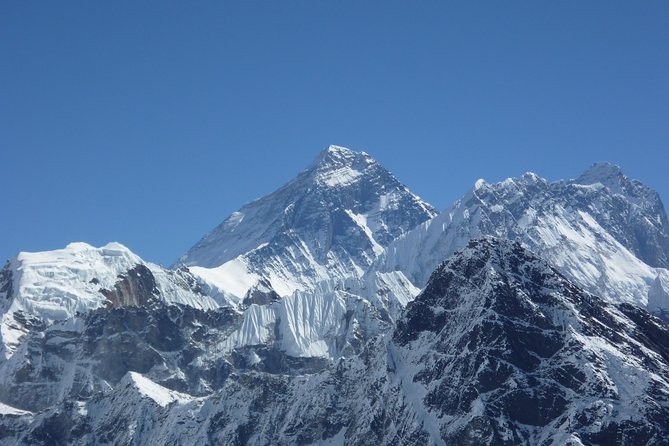
- The mountain views improve daily: Ama Dablam, Lhotse, Nuptse, Pumori, Makalu, and Everest appear along the route.
- The hardest days come near the goal: The walks from Dingboche to Lobuche and then to Base Camp are long, cold, and high.
- Kalapatthar adds the classic viewpoint: An early climb provides a sunrise over Everest and the surrounding peaks.
- The package covers much of the basic cost: Flights, permits, lodgings, meals, guide service, porter support, and trekking gear loans are included.
Why this 16-day Everest trek works
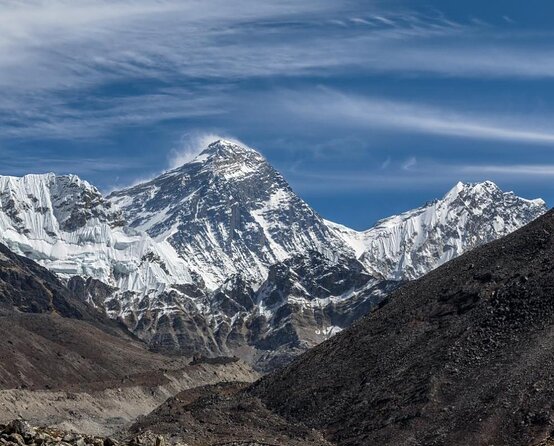
The route follows the classic Everest Base Camp approach from Lukla. You walk for roughly two weeks, with Kathmandu days at the beginning and end. Most walking days last four to eight hours, but the number of hours tells only part of the story. At altitude, a moderate trail can feel like a serious workout.
The schedule is sensibly paced. Namche Bazaar receives a rest and acclimatization day, and Dingboche gets another. Those pauses are not wasted time. They give your body a chance to adjust to thinner air while letting you enjoy two of the most interesting villages on the route.
This is a private trip for your own group, with a maximum of 14 people. The operating plan lists one guide for every two trekkers, plus porter support. If you want a personal Sherpa guide, that can be arranged for an additional charge.
More Everest Base Camp Treks in Kathmandu
- Everest Base Camp Trek – 14 Days
★ 5.0 · 1,499 reviews - Everest Base Camp Trek
★ 5.0 · 842 reviews - Everest Base Camp Trekking
★ 5.0 · 485 reviews
Kathmandu arrival and preparation
Your trip begins at Tribhuvan International Airport in Kathmandu. A private vehicle takes you to a three-star hotel, where room and breakfast are provided. The company also helps with check-in and gives you information about the trek.
The first full day is for preparation and a walk around Kathmandu. Use it well. This is the time to sort your clothing, check your personal equipment, and ask questions about the route. The package includes a duffle bag, map, sleeping bag, down jacket, and company T-shirt, but you must arrange your own personal trekking equipment.
Kathmandu is also a useful buffer. Mountain weather can upset the flight schedule, and a little time in the city before the high trail is far better than trying to rush straight into the mountains.
Lukla to Phakding, four hours
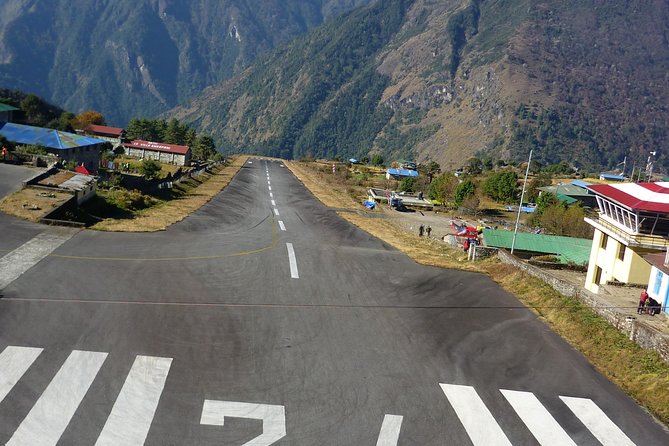
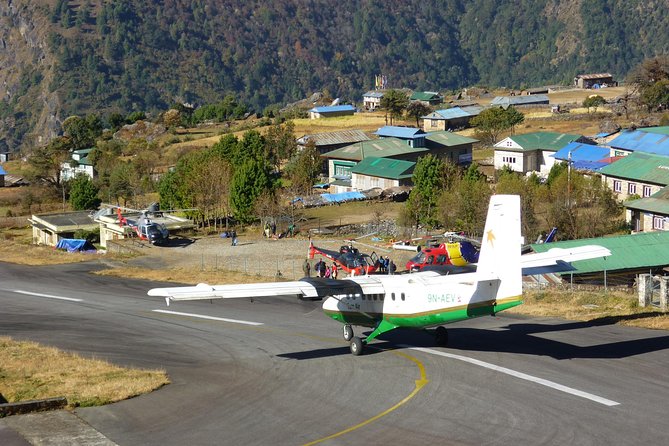
The flight to Lukla is one of the trip’s memorable transitions. From the Kathmandu domestic terminal, you fly toward the Khumbu, with mountain views appearing below. Flights may operate from Ramechhap instead of Kathmandu, depending on the arrangements in place.
At Lukla, the air feels different and the road network disappears from your plans. You begin walking beside the Dudh Koshi River, pass prayer wheels, and cross a suspension bridge before reaching Phakding. This first walk takes about four hours, so it is a gentle introduction to the trail.
You sleep in a guesthouse and receive breakfast, lunch, and dinner. Attached bathrooms with hot showers are specifically included in Lukla, Phakding, and Namche, which is useful because comfort becomes simpler and less certain as you climb higher.
Namche Bazaar and the first acclimatization day
The walk to Namche Bazaar takes about six hours. You enter Sagarmatha National Park, a UNESCO World Heritage Site, then follow the river through pine and rhododendron forests. The trail crosses two suspension bridges, including a striking pair set at different heights.
The final uphill section to Namche is the first real test. You gain height steadily for around three hours, passing villages, pack animals, and porters carrying supplies. Take it slowly. This is a day for steady steps, not a race to lunch.
Namche is a trading center and a natural meeting point for people heading deeper into the Khumbu. You get a full acclimatization day here, with a short hike or time to explore the town. A popular option is the walk to the Everest View Hotel, where Everest, Ama Dablam, Thamserku, and Khangtega can appear across the mountain ridges.
You may also find the social side of Namche enjoyable. The town has a familiar stopover feel, with trekkers comparing notes over tea and apple pie. It is one of the last places where you can enjoy a relatively broad choice of services before the trail becomes more remote.
More Trekking Tours in Kathmandu
- Annapurna Circuit Trek with Tilicho Lake
★ 5.0 · 368 reviews - Everest Base Camp Trekking – 13 Day
★ 5.0 · 365 reviews - Everest Base Camp Trek
★ 5.0 · 350 reviews - Everest Base Camp Trek -14 Days
★ 5.0 · 321 reviews
Tengboche and its monastery
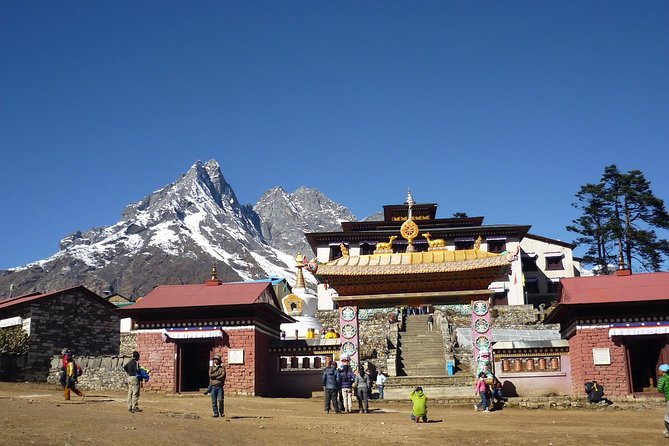
The walk to Tengboche takes about six hours and alternates between uphill and downhill sections. You pass through pine and rhododendron forests, open pasture, and areas used by yak herders.
Tengboche is special for its monastery and its position beneath some of the Khumbu’s best-known peaks. Visit the monastery if it is open, and look at the wooden prayer wheels and prayer flags. The flags use five colors linked with Tibetan Buddhist elements: earth, wind, fire, water, and consciousness.
The village is also a fine place for an early start the next morning. Sunrise behind Ama Dablam, with Everest and other peaks in view, can be one of the strongest visual moments of the trek. The guesthouse is basic, and the day’s uphill and downhill walking can leave you tired, but the setting earns its place on the route.
Dingboche and the second acclimatization day
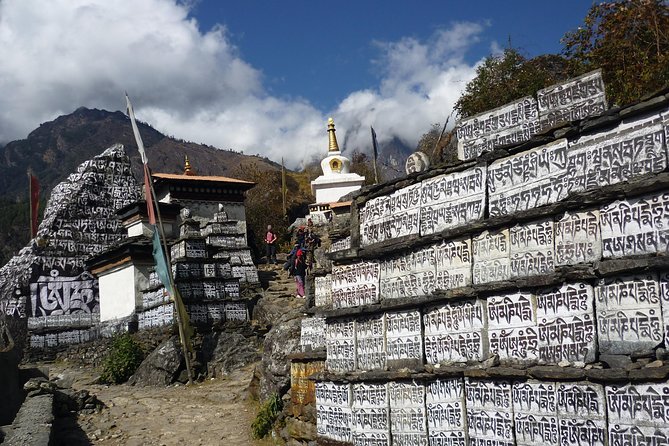
From Tengboche, you descend toward Deboche, cross a bridge over the Imja Khola, and continue toward Pangboche. The route passes mani stones, prayer flags, conifer forests, and high mountain villages.
You then spend the night in Dingboche. The following day is set aside for acclimatization, with a hike toward Nagarsan Hill at about 5,100 meters. That elevation is serious, even if the walking time is listed at around four hours. You should expect thin air, a slower pace, and the need to watch how your body reacts.
The reward is a wide mountain view including Island Peak, Ama Dablam, Lhotse, Makalu, and Nuptse. The point of the hike is not simply the view. It helps prepare you for the still higher trail to Lobuche and Base Camp.
Lobuche and the climbers’ memorial
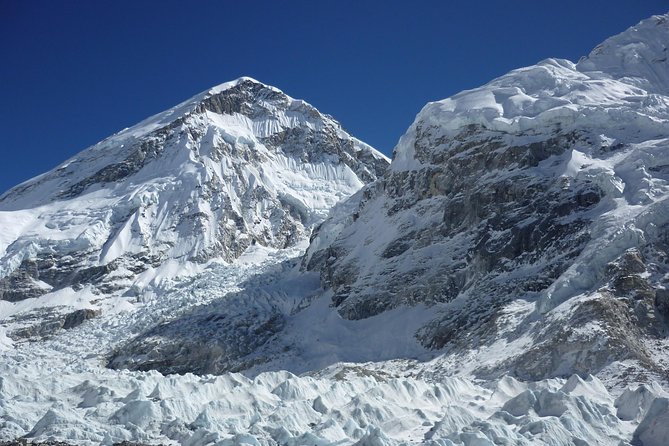
The walk from Dingboche to Lobuche takes about five hours. You follow the valley toward Dugla, with the Khumbu Glacier nearby. The trail then passes a memorial area for climbers who died during attempts on Everest and other peaks.
This is a quiet, serious stop. The trip is about scenery and achievement, but the memorial reminds you that high-altitude mountaineering has a real cost. The people resting there began with ambitions far beyond a walk to Base Camp.
At Lobuche, the cold and thin air become more noticeable. Move slowly and drink regularly. You see Pumori, Lingtren, Khumbutse, Mahalangur, and Nuptse as you continue near the glacier. Accommodation is in a guesthouse, and conditions are simpler than in Kathmandu or Namche.
Everest Base Camp from Gorakshep
The push to Everest Base Camp is the longest and most important day, listed at about eight hours. You climb toward the Changri Glacier and continue to Gorakshep, then follow a rocky route beside glaciers and frozen rivers.
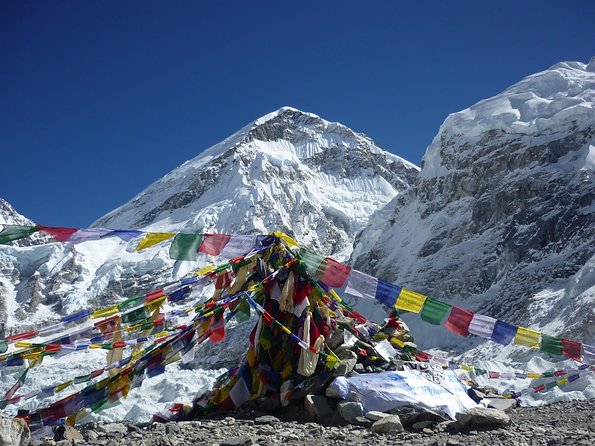
The final approach is not a polished path to a viewpoint. It is rough, stony, and demanding. The last hundred meters bring you to the prayer flags at Base Camp, where you can look toward the high peaks and the climbing route beyond.
One useful point: Everest itself is not always the most obvious peak from Base Camp. The northern ridge and nearby peaks such as Pumori, Lingtren, Khumbutse, and Nuptse fill much of the view. The achievement is reaching the camp on foot and standing at the starting point for summit expeditions.
Allow yourself time to enjoy the moment, but listen to your guide. At this height, fatigue can arrive quickly, and the return to Gorakshep is still part of the day.
Kalapatthar sunrise and the return to Pheriche
The next morning begins early for Kalapatthar. The climb takes about eight hours when combined with the descent to Pheriche, but the viewpoint itself is the reason for the early alarm.
Kalapatthar is widely valued for its sunrise. The first light turns the snow peaks gold and red, with Everest visible among the surrounding mountains. For photography, this is arguably the trip’s strongest location. Bring gloves, warm layers, and patience. Sunrise at altitude is cold.
Afterward, you descend to Pheriche for the night. This part of the plan gives you a better chance to enjoy the view without rushing straight down the full trail.
Returning through Namche and Lukla
The walk back to Namche takes about seven hours. You follow familiar ground in reverse, but the route can feel different when you are descending and no longer wondering if you will reach Base Camp.
Namche often feels like a welcome return to comfort. You then continue through Phakding to Lukla on a seven-hour walking day. The Dudh Koshi, suspension bridges, villages, and forest return as familiar landmarks.
The final night in Lukla is useful because it keeps you close to the airport for the return flight. Still, do not treat the flight as guaranteed. Weather can cancel or delay flights, and the stated cancellation terms allow a different date or a full refund if the experience is canceled because of poor weather.
What is included, and what still costs extra
The package includes private airport transfers, round-trip Lukla flights, two Kathmandu hotel nights with breakfast, trekking permits, guesthouse accommodation, three daily meals during the trek, tea or coffee with meals, an English-speaking guide, porter support, a sleeping bag, a down jacket, a duffle bag, and a trekking map.
It also includes government taxes, office service charges, and a certificate of achievement. Oxygen equipment can be requested for an extra charge, as can a personal Sherpa guide.
You still pay for international airfare, the Nepal entry visa, travel insurance, bottled water, soft drinks, other beverages, internet, phone calls, laundry, personal purchases, equipment you need to supply yourself, and tips for guides, porters, and drivers.
The displayed price is $0, which should not be treated as the final trip cost. Confirm the current price and exactly what is covered before booking. A single supplement of USD 230 applies if no one shares your room or if you request a solo departure.
Fitness, altitude, and sensible planning
The operator asks for moderate physical fitness, but this trek is more demanding than an ordinary day hike. You walk for several hours on successive days, climb to roughly 5,100 meters during acclimatization, and spend the night near Everest Base Camp at much higher altitude.
You should be ready for steep sections, cold conditions, basic guesthouses, and slow progress. The guides are expected to monitor your welfare, and the trip structure includes acclimatization days, but no schedule removes the risk of altitude sickness.
Travel insurance is required. It should be suitable for trekking in Nepal, though the supplied details do not specify the exact policy wording or evacuation cover. Ask the company for the current requirements before you leave home.
Domestic flight luggage is limited to 15 kilograms. Pack carefully, keep essential items with you, and remember that your porter will carry the larger load under the trip’s porter arrangement.
What the guide team adds
The strongest part of the service is the human support. Guides named in past trips include Bheg, Shiva, Hem, Ram, Santa, Kamal, Surya, Prem Karki, Lukpa, Tilak, and Prince. Your assigned team may be different, so ask for names before departure.
The most useful guide service is not simply leading the path. It is setting a reasonable pace, checking your condition, helping when plans change, and explaining the peaks and local customs. One earlier trip required a guide to stay with a sick trekker while the rest of the group continued, then help reunite the group later. That is the kind of flexibility you want at high altitude.
Porters are central to the trip. Treat them well, pack within the limit, and budget for tips. Their work makes the trek possible, but it should not be invisible.
Is this Everest Base Camp trek worth booking?
Book it if you want a classic Everest Base Camp route with a measured schedule, two acclimatization days, guide and porter support, meals, permits, flights, and basic gear included. It suits a fit first-time Himalayan trekker who values assistance and does not want to organize every detail independently.
Think twice if you need private bathrooms every night, fixed flight times, or a short and easy holiday. The trek is long, physically demanding, and exposed to mountain weather. Confirm the real price, insurance requirements, flight arrangements, single supplement, and current equipment list before paying.
For the right person, the reward is not only the Base Camp sign. It is the gradual change from Kathmandu streets to Sherpa villages, monasteries, glaciers, memorials, prayer flags, and the cold sunrise from Kalapatthar.
FAQ
How long is the Everest Base Camp trek?
The experience lasts approximately 16 days, including arrival and departure days in Kathmandu, the flight to Lukla, the trek to Base Camp, the return walk to Lukla, and the flight back to Kathmandu.
Where does the trek begin?
The trip begins with pickup at Tribhuvan International Airport in Kathmandu. You then fly to Lukla, or possibly from Ramechhap to Lukla, before starting the walk toward Phakding.
Are flights between Kathmandu and Lukla included?
Yes. Round-trip flights between Kathmandu and Lukla, or Ramechhap and Lukla, are included in the package.
Are meals included during the trek?
Yes. Breakfast, lunch, and dinner are included during the trekking portion, along with a cup of tea or coffee. Cold drinks, water, and other beverages are not included.
What accommodation is provided?
You receive two nights in a three-star Kathmandu hotel with breakfast. During the trek, you stay in the best available twin-sharing guesthouses. Attached bathrooms with hot showers are included in Lukla, Phakding, and Namche.
Is travel insurance required?
Yes. You must have travel insurance while traveling in Nepal. The supplied tour details do not state the exact coverage limits, so confirm the policy requirements before departure.
What happens if bad weather cancels the trip?
If poor weather causes the experience to be canceled, you are offered a different date or a full refund. Lukla flight delays and cancellations are possible, so keep flexibility in your schedule.
Latest treks added in Kathmandu
- Private Manaslu Circuit Trek at Himalayas★ 5.0 · 3 reviews
- Ghorepani Poonhill Trek★ 5.0 · 5 reviews
- Ghorepani Poon Hill Trek★ 5.0 · 16 reviews
- Upper Mustang Trekking★ 3.0 · 2 reviews
- Amazing 1 Day Trekking Experience in Kathmandu Nepal★ 5.0 · 24 reviews
- Upper Mustang Trekking★ 5.0 · 2 reviews
- Upper Mustang Trek★ 5.0 · 5 reviews
- Upper Mustang Trekking★ 5.0 · 4 reviews
Everest Base Camp Treks, compared.






Browse the lists this tour appears in