
REVIEW · KATHMANDU
Everest Base Camp Trek 15 Days
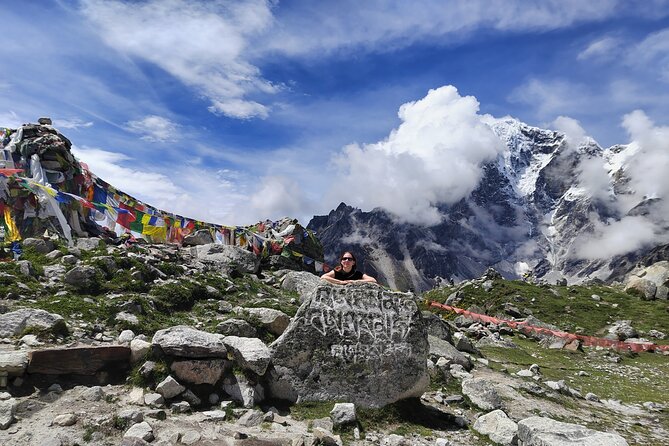
Everest Base Camp is not simply a mountain viewpoint. It is a 15-day walk into Sherpa country, where Buddhist monasteries, high villages, pine forests, rhododendrons, glaciers, and the world’s tallest peak come together. The goal is clear: reach base camp at 5,364 meters, then return to Kathmandu.
I like two things right away. First, this is a private trip, so your group is not folded into a large mixed party. Second, the package includes meals, a sleeping bag, and a duffel bag, which removes some of the usual planning fuss. Guides including Lakpa, Pasang, Buddha Tamang, Gumbo, and Nima are praised for care, flexibility, and attention to altitude.
The main catch is the altitude and the pace. Moderate fitness is required, but that phrase should not lull you into treating this as a casual holiday walk. At 5,364 meters, cold, thin air and long trekking days can turn a beautiful plan into a serious physical test.
Key points to know before booking
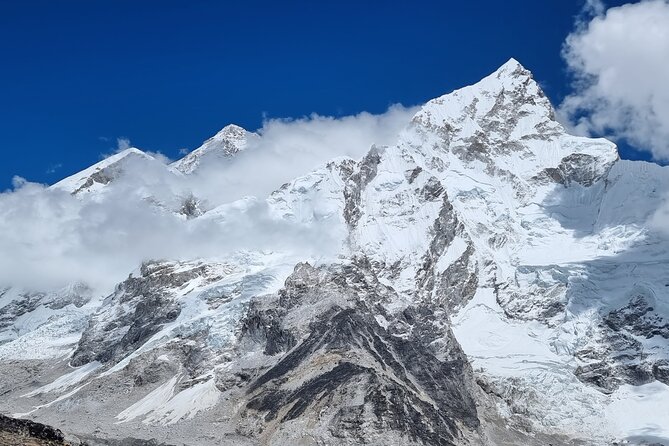
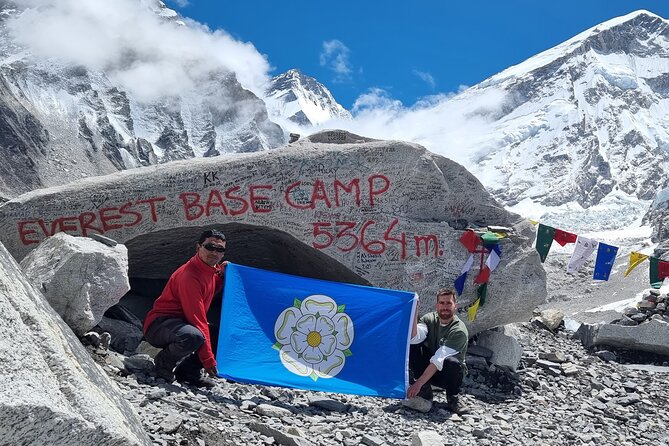
- Everest Base Camp sits at 5,364 meters, making altitude the central challenge of the trip.
- Sherpa villages and Buddhist monasteries provide cultural interest beyond the mountain views.
- Meals, sleeping bag, duffel bag, fees, and taxes are included, while insurance, visa, snacks, drinks, and tips are not.
- Private group format gives you a more personal experience than a large scheduled group.
- Guide support is a major strength, with Lakpa, Pasang, Buddha Tamang, Gumbo, Nima, and others praised for care and practical help.
- The $2,400 price is strongest for convenience, but you should confirm exactly how transport, accommodation, and flight arrangements are handled before paying.
Why Everest Base Camp is worth the effort
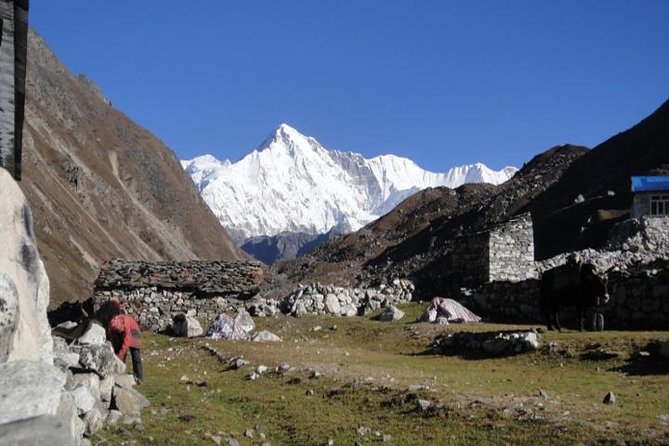
The appeal is obvious, but the route earns its reputation through variety. You are not walking toward a single photo stop. The surroundings change from forest and traditional villages to high alpine country, barren ice, and the Khumbu glaciers.
The cultural side matters just as much as the scenery. Sherpa villages are shaped by Buddhist customs, and old monasteries add a sense of place that a simple mountain sightseeing trip would miss. You get a look at a living Himalayan culture rather than only a distant view of Everest.
The final arrival at base camp is also more meaningful because you have walked there. At 5,364 meters, the site is not a resort or a polished attraction. It is a rugged staging area associated with serious climbing expeditions, set against some of the most famous high peaks on earth.
I also like that the nights are spent in clean scenic lodges rather than in a fully unsupported wilderness camp. You still have a demanding trek, but the lodge format offers warmth and a place to rest after the day’s walking. Do not read clean and comfortable as luxurious. High-altitude lodges are practical, and comfort becomes relative after several hours on the trail.
More Everest Base Camp Treks in Kathmandu
- Everest Base Camp Trek – 14 Days
★ 5.0 · 1,499 reviews - Everest Base Camp Trek
★ 5.0 · 842 reviews - Everest Base Camp Trekking
★ 5.0 · 485 reviews
The 15-day shape of the journey
The published experience gives you 15 days in total, beginning and ending at the Sherpa Expedition & Trekking meeting point in Kathmandu. The exact day-by-day route is not supplied, so you should request the full schedule before booking. That is important because the timing of walking days, rest periods, transfers, and the return to Kathmandu affects how demanding the trip will feel.
The broad rhythm is easy to understand. You start in Kathmandu, move into the Everest region, pass through Sherpa settlements and forested mountain country, continue toward the high glaciers, reach base camp, and return. The trip is long enough to allow the mountain setting to unfold rather than rushing you in and out.
Your start time is 6:15 am. That early departure may involve preparation or transport, so be ready the night before. The meeting point is at Sherpa Expedition & Trekking on Chaksibari Marg in Kathmandu, and the activity ends back there.
Kathmandu is the practical starting point
Kathmandu is more than a place to collect your bags. It is where you meet the operator, prepare for the route, and make sure your equipment is in order. Since pickup is offered, confirm in advance whether that means hotel pickup or only collection from a stated point.
The booking information says confirmation is provided at the time of booking and that the meeting point is near public transportation. The experience is private, meaning only your group participates. That can make a real difference when you need to discuss pace, comfort, or how you are handling the altitude.
One useful sign from the guide feedback is flexibility. Ram is praised for handling changing arrival plans, including meeting a party late at night after a delayed flight to Kathmandu. That does not guarantee the same arrangement for every departure, but it suggests you should contact the company early if your flight schedule changes.
Sherpa villages and Buddhist culture
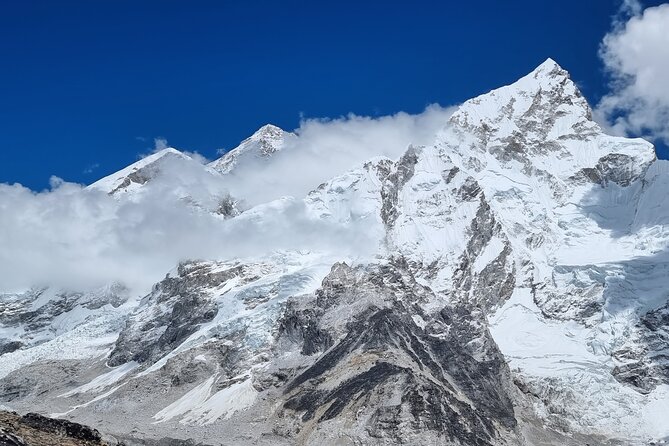
The cultural element gives the trek its strongest sense of place. You pass through traditional Sherpa villages where Buddhist customs remain part of daily life. The route also includes old heritage sites and monasteries, with high peaks forming the backdrop.
I would not treat the monasteries as quick photo stops. Their value is in slowing the journey down. Mountain trekking can become a repeated cycle of walking, eating, and sleeping. A monastery or village gives you a chance to understand why people live in this difficult region and how religion shapes the community.
The information provided does not name each village or monastery, so ask for a detailed itinerary if specific sites matter to you. That will also help you judge how much cultural time is built into the schedule rather than assuming every stop receives a long visit.
More Trekking Tours in Kathmandu
- Annapurna Circuit Trek with Tilicho Lake
★ 5.0 · 368 reviews - Everest Base Camp Trekking – 13 Day
★ 5.0 · 365 reviews - Everest Base Camp Trek
★ 5.0 · 350 reviews - Everest Base Camp Trek -14 Days
★ 5.0 · 321 reviews
From pine forest to Khumbu ice
The changing plant life is one of the pleasures of the trek. The route includes pine forests and alpine rhododendrons before reaching more barren high-altitude country. That transition helps you feel the climb in a visual way. The world gradually loses its softer colors as trees give way to rock, ice, and open mountain terrain.
The Khumbu icefall glaciers provide the trip’s starkest scenery. You should expect a rough, exposed-looking high mountain setting rather than a gentle walk through a park. The views are spectacular, but the same open terrain can make weather and fatigue feel more serious.
Mountain views are part of the reward throughout the trek, not only at base camp. The package promises panoramic views of high peaks, although the exact mountains visible will depend on weather and your route. Clear skies can make a huge difference, so carry patience as well as a camera.
What the guide team adds
A strong guide is not an optional extra on a trek like this. You need someone who can help with direction, daily decisions, communication, and the practical problems that come with high-altitude walking.
Lakpa receives repeated praise for helping parties reach base camp, with Pasang and Nima also noted for support as porters. Another departure highlights Pasang’s extensive mountain experience and his role in making the trip feel safe and manageable. Buddha Tamang is praised for his enthusiasm, country knowledge, and care, while Gumbo and Tendi are noted for watching a solo trekker’s physical condition and adjustment to altitude.
Those details point to the most important benefit of the service: personal attention. One party even notes that guides and porters carried day bags when the group was exhausted. That is helpful, but you should still pack sensibly and avoid assuming that staff will carry everything you bring.
Ask who your assigned guide will be before departure. Names from earlier trips are useful indicators of the company’s guide pool, but they do not confirm who will lead your specific trek.
Lodges, food, and what is included
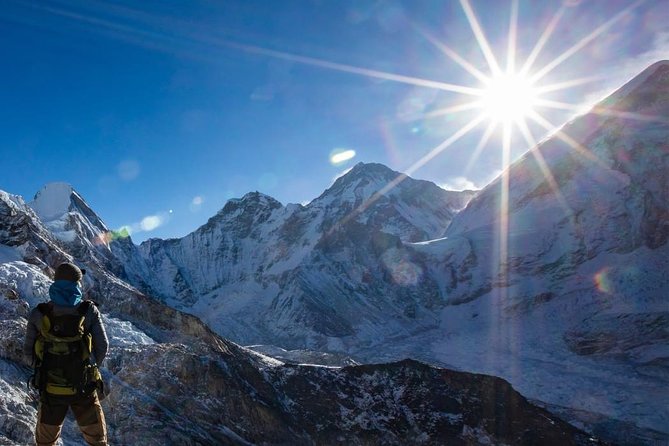
Breakfast, lunch, and dinner are included, along with a sleeping bag and duffel bag. All fees and taxes are also listed as included. This is a meaningful part of the $2,400 price because meals and basic trekking equipment can add planning work and extra expense.
The lodge stays are described as clean and scenic, with warmth and comfort at the end of the day. The word lodge is important here. You are not paying for a private hotel room in every mountain settlement, and the information does not specify room arrangements, bathrooms, electricity, internet, or hot showers.
Food is praised in the supplied feedback, but the exact menu is not stated. Snacks are not included, and neither are soda or alcoholic drinks. Bring or budget for snacks you know you will want during long walking days. Alcohol is a poor place to stretch the budget on a high-altitude trek, and it is specifically outside the package.
The sleeping bag and duffel bag are useful inclusions, especially if you do not already own trekking gear. Still, confirm their specifications, condition, and whether you need to provide your own daypack, clothing, boots, water system, and other personal equipment.
Is $2,400 a fair price?
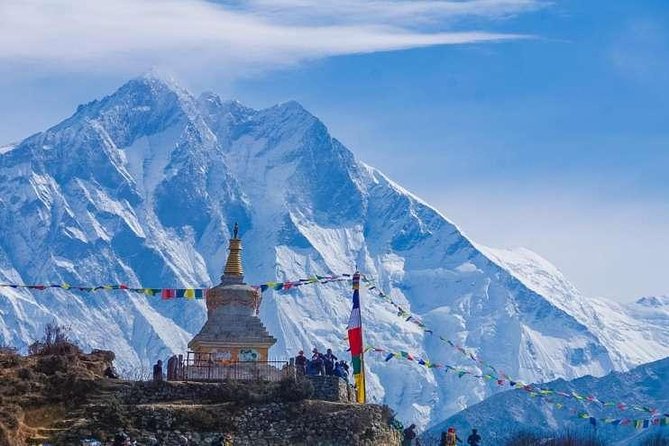
At $2,400 per person, this is not a bargain basement outing. It is a guided private trek with food, basic gear, fees, taxes, lodge accommodation, and the support of guides and porters. For someone who wants one company handling the main arrangements, the price can be reasonable.
The value becomes less clear if important costs are outside the package. Nepal visa fees, travel insurance, tips, snacks, soft drinks, and alcohol are excluded. The supplied information also does not spell out every transport cost, accommodation detail, or flight arrangement. Ask for a written list of inclusions before you compare prices with other operators.
The private format is part of the value. A lower-priced group trek may not offer the same control over pace or communication. If you are traveling alone, the private setup can also provide closer support, though the cost per person may feel high.
I would judge the price by the guide-to-group arrangement and the exact lodging and transport plan, not by the headline number alone.
Fitness, altitude, and the hard part
The operator asks for a moderate level of physical fitness. You should interpret that as the ability to handle repeated days of mountain walking, not just a few weekend strolls.
Altitude is the central concern. Base camp is at 5,364 meters, where the air is much thinner than in Kathmandu. The available information does not provide a medical protocol or specific acclimatization schedule, so ask how the 15 days are divided and what happens if someone struggles at altitude.
The guide feedback repeatedly highlights attention to physical condition and adaptation. That is encouraging, but no guide can remove the risks of high-altitude trekking. Travel insurance is not included and should be treated as essential. Check that it covers trekking at the altitude reached on this trip.
Go slowly, tell your guide when you feel unwell, and do not confuse determination with good judgment. Reaching base camp is an achievement, but returning safely is part of the achievement too.
Who should book this trek?
You should consider this trip if Everest is a personal goal and you want more than a quick mountain view. It suits people who value Sherpa culture, monasteries, changing scenery, lodge nights, and the company of a private guide team.
It is especially appealing if you want meals and basic sleeping equipment arranged for you. Solo trekkers may also like the personal support and private-group format.
I would hesitate if you dislike early starts, uncertain mountain weather, basic lodge conditions, or long periods of physical effort. This is not a sightseeing tour with a few easy walks added. It is a serious trek with a famous destination at the end.
Booking details that matter
The experience starts at 6:15 am in Kathmandu and ends back at the meeting point. Pickup is offered, but confirm the exact arrangement. The activity is near public transportation and confirmation arrives when you book.
Cancellation is free up to 24 hours before the start time for a full refund. Changes made within 24 hours are not accepted and the payment is not refunded. Poor weather or failure to reach the required minimum number of participants can lead to a different date or a full refund.
Before paying, ask for the full daily itinerary, guide assignment, accommodation details, transport plan, equipment specifications, and the minimum group requirement. Those answers will tell you far more about the trip than the base price.
Should you book the Everest Base Camp Trek?
Book it if reaching Everest Base Camp is a genuine goal and you want a private, supported journey with meals, lodge stays, Sherpa guides, and basic gear included. The strongest reasons are the cultural setting, the changing mountain scenery, and the reported care from guides such as Lakpa, Pasang, Buddha Tamang, Gumbo, and Nima.
Do not book it casually. Confirm the daily schedule and altitude plan first, arrange insurance, budget for excluded costs, and prepare for a demanding 15 days. If you are fit, patient, and comfortable with simple mountain conditions, this package offers a well-supported way to take on one of Nepal’s classic treks.
FAQ
Where does the Everest Base Camp Trek start?
It starts at Sherpa Expedition & Trekking on Chaksibari Marg in Kathmandu, Nepal.
What time does the trek start?
The listed start time is 6:15 am.
How long is the experience?
The trek lasts approximately 15 days.
How high is Everest Base Camp?
Everest Base Camp is listed at 5,364 meters.
Is this a private tour?
Yes. Only your group participates in the activity.
Are meals included?
Breakfast, lunch, and dinner are included.
Is trekking equipment included?
A sleeping bag and duffel bag are included.
What costs are not included?
Nepal visa fees, travel insurance, guide and porter tips, alcoholic drinks, soda or pop, and snacks are not included.
Does the activity end in Kathmandu?
Yes. The activity ends back at the meeting point in Kathmandu.
Can I cancel for a full refund?
You can cancel up to 24 hours before the start time for a full refund. Cancellations or changes made less than 24 hours before the start time are not accepted for a refund.
Latest treks added in Kathmandu
- Ghorepani Poon Hill Trek★ 5.0 · 16 reviews
- Private Manaslu Circuit Trek at Himalayas★ 5.0 · 3 reviews
- Ghorepani Poonhill Trek★ 5.0 · 5 reviews
- Upper Mustang Trekking★ 3.0 · 2 reviews
- Amazing 1 Day Trekking Experience in Kathmandu Nepal★ 5.0 · 24 reviews
- Upper Mustang Trekking★ 5.0 · 2 reviews
- Upper Mustang Trek★ 5.0 · 5 reviews
- Upper Mustang Trekking★ 5.0 · 4 reviews
Everest Base Camp Treks, compared.






Browse the lists this tour appears in