
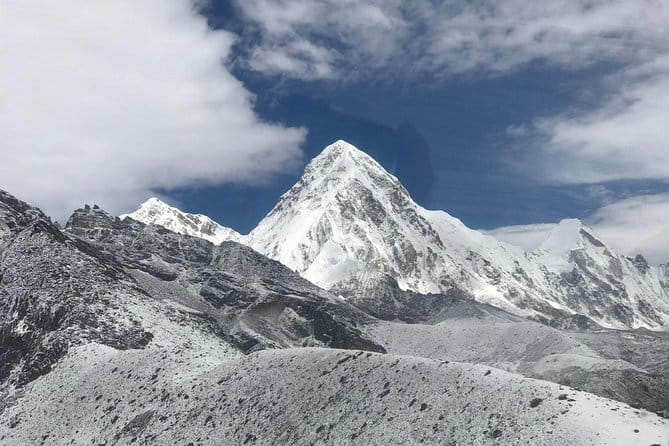
REVIEW · KATHMANDU
Everest Base Camp Trek 14 days
Everest Base Camp is the main event here, but the trek earns its keep through the gradual climb from Lukla, the rest days in Namche and Dingboche, and the early morning walk up Kala Patthar at 5,550 meters. You’ll sleep in simple teahouses, eat standard trekking meals, and reach Everest Base Camp at 5,364 meters.
I like the practical package: domestic flights, permits, meals, lodging, an English-speaking guide, and one porter for every two people are included. I also like the small-group format, plus the direct help of Bimal, also called Happy Bimal, who provides lodging information and trip details before departure. The main drawback is the pace and altitude. This is a serious high-altitude trek, not a casual walking holiday, and the itinerary includes some very long or demanding days.
Key points before you book
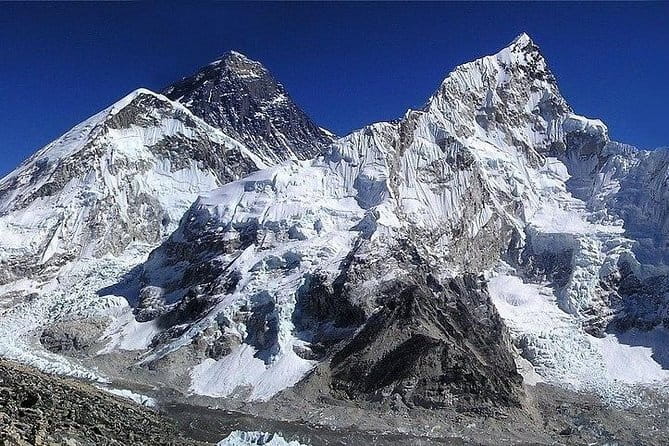
- Kala Patthar sunrise: The highest point on the route is an early morning climb to 5,550 meters, with views that include Mount Everest.
- Two acclimatization days: You spend a rest and exploration day in Namche Bazaar and another in Dingboche.
- Lukla flights included: The package covers the Kathmandu to Lukla and Lukla to Kathmandu flights, including airport tax.
- Teahouse trekking: You stay in local teahouses rather than hotels during the mountain portion of the trip.
- Full trekking support: Meals, tea or coffee, a guide, porter service, staff insurance, a medical kit, and permits are included.
- Private group format: Only your own group takes part, which gives you more control than a large shared departure.
What the $1,897 price really covers
At $1,897 per person, this is not simply a guided walk with a hotel at either end. The fee covers a long list of moving parts: airport transfers, two Kathmandu nights with breakfast, the Lukla flights, national park and TIMS permits, teahouse lodging, trekking meals, an English-speaking guide, porter service, staff costs, and local and government taxes.
You also receive three cups of tea or coffee each trekking day, a medical kit, a company duffel bag, a T-shirt, and a trip certificate. The porter arrangement is one porter for two people, so you should pack with that limit in mind rather than treating the porter as a way to carry everything you own.
The price does not cover travel insurance or emergency evacuation. That is the most important extra cost to plan for. Personal gear, Nepal’s entry visa, international flights, tips, hot showers, bottled or hot water, cold drinks, battery charging, and personal purchases are also on you.
I see good value here for someone who wants one company to handle the basic logistics. The price would be less attractive if you already had your own guide, permits, flights, and porter arrangement, but for a first Everest Base Camp trek, combining those pieces can save time and worry.
More Everest Base Camp Treks in Kathmandu
- Everest Base Camp Trek – 14 Days
★ 5.0 · 1,499 reviews - Everest Base Camp Trek
★ 5.0 · 842 reviews - Everest Base Camp Trekking
★ 5.0 · 485 reviews
Kathmandu on days 1 and 14
Your trip begins with pickup in Kathmandu and transfer to the hotel. The first night is mainly for arrival and trekking preparation, and breakfast is included during the Kathmandu stay. Lunch and dinner are not included in the city, so budget for those separately.
The meeting point is Happyland Treks on Paknajol Marg. The listed start time is 5:00 a.m., which matters because the flight and trekking schedule begins early. Confirm the exact pickup plan before setting out, especially if you arrive late or are staying somewhere other than the arranged hotel.
The final day is flexible in a simple way. You can leave for the international airport, or, if you have extra time, remain in Kathmandu for shopping and sightseeing. The package includes airport pickup and drop-off by car, van, or bus, but it does not include extra city nights beyond the stated two.
The Lukla flight and the walk to Phakding
Day two starts with a roughly 40-minute flight from Kathmandu to Lukla at 2,840 meters. After breakfast in Lukla, you walk to Phakding at 2,610 meters.
This first walking day is useful because it gets you moving without throwing you immediately into the hardest altitude. Still, the short flight does not make the day effortless. Mountain weather can affect the schedule, and the tour specifically notes that poor weather can lead to a different date or a full refund if the activity is canceled.
The route is private for your own group, but the actual conditions in the mountains remain outside the company’s control. Keep some flexibility in your plans if you have an international flight soon after returning from Lukla.
Phakding to Namche Bazaar and the first rest day
The third day takes you from Phakding through Monjo to Namche Bazaar at 3,440 meters. The stated schedule lists up to 12 hours, so you should take the day seriously. The route gains height and asks you to walk for much of the day.
Namche is more than a stopping point. It is the first major mountain settlement on the route and the place where your body begins adjusting to thinner air. Day four is set aside for rest, relaxed exploration, and views around Namche.
I like this built-in pause. You are not simply pushed uphill every day, and a rest day gives your guide a chance to watch how you are handling the height. The schedule says rest, chilling, exploration, and enjoying the view, so do not treat the day as another full trek. Save energy for the route ahead.
More Trekking Tours in Kathmandu
- Annapurna Circuit Trek with Tilicho Lake
★ 5.0 · 368 reviews - Everest Base Camp Trekking – 13 Day
★ 5.0 · 365 reviews - Everest Base Camp Trek
★ 5.0 · 350 reviews - Everest Base Camp Trek -14 Days
★ 5.0 · 321 reviews
Tengboche at 3,868 meters
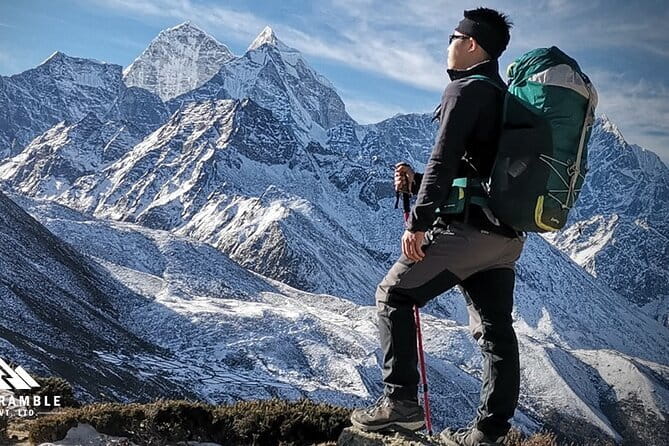
After Namche, you walk to Tengboche at 3,868 meters. This is a shorter altitude step than the days ahead, but you are now well above the starting point and should expect the thinner air to affect your pace.
Tengboche is valued in the itinerary for its mountain setting and overnight stop. The trip description highlights snow peaks and Himalayan glaciers, and this part of the route begins to deliver the high mountain scenery that draws people to Everest Base Camp.
The attraction is not comfort. Teahouse accommodation is practical and basic, and hot showers, hot water, drinks, and charging cost extra. If those services matter to you, carry enough cash for personal expenses and accept that comfort becomes more limited as you climb.
Dingboche and the second acclimatization day
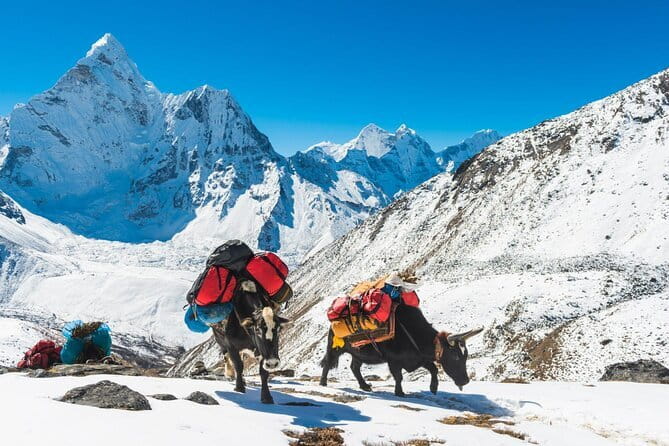
Day six takes you to Dingboche at 4,410 meters. The next day is another acclimatization day, with time to explore around the settlement.
This second rest day is one of the strongest parts of the plan. The next stages rise to Lobuche at 4,910 meters, then Gorakshep at 5,180 meters, Everest Base Camp at 5,364 meters, and Kala Patthar at 5,550 meters. The pause in Dingboche breaks up that climb.
You should use the day exactly as intended: rest and explore rather than chase distance. The itinerary does not promise a particular side hike, so do not assume a named excursion or fixed activity. Your guide can manage the day according to the group’s condition, but you should still expect altitude to be the main challenge.
Lobuche, Gorakshep, and Everest Base Camp
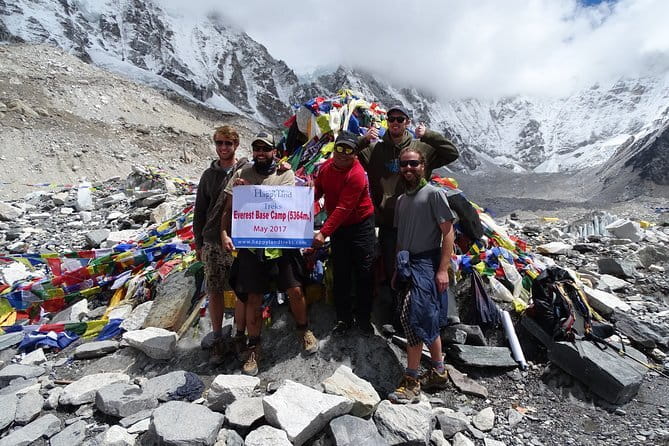
From Dingboche, you trek to Lobuche at 4,910 meters. At this stage, even ordinary walking can feel slow. The itinerary does not give a walking-hour estimate for every day, so your actual progress will depend on pace, weather, and how the group responds to the altitude.
The next day is the central push: Lobuche to Gorakshep at 5,180 meters, onward to Everest Base Camp at 5,364 meters, then back to Gorakshep for the night. This is a demanding schedule because you reach Base Camp and still return to sleep at Gorakshep on the same day.
Everest Base Camp is the emotional high point of the trek, but it is worth understanding what it is and is not. You reach the famous base camp area, surrounded by high Himalayan peaks and glacier scenery, but the summit view is better from Kala Patthar than from Base Camp itself. The following morning is designed to solve that problem.
Kala Patthar at sunrise
Day ten begins before breakfast with the climb to Kala Patthar at 5,550 meters. You return to Gorakshep for breakfast, then continue down to Pangboche at 3,990 meters.
This is the highest point in the schedule and the clearest viewing opportunity for Mount Everest. The reward is a sunrise mountain panorama, including Everest and the surrounding range. The early start is not a minor detail. You need to be ready for a cold, dark, uphill walk after sleeping at high altitude.
The long descent afterward is welcome for acclimatization, but it is still a full day. You climb Kala Patthar, return for breakfast, and then walk down to Pangboche. If you are choosing this trek mainly for the best mountain views, this is the day that carries much of that promise.
The return to Namche and Lukla
From Pangboche, you trek to Namche on day eleven, then from Namche to Lukla on day twelve. The return route is not just an easy stroll downhill. After many days on foot, your legs may be tired, and the descent can be hard on knees and ankles.
The night in Lukla gives you a stopping point before the flight back to Kathmandu on day thirteen. The package includes the domestic return flight and airport tax for the participant and guide.
The Lukla flight is one reason to avoid scheduling an important international connection too soon after the trek. Weather can affect flights, and the activity’s weather policy allows a new date or full refund if the experience itself is canceled for poor conditions. That policy does not replace your own need for travel insurance or emergency cover.
Food, lodging, and daily comfort
All standard breakfast, lunch, and dinner meals are included during the trek, along with three cups of tea or coffee each day. This keeps the main food costs predictable, though cold drinks, hot water, snacks, and other purchases are extra.
You stay in teahouses throughout the mountain route. That means simple lodging rather than resort comfort. The package includes accommodation, but not personal add-ons such as hot showers or battery charging.
The company also provides a duffel bag and a T-shirt. Since one porter is assigned per two people, pack within the porter arrangement and keep essential personal items accessible. Your own equipment is not included, so you need suitable trekking clothing and gear before you arrive.
The guide, porter, and private format
The tour includes an English-speaking guide and one porter for every two people. Staff costs, insurance, and medicine are covered by the package, and a medical kit is included.
The provider is Happyland Treks, with Bimal, also known as Happy Bimal, presented as the owner and adventure expert. Before departure, you can expect him to discuss the trek and provide lodging options and pictures to help you understand what to expect. That advance communication is useful for a route where accommodation and comfort can vary from place to place.
The private format means only your group participates. That can make the walking pace and daily decisions more personal than on a large shared departure. Tips for the guide and porter are expected, so include them in your budget and ask the company for current guidance before you leave.
Who should choose this Everest Base Camp trek?
This trip suits you if you want a structured first visit to Everest Base Camp and prefer to have flights, permits, meals, lodging, guide support, and porter service arranged together. It also suits you if you value direct planning help before arrival and want a private group rather than a larger shared party.
You need moderate physical fitness, but that phrase should not be read as an easy standard. The itinerary includes long walking days and altitudes above 5,000 meters. You should be comfortable with sustained uphill and downhill walking and prepared for basic mountain lodging.
This is less suitable if you need flexible luxury, dislike early mornings, or have no room for weather delays. It is also a poor match if you plan to rely on the tour price for insurance, evacuation, gear, or every personal expense. Those items remain your responsibility.
Should you book the $1,897 trek?
I would consider booking this trek if you want the main Everest Base Camp route with two acclimatization days and a clear support package. The included Lukla flights, permits, meals, teahouses, porter, guide, and staff costs make the price easy to understand, while the private format adds useful flexibility.
Before paying, confirm the exact flight arrangements, lodging plan, guide assignment, porter limits, and emergency procedures. If you accept the altitude, early starts, basic teahouses, and possible weather disruption, Happyland Treks offers a practical way to tackle one of Nepal’s best-known high-altitude routes.
FAQ
How long is the Everest Base Camp trek?
The experience lasts approximately 14 days, including arrival and departure days in Kathmandu, the Lukla flights, the trek to Everest Base Camp, the Kala Patthar hike, and the return to Kathmandu.
What is the highest point on the itinerary?
Kala Patthar is the highest point, at 5,550 meters. Everest Base Camp is listed at 5,364 meters.
Are the Kathmandu to Lukla flights included?
Yes. The package includes the domestic flight from Kathmandu to Lukla, the return flight from Lukla to Kathmandu, and airport tax for the member and guide.
Are meals included during the trek?
Yes. Standard breakfast, lunch, and dinner are included during the trekking portion, along with three cups of tea or coffee each day. Lunch and dinner in Kathmandu are not included.
What type of accommodation is provided?
You receive two nights of accommodation in Kathmandu with breakfast, plus teahouse accommodation during the trek.
Is a guide included?
Yes. An English-speaking guide is included. Porter service is also provided at a rate of one porter for every two people.
Do I need travel insurance?
Yes. Travel medical insurance and emergency evacuation costs are not included in the price, so you must arrange them separately.
What happens if poor weather cancels the experience?
If the experience is canceled because of poor weather, you are offered a different date or a full refund. For a normal cancellation, you must cancel at least 24 hours before the start time for a full refund.
Latest treks added in Kathmandu
- Ghorepani Poon Hill Trek★ 5.0 · 16 reviews
- Private Manaslu Circuit Trek at Himalayas★ 5.0 · 3 reviews
- Ghorepani Poonhill Trek★ 5.0 · 5 reviews
- Upper Mustang Trekking★ 3.0 · 2 reviews
- Amazing 1 Day Trekking Experience in Kathmandu Nepal★ 5.0 · 24 reviews
- Upper Mustang Trekking★ 5.0 · 2 reviews
- Upper Mustang Trek★ 5.0 · 5 reviews
- Upper Mustang Trekking★ 5.0 · 4 reviews
Everest Base Camp Treks, compared.






Browse the lists this tour appears in