
REVIEW · KATHMANDU
Everest Base Camp Trek – 14 Days
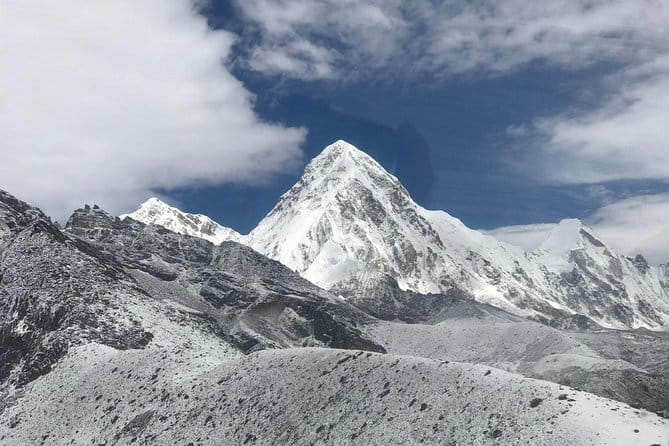
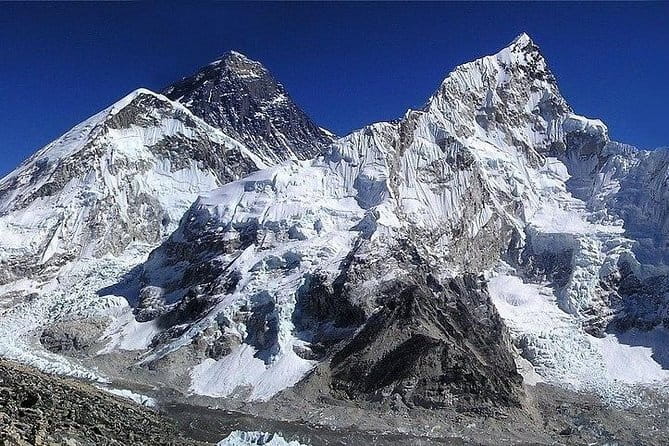
Everest Base Camp is not just a mountain walk. It is a gradual change from Kathmandu’s busy valley to high Himalayan country, with Sherpa villages, yak pastures, pine woods, glaciers, and a final push to 5,545-meter Kala Patthar. The real prize is not standing at Base Camp itself, but seeing Everest, Lhotse, Nuptse, Ama Dablam, and Pumori gathered around you.
I like the two built-in acclimatization days, which give your body a fair chance to adjust, and I like the practical setup: flights, permits, guide, porter, meals, and Kathmandu hotels are covered. The main caution is altitude. This is a demanding trek, not a sightseeing walk, and weather can delay the Lukla flights or change the plan.
Key points to know before booking
- Lukla flight begins the adventure: The 35-minute flight from Kathmandu leads straight into the Everest region.
- Two acclimatization days matter: You spend time adjusting in Namche Bazaar and Dingboche rather than racing uphill.
- Kala Patthar is the visual high point: At 5,545 meters, it offers close views of Everest, Ama Dablam, and Pumori.
- Porter support keeps your pack manageable: One porter is shared by two people, carrying luggage while you walk with a day pack.
- The $1,800 price covers major essentials: Flights, permits, guide, porter, meals, and two Kathmandu hotel nights are included.
- The group is capped at 15 people: That is small enough for a more personal trek, though the pace still depends on the group.
From Kathmandu to the mountain trail
Your trip starts with airport pickup in Kathmandu. A representative from Nepal Trek Adventure and Expedition meets you outside Tribhuvan International Airport and takes you to the hotel. This first transfer is simple, but useful after a long flight. It also gives you a clear local contact before the trek begins.
The package includes two nights in a three-star hotel in Kathmandu, or a similar property. The information provided does not specify the hotel name, so ask before booking if that detail matters to you. You should also use this time to confirm your equipment, luggage arrangement, flight time, and insurance paperwork.
The early start on Day 2 is important. The meeting time is listed as 6:15 a.m., and the flight to Lukla takes about 35 minutes. This short trip is one of the memorable parts of the route. You leave the Kathmandu valley and land at Tenzing-Hillary Airport at 2,804 meters.
More Everest Base Camp Treks in Kathmandu
- Everest Base Camp Trek – 14 Days
★ 5.0 · 1,499 reviews - Everest Base Camp Trek
★ 5.0 · 842 reviews - Everest Base Camp Trekking
★ 5.0 · 485 reviews
Day 2: Lukla to Phakding
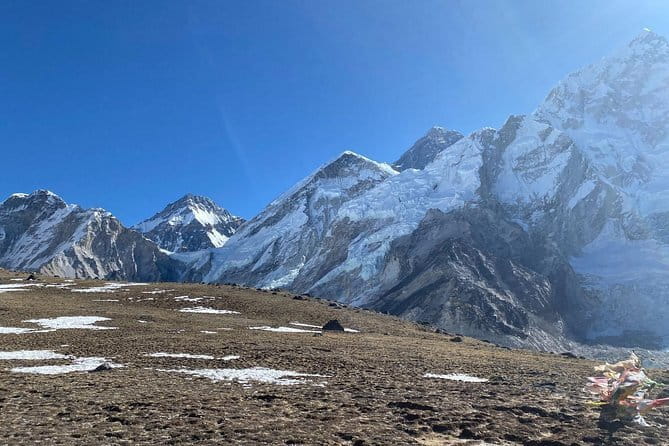
After landing, your guide introduces the porters and gives a briefing. The first walking day is relatively gentle, which is exactly what you want after the flight and the sudden change in altitude.
The route drops toward the Dudh Kosi River and joins the main trail toward Namche Bazaar. You pass through Ghat and reach Phakding at about 2,610 meters. The walk takes roughly five hours, although the exact time depends on stops and group pace.
This first day lets you learn the rhythm of the trek. You will walk on a mix of village paths and mountain trails, with river crossings, fields, and early views of the surrounding peaks. It is not a day for proving how fast you can walk. A steady pace now helps later.
Days 3 and 4: Namche Bazaar and acclimatization
The route from Phakding to Namche enters Sagarmatha National Park and passes through forests, traditional villages, cultivated fields, and yak pasture. Thamserku rises above the trail, giving you a first strong sense that the mountains are becoming the main event.
Namche Bazaar is the largest Sherpa settlement in the Khumbu region. It is a trading and supply center, and many Everest expeditions and treks pass through here. You can buy forgotten items such as chocolate, but prices in the mountains are higher than in Kathmandu. Bring essential gear from the capital and treat Namche as a backup, not your main shopping stop.
Day 4 is an acclimatization day. The plan is not simply to rest in bed. A short hike helps your body adjust better than complete inactivity. You may walk around Namche or visit Khumjung village and the school associated with Sir Edmund Hillary.
The mountain views from this area can include Kwangde, Thamserku, Kangtega, Nuptse, Lhotse, Ama Dablam, and Everest. Clear weather is never guaranteed, but this is one of the best early chances to see the high peaks without pushing farther uphill.
Namche is also an important checkpoint. Pay attention to headaches, nausea, unusual tiredness, or poor sleep. Tell your guide early if you feel unwell. The schedule has some flexibility, but altitude problems should never be hidden from the guide or group.
Days 5 and 6: Tengboche, Pangboche, and Dingboche
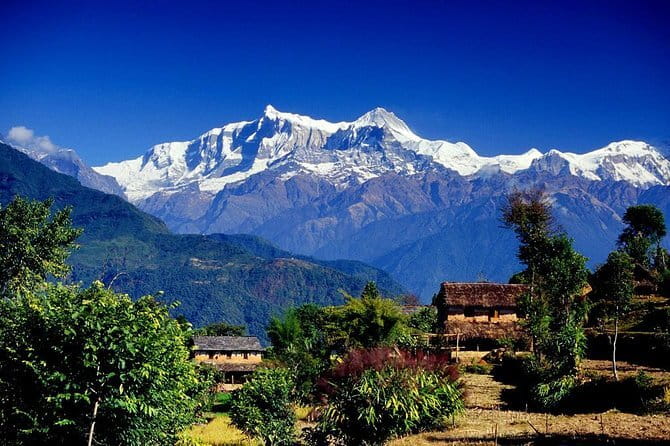
Leaving Namche, the trail continues toward Tengboche. The route rises gradually, with some sections close to steep slopes. Ama Dablam becomes a major visual feature, and its sharp shape is one of the defining sights of the Khumbu.
The walk includes pine forest, rhododendrons, small waterfalls, and mountain views. Tengboche is known for its monastery and its setting among the high peaks. The itinerary mentions lunch at about 3,680 meters and an overnight stay in Tengboche.
The next stage leads through Pangboche and above the tree line. Once you reach the alpine zone, the scenery changes quickly. Trees become scarce, the air feels thinner, and the Imja River and surrounding peaks take over the view.
Dingboche sits at about 4,410 meters. It is another key acclimatization stop, not a place to rush through. The village has lodges, an internet cafe, a helicopter landing pad, and even a high-altitude billiards hall. Those small comforts can seem surprisingly welcome after several days on foot.
The itinerary says the lower route is used on the way to Base Camp, with an upper route on the return. It also refers to Gopma, about 120 meters above the lower settlement. Ask your guide how the exact route will work, since weather, trail conditions, and group health can affect the plan.
More Trekking Tours in Kathmandu
- Annapurna Circuit Trek with Tilicho Lake
★ 5.0 · 368 reviews - Everest Base Camp Trekking – 13 Day
★ 5.0 · 365 reviews - Everest Base Camp Trek
★ 5.0 · 350 reviews - Everest Base Camp Trek -14 Days
★ 5.0 · 321 reviews
Day 7: Dingboche acclimatization
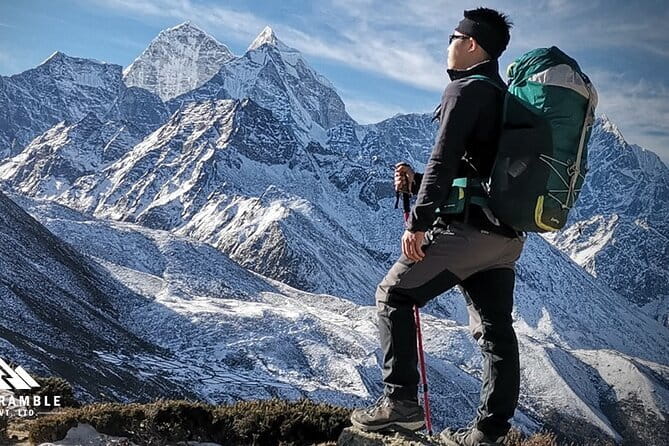
Dingboche provides the second major acclimatization day. One option is a hike toward Chhukung or Chhukung Ri. Chhukung village sits at about 4,730 meters, while Chhukung Ri reaches roughly 5,550 meters.
The higher climb can offer views toward Makalu, Ama Dablam, and Baruntse, but it is optional and demanding. You do not need to treat it as a test. If you are tired or showing signs of altitude trouble, a lower walk around Dingboche is the sensible choice.
The itinerary names Hotel Bright Star in Chhukung as a popular lunch stop, though lunch there is not listed as a required part of the package. In general, the included meals cover 10 lunches, 10 dinners, and 12 breakfasts, but extra drinks and other purchases are your responsibility.
Days 8 and 9: Lobuche, Gorakshep, and Base Camp
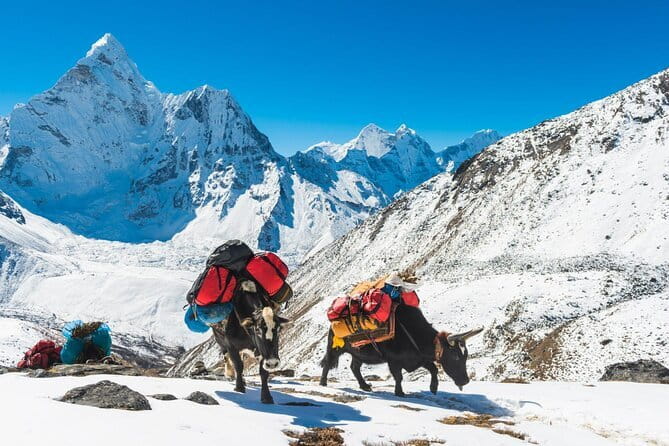
From Dingboche, the route heads through broad valleys toward Dughla. After Dughla, the trail rises toward Lobuche at about 4,910 meters. You pass yak fields around Dusa, but the trees and green slopes now disappear.
Lobuche is a stark place. Snow-covered slopes, exposed rock, and large peaks replace the wooded trails lower down. The itinerary highlights views of Tawache, Pumori Peak, and Cholatse. This is beautiful country, but it can also feel cold, windy, and physically draining.
From Lobuche, the walk to Gorakshep takes roughly two to three hours. The route passes near the Khumbu Glacier, described in the itinerary as the world’s highest glacier. Ice formations and small water pools make the glacier area memorable, although the trail is not a casual stroll. Uneven ground and altitude require careful footing.
From Gorakshep, you continue toward Everest Base Camp. Base Camp is the staging area used by climbers attempting Everest, but the view of the summit is not always the best from Base Camp itself. The achievement is reaching this remote point on foot, surrounded by the Khumbu Glacier and enormous peaks.
After spending time at Base Camp, you return to Gorakshep. This is a full and tiring day. Keep your expectations realistic: the high altitude can make even a short distance feel slow, and the schedule may need to adjust for weather or group condition.
Day 10: Kala Patthar at 5,545 meters
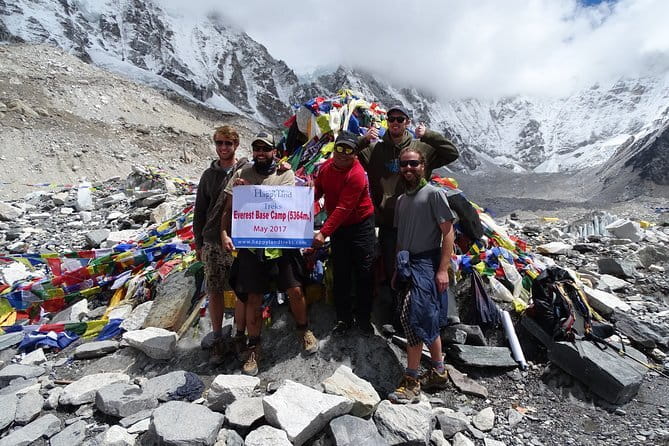
Kala Patthar is the trek’s highest point and, for many people, its best viewpoint. At about 5,545 meters, the climb is demanding, but the reward is a close view of Everest, Ama Dablam, and Pumori, along with glaciers and surrounding peaks.
The itinerary places the Kala Patthar walk on Day 10, followed by a descent toward a lower village or a visit to the H.M.A.R. hospital, founded in 1975. The exact sleeping arrangement should be confirmed with the operator because the supplied schedule gives several altitude references but does not clearly name the overnight stop.
This day shows why acclimatization is so important. You are at the highest point after gradually gaining altitude over several days, rather than arriving there too quickly. Still, 5,545 meters is serious altitude. Go slowly, drink regularly, and follow your guide’s advice.
Days 11 and 12: The return through the Khumbu
The return to Namche follows the trail through Orsho, Somare, Pangboche, and Tengboche. Downhill walking is easier on your lungs, but it can be hard on knees and feet. Trekking poles can be useful, especially on uneven stone paths.
You will have repeated views of forests and peaks as you descend. The return journey is not simply a repeat of the way up. Your body is tired, but the lower altitude usually makes walking and sleeping easier.
Day 12 continues to Lukla, where the trek ends. The afternoon is free for rest, a hot shower, and time with the group. The itinerary also suggests drinks and dancing in the evening. That sounds appealing after two weeks on foot, but pace yourself. You still have a flight the next morning.
Day 13: The flight back to Kathmandu
The return flight from Lukla to Kathmandu takes about 35 minutes. As with the outbound flight, weather matters. Lukla flights can be delayed or canceled, and this is one reason you should not schedule an important international connection immediately after the trek.
Back in Kathmandu, the operator transfers you to the original hotel. The package includes two Kathmandu hotel nights, but confirm exactly which nights are covered if you plan to extend your stay.
The company can also arrange other activities after the trek, including a Chitwan jungle safari, river rafting, Kathmandu shopping, and mountain biking. These are optional extras, not part of the $1,800 package.
What the $1,800 price really includes
At $1,800 per person, this trek offers solid value if you want the major logistics handled. The price includes:
- Kathmandu to Lukla and return flights
- Trekking permits
- An English-speaking guide with more than 10 years of experience
- Porter support, with one porter shared by two people
- Two nights in a three-star Kathmandu hotel or similar
- 12 breakfasts
- 10 lunches
- 10 dinners
- Airport pickup and return transfer
The shared porter arrangement is worth understanding. You will still carry a day pack with water, clothing, documents, and personal items. The porter carries your larger luggage, but two people share one porter, so pack thoughtfully and stay within the operator’s luggage rules.
The price does not include tips, travel insurance, medical coverage, emergency evacuation, or unspecified expenses. Insurance is not a minor extra on a high-altitude trek. Make sure your policy covers trekking at the maximum altitude and emergency evacuation before you go.
Group discounts are offered, and the group size is limited to 15 people. Ask how the discount works and whether the group will be smaller for your departure.
Guides, support, and the human side
The company assigns an English-speaking guide with more than 10 years of experience, but the exact guide for your departure is not stated. Guides connected with this operator include Sujan Nepal, TB, Shiva, Dipak, and Tribhuvan.
That matters because a good guide does much more than lead the path. Past trips have included help with weather changes, alternate routes, medical emergencies, and helicopter evacuation. One account describes the team arranging a rapid helicopter transfer after a participant became ill, which underlines the value of a responsive local operator.
You should still ask who your guide will be, how many porters are assigned, what luggage limit applies, and what the emergency procedure is. Tips are expected and are not included, so budget for them separately.
Who should book this trek?
This trip suits you if you want a classic Everest Base Camp route with a set 14-day framework, porter help, organized flights, and two acclimatization days. It is also a good fit if you prefer a small group rather than a private trek, but do not want to arrange every permit, lodge, meal, and transfer yourself.
You need moderate physical fitness and the ability to walk for several hours on mountain trails. The itinerary includes long days, steep sections, cold high-altitude areas, and a maximum point above 5,500 meters.
It is not a good choice if you need guaranteed flight times, dislike basic mountain conditions, or want a relaxed holiday with little physical effort. Weather can change the plan, and the short domestic flights are useful but not fully predictable.
Should you book the 14-day Everest Base Camp trek?
I would consider this a strong value option for a first Everest Base Camp trek, especially because flights, permits, meals, guide support, porter service, and Kathmandu accommodation are bundled into the price.
Book it if you want the classic route, can handle a serious high-altitude walk, and are comfortable with some uncertainty around weather and timing. Before paying, confirm your assigned guide, luggage rules, hotel names, insurance requirements, and the exact overnight plan after Kala Patthar. Those answers will tell you whether this organized trek matches your pace and comfort level.
FAQ
How long is the Everest Base Camp trek?
The experience lasts approximately 14 days, including airport transfers, the Kathmandu hotel stay, the trek, domestic flights, and the return to Kathmandu.
Where does the trek start?
It starts at Tribhuvan International Airport in Kathmandu, Nepal. The listed meeting time is 6:15 a.m.
How do I reach the Everest region?
You take a scenic flight from Kathmandu to Tenzing-Hillary Airport in Lukla. The flight takes about 35 minutes.
Is a porter included?
Yes. Porter support is included, with one porter shared by two people for carrying luggage.
Are meals included?
Yes. The package includes 12 breakfasts, 10 lunches, and 10 dinners.
Is travel insurance included?
No. You must arrange travel insurance that includes medical care and emergency evacuation.
What is the highest point on the trek?
Kala Patthar is the highest point listed, at approximately 5,545 meters.
What happens if bad weather cancels the experience?
If poor weather causes cancellation, you will be offered another date or a full refund. Cancellation by you is fully refundable when made at least 24 hours before the start time. Less than 24 hours before the start time, the amount paid is not refunded.
Latest treks added in Kathmandu
- Private Manaslu Circuit Trek at Himalayas★ 5.0 · 3 reviews
- Ghorepani Poonhill Trek★ 5.0 · 5 reviews
- Ghorepani Poon Hill Trek★ 5.0 · 16 reviews
- Upper Mustang Trekking★ 3.0 · 2 reviews
- Amazing 1 Day Trekking Experience in Kathmandu Nepal★ 5.0 · 24 reviews
- Upper Mustang Trekking★ 5.0 · 2 reviews
- Upper Mustang Trek★ 5.0 · 5 reviews
- Upper Mustang Trekking★ 5.0 · 4 reviews
Everest Base Camp Treks, compared.






Browse the lists this tour appears in